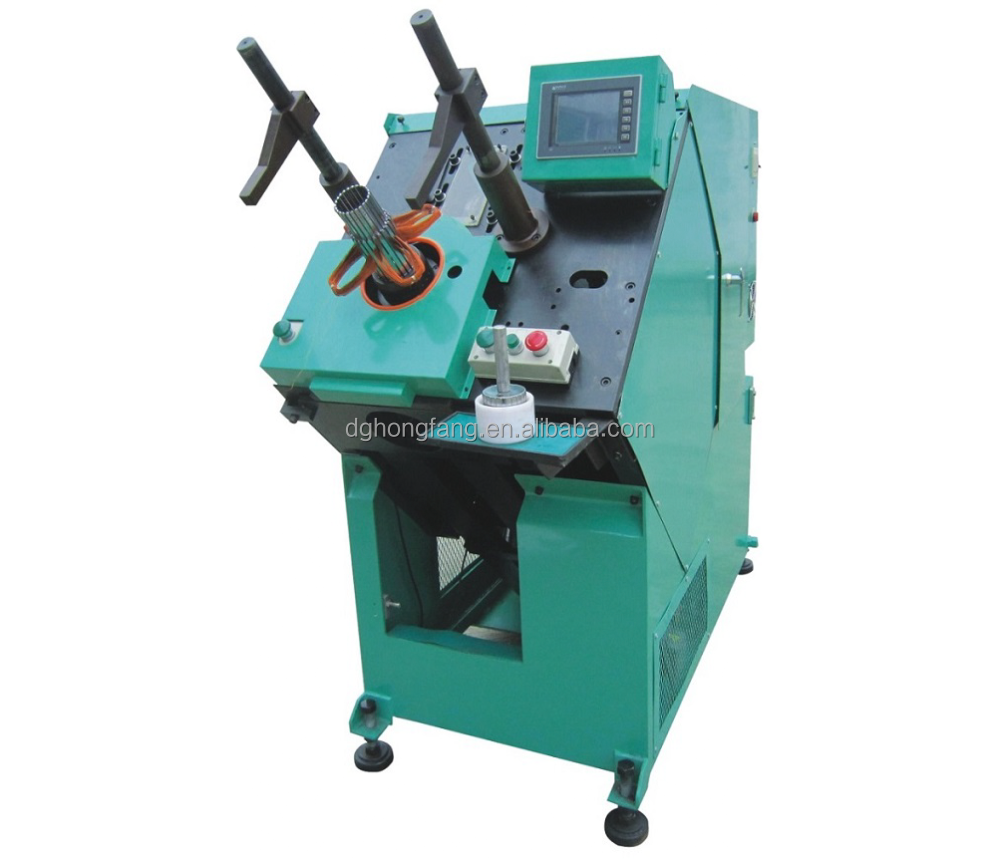
Automatic Servo System Stator Coil and Wedge Inserting Machine
Transfers wound copper or aluminum coils alongside slot insulating wedges simultaneously in a single stroke, safeguarding enamel coating.
Learn MoreCustom-tooled automation machinery designed for tight slot fill factors, repeatable coil forming, and heavy-duty serial production in European and Balkan manufacturing hubs.
Transfers wound copper or aluminum coils alongside slot insulating wedges simultaneously in a single stroke, safeguarding enamel coating.
Learn More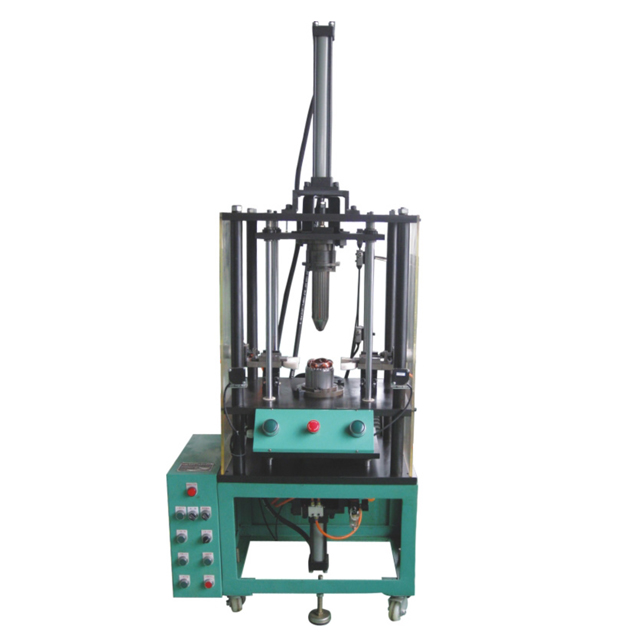
Intermediate hydraulic coil shaper engineered for mid-line stator forming, achieving precise end-turn clearance before secondary lacing procedures.
Learn More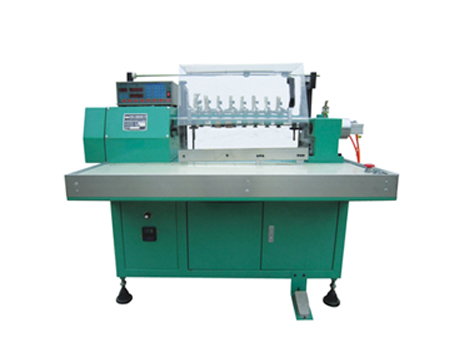
Engineered for multi-pole cooling fan and evaporative cooler assemblies. Delivers programmable turn counts and consistent wire nesting.
Learn More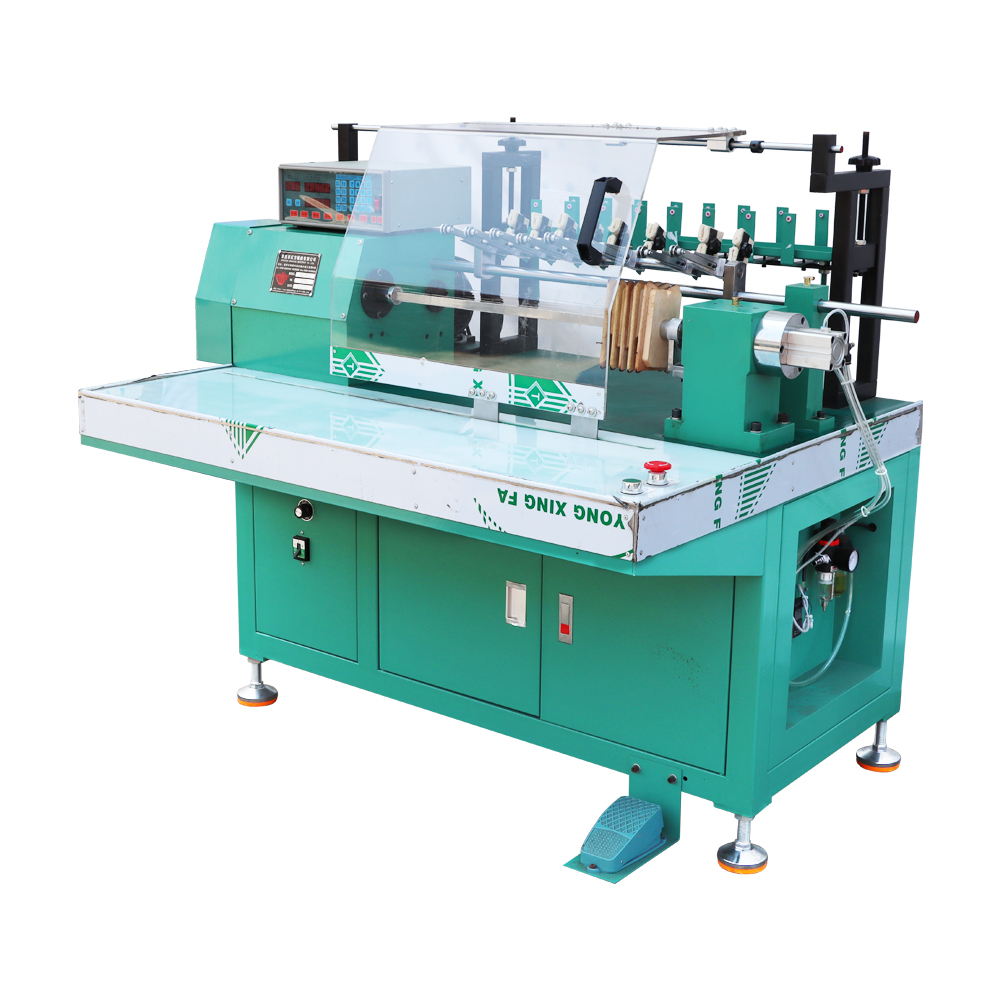
Accommodates single-phase 220V setups with wire gauges 0.1–1.2mm. Supports seamless transitioning between copper and aluminum conductors.
Learn More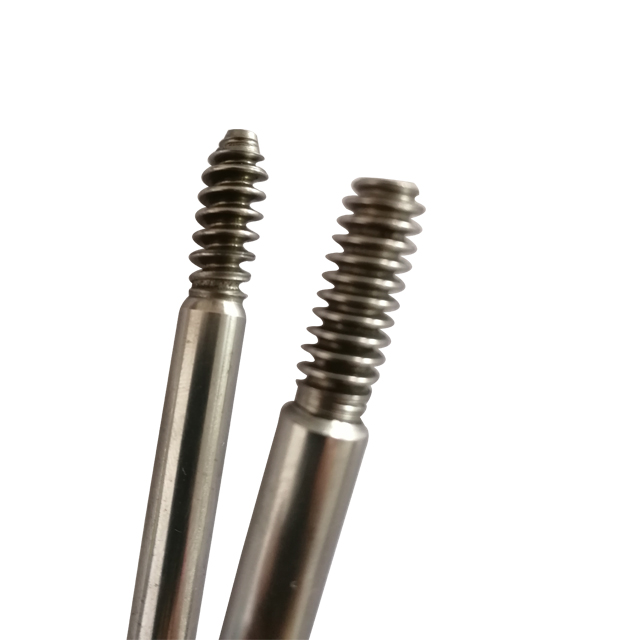
High-precision rotor shafts manufactured from selected SC45# carbon steel. Turned and ground to strict micro-tolerances for vibration-free balance.
Learn More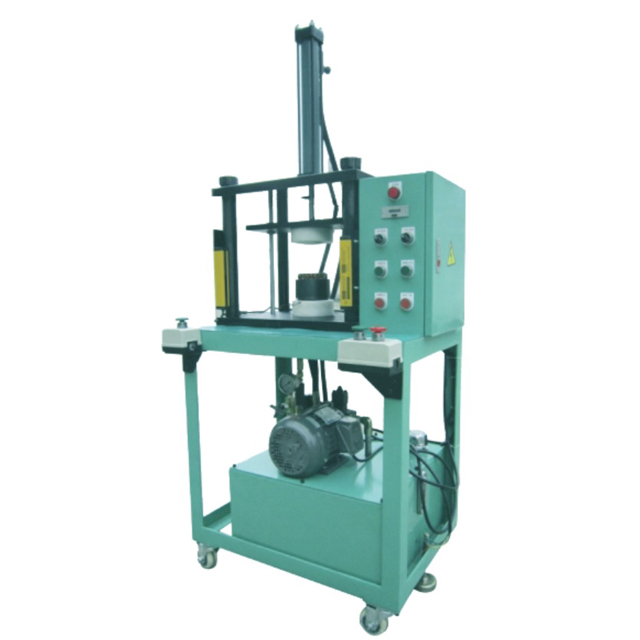
Heavy-duty final forming press designed to establish exact dimensional boundaries for coil overhang, ensuring rotor bore concentricity.
Learn More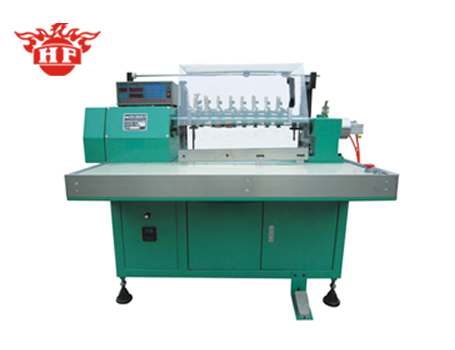
Multi-spindle automatic coil flyer winder providing high throughput for household, ventilation, and commercial electric drives.
Learn More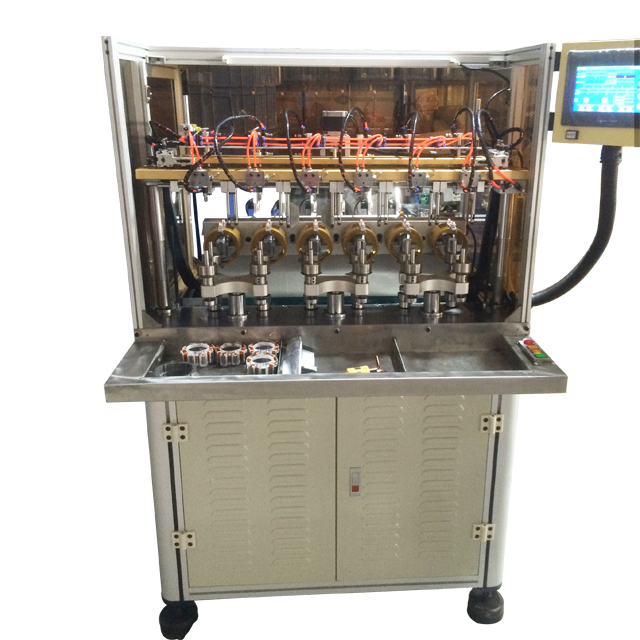
Continuous rotary six-station turret winding system engineered for BLDC stators and high-efficiency induction motor manufacturing lines.
Learn MoreA strategic industrial analysis on deploying high-efficiency motor automation machinery within the northern Serbian manufacturing cluster.
The historical commercial and academic capital of Vojvodina, Novi Sad, has evolved rapidly into one of Central and Southeastern Europe's most resilient epicenters for electro-mechanical engineering, precision machining, and specialized automotive subsystem manufacturing. Positioned directly along the Danube River and the multimodal Corridor X transit route, industrial facilities located in Novi Sad's industrial zones (such as Radna Zona Sever) and neighboring municipalities like Inđija, Stara Pazova, and Bačka Palanka demand dependable, precision-calibrated automated motor manufacturing assets.
Modern production facilities operating within Novi Sad are facing simultaneous challenges: the need to adhere to the strict ecodesign mandates set forth by the European Commission (including mandatory IE3 and IE4 efficiency standards) and the economic necessity of lowering labor overhead through semi-autonomous and fully automated cell deployment. The application profile in this region typically encompasses three distinct manufacturing pillars:
Vojvodina’s rich agricultural infrastructure demands rugged deep-well submersible pumps, drainage impellers, and greenhouse ventilation fan motors. Zunqi automatic coil inserting and winding lines accommodate robust winding pitches with thick insulation liners to withstand harsh, moisture-laden field operations.
With Tier-1 and Tier-2 automotive component manufacturers investing in industrial plants around Novi Sad, demand for low-voltage auxiliary motors (HVAC blowers, wiper units, steering actuators, window lifts) has surged. Our six-station internal and outer winding machinery ensures microscopic tension management for zero copper wire fatigue.
Supplying regional air handling equipment and industrial drives requires fast cycle-time repeatability. The combination of our HF-W120H final forming presses and servo double-side lacing systems ensures stator end-turns clear housing covers perfectly, avoiding insulation abrasion and dielectric breakdown.
How the South Bačka manufacturing ecosystem is adapting to European Green Deal directives and decentralized supply chains.
The industrial landscape in northern Serbia is undergoing an unprecedented modernization cycle. Facilitated by strategic free trade agreements, the alignment of Serbian national technical regulations with EU Machinery Directives (2006/42/EC), and the localized presence of engineering talent from the University of Novi Sad's Faculty of Technical Sciences (FTN), domestic assemblers are rapidly phasing out manual stator assembly benches in favor of integrated, closed-loop machine cells.
A key development driving this transition is the shift from classic asynchronous squirrel-cage motors to Permanent Magnet Synchronous Motors (PMSM) and Brushless DC (BLDC) architectures. BLDC and servo motors require significantly higher slot-fill density and meticulous stator tooth winding accuracy. Conventional manual winding methods often introduce uncoordinated wire crossovers, creating non-uniform localized heat zones and shortening motor operational life. Zunqi Intelligent Equipment addresses this technical constraint directly by providing programmable multi-axis CNC flyer winding kinematics, ensuring that layer-by-layer wire placement achieves maximum slot occupancy without stretching enamel sheathing.
Furthermore, energy price volatility across the European continent has made line power efficiency a paramount metric for procurement managers in Novi Sad. Our machines are built with high-torque, ultra-efficient servo motors and programmable logic controllers (compatible with Western platforms such as Siemens, Schneider, and Mitsubishi) that consume power strictly on-demand during active mechanical strokes, rather than idling under continuous hydraulic load.
Provide your stator lamination drawings (OD, ID, stack height, and slot dimensions) to receive a full cycle-time analysis and machine matching proposal tailored for your workshop.
Direct manufacturer capabilities headquartered in Dongguan, serving automated motor production workshops worldwide.
Every winding flyer, inserting blade, wedge guide, and forming die is custom-machined specifically to your physical stator laminations or mechanical CAD drawings, confirmed with pre-shipment trial video recordings.
Eliminate integration friction between mismatched machines. We supply the entire process sequence: slot paper inserting, winding, coil/wedge insertion, intermediate forming, lacing, final sizing, and rotor turning/shaft pressing.
Standardized on robust PLC platforms with optional hardware tailoring (Siemens, Delta, Mitsubishi, Inovance, Omron, SMC, Airtac), enabling maintenance personnel in Novi Sad to service and diagnose modules easily.
Technical, logistical, and commercial inquiries addressed by our international mechanical engineering support team.
Shipments destined for Novi Sad typically travel via maritime container freight originating from Shenzhen or Guangzhou ports to key Adriatic transshipment hubs (such as the Port of Rijeka in Croatia, Port of Bar in Montenegro, or Port of Piraeus in Greece). From there, goods are transported via bonded overland road freight directly into the Novi Sad customs terminal (Carinarnica Novi Sad). We provide comprehensive EUR.1 / commercial documentation, CE conformity declarations, packing lists, and fumigation-free solid timber crating to facilitate hassle-free customs release under standard Serbian import protocols.
Yes. All electrical control enclosures and servo power supplies are configured during the workshop build phase to suit European continental electrical supplies (standard 3-phase 400V ±10% at 50Hz, or single-phase 230V 50Hz for lighter tabletop winders). We also configure internal secondary 24VDC control circuits with CE-certified switch-mode power supplies to safeguard sensitive PLC and HMI components against common plant grid fluctuations.
Each unit ships with complete bilingual electrical schematics, mechanical parts breakdowns, and step-by-step video manuals covering tooling changeovers and parameter setting. Upon delivery at your Novi Sad plant, our senior engineers provide real-time remote commissioning sessions via dedicated high-definition video connections. For larger multi-machine turnkey installations, on-site commissioning technicians can be scheduled to visit your production workshop.
Absolutely. Our stator winders and coil inserting machines are engineered with quick-change tooling modules. Adjustments to stack height are handled via digital HMI inputs coupled with precision mechanical stops, while transitions between differing stator outside/inside diameters (OD/ID) or slot counts are managed via swappable tooling sets that require less than 20 minutes to exchange.
Standard standalone machines (such as the semi-automatic coil winder or stator slot paper inserting machine) have an average production timeline of 20 to 30 working days from drawing confirmation. Custom tooling sets requiring non-standard slot dies or multi-station indexing systems generally require 35 to 45 working days, culminating in a thorough pre-shipment trial run filmed using your own physical stator samples.
