High-Yield Motor Stator & Rotor Production Solutions
Engineered for high-volume residential ceiling fan motors, industrial HVLS air-circulators, and specialized commercial ventilation systems.
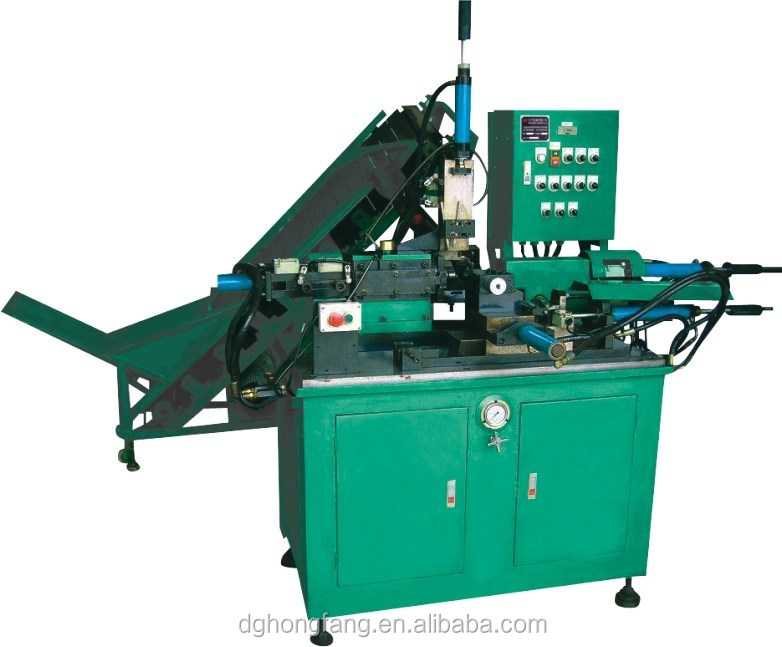
- • Precision PLC control system
- • Integrated coolant pump system
- • Consistent micro-air-gap finishing
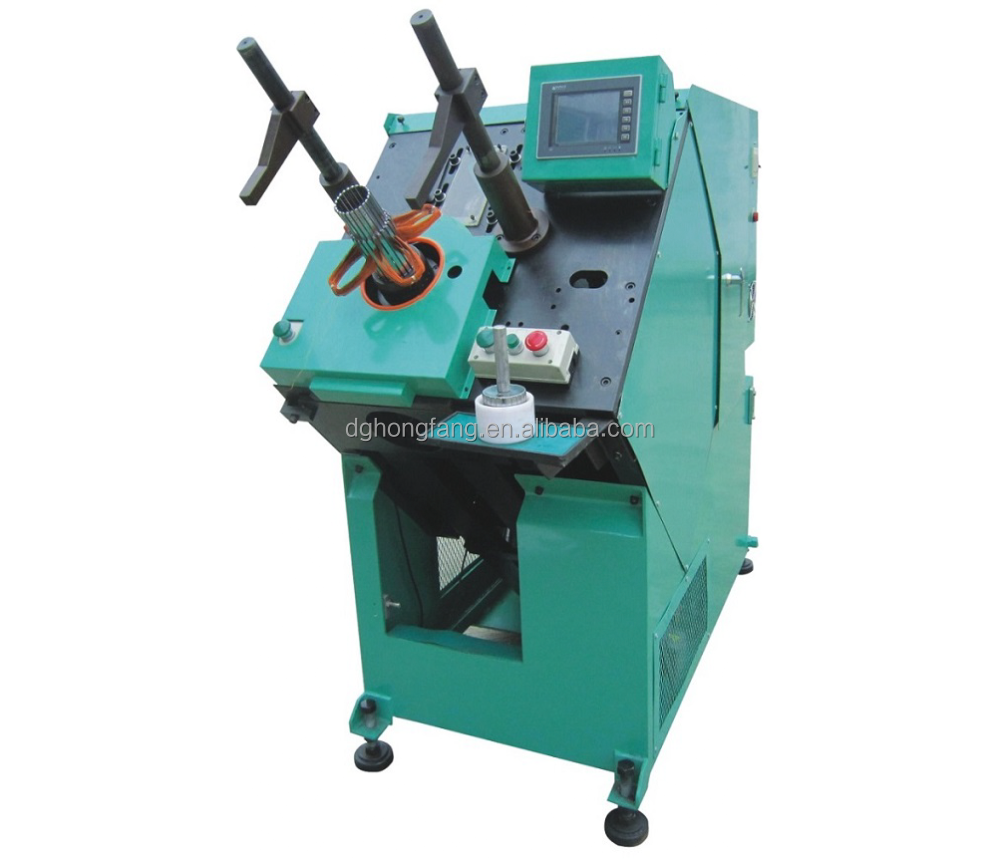
- • Single-stroke coil & wedge insert
- • Heavy-duty modular gear train
- • Anti-scratch copper wire tooling
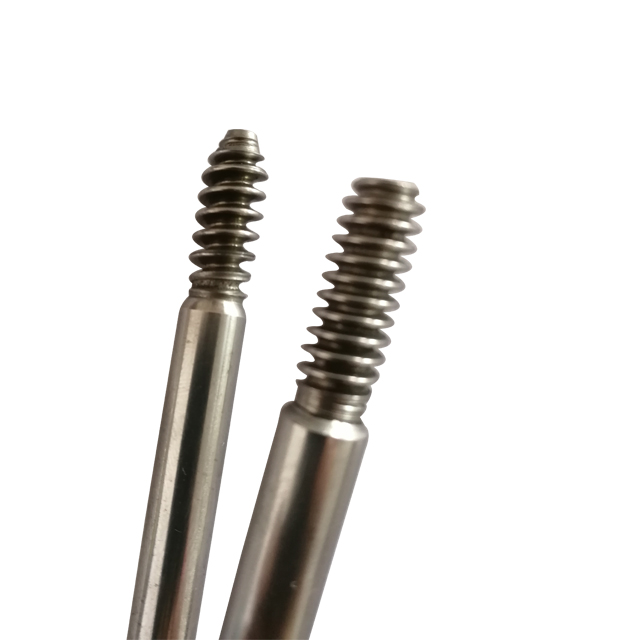
- • SC45# hardened structural steel
- • Precision runout concentricity
- • High torsional strength profile
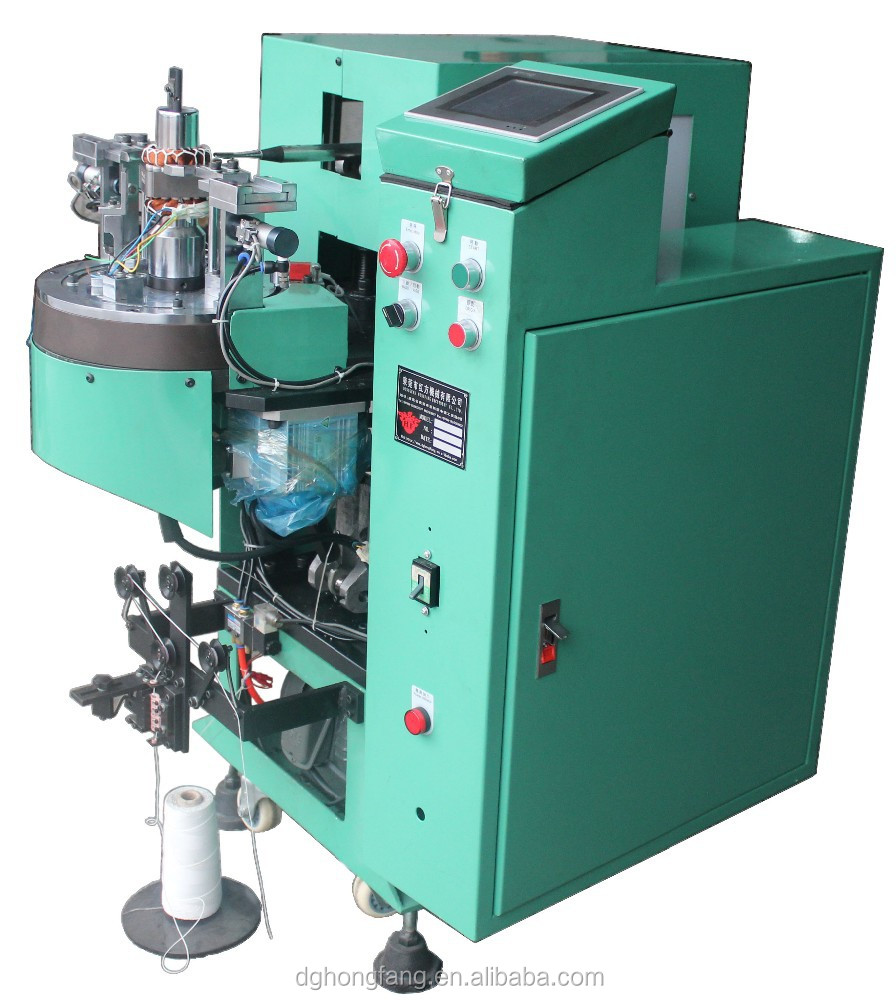
- • 1000W rated dynamic drive
- • Multi-pattern mechanical lacing
- • 380V / 220V dual phase options
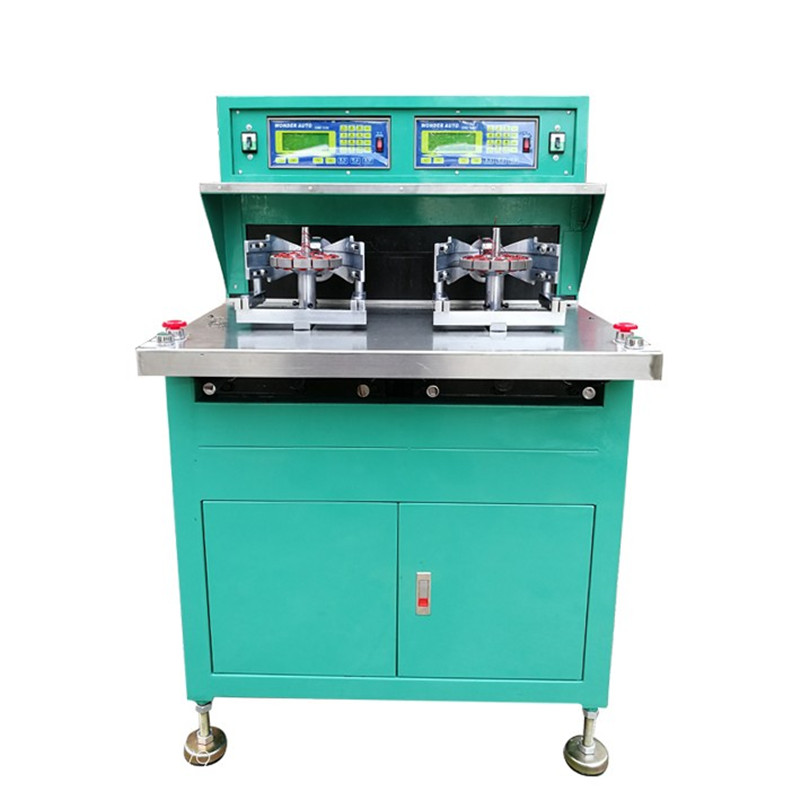
- • Dual controller, dual station setup
- • Synchronous multi-pole winding
- • Closed-loop wire tension array
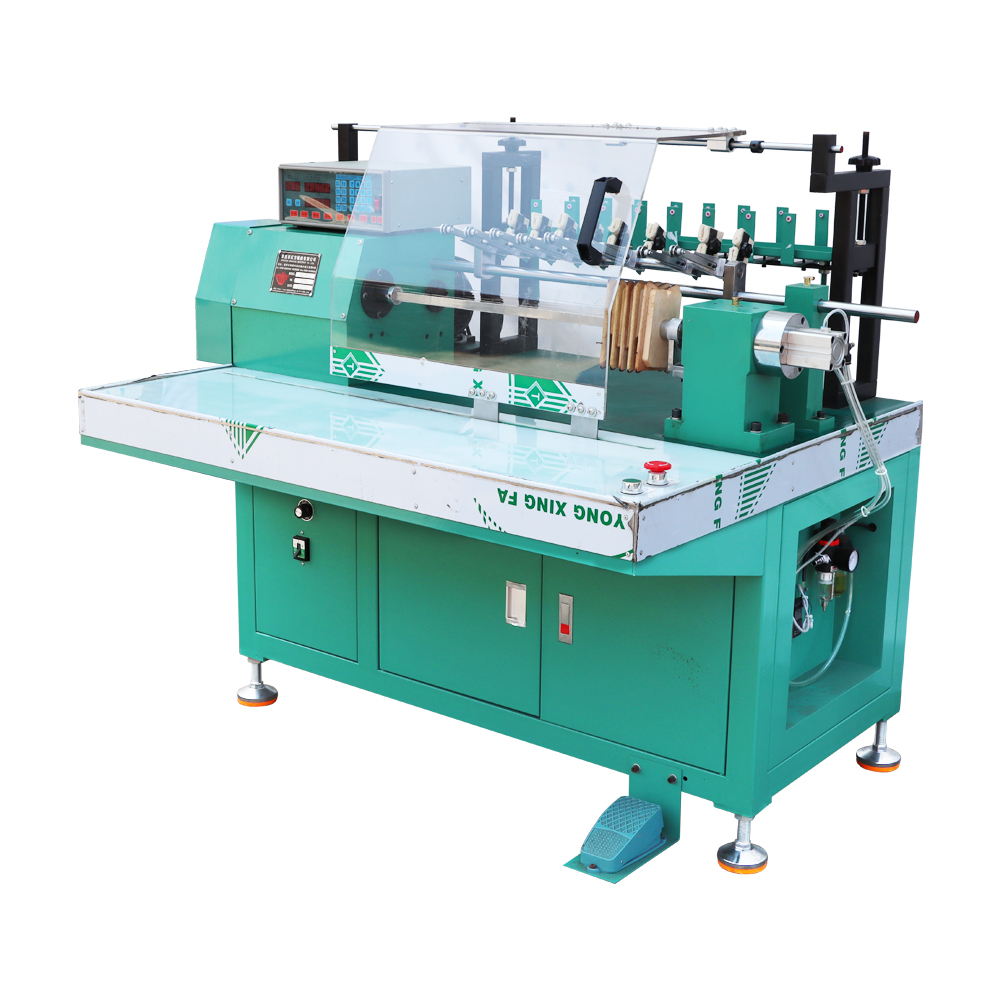
- • Dual copper & aluminum tooling
- • Programmable index stepping
- • Fast-change fixture clamps
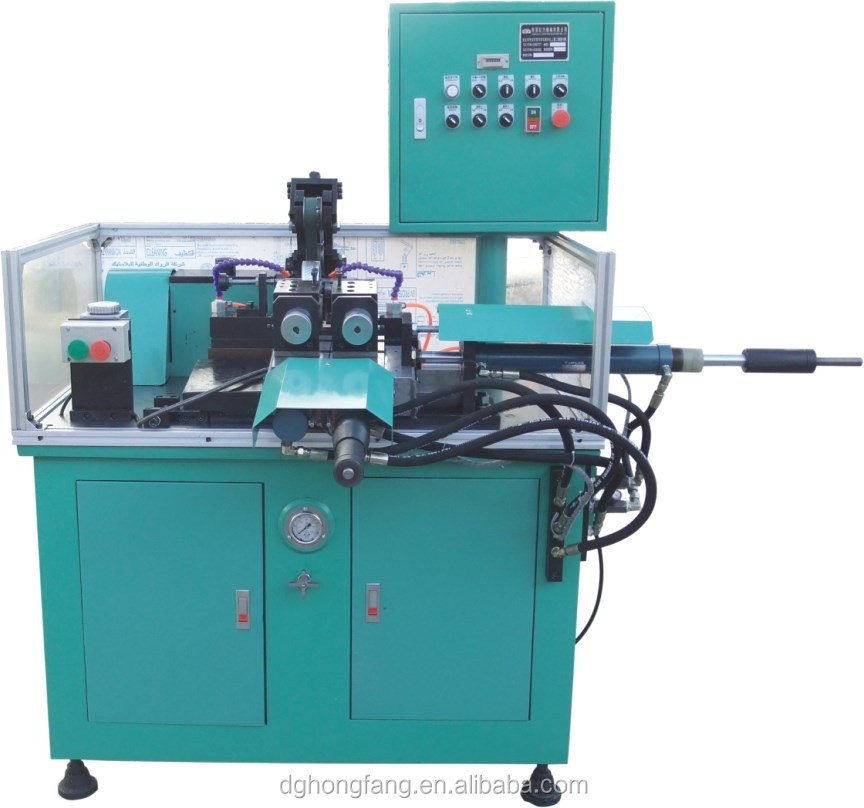
- • High-speed aluminum skim-cut
- • Automated pneumatic clamping
- • Superior concentricity preservation
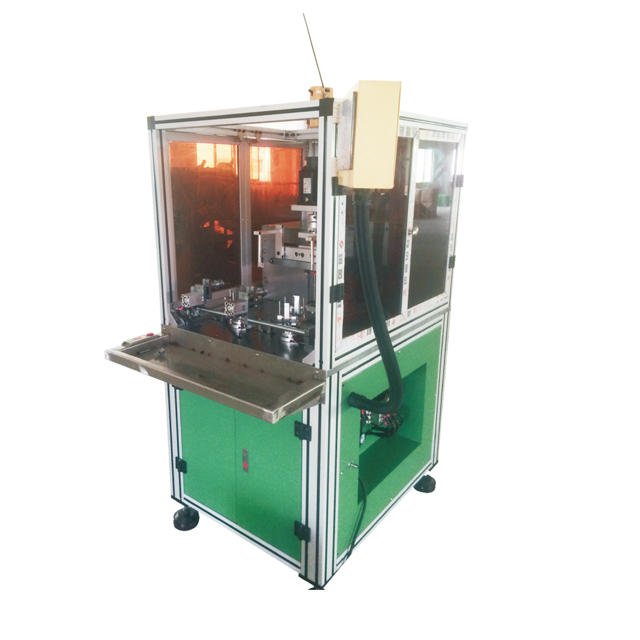
- • Multi-pole simultaneous fly-winding
- • High slot-fill factor capability
- • BLDC & PMSM tooling support
Precision Electromechanical Winding in the Charleroi Industrial Ecosystem
Aligning modern motor manufacturing with the logistical corridors and industrial rehabilitation of Wallonia.
Charleroi, long the heart of Belgium’s industrial strength along the Sambre and Meuse rivers, is undergoing an advanced manufacturing renaissance. The transition from legacy metallurgy and coal mining toward high-value electrical engineering, green HVAC infrastructure, and clean technology has created an urgent demand for automated stator and rotor production systems. For manufacturers and industrial integrators operating within the Charleroi Metropole, Gosselies Aeropole, and the greater Hainaut province, equipment reliability, energy efficiency, and modular production capabilities form the baseline for operational success.
HVLS Industrial Air Circulators
Charleroi’s vast logistics facilities near Brussels South Charleroi Airport demand High-Volume Low-Speed (HVLS) ceiling fans. Our automated winding machines handle large-diameter stators with high wire-fill factors, driving optimal torque performance across continuous distribution center airflows.
Commercial Retrofit Ventilation
Historic architectural restorations across Wallonia demand bespoke, low-profile ventilation fans. Our two-station and multi-station winders accommodate variable slot counts and custom stack heights, allowing local subcontract manufacturers to switch configurations seamlessly with minimal downtime.
Next-Gen BLDC/PMSM Conversion
In step with Walloon circular-economy objectives and EU eco-design directives, legacy AC induction lines are migrating toward brushless direct current (BLDC) architectures. Our 4-station internal winders are explicitly configured for concentrated coil windings that deliver premium IE4 and IE5 efficiencies.
Regional Technology Trends: Automation Benchmarks & EU Compliance
Technical evolution in ceiling fan motor fabrication: from manual interventions to zero-defect automated line integrations.
The electromechanical manufacturing sector in Western Europe faces strict regulatory hurdles and high labor costs. For operations supplying the Belgian, French, and Benelux markets, automating manual touchpoints is essential for preserving healthy operating margins. The ceiling fan stator production workflow involves precise stages where tooling geometry and mechanical precision directly dictate motor efficiency and harmonic behavior:
| Stator Fabrication Phase | Technical Challenge | Zunqi Machine Capability | Impact on Fan Performance |
|---|---|---|---|
| Slot Insulation Insertion | Edge-creasing tearing, uneven dielectric overlap | Programmable thermal creasing, servo feeding, 0.1–0.3mm paper gauge | Eliminates earth-leakage faults, guarantees 1500V dielectric isolation |
| Direct Needle/Fly Winding | Wire friction scratches, asymmetrical slot filling | Dual-controller tension compensation, automatic index jumping | Reduces copper resistance variance, minimizes phase-balance vibrations |
| Simultaneous Inserting | Slot wedge jamming, high-wire packing damage | Integrated push-blade tooling, matched to stator internal diameter (ID) | Maintains wire coating integrity, prevents short circuits between turns |
| Rotor Fine Turning | Air gap eccentricity, excessive acoustic noise | Precision lathe cutting HF-C60 with automated coolant delivery | Guarantees concentricity tolerances within ±0.015mm for quiet operation |
In ceiling fan operations, acoustic silent running is an absolute market imperative. Rotor runout or uneven slot-filling introduces electromagnetic harmonics that manifest as audible hums. By coupling precision PLC tension management during winding with post-assembly diamond-tool fine turning, Zunqi machinery ensures that motors easily pass European CE and Low Voltage Directive (LVD) noise and vibration compliance evaluations.
Engineered Reliability: Manufacturing Infrastructure & Quality Systems
A proven track record of export excellence, end-to-end tooling engineering, and industrial automation stability.
17-Year Proven Global Track Record
Over nearly two decades on Alibaba.com and verified onsite by independent inspection authorities, Zunqi has supplied high-yield stator solutions to tier-1 motor and pump manufacturers across 30+ nations.
Custom Tooling from Your Part Drawings
We do not deliver off-the-shelf compromises. Formers, winding needles, inserting blades, and lacing cradles are custom-machined directly from your physical stator laminations or CAD diagrams.
Turnkey Whole-Line Harmonization
From initial slot insulation to final dual-sided lacing and rotor fine turning, every machine station matches the upstream and downstream takt times, preventing internal production bottlenecks.
Global Component Standard Architecture
Control panels are engineered using standard industrial components like Siemens, Mitsubishi, Schneider, Omron, and Delta, ensuring your Charleroi maintenance technicians can source replacement parts locally.
Frequently Asked Questions by Industrial Buyers in Belgium
Essential technical, logistical, and warranty details for procuring motor winding machinery in the Charleroi basin.
Can your ceiling fan winding machines handle both copper and aluminum magnet wire? +
How are electrical requirements adapted for industrial plants in Charleroi (Wallonia)? +
What documentation and tooling validation do you provide prior to export shipping? +
What are the freight options and transit durations to the Charleroi region? +
What warranty, technical support, and replacement parts availability do you provide? +
Plan Your Stator Automation Line for Charleroi
Send your stator core laminations, stack heights, and desired cycle times to our engineering team. We will review your specs and configure a customized production layout.
