Integrated Machinery Solutions
Featured Stator Coil Lacing & Production Equipment
From single-cycle servo double-side lacing systems to synchronized coil winding and inserting machinery, our industrial line delivers micro-tolerance stator repeatability tailored for European plant compliance.
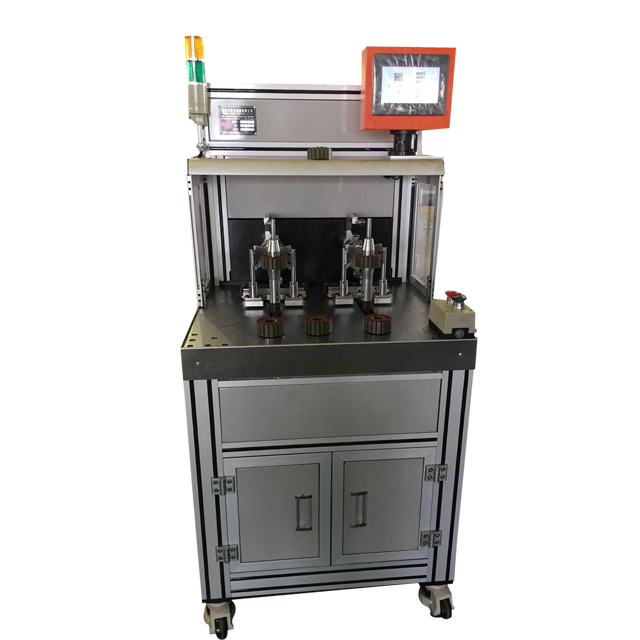
Stator Winding Machine 2 Station Outernal Winding Machine outer winding for Transformer Motor
View Product Specifications → Get a Quote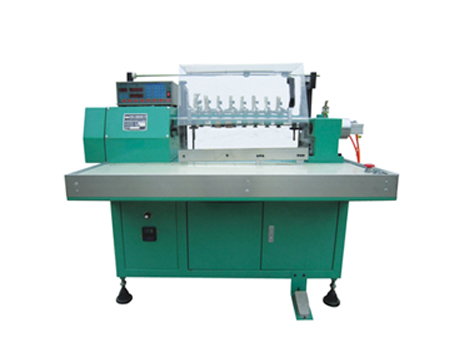
Electrical Motor Stator Coil Winding Machine for Cooler Motor
View Product Specifications → Get a Quote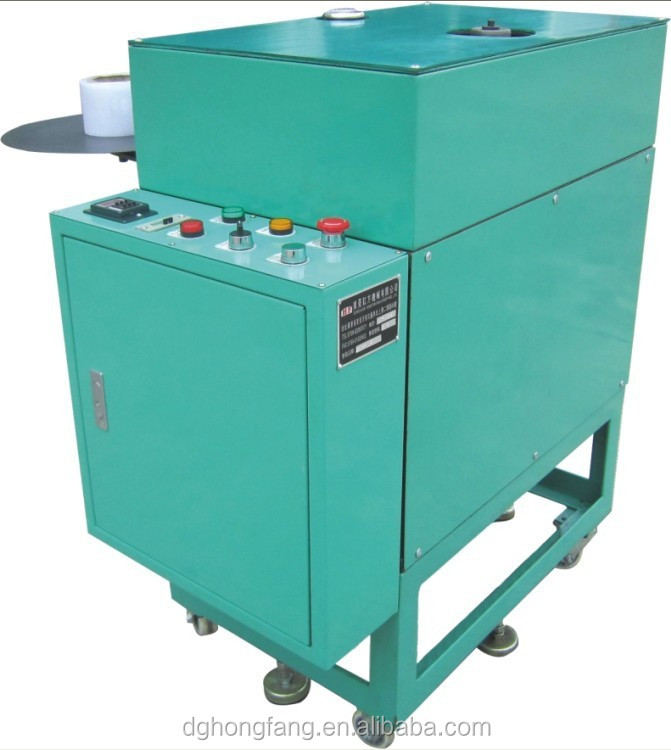
HONGFANG HF-D50 220V 1000W Green Insulation Paper Insertion Machine for Cooler Motor with 1 Year Warranty Paper Cutting Stator
View Product Specifications → Get a Quote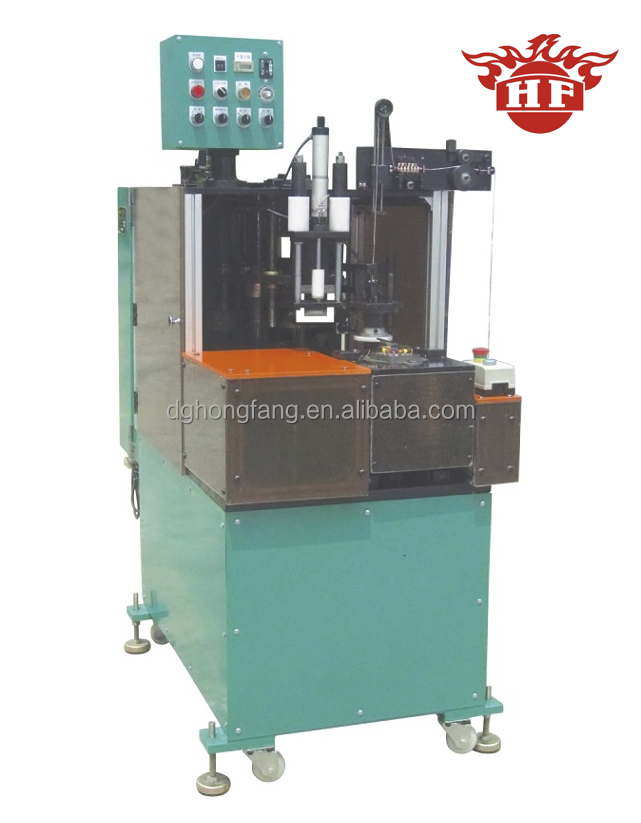
HF-BS20 Servo Type Automatic Coil Double Side Lacing Machine for Fan Motor 1000W 220V
View Product Specifications → Get a Quote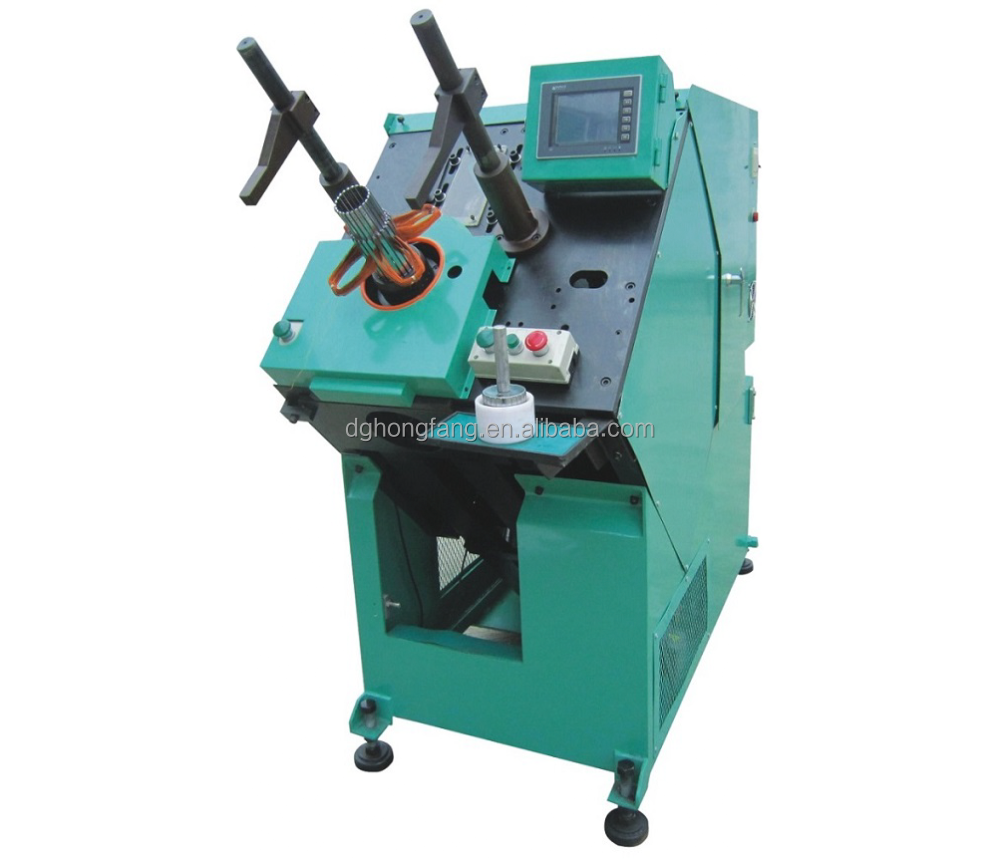
Automatic Stator Wedge Paper and Coil Inserting Machine for Fan Motor Stator New Manufacturing Plant Use Gear Components
View Product Specifications → Get a Quote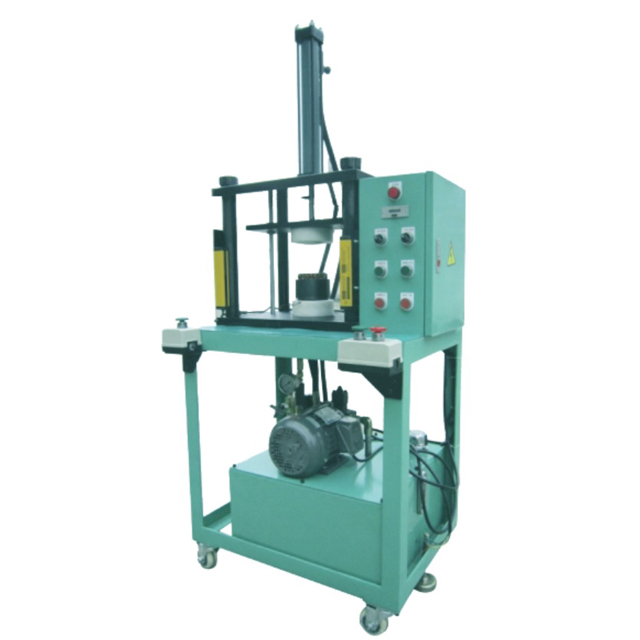
HF-W120H HONGFANG Electric Motor Stator Coil Final Forming Second Shaping Machine for Manufacturing Plant New 1 Year Gear
View Product Specifications → Get a Quote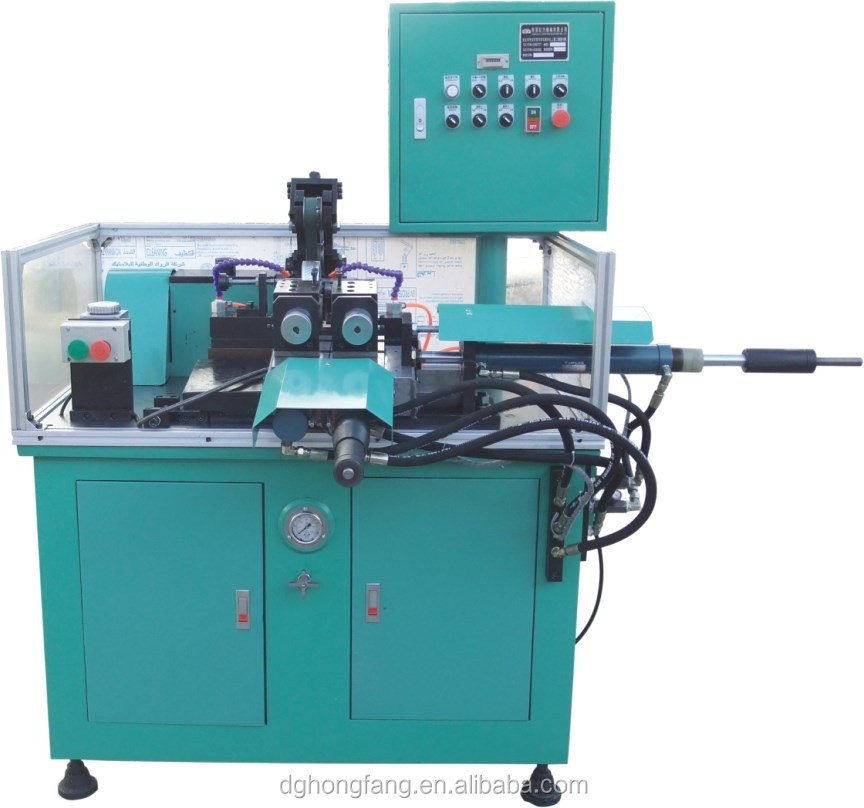
New HF Fan Motor Rotor Turning & Casting Machine with PLC and Pump Core Components Aluminum Surface Cutting
View Product Specifications → Get a Quote17+
Years Industry Exporting
≤ 9h
Technical Response SLA
100%
Servo Dual-Side Sync
1 Year
Full Factory Warranty
Industrial Engineering Insights
Advanced Double-Sided Stator Coil Lacing Architecture for Premium Electrical Motor Manufacturing
In modern electromechanical equipment engineering, the automatic double side stator coil lacing machine plays an indispensable role in ensuring electrical insulation reliability, slot dynamic retention, and long-term acoustic mitigation. As the European industrial motor sector pushes relentlessly toward tighter efficiency requirements—mandated under ecodesign standards (IE3, IE4, and the emerging IE5 super-premium efficiency tier)—the geometric uniformity and tension consistency of stator overhang winding bindings have transitioned from a basic structural step to a critical thermal and mechanical parameter.
Traditional manual lacing or single-end mechanical knotting methods leave stators vulnerable to localized coil flaring, asymmetric copper-wire stress, and inconsistent end-turn compaction. When installed into high-vibration equipment such as industrial hydraulic pumps, compressor drives, or automotive traction subsystems, poorly secured coil heads inevitably suffer insulation enamel rubbing, leading directly to slot-to-turn micro-discharges, phase short-circuits, and premature breakdown. Our OEM/ODM automatic double-side coil lacing systems overcome these production vulnerabilities by synchronizing high-speed servo drives on both sides of the stator core simultaneously, tensioning, feeding, knotting, and indexing through user-customizable patterns in a single unassisted cycle.
Kinematic Synchronization & Dual-Side Lacing Technology
The core of our double-sided coil binding technology revolves around multi-axis synchronous servo control. The upper and lower needle systems work in strict digital synchronization driven by industrial-grade programmable logic controllers (configurable with Siemens S7, Mitsubishi, Delta, or Inovance platforms). Rather than utilizing mechanical linkage assemblies subject to mechanical hysteresis and wear-induced play, our machines utilize independent high-torque servos for lacing needle reciprocation, hook rotation, wire tension buffering, and precise stator stack indexing.
This architecture enables production engineers to program distinct parameters directly from an intuitive HMI touch panel:
Continuous Slot-by-Slot Lacing
Standard high-density binding ensuring absolute phase coil rigidity across all slots for heavy-duty induction motors.
Interval & Skip Stitching
Configurable skipped intervals optimized for quick cycle times in domestic ventilation, pump, and fan motor mass production.
Segmental Section Grouping
Customized boundary grouping lacing developed specifically for concentrated windings and specialized traction servomotors.
Austrian Market Application Landscapes & Localized Industrial Adoption
Austria holds a premier position within Central Europe's advanced engineering corridor. With strong manufacturing clusters located in Upper Austria (Linz, Steyr, Wels), Styria (Graz, Kapfenberg), and Lower Austria, the country stands out for its high-precision automotive engineering, premium industrial automation components, cleanroom air management systems, and specialized pump machinery. Within this demanding framework, our customized automatic lacing machines serve crucial localized manufacturing applications:
1. Specialized Automotive & E-Mobility Subsystems: Austria’s tier-1 automotive suppliers require highly dependable stator assembly machinery capable of running continuous production cycles with zero unplanned downtime. Our machines accommodate complex stator slot designs used in automotive auxiliary pump motors, electric power steering (EPS), and thermal circulation drives where compact end-turn envelopes are non-negotiable.
2. Industrial Hydro-Power, Ventilation & Refrigeration Systems: Known for stringent building automation and energy efficiency benchmarks across the Alps, Austrian manufacturers of high-performance centrifugal fans, HVAC blowers, and domestic heat pump compressors utilize our double-sided lacing machines to bundle phase groupings without altering coil geometry, preventing clearance collisions with external cast-iron casings.
3. Precision Servo & Direct-Drive Automation Actuators: Austrian robotics and packaging machinery builders rely on custom low-cogging brushless servo motors. The tight tension control on our servo-driven binding heads prevents delicate enameled copper wire elongation and ensures that interphase insulation paper (Nomex, DMD, or Mylar) remains precisely clamped in position during the subsequent varnishing and resin impregnation processes.
Localized Industry Trends in the Austrian & DACH Manufacturing Space
When evaluating capital investments in automated winding, inserting, forming, and lacing equipment, manufacturing directors in the DACH (Germany, Austria, Switzerland) region are guided by distinct structural trends:
Transition to Decentralized, Flexible Automation Cells: Rather than inflexible, multi-million-euro transfer lines with rigid mechanical retooling times, Austrian machine builders increasingly prefer modular, cell-based automation. Our double-sided lacing systems allow fast tooling changeovers (completed within 15–20 minutes) across variable stack heights and bore dimensions, perfectly aligning with flexible high-mix, medium-volume manufacturing schedules.
Strict Adherence to CE Safety & Electrical Directives: Machine compliance in Austria requires compliance with Directive 2006/42/EC (Machinery Directive) and 2014/35/EU (Low Voltage Directive). Our machines incorporate standard optical light curtain barriers, dual-channel emergency safety relays, and cleanly partitioned electrical enclosures designed to pass stringent regional TÜV and CE industrial factory audits.
Rising Energy and Raw Material Costs: In high-cost manufacturing economies like Austria, scrap reduction is an existential necessity. Inconsistent binding can nick copper insulation or shift phase wedges, leading to rejected stators at the surge-test bench. Our dual-side machines maintain gentle, non-destructive wire path guides with polished ceramic eyelets, keeping defect rates well below 0.05%.
Technical Comparison: Manual/Semi-Auto vs. Fully Automated Double-Sided Lacing
| Evaluation Parameter | Traditional Single-Side / Manual Lacing | Zunqi Automatic Double Side Servo Lacing Machine | Impact on Plant Operational Excellence |
|---|---|---|---|
| Cycle Time per Stator | 120 – 180 seconds (two manual clamping passes) | ≤ 15 – 25 seconds (simultaneous dual-end execution) | Up to 800% capacity increase per operator shift |
| Tension Uniformity | Variable (±35%), heavily dependent on operator fatigue | Precision Closed-Loop Servo (±2% consistency) | Zero wire stretching; balanced mechanical resonance |
| Tooling Changeover Time | 45 – 90 minutes requiring experienced machinists | 15 – 25 minutes using modular quick-fit dies | Optimized for high-mix, low-volume European lot sizes |
| Overhang Dimensions | Irregular head height; risk of motor housing interference | Standardized Compact Height with uniform lacing pitch | Eliminates casing rubbing and improves cooling airflow |
| Operator Safety Profile | High repetitive strain injury (RSI) risks; pinch points | Enclosed Workspace + Dual Light Curtains | Meets strict Austrian Arbeiter-Schutzgesetz regulations |
Zunqi Intelligent Equipment: Verified Engineering Advantages & Original Factory Strengths
Selecting an overseas manufacturing partner requires verified credibility, operational longevity, and transparent engineering capability. Headquartered in Qishi Town, Dongguan—one of China’s most prominent precision manufacturing hubs—Zunqi Intelligent Equipment Co., Ltd. offers over 17 years of dedicated research, development, and international trade in stator and rotor processing equipment.
17+ Years Export Track Record
Continuous international operation on Alibaba.com with complete trade capacity, verified on-site facility audits, and reliable global delivery histories.
Bespoke Tooling to Your Drawings
Every winding nozzle, inserting guide blade, and lacing fixture is engineered directly to your physical sample or CAD drawing and validated via video prior to dispatch.
Interchangeable Global Componentry
We configure electrical enclosures around the automation brands your plant maintenance team already uses: Siemens, Mitsubishi, Schneider, Omron, Delta, or SMC pneumatic systems.
One-Stop Complete Assembly Line
Matched production modules: paper inserting, high-speed winding, coil & wedge inserting, intermediate forming, double-side lacing, final forming, and rotor turning.
Rapid Technical SLA Response (≤9h)
Dedicated international technical desk providing bilingual engineering reviews, tooling assessments, and continuous remote video installation guidance.
Export Crate & Anti-Corrosion Protection
Treated multi-layer plywood cases, vacuum VCI anti-rust wrapping, and anchor bolt-down base securing machines throughout international maritime transport.
Procurement & Technical FAQ
Common Questions by Austrian Engineers & Buyers
Can the machine accommodate Austrian standard industrial power inputs (400V/230V 50Hz)? +
Yes. While our standard single-phase desktop and compact units run on 220V 50/60Hz, our industrial-grade servo double-side stator coil lacing systems can be customized directly at our factory for three-phase 380V–400V 50Hz configurations commonly required in Austrian manufacturing facilities. Please specify your workshop voltage, phase architecture, and grounding standards during technical review.
How does the system ensure slot-to-slot lacing pitch consistency across variable stator stack heights? +
The machine uses an encoder-coupled stepping or servo drive for core indexing, paired with high-precision ball screw mechanisms controlling vertical needle stroke position. When shifting between different stator stack heights within the same series (e.g., from 40mm to 90mm), the operator simply calls up the pre-saved recipe on the touch screen, adjustments to the clamping height take seconds, and uniform stitch pitch is automatically maintained.
What type of lacing cord or binding tape is supported by your automatic needle feed mechanism? +
Our feed mechanisms handle standard polyester (PET) braided lacing cord, flat waxed nylon twine, Nomex tying tapes, and specialized high-temperature glass-fiber strings. Tension guides are fitted with mirror-polished tungsten-carbide or ceramic guide bushings to prevent cord fraying, fiber shedding, or inconsistent knot tying.
What is the lead time for custom tooling manufactured to our proprietary stator laminations? +
Custom tooling design and precision CNC machining typically require 20 to 30 working days from receipt of your finalized stator drawing or physical sample laminations. Before crate packaging, we mount your custom dies on the test bench and execute a full-load trial run with actual enameled wire, providing detailed 4K trial videos and dimensional measurement reports for your engineering team's final sign-off.
How is remote technical support and emergency troubleshooting executed for European customers? +
We maintain a structured service SLA where our engineering desk responds within ≤9 hours. We provide full English technical documentation, comprehensive electrical wiring schematics, video installation tutorials, and step-by-step diagnostic walkthroughs via remote live video sessions. All wearing parts (lacing needles, hook blades, cutting edges) are supplied in standard spare kits, with long-term express re-supply delivered directly to your plant.
Request a Customized Machine Proposal & Tooling Review
Send your stator core drawing (inner diameter, outer diameter, stack height, and slot layout) along with your daily target output. Our application engineers will analyze your production goals and return a tailored tooling blueprint and quotation within 9 hours.
Get a Quote