Precision Lathe
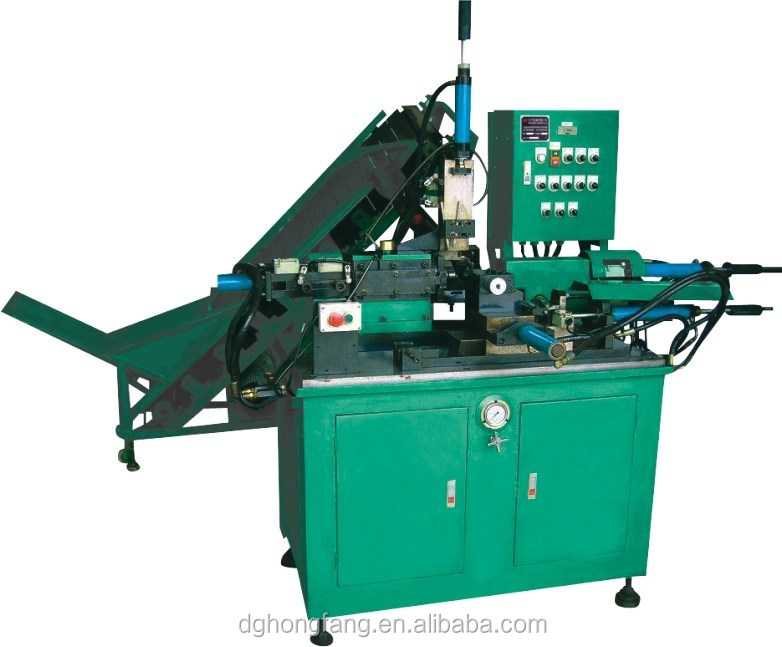
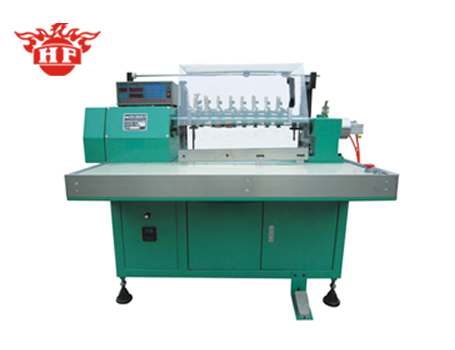
Automatic Rotor Fine Turning & Surface Cutting Machine HF-C60
- PLC Automated Micro-Finishing Cycle
- Integrated Motor Pump Coolant Unit
- Comprehensive 1-Year Quality Warranty
Engineered for high-volume automated lines. Every unit is configured to custom drawing tolerances, fully tested with physical customer stators, and built for seamless integration into Seoul industrial facilities.
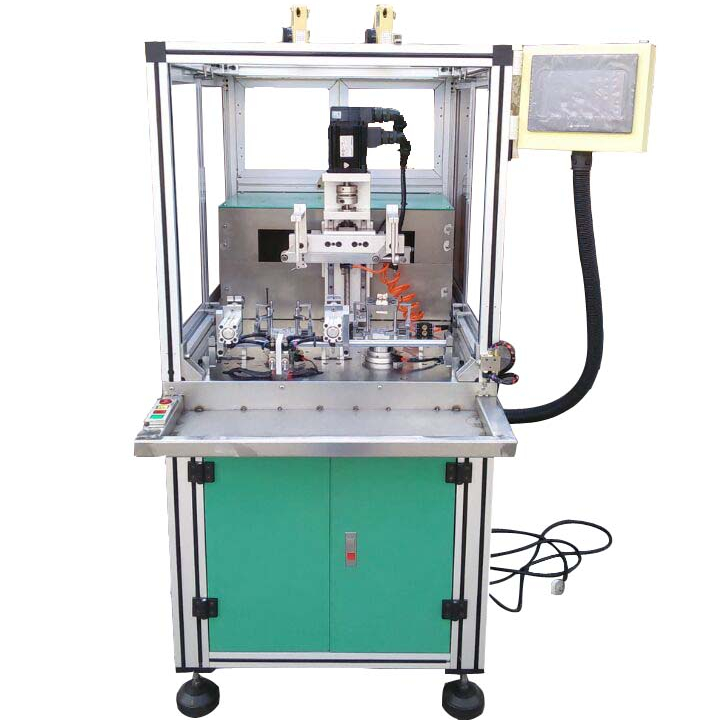
A rigorous examination of magnetic circuit optimization, high-speed multi-axis kinematic synchronicity, and regional manufacturing compliance across the Gyeonggi-Seoul industrial basin.
The manufacturing ecosystem surrounding the Seoul Capital Area (SCA)—encompassing advanced manufacturing corridors in Incheon, Suwon, Hwaseong, and Ansan—is undergoing an aggressive technological pivot. Driven by South Korea's stringent energy mandates, the demand for conventional AC induction motors is being systematically superseded by ultra-high-efficiency Permanent Magnet Synchronous Motors (PMSM) and multi-pole Brushless DC (BLDC) architectures. For procurement directors, automation specialists, and plant managers across Seoul, adopting a high-performance multi-station stator coil winding machine is no longer merely a measure of throughput; it is a foundational prerequisite for electromagnetic consistency, high slot-fill factor maximization, and thermal envelope stabilization.
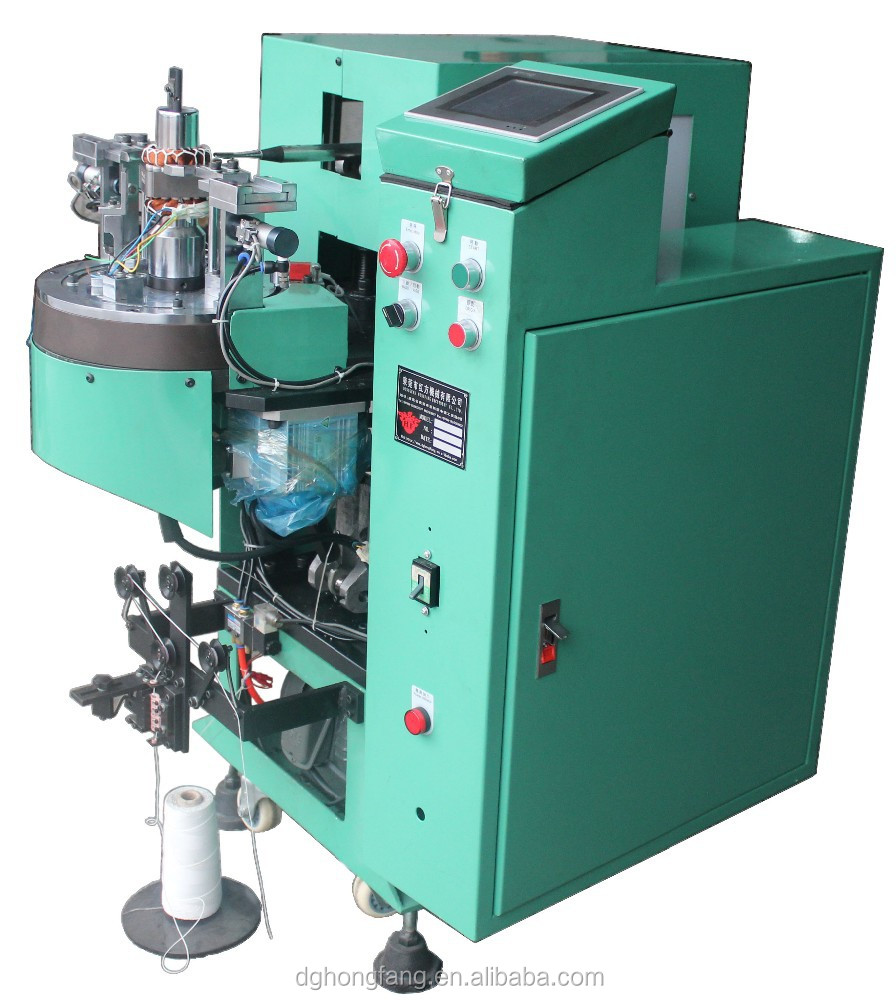
Traditional single-spindle winders introduce unacceptable cycle bottlenecks when deployed in competitive South Korean tier-1 supply networks. Zunqi's multi-station stator coil winding platforms leverage a precision-indexed rotary indexing table coupled with synchronized CNC flyer arms or multi-spindle needles. The core engineering breakthrough lies in our electronic closed-loop tension regulation. In high-speed winding scenarios exceeding 2,500 RPM, standard mechanical tensioners experience catastrophic spring hysteresis, leading to micro-scratches on enamel insulation (grades 180°C to 220°C) and erratic copper stretching that alters phase resistance across coils.
Our multi-station machinery integrates dynamic magnetic hysteresis brakes modulated in real-time by digital PLC feedback. As the winding tooling executes eccentric trajectories around asymmetrical stator teeth, the system autonomously compensates for linear wire velocity spikes. This maintains wire tension within a strict ±1.5% margin, eliminating partial discharge phenomena and insulation breakdown during downstream surge and hipot testing.
Cam-driven or direct-drive servo rotary indexers achieve sub-0.8-second station transfers, ensuring continuous spindle operation without non-productive idle delays.
Tooling configurations handle fractional-slot concentrated windings (FSCW) as well as continuous multi-strand distributed windings without damaging conductor insulation.
EtherCAT, Profinet, and CC-Link interface compatibility allows instant data handover to plant MES, logging turns count, wire elongation, and tension metrics per serial batch.
Motor winding equipment destined for the South Korean market must satisfy rigorous application-specific tolerances. Here is how our multi-station winding equipment addresses dominant industrial sectors in the region:
South Korea's tier-1 automotive suppliers require 100% fail-safe winding architectures for Electronic Power Steering (EPS), braking actuators, and electric oil pumps. With multi-station automation, dual-flyer winding heads simultaneously wound balanced multi-phase configurations directly onto segmented stator poles. The consistent neatness of layered windings yields higher thermal conductivity, allowing higher current density while avoiding localized hotspot formation.
Under South Korea's updated Energy Efficiency Rating Program, residential and commercial inverter heat pumps demand motors operating at IE4 and IE5 performance curves. Zunqi's machines provide uniform end-turn geometry that reduces copper overhanging length by up to 12%. This direct reduction in dead copper weight lowers copper losses (I²R) significantly, assisting HVAC appliance makers in hitting strict seasonal energy efficiency ratio (SEER) certifications.
Robotics innovators across Seoul's tech corridors develop high-torque-density hollow-shaft frameless motors. Winding internal stators with high tooth counts (e.g., 24-pole, 36-pole) demands tight needle-positioning repeatability (±0.01mm). Our multi-station machines utilize multi-axis synchronized CNC servos, preventing needle deflection, wire crossover, and air entrapment in narrow slot profiles.
The operating landscape for industrial manufacturers in South Korea is defined by three macro drivers: The 52-Hour Workweek System, escalating raw material copper costs, and aggressive Net-Zero decarbonization mandates. With industrial labor costs in the greater Seoul metropolis among the highest in East Asia, manual or semi-automated coil winding processes are mathematically unsustainable.
Furthermore, South Korea's Ministry of Trade, Industry and Energy (MOTIE) has consistently tightened minimum efficiency standards (MEPS). This transition mandates that manufacturers shift from aluminum coil usage back toward high-density copper, or conversely, apply highly engineered compacted aluminum wire profiles where space constraints allow. Our equipment's programmable spool trajectory accommodates rapid wire tension shifting without requiring tool changes, giving Seoul plants the mechanical agility required to meet fast product design cycles.
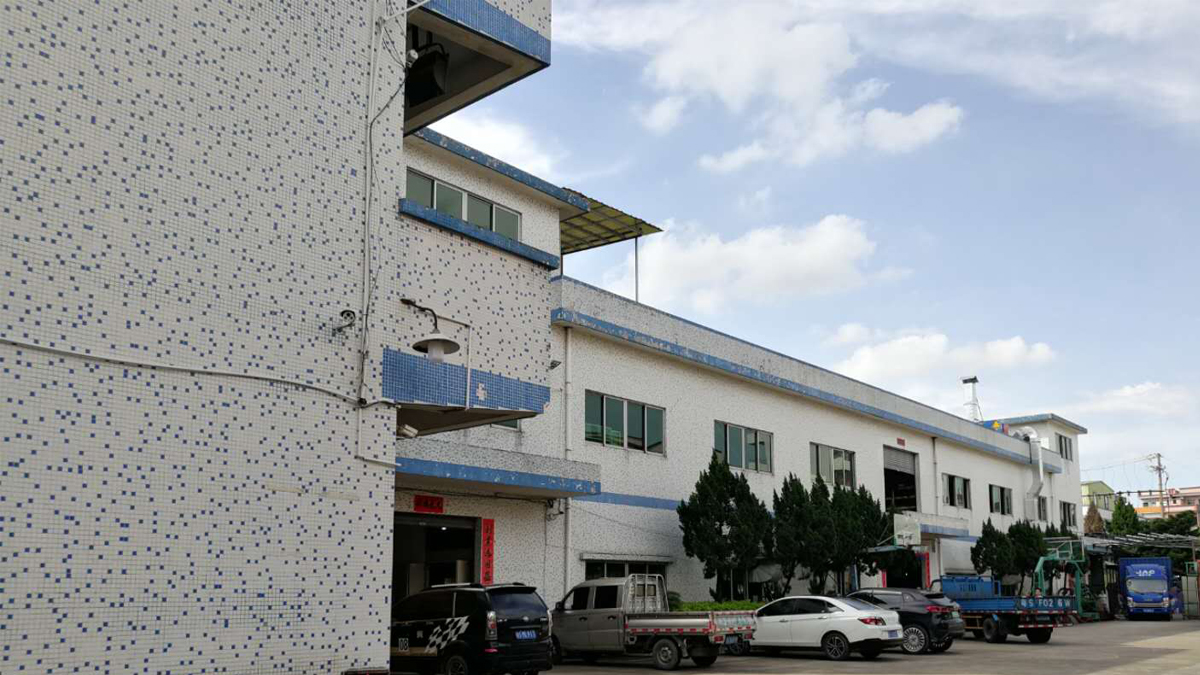
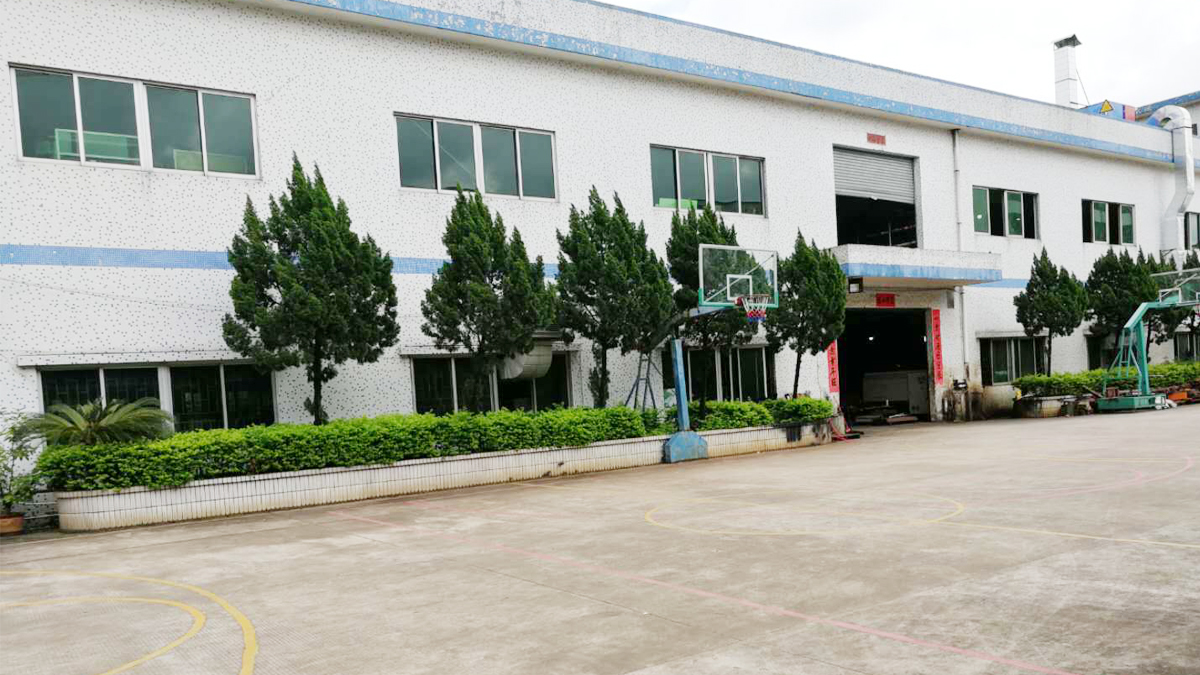
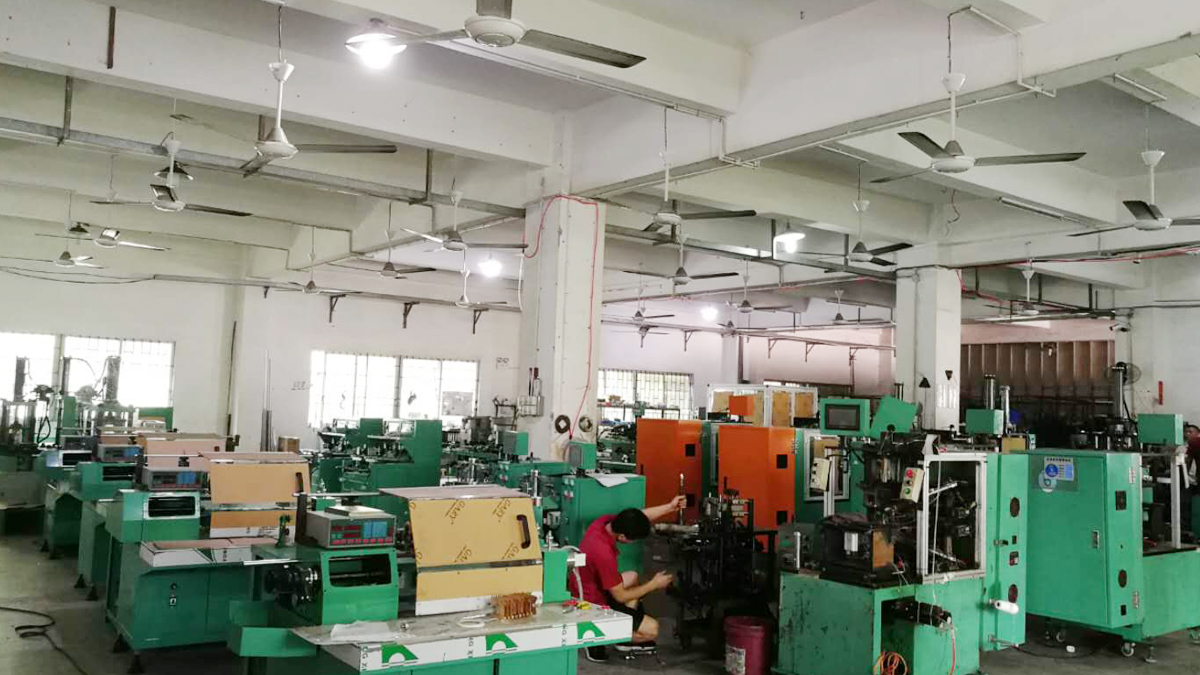
Located in Dongguan's precision machinery corridor, Zunqi Intelligent Equipment Co., Ltd. operates with a focused team of 51–100 industrial engineering specialists. Over 17 years of continuous international exporting, we have bridged the gap between expensive European automation and rigid off-the-shelf equipment by delivering fully customized stator line solutions.
Direct technical answers addressing voltage requirements, factory acceptance testing, customs clearance, and local integration across Seoul and Incheon industrial parks.
Submit your stator core outer diameter, stack height, slot specifications, and target cycle time. Our engineering desk will supply an itemized proposal and tool layout within 9 hours.
