Industrial Stator & Rotor Production Solutions
Engineered for cleanroom electronics, industrial pumps, and export HVAC manufacturers in the Alajuela manufacturing basin.
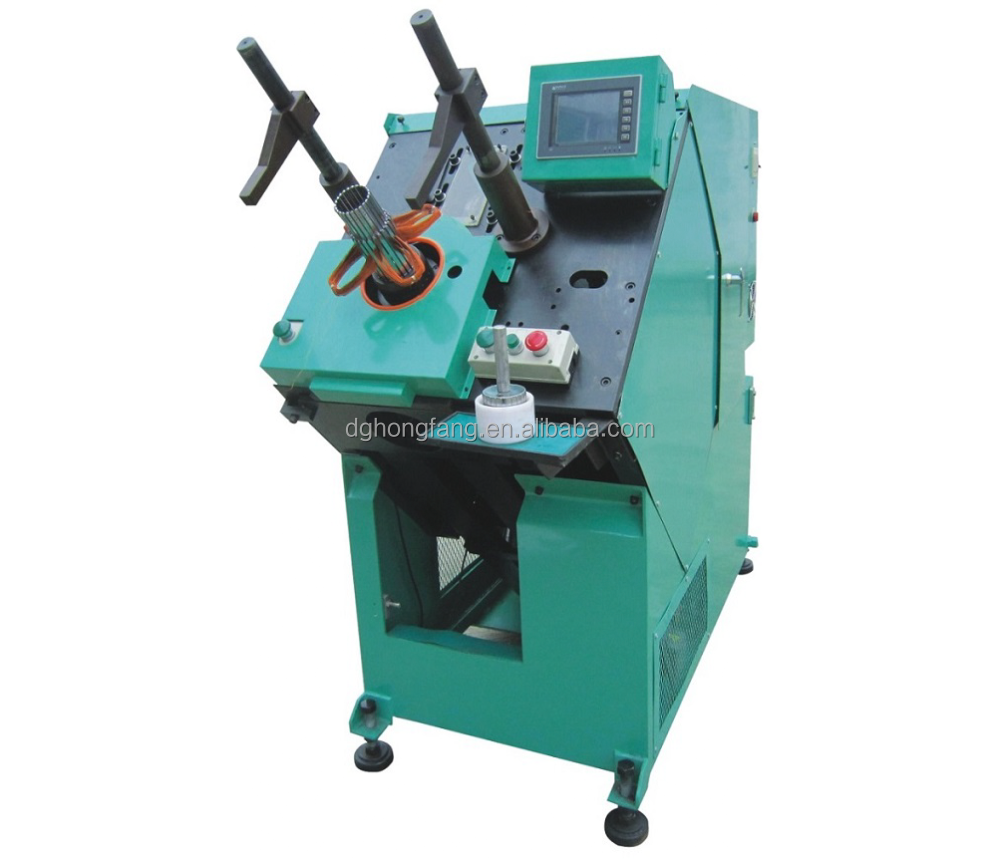
Coil & Wedge Paper Inserting Machine
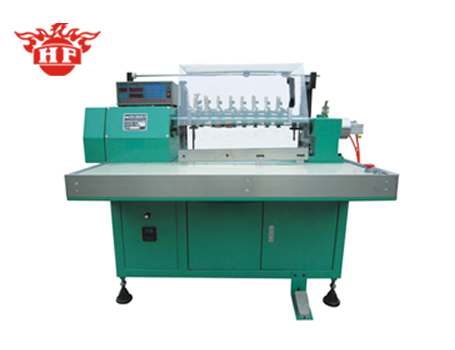
Automatic Fan Motor Coil Winding Machine (Cu/Al Wire)
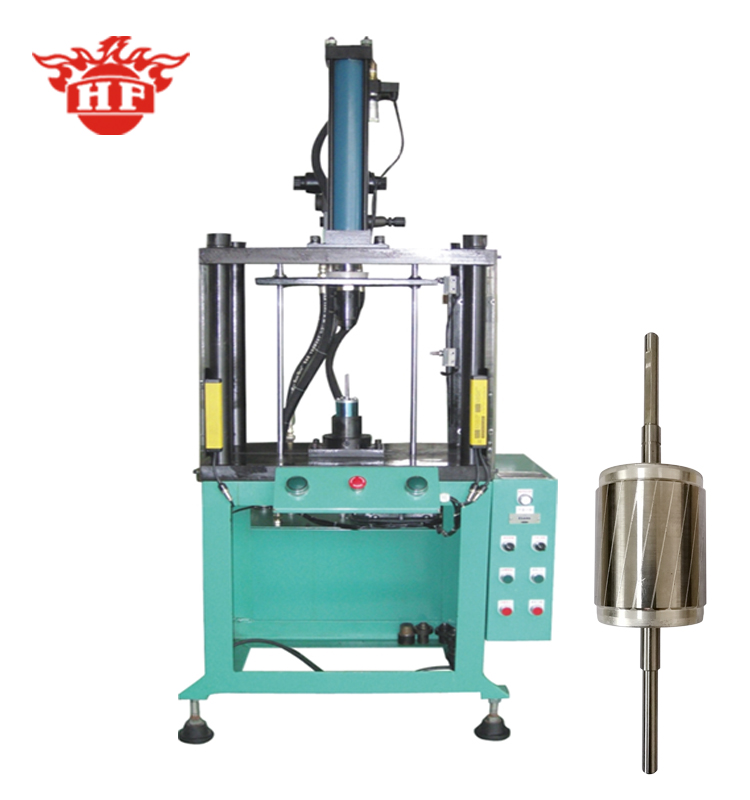
HF-W50 Rotor & Shaft Inserting Hydraulic Press
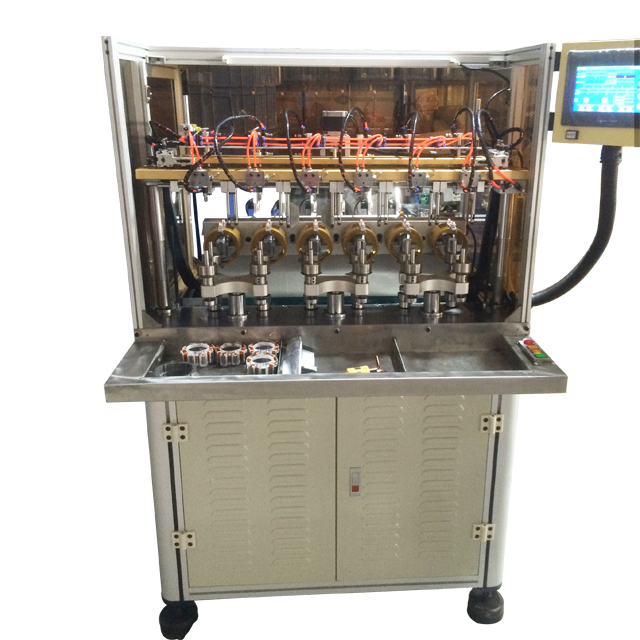
Automatic Six-Station Outer Stator Coil Winder
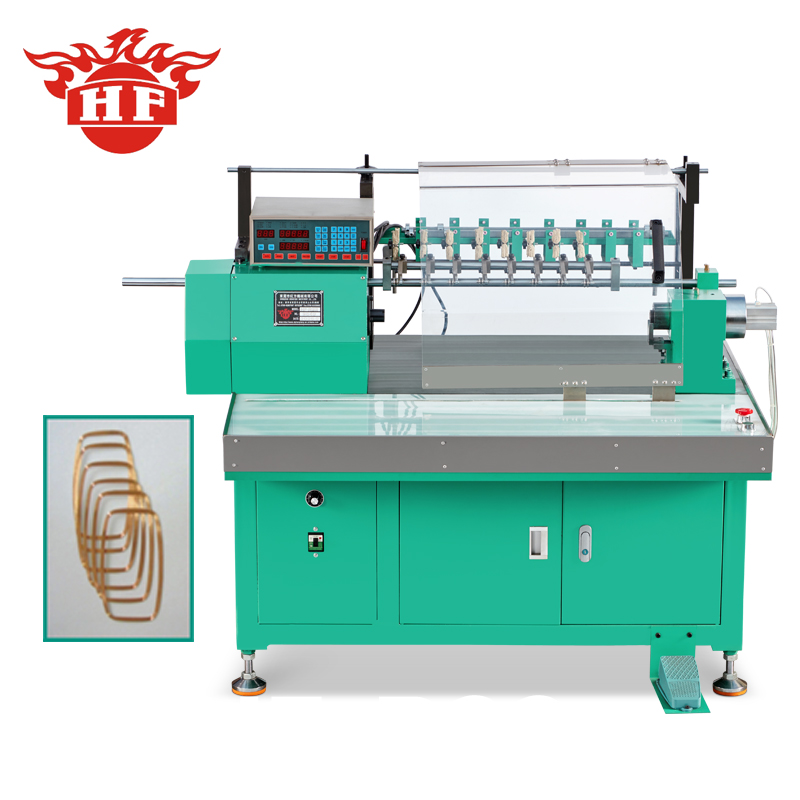
HF-R22 8-Head Semi-Automatic Motor Coil Making Unit
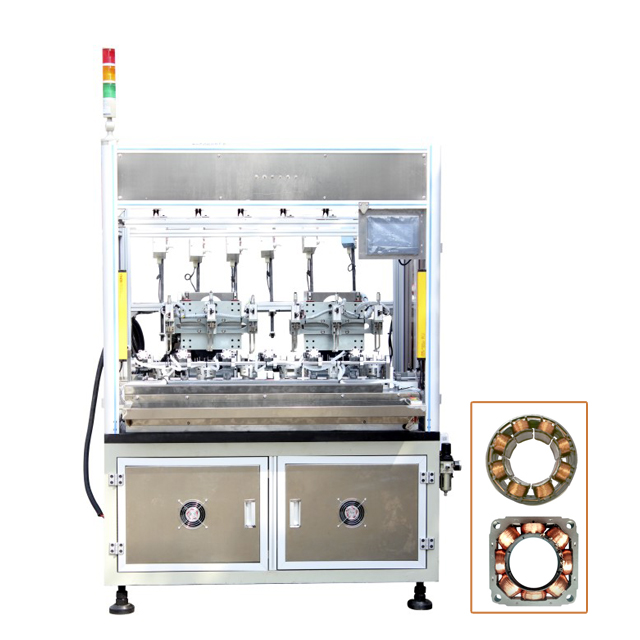
HF-LO2-6G 6-Station Inner Stator Coil Winder
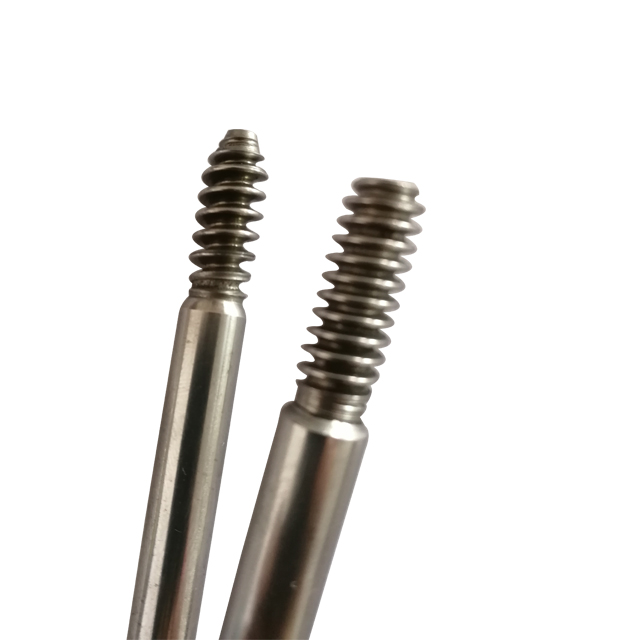
Precision SC45 Electric Motor Shaft Assemblies
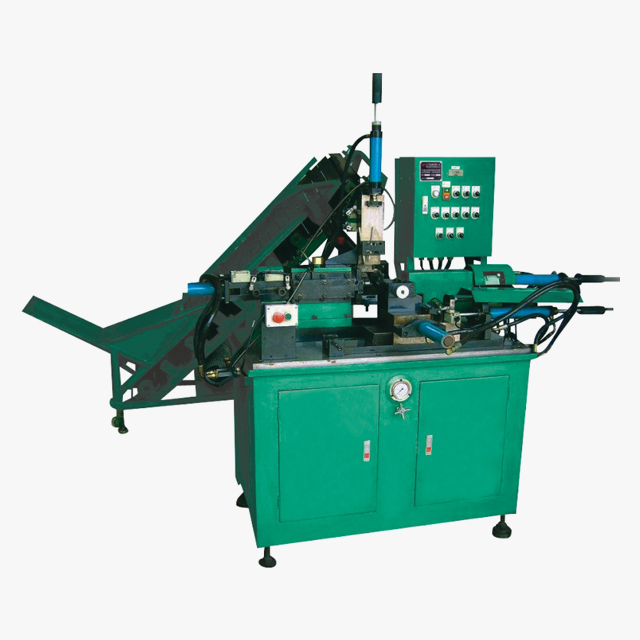
Rotor Rough Turning & Surface Finishing Machine
Automated Stator Assembly Dynamics in Alajuela's Modern Industrial Parks
The Province of Alajuela, anchored by rapid expansion across the El Coyol Free Zone (Zona Franca Coyol), BES Free Zone, and industrial clusters near Juan Santamaría International Airport, is undergoing a profound manufacturing transformation. Known globally for top-tier medical device manufacturing, the region is actively diversifying into high-precision electromechanical sub-assemblies, industrial pump manufacturing, refrigeration compressors, and specialized micro-motors.
For engineering managers and factory directors in Alajuela, moving from manual or semi-manual winding to fully integrated motor winding insertion machines is no longer an optional upgrade—it is a baseline requirement to meet strict quality certifications and mitigate local labor costs. Motor manufacturers in Costa Rica operate within competitive export frameworks where dimensional uniformity, zero slot-cell puncture rates, and consistent air-gap integrity dictate commercial survival.
Technical Integration: Why Single-Stroke Simultaneous Insertion Outperforms Sequential Loading
Historically, motor facilities utilized separate steps: first winding coils, manually dropping them into stator slots via transfer needles, and separately driving insulation wedges. This sequential approach exposes enamelled copper (or aluminum) magnet wire to continuous friction against the lamination edges, leading to micro-abrasions in the insulation enamel that produce early dielectric breakdown under tropical humidity conditions.
Our automatic stator coil and wedge inserting equipment addresses this through synchronized servo-driven tooling. In a single mechanical stroke, the insertion push-rods push both the pre-formed coil bundles and the cut-and-creased slot wedges directly from the tooling magazine into the laminated core slots. The slot insulation paper is protected by polished guide blades, eliminating contact between the raw lamination tooth tips and the winding wire.
| Evaluation Parameter | Manual Insertion & Wedge Tamping | Zunqi Automatic Simultaneous Inserter | Operational Impact for Alajuela Plants |
|---|---|---|---|
| Cycle Time per Stator | 180 – 360 seconds (operator dependent) | 12 – 25 seconds (programmable stroke) | Output increases up to 800% per operator station |
| Slot Fill Factor Capability | Limited to ~65% to avoid wire bruising | Achieves 78% – 82% safely | Supports high-efficiency motor standards (IE3 / IE4) |
| Dielectric Scratch Risk | High (friction against bare steel stack) | Zero (encapsulated via guiding tooling blades) | Eliminates high-voltage hipot failures in humid field environments |
| Tooling Changeover | Inconsistent re-tooling times | Modular cartridge switch within 25 min | Allows agile high-mix, low-volume contract manufacturing |
Industrial Application Scenarios in the Central Valley Basin
Industrial operations throughout Alajuela and San José deploy our stator automation technologies across three distinct production environments:
- Commercial HVAC and Evaporative Cooler Motors: Tropical climate solutions necessitate high duty cycles. Manufacturers operating in Coyol utilize our 8-head semi-automatic winders (HF-R22) alongside automated coil insertion to manufacture high-reliability ceiling fan and air-handling motors with single-phase 220V drive configurations.
- Submersible Agricultural and Irrigation Pumps: Supporting agricultural infrastructure in Costa Rica's northern plains, pump builders rely on deep-slot inserting machines capable of thick wire diameters (up to 1.2 mm) and reinforced slot insulation to resist phase-to-ground faults.
- Cleanroom Auxiliary Motors & Actuators: Specialized automation lines require brushless permanent magnet (BLDC) motors where external stator winding stations and internal slot winders (such as our HF-LO2-6G) wind directly onto high-pole segmented stator teeth with closed-loop tension control.
Emerging Trends Driving Automation Investments in Central America
As nearshoring initiatives accelerate the relocation of North American supply chains to Costa Rica, Alajuela's precision engineering profile is elevating rapidly. Three key trends define local motor production equipment acquisitions:
Transition to Copper-Clad & Aluminum Alloys
Volatile copper pricing has driven appliance motor builders toward enamelled aluminum wire. Our winding heads and insertion blades feature tension-regulated feeding mechanisms that eliminate necking or elongation on softer aluminum strands.
Traceability via Industrial PLC Architecture
Export components require documented quality metrics. Our systems integrate Siemens, Mitsubishi, or Delta PLCs that interface with factory MES systems to log insertion thrust, stack height verification, and cycle times for complete audit readiness.
Grid Compatibility (220V Single-Phase / 480V 3-Phase)
Costa Rican facilities operate on 60 Hz electrical grids, often using 120V/240V split-phase or 480V industrial supplies. Every machine is custom-built with factory-tuned servo transformers ensuring direct plug-and-play installation without harmonic distortion.
Engineering Strengths: Why Motor Builders Partner with Zunqi
Located in Qishi Town, Dongguan, Zunqi Intelligent Equipment Co., Ltd. combines 17 years of dedicated export engineering with direct factory fabrication. We do not supply off-the-shelf, mismatched hardware; we deliver turnkey production equipment configured to your specific lamination drawings.
Precision Custom Tooling to Spec
Coil formers, wedge magazines, and insertion guide blades are custom-machined using high-hardness alloy steel, hardened and polished to Ra ≤ 0.2 μm to protect enamelled wires during intensive cycle shifts.
Physical Sample Testing & Video Sign-off
Before any equipment leaves our factory, we request sample stator packs and magnet wire from your facility. We complete actual winding and insertion trials on our floor, supplying full parameter charts and 4K operational proof videos prior to shipment.
Turnkey Stator Production Line Synchronization
We supply matched, harmonized machines: Slot Insulation Inserters → Coil Winders → Coil & Wedge Inserters → Intermediate Forming Presses → Double-Sided Lacing Machines → Final Forming Units → Rotor Finishing Lathes.
Procurement & Technical FAQ: Costa Rica Importers
Clear, authoritative guidance covering logistics, duty considerations, electrical compatibility, and technical execution.
What are the logistics routes and port arrival procedures for machinery shipping to Alajuela?
For industrial cargo bound for Alajuela, maritime shipments depart from Shenzhen or Guangzhou ports directly to Puerto Caldera on the Pacific coast (recommended for shorter transit times from Asia, typically 24-32 days) or Puerto Limón / Moín on the Caribbean side. After customs clearance, equipment is moved via Route 27 directly to industrial parks in Alajuela. All Zunqi machinery is packed in fumigation-free, moisture-barrier treated wooden cases bolted to steel floor skids with silica desiccant to withstand ocean passage.
How do our engineers ensure compatibility with local Costa Rican electrical standards?
While standard Asian industrial lines operate at 380V/50Hz, Costa Rica runs primarily on 60 Hz systems, with 220V or 240V single-phase, and 208V, 240V, or 480V three-phase configurations. When submitting your order specifications, our electrical engineers program the PLC frequency inverters and install dedicated industrial step-up/down isolation transformers matched specifically to your plant's measured bus voltage.
Can a single coil and wedge inserting machine handle multiple stator stack heights and slot numbers?
Stack height variations within the same stator lamination profile (same inner and outer diameters) are accommodated automatically via touch-screen recipe selection; the PLC adjusts the servo-driven stroke length and wedge cutoff mechanism in seconds. However, changing to a stator with a different internal bore diameter or a different slot count (e.g., from 16 to 24 slots) requires swapping the tooling cartridge (insertion push-rods, guide blades, and wedge guides), which takes approximately 20 to 30 minutes on our modular platforms.
What documentation is supplied for import clearance under Costa Rica's Free Zone (Régimen de Zona Franca)?
Enterprises operating within Free Zones such as Coyol, BES, or Global Park receive zero-tariff equipment incentives upon proper documentation. We provide commercial invoices, packing lists with detailed net/gross weights, custom HS code classifications (typically under 8479.81 or 8479.89 for electrical coil processing equipment), and Certificates of Origin to ensure seamless exoneration processing through your customs agency.
How is after-sales technical support and tooling replacement managed remotely?
Every machine comes equipped with an operational documentation suite and remote diagnostic capability. In the event of configuration issues, our senior assembly technicians provide direct video call support via WhatsApp or Zoom within our ≤9-hour response window. Critical wearing parts (such as push blades, wedge knives, and wire guides) are manufactured to international tolerances and can be express-shipped to San José (SJO) via DHL/FedEx within 3 to 5 business days.
What is the minimum order quantity (MOQ) and warranty coverage?
The MOQ for our automatic coil winders, insertion presses, forming units, and lacing machines is 1 set. Every piece of equipment includes a comprehensive 1-year warranty covering all core mechanical components, PLC systems, touchscreens, and servo drives against manufacturing defects.
Modernize Your Motor Production Line Today
Send your stator core dimensions, slot count, and production targets to our Dongguan engineering team for a customized line proposal within 9 hours.
