Cooler Series
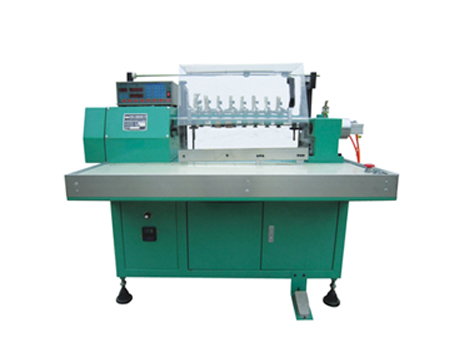
Electrical Motor Stator Coil Winding Machine for Cooler Motor
- Automated flyer wire winding
- Programmable coil pitch and layering
- High-tensile copper & alu capability
Factory-direct, PLC-controlled stator manufacturing machinery configured to withstand the severe duty cycles and electrical fluctuations of heavy industrial apparatus.
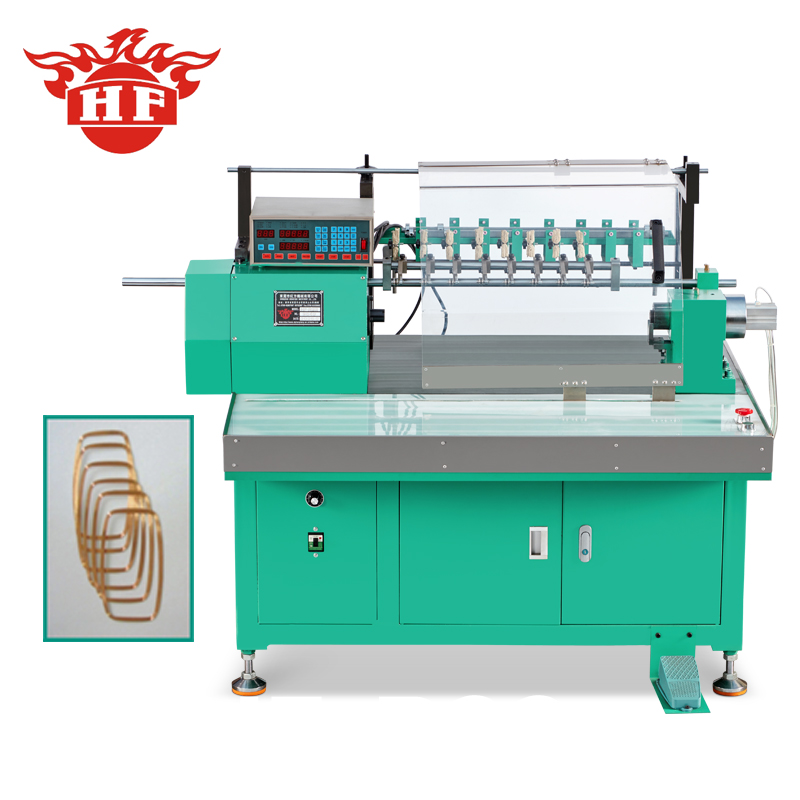
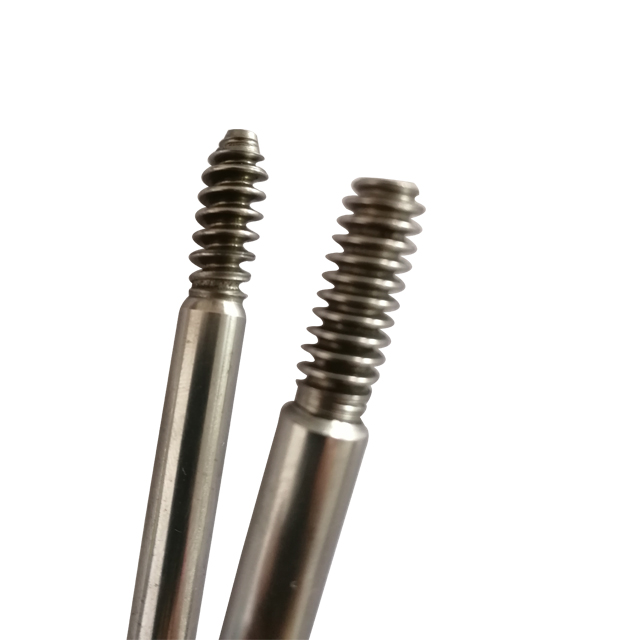
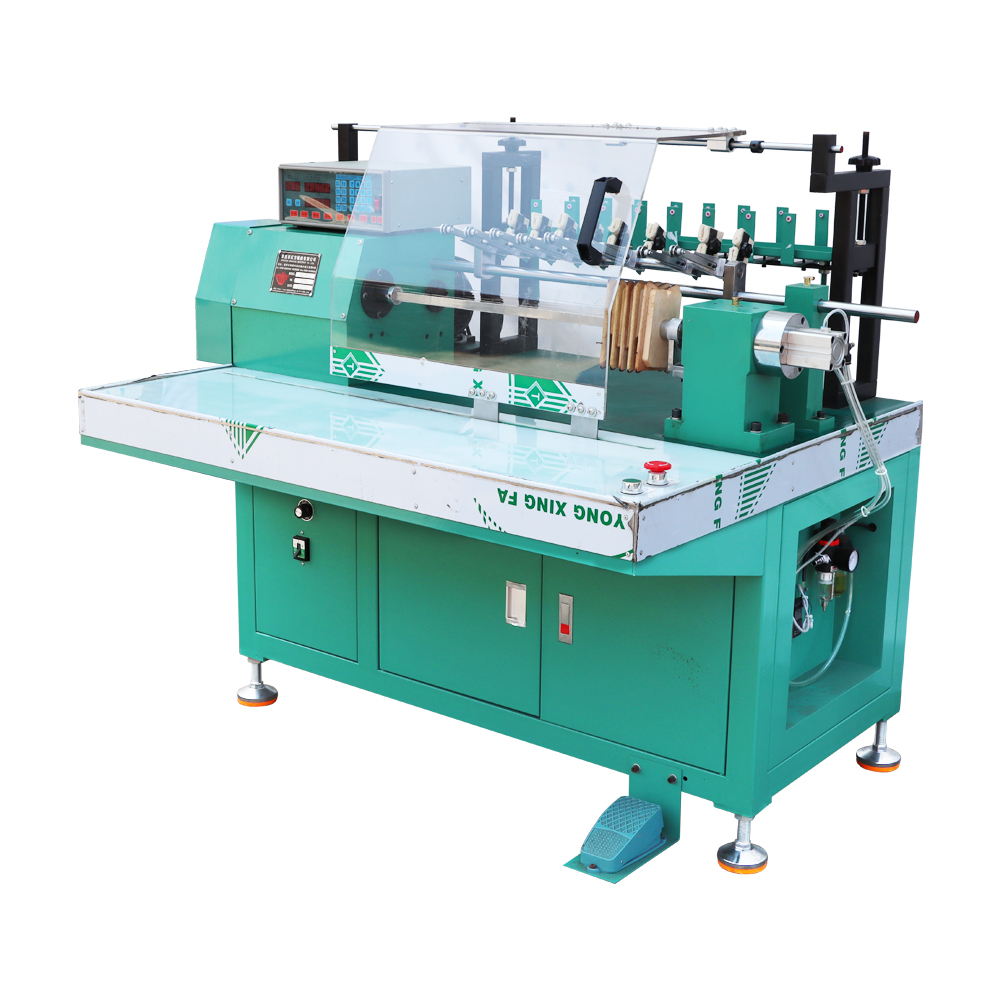
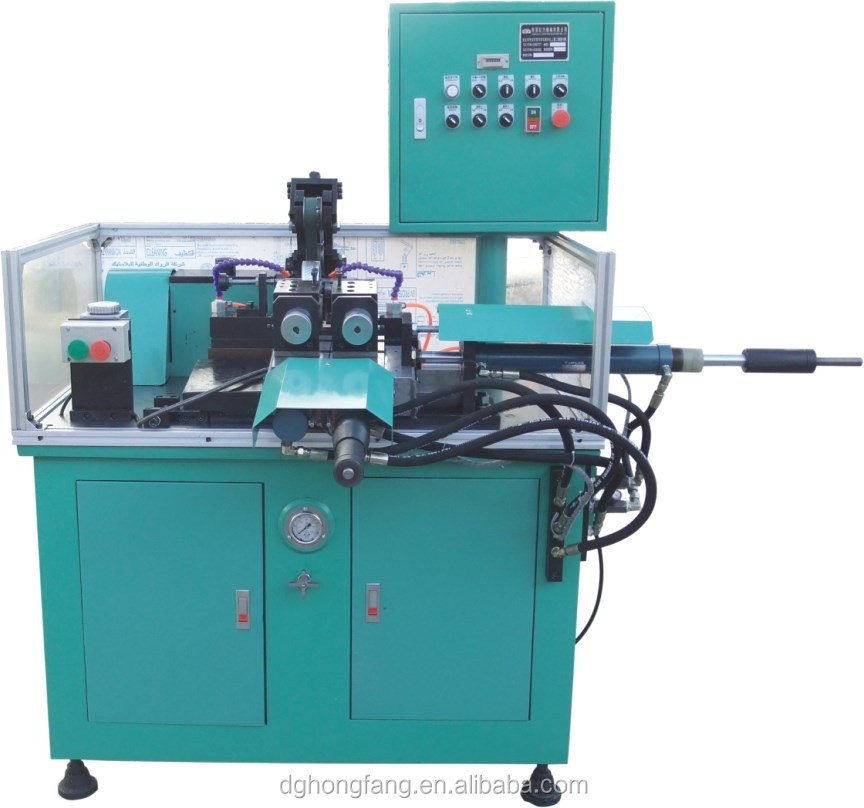
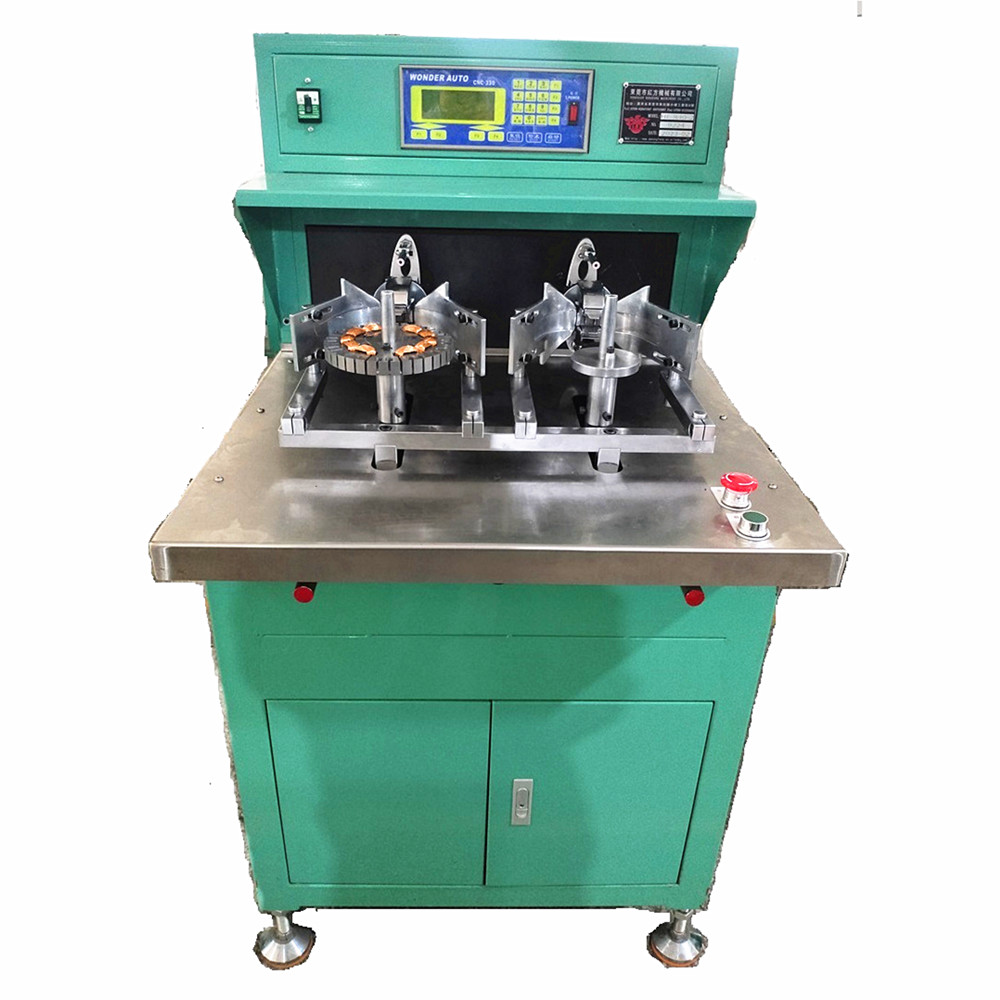
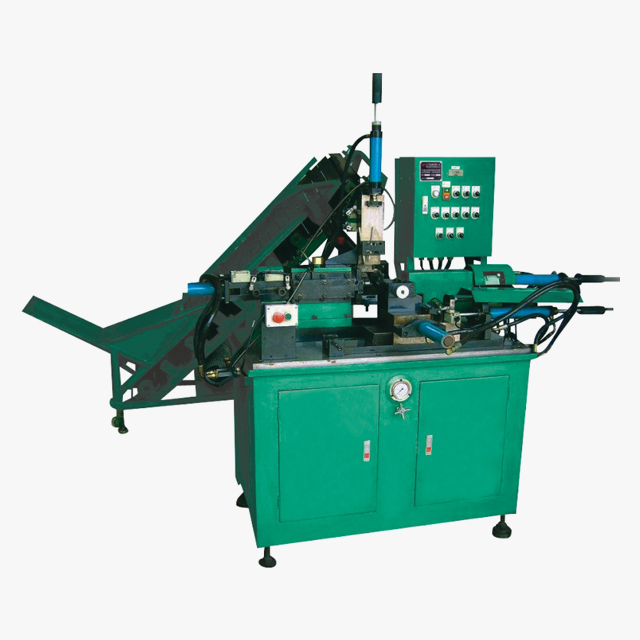
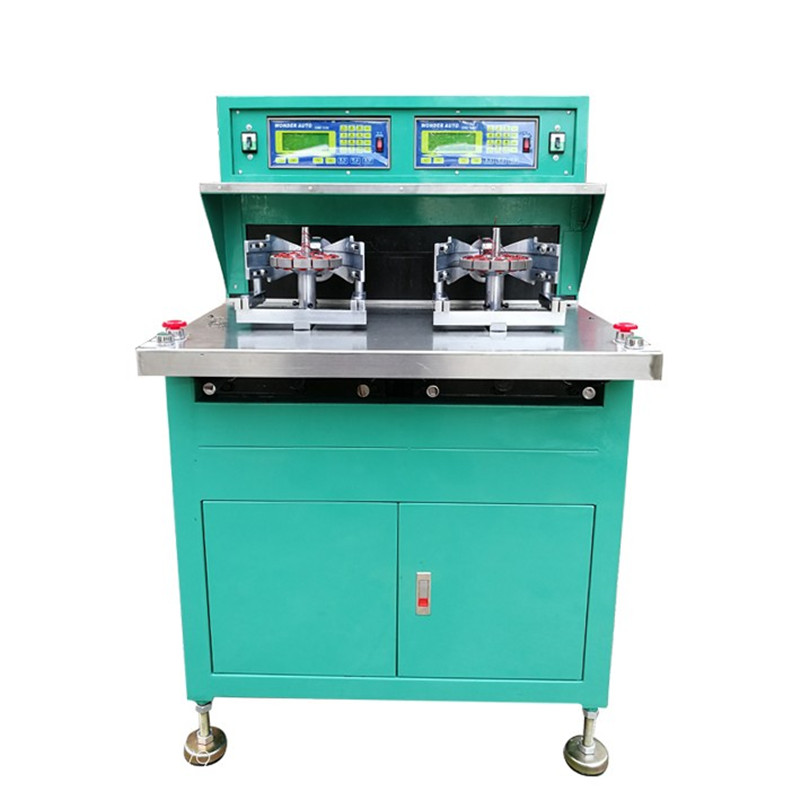
Operating electric rotating machinery in Oruro, Bolivia, introduces mechanical and dielectric challenges rare in coastal or lowland industrial zones. Situated on the Andean Altiplano at approximately 3,709 meters above sea level, industrial plants face atmospheric pressure dropping to around 64 kPa (nearly 35% lower than sea level). In this environment, electric motors driving mining ball mills, flotation cells, extraction pumps, and ventilation shafts experience extreme thermal de-rating and partial discharge acceleration.
A stator's end windings represent its most vulnerable mechanical zone. During frequent high-torque starting cycles, electrodynamic forces proportional to the square of the inrush current (∝ I²) pulse through each coil overhang. If the end turns are laced unevenly, or if the cord tension degrades due to thermal cycling, coils vibrate against one another. In Oruro's thin, dry atmosphere, this microscopic friction quickly erodes the thin enamel coating, resulting in devastating phase-to-phase short circuits.
Crucial Mechanical Fact for Bolivian Engineers: Because air density decreases with elevation, the dielectric breakdown voltage of the surrounding air diminishes according to Paschen's Law. Fluff, voids, or loose end turns on un-laced or manually tied stators initiate corona discharges at lower threshold voltages. Automated, diamond-knot dual-side lacing with calibrated servomotor tension eliminates air voids between phase coils, directly halting the onset of partial discharge.
Zunqi Intelligent Equipment's Automatic Double-Side Stator Coil Lacing Machines and synchronized inserting systems provide the strict structural rigidity required for medium- and low-voltage heavy-duty induction motors. Our servo-driven needle arms execute uniform interlacing across both internal and external coil rings, compressing end bundles to precise geometric profiles that easily fit within standard motor casings while promoting unhindered lamellar cooling airflows.
| Engineering Attribute | Traditional Manual / Hand Lacing | Zunqi Automated Servo Lacing Machine | Impact on Oruro Mining & Pumping Duty |
|---|---|---|---|
| Lacing Cord Tension | Fluctuates (3–8 kgf) across operator shifts | Digitally controlled constant servo tension (8–18 kgf) | Stops vibration fatigue caused by heavy mill starting torques |
| Slot-to-Slot Pitch Regularity | Irregular skip patterns & uneven knot density | Servo indexing with zero-backlash harmonic drives | Eliminates uncompressed overhang loops prone to corona discharge |
| Cycle Time (48-Slot Stator) | 25 to 45 minutes per stator frame | 12 to 24 seconds (both ends bound simultaneously) | Eliminates production bottlenecks in OEM assembly & motor rewinding |
| Coil Overhang Compaction | Bulky coil ends requiring post-hammering | Uniform axial height; integrated forming molds | Ensures generous mechanical clearance from bearing brackets and rotor fans |
| Wire Insulation Integrity | Frequent fingernail & steel lever scratches | Hardened mirror-finish tungsten needle guides | Preserves enamel film integrity, preventing high-altitude ground faults |
Configured for specialized motor repair centers, industrial workshops, and emerging manufacturing clusters throughout the department of Oruro.
Oruro's mineral beneficiation facilities run continuous slurry agitation. Motors rewound using Zunqi automated double-side lacing withstand persistent harmonic vibration and harsh chemical particulate exposure without coil displacement.
Submersible pump stators feature high aspect ratios with long, slender stacks. Our lacing tooling compacts deep-slot coil heads cleanly, preventing interference with narrow submersible outer casings.
Underground shafts require dependable forced aeration. Precision-wound and laced fan stators run cooler under continuous S1 duty cycles, avoiding catastrophic thermal trips caused by high-altitude cooling loss.
Locomotives and mineral haulage trucks operating across the Altiplano rely on auxiliary blowers and compressors. Zunqi machines handle heavy cross-section copper wire, forming rugged coils that resist road shock.
Oruro is rapidly transitioning from traditional mineral extraction into a critical processing and logistics hub connecting the Salar de Coipasa lithium operations with Pacific port corridors.
As state and joint-venture processing complexes expand around Oruro and Potosí, demand for explosion-proof (ATEX/IECEx compliant) drive motors is surging. These units require zero-defect stator lacing to eliminate micro-arcing hazards in combustible processing environments.
Bolivian electromotive workshops are retiring slow manual tying methods. With industrial plant downtime costing thousands of dollars per hour, repair centers adopting Zunqi winding, inserting, and dual-side lacing systems achieve rapid turnaround times with factory-grade repeatability.
Altiplano power grids experience voltage sags and surges. Premium efficiency motors require dense slot-fill factors (up to 78–82%). Zunqi automated wedge inserters and servo lacing tables handle high-density slots cleanly without tearing slot liners or pinching magnet wire.
Headquartered in Qishi Town, Dongguan, China, Zunqi Intelligent Equipment Co., Ltd. is a specialized manufacturer and trading company with 17 years of dedicated export experience. We bridge the gap between high-precision automated motor machinery and accessible capital investment, delivering robust manufacturing assets to commercial motor plants and independent engineering centers worldwide.
We do not deliver generic equipment. Every needle stroke, former mold, and insertion shoe is engineered according to your stator outer diameter, stack height, slot dimensions, and wire diameter.
Eliminate integration conflicts. Zunqi engineers design slot paper inserting, multi-spindle coil winding, simultaneous coil & wedge inserting, coil intermediate forming, dual-side lacing, and rotor shaft pressing to run on identical cycle benchmarks.
Our Dongguan facilities are verified onsite on Alibaba.com. Before dispatch, we test-run your machines using your provided stator laminations and send high-resolution operating video recordings for technical sign-off.
To simplify regional maintenance in South America, Zunqi configures all main electrical cabinets, PLC interfaces, servo systems, and pneumatic manifolds using components your local technicians already know:
Detailed answers addressing freight logistics, Altiplano altitude compensation, electrical supply standards, and custom tooling setup.
Our standard machines are configured for single-phase 220V or three-phase 380V at 50Hz/60Hz. Because industrial grids in Oruro commonly utilize 220V three-phase or 380V/400V industrial feeds, we build transformers and frequency-tolerant drives to match your workshop's specific voltage. Control circuits run on stabilized 24V DC to safeguard PLCs against line voltage spikes.
Because Bolivia is landlocked, heavy machinery typically ships via ocean freight from Shenzhen or Guangzhou to the Pacific port of Arica or Iquique in northern Chile. From Arica/Iquique, certified bonded trucking lines transport the crated machinery across the border directly into the Oruro customs precinct (Aduana Nacional de Oruro). Every machine is sealed with anti-corrosion VCI barrier film, packed with desiccant packs, and bolted into a solid, fumigation-free export plywood case.
Yes. Lower atmospheric air pressure reduces effective pneumatic cylinder thrust. When building machines for customers in Oruro or La Paz, our engineering team increases pneumatic cylinder bore diameters by approximately 15–20% and specifies high-flow SMC or Airtac regulators. For cooling fans on internal servo drives, we de-rate drive capacities slightly to ensure servo motors run cool in thin Andean air.
Yes. Our double-side and single-side lacing machines support quick-change tooling. The stator stack height is fully adjustable via the digital HMI and precision lead-screw settings without replacing structural parts. For different stator outer diameters (OD) or slot numbers, modular mounting plates and needle stroke limiters can be swapped in less than 20 minutes.
For demanding mining, pump, and traction motors, we recommend braided polyester (Dacron) or aromatic polyamide (Nomex) lacing tapes impregnated with semi-cured synthetic resin or wax. Our feed tensioners can be configured for round cords or flat lacing tapes (1.5mm to 3.0mm width) to ensure maximum surface contact area without cutting into magnet wire insulation.
Before packing, we run full trials using your stator drawings and provide complete video footage of the test run. Upon arrival, we assist your maintenance technicians via scheduled video calls, step-by-step schematics, and English/Spanish-language HMI interfaces. For complete automated stator production lines, on-site commissioning by our field service engineers can be arranged upon request.
The minimum order quantity for our lacing, winding, inserting, and rotor machines is just 1 set. Customized manufacturing and tooling configuration typically takes 25 to 35 calendar days from technical drawing confirmation. Spare parts, shafts, and consumable needle tooling can be added to your machinery shipment to ensure uninterrupted long-term production.
Send your stator core drawings, stack dimensions, slot configuration, and target output. Our application engineers will prepare a detailed engineering proposal and machine layout within 9 hours.
