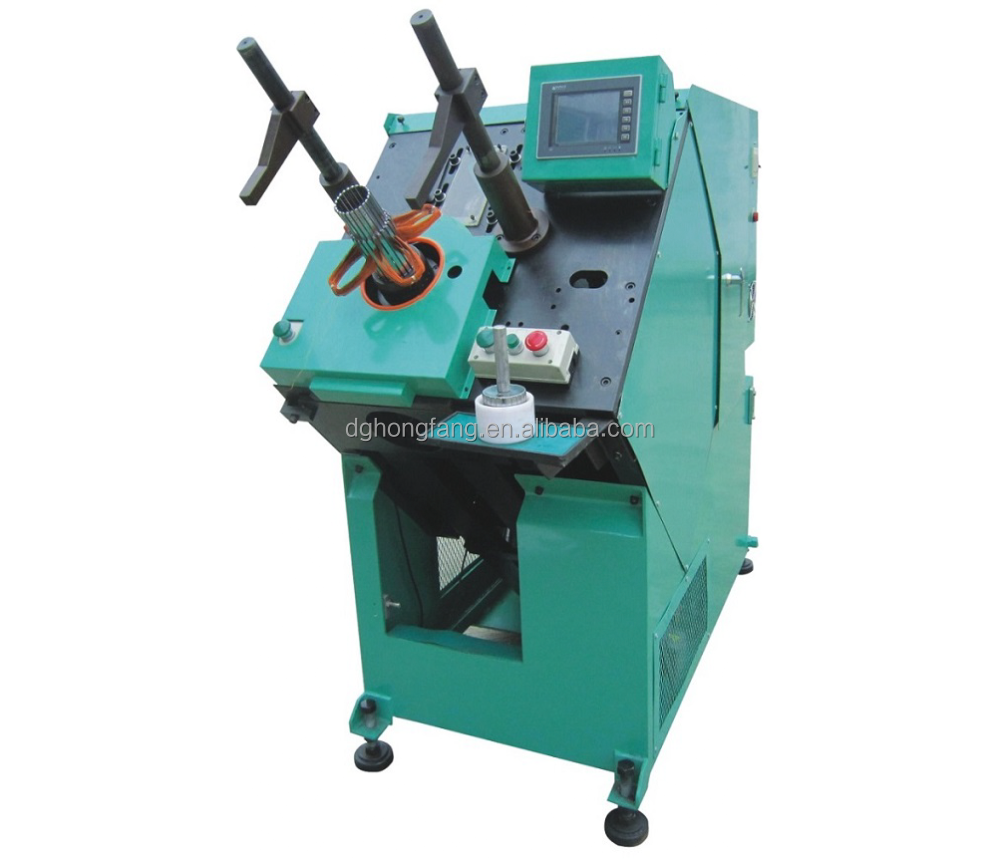
Automatic Stator Wedge Paper & Coil Inserting Machine
- ✓ Dual-action servo coil insertion
- ✓ Integrated slot paper feed & cuff
- ✓ Modular gear components for long life
Tooling and machine configurations precision-ground for squirrel-cage induction rotors, shaded-pole assemblies, and fractional-kilowatt stator setups destined for Bolivian industrial retrofits.
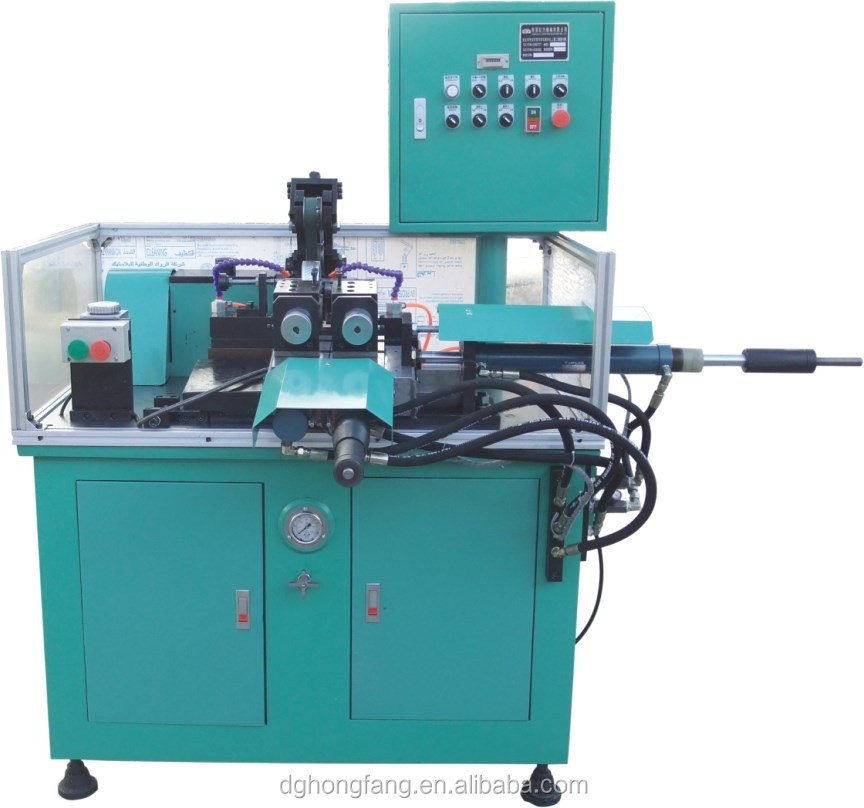
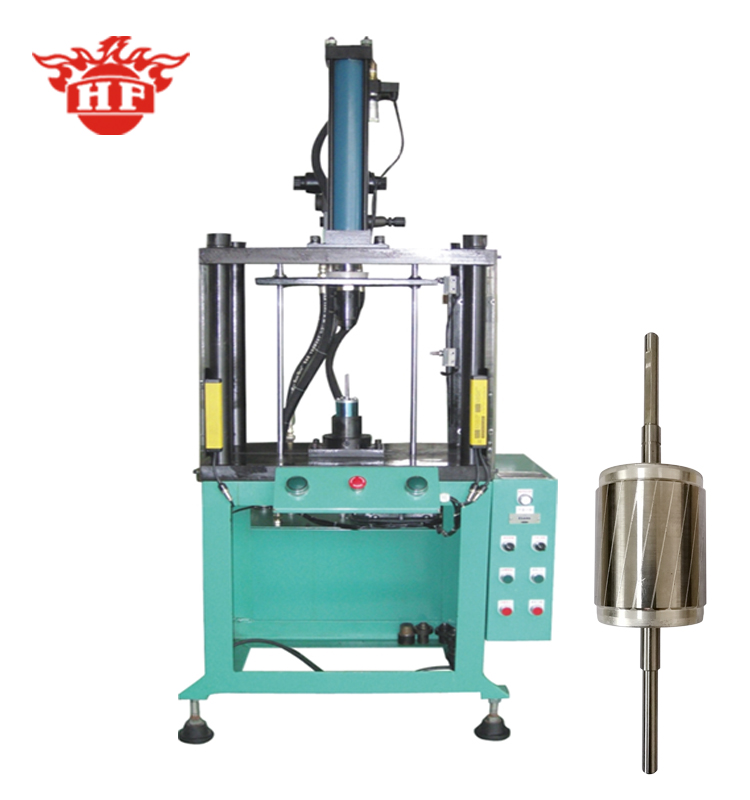
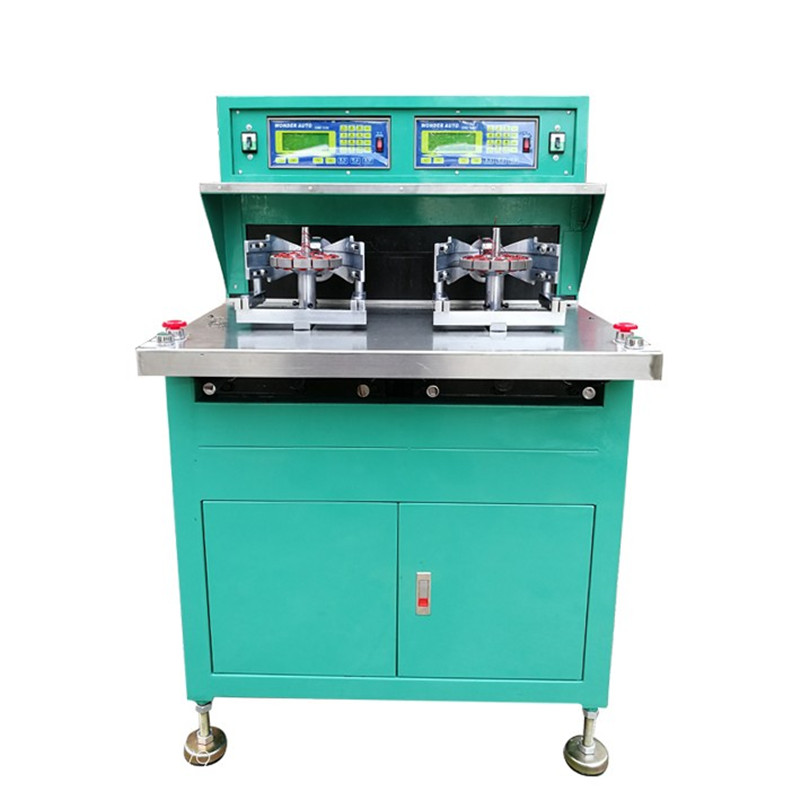
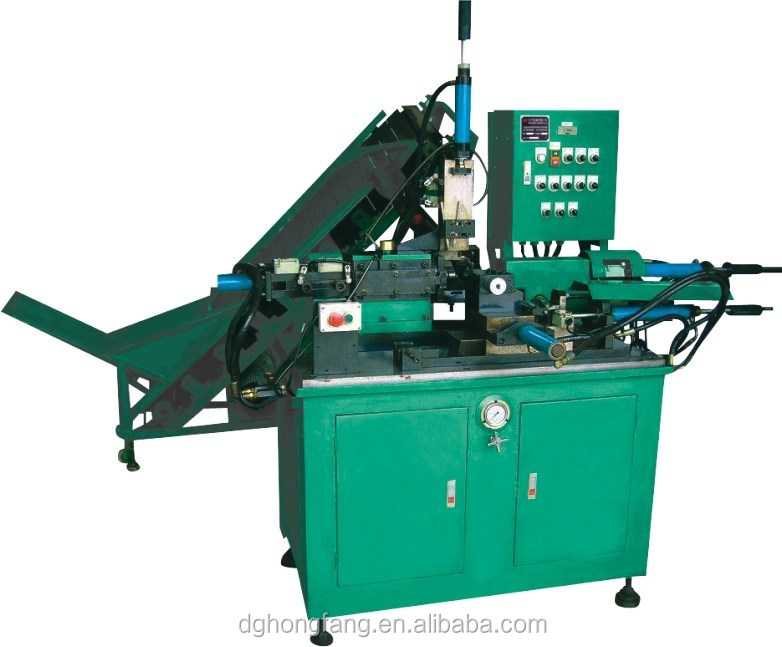
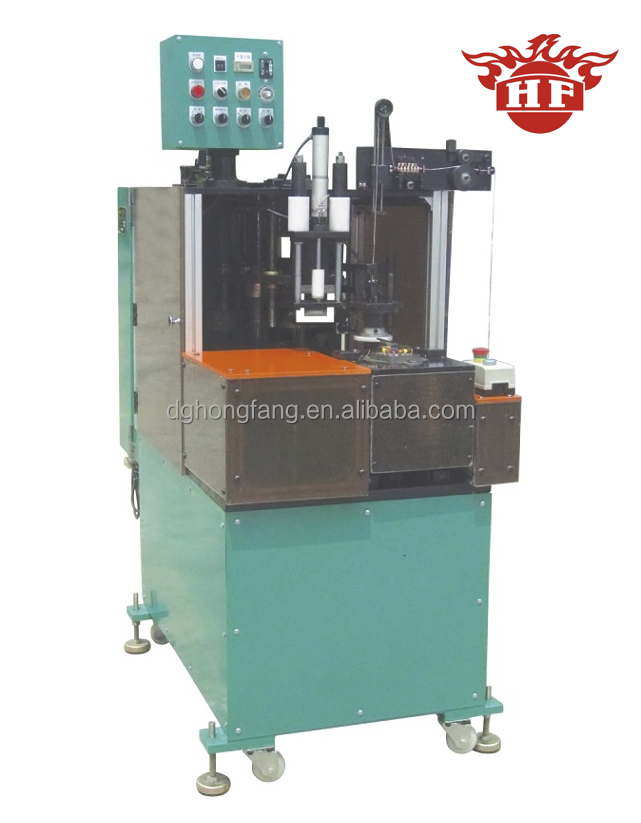
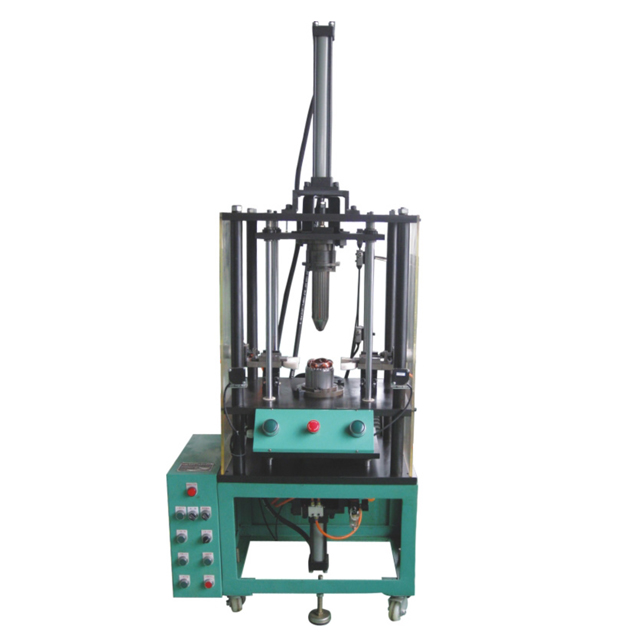
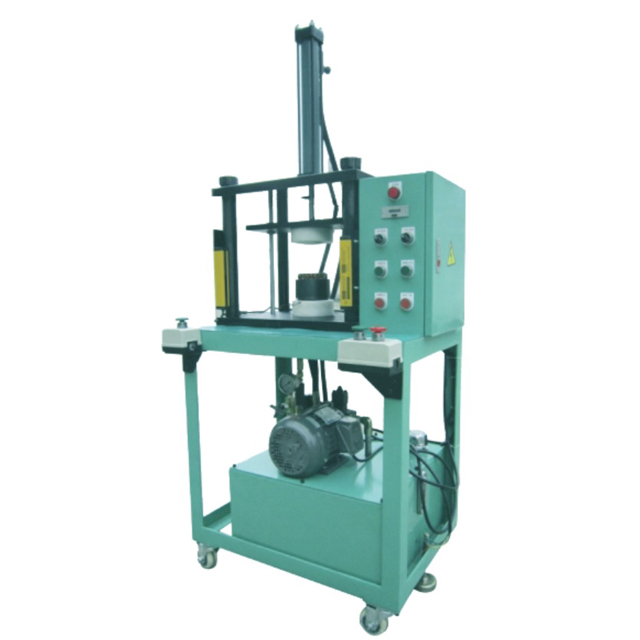
Why standard motor manufacturing equipment encounters severe thermal, dielectric, and structural anomalies in the Altiplano basin—and how Zunqi engineering overrides these vulnerabilities.
La Paz operates at extreme elevations ranging from 3,200 to over 4,000 meters above sea level (El Alto). Operating motor manufacturing lines—specifically Motor Rotor Turning Machines and automated stator processing equipment—within this barometric regime introduces physical factors that conventional machinery designed for sea-level operation cannot endure without critical failure.
The primary complication stems from Paschen’s Law and reduced air density. At 3,640 meters altitude, atmospheric pressure hovers around 64 to 68 kPa compared to 101.3 kPa at sea level. The dielectric breakdown strength of air drops significantly, leading to accelerated electrical corona discharges, premature insulation aging, and reduced heat dissipation across cutting spindles and servo motors.
When turning squirrel-cage aluminum die-cast rotors, maintaining absolute air-gap uniformity between the finished rotor and stator inner bore is fundamental. An uneven air gap creates unbalanced magnetic pull (UMP), high-frequency harmonic vibration, and devastating efficiency drop-offs—fatal to mining hoists, regional transport cables, and ventilation fans functioning in oxygen-depleted mountain environments.
Zunqi Intelligent Equipment Co., Ltd. resolves these systemic hurdles at the source. As an international manufacturing specialist operating from our Dongguan facility, we specifically adapt export equipment routed to Western South America. Our rotor fine-turning systems feature over-dimensioned spindle cooling channels, forced-air cooling blowers derated for thin air, sealed pneumatic valves resistant to dry-air friction, and electrical cabinets built to prevent arc-tracking across high-voltage busways.
| Machining Parameter | Standard Sea-Level Turning Machine | Zunqi High-Altitude Configured Machine | Impact on La Paz Motor Performance |
|---|---|---|---|
| Spindle Thermal Expansion Control | Passive ambient dissipation | Closed-loop circulating fluid cooling + oversized heat exchanger | Eliminates tool drift caused by internal motor overheating in thin air |
| Rotor Air-Gap Concentricity | ±0.015 mm to ±0.025 mm | ≤ 0.005 mm dynamic concentricity | Prevents Unbalanced Magnetic Pull (UMP) in high-load Bolivian mining drives |
| Electrical Insulation Derating | Standard Class B / F wiring margins | Class H insulation with extended creepage distances (IEC 60664-1 compliant) | Eliminates corona arcing and flashover caused by low atmospheric pressure |
| Pneumatic Clamping Stability | Standard sea-level rated valves | High-flow, low-viscosity synthetic lubricated valve packs | Prevents clamping slippage and chatter during dynamic high-speed turning |
Supplying robust motor fabrication machinery to the municipal, mining, and light manufacturing plants of the Department of La Paz and El Alto.
Centrifugal and positive displacement slurry pumps running in subterranean and open-pit mines across western Bolivia require heavy-duty electric motors that do not stall under severe harmonic back-EMF. Precision rotor surface turning ensures maximum magnetic flux density, minimizing heat build-up in already de-rated high-altitude mining pump motors.
La Paz and El Alto operate the world's most extensive urban cable car network (Mi Teleférico). Maintenance contractors and localized motor rebuilding shops depend on automated rotor shaft pressing and fine turning to overhaul auxiliary induction fans, tensioning drive motors, and backup motor generators without importing overpriced assembly components.
Moving lower-density air requires specialized fan blade aerodynamics operating at higher baseline rotational speeds. Our Automatic Rotor Fine Turning Machine HF-C60 removes surface cast burrs and guarantees micro-level balancing, enabling ventilation fans to run continuous multi-month cycles without bearing destruction.
An emerging economic landscape pushing domestic electromechanical facilities from labor-intensive manual tooling toward precision CNC automation.
Historically, Bolivian industrial operators relied heavily on fully imported finished motors from Brazil, Argentina, or Europe. Supply chain bottlenecks, fluctuating foreign exchange pressures, and national industrialization drives have incentivized domestic manufacturing groups in El Alto and La Paz to establish local motor assembly and core rebuilding facilities.
Manual rotor lathing on conventional manual engine lathes routinely results in micro-chatter, inconsistent outer diameter taper, and damaged squirrel-cage end rings. By deploying dedicated Motor Rotor Turning Machines, workshop managers slash cycle times from 25 minutes per rotor to under 45 seconds, while eliminating operator error.
Industrial electricity subsidies across South America are facing rationalization. Plants in La Paz can no longer afford energy-wasting IE1 motors. A primary determinant of induction motor efficiency is the mechanical air gap:
Zunqi Intelligent Equipment Co., Ltd. (Dongguan, China) integrates 17+ years of international manufacturing, custom tooling design, and strict quality verification.
We do not supply off-the-shelf, rigid machines. Our technical team machines winding formers, inserting blades, and rotor expansion chucks tailored directly to your physical stator and rotor samples. A full factory test video running your motor core is verified before container crating.
From initial paper insulation insertion and high-speed coil winding to automatic coil inserting, two-station forming, servo double-side lacing, rotor fine turning, and hydraulic shaft pressing—we engineer the entire production cell to ensure balanced cycle times across all workstations.
We configure our electrical control panels around industry-standard components—including Siemens, Mitsubishi, Omron, Schneider, Delta, Inovance, SMC, and Airtac—ensuring your plant technicians in La Paz can easily obtain replacement switches, sensors, and valves locally.
Practical answers addressing logistics routes, customs considerations, elevation derating, and equipment commissioning in Bolivia.
While Bolivia is landlocked, our export logistics team frequently handles maritime freight container routing to the Pacific ports of Arica or Iquique in Chile. From Arica/Iquique, bonded freight forwarding trucks transport the crated machinery across the border directly to the customs depot in El Alto / La Paz (Aduana Nacional de Bolivia). All machines are encased in vacuum-sealed VCI anti-rust barrier film and heavy-duty, fumigation-free wooden export crates designed for rugged mountain transit.
Yes. While standard Chinese industrial equipment operates at 380V 50Hz, the Bolivian commercial and industrial grid generally delivers 220V single-phase, 220V 3-phase, or 380V 50Hz depending on your facility zone. Prior to assembly, our engineering department reviews your plant's exact voltage, phase count, and frequency, incorporating custom wound step-up/down industrial transformers and high-altitude derated VFD drive inverters directly into the machine cabinet.
Standard electronic inverters and power supplies overheat rapidly in the thin atmosphere of the Altiplano. For orders delivered to La Paz, we derate our main drive motors by 20–30%, upgrade drive cooling heat sinks, select high-elevation-rated contactors, and provide high-pressure lubrication channels on mechanical guides to prevent seizure caused by dry, thin mountain air.
We provide comprehensive bilingual (English/Spanish) video training modules, step-by-step schematic wiring diagrams, and high-definition parameter setting manuals. Furthermore, our senior software and mechanical engineers conduct remote, live commissioning sessions via video conference to guide your electromechanical technicians through physical positioning, chuck adjustment, and cutting tool calibration.
The MOQ for our rotor turning machines, stator winders, and inserting stations is 1 set. Every complete machine is backed by our standard 1-Year Global Warranty, covering non-wearing mechanical and electrical components, supplemented by lifelong engineering consulting and rapid dispatch of wearing parts (such as carbide/diamond turning inserts, wire tensioners, and pneumatic seal rings).
Send us your rotor and stator dimensional blueprints, core stack heights, and target output per hour. Our Dongguan technical center will formulate a comprehensive machine proposal and cycle analysis within 9 hours.
