High-Precision Rotor & Stator Assembly Machinery
Factory-direct automation equipment engineered for tight concentricity, balanced dynamic rotations, and durable electro-mechanical assemblies.
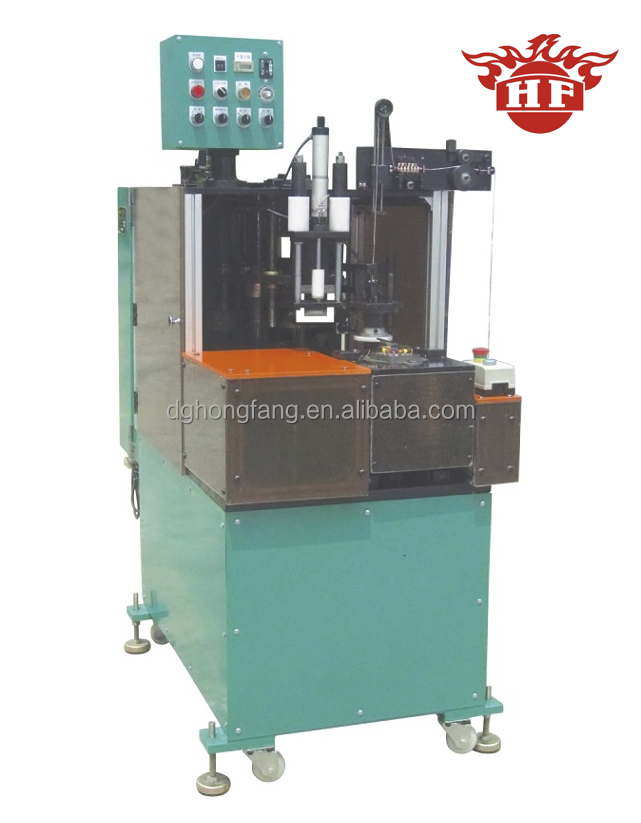
HF-BS20 Double Side Lacing Machine
Dual-side simultaneous servo-controlled coil lacing designed for 1000W 220V ceiling, industrial ventilation, and heavy-duty fan motor stators.
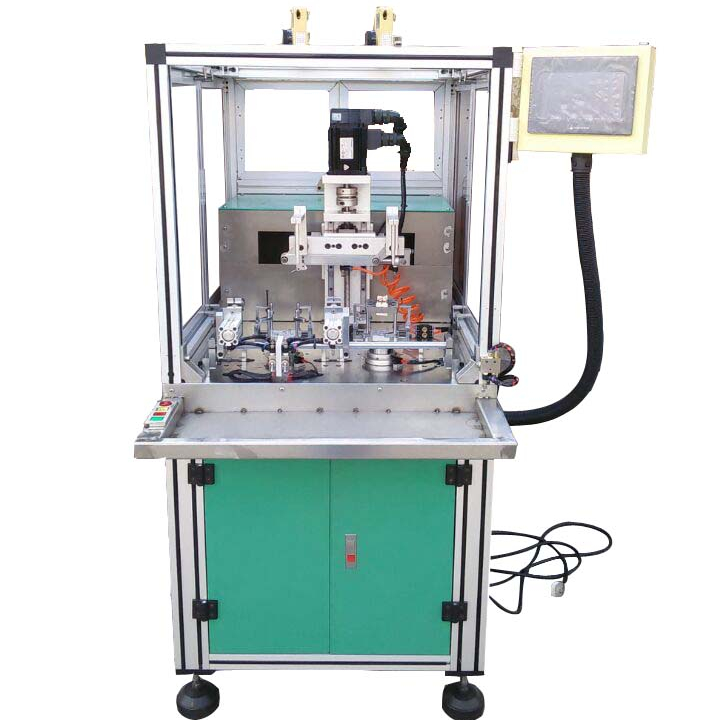
High-Speed Armature Winding Machine
Automated tension-balanced winding tooling suitable for multi-slot universal armatures, auxiliary DC machinery, and cooling fan assemblies.
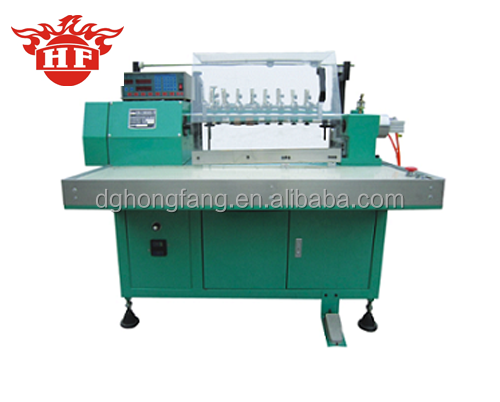
HF CNC 8-Head 3000 RPM Stator Winder
Multi-spindle semi-coil automated winding system operating at 3,000 RPM, built for high-throughput table fan and single-phase induction cores.
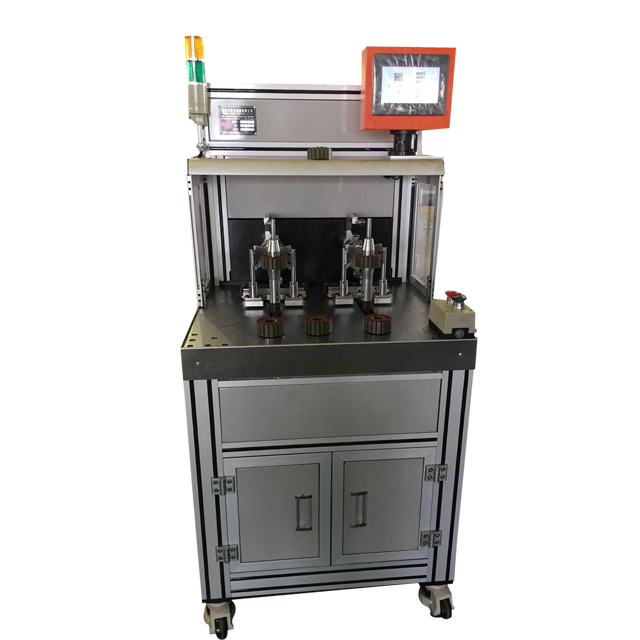
2-Station External Stator Winding Unit
Specialized flyer winding mechanism engineered for external-rotor stators, step-down transformers, and BLDC motor winding patterns.
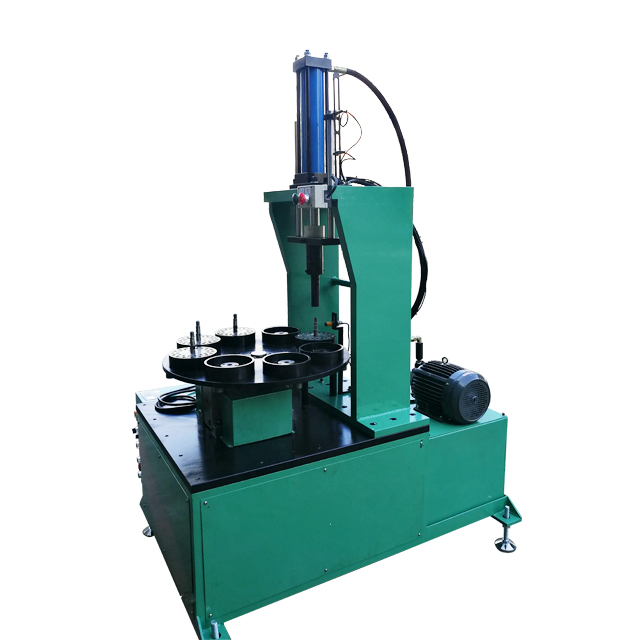
Hydraulic Shaft Pressing Machine
Gear-driven hydraulic press for precise interference-fit shaft insertion into ceiling fan stators and laminated rotor cores without bending stress.
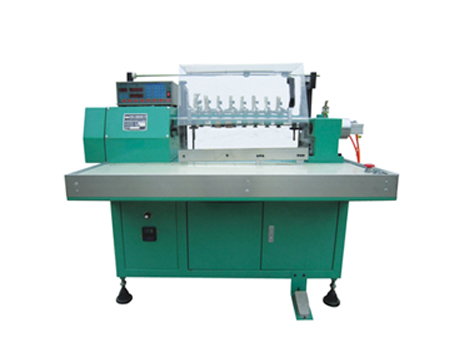
Cooler Motor Stator Coil Winder
Continuous-flyer winding technology configured for evaporative cooler stators, offering precise wire layering and minimal enamel abrasion.
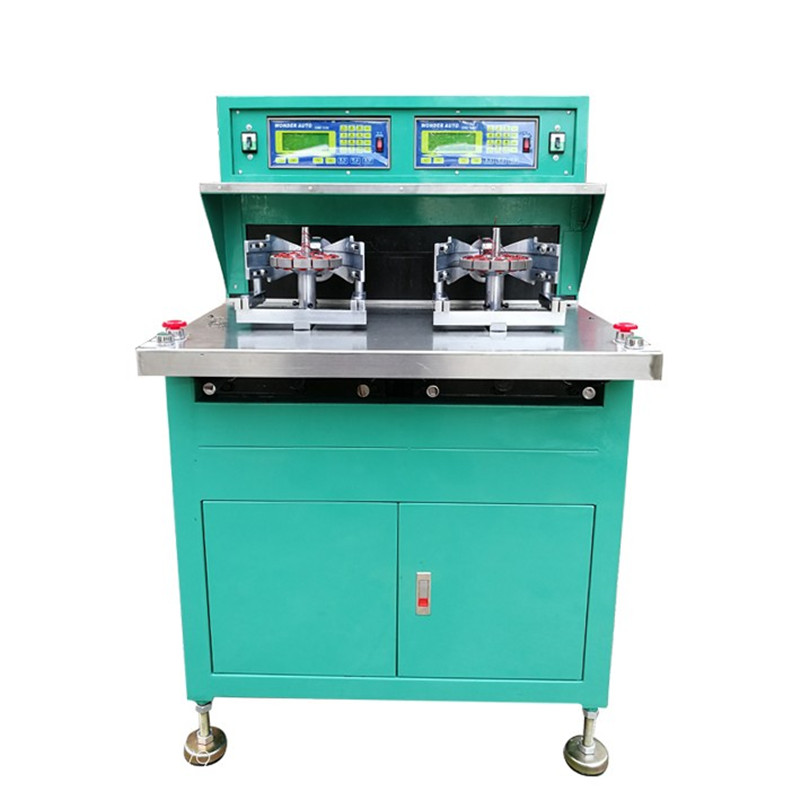
HF-R40-2G Dual-Station Stator Winder
Twin controller architecture allowing independent station operation, rapid stack changeover, and consistent copper slot filling ratios.
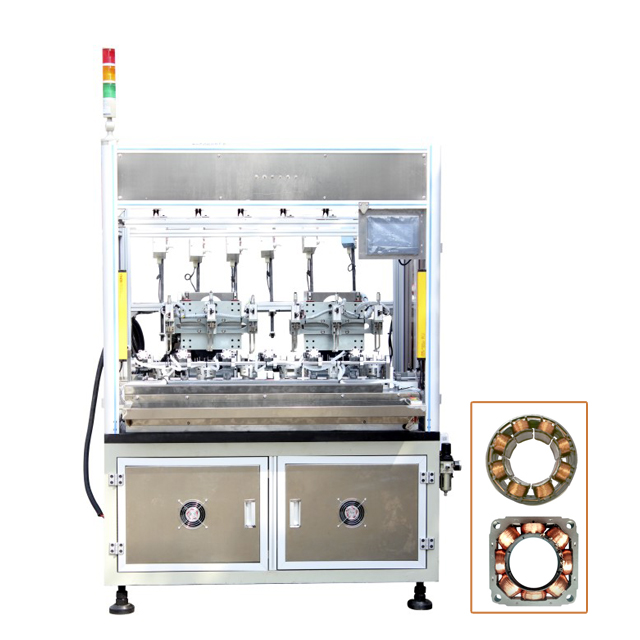
HF-LO2-6G 6-Station Internal Winder
High-efficiency PLC-governed internal indexing winder for inner-slotted motor cores, water pump motors, and multi-pole industrial stators.
Precision Motor Rotor Machining: The Technical Imperative
In rotational electro-mechanical assemblies, the motor rotor defines the electromagnetic air-gap tolerance, mechanical balance, and operational efficiency of the finished apparatus. For industrial facilities and technical workshops in Lelydorp and the broader Wanica district of Suriname, the mechanical integrity of electric motor rotors directly impacts production continuity. Operating squirrel-cage induction drives, submersible pumps, and heavy ventilation fans in a tropical climate requires uncompromising turning accuracy, concentric shaft pressing, and precision dynamic profiling.
Modern rotor machining encompasses several tightly coupled manufacturing phases: automated turning of outer laminations, shaft journal micro-grinding, precise hydraulic shaft insertion, and automated dynamic balancing. Minimizing runout across the rotor core lamination is essential. Even minor variations in the radial air gap can create asymmetrical magnetic pull (AMP), causing excessive bearing degradation, mechanical vibration harmonics, localized heating, and catastrophic motor winding burnout.
Industrial Application Scenarios in Lelydorp & the Wanica District
Lelydorp stands as the administrative capital of Wanica and serves as a vital logistics, agro-processing, and light industrial hub along Suriname's arterial corridor connecting Paramaribo with the interior mining regions. Equipment exported to workshops in this corridor must handle diverse duty cycles:
- Agricultural Processing & Rice Milling: Continuous-duty electric drive motors in grain processing, rice de-husking facilities, and oil distillation plants require ruggedized motor rotors capable of handling high starting torque and dusty operating ambients. Rotor fine turning and shaft pressing machinery ensure that repaired or rewound motors retain OEM electrical performance.
- Hydraulic Drainage & Irrigation Infrastructure: Given Suriname's low-lying coastal geography and seasonal precipitation, submersible dewatering pumps and agricultural drainage systems rely heavily on submersible motor drives. Rotor shaft pressing and end-turn lacing equipment prevent moisture ingress and mechanical shaft slippage during prolonged underwater operations.
- Timber & Sawmill Drive Units: Wanica's timber finishing facilities demand high-horsepower induction motors running abrasive sawing loads. Precision external and internal winding machines, coupled with heavy-duty rotor turning, allow local technical repair outfits to build vibration-resistant armatures that withstand constant shock loads.
- Domestic Appliance & Commercial Ventilation Manufacturing: As local demand grows for durable ceiling fans, cold storage evaporators, and table cooling units, automated CNC multi-station winding equipment enables regional assembly plants to switch from expensive assembled imports to localized assembly of high-yield stators and rotors.
Technological Trends in Regional Motor Manufacturing
The manufacturing landscape in Suriname and the Guianas is moving away from purely manual maintenance toward computerized numerical automation. Key technical trends include:
- Transition to High-Efficiency IE3/IE4 Standards: Stricter energy conservation criteria necessitate tighter tolerances on the rotor-stator air gap. Rotor fine-turning systems operating with diamond or cubic boron nitride (CBN) cutting heads achieve dimensional tolerances within ±0.005 mm, minimizing parasitic eddy currents in the laminated steel surface.
- Integration of Programmable Logic Controllers (PLCs): Standalone mechanical cams are being replaced by PLC and servo-synchronized drive axes. This enables swift tooling changeovers between standard IEC frames and non-standard custom core heights commonly found in legacy infrastructure throughout Suriname.
- Predictive Maintenance Integration: Modern rotor machining stations now feature sensor-driven monitoring for press insertion force and turning vibration, creating verifiable quality logs for each completed assembly prior to final dispatch.
Engineering Competence & Production Advantages
Direct manufacturer capabilities from Dongguan, delivering industrial longevity, tailored tooling sets, and turnkey motor production automation.
Custom Tooling to Part Drawing
Every coil former, inserting blade set, and shaft pressing fixture is custom-machined to your exact rotor or stator stack blueprint, verified via prototype trial runs before crating.
Turnkey Line Integration
From slot paper insulation and CNC coil winding to automated coil/wedge insertion, double-side servo lacing, and rotor turning, our systems operate with synchronized cycle times.
Industrial Component Standards
All machines feature global-standard electrical architectures—compatible with Siemens, Mitsubishi, Delta, or Schneider controls—ensuring long-term component availability in Suriname.
Frequently Asked Procurement Questions
Direct operational, shipping, and engineering clarifications for plant managers and machinery importers in Suriname.
What electrical voltage and grid configurations are supported for machinery delivered to Lelydorp?
How is machinery protected against coastal and tropical moisture during maritime transit to Paramaribo port?
Can a single rotor machining unit handle both fractional HP and heavy industrial motor frames?
What documentation and remote commissioning assistance is provided for local mechanics?
What is the minimum order quantity (MOQ) and lead time for replacement tooling sets?
Rigorous Manufacturing & Testing Methodology
Precision machine tools require a zero-defect assembly philosophy. Prior to maritime crating, our equipment undergoes an 8-stage verification pipeline to ensure out-of-the-box operational readiness upon arrival in Lelydorp:
- Structural Stress Relieving: Machine beds and hydraulic press frames are thermally normalized and stress-relieved to prevent micro-deflections over years of operational loading.
- CNC Tooling Fabrication: All contact tooling—especially winding guide needles, slot creasers, and insertion magazines—is machined from heat-treated alloy steels (such as Cr12MoV or SKD11) and polished to mirror finishes to prevent damage to magnet wire insulation.
- Continuous Dry-Cycle Verification: Equipment runs 72 hours of uninterrupted dry cycling to evaluate servo temperature stability, pneumatic valve responsiveness, and PLC software reliability.
- Customer Sample Proving: We request raw stator stacks, wire spools, and unmachined rotor blanks from our clients. A full production trial run is performed, recorded via high-definition video, and verified for runout and winding resistance balance before final customer sign-off.
Modernize Your Motor Production & Repair Capabilities
Connect directly with our senior application engineers. Submit your stator core dimensions, rotor shaft drawings, or line modernization plans for an engineering assessment and formal proposal.
Get a Quote