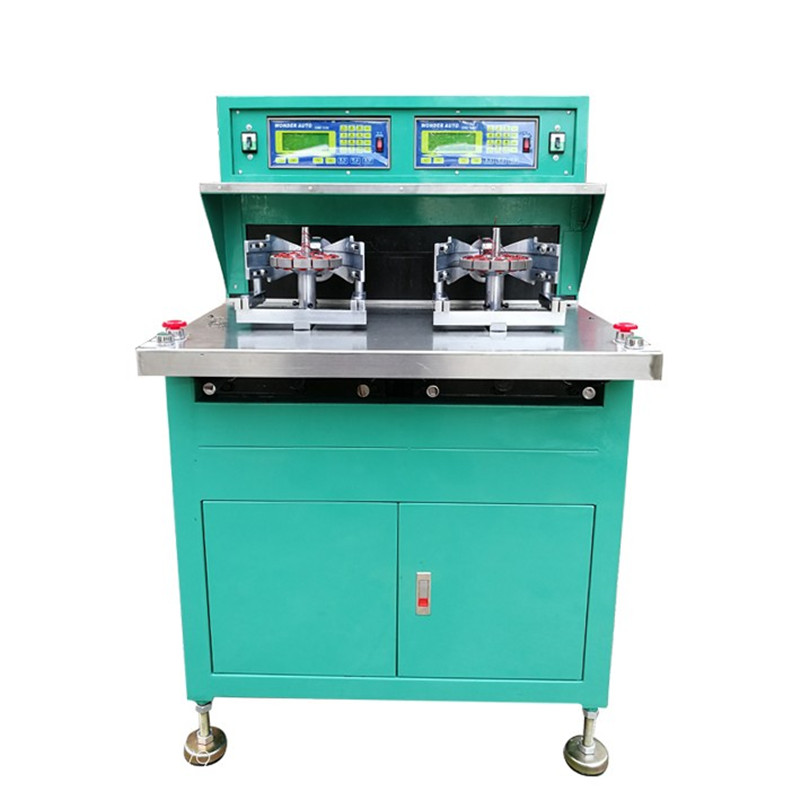
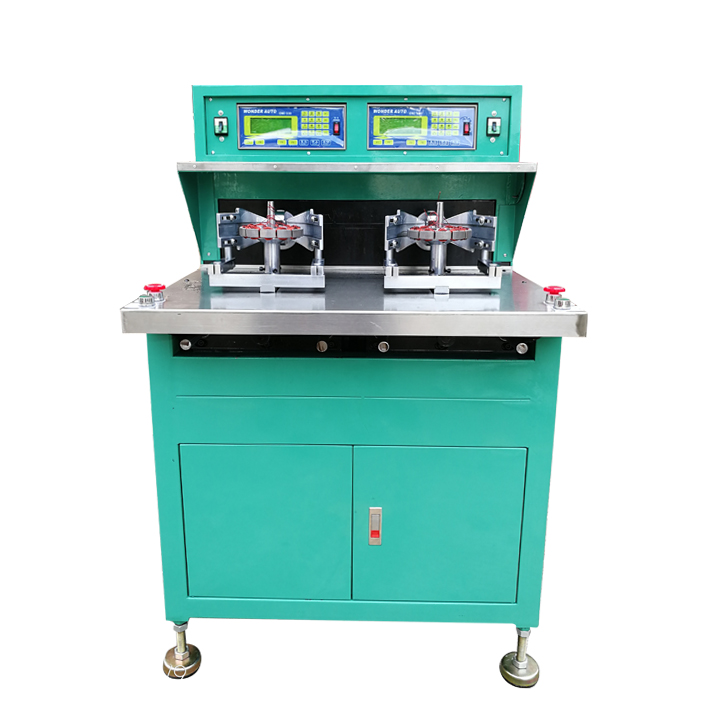
HF-R40-2G Automatic Ceiling Fan Stator Winding Machine Two Controllers Two Stations Motor 1 Year Warranty
- Dual-station synchronous winding system
- Dedicated independent micro-controllers
- Optimized for domestic appliance stators
Explore our precision stator slot cell insulating equipment, automated winding machines, and end-of-line lacing workstations manufactured directly in Dongguan and deployed extensively across Argentine industrial plants.
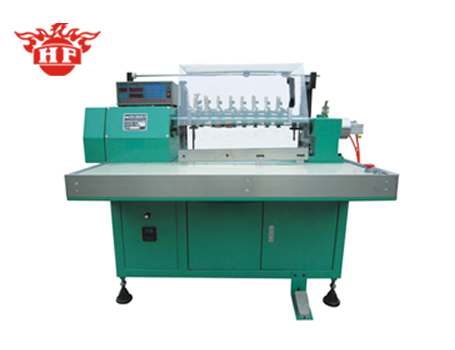
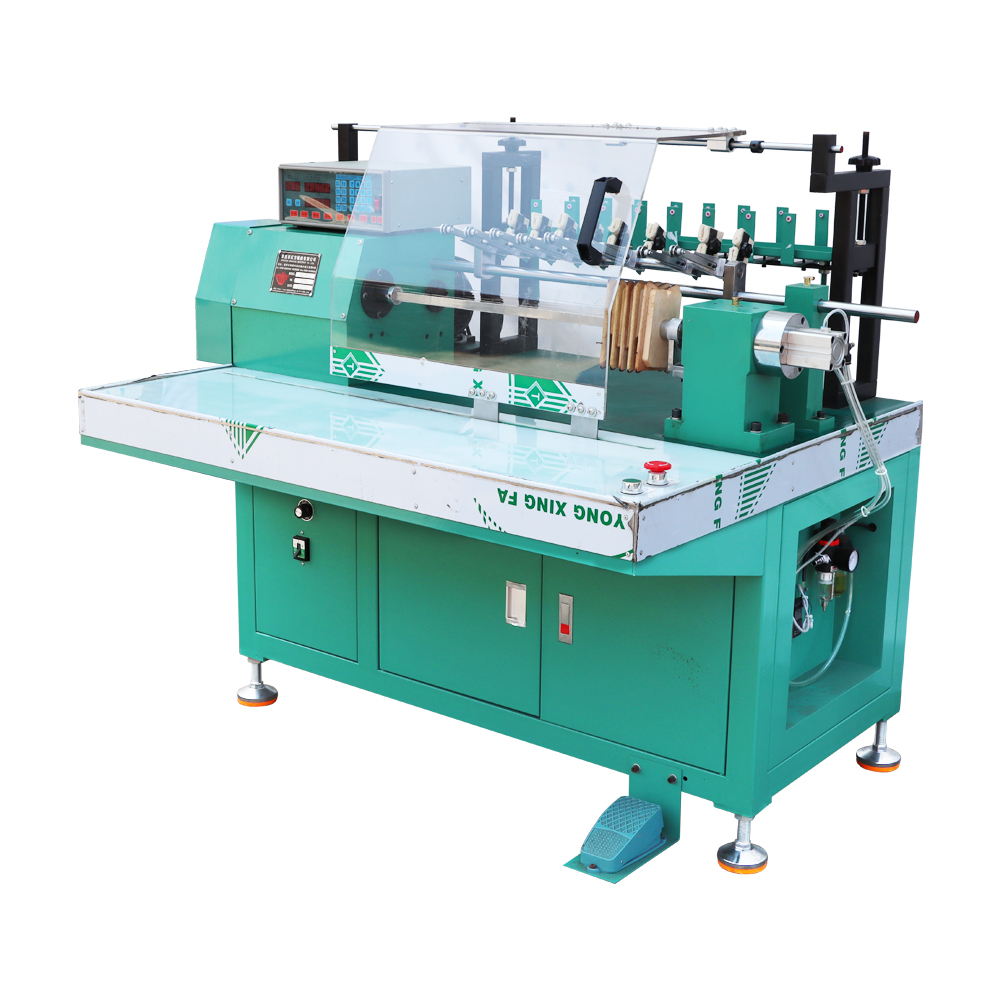
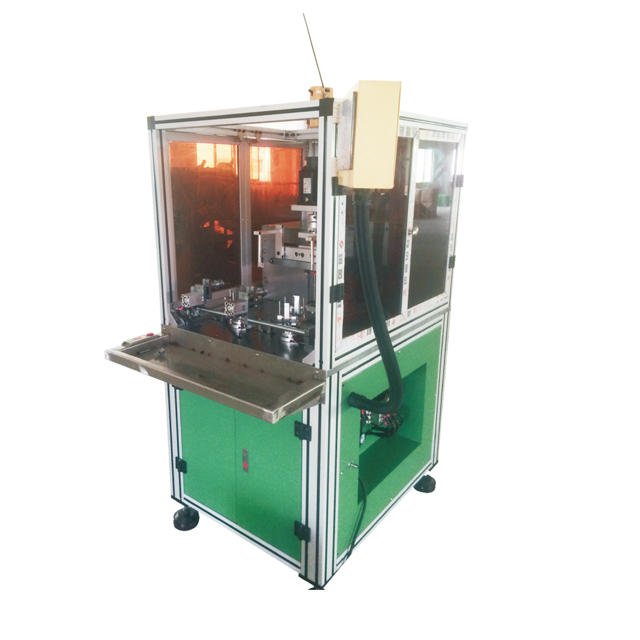
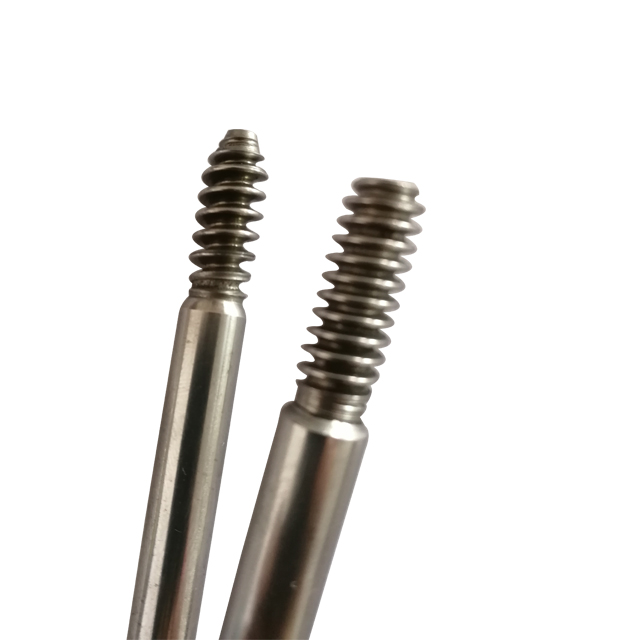
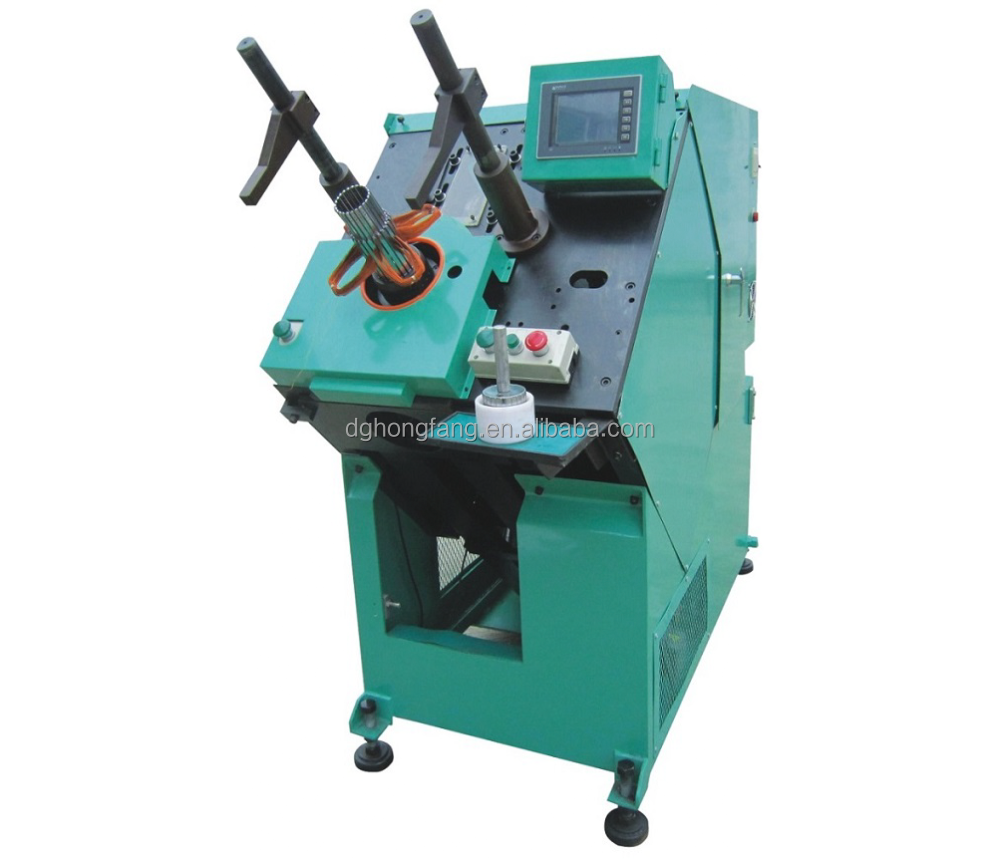
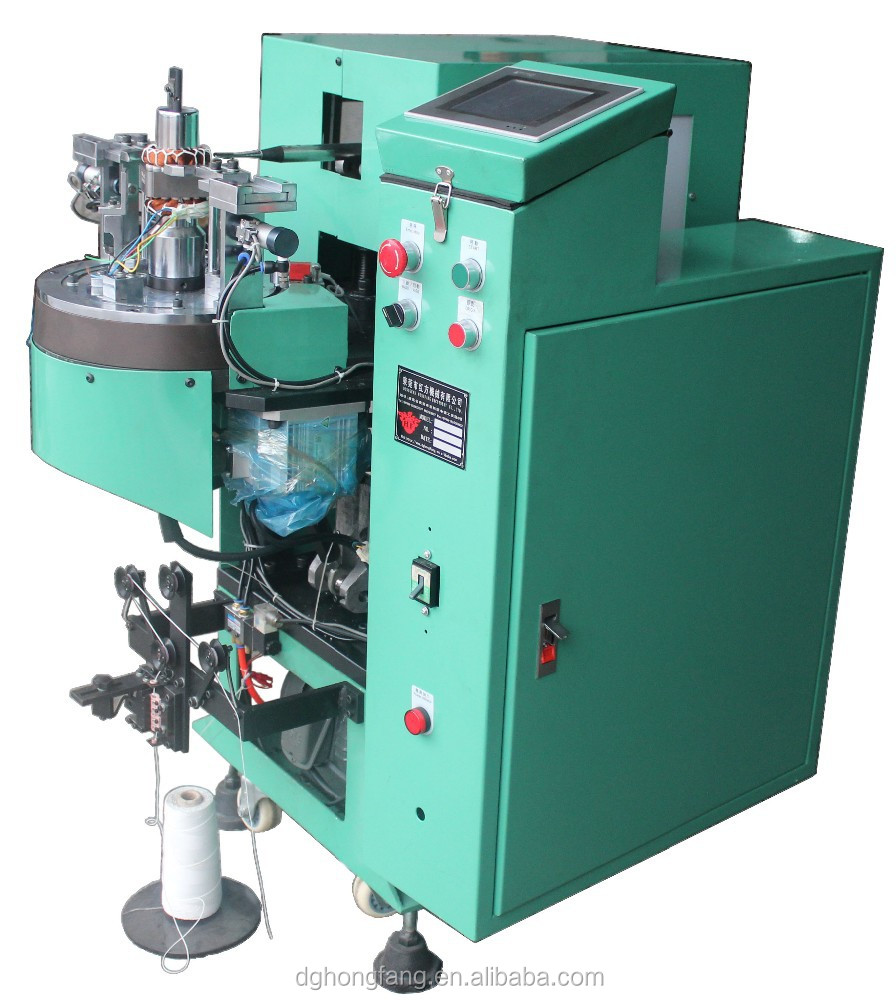
In the contemporary electrical manufacturing ecosystems of the Autonomous City of Buenos Aires and the wider Gran Buenos Aires (AMBA) industrial belts—including San Martín, La Matanza, Tres de Febrero, and Quilmes—electric motor plants face an urgent imperative: modernizing production lines to meet high dielectric reliability while offsetting spiraling localized operational overheads. The automated insulation paper insertion machine (frequently referred to in South American workshops as the máquina colocadora de papel aislante para estatores) stands as the foundational line asset deciding the dielectric longevity, partial discharge resistance, and final pass rate of the electric motor.
Stator slot lining is inherently a high-precision operation. When performed manually, human operators inevitably introduce variable paper feed angles, uneven edge cuffs, microscopic scoring of the lamination teeth, and incomplete radial seating. Automated slot insulation machinery resolves these failure modes through a continuous cycle of uncoiling, programmable edge folding (cuffing), mechanical shearing, heated forming, and rapid servo-driven axial insertion into each stator laminations stack.
Our industrial insertion units utilize dedicated cam-driven or brushless servo indexing mechanisms. The machine indexes the stator core through a precision rotary fixture, inserting pre-formed slot liners at speeds ranging from 0.4 to 0.8 seconds per slot. The edge cuffing process is critical: by imparting a double-folded structural rim at both ends of the stator core, the liner prevents the magnet wire (whether enamelled copper or drawing-grade aluminum) from coming into contact with the sharp silicon steel stamped laminations during the ensuing coil pushing and wedge insertion phases.
Argentine manufacturers produce a wide spectrum of motors—from Class B and F fractional horsepower (FHP) units for domestic fans and washing machines to rigorous Class H submersible pumps and heavy industrial induction drives. Machine feed mechanisms must therefore accommodate widely disparate composite films without jamming, static buildup, or edge fraying:
• DMD (Dacron-Mylar-Dacron): The workhorse composite of South American motor plants. Requires precise knife clearances (0.02–0.04 mm) to prevent delamination of the fleece from the polyester film substrate during high-speed cutting.
• NMN (Nomex-Mylar-Nomex) & Pure Aramid (Nomex): Exhibiting high springback characteristics, these high-temperature films require integrated pre-creasing rollers with temperature-assisted forming tools to set the cuff angle before radial injection into the slot.
• Polyester Film (PET / Mylar): Highly prone to static charges in climate-controlled assembly halls; our automated machines feature built-in de-ionizing bars and tungsten carbide shear dies to ensure clean, burr-free edge cuts.
| Motor Application (Buenos Aires OEM) | Insulation Class | Recommended Composite Material | Typical Slot Count | Insertion Cycle Time |
|---|---|---|---|---|
| HVAC & Ceiling Fans (Domestic) | Class B / F (130°C–155°C) | DMD 100 / Polyester 0.18–0.25mm | 8 / 16 / 24 Slots | 8 to 14 Seconds / Stator |
| Submersible & Centrifugal Pumps | Class F / H (155°C–180°C) | NMN / Nomex 410 (0.25–0.35mm) | 24 / 36 Slots | 16 to 24 Seconds / Stator |
| Commercial Compressors & Washers | Class F (155°C) | DMD 70 / Nomex-PET (0.25mm) | 24 / 32 Slots | 12 to 18 Seconds / Stator |
| Industrial IEC Induction Drives (IE2/IE3) | Class H (180°C) | Aramid Paper + Polyimide / NMN | 36 / 48 / 72 Slots | 25 to 45 Seconds / Stator |
Tailored machine deployments addressing specific manufacturing corridors across the Greater Buenos Aires metro area and Buenos Aires Province.
Specialized slot insulation insertion for axial, centrifugal, and domestic ceiling fans. Handles thin-lamination stacks with low tooth rigidity, preventing core deformation while ensuring dielectric barrier integrity against high humid summer surges in the River Plate basin.
Serving OEM lines producing universal and induction motors for semi-automatic washing machines, food processors, and ventilation range hoods. Focuses on ultra-rapid tooling interchangeability between different stack heights (15mm to 65mm).
Heavy-duty slot cell insulating for centrifugal water pump stators and agricultural fluid machinery. Engineered to push rugged NMN and Nomex composites with double cuffs to prevent ground faults under aggressive damp and chemical pumping conditions.
High-precision slot insulation for emerging electric motorcycle hubs, automated industrial AGV drives, and traction motors requiring tight tolerances on paper expansion to accommodate dense winding slot fill factors over 78%.
Structural industrial shifts shaping how Argentine production directors configure their stator assembly machinery.
With Argentina's national energy framework enforcing strict adherence to IRAM 2141-3 standards (aligned with international IEC 60034-30-1 IE2 and IE3 efficiency classes), motor OEMs can no longer tolerate irregular slot fill or phase-to-ground leakage currents. Machine insertion provides the exact slot geometry required to maximize copper density and thermal conduction.
Argentine manufacturers operate in an environment of high domestic input inflation. Manual insulation and coil winding typically yield scrap rates between 3.5% and 6.0% due to torn liners, scratched copper enamel, and grounding fails during surge testing. Switching to automatic slot insertion reduces insulation scrap to virtually under 0.2%.
In response to international copper commodity fluctuations, major Buenos Aires home-appliance motor assemblers are actively converting fan and blower stator windings to enamelled aluminum wire. Because aluminum possesses lower tensile strength and a softer oxide shell, it demands ultra-smooth, perfectly folded slot liners to prevent wire shearing during insertion.
Direct manufacturer based in Dongguan, China—offering 17+ years of dedicated international export track record, transparent trade verification, and complete production line harmonization.
Over a decade and a half of continuous verified international supply. Our physical manufacturing premises in Qishi Town, Dongguan have been independently audited onsite by international inspection agencies, backing all contracts with transparent trade history.
No generic or poorly fitting assemblies. Every former, blade set, guide pin, and indexing plate is precision-machined via CNC specifically according to your stator technical drawing and physical lamination core before leaving our assembly floor.
We build matched production families: Slot Paper Inserting → Coil Winding → Coil & Wedge Inserting → Intermediate Forming → Double-Side Lacing → Final Forming → Rotor Turning & Shaft Pressing, ensuring zero cycle-time bottlenecks.
Avoid proprietary lock-in. We build machine control panels around globally serviceable automation platforms favored by Argentine maintenance crews, including Siemens, Mitsubishi, Schneider, Delta, Omron, SMC, and Airtac pneumatics.
Achieving a reliable 99.8% pass rate requires synchronous alignment across each mechanical operation. Here is how our insulation paper insertion machines connect within an integrated industrial motor cell:
Continuous slot cell creasing, cuffing, cutting, and radial insertion across all slots in a single fast rotary index.
Multi-station automated coil winding of copper or aluminum wire into precise formers with digital tension controls.
Synchronized simultaneous transfer of wound coils and closing wedges into the insulated stator slots without enamel scuffing.
Hydraulic or pneumatic pre-forming of coil overhang heads to guarantee correct rotor bore clearance prior to binding.
Double-sided servo-driven diamond or continuous lacing of end-windings to secure structural rigidity against operational vibration.
Direct answers to common commercial, technical, customs, and operational inquiries raised by manufacturing plants in Argentina.
Our minimum order quantity is strictly 1 set for standalone insulation paper inserting machines, coil winders, or lacing machines. Peripheral motor shafts, tooling sets, and consumable blades can be ordered in customized batch quantities.
Yes. Every tooling package is engineered specifically to your stator's inner diameter (ID), outer diameter (OD), stack height, slot shape, and cuff specifications. We ask clients to provide CAD drawings (.DXF, .DWG, or .STEP) or dispatch physical core samples to our Dongguan facility.
Absolutely. Standard machinery for the Buenos Aires market is wired and tested for 220V Single-Phase or 380V Three-Phase at 50 Hz, adhering directly to Argentine electrical workplace standards without requiring external transformers.
All machines carry an official 1-year factory warranty. We provide comprehensive operational manuals, parameter setup guides, video-assisted installation, and lifetime support with prompt dispatch of genuine wear parts (blades, cuffs, indexers).
We routinely arrange sea freight to Puerto de Buenos Aires (Dock Sud / Puerto Nuevo) under FOB, CIF, or CFR terms. Machinery is coated with anti-rust VCI film, anchored to bolt-down bases, and secured in fumigation-free wooden export crates.
Yes. Our export documentation team provides precise Commercial Invoices, Packing Lists with accurate HS Codes (typically 8479.89 or 8479.81), Certificates of Origin, and complete technical datasheets to facilitate seamless Argentine customs clearance.
Yes. In addition to standalone slot paper inserting machines, Zunqi designs and delivers fully synchronized production lines combining coil winding, coil & wedge inserting, mechanical forming, double-sided lacing, rotor turning, and shaft pressing equipment—balanced for matching cycle times and uniform quality.
Send your stator core drawings, stack dimensions, slot counts, and target production rates to our engineering team. We typically review your parameters and provide an optimized tooling proposal within 9 hours.
