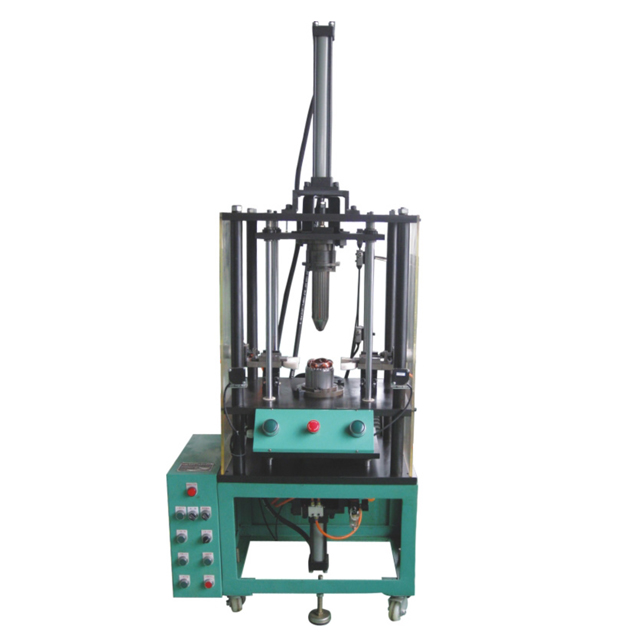
HONGFANG Motor Stator Coil Forming & Shaping Machine
1 kW heavy-duty hydraulic press system engineered for manufacturing plants requiring calibrated stator head expansion and uniform clearance.
Explore Specifications →Explore our industrial-grade automated solutions designed to streamline motor core winding, rotor turning, shaft insertion, and stator coil finishing.
1 kW heavy-duty hydraulic press system engineered for manufacturing plants requiring calibrated stator head expansion and uniform clearance.
Explore Specifications →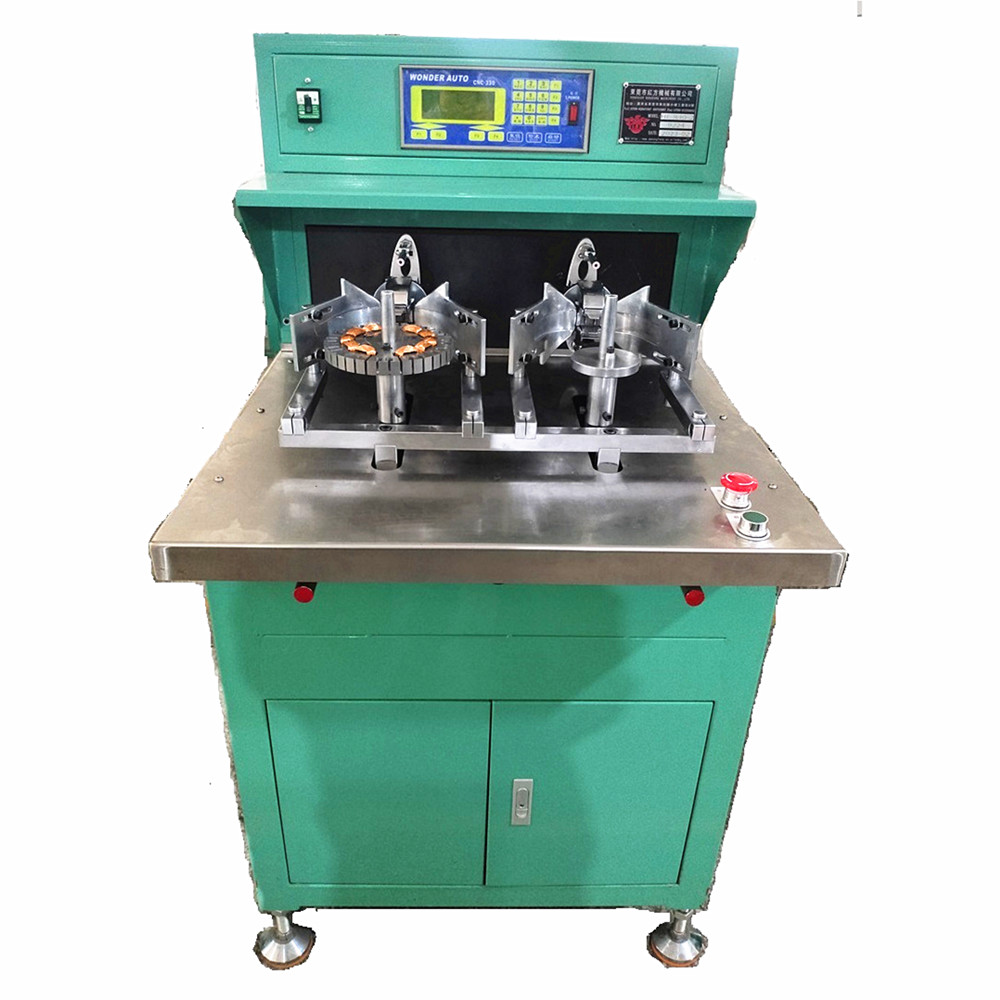
Two-station synchronized winding head system designed specifically for rapid coil filling in single-phase ceiling fan stators.
Explore Specifications →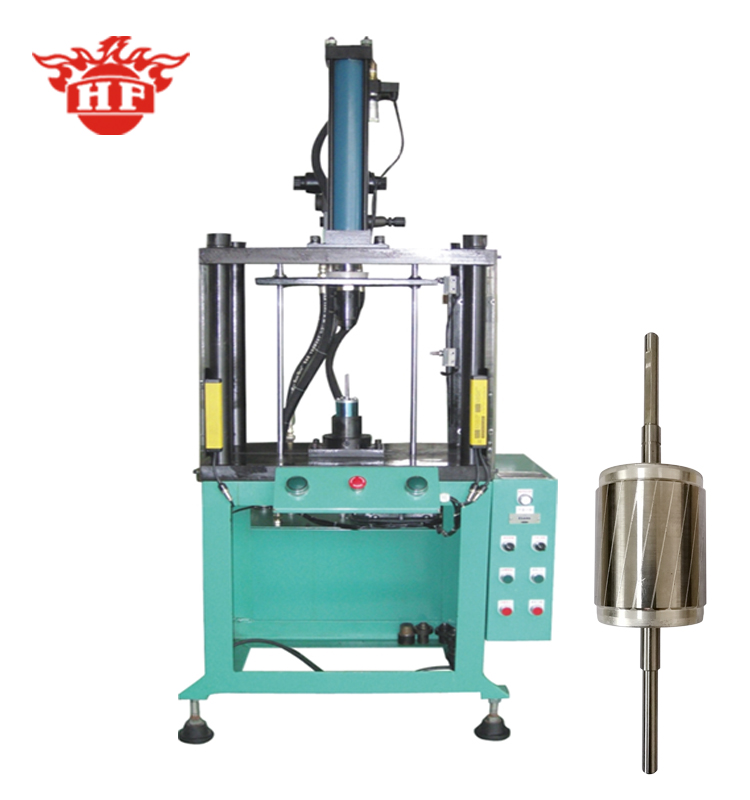
High-precision axial force hydraulic press eliminating rotor bore deflection during industrial motor shaft insertion cycles.
Explore Specifications →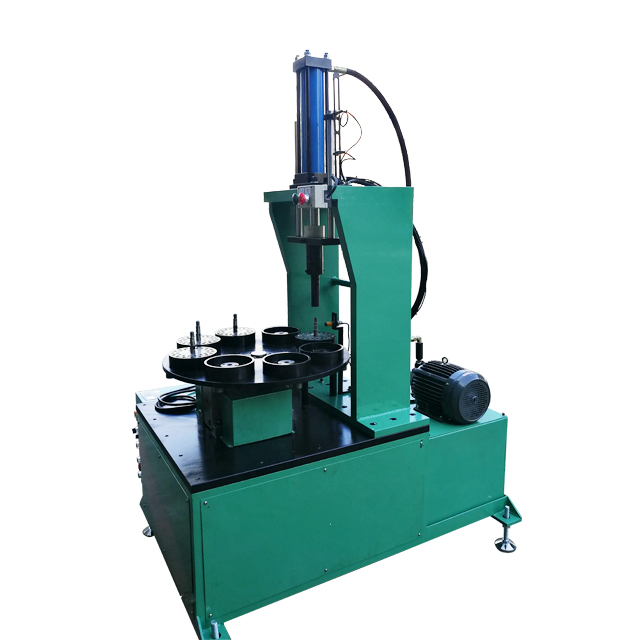
Gear-driven micro-stroke hydraulic unit providing constant feed pressure for high-tolerance bearing seat alignment.
Explore Specifications →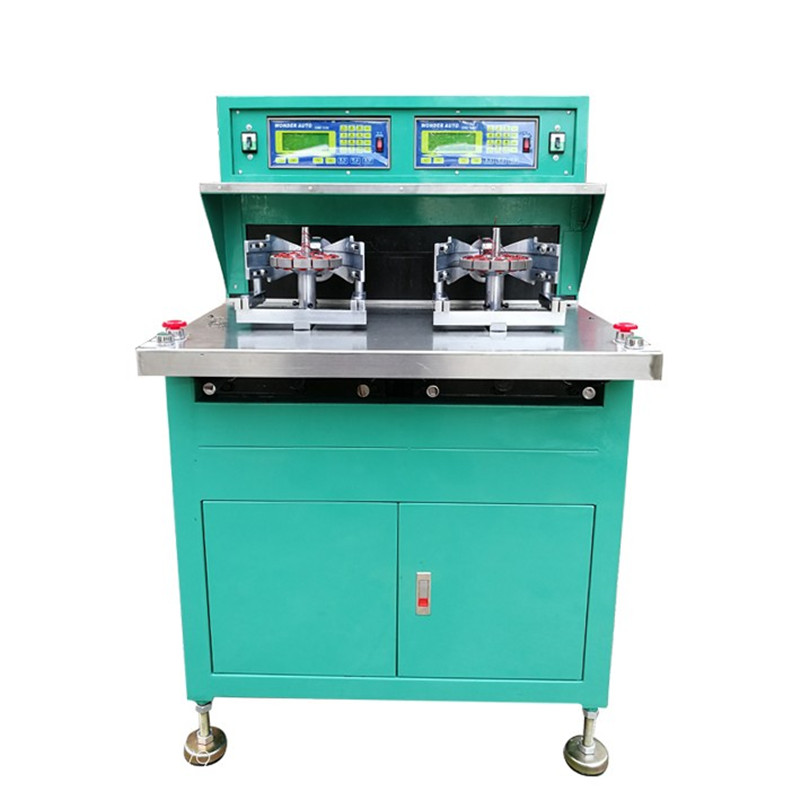
Dual-controller architecture driving dual dynamic stations for high-tension enameled wire handling without elongation.
Explore Specifications →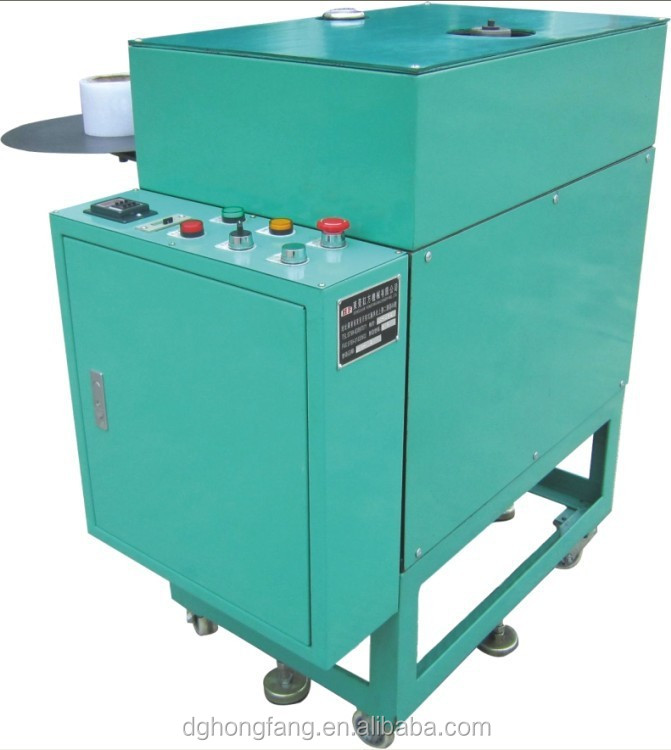
Automatic creasing, cutting, and slot lining unit for cooler, desk fan, and pump motors compatible with 380V/220V grids.
Explore Specifications →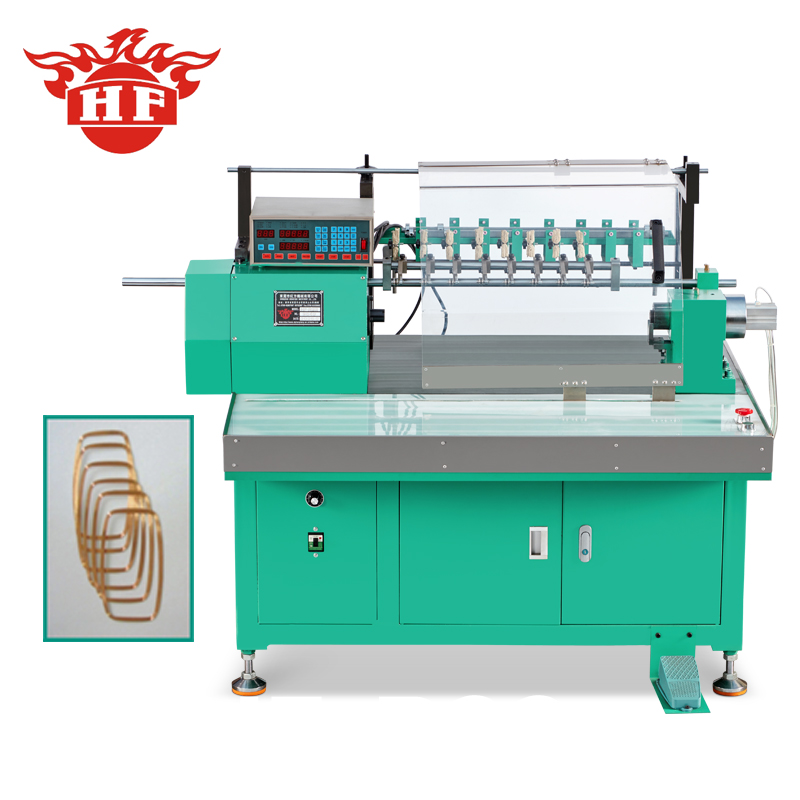
Multi-spindle synchronous winder capable of handling multiple coil sets simultaneously for power tool and fan production lines.
Explore Specifications →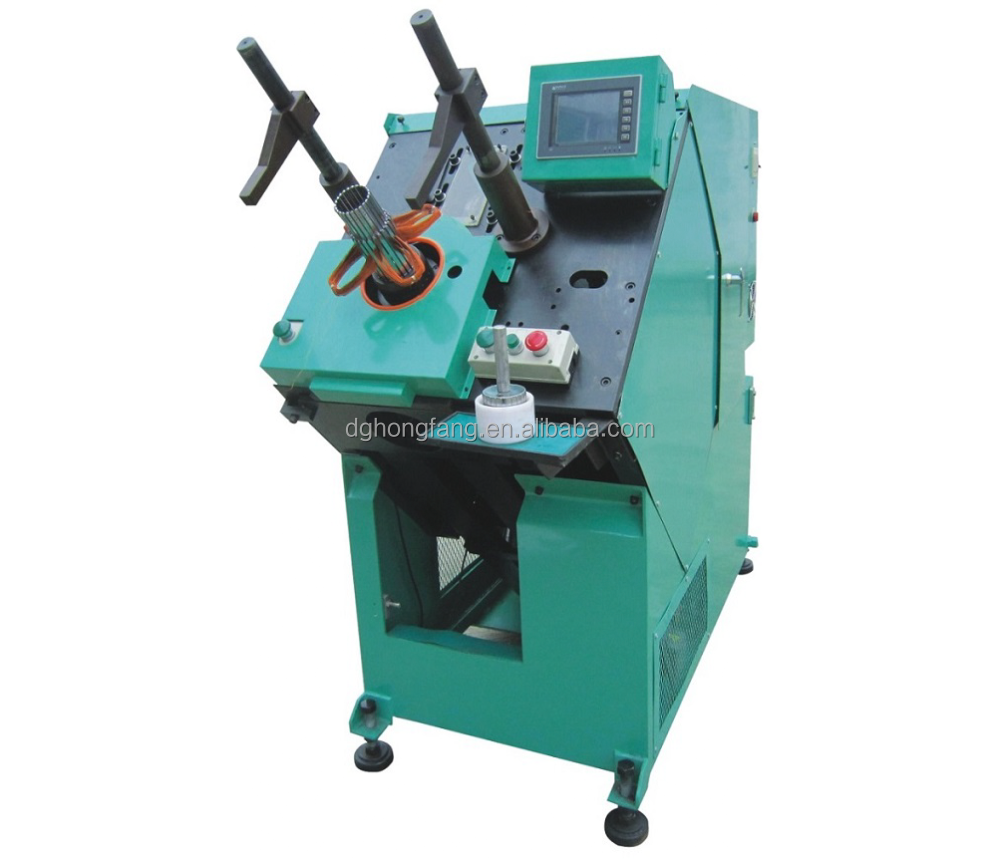
Integrated simultaneous push unit inserting both insulated magnetic coil wires and mechanical closure wedges in one smooth stroke.
Explore Specifications →Why air-gap concentricity and rotor surface cutting dictate motor efficiency, acoustic emission profiles, and longevity.
In electric motor assembly lines, achieving optimal energy efficiency and minimal electromagnetic noise fundamentally relies on the precision of the rotor outer diameter (OD) and its concentricity relative to the stator bore. When die-cast aluminum rotors or permanent magnet rotors exit heat treatment and shaft insertion, mechanical distortions often disrupt outer cylindrical profiles. A dedicated fan motor rotor turning machine serves as the decisive manufacturing stage, skimming surface imperfections, removing lamination smearing, and establishing an ultra-tight air gap.
Without micro-finish rotor skiving and turning, uneven magnetic pull (UMP) develops inside the stator-rotor chamber. This imbalance generates high-frequency acoustic squeal, elevates operating temperatures across bearing blocks, and drastically degrades operational lifespan—critical liabilities in residential ceiling fans, commercial HVAC evaporators, and industrial extraction blowers.
Modern fan rotor turning centers diverge significantly from standard general-purpose lathes. High-speed diamond or CBN (Cubic Boron Nitride) tooling is mounted on dual-axis linear guide setups governed by industrial PLCs. The machine locates the assembly directly from the ground bearing journals of the pre-inserted shaft rather than chucking on rough core surfaces. This ensures that the outer diameter is turned perfectly true to the physical axis of rotation, guaranteeing radial runout within ≤ 0.005 mm.
| Machining Attribute | Conventional Toolroom Lathe Turning | Dedicated Fan Motor Rotor Turning Lathe |
|---|---|---|
| Locating Reference | Outer diameter collet / three-jaw chuck | Precision centers clamping rotor shaft bearing journals |
| Lamination Smear Risk | High (Causes interlaminar eddy currents) | Ultra-low (High-surface-speed single-point diamond cut) |
| Cycle Time per Unit | 45 – 90 seconds (Manual loading) | 6 – 12 seconds (Pneumatic pick-up / auto-feed) |
| Surface Finish (Ra) | Ra 1.6 – 3.2 μm | Ra 0.4 – 0.8 μm (Mirror-like air-gap finish) |
| Radial Runout Guarantee | ± 0.025 mm | ≤ 0.005 mm (Verified by inline LVDT sensors) |
How specialized motor turning lathes elevate productivity across regional electromechanical sectors.
Processing external and internal rotor lamination stacks for residential ceiling fans, industrial axial exhausters, and evaporative cooling units requiring continuous, vibration-free operation under heavy continuous duty.
Machining deep-well submersible pump rotors and greenhouse misting fan armatures where tight air-gap limits prevent water/moisture vapor ingress from aggravating rotational drag or localized overheating.
Tailored fine-turning of magnetic retainers and skewed rotor bodies in energy-efficient household table fans and variable-speed commercial blowers transitioning away from legacy AC induction standards.
Capitalizing on modern automation to meet escalating European and regional efficiency criteria.
The manufacturing ecosystem in Bender and surrounding commercial districts is undergoing a fundamental transformation. As international trade regulations tighten around energy efficiency benchmarks—such as the transition toward IE3, IE4, and brushless DC (BLDC) systems—local manufacturing plants can no longer rely on manual metalworking setups. Rotor variations that were previously acceptable now lead to rejected shipments during electromagnetic compatibility (EMC) testing and thermal certification.
Concurrently, the local supply chain is experiencing rising production costs and skilled labor bottlenecks. Incorporating computerized rotor turning units alongside automated slot paper inserting and hydraulic shaft pressing platforms allows local factories to achieve consistent part-to-part repeatability, 24/7 continuous operation, and ultra-low scrap rates. Plants transitioning to integrated production lines are demonstrating up to a 40% reduction in acoustic warranty claims while increasing assembly line throughput twofold.
Leveraging 17+ years of dedicated export craftsmanship, factory-direct automation lines, and proven stator-rotor engineering support.
Every turning mandrel, coil winder clamp, and hydraulic inserting jig is engineered to your specific stator/rotor dimensions. Physical trial runs are verified with your own motor samples prior to dispatch.
From slot insulation folding and multi-spindle coil winding to intermediate coil forming, automated lacing, and fine rotor turning, we supply an entire synchronized production floor under single-source accountability.
Control cabinets are configurable to your regional maintenance needs, supporting industrial components from Siemens, Mitsubishi, Omron, Schneider, Delta, Inovance, SMC, and Airtac.
Robust machine build with heavy cast beds, hardened guideways, and full structural backing. Remote technical video support, operating manuals, and spare wear sets ship directly with every unit.
Our multilingual engineering helpdesk reviews CAD drawings, stator slots, and stack height parameters rapidly, delivering customized layouts and quotes within 9 hours on regular operating shifts.
Fumigation-free heavy plywood crating with bolt-down chassis brackets, moisture-sealed barrier wraps, and vapor-corrosion inhibiting (VCI) oils ensure zero maritime transit degradation.
Essential guidance covering technical requirements, voltage compatibility, tooling customization, and logistics.
Our minimum order quantity is 1 complete set. We support both single-station pilot machine installations and comprehensive multi-machine turn-key lines for full-scale motor assembly factories.
Our rotor lathes utilize ultra-rigid preloaded ball screws, heavy vibration-dampened cast iron bases, and high-precision diamond cutting inserts operating at optimized surface speeds to cut cleanly without bridging electrical steel sheets.
Yes. While standard models operate on 220V single-phase or 380V three-phase 50Hz, our electrical engineering team can configure internal transformers, frequency converters, and servo drives to match your local industrial grid parameters.
Please provide your rotor engineering drawing indicating the outer diameter, stack length, shaft journal diameters, total shaft length, balancing ring profiles, and required air-gap tolerances.
Standard machines require approximately 15 to 25 business days for tooling build, assembly, and trial testing. Machines are packaged in reinforced fumigation-free crates and routed via reliable multimodal sea or rail freight.
We supply complete digital documentation, circuit diagrams, and step-by-step video setup tutorials. For full production lines, live interactive engineer video sessions and onsite technical commissioning can be coordinated.
Consult with our motor manufacturing engineers to discuss cycle times, tooling customization, or complete stator-rotor line planning. We typically return configured quotations and technical proposals within 9 hours.
Contact Us