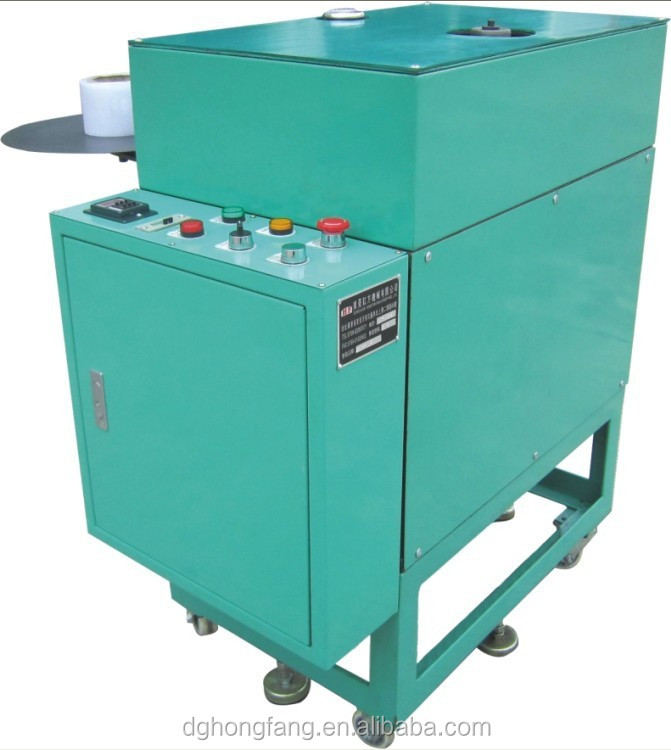
HONGFANG HF-D50 220V 1000W Green Insulation Paper Insertion Machine
- Continuous edge hemming & slot cutting
- Nomex / DMD / Polyester composite fit
- High accuracy indexer: < 0.5s/slot cycle
Precision-engineered automated assembly machinery tailored for electric submersible pumps, HVAC compressors, industrial cooling units, and agrarian electric motor rebuilders in Larissa, Central Greece.
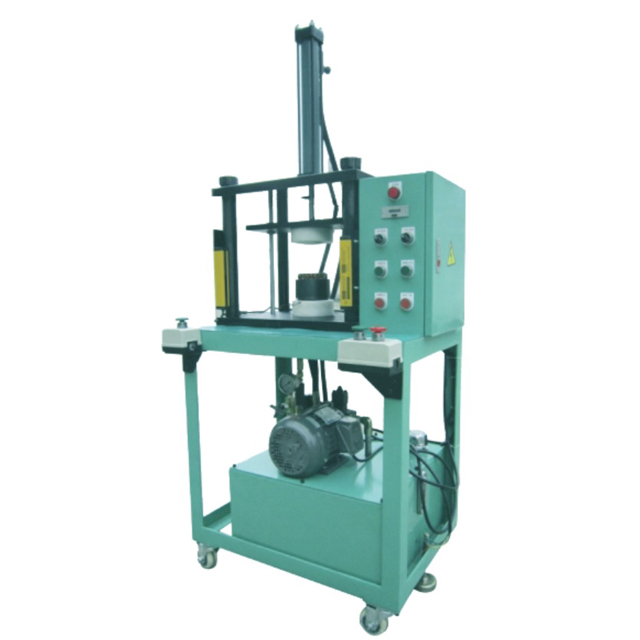
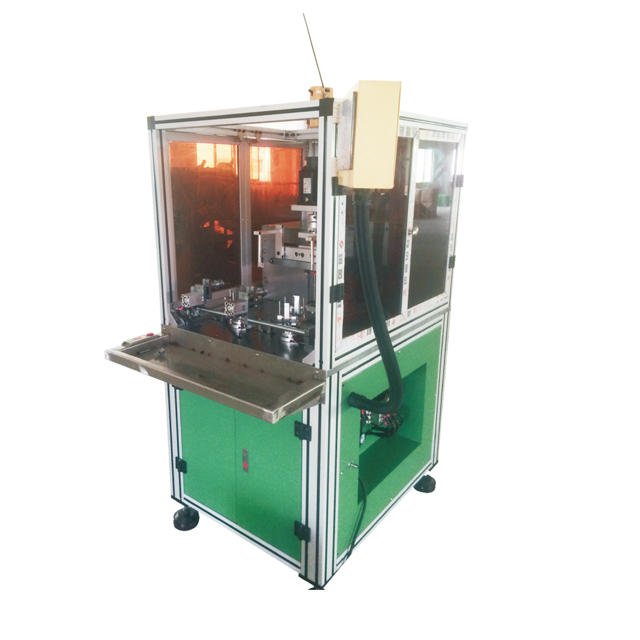
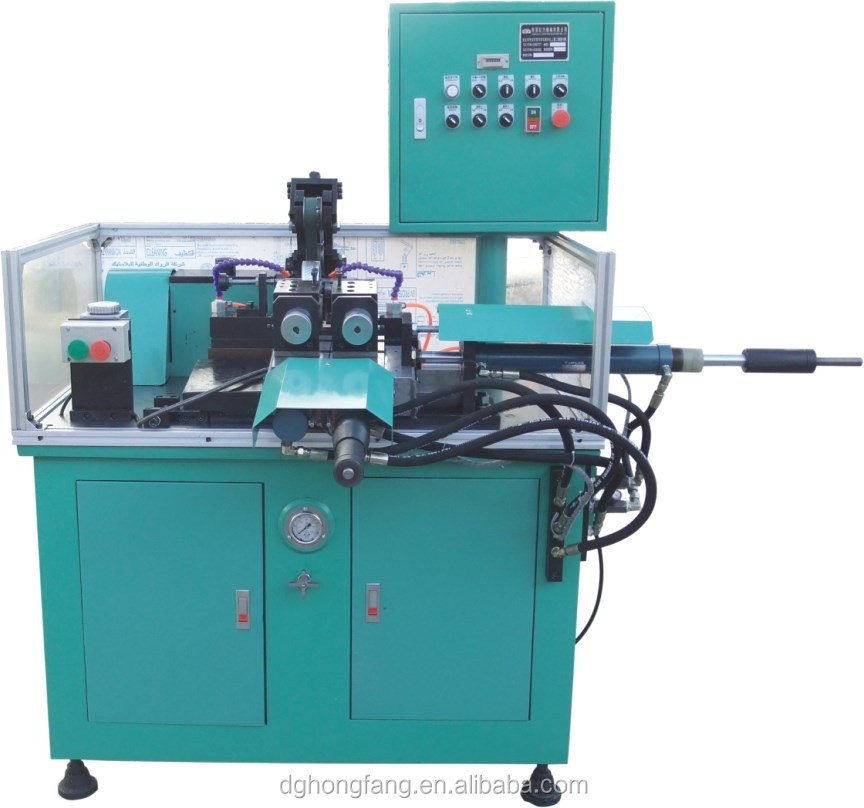
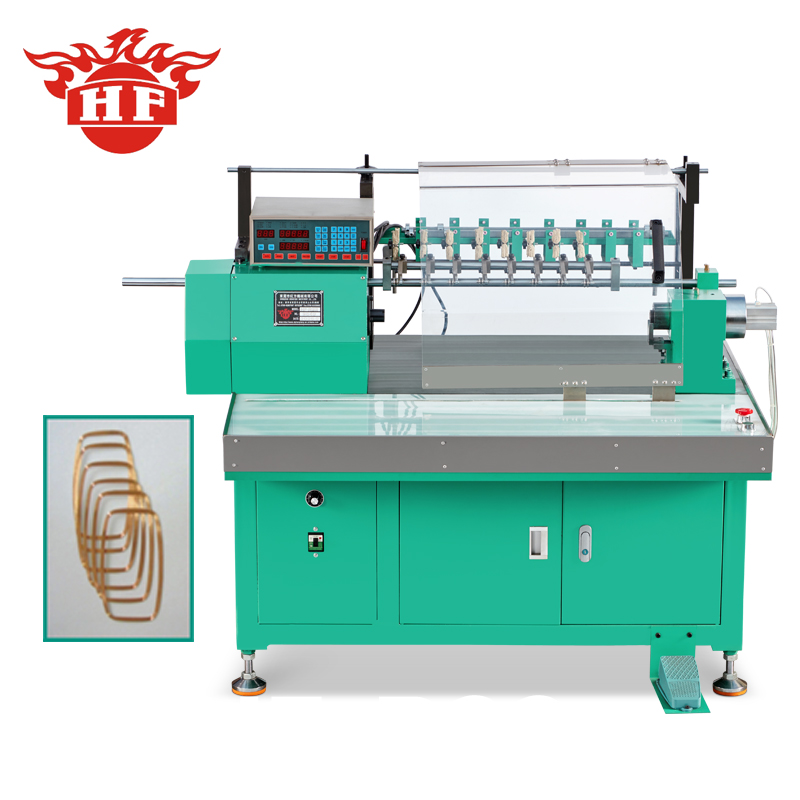
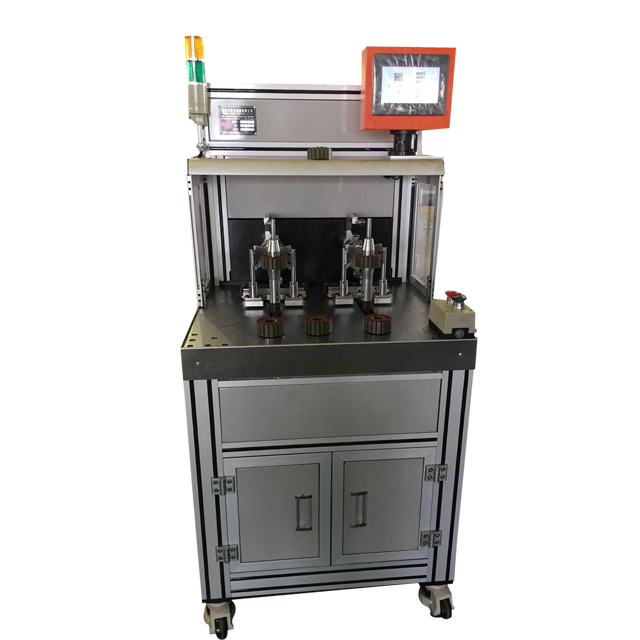
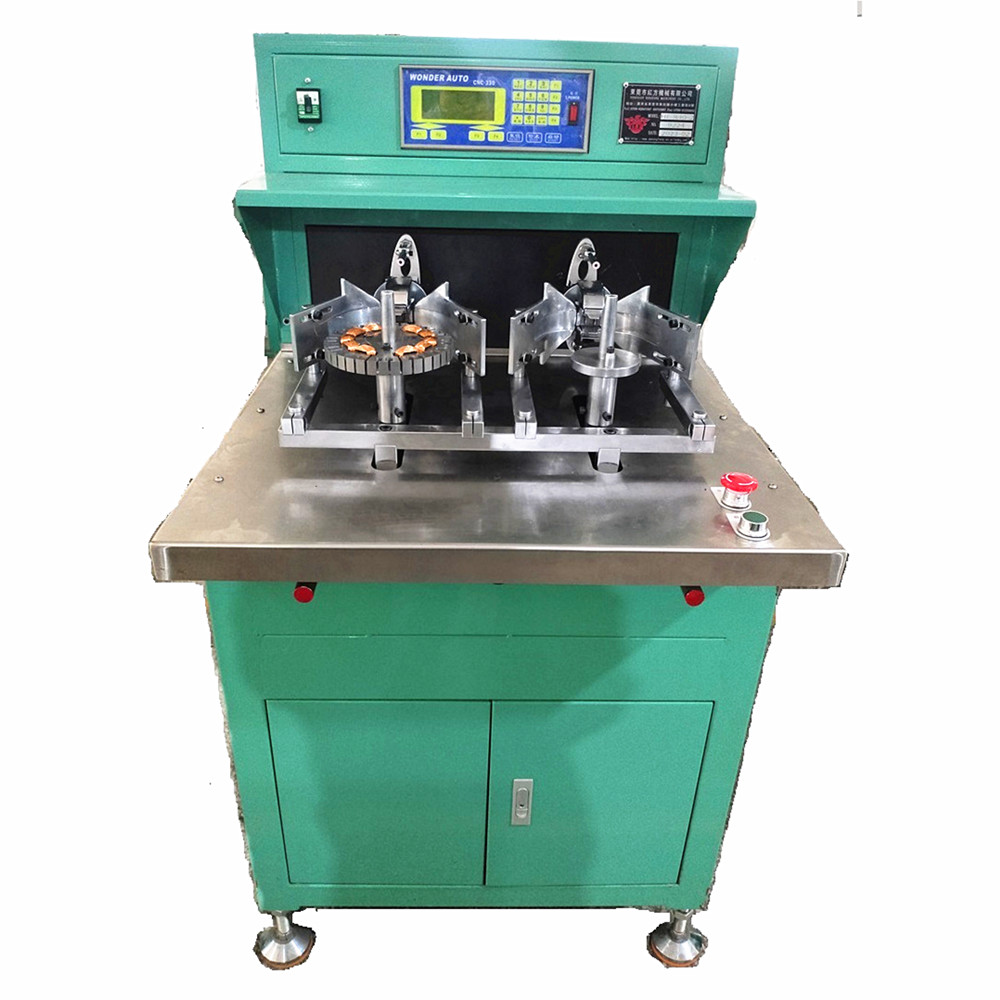
In modern rotational electromagnetic apparatus—ranging from three-phase industrial induction drives to specialized submersible multi-stage borehole pumps—the stator core represents both the magnetic backbone and the primary locus of electrical failure. The slot insulation process serves as the vital dielectric barrier between high-potential copper conductors (the stator magnet wires) and the ground-referenced structural silicon steel laminations. A single microscopic puncture, cuff split, or slot edge crimp during the cell insertion phase triggers partial discharge, localized phase-to-ground dielectric puncture, and catastrophic thermal breakdown under high transient dv/dt stresses induced by modern variable-frequency drives (VFDs).
Traditional manual or semi-automated lamination lining introduces systemic operational variations: unequal cuff flare, inconsistent fold creases, internal tensile micro-fractures in the composite liner, and accidental physical contamination from operator handling. OEM slot insulation machines resolve these vulnerabilities through a tightly synchronized kinematic sequence. By employing programmable stepper feed axes, dual-cylinder mechanical hemming modules, precision carbide slitting shears, and matched expansion insertion fingers, automated slot cell insertion achieves micron-level repeatability across thousands of continuous operational cycles.
The structural mechanics of an automated slot cell insertion sequence encompass five critical thermal-mechanical phases:
| Phase | Kinematic Sub-Mechanism | Operational Dynamic | Dielectric & Structural Benefit |
|---|---|---|---|
| 01. De-reeling & Feeding | Servo-Driven Tension Compensator | Pulls continuous roll insulation (DMD, Nomex, NMN) with constant torque. | Prevents tensile stretching and avoids internal delamination of composite polymers. |
| 02. Edge Hemming (Cuffing) | Adjustable Hardened Die Hemmers | Folds single or double margins (2.5mm - 6.0mm) along tape borders. | Dramatically increases axial tear resistance where magnet coils exit the stator stack ends. |
| 03. Creasing & Profiling | Multi-Radius Adjustable Forming Block | Pre-shapes the planar insulation sheet to conform exactly to the lamination slot profile. | Ensures maximum copper fill factor; prevents spring-back interference during coil loading. |
| 04. Carbide Shearing | Tungsten-Cobalt Precision Shears | Transversely severs the folded cell exactly to configured stack height + cuff allowances. | Burr-free cut eliminates localized air voids that catalyze partial discharge ionization. |
| 05. Radial/Axial Insertion | Pneumatic/Cam Driven Insertion Pusher | Drives the formed cell into the selected core slot while indexer steps to the next tooth. | Zero-clearance seating eliminates vibration abrasion under high electromagnetic shear loads. |
For apparatus manufacturers in demanding industrial and agricultural hubs such as Larissa, deploying this level of precision automation directly translates into superior Mean Time Between Failures (MTBF) for electric motor assets subject to thermal cycling, deep-well dampness, and grid voltage spikes.
Larissa, as the agrarian and industrial capital of Thessaly, presents uniquely demanding operational environments where electro-mechanical winding failure results in severe commercial disruption.
The intensive agrarian infrastructure across the Pineios River plain and Larissa farm holdings depends heavily on multi-stage submersible borehole pumps operating at continuous depths up to 250 meters. Rewinding shops and pump OEMs encounter harsh hydrostatic pressure and thermal stagnation. Automated slot cell inserters utilize specialized multi-layer water-resistant Nomex/polyester insulation, forming clean, sealed cuffs that resist moisture ingress and phase-to-ground flashover caused by fluctuating rural agricultural power grids.
The Larissa industrial zone hosts significant dairy processing plants, grain silos, flour mills, and extensive cold-storage facilities for regional produce. Heavy refrigeration compressors and high-volume aeration fans demand continuous-duty IE3 and IE4 premium efficiency electric motors. Custom OEM slot insulation ensures uniform cell geometry, permitting maximum slot wire fill ratios with minimum thermal density, guaranteeing compressor motors resist freon-oil degradation and cyclical thermal shock.
Larissa serves as the central repair and engineering service axis for central Greece, covering Trikala, Karditsa, and Volos. Traditional motor rewinding facilities face persistent skilled labour deficits. Integrating the compact HONGFANG HF-D50 220V 1000W insulation machine empowers local service centers to re-line standard 24, 36, and 48-slot stators in under two minutes with zero operator fatigue, transitioning standard rebuild workshops into rapid-turnaround OEM-quality facilities.
How the transition toward green energy, rural water management, and European eco-design regulations is reshaping local electro-mechanical machinery procurement.
With the European Commission mandating higher minimal energy performance for three-phase electric motors, industrial motor fabricators across Greece are compelled to minimize stator copper and core iron losses. Automating slot insulation insertion creates uniform slot margins, allowing precise coil placement with ultra-compact end turns. This reduces inactive copper length, limits stator winding resistance ($I^2R$ loss), and facilitates compliance with rigorous EU Ecodesign Regulation 2019/1781.
Due to rising energy overheads and Thessaly's water conservation programs, agrarian operators in Larissa are widely coupling solar photovoltaic arrays with variable-frequency inverter drives to power deep-well water distribution. Inverter drives subject electric motor stators to destructive high-frequency voltage spikes and transient micro-surges. Motor winders are transitioning from simple single-layer polyester to Class H/F composite films, requiring heavy-duty, programmable insulation machines capable of handling thicker, stiffer multi-layer materials without delamination.
The mechanical manufacturing ecosystem in Larissa faces an aging demographic of experienced winding artisans. As younger technical apprentices move toward software and industrial automation, electro-mechanical facilities must adopt turnkey automated solutions. Modern automated slot insulation platforms with intuitive HMI touch-screens allow semi-skilled shopfloor operators to execute flawless stator slotting, tool switching, and cycle management with minimal initial setup instruction.
Evaluate critical mechanical and productivity metrics before commissioning tooling for your Larissa motor production facility.
| Performance Specification | Zunqi Automatic Slot Inserter (HF-D50 Series) | Semi-Automatic Rotary Cell Formers | Manual Hand Creasing & Insertion |
|---|---|---|---|
| Cycle Speed per Slot | 0.4 – 0.6 seconds / slot (High output) | 1.8 – 2.5 seconds / slot | 10 – 25 seconds / slot (Variable) |
| Core Stack Height Adaptability | 20mm – 250mm (Fully adjustable) | 20mm – 120mm (Restricted) | Limited by operator finger reach |
| Insulation Thickness Range | 0.14mm – 0.38mm (DMD, NMN, Nomex) | 0.18mm – 0.25mm only | Thick composite films cause hand strain |
| Cuff (Edge Fold) Integrity | Dual-Fold Uniform 2.5 – 5mm, no split | Single-fold, irregular edge line | Prone to micro-fracture & corner tears |
| Compatible Motor Formats | Submersible Pumps, Industrial Fans, Compressors | Light consumer fan motors | Custom odd-slot repairs |
| Electrical Voltage & Consumption | 220V ± 10%, 1.0 kW (Standard Workshop) | 380V Three-Phase, 2.2 kW | 0 kW (High manual labour overhead) |
| Rejection Rate / Ground Faults | < 0.02% across volume production | ~ 1.5% due to misalignment | Up to 5.0% post-varnish failure rate |
Direct OEM capabilities, field-proven mechanical stability, and engineering accountability straight from the motor automation heartland of Dongguan, China.
With nearly two decades of international machinery delivery verified by on-site third-party audits, Zunqi designs systems engineered to withstand continuous industrial duty cycles. Every frame is stress-relieved, precision CNC-machined, and assembled under rigorous ISO-compliant protocols.
We do not provide rigid, off-the-shelf compromises. Send your stator CAD technical drawings or physical lamination samples from your Larissa facility. Our engineering department designs and tests custom forming dies, cuffing guides, and pusher plates optimized for your exact slot profiles before dispatch.
We accommodate plant standardization preferences across Europe. Our machines can be configured with your preferred automation hardware—including Siemens, Mitsubishi, Panasonic, Schneider, Omron, Delta, or Inovance PLCs, along with SMC or Airtac pneumatics—facilitating seamless maintenance for your local technicians.
Essential details regarding custom tooling, electrical compatibility, shipping logistics, and ongoing technical support for the Greek market.
