
17+
Years Export Experience
0.1–1.2 mm
Wire Capacity Handled
1 Set
Flexible Minimum Order
≤9 Hours
Engineering Response Time
Engineered Equipment Lineup
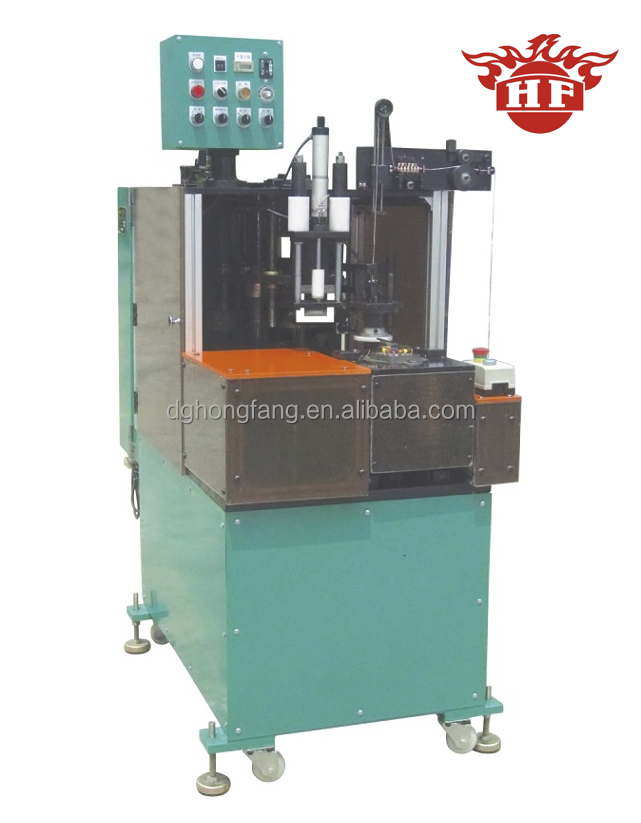
Industrial Stator Assembly & Coil Lacing Systems
Explore our core automation machinery engineered to meet stringent mechanical retention, compact overhang, and slot-fill requirements across commercial fan, marine pump, and HVAC motor remanufacturing.






Technical Perspective
The Role of Precision Coil Lacing in Tropical Island Electrical Infrastructure
Within rotating electrical machinery, the coil lacing process serves as the defining structural link that preserves winding geometry under harsh electromagnetic, thermal, and mechanical stresses. In high-vibration and humid industrial environments, unlaced or poorly laced end-turns suffer from microscopic insulation abrasion caused by Lorentz force oscillations during direct-on-line starting cycles.
For service centers, maintenance workshops, and infrastructure repair hubs operating in the Marigot market across Saint Martin and the broader Northern Leeward Islands, environmental exposure introduces relentless challenges. Marine salt spray combined with high ambient humidity accelerates dialectric breakdown if end-turns flex and create microscopic fissures in the protective varnish layer. Our servo-driven coil lacing machines establish uniform, diamond-locked or slot-by-slot tensioning that immobilizes every copper group securely against phase insulation barriers.
By automating the lacing cycle with machines such as the HF-BS20, remanufacturers eliminate manual variance, avoid excessive coil head height, and ensure flawless physical clearance with end-bracket housings and bearings. This reduces mechanical re-work and eliminates localized dielectric failure points.

Regional Application Scenarios
Tailored Coil Lacing Solutions for Key Marigot Sectors
Localized industrial activities require machinery capable of rapid dimension changeovers, low maintenance overhead, and multi-voltage compatibility suited to Caribbean commercial infrastructure.
Marine Auxiliary & Bilge Pumping
Yacht repair yards and commercial dock installations along Simpson Bay Lagoon and Marigot Port rely on robust 3-phase and single-phase bilge, ballast, and washdown pump motors. Our servo lacing units compact and lace winding heads firmly, allowing full resin encapsulation and salt-fog resistance.
Hotel & Resort HVAC Compressors
Hospitality complexes across French Saint Martin maintain massive chillers and condenser fan units running continuously in tropical temperatures. Re-lacing stator windings using diamond-pattern tension prevents conductor chafing during frequency inverter modulating cycles.
Reverse Osmosis & Desalination Plants
High-pressure desalination intake pumps require motors that withstand unrelenting mechanical loads. Our heavy-duty dual-side lacing machinery ensures that both drive-end and non-drive-end coils maintain strict physical dimensions without expanding into bearing housings.
Operational Engineering Analysis
Engineering Configuration: Selecting Stator Equipment
Choosing the correct equipment combination between coil winding, slot insulation, and dual-side lacing depends strictly on core lamination parameters and daily unit targets.
| Production Phase | Primary Equipment | Operating Parameters | Key Engineering Benefit | Critical Sizing Metrics |
|---|---|---|---|---|
| 1. Slot Lining | HF-D50 Automatic Inserter | 220V/380V, 1000W servo step | Prevents edge shear, forms exact cuff height | Stator stack height, slot shape (semi-closed/open) |
| 2. Group Winding | HF-R22 Multi-Spindle Winder | 8-head semi-auto, 0.1–1.2mm wire | Maintains dynamic copper tension, zero enamel scrape | Turns per coil, bobbin arrangement, wire gauge |
| 3. Coil & Wedge Insertion | Combined Wedge Inserter | Single-stroke simultaneous push | Eliminates manual strand pinching, uniform slot fill | Bore diameter (ID), stack depth, tooth width |
| 4. End-Turn Lacing | HF-BS20 Dual-Side Servo Lacer | PLC-indexed, double-needle stroke | Equalized cord tension, compact overhang envelope | Coil head projection, slot pitch, lace cord type |
| 5. Rotor Calibration | HF-C60 Fine Turning Machine | Automatic lathe cycle with flood coolant | Precise concentricity and minimum air-gap variance | Rotor outer diameter (OD), core length, shaft seats |
Market Trajectory & Technical Trends
Modernizing Motor Overhaul in the Caribbean Basin
How transitioning from manual hand-lacing to programmatic CNC-driven tying systems transforms regional repair shop turnaround times and equipment longevity.
Grid Fluctuations & Inverter Surge Protection
Island grids subject industrial motors to voltage sags and harmonic spikes from variable frequency drives (VFDs). Tightly laced windings secured with thermal-class H cord prevent internal inter-turn chafing under high dV/dt voltage wave reflections.
Reducing Reliance on Manual Assembly
Manual lacing of an electric motor stator can take between 45 to 90 minutes per unit and often produces uneven cord tension. Automated dual-side equipment completes both ends in under two minutes with uniform pitch spacing.
Hermetic Anti-Corrosion Integration
Modern lacing needles and guide cams are now manufactured from treated tool steels and hard chrome platings. This design prevents galvanic contamination from affecting unvarnished copper wire in tropical coastal facilities.
Manufacturing Pedigree
Why Engineers Choose Zunqi Intelligent Equipment
Combining seventeen years of direct global manufacturing expertise with customer-tailored tooling and international logistics compliance.
Custom CNC Tooling to Your Samples
We do not supply generic fixtures. Every coil former, inserting blade set, and lacing push-rod is precision-machined against your actual stator core laminations or engineering CAD drawings prior to dispatch.
Open Multi-Brand Component Integration
We build our control cabinets with globally recognized electrical architecture—including Siemens, Mitsubishi, Schneider, Delta, and Omron—ensuring replacement components are readily accessible anywhere in the world.
Export-Standard Ocean Packaging
Transoceanic shipping to Caribbean destinations demands rugged protective packaging. Every machine is sprayed with VCI anti-corrosion barrier film, fixed directly to hardwood skids, and crated in fumigation-free plywood.
Optimize Your Stator Production Today
Submit your stator stack height, bore dimensions, and operating voltage for a custom quotation and full trial winding analysis.
Frequently Asked Questions
Marigot Procurement & Engineering Inquiries
Clear, direct answers regarding equipment voltage matching, freight options, custom tooling, and after-sales service.
Can your equipment accommodate both 220V 50Hz and 60Hz Caribbean power standards? +
Yes. Because Saint Martin and the neighboring Caribbean islands use diverse electrical standards (including European 220V/230V 50Hz and American-derived 110V/220V 60Hz grids), our factory custom-configures transformer taps, servo drive parameters, and pneumatic frequencies to your specific facility power before testing.
What is the minimum order quantity (MOQ) for lacing and winding units? +
Our minimum order quantity is exactly 1 set. Whether you require a single standalone HF-BS20 double-side lacing unit for a specialized repair workshop or an integrated five-stage stator assembly line, we engineer and ship individual machines without batch penalties.
How do you verify tooling compatibility before shipping to the Marigot market? +
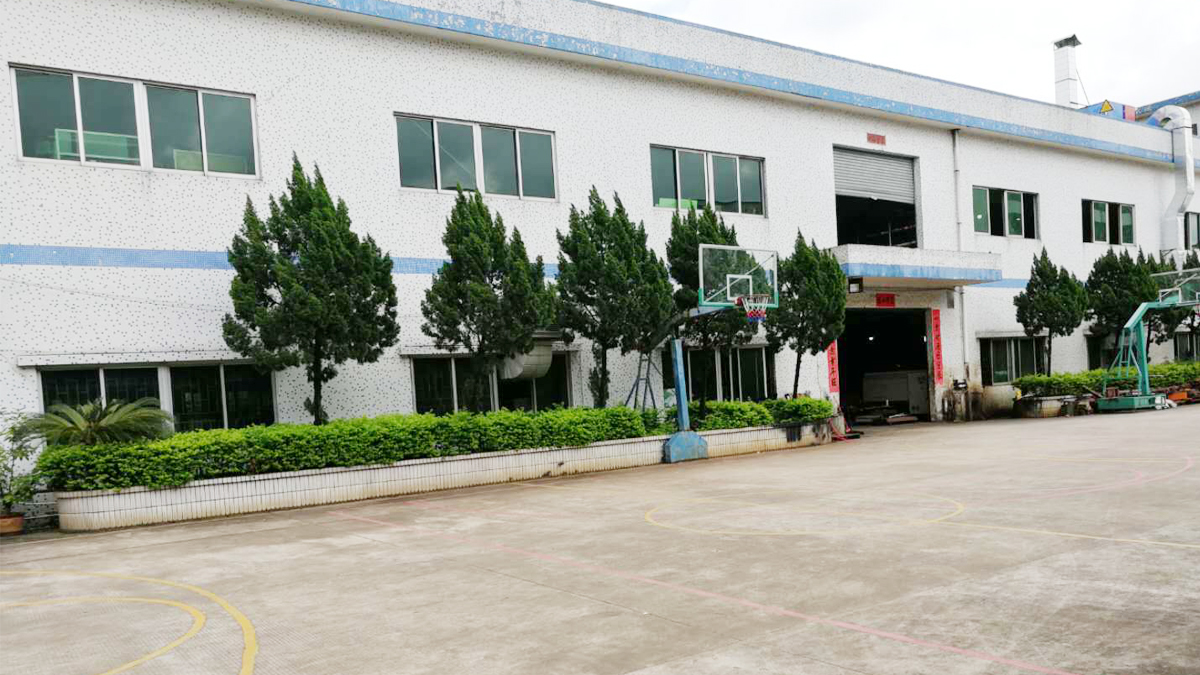
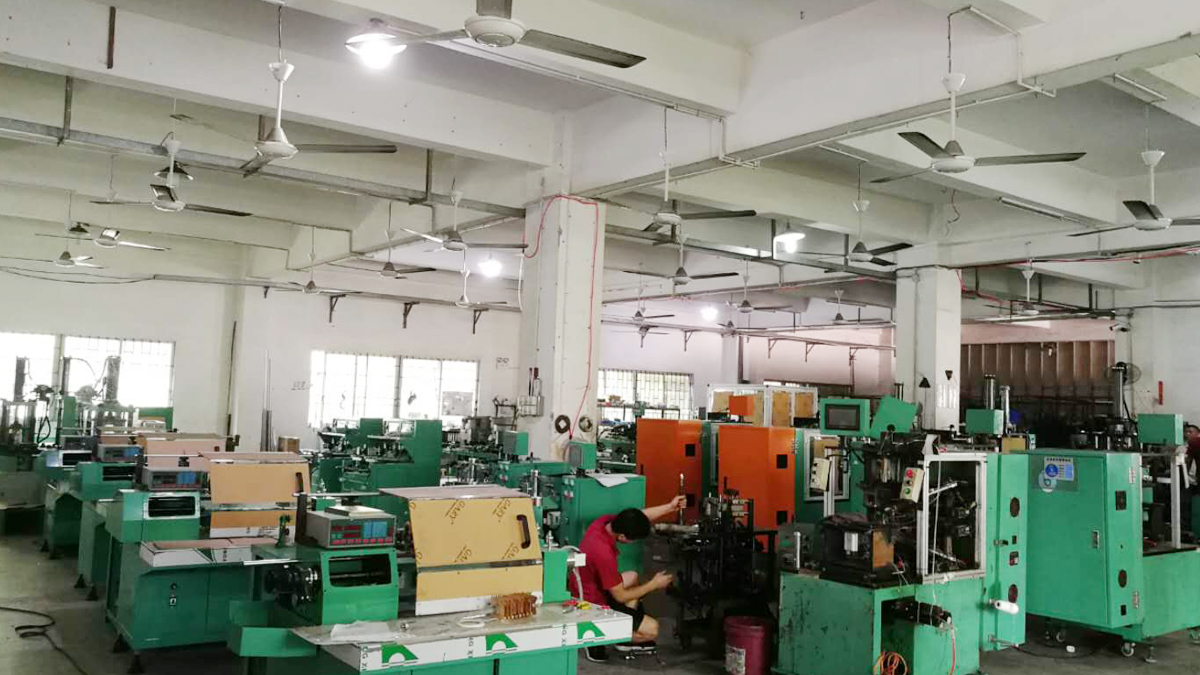
We invite clients to send their physical stator core samples or manufacturing drawings (including stack height, slot dimensions, tooth widths, and wire gauges) to our Dongguan facility. Our engineers machine the dedicated formers, perform a live test run on your stator, and provide full video verification prior to final packing.
What lacing patterns can be programmed into the servo-driven lacing machines? +
The PLC touch-screen interface allows operators to select slot-by-slot lacing, interval-skip lacing, cross-slot lacing, or custom boundary ties. Pitch speed, indexing steps, needle penetration depth, and tension parameters can all be customized and saved for quick batch changeovers.
How is remote commissioning and technical support handled post-delivery? +
Every unit arrives fully assembled with its trial run parameters backed up in the PLC memory. We provide step-by-step video setup guides, bilingual electrical schematics, and live video commissioning sessions with our engineering desk, which typically responds to overseas support requests within 9 hours.
Can the machines lace both copper and aluminum magnet wire? +
Yes. Our winding and lacing mechanisms feature polished ceramic wire guides and adjustable pneumatic back-tensioners. These prevent tension spikes, so you can wind and lace both pliable high-grade copper and stretch-sensitive aluminum wire without damaging the outer enamel coating.
What is the typical shipping lead time to the Caribbean region? +
Standard manufacturing and custom tooling setup takes 15 to 25 business days depending on slot geometry. Ocean freight transit to Caribbean transfer ports (such as Philipsburg or Point Blanche) typically ranges between 30 and 40 days, accompanied by complete marine bill-of-lading and export documentation.
