Coil Lacing Equipment Manufacturer & Factories serving the El Salvador market
Engineering White Paper: High-Yield Stator Automation, CNC Double-End Coil Lacing, and Complete Electric Motor Assembly Systems for Central American Manufacturing Operations
From single-side and double-side automatic servo coil lacing to precision pneumatic wedge insertion, our machines deliver turnkey manufacturing reliability for industrial motors, ceiling fans, HVAC blowers, and water pump assemblies across El Salvador.
Application Scenarios Across El Salvador's Industrial Ecosystem
From San Salvador's light industrial parks to Santa Ana's commercial refrigeration plants and the agro-processing clusters of La Libertad, automatic coil lacing equipment is modernizing local electro-mechanical production.
HVAC & Commercial Ventilation Motors
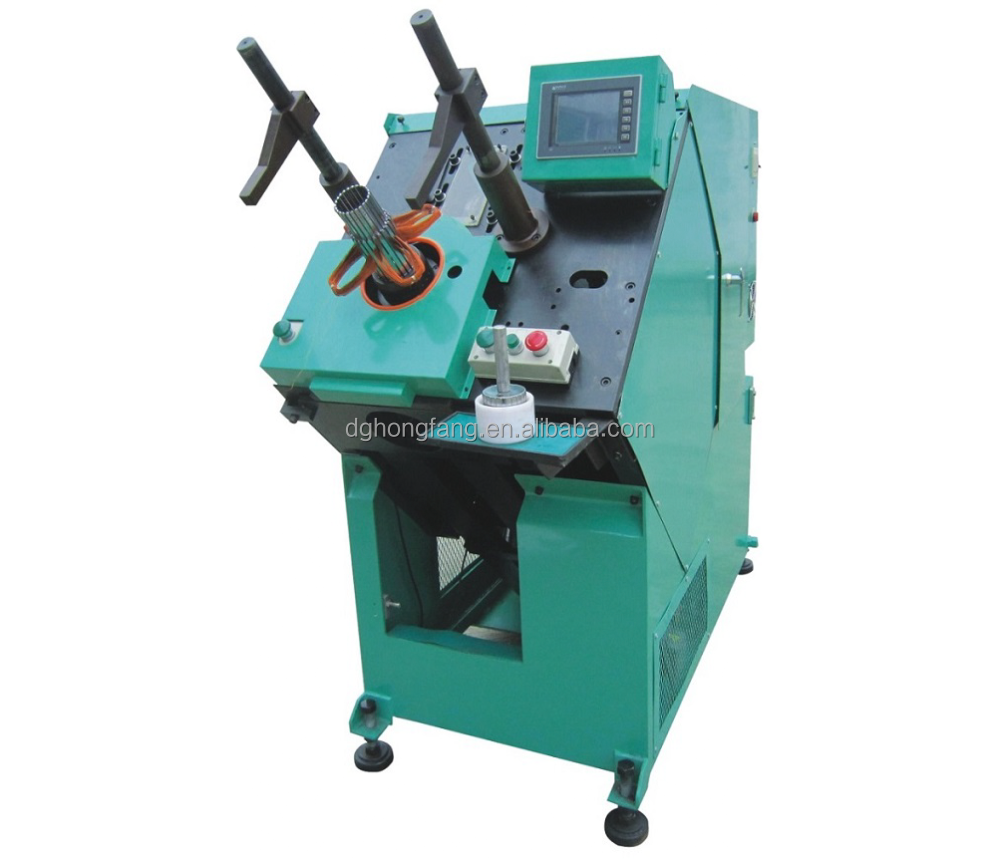
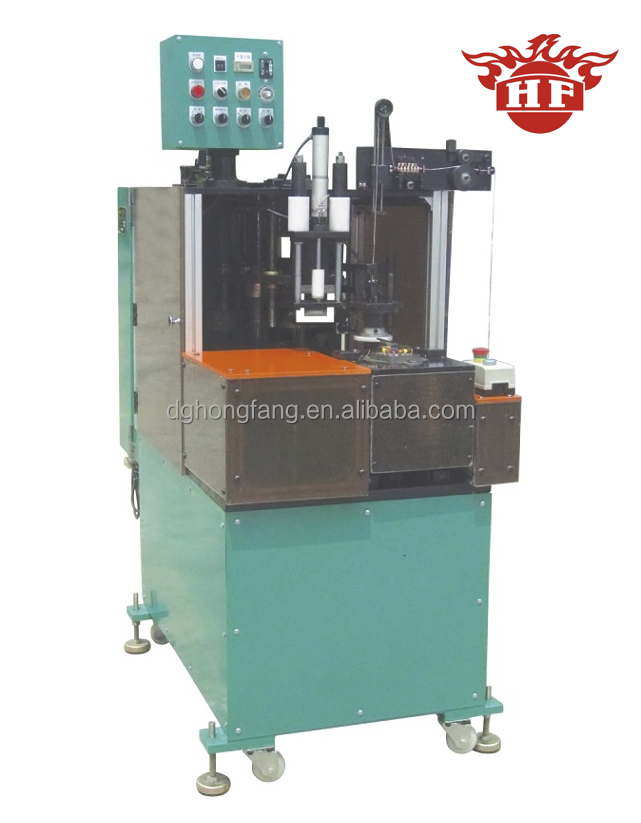
In the high-humidity, coastal tropical conditions of El Salvador, ventilation systems, condenser fans, and commercial evaporators operate continuously. The HF-BS20 double-side lacing system provides diamond-pattern or slot-by-slot cord tensioning that permanently prevents winding migration and insulation abrasion caused by heat cycles.
Submersible & Irrigation Water Pumps
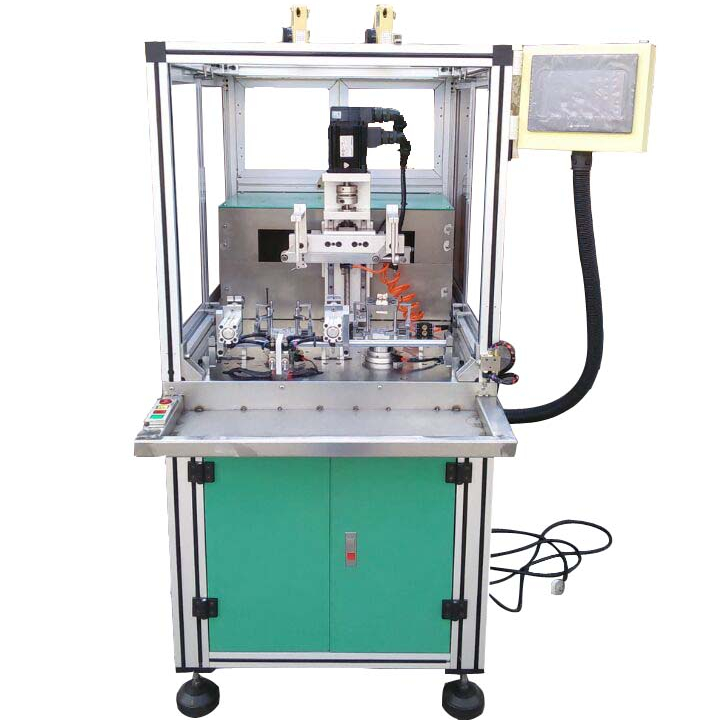
El Salvador’s sugar cane, coffee, and agricultural irrigation infrastructure relies on dependable deep-well submersible pumps. Our servo coil lacing machinery compresses coil overhangs securely within tight stator outer dimensions, preventing phase-to-phase discharge during severe power grid voltage dips in rural departments.
Industrial Rewinding & Maquila MRO
Specialized Free Trade Zones (Zonas Francas) around San Bartolo and American Park demand rapid stator repair and batch motor rewinding. Replacing inconsistent manual twine binding with servo lacing machines decreases coil-head assembly time from 25 minutes down to 14 seconds per unit while meeting strict NEMA/IEC insulation standards.
Engineering Analysis: The Shift Toward Automated Stator Lacing in Central America
Historically, electric motor repair centers and manufacturing plants across El Salvador relied heavily on manual labor for slot insulation insertion, coil winding, shaping, and end-turn binding. While manual lacing utilizing waxed nylon cord can suffice for small artisan workshops, it introduces severe production bottlenecks and quality variances that jeopardize modern energy-efficiency regulations.
Key Engineering Insight: Manual lacing tension fluctuates widely between operators (ranging from 15 N to over 65 N), leading to uneven wire compression, elevated internal heat traps, and excessive risk of micro-fractures in the enameled copper insulation coating. Automated CNC servo lacing guarantees uniform cord tension within ±1.5 N across both stator heads simultaneously.
1. Mitigating Grid Fluctuations and Phase Disruption
In El Salvador, industrial facilities frequently experience harmonic distortion and voltage fluctuations along the 220V/440V grid lines. Motors subjected to irregular current draw generate heightened electromagnetic vibration within the stator end-windings. If coil overhangs are improperly laced or loosely bundled, individual wire turns vibrate against each other at 60 Hz harmonics, eroding the enameled layer and causing catastrophic inter-turn short circuits. By deploying automated double-sided lacing machines like the HF-BS20, the entire end-turn bundle is compressed into a rigid, monolithic structure that dampens vibration and extends motor operating life by up to 300%.
2. Transitioning to High-Efficiency IE3 and IE4 Standards
As Central American manufacturers align with CAFTA-DR energy frameworks and international efficiency benchmarks, slot fill factors have increased from 68% to beyond 82%. Denser slots demand thinner slot liners and tighter winding configurations. Automated mechanical lacing units integrate automatic hook-indexing needles, tension-regulated needle bars, and pneumatic clamping fixtures that navigate dense end-windings without pinching wire insulation or dislodging slot wedges.
Technical Comparison: Manual Lacing vs. Automated CNC Double-Sided Lacing
Performance Indicator
Manual Hand Lacing
Pneumatic Single-End Lacing
Zunqi HF-BS20 Servo Double-End Lacing
Cycle Time (36-Slot Stator)
18–25 minutes
45–60 seconds (one side)
12–15 seconds (both sides simultaneous)
Lacing Tension Consistency
Erratic (±25 N variance)
Moderate (±8 N variance)
Absolute CNC Precision (±1.5 N)
End-Turn Overhang Geometry
Irregular, requires manual mallet shaping
Semi-uniform, risks edge clearance
Standardized profile; fits compact housings
Labor Requirement per Shift
8–12 Skilled Technicians
3 Machine Operators
1 Single Operator across 2 automated cells
Damage Rate on Enameled Wire
2.5% – 4.0% (cord chafing & needle nicks)
0.8% – 1.2%
< 0.05% (smooth guided needle stroke)
3. Integration with Full-Line Stator Automation
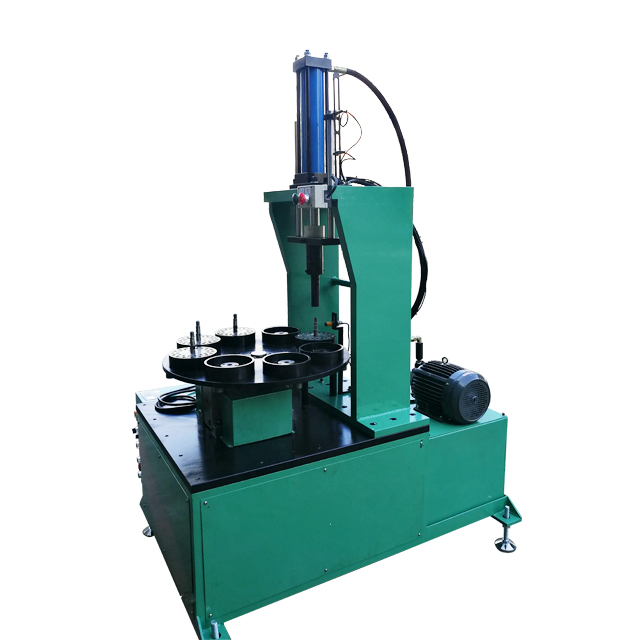
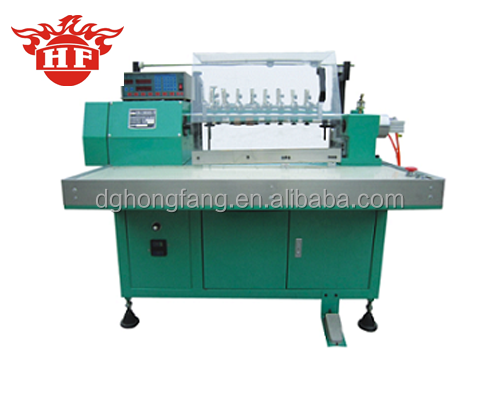
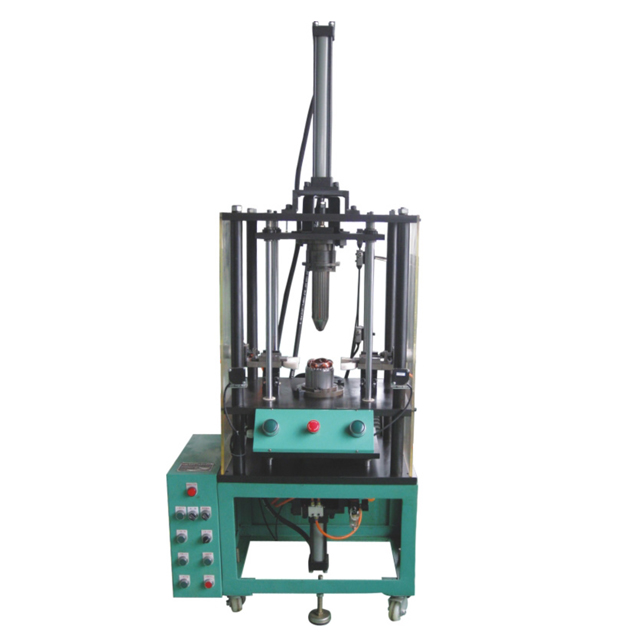
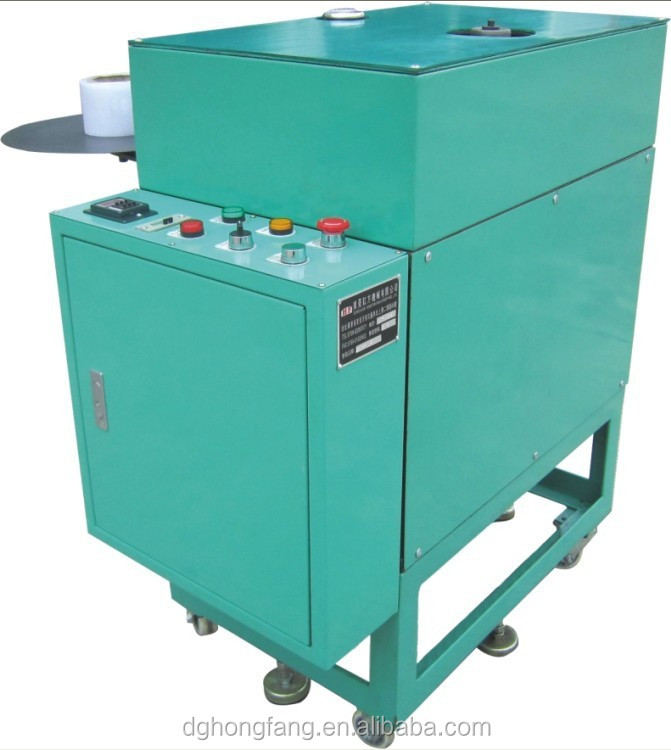
Coil lacing represents the critical bridge between coil insertion and final stator varnishing. When deployed within an automated cell—consisting of green insulation paper inserters (such as the HONGFANG HF-D50), servo-driven coil and wedge insertion machines, intermediate forming presses, and outer turning lathes—the production flow becomes synchronized. This eliminates work-in-progress bottlenecks, standardizes cycle times across 220V/60Hz operations, and allows Salvadoran factories to achieve mass-production cost advantages.
Proven Engineering Competence
Why Central American Motor Makers Partner With Zunqi
Based in the global hardware manufacturing hub of Dongguan, China, Zunqi Intelligent Equipment Co., Ltd. blends 17 years of direct export heritage with industrial automation built to international standards.
17+ Years Direct Export & Onsite Verification
With an annual export turnover of US$2.5M to US$5M and an onsite-verified 51–100 person manufacturing plant, our operations are fully audited by third-party inspection bodies on Alibaba.com. We eliminate intermediaries, offering factory-direct pricing and personalized engineering support.
Custom Tooling from Your Physical Stator Samples
Every motor core has unique slot geometry, stack height, and tooth tooth profile. Rather than shipping generic machinery, our engineering desk requires your technical drawing or physical sample to machine CNC-matched inserting fingers, forming dies, and lacing heads before executing pre-shipment trial runs.
Industrial PLC & Open Architecture Control
We build our machines with globally recognized industrial control brands—including Siemens, Mitsubishi, Schneider, Delta, Inovance, SMC, and Airtac. Your local Salvadoran maintenance engineers can easily source replacement relays, sensors, and pneumatic seals without relying on proprietary locked electronics.
Procurement Insights
Frequently Asked Questions for Salvadoran Buyers
Clear answers to logistical, electrical, customs, and tooling questions commonly raised by factory managers and procurement teams in El Salvador.
Are Zunqi coil lacing and inserting machines compatible with El Salvador’s electrical power grid?
Yes. While European machinery often defaults strictly to 400V 50Hz, our electrical engineering team configures machines for the electrical parameters common in El Salvador: 220V single-phase or three-phase at 60Hz, as well as 440V 60Hz. Transformers, servo motors, and inverter frequencies are tuned and tested in our Dongguan workshop prior to dispatch.
What is the minimum order quantity (MOQ) and lead time for shipments to El Salvador?
The minimum order quantity is just 1 set for all winding, inserting, forming, and lacing machinery. Production and tooling customization generally require 25 to 35 business days. Ocean transit from Shenzhen/Guangzhou ports to Puerto de Acajutla in El Salvador typically takes 28 to 35 days, securely crated in fumigation-free export plywood cases.
Can a single machine lace different stator sizes and stack heights?
Yes. Our HF-BS20 double-side lacing machine features adjustable stack height positioning (typically handling stack heights from 10 mm to 160 mm, with custom extensions available up to 250 mm). Stator inner diameters (ID) and outer diameters (OD) can be quickly adjusted via modular indexing fixtures and straightforward recipe adjustments on the touchscreen HMI.
What lacing patterns can be programmed into the servo control system?
The integrated touch screen controller allows operators to select slot-by-slot lacing, interval-skip lacing (skipping specific slots where lead wires exit), double-stitch locking on termination slots, and continuous boundary binding. Lacing speed is step-less and adjustable up to 220 stitches per minute per needle head.
How do you handle technical commissioning, training, and warranty support in Central America?
Every machine includes a comprehensive 1-year warranty covering all core electrical and mechanical parts. Prior to shipment, we provide high-definition running videos processing your physical sample. Installation is supported via video conferences, digital circuit schematics, and bilingual English-Spanish operating manuals. Critical wearing parts (needles, cutter blades, and hooks) are supplied with the initial shipment, with rapid courier air freight available for replacement parts.
Can Zunqi deliver a complete, integrated production line from raw stator lamination to finished motor?
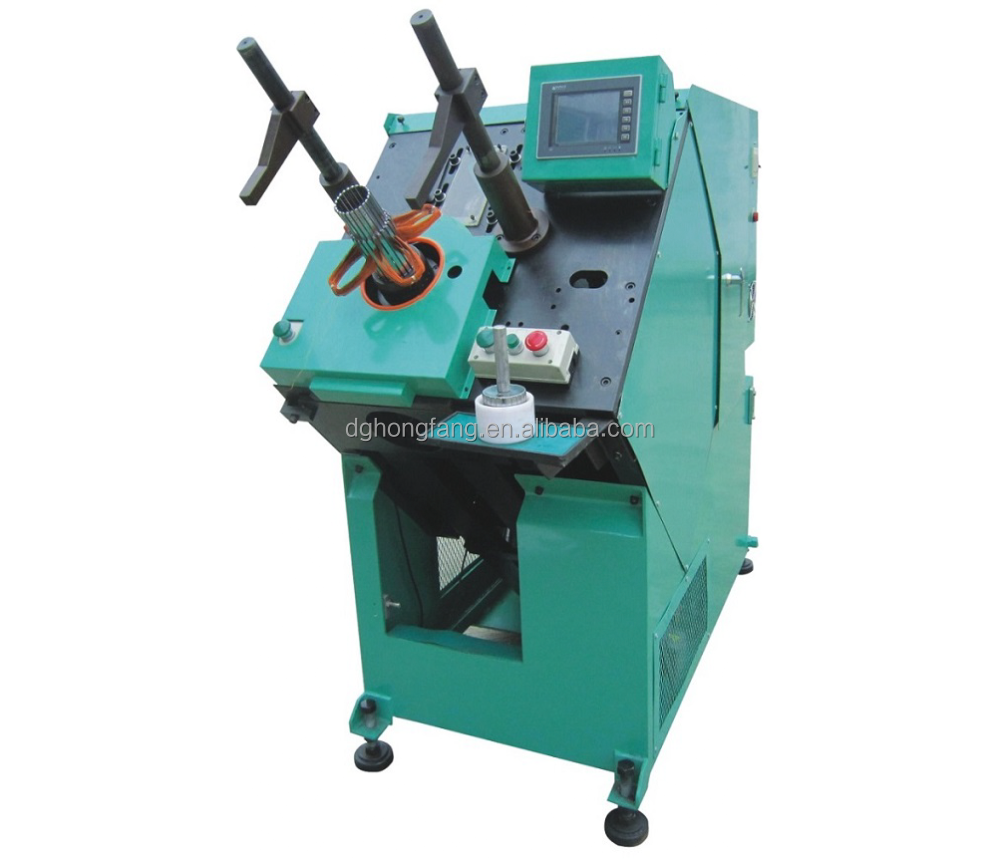
Absolutely. We specialize in fully synchronized production sequences: (1) Stator Slot Paper Insertion, (2) Coil Winding, (3) Wedge & Coil Insertion, (4) Intermediate End-Turn Forming, (5) Double-Sided Lacing, (6) Final Coil Forming, and (7) Rotor Shaft Pressing & Fine Lathe Turning. Sourcing all tooling from a single engineering partner eliminates dimensional stacking errors and ensures seamless cycle synchronization.
Modernize Your Electric Motor Stator Production Line Today
Consult with our senior motor automation engineers. Send us your stator lamination drawings, coil turns, wire diameter, and target monthly output to receive a customized machinery proposal and tooling estimate within 9 hours.