Featured Stator Coil Winding, Inserting & Finishing Machines
Direct factory manufacturing solutions calibrated for sub-fractional to industrial medium-voltage induction, brushless DC (BLDC), and permanent magnet synchronous motors (PMSM).
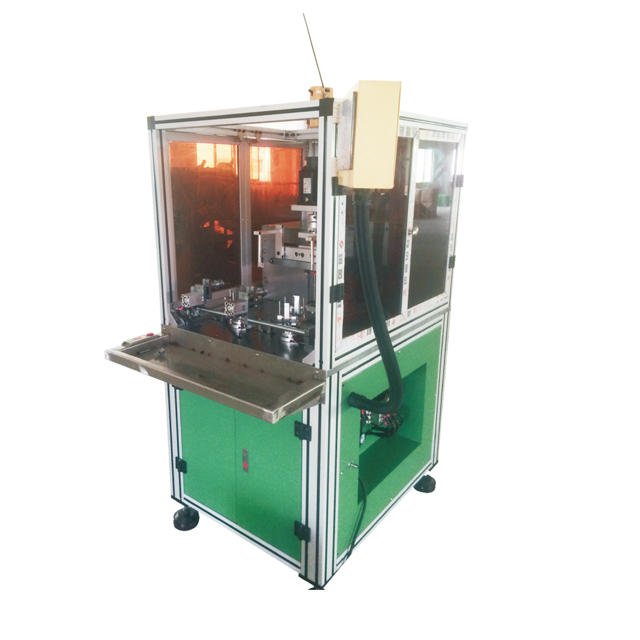
4 stations internal Stator Winding Machine
- Synchronous 4-station indexing
- High-torque BLDC & pump stators
- Programmable slot pitch & turns
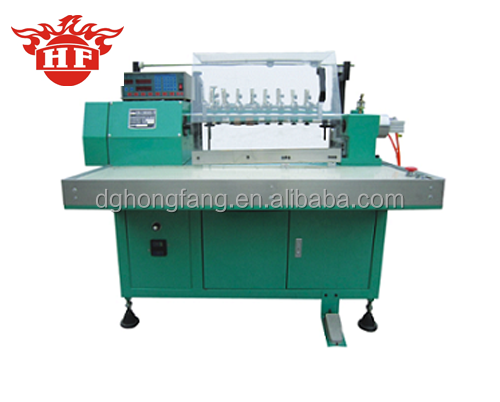
HF New CNC Auto Stator Coil Winding Machine 8 Heads 3000 RPM
- High-speed 3000 RPM spindle velocity
- 8-head gang-winding architecture
- Automated hook-array transfer
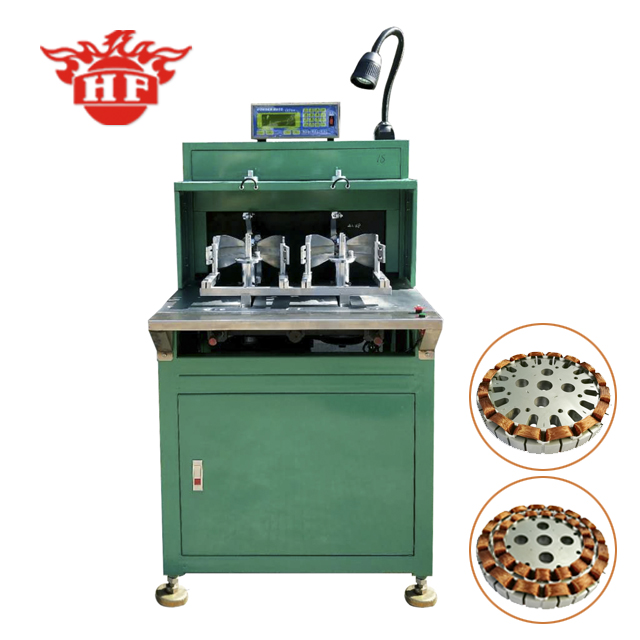
Automatic Ceiling Fan Winding Machine Two Station
- Dual-station concurrent winding
- Dedicated external rotor indexing
- Tensioner closed-loop sensor
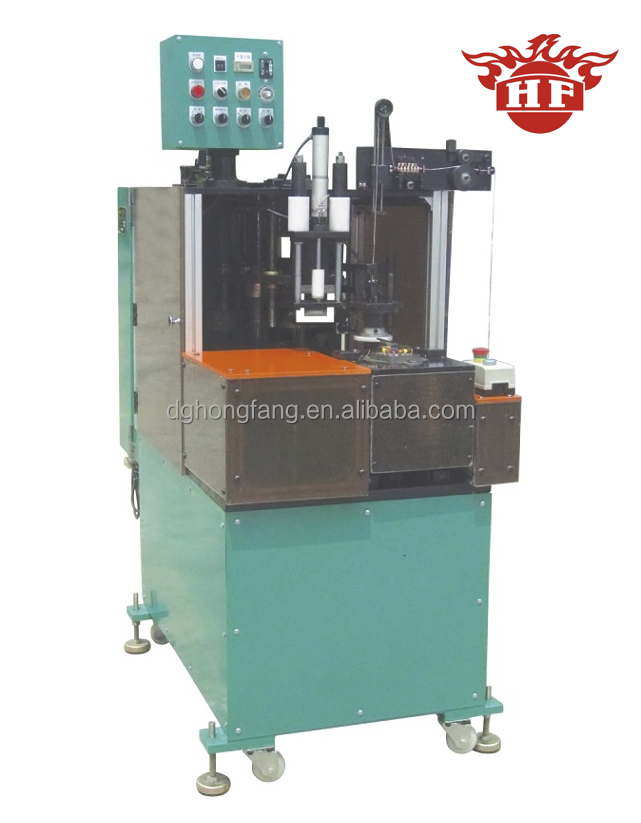
HF-BS20 Servo Type Automatic Coil Double Side Lacing Machine
- Simultaneous twin-endhead binding
- Multi-axis servo needle trajectory
- 1000W 220V industrial system
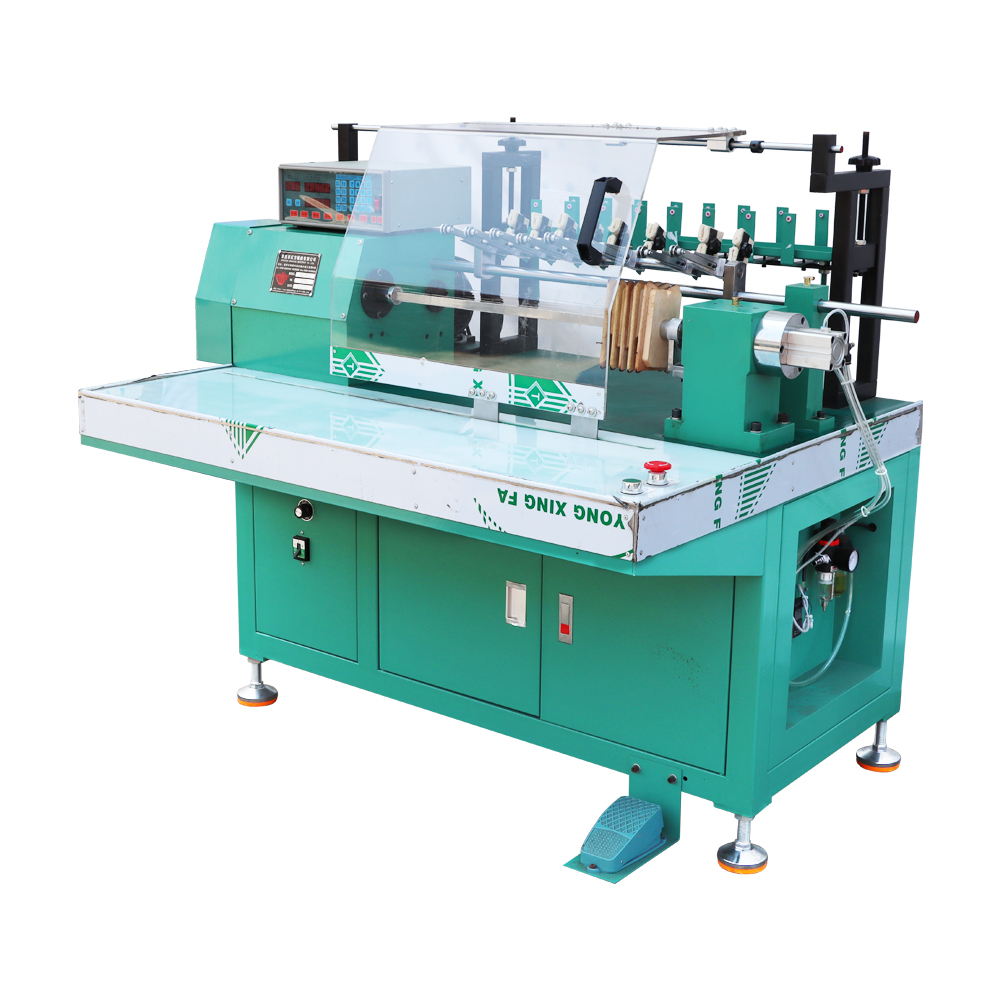
Automatic Semi Automatic Coil Winding Machine for Fan Motor Stator
- 0.1mm to 1.2mm wire tolerance
- Copper & aluminum alloy capable
- High-yield single-phase production
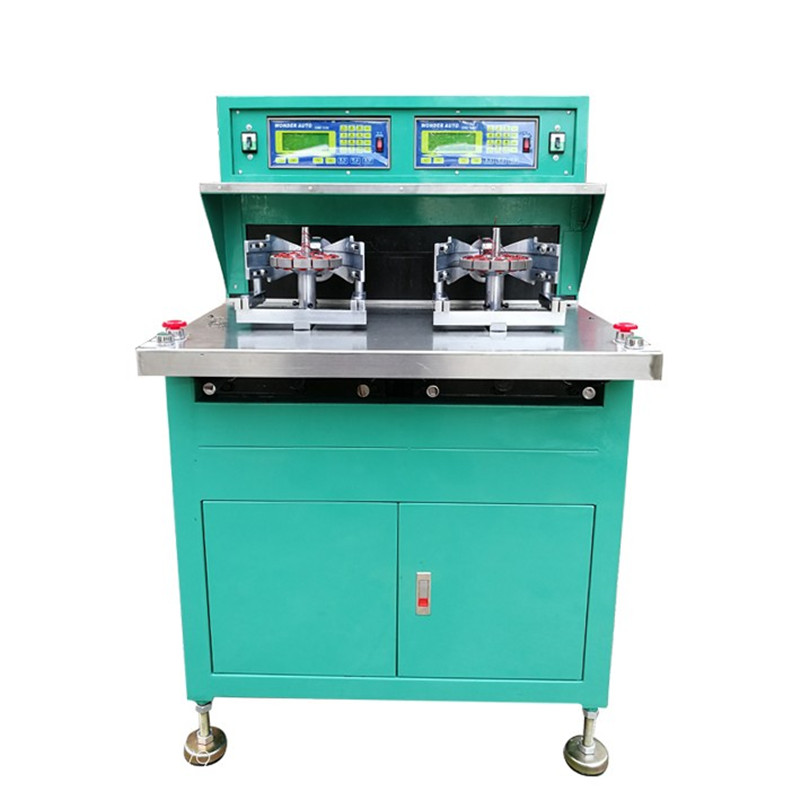
HF-R40-2G Automatic Ceiling Fan Stator Winding Machine
- Two controllers with twin stations
- Independent program execution
- Continuous industrial duty cycle
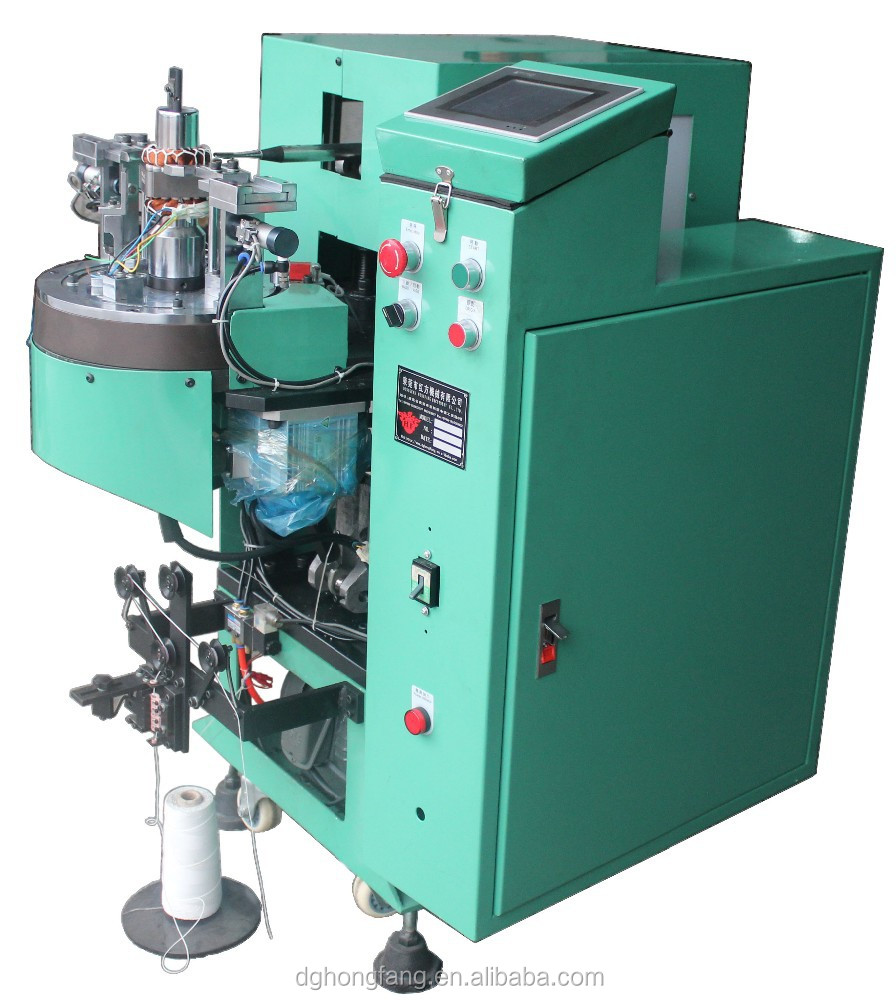
HF Single Side Lacing Machine for Table Fan Motor Stator Coil
- 1000W 380V/220V dual voltage
- Compact footprint bench/stand
- Precision stitch tension control
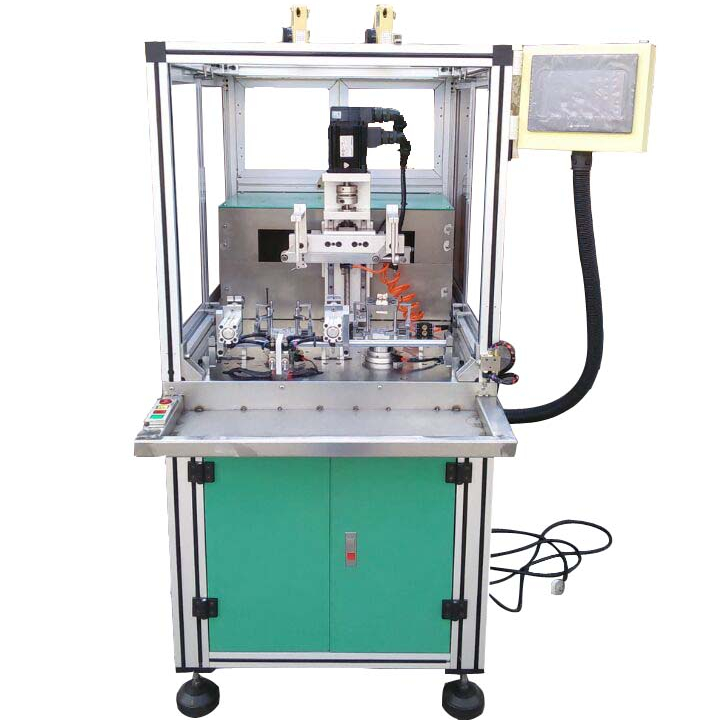
Two Stations Transformer Coil Winding Machine Motor Coil Winding Machine
- Dual-station outer stator winding
- Transformer & motor crossover
- Heavy-gauge layer winding capability
Kinematics of Automated Coil & Wedge Insertion
A rigorous examination of dynamic slot-fill mechanics, tooling metallurgy, and insulation integrity under high-speed mechanical transfer.
Simultaneous Blade-Push Mechanics & Dielectric Enamel Preservation
In modern industrial stator fabrication, manual coil insertion constitutes a primary bottleneck, creating non-uniform turn distribution, unpredictable phase-to-phase capacitance, and micro-abrasions in the magnet wire enamel. Zunqi automatic coil and wedge inserting equipment employs a synchronized kinematic sequence where segmented push-blades (manufactured from vacuum-hardened Cr12MoV cold-work tool steel, heat-treated to HRC 58-62) traverse along the inner periphery of the stator lamination bore.
During the single-stroke insertion cycle, pre-formed magnet wire coil groups are transferred from winding transfer tooling directly into the stator slots. Simultaneously, the machine feeds electrical-grade insulating film (such as Nomex, DMD, or polyester film) from continuous roll stock, forms the cuff and profile of the slot closing wedge, shears the wedge to stack length, and drives it across the slot opening beneath the coil bundle. This simultaneous action ensures that slot fill factors exceeding 78% can be achieved without stripping wire enamel or pinching slot liner cells.
Slot Fill Optimization
By coordinating push-rod acceleration through closed-loop servo controls, mechanical stress on conductors is maintained beneath tensile fatigue thresholds, enabling dense, high-efficiency copper fill factors up to 82% in high-efficiency IE4/IE5 motors.
Controlled Friction Coefficient
Insertion blades feature micro-polished mirror finishes (≤Ra 0.2μm) and specialized low-friction coatings. This minimizes frictional drag against slot cell insulation liners, eliminating common liner fold-over and slot ground faults.
Precision Wedge Forming
Integrated wedge mechanisms handle variable stack heights (10mm to 200mm+) with programmable servo feed. Creasing and shearing mechanisms maintain ±0.2mm edge alignment to avoid rotor air-gap impingement.
Localized Application Scenarios Across the Greater Seattle Basin
Serving precision equipment builders, aerospace subcontractors, clean energy ventures, and marine electro-propulsion developers in King, Pierce, and Snohomish counties.
Aerospace Flight Actuation
Corridor: Renton, Everett, Kent Valley.
Sub-tier flight system suppliers require defect-free coil insertion for 400Hz airborne actuators, fuel pumps, and cabin pressurization BLDC motors meeting rigorous AS9100 quality baselines.
Maritime Clean Propulsion
Corridor: Puget Sound, Ballard, Tacoma.
Washington State's maritime electrification initiatives demand ruggedized propulsion drive stators and auxiliary pump motors with enhanced dielectric reliability against moisture and salt-fog ingress.
HVAC & Clean Energy
Corridor: South Seattle, Bellevue, Redmond.
Compliance with strict Seattle Energy Codes necessitates local HVAC motor manufacturers to adopt high-speed coil winders and wedge inserters for EC fans and geothermal compressor motor cells.
Industrial Robotics & Drones
Corridor: Bothell, Woodinville, Kirkland.
Robotic joint servo motor lines deploy multi-station internal winding and compact double-side lacing to construct high-torque-density, minimal-cogging micro-stators.
Stator Assembly & Coil Insertion Trends Serving Seattle
Key dynamics shifting procurement from legacy standalone tooling toward connected, high-mix automated production cells.
High-Mix, Low-Volume Agility
Unlike centralized automotive motor plants with single-part tooling runs, Seattle equipment builders frequently execute specialized batches (100–2,000 units). Our machines integrate quick-change guide fingers, quick-swap wedge magazines, and modular push-blade cartridges that lower mechanical changeover times to under 35 minutes.
Direct-to-Port Pacific Logistics
Procuring directly from our Dongguan facility provides direct ocean shipping corridors through the Port of Seattle and the Port of Tacoma via trans-Pacific container vessels. This eliminates intermediate inland transshipment tariffs and provides predictable door-to-factory delivery timetables for Washington manufacturers.
Dual-Voltage & Safety Compliance
All motor machinery destined for Washington state operations can be configured with dual-voltage electrical systems (220V single-phase / 480V 3-phase 60Hz), industrial safety interlocks, light curtain guards, and industrial PLC controls compatible with common North American plant architectures.
| Stator Line Stage | Core Functionality | Target Machine Model | Critical Engineering Metric | Local PNW Benefit |
|---|---|---|---|---|
| Stage 01 Slot Insulation | Feeds, cuffs, shears & inserts slot cell paper | Automatic Insulation Paper Inserter | Crease depth ±0.1mm, <0.5s/slot | Eliminates ground dielectric breakdown |
| Stage 02 Coil Winding | Multi-station copper/aluminum wire coil forming | CNC Auto Coil Winder (2/4/8 Stations) | Tension variation ≤1.5%, up to 3000 RPM | Accurate turns per coil, tight resistance matching |
| Stage 03 Insertion | Simultaneous coil & wedge slot insertion | Automatic Stator Wedge & Coil Inserter | Push blade clearance 0.05mm, single stroke | Protects wire enamel; >78% fill factor |
| Stage 04 Intermediate Forming | Pre-expands endhead turns for bore clearance | Motor Stator Coil Forming Machine | Hydraulic/mechanical concentric expansion | Guarantees rotor clearance prior to lacing |
| Stage 05 Double-Side Lacing | High-tension twin-endhead thread binding | HF-BS20 Servo Double Side Lacing | Programmable pitch/cross lacing stitches | Withstands high-vibration aerospace/marine loads |
| Stage 06 Final Sizing | Final geometric coil head consolidation | Stator Final End-Turn Forming Machine | Envelope tolerance ±0.25mm | Ensures immediate fit inside motor end-bells |
Why Pacific Northwest Engineers Choose Zunqi Equipment
Combining 17+ years of international manufacturing expertise with customized tooling design, comprehensive testing, and long-term technical reliability.
Tooling Engineered Directly to Part Drawings
We do not deliver generic off-the-shelf tooling. Every coil former, inserting blade set, wedge guide, and lacing fixture is custom machined from your exact stator lamination CAD drawings (.DWG/.STEP) or physical core samples, ensuring turnkey commissioning.
Live Video Validation on Physical Samples
Before any equipment leaves our factory, we run trial winding, inserting, and lacing sequences using your exact wire gauge, slot insulation, and stator stack. Full HD video telemetry and dimensional verification reports are submitted for customer sign-off prior to crating.
Open Architecture Component Integration
Avoid proprietary lock-in. Our control systems utilize standardized industrial components from global automation leaders—including Siemens, Mitsubishi, Schneider, Delta, and Airtac—allowing your local plant maintenance engineers in Seattle to source replacement spares easily.
Full Stator & Rotor Production Scope
Beyond coil insertion, Zunqi manufactures slot paper inserters, servo lacing machinery, hydraulic coil formers, high-precision rotor fine-turning lathes, and rotor shaft hydraulic press-fitting cells—delivering unified, synchronized cycle-times across your entire motor production line.
Frequently Asked Questions by Seattle Engineering Buyers
Direct technical answers addressing electrical compatibility, shipping logistics, tooling changeover, and equipment warranty support.
How do you configure power supplies for Seattle industrial facilities?
We build our machines to match your facility's specific power drop. Common configurations for Puget Sound industrial parks include 208V/220V single-phase 60Hz or 460V/480V three-phase 60Hz. Voltage, frequency, and motor drive transformer options are finalized during the preliminary engineering review.
Can a single coil inserting machine handle multiple stator models?
Yes. Our machines accommodate stators with varying stack heights via automated servo stroke adjustment on the HMI touchscreen. For stators with differing internal bore diameters or slot configurations, tooling assemblies (push blades, wedge guides, and coil magazine rings) can be swapped out within 30 to 45 minutes.
What is the typical transit duration to the Port of Seattle or Tacoma?
Standard ocean transit from South China container ports (Shenzhen/Hong Kong) to Seattle or Tacoma ports typically spans 16 to 22 sailing days. Air freight for urgent tooling inserts or pilot winding machines takes approximately 5 to 7 business days via Seattle-Tacoma International Airport (SEA).
How is equipment protected against maritime moisture during ocean freight?
Every machine undergoes a multi-layer corrosion prevention protocol: all precision ground steel, slide rails, and insertion blades are treated with heavy-duty rust inhibitor grease, sealed inside airtight VCI (Vapor Corrosion Inhibitor) plastic envelopes with industrial desiccant packs, and secured into fumigation-free wooden export crates.
What after-sales technical support and warranty is provided?
All Zunqi equipment comes with a 1-year comprehensive mechanical and electrical warranty. We provide remote video setup assistance, parameter tuning support aligned with Pacific Standard Time (PST), detailed electrical schematics, operating manuals, and expedited dispatch of mechanical wear parts.
Can you provide machines that handle both copper and aluminum wire?
Yes. Our semi-automatic and CNC winding and inserting systems handle both enameled copper and round aluminum magnet wire ranging from 0.1mm to 1.2mm. Our engineering team custom designs tensioning arrays and blade entry radiuses to prevent galling or necking when processing softer aluminum alloy conductors.
