Featured Stator & Rotor Automation Solutions for Suriname
Direct-from-factory machinery optimized for harsh tropical continuous operations, low vibration, and adaptable line frequencies (60Hz / 50Hz). Complete with full electrical and mechanical tooling tailored to local specifications.
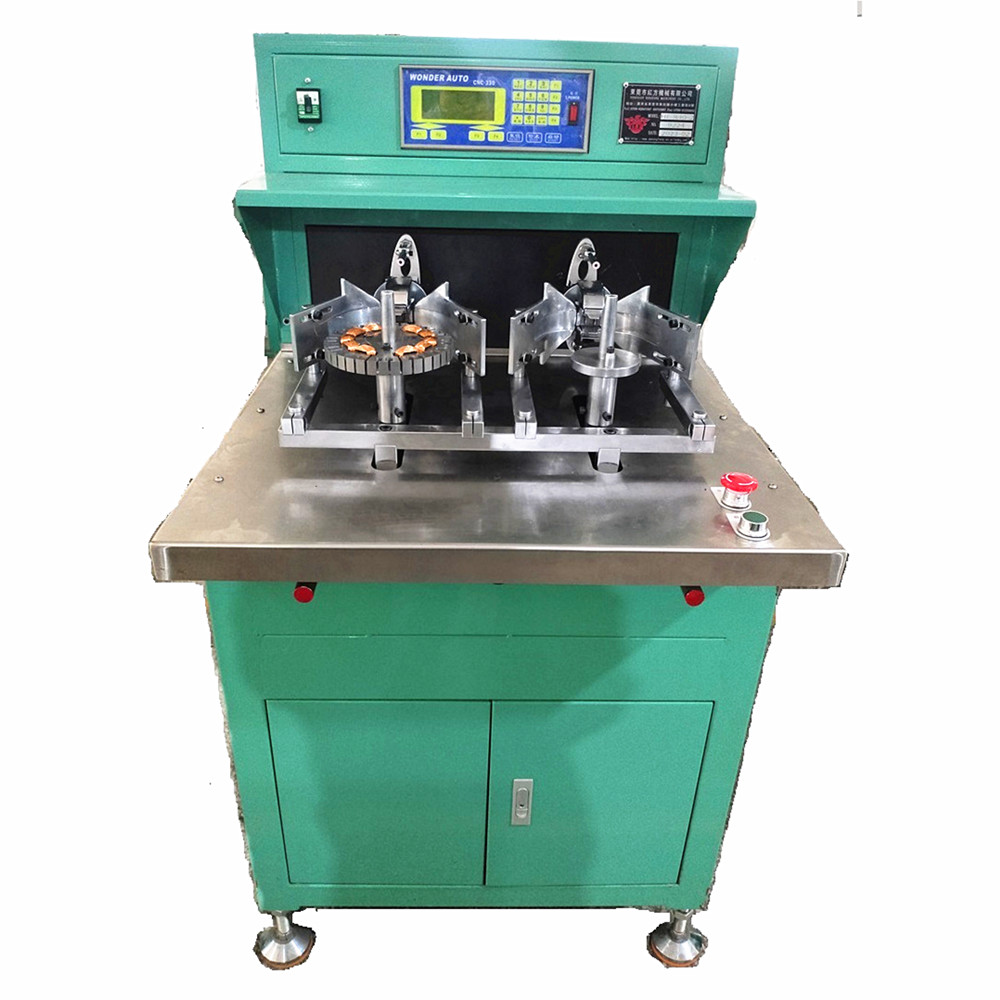
HF-R40-2C Automatic Ceiling Fan Motor Coil Winding Machine
- Dual-station simultaneous winding
- Optimized for ceiling fan stator geometry
- 1-Year international warranty
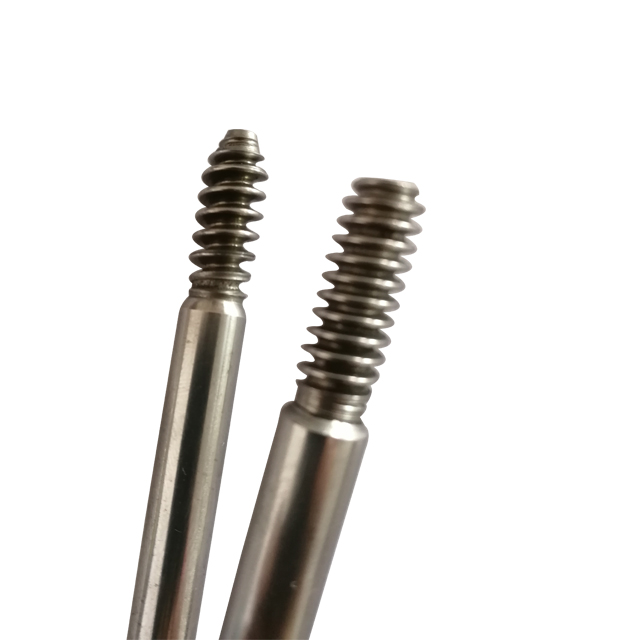
SC45 High-Precision Electric Iron Motor Shafts
- Compatible with table fans, coolers & pumps
- Hardened core against tropical corrosion
- Exact tolerance bearing journals
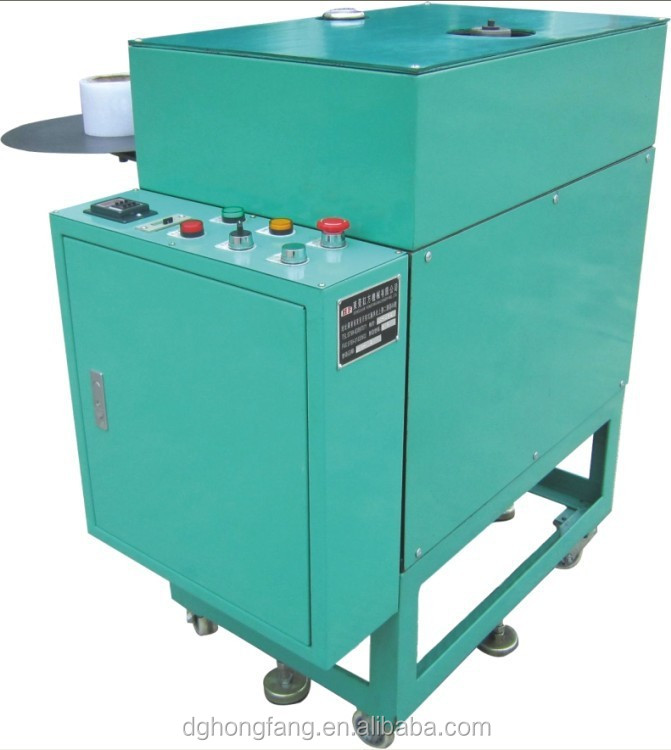
Automatic Slot Insulation Paper Inserting & Cutting Machine
- Automatic feeding, folding & insertion
- Configurable 1 kW 380V/220V dual drives
- Prevents slot liner micro-tears
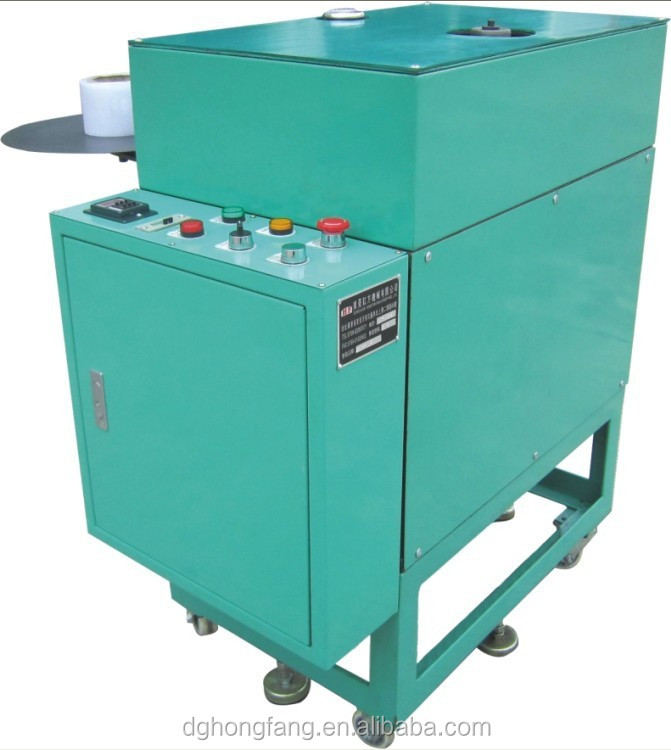
HONGFANG HF-D50 Green Insulation Paper Inserter
- 1000W 220V single-phase industrial power
- High-speed indexing for cooler stators
- 1-Year structural & electrical warranty
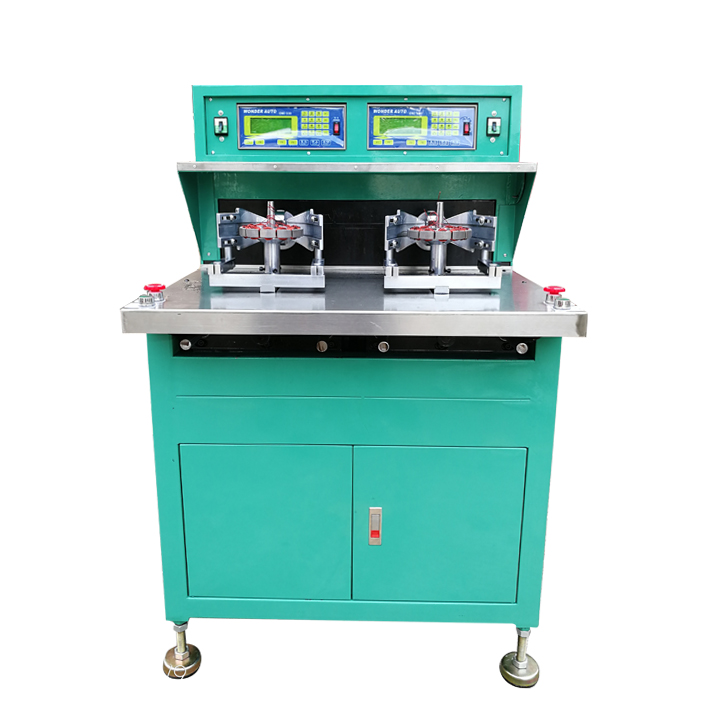
Heavy-Duty Certified Dual-Controller 2-Station Winder
- Dual dedicated PLC electronic controllers
- Copper & aluminium magnet wire compatible
- 1 kW 220V energy-efficient drive unit
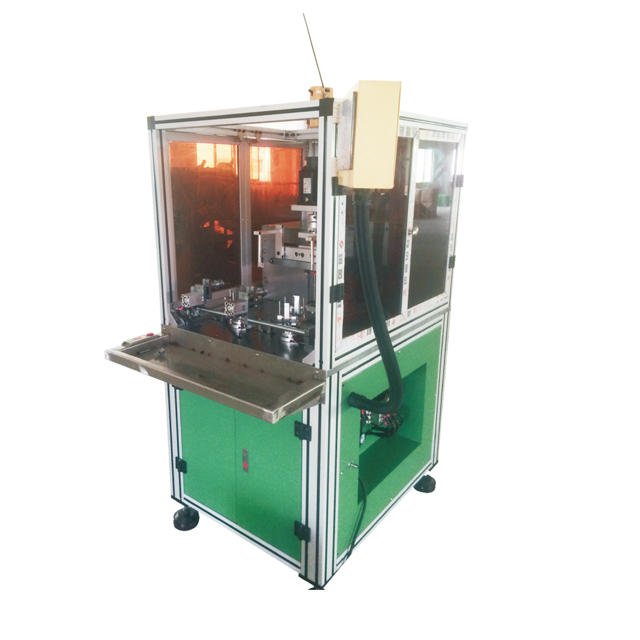
4-Station Automated Internal Stator Winding Machine
- Internal needle winding for BLDC & induction
- Simultaneous 4-station mass productivity
- Programmable tension control systems
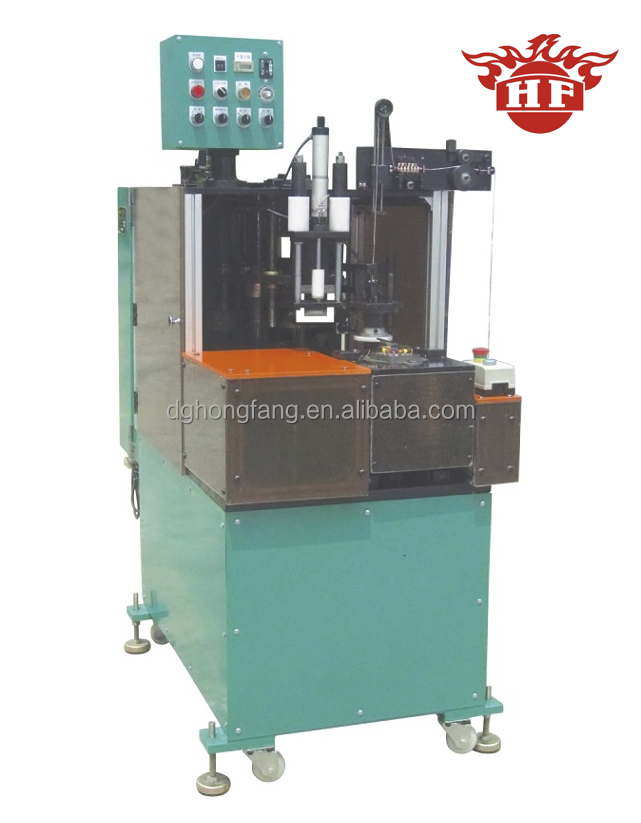
HF-BS20 Servo Double-Sided Coil Lacing Machine
- Binds both stator end-heads simultaneously
- High-speed servo needle indexing
- Robust 1000W 220V industrial package
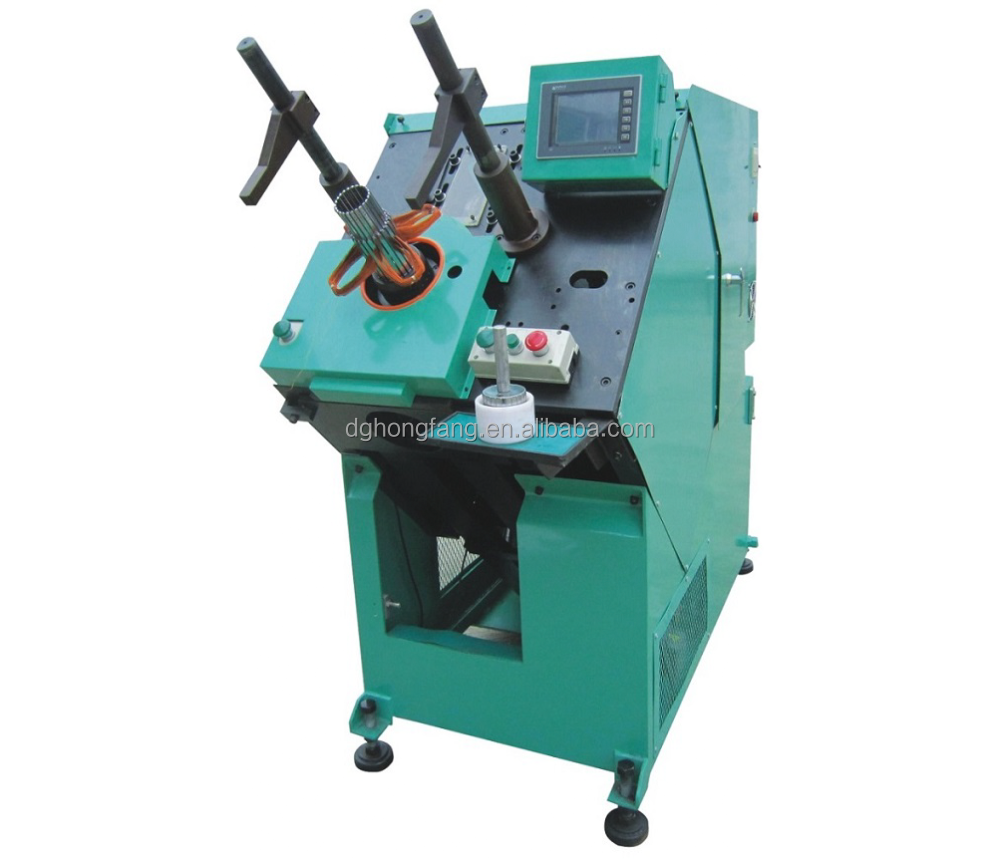
Single-Stroke Coil & Wedge Paper Inserting Machine
- Inserts wound coils & slot wedges simultaneously
- Eliminates wire friction and enamelled scratches
- Tooling customized to stator inner diameter
1. The Strategic Imperative for Motor Manufacturing & Rewinding in Suriname
Suriname’s macroeconomic trajectory is experiencing a monumental transformation. As off-shore oil exploration across the Guyana-Suriname basin moves closer to production alongside sustained industrial activity in gold extraction (such as the Rosebel and Merian operations), timber conversion, and coastal agriculture, the demand for electro-mechanical rotating machinery has expanded exponentially. Historically, electrical motor maintenance in Suriname—concentrated within Paramaribo, Nieuw Nickerie, and Paranam—relied heavily on manual rewinding methods or importing costly whole replacement units from North America or Europe. This reliance presents a critical vulnerability: long maritime supply chains, severe downtime costs in extraction operations, and erratic craftsmanship that fails under tropical stress.
Modern electric motor manufacturing demands strict quality benchmarks: tight slot fill factors, homogeneous wire tension, and non-destructive coil insertion. In equatorial climates like Suriname, where average relative humidity hovers between 80% and 95% and ambient temperatures frequently surpass 32°C, manual winding flaws manifest rapidly as inter-turn short circuits, insulation breakdown, and catastrophic stator burnouts. Integrating Chinese automatic stator coil winding machinery provides Suriname's maintenance workshops, regional service providers, and emerging equipment manufacturers with the technical capability to deliver OEM-grade stators locally, drastically lowering total cost of ownership (TCO) across municipal, agricultural, and industrial infrastructure.
2. Localized Industrial Application Scenarios Across Suriname
Our automation platforms are engineered not merely as generic machines, but as purpose-built systems tailored to the operational realities of Suriname's primary industries:
Interior Mining & Submersible Dewatering
In the bauxite and gold mining basins of Brokopondo and Sipaliwini, heavy-duty slurry and dewatering submersible pumps operate continuously in acidic, silt-laden water. Our 4-station internal winders and coil-inserting machines handle heavy-gauge Class H magnet wires with tight coil end compacting, ensuring maximum resistance to high thermal rises and vibration fatigue.
HVAC, Table & Industrial Ceiling Fans
Due to Suriname's relentless tropical climate, continuous room air circulation is vital for residential and commercial habitability. The HF-R40-2C and heavy-duty 2-controller ceiling fan winding machines deliver high-speed automated winding for dual-layer capacitor and BLDC fan stators, enabling local assembly workshops in Paramaribo to produce whisper-quiet, energy-efficient cooling units.
Agro-Industrial Processing (Rice & Timber)
Rice mills across Nickerie and timber processing facilities along the Suriname and Saramacca rivers rely heavily on 1 kW to 15 kW induction motors driving conveyor belts, blowers, and augers. Automated slot insulation and single-stroke coil-and-wedge inserters restore burned core packs to higher-than-original electrical efficiency within hours rather than weeks.
3. Quantitative Technical Comparison: Automated Stator Production vs. Manual Methods
For industrial decision-makers in Suriname assessing capital investments, the quantitative improvements across production throughput, winding precision, and longevity are evident:
| Performance Parameter | Manual Rewinding Workshop | Chinese Automated Stator Line | Impact on Suriname Plant Operations |
|---|---|---|---|
| Cycle Time per Stator (Fan/Small Pump) | 45 – 75 minutes / unit | 1.5 – 3.5 minutes / unit | 20x throughput increase; eliminates repair backlogs. |
| Wire Tension Consistency | Irregular; human-dependent | Closed-loop pneumatic/servo tensioning | Eliminates internal hot spots and wire stretching. |
| Insulation Integrity (Slot Paper) | Hand-cut; edge cracking frequent | Automated cold folding & inserting (HF-D50) | Zero dielectric breakdown under 90%+ humidity. |
| Coil End Head Compactness | Bulky; risk of rotor abrasion | Automated double-side lacing (HF-BS20) | Flawless clearance within standard NEMA/IEC housings. |
| Wire Material Flexibility | Mainly copper only | Copper & Aluminium enameled wire | Allows competitive manufacturing matching budget limits. |
4. Emerging Industrial Trends in Suriname's Electrical Engineering Sector
As Suriname enters a multi-decade infrastructure development phase, the industrial demand for electric motor manufacturing and rewinding displays several distinct trends:
Transition from Class B/F to Tropicalized Class H Insulation
Motors deployed in the interior rain forests face excessive thermal load compounded by moisture-induced insulation softening. Modern plants in Suriname are aggressively upgrading stator specifications to Class H materials, demanding slot paper insertion machines capable of processing high-rigidity Nomex®, DMD, and composite polyamide sheets without fracturing slot cuffs.
Decentralization of Motor Maintenance Services
Transporting heavy electric motors from remote mining concessions on the Marowijne or Saramacca rivers back to Paramaribo creates major logistical hurdles and costs. Mining syndicates and contracting conglomerates are increasingly installing self-contained rewinding stations directly on site. These containerized maintenance nodes utilize multi-station internal stator winders and automatic shaft press units to keep crucial machinery running 24/7.
Adoption of Programmable Multi-Axis CNC Automation
With an acute shortage of master electro-technicians in Suriname, manual artisanal rewinding cannot scale. Modern Chinese machines, featuring intuitive multi-language touchscreen controllers (Siemens, Delta, or Mitsubishi PLCs), allow semi-skilled technical workers to achieve flawless winding profiles simply by selecting programmed stator profiles from memory banks.
5. Enterprise Advantages: Why Zunqi & Hongfang Lead Global Exports
Headquartered in Dongguan, Guangdong—the core of China's electro-mechanical innovation ecosystem—our enterprise brings over 17 years of direct international export capability to Suriname. When sourcing equipment through us, industrial clients benefit from rigorous quality systems:
- Tailored Stator Tooling: We do not sell one-size-fits-all hardware. Every needle winder, coil inserting blade, and slot insulation creaser is custom-machined based on the exact core laminations, stack heights, and wire gauges provided by the client.
- Pre-Dispatch Proof of Run (Sample Testing): Suriname buyers can provide their stator drawings or physical core samples before full production. We build the dedicated tooling, execute a live trial winding run in our Dongguan workshop, and provide an uncut technical test video along with electrical test parameters before shipping.
- Tropicalized Electrical Cabinets: Machines bound for Suriname are treated with anti-corrosion PCB coatings, industrial-grade moisture protection, and adaptable power supplies configured for either 220V single-phase or 380V/400V three-phase 60Hz/50Hz utility grids.
- Comprehensive Warranty & Rapid Spares Support: Backed by an unconditional 1-year structural and electrical warranty. Critical wear components—such as winding nozzles, lacing needles, cutting blades, and pneumatic cylinders—are kept in open stock for swift air dispatch via DHL/FedEx to Paramaribo.
6. Frequently Asked Questions (FAQ) for Suriname Buyers
How are machines shipped to Suriname, and what is the transit timeline?
Consignments are packed in solid, fumigation-free export plywood cases treated with inner VCI anti-rust barrier wrapping. Cargo is shipped from Shenzhen or Ningbo ports directly to the Port of Paramaribo (Jules Sedney Harbour) via established Caribbean ocean transshipment lines (e.g., CMA CGM, Maersk). Ocean transit typically ranges between 35 and 45 days.
Can the machines operate smoothly on Suriname's electrical power grid?
Yes. Suriname operates predominantly at 60 Hz, with residential voltages at 110V/127V and industrial three-phase at 220V or 400V depending on the district and facility transformer. Our engineering team custom-winds all internal transformers, drives, and servo packages to your plant's precise incoming utility supply, preventing motor overheating caused by frequency mismatches.
Can a single winding machine handle multiple stator stack sizes?
Yes. Our semi-automatic and multi-station winders utilize modular tooling fixtures. Changes in stack height, wire turns, or winding speed can be adjusted within seconds via the digital PLC interface, while changing stator slot counts or bore diameters simply requires changing out the dedicated formers and guide plates.
How do you assist with machine commissioning and operator training in Suriname?
We provide full English operating manuals, step-by-step video installation workflows, and detailed electrical schematics. Furthermore, our technical desk organizes live remote video commissioning sessions with your engineering staff, guiding tool installation, parameter tuning, and troubleshooting until your team produces pristine stators autonomously.
Modernize Your Electric Motor Line in Suriname Today
Whether you require a single high-precision ceiling fan winder or a complete, synchronized stator manufacturing line with slot inserting, coil winding, wedge pressing, and servo lacing, our engineers are ready to build the exact tooling your application requires.
Inquire Now