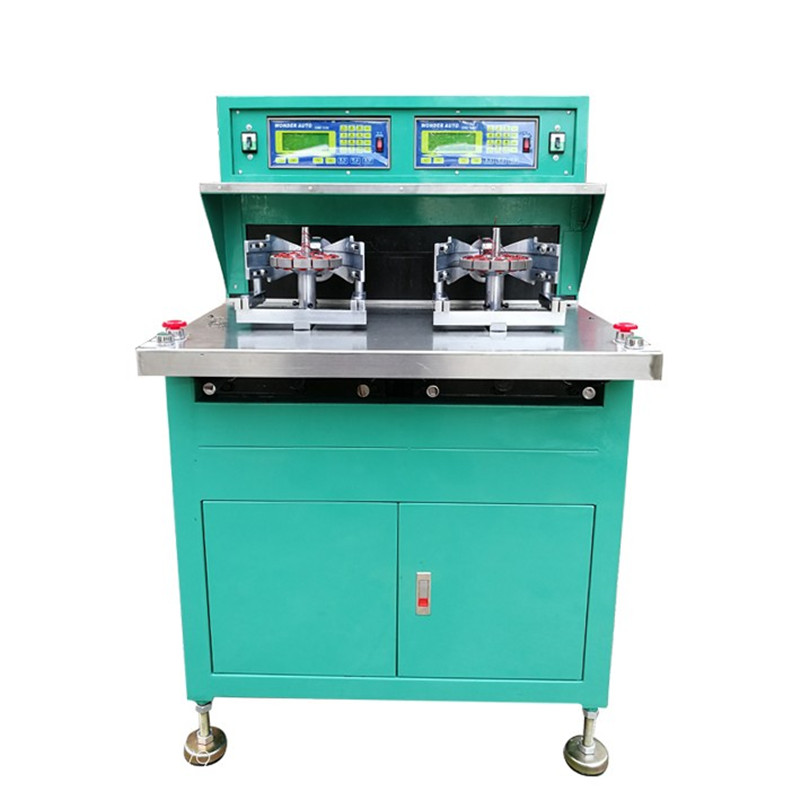
HF-R40-2G Automatic Ceiling Fan Stator Winding Machine
- Configuration: Two Controllers, Two Stations
- Drive: High-Torque Precision Motor
- Warranty: 1 Year Guarantee Included
Streamline your facility with high-end turnkey apparatus from Dongguan, China. Our portfolio serves BLDC, air conditioning, pump, and electric automotive sub-assemblies across Incheon, Changwon, and Gyeonggi industrial clusters.
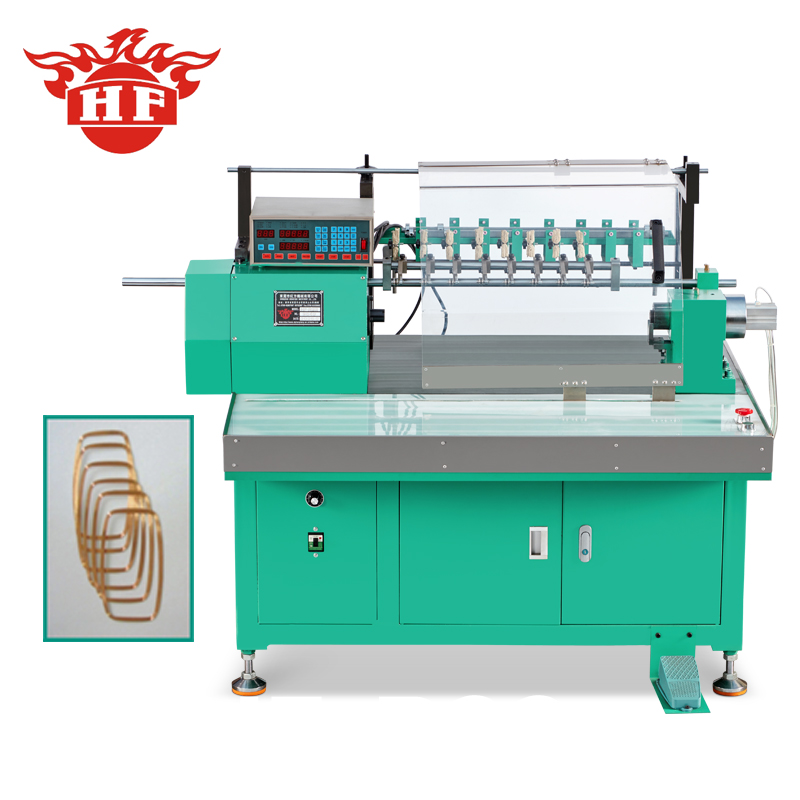
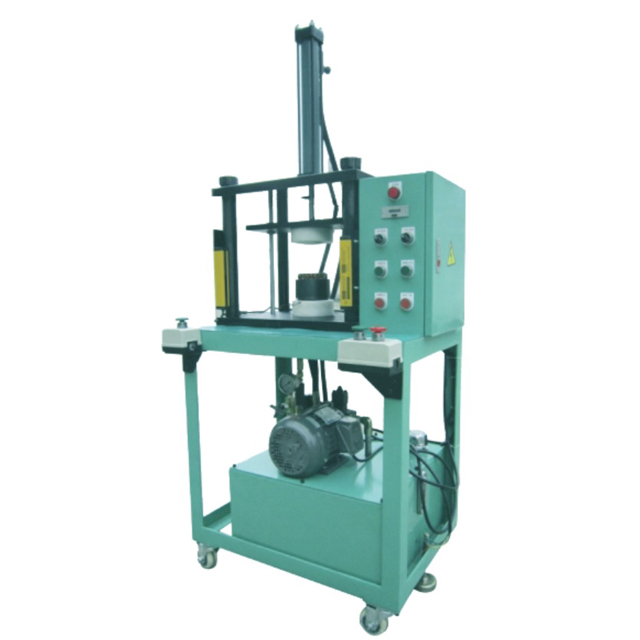
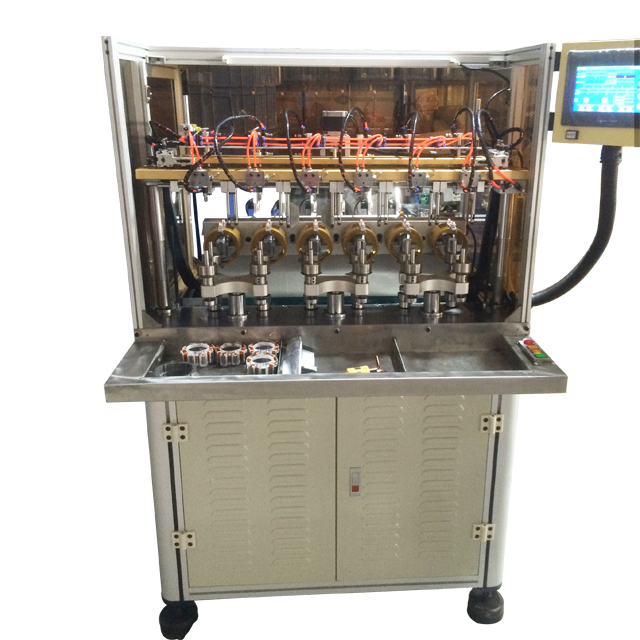
A rigorous examination of double-sided coil binding mechanics, structural integrity parameters, and process synchronization for Tier-1 & Tier-2 automotive/HVAC manufacturers targeting the South Korean industrial sector.
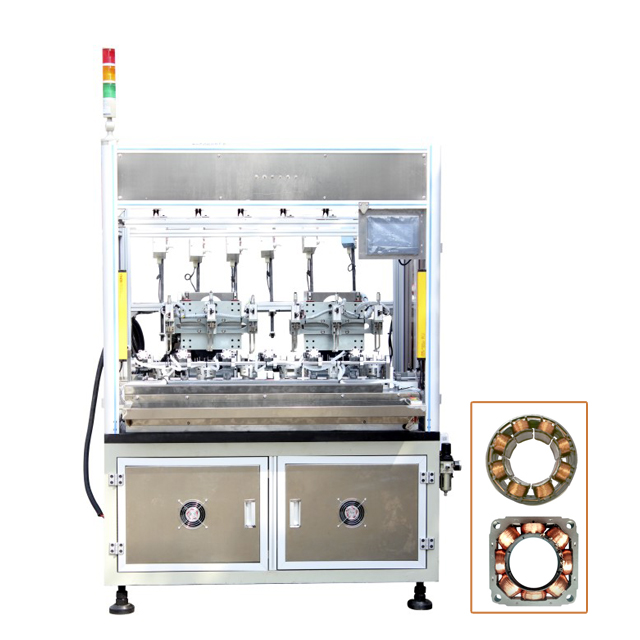
The manufacturing of single-phase and three-phase electric induction, BLDC, and permanent magnet synchronous motors (PMSM) requires exceptional mechanical resilience within the stator slot and end-windings. End-turn overhangs are naturally susceptible to electro-dynamic vibration, harmonic distortion forces, and thermal degradation. While single-side lacing machinery historically provided acceptable results for standard home appliances, high-spec Korean motor manufacturers require dual-end synchronous stabilization. An automatic double side stator coil lacing machine provides the mechanical stiffness needed to prevent inter-turn friction, maintain dielectric margins, and secure lead out wires without human intervention.
Dual independent servo axis assemblies coordinate vertical needle stroke and rotary hook movement. This replaces fragile mechanical cam linkages, delivering microsecond needle deceleration at the slot apex and eradicating copper insulation stripping.
Integrated pneumatic and electromagnetic thread dampeners allow operators to set differential tension levels: increased hold over lead groupings, gentle tension along phase overlaps, and positive lock knots that remain tight under long-term thermal expansion.
Direct software switching through intuitive multi-language HMI. Supports single-slot lacing, skipped-slot binding, zigzag structural ties, cross-phase reinforcement, and specialized segment knots for high-pole count stators.
| Evaluation Parameter | Manual Hand Binding | Single-Side Semi-Automatic | Double-Side Auto Servo Lacing (Zunqi Line) |
|---|---|---|---|
| Cycle Time (36-Slot Stator) | 120 - 180 seconds | 45 - 60 seconds (requires flip) | 12 - 16 seconds (both ends bound) |
| Tension Uniformity | Variable (±35% operator variance) | Moderate (±12%) | Consistent (±2% digital closed-loop) |
| Operator Labor Requirement | High manual fatigue | Operator required for turning stator | Single operator or robotic line integration |
| End-Turn Overhang Geometry | Inconsistent, risk of rubbing casing | Requires secondary re-forming | Maintains uniform clearance throughout |
| Direct Wire Scuffing Incidents | Frequent (manual tool slippage) | Occasional mechanical pinch | Near Zero (optically calibrated stroke) |
Matching Chinese factory-direct machine manufacturing with South Korea’s demanding domestic manufacturing ecosystems.
South Korea's high-tech industrial foundation requires precision motor production equipment that meets strict build standards. Our automated double-side stator coil lacing machines, coil winding units, and fine-finishing turning machines operate within three main domestic application sectors:
Supplying automotive sub-assembly plants located across Ulsan, Gwangju, and Gyeonggi-do. Typical applications include Electric Power Steering (EPS) motors, electronic water pumps (EWP), brake booster motors, and HVAC blowers. These stators undergo high vibrations where double-sided lacing prevents insulation wear, preventing inter-turn short circuits.
Major household appliance brands operating in Changwon and Incheon demand ultra-quiet BLDC compressors, heat pumps, and front-load washer drive motors. Our double-sided lacing machines guarantee balanced end-windings that eliminate acoustic hum and support premium energy-efficiency ratings.
Heavy industrial pump installations across the Busan and Pohang marine and heavy machinery sectors demand stators running continuously in hot, moist environments. Automatic slot-by-slot lacing holds heavy multi-strand wire bundles securely, allowing resin impregnation to coat every copper surface thoroughly.
How automation technology is adapting to meet Korean regulatory requirements and high-efficiency motor benchmarks.
1. Shift Toward Hairpin Stators and High Slot Fill BLDC Designs: The transition toward premium industrial machinery has forced motor producers to increase slot-fill factors above 75%. Our modern double-side lacing equipment features ultra-thin, high-alloy needles and adjustable pitch programs, preventing damage to slot liners or phase insulation sheets.
2. Integration with Factory Automation (Smart Factory 3.0 / MES): Korean assembly floors prioritize data collection and automation. Our PLC control cabinets support custom industrial communication protocols, such as Modbus TCP and Ethernet/IP, enabling integration with plant execution systems for real-time tracking of cycle times, stitch counts, and tension metrics.
3. Upgrading to IE4 / IE5 Super Premium Efficiency Ratings: South Korea's strict energy consumption rules require optimized magnetic circuits. By ensuring consistent lacing tension without distorting iron core laminations, our machinery helps manufacturers preserve fundamental magnetic permeability and minimize stray load losses.
Combining Dongguan's manufacturing speed and component supply chains with verified quality controls.
Over a decade and a half delivering machinery across Asia, Europe, and the Americas. Fully verified through onsite audits, international logistics networks, and third-party certifications.
Every stator features unique geometry. Send us your physical stator or technical CAD files (stack height, ID, OD, wire size); we precision-machine custom fixtures before completing pre-shipment trial runs.
We build our electrical cabinets around your company's spare-parts inventory, utilizing global component options including Mitsubishi, Siemens, Omron, Delta, Schneider, and SMC pneumatic parts.
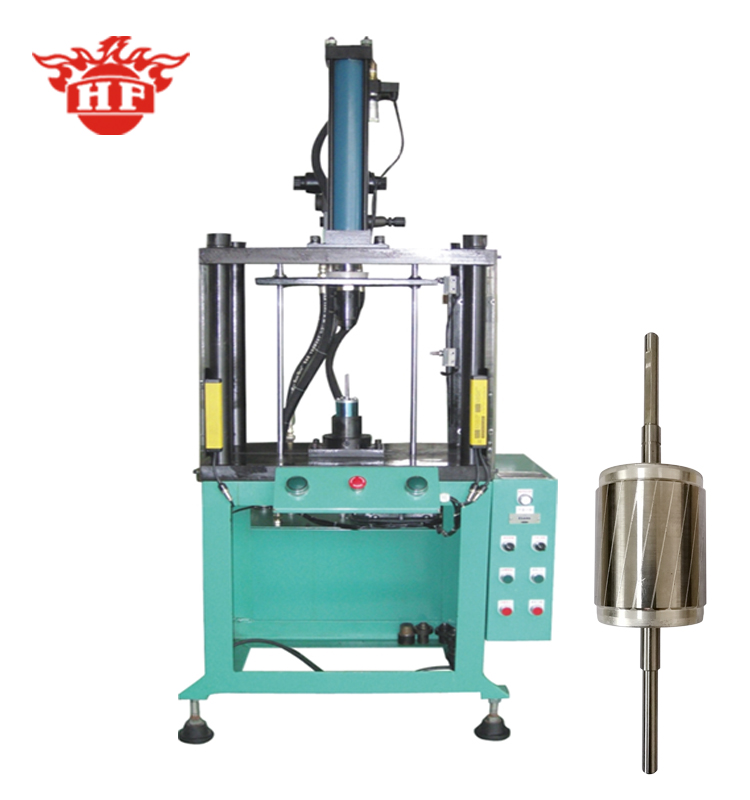
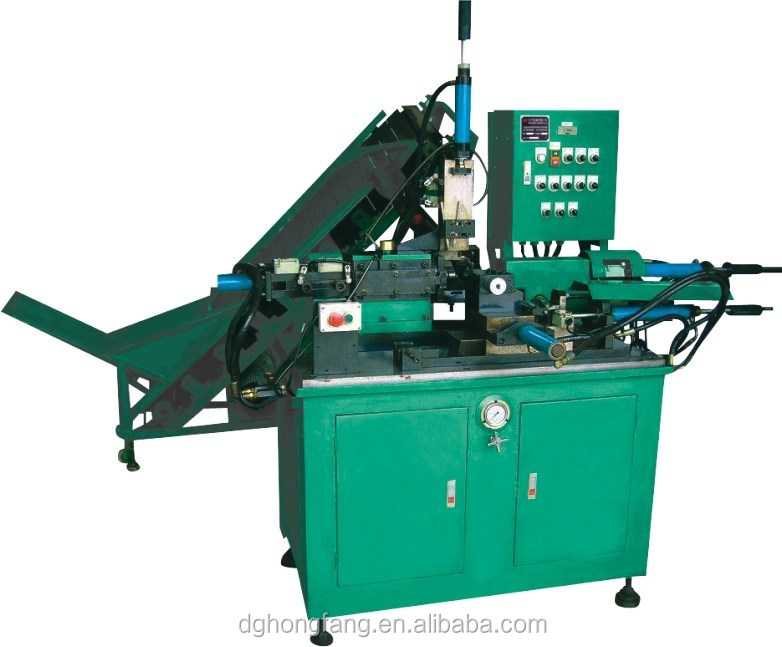
We manufacture equipment for every process step—from slot paper insertion and high-speed coil winding to automatic coil insertion, forming, double-sided lacing, rotor turning, and hydraulic shaft pressing.
Practical answers to common purchasing, electrical, and customs questions from procurement teams in South Korea.
Yes. While domestic Chinese plants standardly operate on 50Hz, our production lines for Korean clients are systematically assembled with 60Hz servo motors, variable frequency drives, and transformers matched to 3-Phase 380V or Single-Phase 220V 60Hz. Voltage and frequency tolerances are fully verified during load testing prior to crating.
Typical lead times for standard models range between 20 to 30 calendar days. If custom coil inserting tooling, shaping dies, or dedicated double-side lacing fixtures are engineered to your technical drawing, production spans roughly 35 to 45 business days, including trial runs with actual wire and stator core samples.
We encourage customers to send sample stator cores, copper/aluminum wire, and slot insulation film to our Dongguan facility. Our engineers set up your specific production parameters, perform dry and wet running tests, and provide detailed HD video validation alongside dimensional check reports before final crating.
Our touch screens feature selectable interface options in English and Korean, alongside Chinese. Warning prompts, error traces, cycle timers, and parameter configuration screens are clearly localized to allow shop-floor technicians to operate the machinery without language barriers.
We supply fumigation-free, heavy-duty composite plywood sea crates. Internal assemblies receive surface rust-preventative coatings (VCI film, anti-rust oil seal), and machine bases are securely bolted to internal steel skids. Ocean freight from Shenzhen/Guangzhou ports to Busan or Incheon typically clears in 3 to 7 sailing days.
All machines carry a 1-year mechanical and electrical warranty. We provide direct remote video diagnostic support via WeChat, KakaoTalk, or Microsoft Teams, typically responding within 9 hours. Standard replacement components (sensors, needles, forming tools, pneumatic fittings) can be dispatched quickly via DHL/FedEx to your Korean facilities.
How our equipment coordinates across every step of electric motor manufacturing.
| Sequence | Production Station | Operational Function | Quality Objective |
|---|---|---|---|
| Step 01 | Insulation Paper Inserter | Cuts, shapes, and positions dielectric liners into slots | Eliminates edge fold damage, prevents ground leakage |
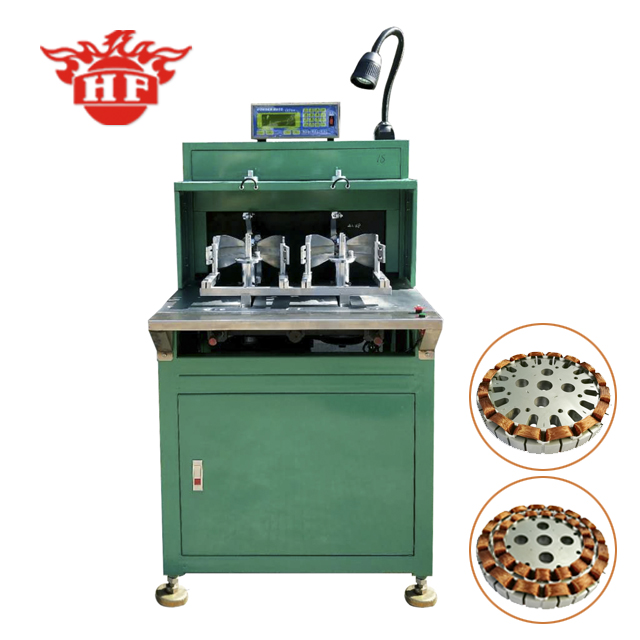
| Step 02 | Automatic Coil Winder | Winds copper/aluminum magnet wire into specified groups | Consistent turn counts, neat layer grouping |
| Step 03 | Coil & Wedge Inserting | Simultaneously pushes windings and wedges into slots | Zero wire scuffing, centered slot fill balance |
| Step 04 | Intermediate Coil Forming | Pre-shapes end-turn head diameters and overhang height | Ensures clearance for subsequent double-side lacing needles |
| Step 05 | Double-Side Coil Lacing | Binds both front and back end turns securely with twine | Resists mechanical vibration, organizes phase jumpers |
| Step 06 | Final Sizing / Coil Former | Applies final dimensional envelope via expanding dies | Guarantees exact housing insertion clearance |
| Step 07 | Rotor Fine Turning Lathe | Machines outer diameter of assembled rotor stack | Ensures air-gap concentricity, eliminates rotational hum |
| Step 08 | Hydraulic Shaft Press | Presses precision-ground shafts into laminated rotor bore | Maintains strict interference fit, runout ≤ 0.015mm |
