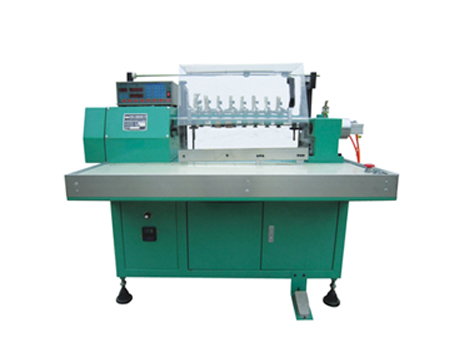
Electrical Motor Stator Coil Winding Machine for Cooler Motor
- High-speed flyer automated winding
- Precision tension servo control
- Tailored for pump & cooler stators
From single-cell servo binding to multi-station rotary winding, our machinery ensures compliance with strict CE machine directives, high continuous run-time stability, and seamless tooling adaptation for Dutch industrial motor producers.
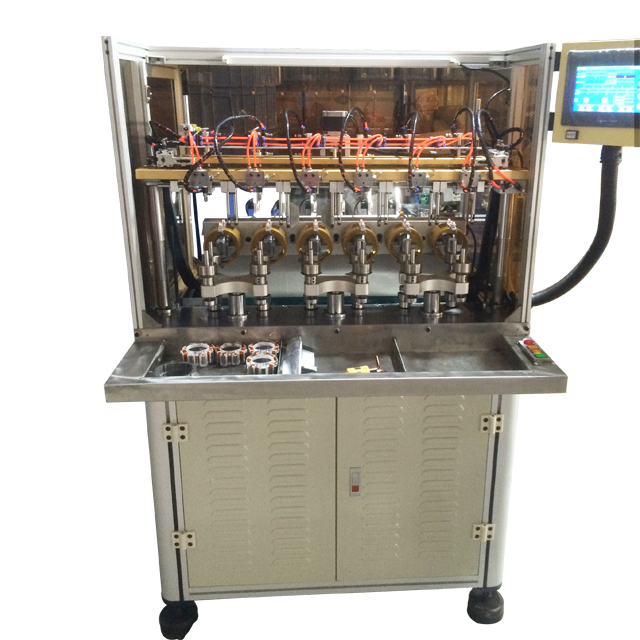
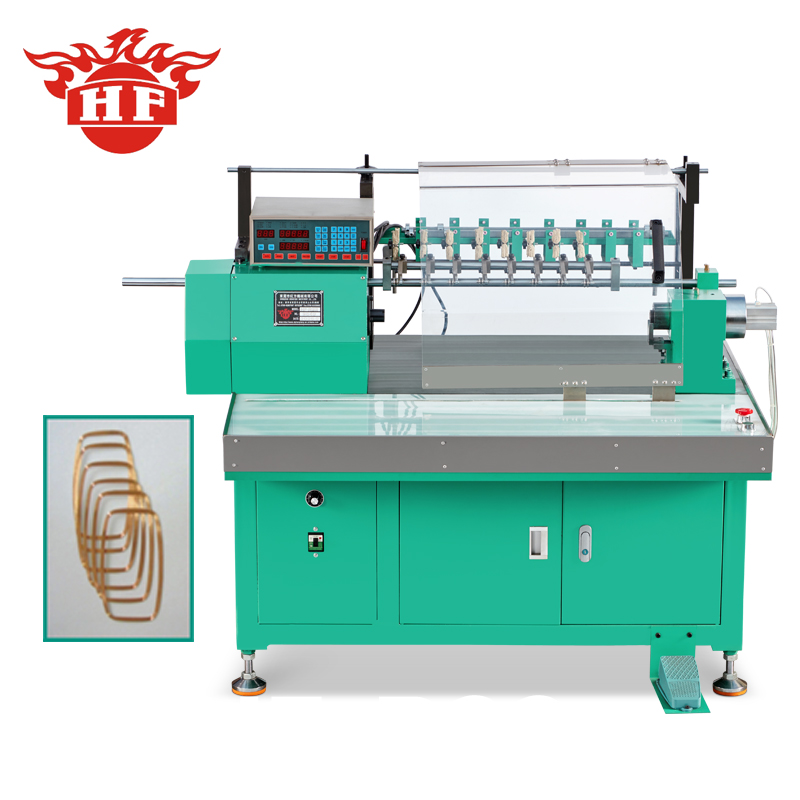
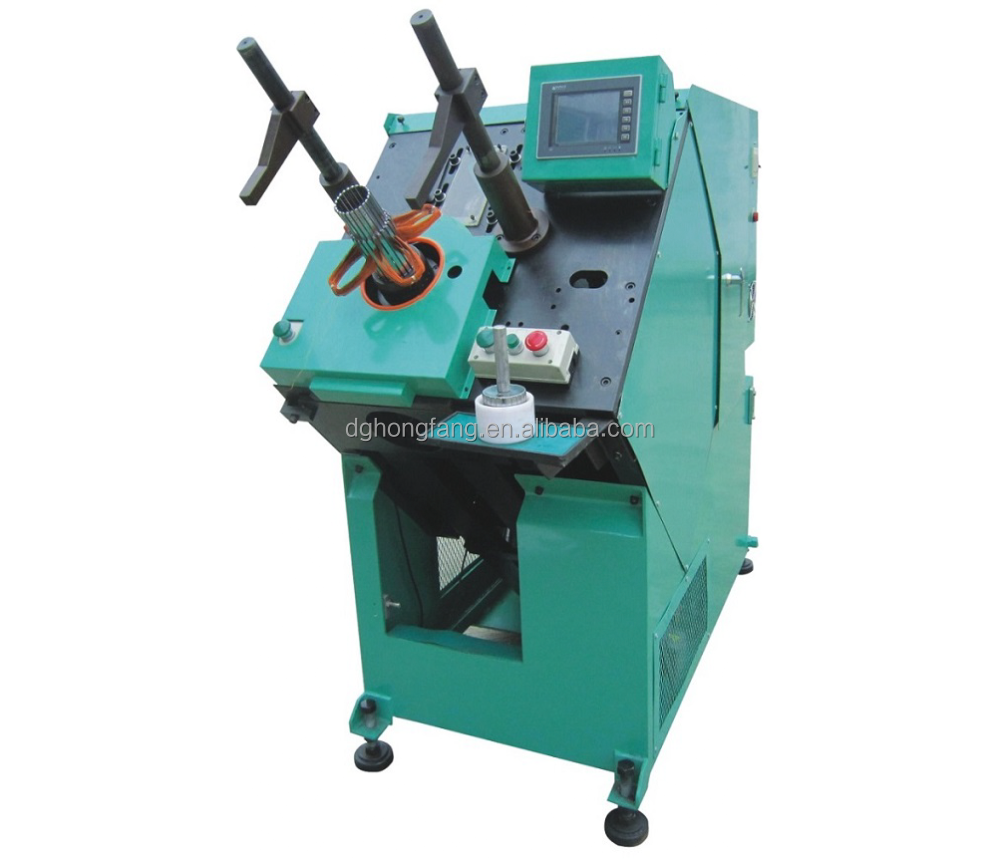
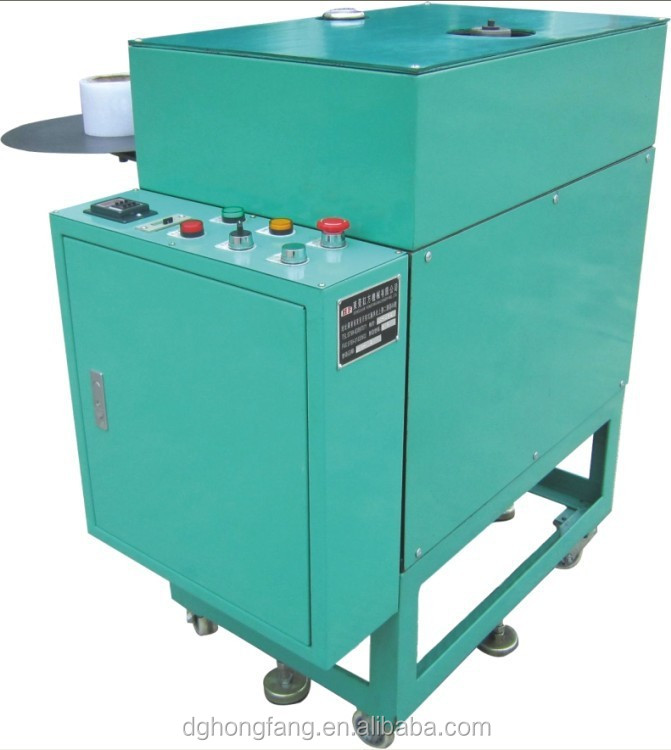
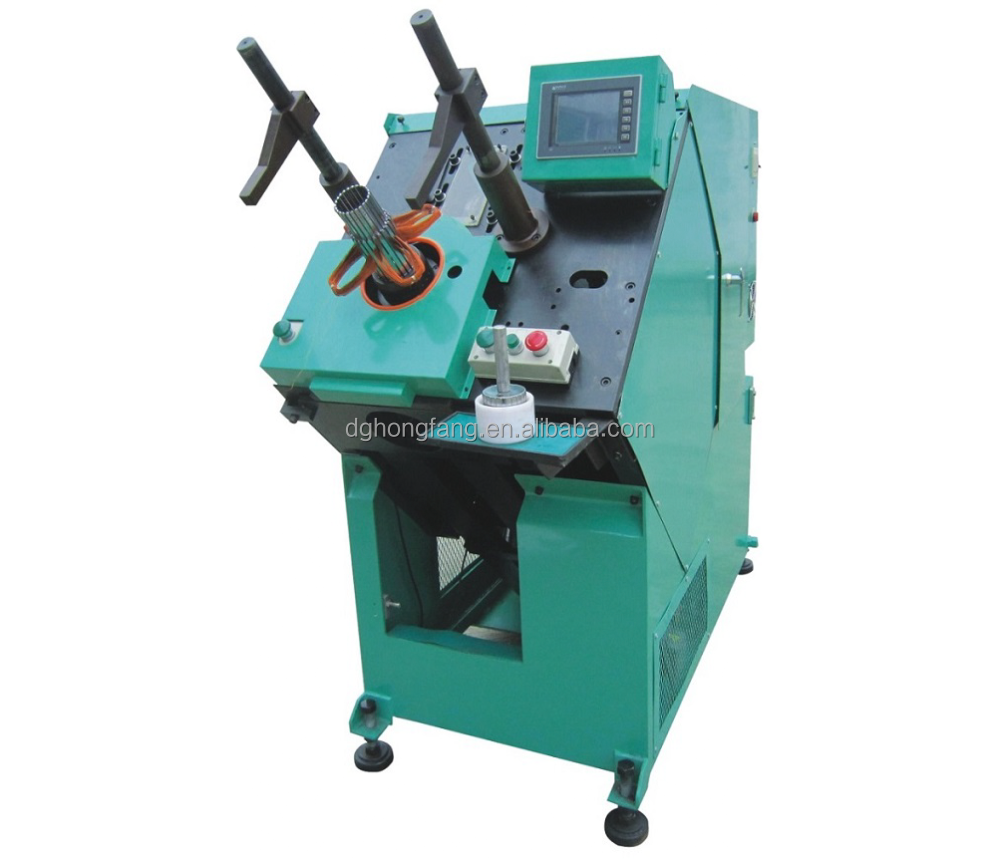
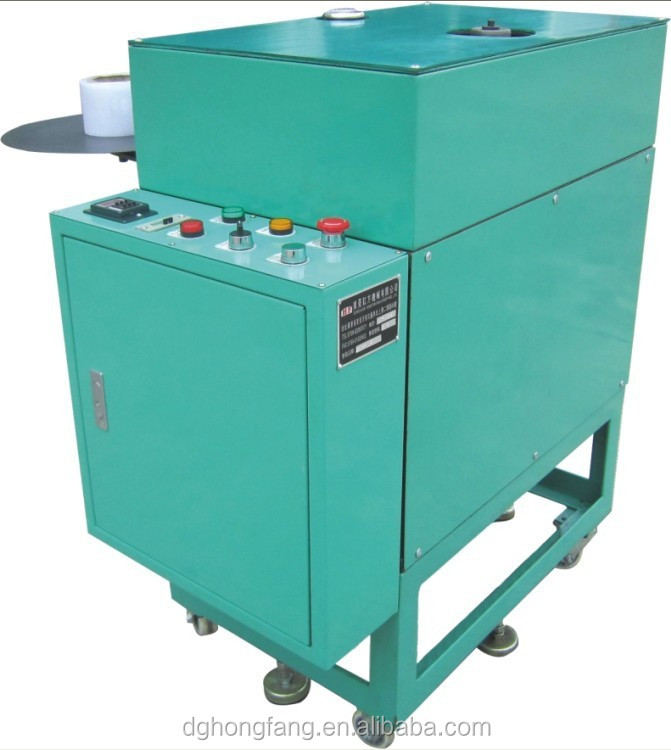
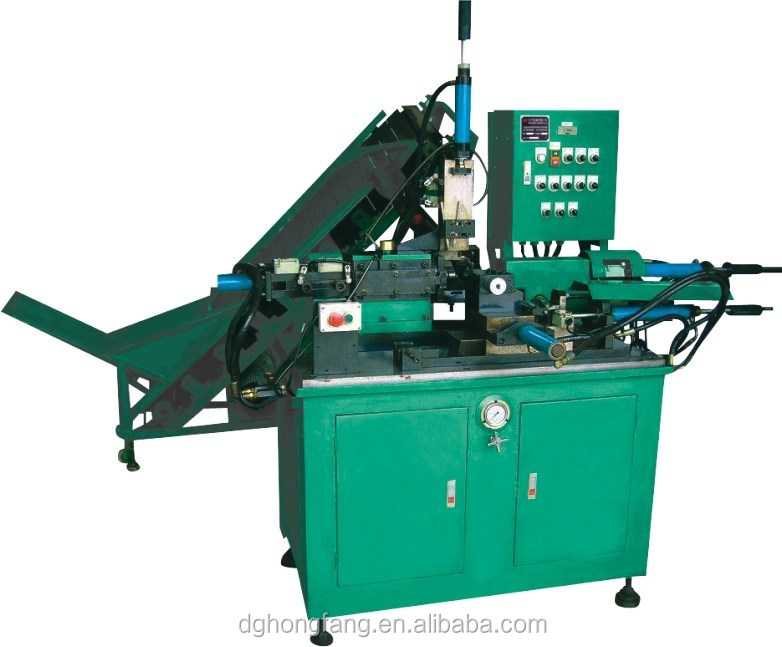
The industrial ecosystem along the Nieuwe Maas corridor—spanning from the Port of Rotterdam deep into the South Holland manufacturing belt (Schiedam, Dordrecht, Delft, and Ridderkerk)—hosts Northern Europe’s dense cluster of maritime propulsion builders, heavy offshore pump fabricators, wind turbine auxiliary suppliers, and specialized HVAC plant re-winders. In these high-vibration maritime and offshore environments, electric motors are continually subjected to severe electrodynamic forces, moisture ingress, salt spray, and extreme thermal cycling.
Manual lacing of stator coil end-windings in these applications results in unpredictable mechanical tightness, leading to premature insulation abrasion when variable frequency drives (VFDs) excite harmonic resonance frequencies. Our automated double-side servo stator coil lacing machines (such as the HF-BS20 series) ensure constant filament pre-tension, standardized stitch intervals, and diamond or continuous loop knotting. This guarantees that copper wire bundles inside induction or synchronous stators resist vibration induced displacement, completely eliminating coil head breakdown in maritime auxiliary drives, crane bow thrusters, and port container cranes.
Evaluating mechanical lacing dynamics against the operational harshness of the Dutch maritime, offshore, and industrial processing sectors.
Marine electric motors manufactured or overhauled in South Holland require maximum structural rigidity across end-turns. Automated diamond-stitch lacing restricts copper coil shift under rapid propulsion reversals and variable-frequency speed regulation aboard inland barges and North Sea cargo carriers.
Container handling facilities at Maasvlakte I and II demand continuous 24/7 reliability. Stator coils bound with servo-controlled lacing needles prevent phase-to-phase shorts induced by shock load cycles and high torque surges common in automated stacking crane motors.
The Botlek and Europoort energy corridors mandate explosion-proof (ATEX) motors. Tight, repeatable stator lacing enables uniform resin penetration during VPI (Vacuum Pressure Impregnation), preventing air pockets or partial discharge sparks inside hazardous processing atmospheres.
The Netherlands has enforced aggressive industrial decarbonization plans aligned with the EU Ecodesign Directive (Regulation EU 2019/1781), mandating minimum efficiency standards of IE3 and IE4 for standard 3-phase induction motors, with an accelerating transition toward IE5 synchronous reluctance (SynRM) and permanent magnet (PMSM) machinery.
Achieving IE4/IE5 standards requires higher slot fill factors (often exceeding 78% in premium stators). Packing dense copper windings into narrow stator lamination slots increases the vulnerability of enamel wire insulation during the insertion and binding processes. Standard manual assembly lines fail to meet the required low-deviation parameters. By sourcing high-precision automated tooling from Zunqi, Dutch motor OEMs and regional service centers secure accurate slot liner placement, damage-free coil insertion, and balanced coil-forming geometry, ensuring that every manufactured unit strictly aligns with European efficiency regulations.
Key engineering metrics illustrating why Dutch apparatus builders are converting legacy production lines to dedicated servo lacing and insertion cells.
| Critical Process Metric | Conventional Manual Assembly | Zunqi Automated Servo Workcell | Rotterdam Industry Impact |
|---|---|---|---|
| Cycle Time per Unit | 18 - 35 minutes (dependent on operator) | 35 - 75 seconds (double-side cycle) | Dramatically mitigates high Dutch labor expenditure |
| Stitching Pre-Tension Uniformity | ± 35% tension variance across coil heads | Servo regulated (± 2% precision) | Vibration dampening on offshore vessel drivetrains |
| Wedge & Slot Liner Integrity | Occasional creasing, knife-slit micro tears | Die-formed mechanical insertion | Suppresses partial discharge in inverter-duty windings |
| End-Turn Overhang Consistency | Non-uniform bulk; requires hydraulic shaping | Calibrated stroke forming prior to lacing | Guarantees clearance within compact marine motor housings |
| Component Tracing & PLC Integration | Unrecorded artisan adjustments | Siemens / Delta PLC digital parameter storage | Meets ISO 9001 and CE factory automation standards |
Located in Dongguan's advanced equipment cluster, Zunqi combines 17 years of direct machinery export expertise with flexible, tailored engineering to ensure immediate production readiness on European workshop floors.
Every lacing station, insertion wedge blade, and coil forming mold is precision-machined against your actual stator stamping blueprints and test lamination stacks. We run test windings in Dongguan and ship validated benchmark samples before machine sign-off.
We eliminate maintenance bottlenecks by offering complete electrical cabinets configured with your plant’s preferred control platforms: Siemens, Mitsubishi, Schneider, Omron, or Delta, paired with SMC or Airtac pneumatic units.
From slot paper cutting to coil insertion, intermediate forming, double-side lacing, and outer diameter rotor fine turning, all workstations are synchronized in cycle time and footprint, ensuring seamless single-operator production cells.
We utilize fumigation-free export plywood cases, internal VCI moisture barrier packaging, and structural floor anchoring, shipping directly via Shenzhen/Guangzhou ports straight to the Port of Rotterdam for convenient EU customs clearance.
Our workshop operations, assembly bays, and export capacity have undergone third-party onsite verifications. European procurement teams can independently audit our financial credit standing, video logs, and verified international client feedback.
All delivered machinery includes a comprehensive 12-month factory parts warranty, rapid-dispatch wearable components (lacing needles, cut-off blades, wire guides), and immediate digital video engineer troubleshooting.
Critical commercial, electrical, logistical, and technical answers addressing the cross-border acquisition of stator manufacturing machinery.
Yes. The standard industrial electrical supply in the Netherlands is 400V/230V ±10% at 50 Hz. We tailor every machine cabinet—including main servo drives, step-down transformers, and safety contactors—to operate stably on 3-phase 400V 50Hz or single-phase 230V 50Hz. All cables utilize CE-compliant color-coding, and earth grounding terminals are configured for European factory standards.
During the RFQ phase, our engineering desk requires your stator outer diameter (OD), inner diameter (ID), core stack height, slot configuration drawing, and wire diameter specs. Before machine assembly finishes, we recommend dispatching or authorizing a physical lamination stack sample. We fabricate customized push plates, inserting magazines, and lacing arms, execute a trial winding batch, and supply high-resolution video documentation demonstrating cycle time and knot tightness before packing.
Standard machines (such as single/double-side lacing machines and paper inserters) have a manufacturing and testing lead time of 20 to 35 working days depending on tooling complexity. Ocean container transit from Yantian/Nansha ports directly to the Port of Rotterdam averages 28 to 34 days. Air freight options are also available for urgent tooling components or compact units, landing at Schiphol (AMS) within 5 to 7 days.
Our servo double-side lacing equipment supports slot-by-slot lacing, interval-slot lacing, and programmable multi-slot skipped grouping. It handles both flat nylon/polyester lacing tape and braided cord, terminating each sequence with an automated mechanical tension lock knot that prevents unravelling during subsequent resin impregnation and high-temperature thermal curing.
Our machine MOQ is 1 set. Motor shafts, insulation materials, and spare replacement parts (needles, knives, guide tubes) can be purchased in modular bundles alongside the main equipment to maintain complete operational independence for Dutch repair workshops.
We provide a complete English technical manual, electrical schematics, and comprehensive video tutorials covering step-by-step unboxing, wire threading, parameter adjustment, and tooling swaps. In addition, our senior service team conducts dedicated live video sessions. If required, on-site commissioning by field technicians can be arranged for full multi-machine production lines across the Benelux region.
Send your stator core dimensions, stack drawings, and output requirements directly to our technical desk. Receive a comprehensive line layout, cycle-time simulation, and direct factory quotation within 9 hours.
