Verified Machinery Portfolio
Specialized Motor Stator & Rotor Processing Solutions
Direct factory engineering solutions optimized for electric motor manufacturers in Bangkok, Samut Prakan, Chonburi, and Rayong. Guaranteed structural rigidity, Siemens/Mitsubishi PLC control, and complete ISO9001 factory compliance.
17+
Years Machine Exporting
≤ 0.005mm
Spindle Runout Precision
≤ 9h
Engineering Response Time
100%
Factory Trial with Client Samples
Manufacturing Whitepaper
Precision Rotor Rough Turning Engineering & Stator Automation: Tailored for Thailand's Industrial Hubs
As the electric machinery and automotive production corridor expands across Thailand—spearheaded by the Thailand Board of Investment (BOI) incentives and the ongoing transformation of the Eastern Economic Corridor (EEC)—precision motor core manufacturing has reached a critical technological pivot point. While traditional motor assembly plants relied heavily on general-purpose manual engine lathes or semi-rigid secondary turning systems, modern production mandates dedicated, automated rotor rough turning machines capable of high-volume, rapid-stock-removal operations while holding strictly controlled radial tolerances.
In electric motor rotor fabrication, rotor rough turning operates as the defining preparatory step directly following aluminum die-casting (or rotor lamination stack assembly and shaft press-fitting). The fundamental engineering objective of rough turning is to quickly and uniformly slice off excess cast aluminum flash, eliminate rotor slot pitch skew irregularities, and turn down the outer diameter (OD) of the laminated silicon steel sheets to an exact dimension preceding the finishing lathe cycle. Achieving this cleanly without smearing the lamination edges or generating excessive thermal buildup is crucial to reducing core eddy current losses.
Technical Precision Principle: Rough turning an induction motor or BLDC rotor core is not merely a machining cut; it is an electromagnetic efficiency determinant. Excessive tool vibration, dull tool inserts, or inaccurate spindle bearings during rough turning cause micro-welding between adjacent electrical steel sheets (lamination short-circuiting), drastically inflating stray load losses and deteriorating the motor's energy rating from IE3/IE4 down to non-compliant operational levels.
1. Advanced Kinematics & Machine Architecture for Rough Rotor Turning
A standard industrial rotor rough turning machine engineered by Zunqi Intelligent Equipment Co., Ltd. incorporates heavy-duty cast iron bed bases (Meehanite grade, thermal stress-relieved via double aging processes) to withstand the continuous interrupted cutting forces inherent to turning rotors with open or semi-closed rotor slots. The key engineering modules include:
- Dual-Center Hydraulic Tailstock & Chucking: High-precision pneumatic or hydraulic clamping mechanisms that hold the motor rotor assembly directly by its shaft centers or bearing positions. This setup guarantees that the turned rotor outer diameter remains concentric with the shaft centerline within ≤ 0.012 mm during heavy cuts.
- Interrupted Cut Tooling Configuration: Specialized negative-rake carbide or ceramic inserts mounted on rigid tool blocks designed to absorb high-frequency impacts as the tool passes intermittently over electrical steel teeth and die-cast aluminum rotor bars without chipping.
- Automatic Tool Compensation & Thermal Drift Sensing: Precision linear scales and closed-loop servo feeds (X/Z axes) governed by high-performance CNC or PLC controllers that compensate dynamically for cutter wear and thermal expansion during continuous multi-shift production runs.
- Automated Pneumatic Chip Clearing & Mist Collection: Rotor roughing generates abrasive, fragmented aluminum curls and composite steel filings. Integrated high-velocity pneumatic blowers combined with industrial vacuum shrouds evacuate debris instantaneously, preventing chip entanglement around the rotating shaft.
| Performance Parameter | Standard Rotor Lathe | Zunqi High-Rigidity Roughing Lathe | Value Added for Thai Production Plants |
|---|---|---|---|
| Spindle Dynamic Runout | ≤ 0.015 mm | ≤ 0.005 mm | Minimizes air-gap deviation; prevents uneven magnetic pull (UMP). |
| Rough Turning Cycle Time | 18 – 25 sec / part | 7 – 12 sec / part | Doubles output capacity for ceiling/exhaust fan and compressor motors. |
| Lamination Edge Smearing Rate | Moderate to High | Virtually Zero (< 2%) | Preserves core insulation integrity; satisfies TISI energy efficiency standards. |
| Automation Integration | Manual Chucking | Pneumatic Auto-Feed / Robot Ready | Reduces factory operator count; supports Thailand 4.0 automation mandates. |
2. Localization Dynamics: Powering Thailand's Key Motor Sectors
In Thailand, industrial motor requirements have transitioned far beyond standard agricultural pump manufacturing. Today, the industrial demand landscape is fueled by three major industrial pillars:
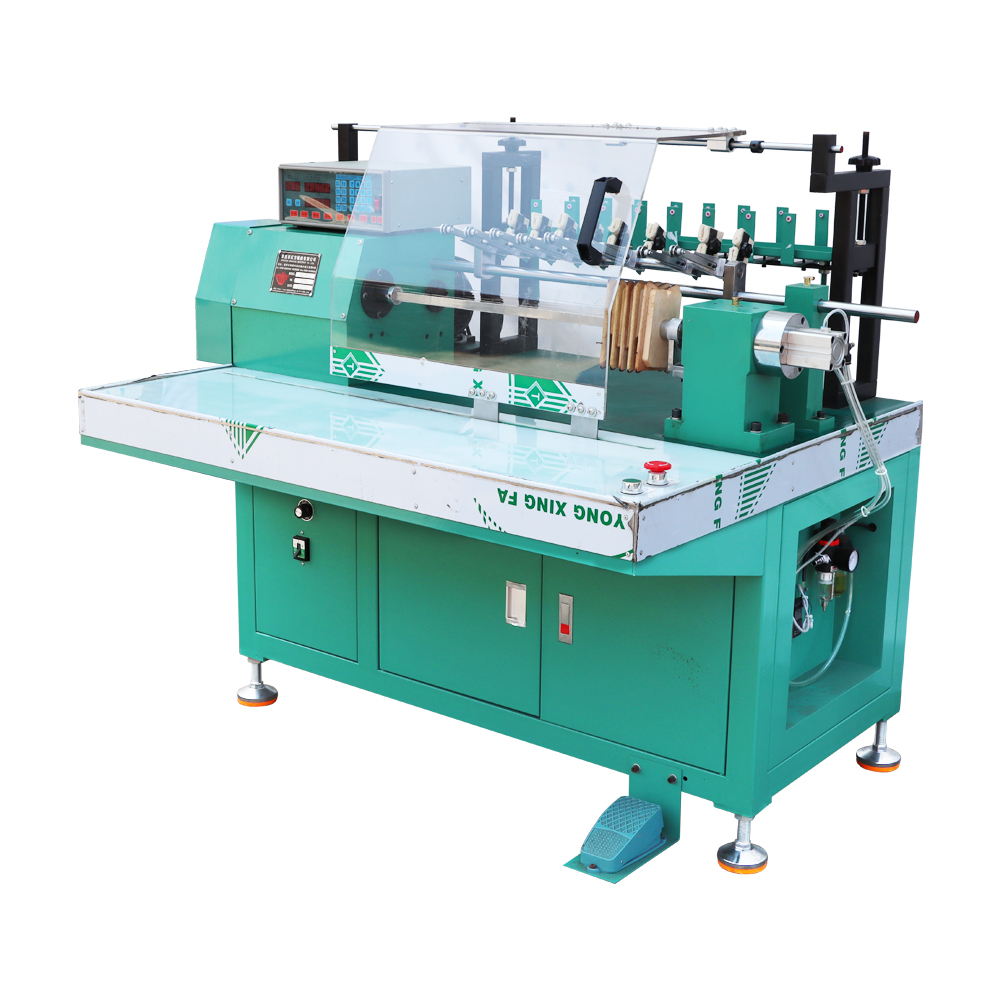
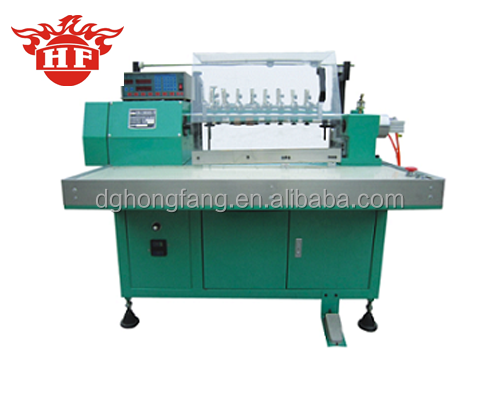
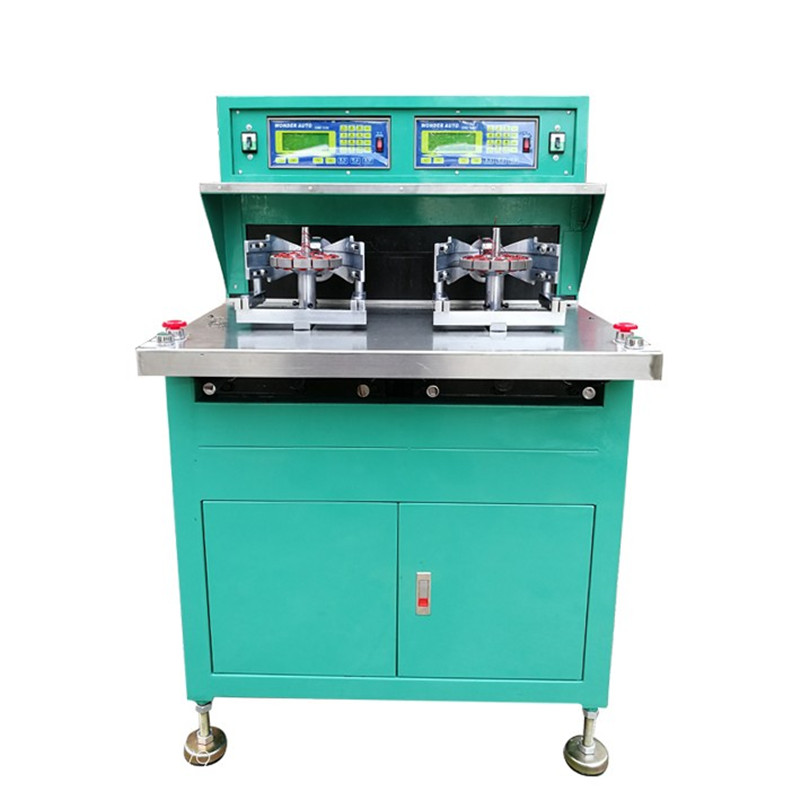
A. Household Ventilation, Ceiling Fan, and Table Fan Manufacturers (Samut Prakan, Pathum Thani, Nonthaburi): Thailand is recognized as one of the world's largest production bases for domestic and commercial electric fans. The production lines in these factories run 24 hours a day, processing hundreds of thousands of rotor cores and stators monthly. Using specialized multi-station winding equipment (such as our HF-R40-2G two-station automatic winders and single-side lacing machinery) paired with rapid rotor rough turners allows Thai manufacturers to handle aluminum and copper wire variations smoothly while keeping labor costs tightly regulated.
B. HVAC Compressor & Water Pump Assembly Plants (Chonburi & Rayong Industrial Parks): With Japanese, European, and domestic Thai HVAC leaders established in the Eastern Seaboard, strict noise, vibration, and harshness (NVH) requirements govern every single motor assembly. The rotor rough turning machine guarantees that prior to intermediate shaft grinding and fine finish cutting, the rotor outer envelope is completely cleared of die-casting residual stress. This ensures the uniform mechanical air gap necessary to eliminate high-pitch magnetic hum in split-system air conditioning units.
C. Emerging Electric Two-Wheeler (E2W) and Light EV Powertrains: With Thailand aggressively promoting green mobility incentives under the National EV Policy Committee, domestic contract manufacturers are retrofitting assembly lines for permanent magnet synchronous motors (PMSM) and brushless DC (BLDC) drives. In PMSM rotors with internal or surface-mounted magnets, structural rough turning of the outer iron core stack prior to magnet insertion guarantees structural balance at rotational speeds exceeding 8,000 RPM.
3. Strategic Technological Trends Shaping Thailand's Electric Motor Plants
Manufacturers across Southeast Asia are encountering sharp rises in raw material expenses, particularly with high-grade electrical electrical steel (silicon steel coils) and enamelled wire. The prevailing trends shaping equipment sourcing include:
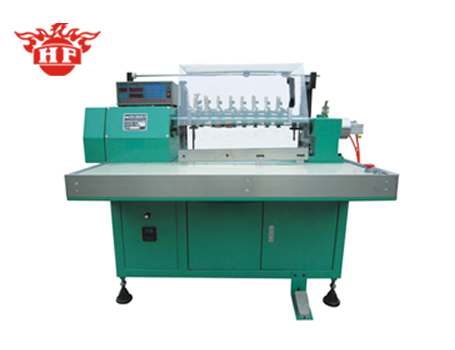
- Copper-to-Aluminum Wire Transition: Due to volatile copper prices, Thai factories are transitioning standard fan and blower stators to high-conductivity aluminum magnet wire. This switch requires winding and wedge inserting machinery with micro-tension electronic controls to prevent elongation and micro-cracking of the enamel coating—features standard across our fully automatic coiling lines.
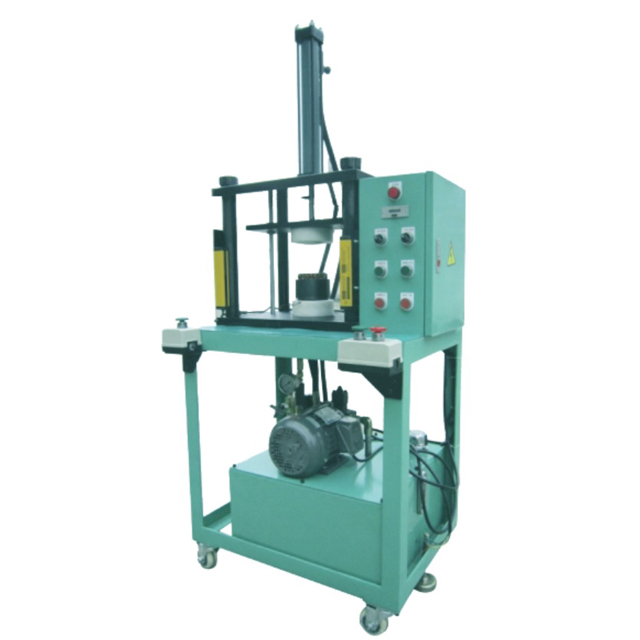
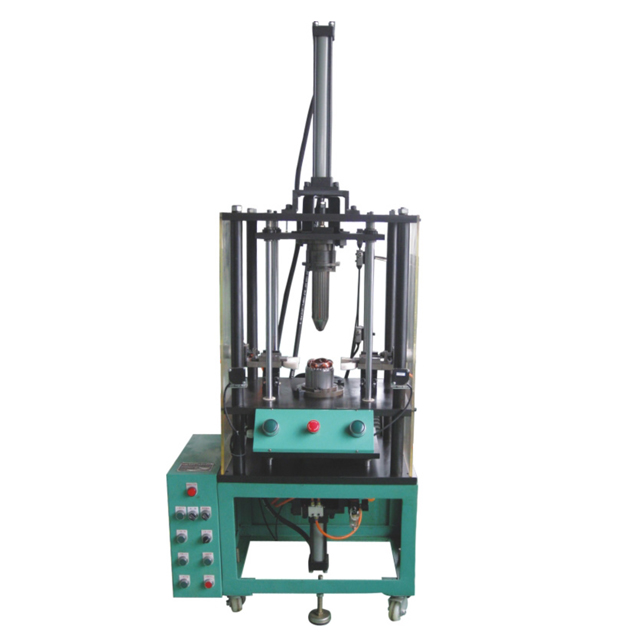
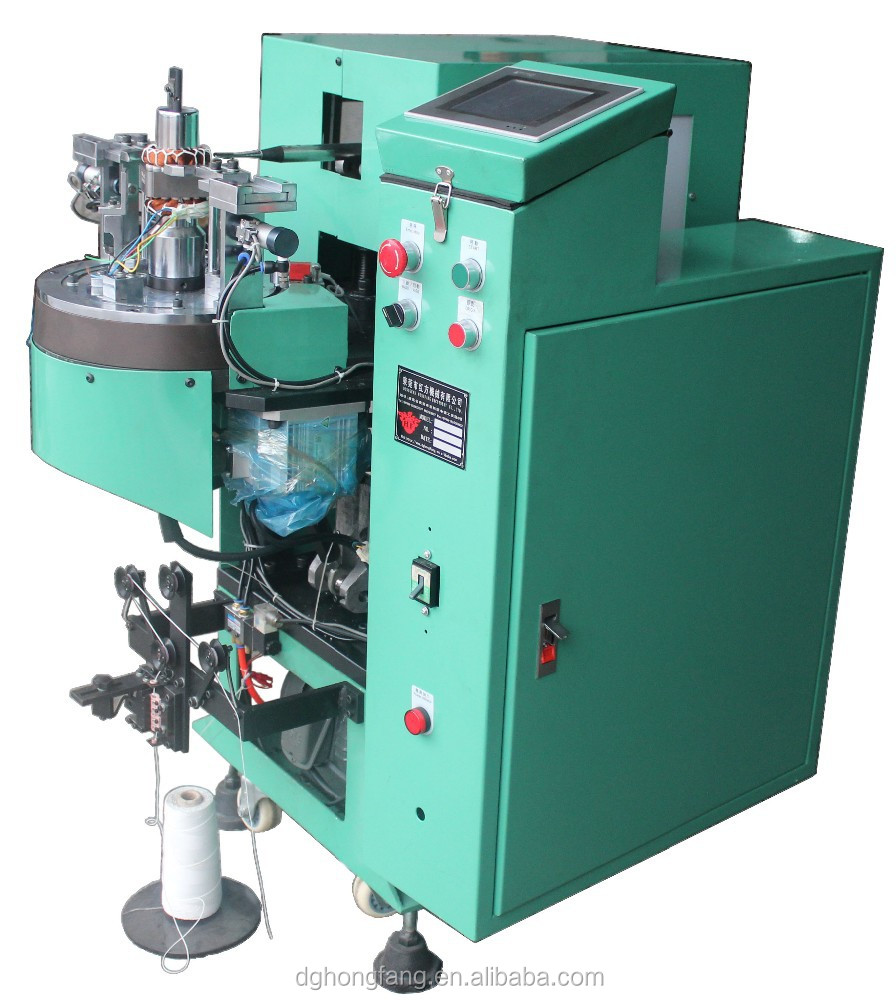
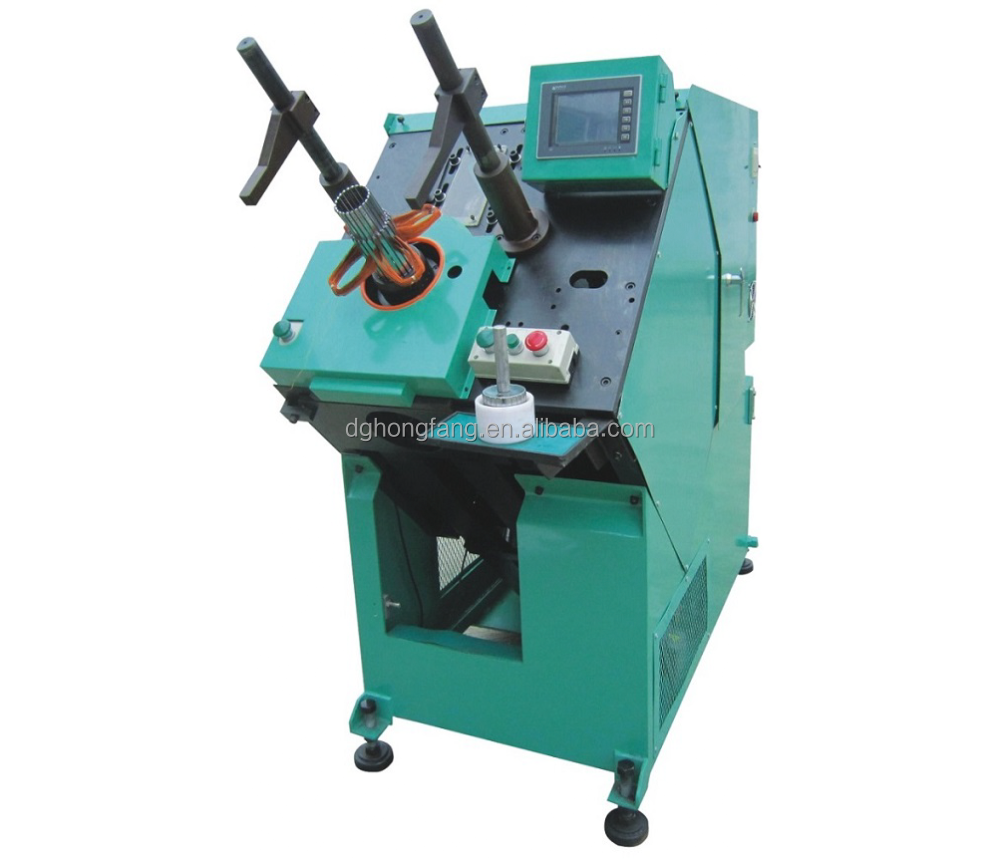
- Lean Workcell Interconnectivity: Rather than sprawling, disconnected machine layouts, EEC motor manufacturing plants require modular workcells where coil winding, slot wedge inserting, intermediate forming, double-side lacing, final shaping, and rotor rough turning form a unified synchronous manufacturing line.
- Compliance with Thai Industrial Standards Institute (TISI) Certification: TISI regulations for household motors demand rigorous minimum energy performance standards (MEPS). Minimizing rotor turning surface defects directly assists factories in achieving top-tier energy labeling ratings.
Enterprise Strengths
Why Global Motor Manufacturers Depend on Zunqi
Headquartered in Dongguan, China's premier precision manufacturing hub, Zunqi Intelligent Equipment Co., Ltd. blends 17 years of motor equipment export mastery with rapid Southeast Asian localized engineering support.
Custom Tooling to Stator & Rotor Drawing
We do not ship generic stock machines. Every single coil winding mold, inserting blade set, shaping die, and rotor turning arbor is precision CNC-machined strictly to your engineering drawings or physical sample cores.
Configurable Industrial Control Architecture
To suit maintenance preferences across Thailand's factories, we construct electrical panels utilizing industry-standard PLCs, servos, and touch panels from Mitsubishi, Siemens, Delta, Omron, SMC, or Airtac for easy local spares sourcing.
Verified Onsite Quality & Sample Testing
With verified factory audits on Alibaba.com and 17 consecutive years of global supply, every machine undergoes thorough pre-shipment trial running with real customer materials, accompanied by full-resolution functional inspection videos.
Procurement FAQs
Frequently Asked Questions by Thai Factory Directors
Practical, direct answers covering operational voltage compatibility, sea freight routing to Laem Chabang port, on-site commissioning, and tooling longevity.
Are the electrical configurations compatible with Thailand's power grid standards?
Yes. In Thailand, standard industrial low-voltage supply is 3-phase 380V at 50Hz, while light assembly equipment commonly runs on single-phase 220V at 50Hz. All our rotor turning, coil inserting, forming, and winding machines are wired, tuned, and tested at 50Hz before dispatch to eliminate motor overheating risks.
What is the delivery time and sea shipping process to Bangkok or Laem Chabang?
Standard standalone machines are built and precision-calibrated within 25 to 35 working days. Ocean freight from Shenzhen or Guangzhou ports to Bangkok Modern Terminal (BMT) or Laem Chabang Port typically takes just 4 to 7 days, allowing Thai factories to rapidly install and commission new capacity.
Can the rotor rough turning machine process both aluminum die-cast and copper bar rotors?
Absolutely. While standard tooling is configured for aluminum die-cast squirrel-cage rotors (such as ceiling fans, table fans, and hermetic compressor motors), we equip our tool blocks with specialized PCD/CBN or heavy-grade coated carbide inserts configured for turning fabricated copper cage rotors.
How does Zunqi provide technical training and post-warranty service in Thailand?
Every machine package is supplied with step-by-step video operations manuals in clear English, along with electrical schematics and parameter setting files. For line installations, our senior service engineers provide real-time video guidance, and on-site commissioning visits across Chonburi, Rayong, and Bangkok can be coordinated upon request.
Consult with an Industrial Motor Machine Engineer Today
Send your motor stator or rotor blueprints, desired cycle times, and target production volume to our Dongguan engineering office. Receive tailored tooling designs, layout recommendations, and a formal commercial quotation within 9 hours.
