Featured Automation Equipment for Tartu Machinery Builders
Explore our verified industrial machinery designed for fractional horsepower, BLDC, brushless servo, pump, and ventilation motors. From inner slot needle winders to full coil-and-wedge insertion cells.
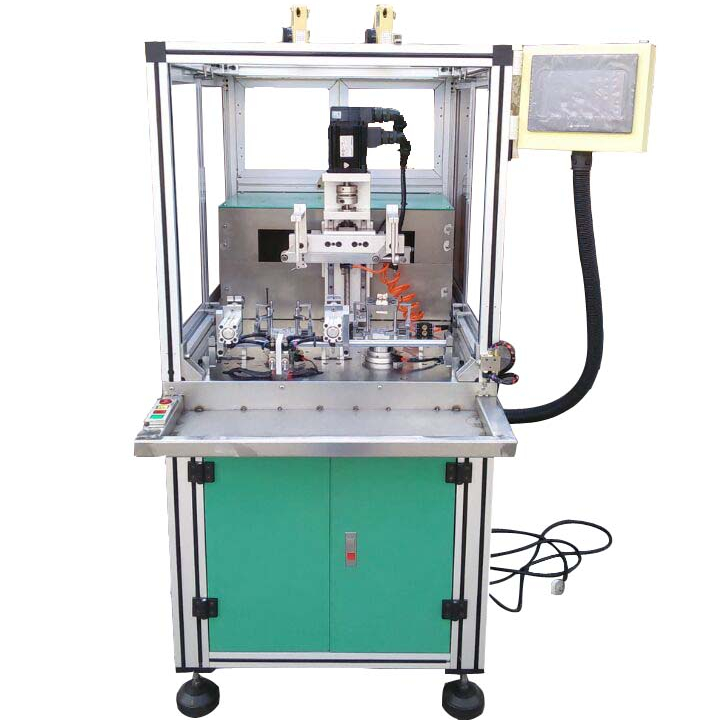
Two Stations Transformer Coil Winding Machine Motor Coil Winding Machine 2 Station Outer Stator Winding Machine
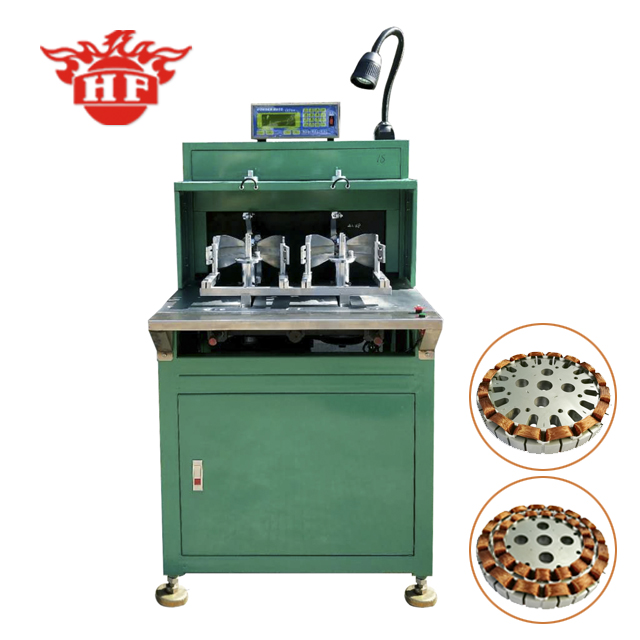
Automatic Ceiling Fan Winding Machine Two Station Ceiling Fan Station Winding Machine
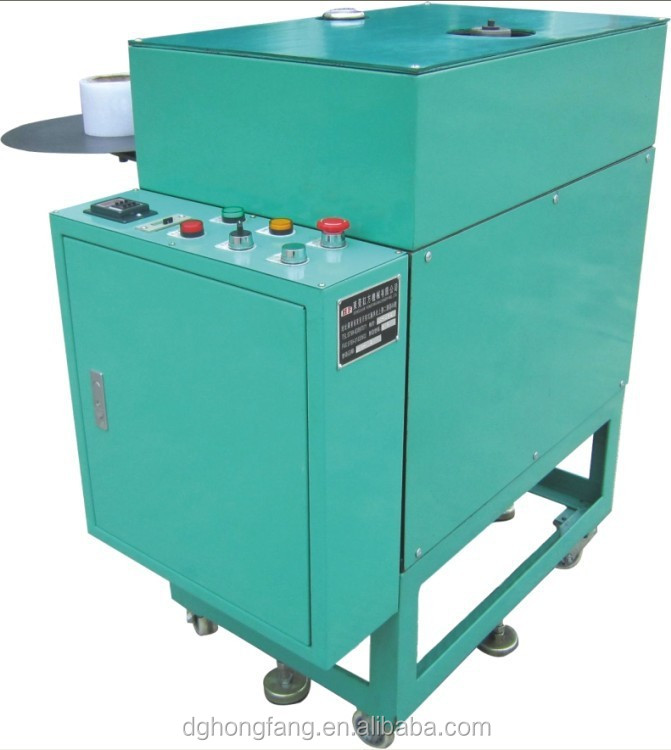
New Slot Paper Inserting Cutting Machine Table Fan Pump Cooler Motor Insulation Paper Gear Components
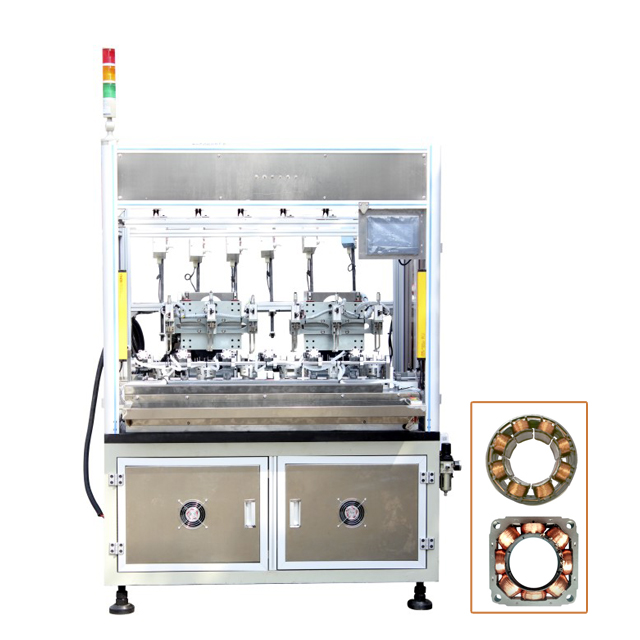
HF-LO2-6G Six Stations Internal Winding Machine with PLC and Engine Inner Stator
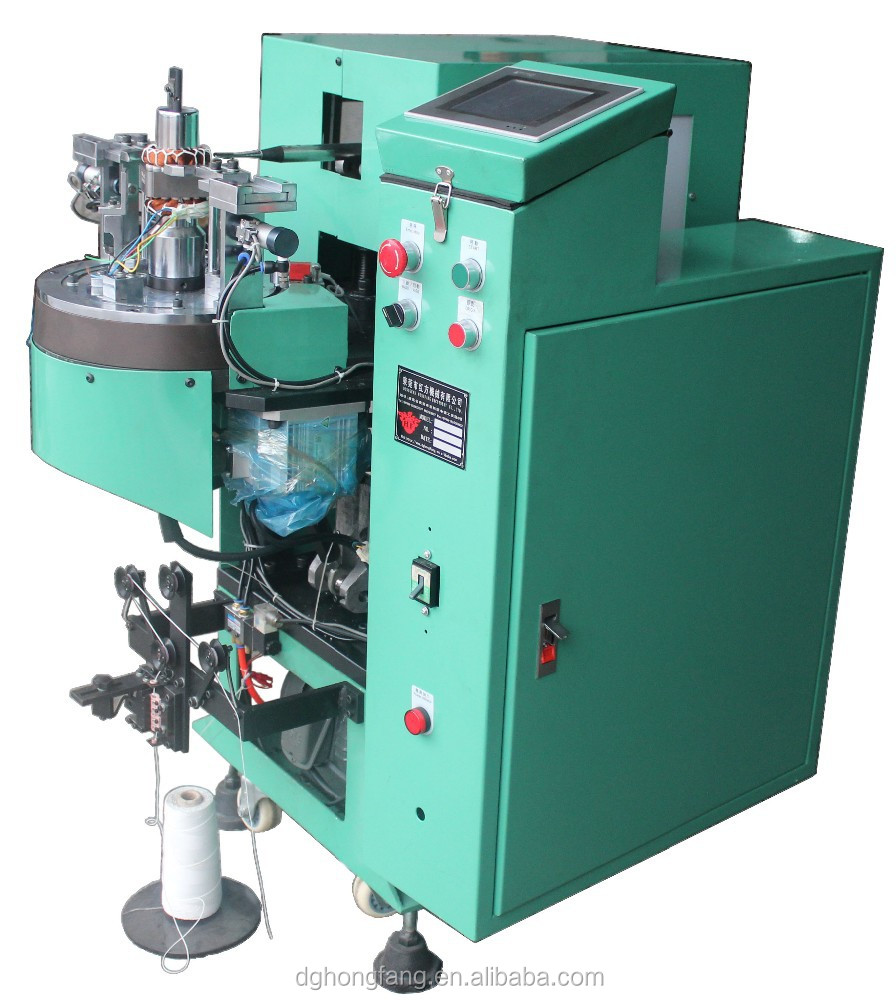
HF Single Side Lacing Machine for Table Fan Motor Stator Coil 1000W 380V/220V
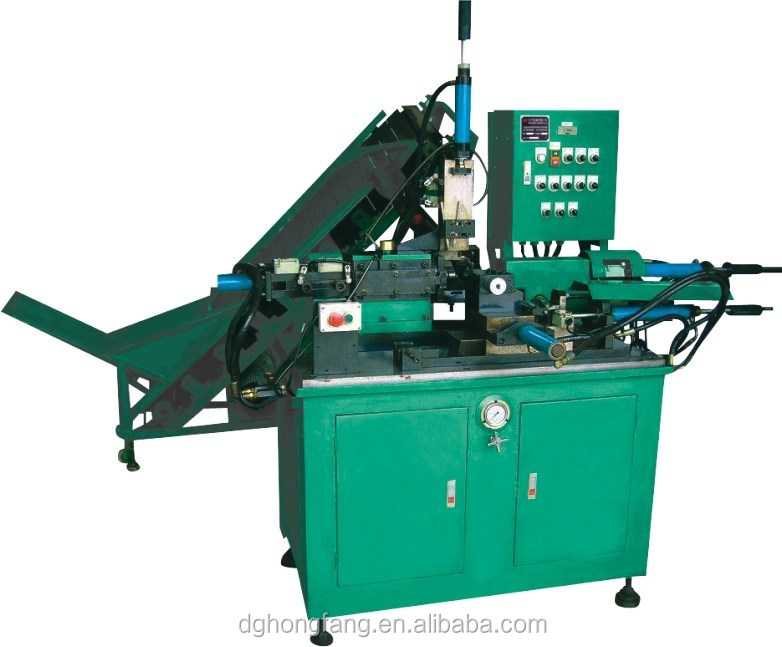
Automatic Rotor Fine Turning & Surface Cutting Machine HF-C60 with PLC Motor Pump
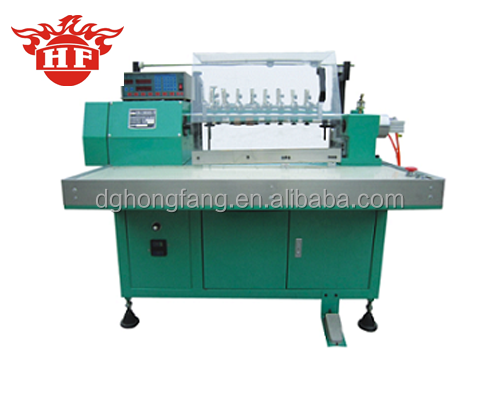
New Fully Automatic Motor Coil Winding Machine High Quality Coil Maker for Manufacturing Plant
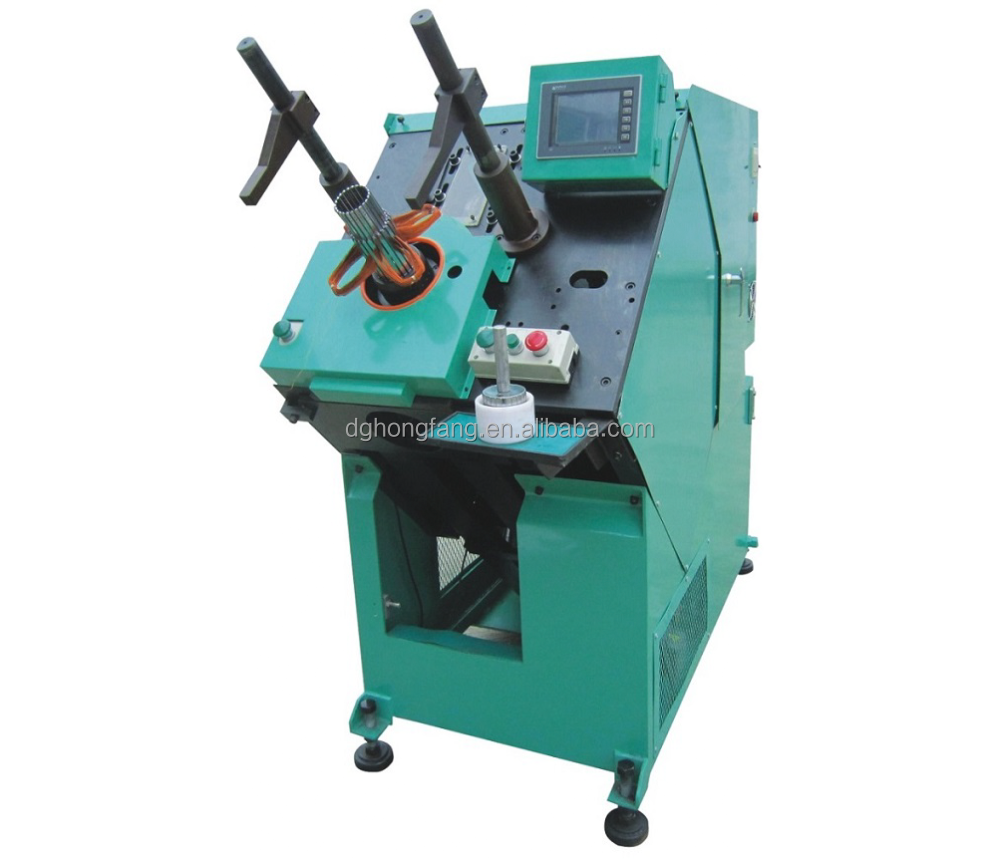
Automatic Servo System Stator Coil and Wedge Inserting Machine
Engineering Whitepaper: Advanced Kinematics of Internal Stator Coil Winding for Precision Electromagnetic Motors
In modern electromagnetic motor design, achieving maximum torque density, minimized cogging, and superior thermal conductivity starts with slot-fill optimization in the stator core. As the academic and deep-tech center of Estonia, Tartu is rapidly emerging as a northern European cradle for smart mechatronics, university-backed robotics spin-offs, and energy-efficient motor prototypes. However, scaling laboratory electromechanical prototypes into reliable commercial production lines requires an uncompromising standard of internal stator winding automation.
Technical Core Criterion: Unlike external flyer winding for conventional stators, internal winding (inner stator slot winding) requires the winding needle or flyer arm to operate inside an intensely restricted inner bore (frequently between 20 mm and 120 mm). The mechanical needle must execute precise 3-axis (X-Y-Z) or 4-axis interpolated trajectory motions—rapidly reciprocating down through tight slot openings while simultaneously performing angular lamination indexing without grazing the slot insulation edge or scraping the enameled copper wire.
1. Needle Winding Kinematics vs. Flyer Winding for Inner Stator Cores
Internal stator winding is technically classified into two core methodologies: multi-axis servo needle winding and specialized internal flyer arm winding. For fractional horsepower (FHP) BLDC motors, stepper motors, and precision servo drives common in Tartu’s clean-tech and automation sectors, servo needle winding represents the definitive engineering choice:
- Precision Needle Guiding: The enameled copper wire passes through a tungsten carbide or diamond-polished ceramic nozzle. The CNC-controlled needle navigates down through the narrow slot opening, loops around the tooth tip at the lower coil end, returns upward through the adjacent slot, and completes the upper end-turn loop.
- Dynamic Closed-Loop Tensioning: High acceleration and sudden directional changes subject the magnet wire to severe peak tensions. Our internal stator winding machines incorporate magnetic or closed-loop electronic servo tension controllers that preserve copper elongation below 1.5%, preventing micro-cracking of the dielectric enamel insulation layer.
- Multi-Station High Throughput: Models such as our HF-LO2-6G Six Stations Internal Winding Machine harness simultaneous multi-spindle synchronized drives, enabling six stator cores to be wound concurrently with perfectly identical electrical parameters and turn counts.
2. Precision Parameters Benchmark: Internal Winding Architecture
| Kinematic Parameter | Standard Flyer Machine | Zunqi 6-Station Servo Internal Winder | Impact on Tartu Production Operations |
|---|---|---|---|
| Usable Stator Bore (ID) | ≥ 50 mm | Down to 18 mm (Custom Tooling) | Facilitates micro-drives, AGV hub motors & surgical robotics |
| Slot Fill Factor | 35% – 42% | Up to 58% (Orthocyclic Winding) | Higher copper mass, lower copper losses (I²R), superior thermal dissipation |
| Tension Stability | Mechanical Friction (±15%) | Servo Closed-Loop Tensioner (±1.5%) | Zero enamel peeling, prevents partial discharge and inter-turn short circuits |
| Wire Range Compatibility | 0.20 mm – 0.85 mm | 0.08 mm – 1.40 mm | Handles sensitive high-turn sensors or high-current low-voltage EV motors |
| Indexing Repeatability | ±0.1° via stepper | ±0.01° via Absolute Rotary Servo | Accurate layer layering, zero wire overlapping or jamming in narrow slots |
3. Mitigating Electrical Faults in Automated Motor Assembly
In high-efficiency industrial ventilation and variable-frequency driven (VFD) motors, phase-to-phase and turn-to-turn dielectric breakdown account for over 65% of field failures. These defects are almost exclusively introduced during the mechanical manufacturing phase. When slot cell insulation paper is poorly cut or improperly creased by inferior manual methods, the needle or inserting blade shears the paper lip, exposing raw laminated silicon steel.
Our comprehensive production ecosystem synchronizes the Slot Insulation Paper Inserting Machine, the HF-LO2-6G Internal Winder, and the Automatic Servo Stator Coil & Wedge Inserter. Insulation paper edges are folded into protective cuffs with uniform millimeter accuracy before automatic insertion. Following winding, the stator immediately transitions to intermediate forming and our HF-BS20 Servo Double-Side Lacing Machine, binding end-turns into rigid, vibration-resistant profiles that easily pass 2.5 kV hipot breakdown testing.
Targeted Industrial Applications Across Tartu & South Estonia
From the incubators at Tartu Science Park to expanding automotive components and industrial HVAC plants in Tartumaa, our internal stator winding technology matches specific regional applications.
Autonomous Systems & Robotics Hubs
Tartu is recognized across Northern Europe for its groundbreaking autonomous delivery robots and mobile robotics research. Compact BLDC inner stators with high torque-to-weight ratios are wound on our machines with micrometer precision for in-wheel direct-drive motors.
Eco-Friendly HVAC & Heat Pump BLDC Motors
In response to stringent Nordic building codes and EU energy standards, South Estonian ventilation manufacturers are upgrading to ultra-efficient electronically commutated (EC) and permanent magnet synchronous motors (PMSM), built with high slot-fill stators.
Precision Medical & Laboratory Actuators
Stemming from the University of Tartu’s biotechnology and hardware tech clusters, custom analytical instruments and fluid peristaltic pumps require miniature multi-pole stators manufactured with faultless insulation and balanced phase resistance.
E-Mobility & Light Electric Vehicles (LEV)
South Estonia’s growing ecosystem of micro-mobility developers (cargo e-bikes, urban utility vehicles) rely on outer-rotor hub motors wound on our specialized two-station and multi-station winding equipment to achieve high start-up torque.
High-Precision Rotor Machining
Paired with our HF-C60 automatic fine turning and surface cutting unit, motor shops in Tartu can achieve exact air gaps between rotor OD and stator ID, radically reducing acoustic noise and vibration in consumer home appliances.
Industrial Fluid Pumps & Compressors
Heavy-duty centrifugal pump motors require thick copper wire and rigorous slot packing. Our automatic servo coil and wedge inserting machines insert both coils and tough synthetic insulation wedges in a single, high-yield stroke.
Macro Industrial Trends Shaping Motor Production in Estonia & Scandinavia
The manufacturing sector in Tartu and the broader Baltic region is experiencing a transformative shift defined by three distinct macro trends:
1. Transition from Manual Sub-Assembly to Industry 4.0 Traceability: Rising labor costs in Estonia have made manual motor winding economically non-viable. Manufacturers demand automated cells equipped with Ethernet/IP, Profinet, or Modbus TCP interfaces capable of transmitting operational metrics, cycle times, wire tension logs, and fault diagnostic records directly to local MES (Manufacturing Execution Systems).
2. Strict EU EcoDesign Directives (IE4 & IE5 Efficiency Classes): Under European Regulation (EU) 2019/1781, electric induction and synchronous motors sold within the Single Market face aggressive efficiency thresholds. Achieving Super Premium (IE4) and Ultra-Premium (IE5) efficiency without dramatically increasing the frame size requires ultra-compact end-turns and high slot fill factors—outcomes achievable only through precision CNC needle winding and automated 3D coil forming.
3. Nearshoring and Rapid Customization: Scandinavian and German tier-1 supply chains are increasingly nearshoring motor and mechatronics sourcing to Estonia to ensure agility. This necessitates production lines with rapid tooling changeover times (under 30 minutes) capable of handling small-to-medium batch runs with high product variance.
Manufacturing Authority & Engineering Edge
With headquarters in Dongguan, China—the world’s foremost hardware and manufacturing epicenter—Zunqi Intelligent Equipment Co., Ltd. bridges high-performance automated machine building with tailored European delivery standards.
17+ Years Specialized Export Track Record
We have dedicated nearly two decades exclusively to motor stator and rotor automation equipment. Our machinery operates reliably in demanding production facilities across Europe, North America, and East Asia, fully audited onsite on Alibaba.com.
100% Customized Tooling to Your Drawing
We do not supply off-the-shelf, mismatched machines. Our design team engineers the needle guides, forming dies, inserting blades, and clamping fixtures directly against your CAD stator drawings (.STP / .DXF) or physical laminated core samples.
Full-Line Cohesive Compatibility
From slot paper cutting and creasing, internal/external winding, coil inserting, to intermediate/final forming, lacing, rotor turning, and shaft hydraulic pressing—we supply the entire process chain. No finger-pointing between multiple machine vendors.
Global Industrial Control Architecture
We integrate world-renowned PLC, servo, and pneumatic components that your maintenance team in Tartu already understands and stocks: Siemens, Mitsubishi, Panasonic, Schneider, Omron, Delta, Yaskawa, Inovance, SMC, and Airtac.
Rigorous Pre-Shipment Trial Run (FAT)
Before packaging, your actual stator samples and wire reels are tested on your machine in our workshop. We record comprehensive high-resolution video proof demonstrating cycle time, tension stability, winding appearance, and hipot safety.
Unconditional 1-Year Warranty & Spares
Every piece of equipment is backed by an comprehensive 12-month warranty, direct remote video engineering assistance (response time ≤9 hours), and guaranteed lifetime supply of precision wearing parts, needles, and replacement tooling sets.
Frequently Asked Questions for Tartu & Baltic Engineers
Practical answers addressing logistics, European electrical compliance, sample trials, and after-sales field support.
