Featured Fan Stator & Rotor Automation Lines
Factory-direct automation equipment engineered for ceiling fan, exhaust, cooler, and BLDC motor manufacturing plants in Daejeon and greater Chungcheong industrial hubs.
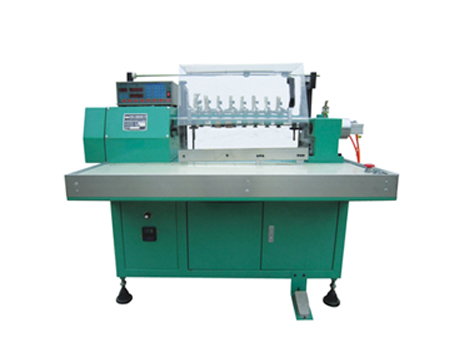
Electrical Motor Stator Coil Winding Machine for Cooler Motor
High-speed precision winder optimized for cooler and residential ventilation fan motors with continuous variable tension control.
- Wire Diameter: 0.12 - 1.2 mm
- PLC & Color Touch HMI
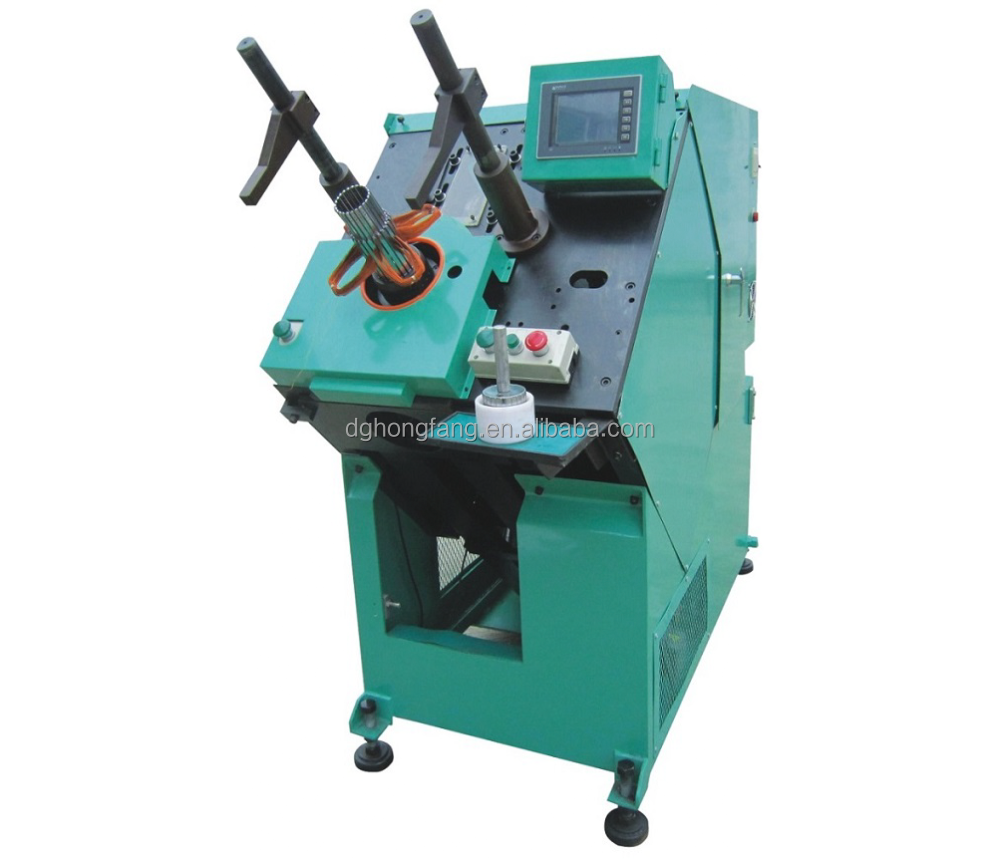
Coil & Wedge Paper Inserting Machine
Simultaneously pushes pre-formed coil groups and insulation slot wedges into fan stators in a single synchronized stroke.
- Customized Stator ID/OD Tooling
- Zero Enamel Scuffing Guarantee
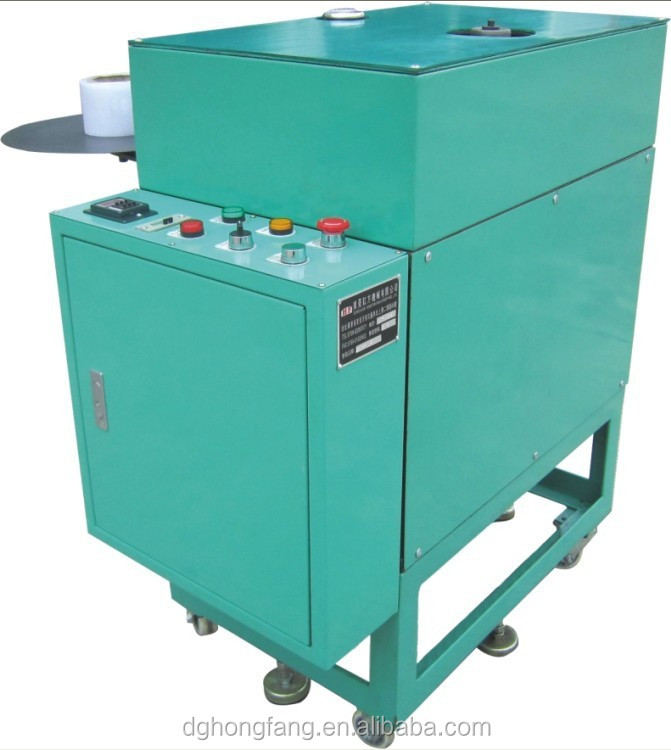
HONGFANG HF-D50 Green Insulation Paper Insertion Machine
220V 1000W automatic slot insulation machine for cooler and ceiling fan motor stators with integrated feed, crease, and shear.
- Speed: 0.5 - 0.8s / slot
- 1 Year Warranty Onsite Support
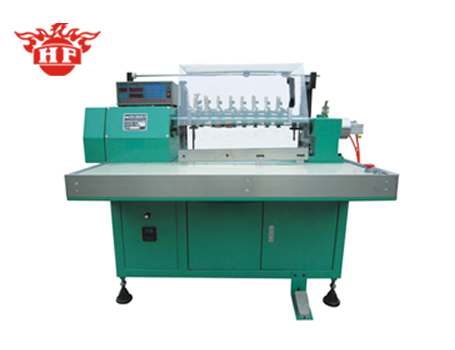
Fully Automatic Fan Motor Coil Winding Machine
Engineered for ceiling fan stators, handling both copper and aluminum magnet wires with automated indexing and trimming.
- High Slot-Fill Ratio Indexing
- Dual Flying-Fork Head System
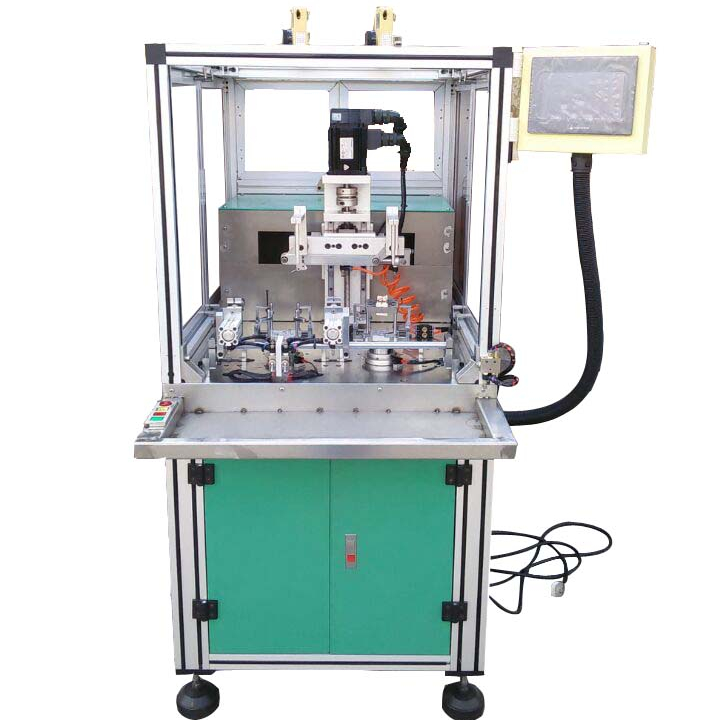
Hot Sale Armature Winding Machine for Fan Motor
High-precision armature and universal motor rotor coil winder equipped with servo flyer drive and dynamic tensioner.
- Winding Speed: up to 3000 rpm
- Auto Commutator Hooking
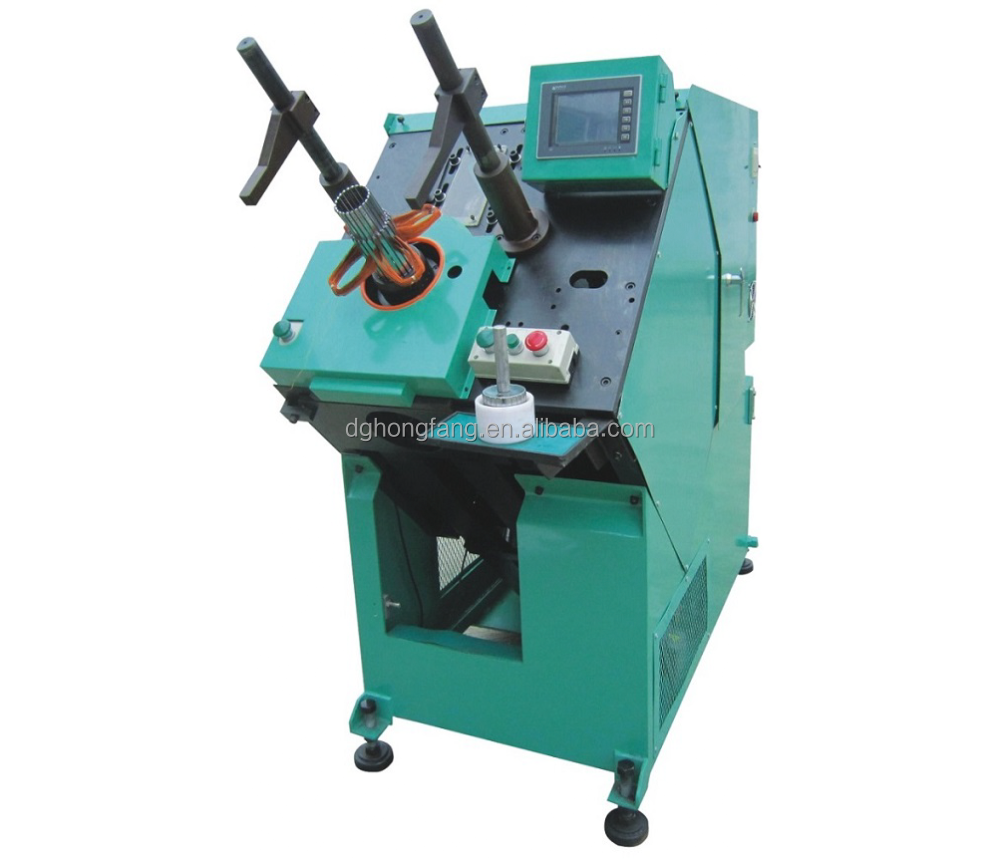
Automatic Stator Wedge Paper and Coil Inserting Machine
Hardened gear-driven insertion mechanism designed for multi-pole ceiling fan stator stacks up to 160mm external diameter.
- Stack Height: 10 - 70 mm
- Mitsubisi/Delta PLC Platform
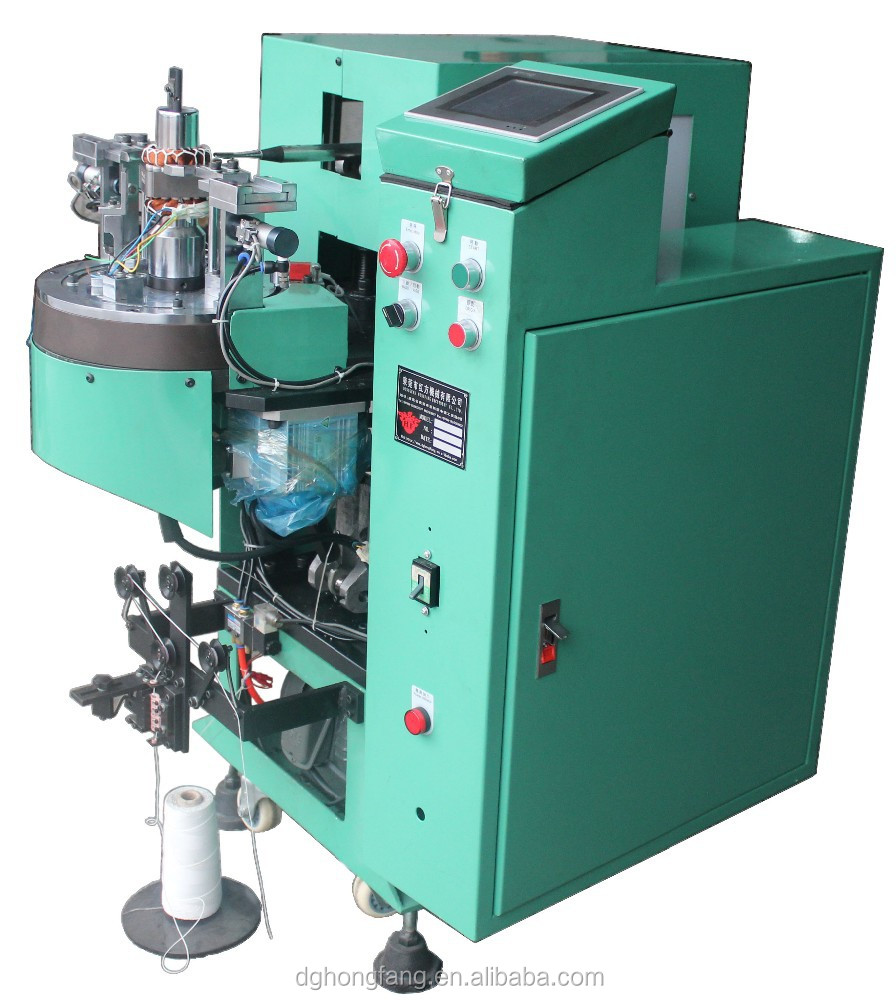
HF Single Side Lacing Machine for Fan Motor Stator Coil
1000W 380V/220V dual-voltage configuration tying needle head that binds end overhangs securely to resist vibrational harmonic resonance.
- Variable Pitch & Slot Skipping
- Tight Mechanical Knotting
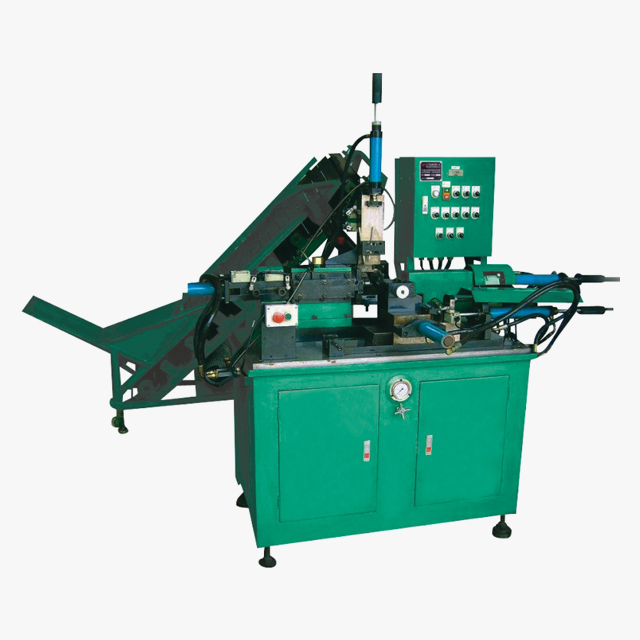
Fan Motor Rotor Rough Turning & Surface Cutting Machine
Precision rotor lathe ensuring strict concentricity, minimal air gap variation, and smooth outer lamination surface cutting.
- Runout Tolerance: ≤ 0.005 mm
- Core Component Warranty: 1 Yr
Deploying Fan Winding Automation in Daejeon Industrial Base
Bridging the gap between Daedeok Science Valley's advanced electro-magnetic R&D and high-volume HVAC production across the Daejeon-Chungcheong industrial corridor.
High-Efficiency BLDC Fan Stators
Daejeon ventilation manufacturers are migrating rapidly from single-phase PSC motors to brushless DC (BLDC) architectures. Our needle winding and internal multi-pole winder systems achieve higher copper slot fill ratios (>68%), meeting South Korea’s rigorous MEPS (Minimum Energy Performance Standards).
Industrial Cleanroom Air Circulation
Serving semiconductor and secondary battery fabrication plants throughout neighboring Ochang and Cheongju, ceiling-mounted Fan Filter Units (FFU) require continuous S1 duty-cycle stability. Our balanced winding systems eliminate micro-vibrations and electromagnetic cogging torque.
Heavy-Duty HVLS Commercial Fans
High-Volume Low-Speed (HVLS) ceiling fans deployed in Daejeon logistics hubs require large stator outer diameters (up to 250mm). Our multi-station custom tooling provides rigid wire tension feedback to prevent loose coil overhangs and insulation friction burnouts.
Fan Motor Line Configuration Benchmark
Standard parameters recommended for manufacturing operations in Daejeon upgrading from manual assembly to semi-automatic and fully automated stator lines.
| Operation Stage | Recommended Machine Model | Target Output / Tact Time | Applicable Core Range (OD / Stack) | Automation Grade |
|---|---|---|---|---|
| 1. Slot Lining | HONGFANG HF-D50 Inserter | 0.5 – 0.8 sec / slot | OD 30 – 160 mm / Stack 8 – 80 mm | Fully Automatic (Continuous Feed) |
| 2. Coil Winding | HF-R40-2C Dual-Station Winder | 2 stators / 40 – 65 sec | OD 40 – 140 mm / Wire 0.12 – 0.65 mm | Multi-axis CNC Flying Fork |
| 3. Coil & Wedge Insert | Automatic Wedge-Coil Inserter | 18 – 28 sec / stator | Slot Depth 8 – 35 mm | Servo Hydro-Mechanical Transfer |
| 4. End-Turn Forming | Multi-Direction Coil Former | 10 – 14 sec / unit | Expansion clearance ± 0.25 mm | Hydraulic / Pneumatic Dual Mode |
| 5. End Coil Lacing | HF-BS20 Double-Side Lacer | 12 – 16 sec / stator | Stack Height 10 – 90 mm | Dual Servo Synchronous Stitching |
| 6. Rotor OD Finishing | HF-C60 Surface Cutting Lathe | 22 – 35 sec / rotor | OD 20 – 120 mm / TIR ≤ 0.005 mm | Semi-Auto Auto-Clamp Lathe |
Technological Transformation in Daejeon Motor Plants
Key production shifts shaping equipment sourcing decisions for South Korean ceiling fan and motor assembly plants through 2026 and beyond.
1. Shift from AC Induction to Outer-Rotor BLDC
Due to national decarbonization goals, household fan factories in Chungcheong province are phasing out shaded-pole and PSC stators. Outer-rotor BLDC structures deliver up to 55% energy savings, driving local procurement of multi-pole needle winders capable of multi-strand winding without overlapping crossovers.
2. Factory Automation & Labor Optimization
With rising labor costs in South Korea's central industrial districts, plants are replacing stand-alone manual winders with linked semi-automatic cells. Combining slot paper insertion, coil inserting, and dual-side lacing reduces line staffing from 14 operators down to 2 oversight technicians.
3. Strict NVH (Noise, Vibration, Harshness) Criteria
In premium Korean domestic and export markets, ceiling fans operate under strict acoustic standards (≤ 32 dB). Stator coils must be winded with closed-loop electronic tension control and laced uniformly to eliminate coil micro-movement and current-induced hum under inverter control.
Enterprise Strengths & Engineering Assurance
Over 17 years exporting motor manufacturing machines directly from our specialized factory base to automated workshops worldwide.
Custom Tooling to Stator Drawings
Every coil winder and insertion fixture is precision-machined to your exact lamination stamping drawings and physical core samples.
Tier-1 Industrial Components
We standardize on Mitsubishi, Delta, Siemens PLCs, and SMC/Airtac pneumatics, ensuring seamless spare part availability across South Korea.
Pre-Shipment Sample Trial
We conduct full pilot runs using your designated copper wire and stator laminations, delivering complete validation video proof before export.
≤ 9h Engineering Support
Dedicated bilingual technical support, 1-year machinery warranty, remote PLC diagnostics, and guaranteed wear-part availability.
Frequently Asked Questions by Korean Motor Engineers
Critical considerations regarding electrical standards, tooling changeover, customs clearance, and long-term operating support in Daejeon.
Can the machines operate on Korean 220V 60Hz and 380V 3-Phase power grids?
Yes. While export machines standardly support 50Hz, our electrical control panels and servo drives for South Korean delivery are natively wired and tested for 220V 1-phase 60Hz or 380V/440V 3-phase 60Hz configurations to prevent frequency-induced drive overheating.
How fast can our operators execute tooling changeover between different fan models?
With our quick-clamp modular fixtures, skilled setup operators can perform a complete stack height and slot changeover on winding and insertion machines within 20 to 35 minutes, minimizing idle time in flexible batch production runs.
What is the lead time and sea freight route to Daejeon/Busan/Incheon?
Standard equipment typically ships within 25 to 35 working days post drawing approval. Sea transit from Shenzhen/Guangzhou ports to Busan Port or Incheon takes approximately 3 to 5 days, followed by straightforward bonded customs clearance to Daejeon manufacturing sites.
How do you guarantee wire insulation integrity during high-speed winding?
Our winding flyers and wire guiding conduits utilize mirror-polished, diamond-grade tungsten carbide and ceramic guide rings. Combined with closed-loop magnetic powder or pneumatic tensioning, the enamel coating of 0.12 - 1.2mm wire remains completely scuff-free.
Can we order custom tooling for experimental BLDC prototypes?
Yes. We regularly cooperate with R&D engineering divisions to machine bespoke winding heads, coil former mandrels, and prototype stator nesting blocks directly from STEP or DWG files, accommodating non-standard slot configurations.
What wearing parts and maintenance kits are supplied with the machine?
Every export crate includes a dedicated toolbox containing spare winding needles, trimming blades, lacing needles, pushing strips, timing belts, and common proximity sensors to ensure uninterrupted manufacturing during the first 24 months of operation.
Request Technical Quotation & Stator Line Evaluation
Send your stator outer/inner diameter, stack height, wire gauge, and target takt time. Our senior mechanical application engineers will furnish a comprehensive project proposal, cycle-time simulation, and tooling analysis within 9 hours.
Inquire Now