Featured Fan Motor Manufacturing & Stator Assembly Line Solutions
Each machine is built in our Dongguan facility, calibrated with industrial PLC interfaces, and fully tooled according to custom lamination stacks for Dutch HVAC and residential fan fabricators.
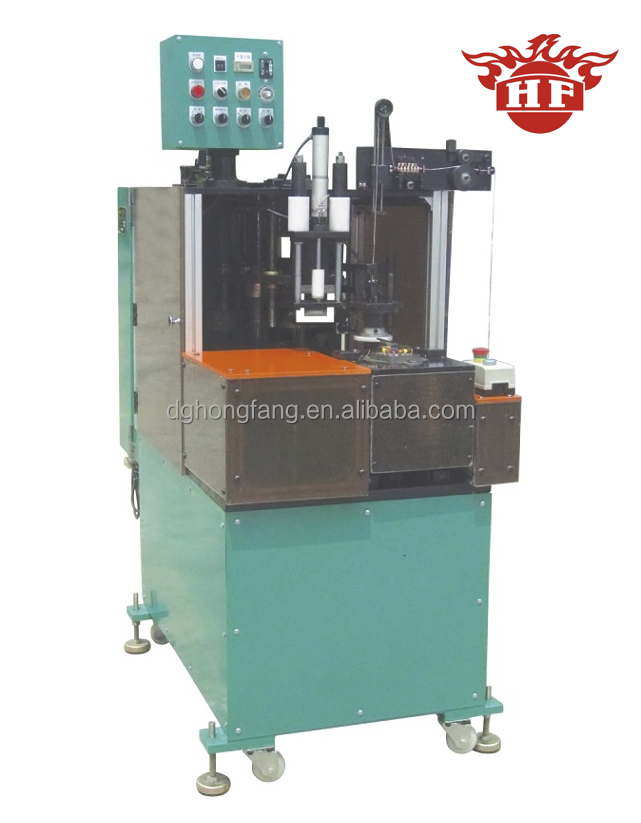
HF-BS20 Servo Double Side Coil Lacing Machine
- Dual-end lacing in single cycle
- 1000W / 220V single-phase drive
- Vibration-resistant stator binding
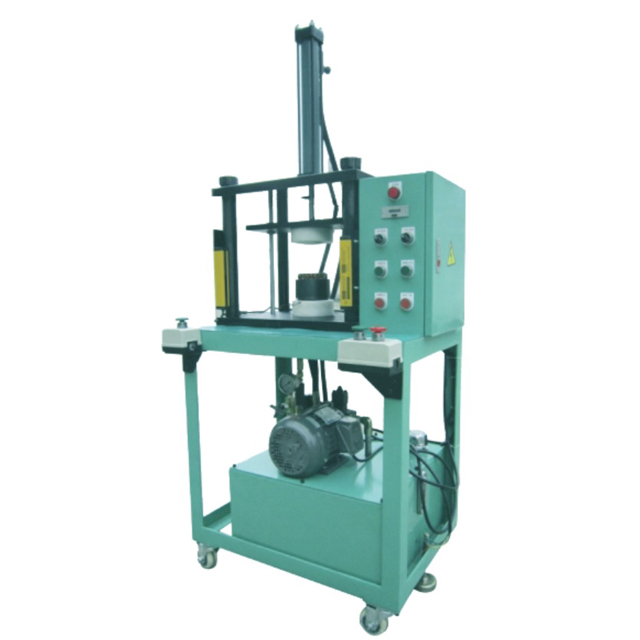
HF-W120H Stator Coil Final Forming & Shaping Machine
- Precision second shaping mechanism
- Optimizes internal rotor clearance
- 1-Year mechanical gear warranty
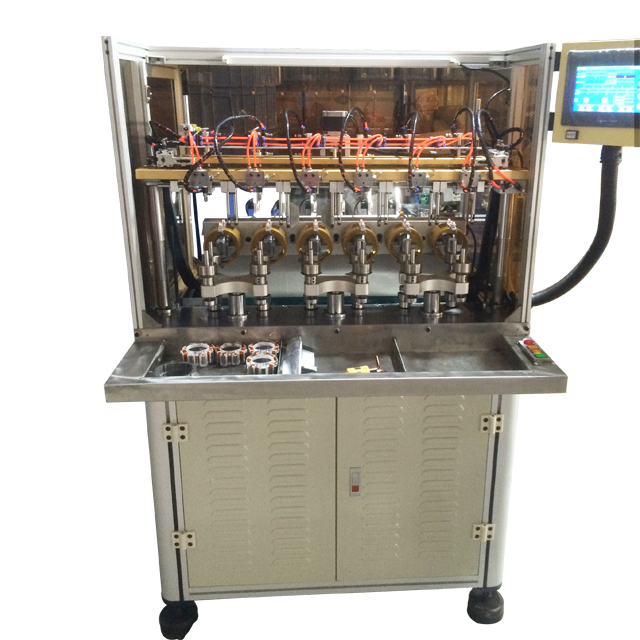
Six Stations Outer Stator Motor Coil Winding Machine
- High-throughput automated indexing
- Core PLC programmable controller
- For multipole outer runner designs
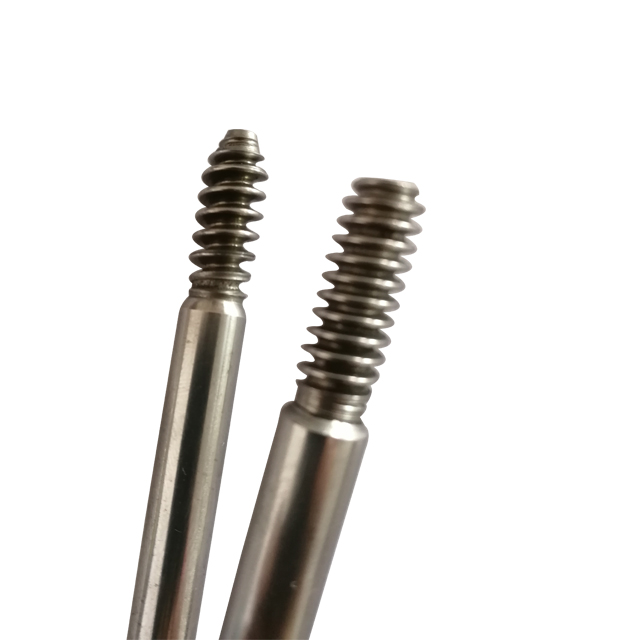
High-Durability Electric Iron Motor Shaft
- Engineered for table & ceiling fan units
- Ultra-low concentricity tolerance
- Custom bearing landing treatment
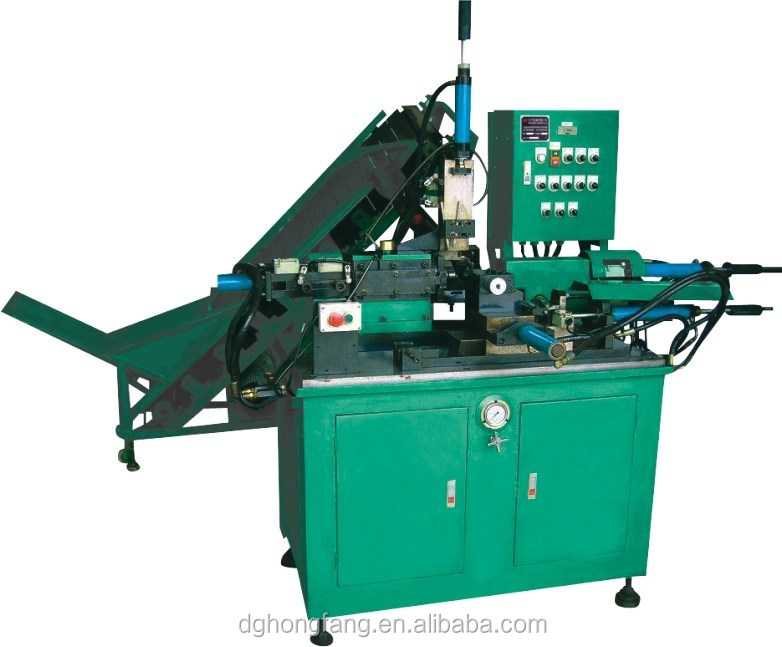
Automatic Rotor Fine Turning Machine HF-C60
- Micron-level air-gap finishing
- Integrated cutting fluid pump system
- Automatic workpiece clamping cycle
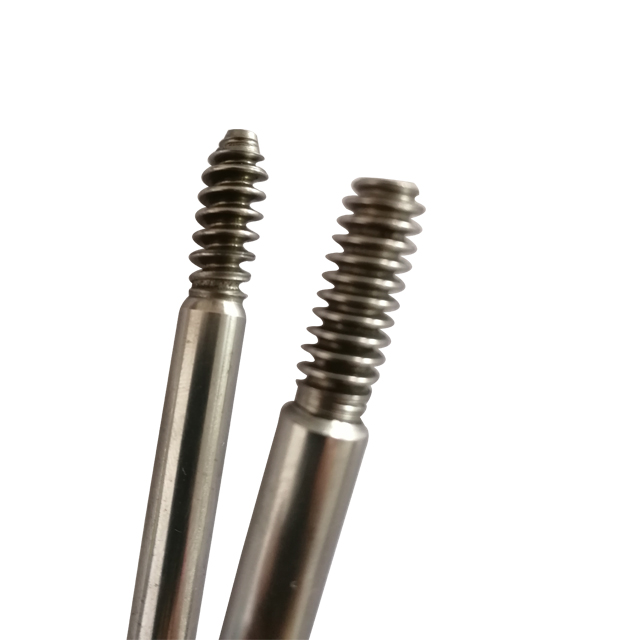
SC45# Fan Motor Shaft Machining Components
- High fatigue limit SC45 structural steel
- Induction hardened rotor seat
- Corrosion-treated for maritime shipping
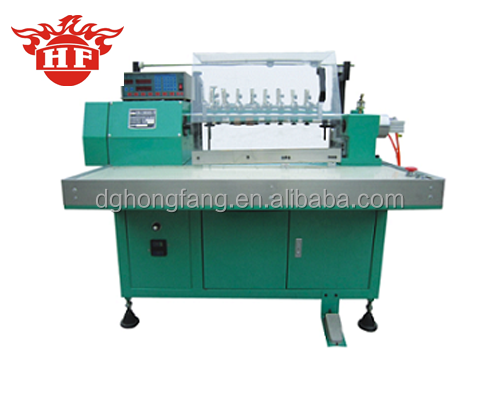
Fully Automatic Motor Coil Maker Winding Unit
- Continuous automated wire feeding
- Standard 220V plant power configuration
- Constant tension wire brake system
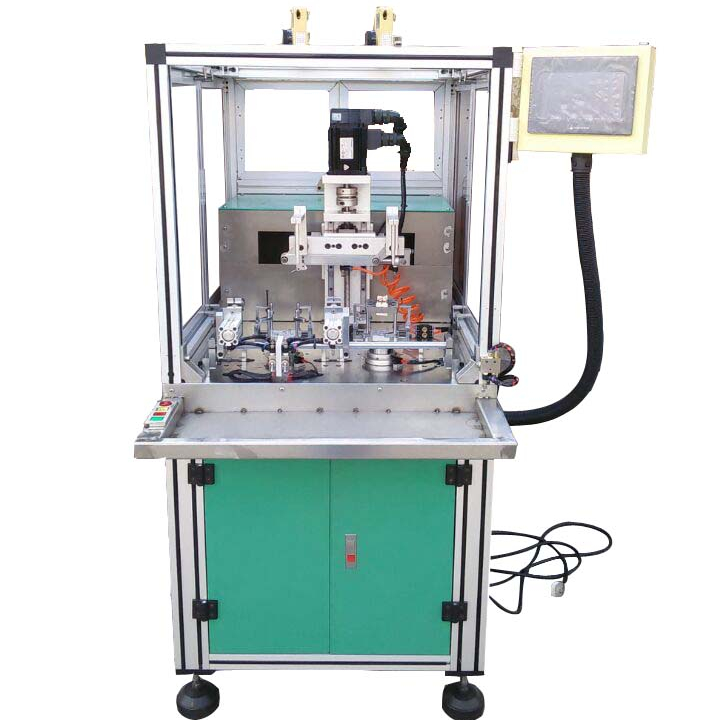
Automated Fan Armature & Rotor Winding Machine
- High-speed flyer winding mechanism
- Automated commutator tang hooking
- Engineered for high-volume batch runs
Industrial Application Scenarios in the Netherlands Market
The Netherlands represents one of Europe's most technologically rigorous environments for electric motor deployment. Transitioning away from conventional split-capacitor AC induction systems toward High-Efficiency Brushless DC (BLDC) and Permanent Magnet Synchronous Motors (PMSM) demands superior coil packaging density and slot-fill factor optimization.
High-Efficiency HVAC & Greenhouse Circulation
The Dutch horticulture sector (spanning Westland, Aalsmeer, and Venlo) relies extensively on high-volume, continuous-duty climate control fans. Modern commercial greenhouses mandate ultra-quiet, energy-optimized air-destratification ceiling units. Our automated winding machines allow Dutch motor builders to handle higher copper-fill factors without pinhole enamel degradation, providing continuous 24/7 reliability in elevated humidity conditions.
Residential & Commercial Architectural Airflows
Dutch architecture champions open-plan living, circular construction, and passive ventilation systems. Urban developments in Amsterdam, Rotterdam, and Utrecht incorporate aesthetic ceiling and ceiling-integrated circulation equipment that requires whisper-quiet acoustics (sub-32 dB sound pressure). Our fine turning machines and precision servo winding heads eliminate motor cogging torque and mechanical imbalance at the magnetic stator level.
ErP Ecodesign & IE4/IE5 Motor Retrofitting
European Regulation (EU) 2019/1781 dictates stringent motor efficiency levels. Original equipment manufacturers in the Netherlands are systematically phasing out aging production lines. Our high-precision multi-pole winding setups enable rapid changeovers between 8-pole, 12-pole, and 16-pole BLDC outer stator configurations, ensuring Dutch assemblers exceed mandatory EU IE4 and Super Premium IE5 motor metrics.
Dutch & European Motor Manufacturing Technology Trends
To compete globally while operating in Western Europe's high-wage manufacturing context, Dutch OEMs focus on fully automated batch workflows, material efficiency, and total harmonic distortion reduction.
1. Shift from AC Induction to Outer-Rotor BLDC Topology
Traditional ceiling fan motors employed inner stators with squirrel-cage induction rotors. Today, Dutch domestic and commercial building regulations reward permanent magnet external rotor topologies. Outer stator winding machines, such as the multi-station systems developed by Zunqi, wind directly onto exposed radial teeth. This structural evolution slashes rotor inertia, eliminates primary electrical slip losses, and reduces operating energy consumption by up to 65%.
Our programmable needle-winding mechanisms maintain absolute tension uniformity over wire gauges spanning 0.1mm to 1.2mm, preventing turn crossing and asymmetric phase resistances that induce acoustic hum.
2. Integration of Closed-Loop Industry 4.0 Telemetry
Factory automation engineers across Noord-Brabant and South Holland require machines capable of digital output monitoring. Zunqi machines integrate open-architecture industrial PLC configurations (including Siemens and Omron protocols) allowing seamless SCADA connectivity.
Critical winding parameters—including wire tension, actual turn counts, cycle cycle time, and lacing knot tension—are tracked in real-time. This eliminates quality variances and permits full lot traceability down to individual motor serial numbers, directly addressing the quality standards required by Dutch certification bodies.
| Performance Specification | Legacy AC Ceiling Fan Machinery | Zunqi Next-Gen BLDC Dual-Station Platform | Dutch / EU Compliance Impact |
|---|---|---|---|
| Stator Lamination Type | Internal Stator (4–8 pole) | Outer / External Stator (8–24 pole BLDC) | Higher torque at lower RPM; no gearbox required |
| Wire Tension Control | Mechanical friction brake | Closed-loop pneumatic / magnetic tensioner | Eliminates micro-cracks in class H/200°C enamel |
| Stack Height Capacity | Fixed tooling (10–25mm) | Modular quick-change (8–50mm adjustable) | Accommodates bespoke airflow duty variations |
| Rotor Air-Gap Concentricity | ±0.08 mm | ≤ ±0.015 mm (post fine turning HF-C60) | Complies with ISO 1940-1 dynamic balancing |
| Electrical Standard Compatibility | General 220V standard | 230V 50Hz single phase / 400V 50Hz 3-phase CE | Conforms directly to NEN-EN-IEC 60204-1 safety codes |
Why Engineering Procurement Teams Choose Zunqi Equipment
Located in Qishi Town, Dongguan—South China’s epicenter for precision electro-mechanical engineering—Zunqi combines direct manufacturing control with comprehensive international trade reliability.
Onsite-Verified Factory
Our Dongguan facilities have been independently verified on-site through comprehensive international trade audits. We operate a direct manufacturing plant of 51–100 skilled specialists, complete with dedicated CNC tooling workshops and running test bays.
Custom Tooling to Drawing
We do not deliver off-the-shelf compromises. Needle tooling, coil formers, inserting fingers, and expanding dies are machined specifically to your stator's CAD geometry. We run trial runs with your provided stator laminations prior to dispatch.
Configurable Componentry
To reduce parts inventory challenges for European technicians, we configure electrical cabinets with Tier-1 automation brands including Siemens, Mitsubishi, Omron, Delta, Schneider, SMC pneumatics, and Airtac solenoid arrays.
Turnkey Production Matching
We supply fully synchronized cells: from slot insulation folding and inserting, to coil winding, wedge insertion, lacing, coil forming, rotor turning, and hydraulic shaft pressing—guaranteeing matched cycle times across all stations.
Frequently Asked Questions for Dutch & European Buyers
Essential answers regarding electrical compatibility, Dutch customs clearing, CE certification, and technical commissioning for procurement directors.
How do you configure power supplies for the Dutch 230V / 400V grid?
All equipment shipping to the Netherlands is built natively for European electrical standards: 230V single-phase or 400V three-phase at 50Hz. Control transformers, servo drives, and safety switchgear (CE marked) match the Dutch power distribution standard without necessitating secondary stepping transformers.
What is the standard procedure for tooling customization to our stator sample?
Before machine construction begins, our design office reviews your CAD/PDF engineering drawings. We verify stator inner/outer diameter, slot geometry, stack height, turn counts, and enamel wire diameter. We ask buyers to courier 2–3 sample stator cores to our Dongguan facility for tooling validation and factory video sign-off before crate closure.
How are machines packed for sea freight to the Port of Rotterdam?
To counter the North Sea maritime environment, machines undergo multi-layer protection: internal precision slides and raw surfaces receive anti-rust VCI barrier oil and desiccant blankets; the entire unit is vacuum-wrapped in moisture-proof plastic film, bolted to a solid timber skid, and secured in ISPM-15 compliant fumigation-free plywood export cases.
What after-sales service and warranty cover is provided in Europe?
We provide a 1-year comprehensive mechanical and electrical warranty. Machines are programmed with English HMI touch interfaces and accompanied by full circuit schematics. Our engineering team provides high-definition video commissioning support, remote PLC diagnostic guidance, and rapid-dispatch wear-part kits through international air express.
Can your machines wind both copper and aluminium magnet wire?
Yes. Recognizing the fluctuating raw material prices across European supply chains, our winding flyers and needle heads feature dual tension-relief damping rollers. This allows seamless transitions between Class 180°C/200°C enamelled copper wire and electrical-grade EC aluminium wire without tearing or stretching the lighter conductor.
What is the minimum order quantity (MOQ) and production lead time?
Our standard MOQ is 1 complete set for any winding, lacing, inserting, or rotor cutting machine. Standard lead times typically range from 20 to 35 business days depending on tooling complexity and custom stator geometry validation.
Request an Engineering Review & Quotation
Consult directly with our motor automation technical engineers. Send us your stator dimensions (Outer/Inner Diameter, Stack Height, Slot Geometry) or motor drawings to receive a custom tooling plan within 9 hours.
Contact Us