17+
Years Global Exporting
±0.01mm
Tooling Precision Fit
100%
CE Standard Directives
≤9 Hours
Engineering Response
Engineered for Kawasaki Industrialists
Featured Automated Stator Production Machines
Explore our field-proven electromagnetic manufacturing portfolio. Built with robust European CE compliance, digital motion synchronization, and flexible slot architectures to support Japanese high-efficiency motor criteria.
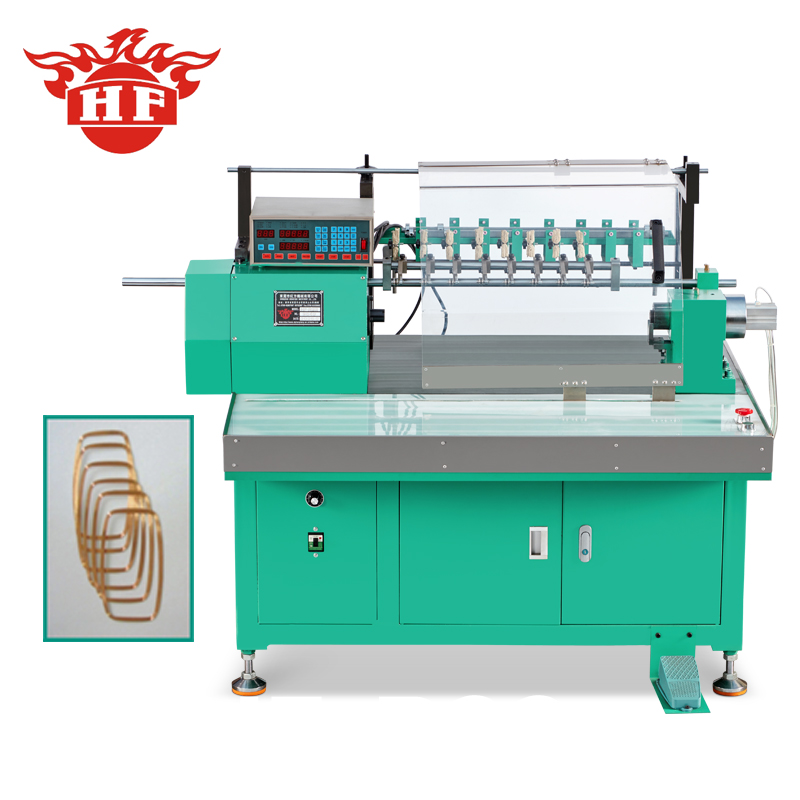
HF-R22 Semi-Automatic Coil Winding Machine (8 Heads)
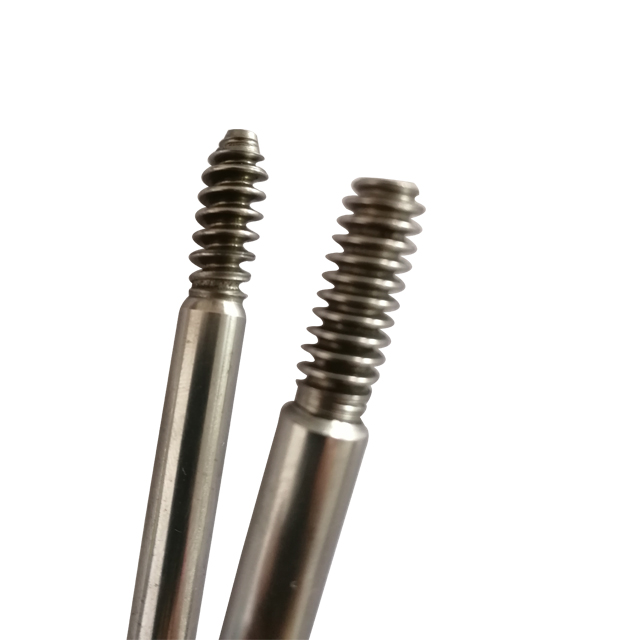
Electric Motor Spares SC45# Motor Shaft Components
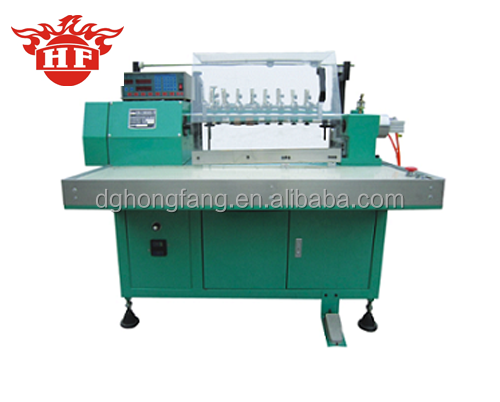
HF New CNC Auto Stator Coil Winding Machine (3000 RPM)
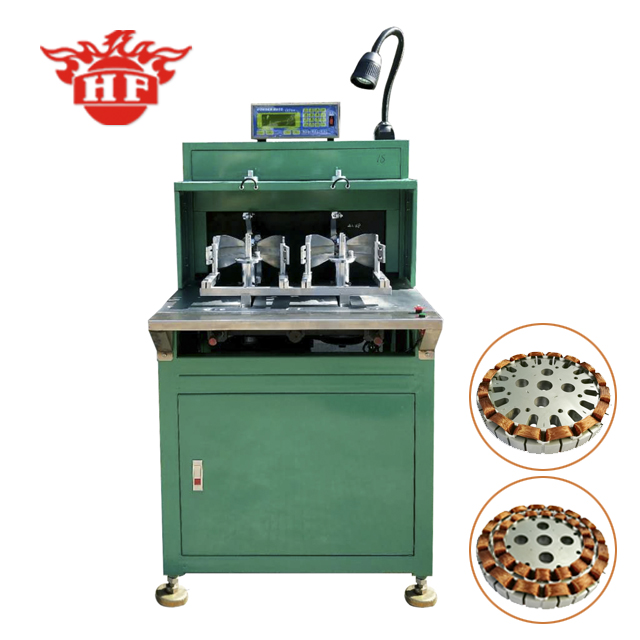
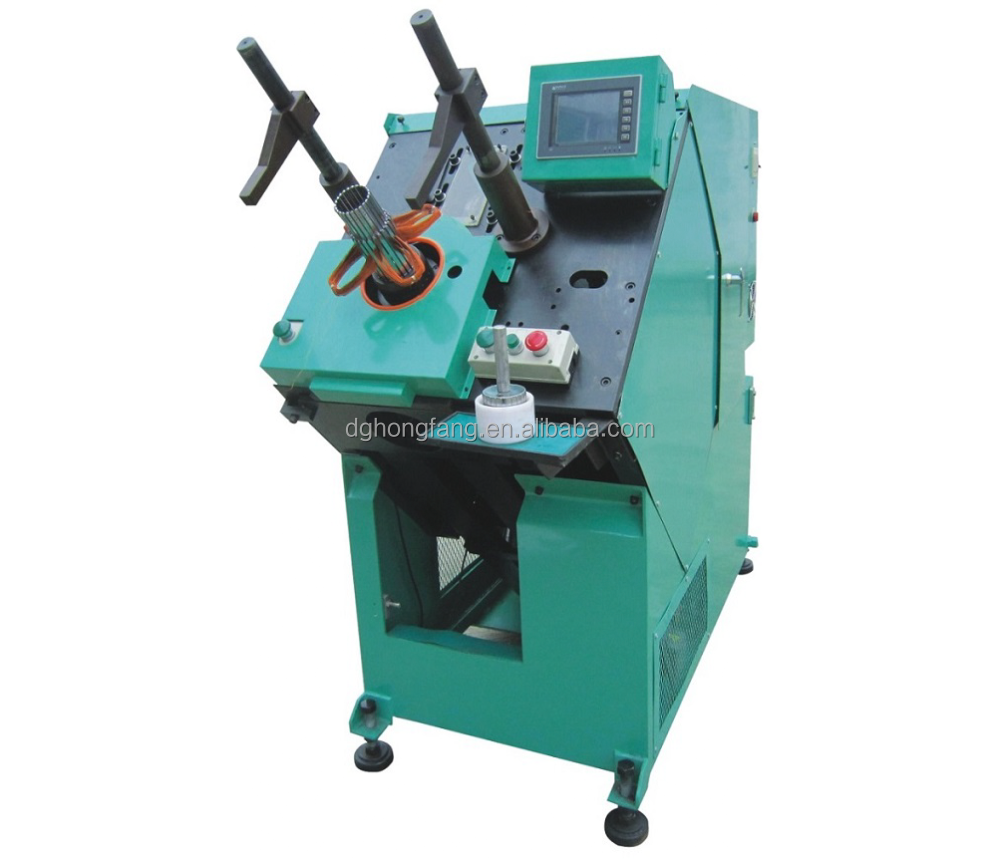
Automatic Two-Station Ceiling Fan Winding Machine
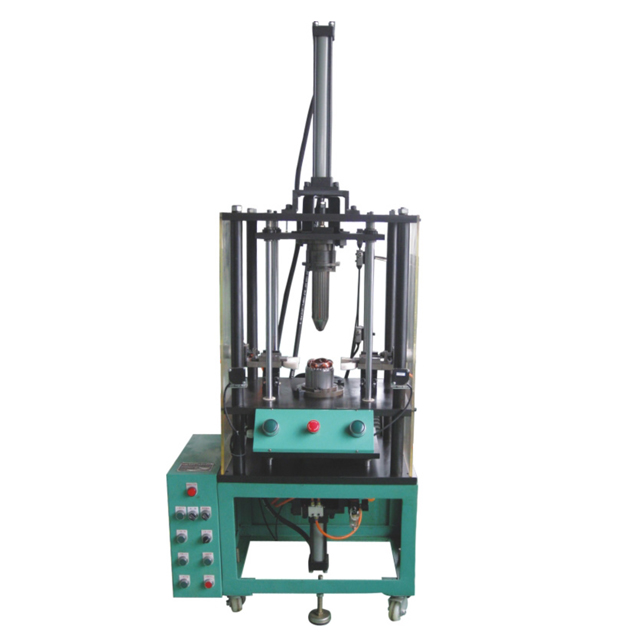
HONGFANG Stator Coil Forming & Shaping Machine
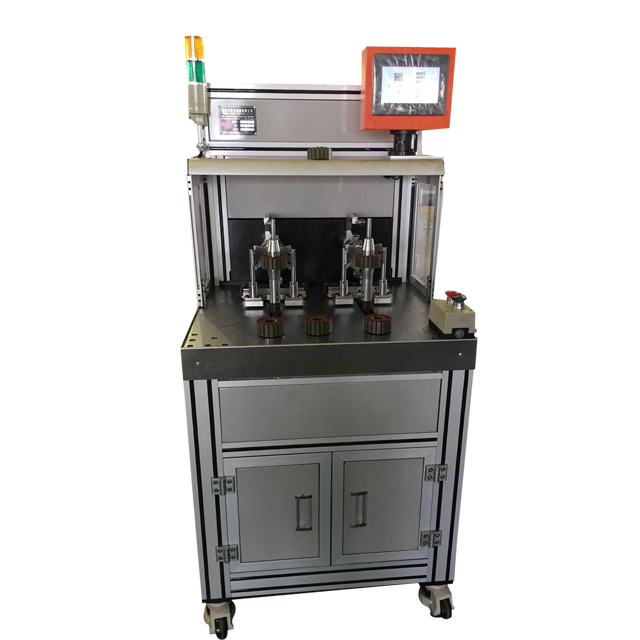
Two-Station External Stator Coil Winding Machine
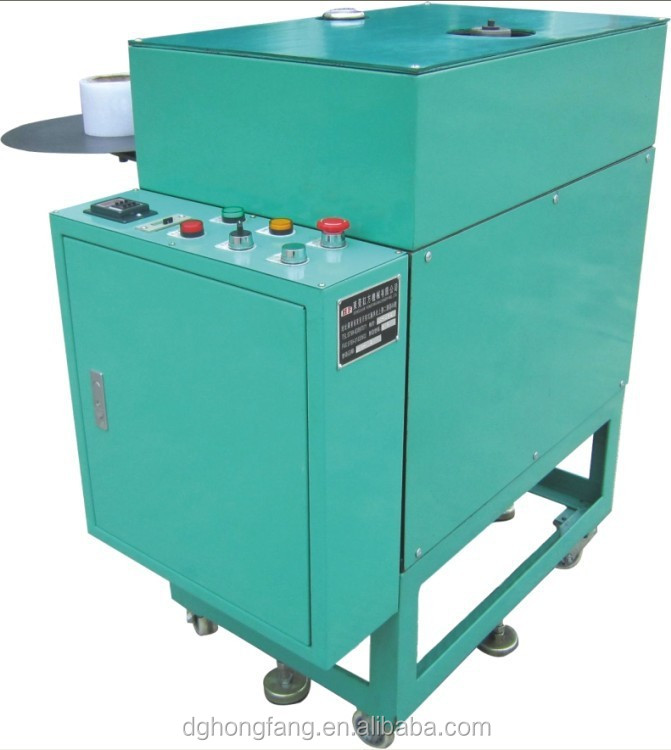
New Slot Insulation Paper Inserting & Cutting Machine
Localized Industrial Integration
Stator Automation in the Kawasaki Industrial Ecosystem
Kawasaki City, acting as the beating pulse of Kanagawa Prefecture within the Keihin Industrial Area (京浜工業地帯), sets some of the world's most rigorous mechanical and electrical standards. From Nakahara-ku's mechatronics R&D centers to the coastal plants along Kawasaki-ku, motor manufacturing demands uncompromised precision, compact footprint, and whisper-quiet operation.
High-Torque Robotics & Cobot Servos
Kawasaki’s industrial robotics developers demand stators with elevated copper slot-fill factors (up to 78%) and minimum copper losses. Our CNC multi-head winding platforms deploy closed-loop active wire tensioners that prevent insulation stress, yielding uniform micro-windings required by low-inertia articulated robot joints.
Eco-Friendly HVAC & Marine Pumps
Located along the Port of Kawasaki, maritime equipment builders and commercial chiller fabricators require IP-rated motor stators capable of enduring harsh marine atmospheres. Our wedge insertion and shaping equipment produce tightly packed coil geometries, perfectly matched for high-grade epoxy impregnation.
Next-Gen Automotive Actuators & EV Auxiliaries
Tier-1 automotive sub-suppliers positioned throughout the Greater Tokyo Bay sector are aggressively converting brush motor setups into brushless DC (BLDC) architectures. Our high-speed needle and flyer winders provide frictionless wire feeding, handling extreme thermal ratings without surface pitting.
Engineering Evolution
Technological & Procurement Trends Shaping Kawasaki’s Plants
The Japanese motor industry is undergoing a generational shift. Procurement teams in Kawasaki are no longer balancing between high-cost domestic platforms and uncertified imports; they demand CE-backed traceability, smart data export, and extreme line flexibility.
Top Runner Energy Compliance (IE4/IE5)
Under METI’s Top Runner Program, motor efficiency targets in Japan require minimum Joule losses. Precision winding machines must preserve identical turn counts, balanced winding resistance (phase balance < 0.5%), and uniform wire stacking to eliminate parasitic eddy currents within tight magnetic stacks.
Rapid Tooling Switchovers for High-Mix Low-Volume
Kawasaki machine shops are globally renowned for precision small-batch operations. Modern stator line machinery must support rapid fixture swaps (under 15 minutes) between variable stack heights (10mm to 120mm) and varying outer diameters, reducing idle machine time.
Rigorous CE Safety Integration
Procurement directors across Kanagawa prioritize safety redundancies. All imported equipment must feature CE certifications encompassing the Machinery Directive 2006/42/EC, Dual-Channel E-Stop networks, Class 4 light curtain guards, and industrial EMC insulation against plant-wide frequency harmonics.
Turnkey Line Integration
Synchronized 8-Stage Motor Stator Assembly Process
Achieving low noise vibration harshness (NVH) and prolonged operational lifetime starts with disciplined, phase-balanced automated manufacturing. Every station in our turnkey lines acts as an interrelated link.
Stage 01
Slot Paper Insertion
Automatic creasing, edge hemming, precision cutting, and pushing into lamination slots without tearing.
Stage 02
High-Speed Coil Winding
Digital servo winding with accurate turn distribution, uniform tensioners, and zero copper enamel stretch.
Stage 03
Coil & Wedge Insertion
Piston-guided simultaneous insertion of copper coils and insulating wedge paper directly into narrow slots.
Stage 04
Intermediate Forming
Radial expanding tooling sizes the end-turn overhangs to ensure clearance for rotor insertion and lacing needles.
Stage 05
Automated Coil Lacing
Dual-side synchronized servo needle lacing binds coils tightly with uniform diamond or continuous stitch tension.
Stage 06
Final Hydraulic Forming
High-tonnage die calibration delivers definitive stator end-turn height and outside diameter concentricity.
Stage 07
Rotor Fine Turning
High-precision lathe shaving ensures uniform magnetic air gaps between the rotor surface and stator bore.
Stage 08
Shaft Pressing Assembly
Load-monitored hydraulic press-fit inserts SC45# steel shafts into the laminated core, preserving balance.
Why Partner With Us
Factory Direct Engineering Prowess & Trust
With over 17 years of specialized manufacturing experience in Dongguan, our intelligent production facility serves world-class electric motor brands across Asia, Europe, and the Americas.
Custom Tooling to Your Spec
We do not sell rigid off-the-shelf equipment. Every stator coil former, guide needle, wedge pusher, and forming ring is precision-engineered using customer drawings or real physical lamination samples, validated prior to dispatch via trial run test records.
Global Component Brands
To eliminate downtime, all machine electrical architecture can be specified with tier-one components familiar to your engineers: Mitsubishi, Omron, Panasonic, Siemens, or Delta PLCs paired with SMC or Airtac pneumatic units.
Fumigation-Free Export Packing
Exporting to Japanese sea hubs like Yokohama and Kawasaki Port requires immaculate preservation. Equipment is shielded in vapor-corrosion inhibitor (VCI) wrap, vacuum-sealed with desiccant, bolted onto solid steel channel bases, and encased in reinforced plywood boxes.
Procurement Knowledge Base
Frequently Asked Questions by Kawasaki Engineers
Clear, technically accurate answers to the common operational, electrical, and commercial inquiries raised during Japanese procurement assessments.
How do your machines handle Japanese factory grid power (200V 50Hz/60Hz)?
All machines destined for Eastern Japan (including Tokyo, Kawasaki, and Yokohama) are customized with multi-tap primary transformers rated for 3-phase 200V at 50Hz. Western Japan versions (60Hz) or single-phase 100V/200V variants are pre-configured to your plant's electrical drops before leaving the factory.
Can the PLC human-machine interface (HMI) be toggled into Japanese?
Yes. Our touch screens feature full multilingual architecture. You can switch instantly between English and Japanese (Kanji/Katakana) interfaces. Technical warning alerts, error recovery diagrams, and maintenance alarms are clearly translated for shop-floor technicians.
What wire diameters and insulation classes can your winding flyers handle?
Our semi-automatic and CNC flyer winding machinery processes copper and aluminum magnet wires ranging from thin gauges of 0.10 mm up to heavy lines of 1.20 mm (or double/triple parallel wire feeds). Wire tensioners deploy ceramic eyelets and magnetic damping to safeguard Class H (180°C) and Class C (200°C) polyimide coatings.
How does your company guarantee tooling fit before shipment?
We practice rigorous Physical Acceptance Testing (FAT). We request client stator drawings (CAD/STEP) and 20–50 blank stator core samples. We run full-speed trial winding, insertion, and forming cycles, recording high-definition process videos and micrometer dimensional checks before dispatching the crated machine.
What is the standard warranty and after-sales protocol for Kanagawa clients?
All machinery includes a 12-month non-wear warranty. We offer remote video diagnostic assistance within 9 hours, provide full wiring schematics, and stock fast-wearing replacement parts (such as winding needles, blades, insertion pushers, and drive belts) ready for immediate air freight.
Can you provide complete stator line integration instead of standalone tools?
Absolutely. In addition to individual winders or paper inserters, we design end-to-end synchronized stator production cells, complete with inter-station conveyor transfer systems, buffer stations, and unified safety circuits compliant with CE directives.
Upgrade Your Kawasaki Stator Production Facility
Send your stator core drawing, stack height, and slot dimensions to our engineering team. We deliver custom tooling proposals and complete cycle-time estimates within 9 hours.
