Featured Motor Manufacturing & Stator Assembly Machinery
Proven single-stroke coil inserting, precision wedge cutting, and multi-axis winding systems tailored for South Korean Tier-1 e-mobility and HVAC motor production standards.
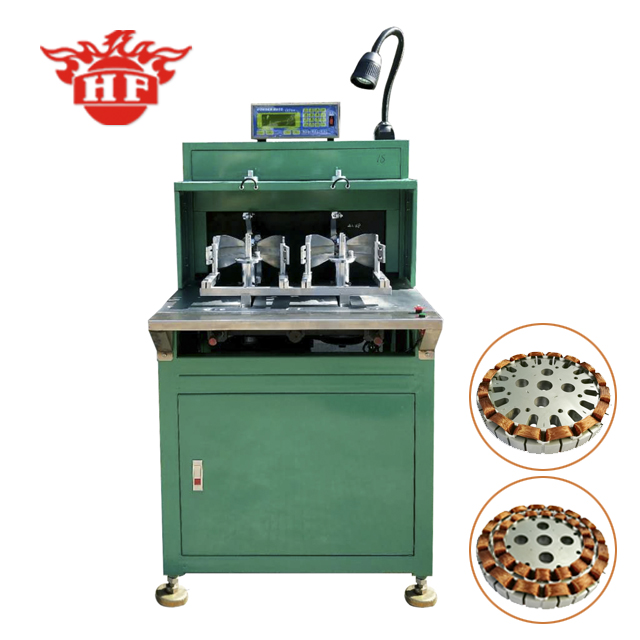
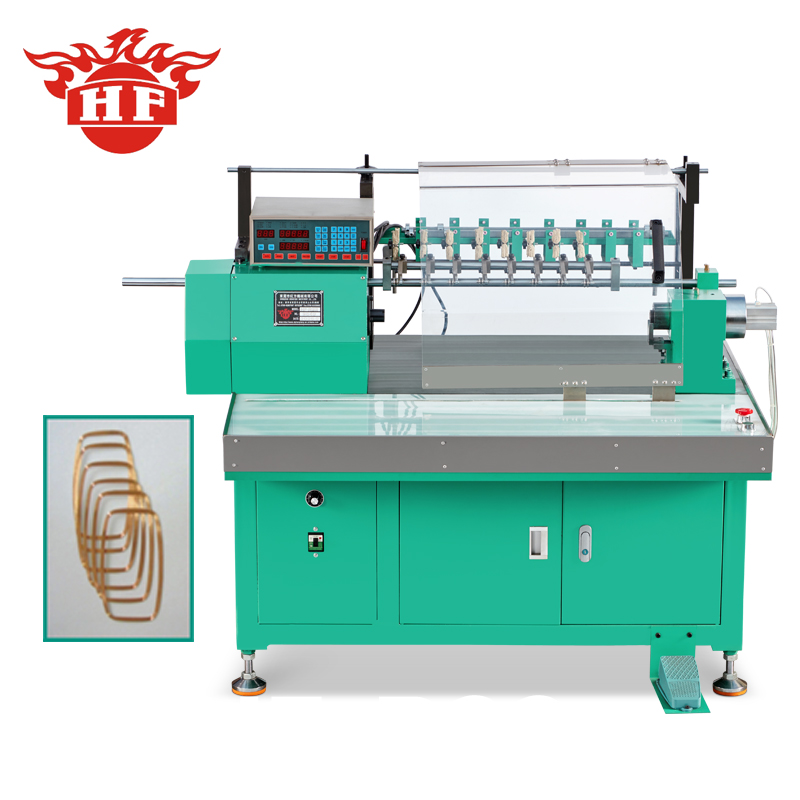
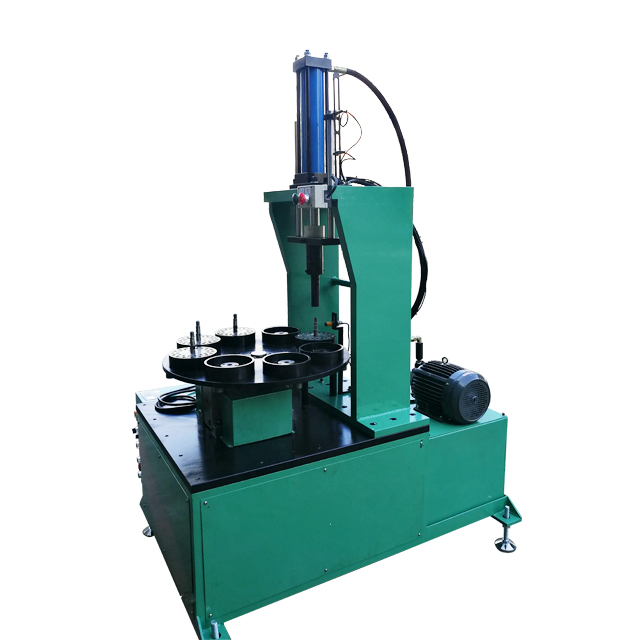
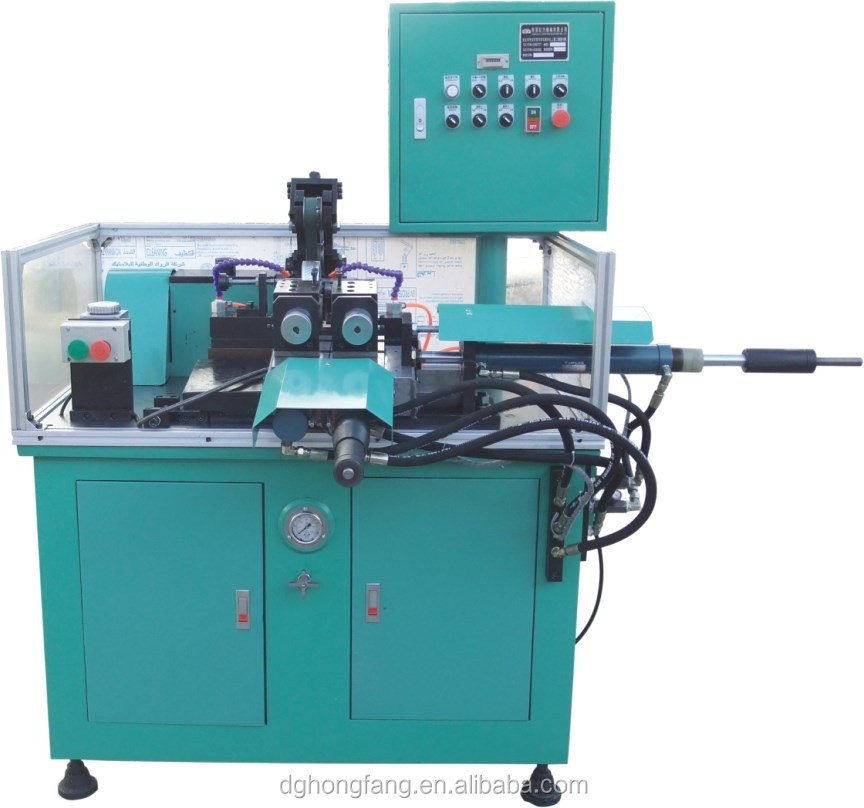
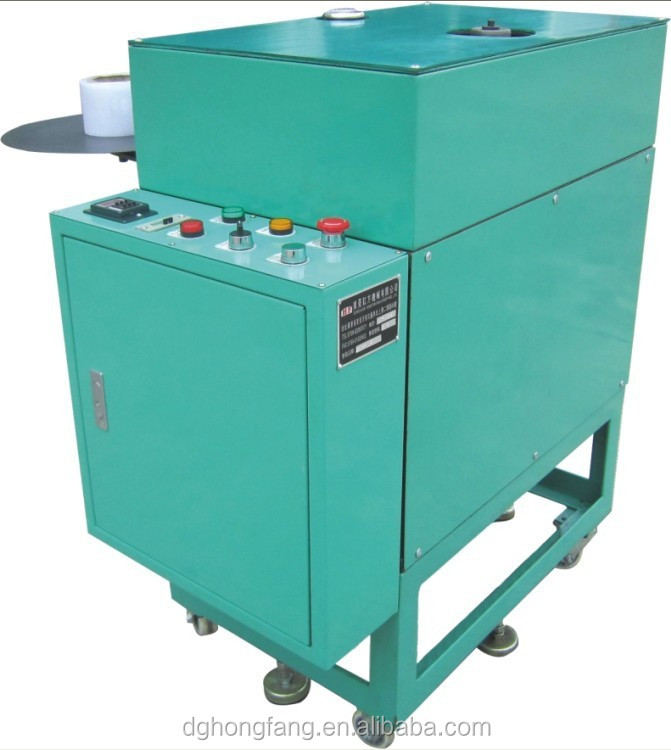
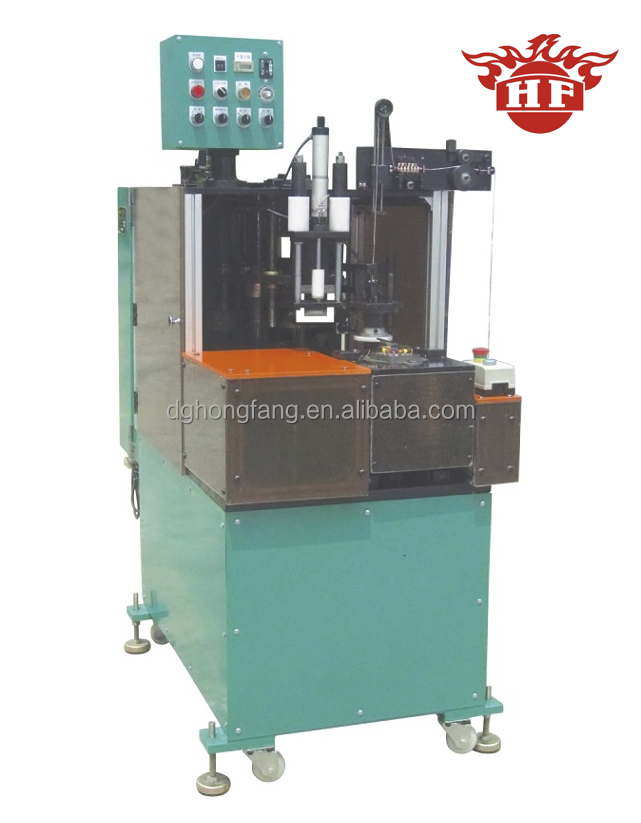
Precision Wedge Inserting in Gwangju’s Advanced Manufacturing Base
Deploying CE-certified stator slot automation within the Honam economic sphere—bridging automotive electrification in Bitgreen and premium appliance fabrication.
Bitgreen National Industrial Complex: xEV Traction Stators
The Bitgreen Industrial Complex (Gwangju Global Motors cluster) demands stringent insulation reliability for 400V/800V traction architectures. Our automated wedge inserters eliminate wire insulation scuffing, ensuring high dielectric breakdown thresholds under partial discharge stress in compact drive units.
Hanam & Jinryok Industrial Parks: Smart Appliances & Inverters
Gwangju's consumer electronics legacy requires rapid tool changeover for ultra-quiet refrigerator compressors, variable-frequency air conditioning units, and energy-efficient washing machines. Our machines provide accurate slot-fill ratios for both segmented and skew-slotted laminated stators.
Pyeongdong Industrial Complex: Precision Automation & Robotics
Pyeongdong’s high-tech robotics and machine tool producers depend on industrial servo motors with zero cogging torque and uniform coil heads. Combining servo-driven wedge inserting with intermediate forming ensures stator slot geometries maintain sub-millimeter axial clearances.
Technical Specification: Engineering Resilience, Kinematics, and Regional Compliance
In modern electrical machine assembly, slot wedge insertion is a critical phase separating continuous manufacturing from stator breakdown. As motor architectures shift from traditional random-wound round wire toward higher slot-fill ratios (>78%) and hairpin profiles, wedge insertion cannot rely on mechanical friction or imprecise manual pressing. In Gwangju’s competitive supply base, equipment must fulfill dual mandates: high-speed throughput and zero-damage insertion of complex composite insulation materials (such as Nomex®, DMD, and polyimide films).
Kinematic Precision in One-Stroke Wedge Forming & Insertion
The engineering core of our CE-certified automatic wedge inserting machine utilizes a synchronized multi-axis servo cam mechanism. While conventional machines draw insulation roll stock via pneumatic feeding—which introduces variance from line pressure drops—our system couples a precision servo drive with micro-carbide shears. The material undergoes progressive cold forming: edge cuffing (1.5mm to 4.0mm adjustable), dimensional scoring, U-shape or B-shape profiling, and exact depth pushing.
During the single-stroke insertion sequence, the stator bore is registered using hardened manganese-steel guide blades. These blades enter the inner slot openings, shielding enameled copper and aluminum magnet wires from the shear edges of the laminated silicon steel teeth. Simultaneously, a mechanical push rod indexes the creased wedge through the blade track directly into the slot cell, preventing edge deformation or partial discharge traps.
Critical Quality Metric: Elimination of Micro-Abrasions
Wire coating micro-cracks during insertion lead to early turn-to-turn dielectric breakdown. By integrating automated fiber-optic sensors and anti-rebound mechanical stops, our machine guarantees continuous insertion force without exceeding the 120 N/mm² wire tension threshold, fully complying with KS C IEC 60034 insulation life directives.
CE Certification Directives & Local South Korean Integration
Procuring capital equipment from international manufacturers requires strict alignment with European and South Korean regulatory frameworks. Every wedge inserting machine built by Zunqi Intelligent Equipment complies with the CE Machinery Directive (2006/42/EC), Low Voltage Directive (2014/35/EU), and Electromagnetic Compatibility Directive (2014/30/EU). For suppliers in the Gwangju Metropolitan City jurisdiction, this standard ensures compatibility with Korean Occupational Safety and Health Agency (KOSHA) and S-Mark risk assessment expectations.
The control cabinet architecture uses globally recognizable industrial automation components (Siemens, Mitsubishi, Schneider, Omron), enabling maintenance technicians in South Korea to debug systems using ladder logic, source replacement relays locally, and hook into plant-wide SCADA via fieldbus protocols (Modbus-TCP, Profinet, EtherCAT).
Why Gwangju Industrial Leaders Source From Zunqi Equipment
Direct manufacturing operations in Dongguan, Guangdong, combined with 17 years of continuous export governance, customized tooling verification, and dedicated life-cycle support.
Verified Onsite Manufacturing Facility
Headquartered in Qishi Town, Dongguan, our enterprise operates across 51–100 skilled engineers and machinists. Our physical workshops, CNC milling bays, and assembly lines undergo verified onsite audits, giving international buyers transparent factory credentials.
Bespoke Stator Tooling & Real-Sample Validation
We do not deliver off-the-shelf guesswork. Every insertion tool, guide finger, and magazine plate is engineered around your physical stator lamination drawing. Before shipment, a live validation video of your sample running on our test bench is documented for customer sign-off.
Turnkey Line Integration & Rapid Lifecycle Support
From slot insulation inserting to automatic coil winding, single-stroke inserting, intermediate forming, and double-side lacing, we supply complete turnkey lines. All machines include a 1-year warranty, rapid wearing component supply, and direct engineering access within 9 hours.
Frequently Asked Questions by Gwangju & South Korean Sourcing Teams
Practical guidance on electrical frequency compatibility, customs handling via Gwangju/Incheon customs, tooling lead times, and factory verification.
Does your machine run on South Korea's standard electrical grid (220V 60Hz / 380V 60Hz)?
Yes. While our domestic workshop uses 50Hz, every machine intended for the South Korean market is custom-configured with industrial servo drives, step-down transformers, and pneumatic solenoids rated specifically for 220V single-phase or 380V/440V three-phase 60Hz power lines. This eliminates motor overheating or control cycle timing drift.
What specific stator parameters are required to manufacture custom inserting tooling?
To produce custom tooling, our engineering department requires: (1) Stator Outer Diameter (OD) and Inner Bore Diameter (ID); (2) Stack lamination height range; (3) Stator slot count and cross-sectional drawing (DWG/DXF); (4) Wire gauge (AWG or mm) and slot-fill percentage; (5) Desired wedge material specifications (Nomex, DMD, Mylar, or fish paper).
What is the minimum order quantity (MOQ) and delivery timeline to Gwangju?
Our minimum order quantity is 1 complete set. Tooling fabrication, CNC machining, electrical assembly, and pre-shipment trial runs typically require 25 to 40 business days depending on design complexity. Shipping from Shenzhen/Guangzhou ports to Busan Port or Gwangyang Port takes 3 to 5 days, followed by inland trucking to Gwangju industrial zones.
How does the CE certificate assist our KOSHA safety compliance in South Korea?
Our CE certification confirms compliance with ISO 12100 risk reduction standards, dual optical safety light curtains, emergency stop circuit interlocks, and low-voltage electrical cabinet isolation. These third-party validated safety features directly assist your environmental health and safety (EHS) officers in fulfilling Korean Occupational Safety and Health Agency (KOSHA) factory safety reviews.
Can the machine handle both skewed slots and straight slot stators?
Yes. By programming the indexer servo angle and installing specialized curved tooling guide teeth, our automatic wedge inserter accurately inserts pre-cuffed slot wedges into skewed-slot pump and fan motors without causing distortion or leaving protruding paper tabs.
How are remote commissioning and replacement tooling handled post-delivery?
Each unit ships in a vacuum-sealed, fumigation-free export plywood crate containing a dedicated spare parts kit (shearing blades, push rods, springs, O-rings). We provide complete English electrical schematics, PLC parameter backups, and step-by-step video commissioning support. In addition, new tooling modules for new motor lines can be engineered and dispatched within 12–15 days.
Upgrade Your Stator Production Line with Precision Automation
Send your stator core drawings, slot geometry, and capacity requirements. Our application engineering team will provide a comprehensive machinery layout, cycle time simulation, and competitive quotation within 9 hours.
