Dual Action
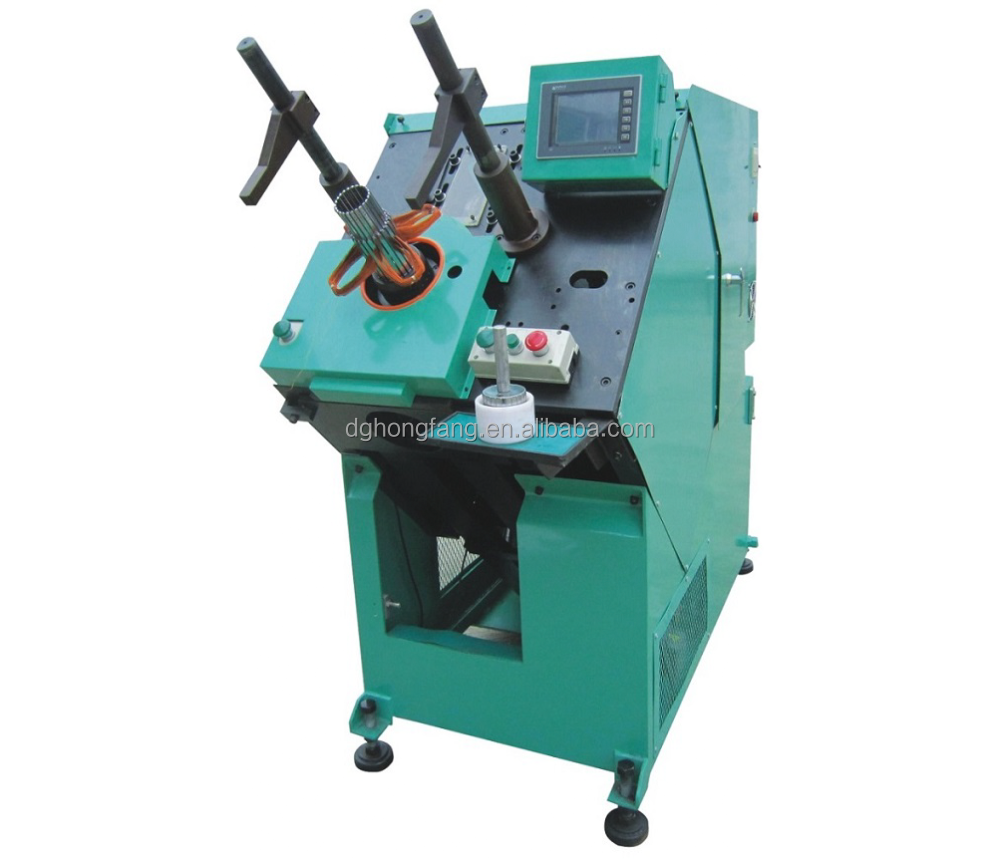
Coil & Wedge Paper Inserting Machine
- Simultaneous coil & wedge insertion
- Reduces enamelled wire friction damage
- Tailored tooling for variable stack heights
Engineered in our Dongguan specialized facility with custom tooling crafted specifically to your stator core dimensions, slot geometric layouts, and duty-cycle targets.
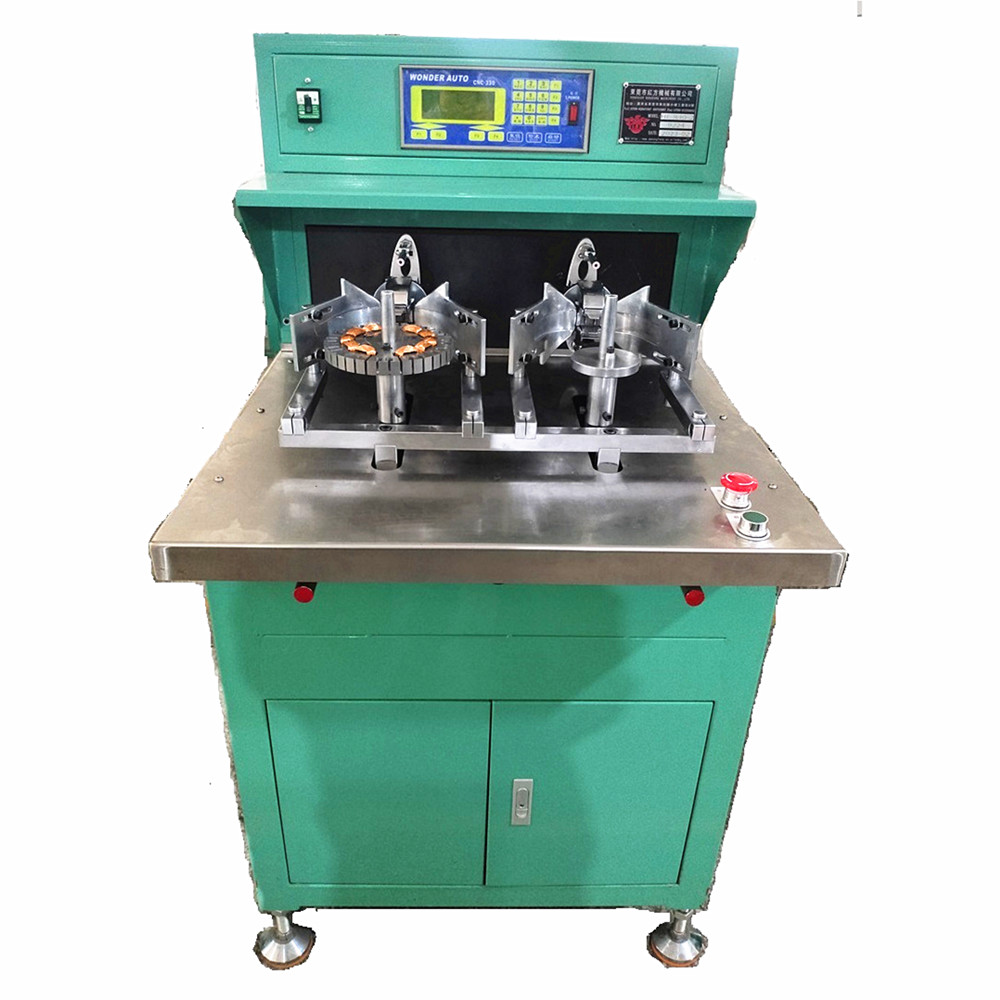
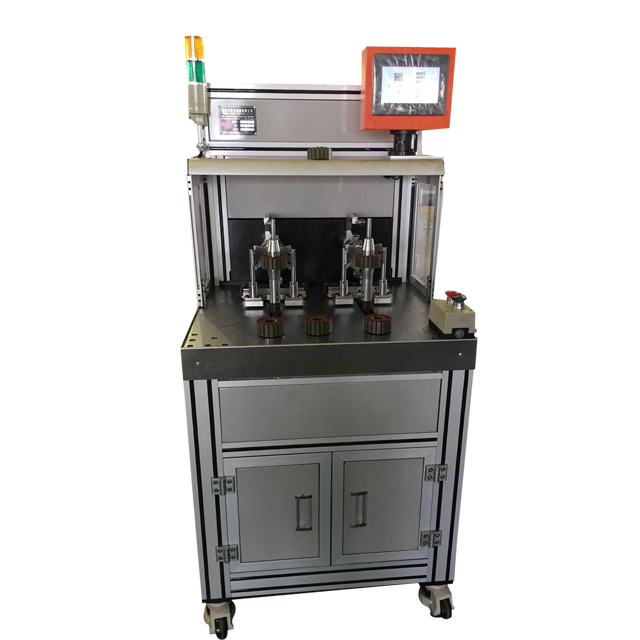
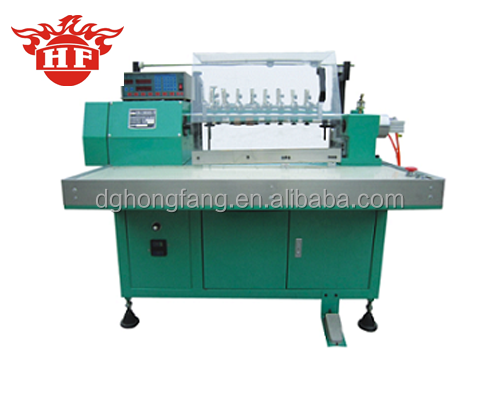
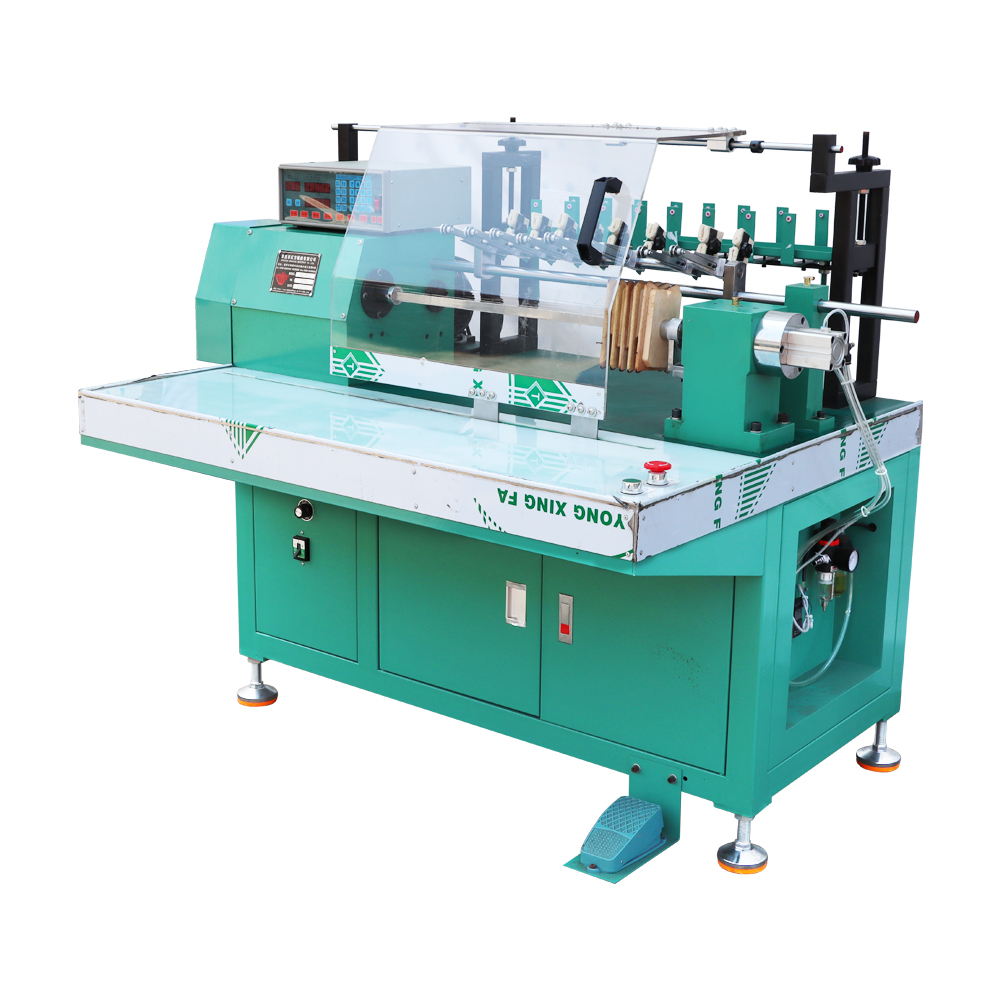
In the competitive landscape of modern electromechanical assembly, coil end-winding structural integrity is the fundamental determinant of motor operational lifespan, harmonic vibration resistance, and acoustic performance. For electrical equipment manufacturers, commercial pump fabricators, and automotive suppliers in the Greater Belo Horizonte Metropolitan Region (RMBH)—including pivotal industrial hubs such as Contagem, Betim, and Santa Luzia—the manual tying and lacing of electromagnetic stator coils represents a severe operational bottleneck.
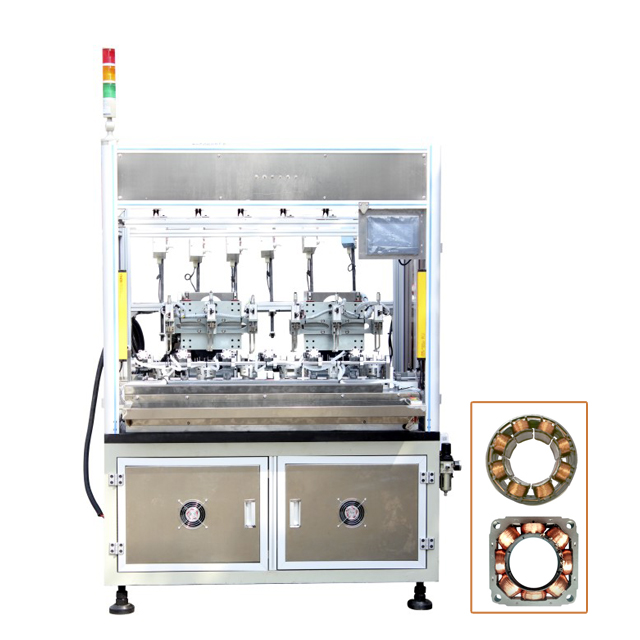
Conventional manual stator lacing is intrinsically flawed by human inconsistency: non-uniform cord tension causes uneven thermal expansion gradients, leading to localized friction, premature abrasion of winding wire enamels, and catastrophic inter-turn dielectric breakdown. Our series of CE Certified Automatic Coil Tying and Stator Lacing Machines addresses this critical vulnerability. Operating via dual-servo synchronized kinematic knotting heads, these units ensure constant, micrometer-precise tensioning of high-tenacity nylon or polyester lacing cords across every single stator pole, regardless of operator experience or shift fatigue.
The mechanical execution of stator end-turn lacing requires three coordinated axes of motion: needle stroke piercing through stator slot teeth, looping oscillation to wrap the lacing thread, and indexing table positioning that rotates the stator assembly precisely around its magnetic center. Zunqi machines leverage high-frequency digital servo controllers interfaced with industrial-grade PLCs (programmable with Siemens, Mitsubishi, or Delta architectures based on Brazilian facility standards).
| Engineering Parameter | Standard Automatic Series | High-Speed Servo Double-Sided Unit | Heavy-Duty Industrial Specification |
|---|---|---|---|
| Applicable Stator O.D. | Φ40 mm – Φ160 mm | Φ50 mm – Φ220 mm | Up to Φ320 mm (Custom Engineered) |
| Stator Stack Height Range | 10 mm – 120 mm | 15 mm – 180 mm | 30 mm – 260 mm (Mining & Rail) |
| Lacing Pitch / Mode | Slot-by-slot / Slot-skipping | Programmable multi-pitch (HMI) | Variable heavy-duty anchor knots |
| Lacing Speed (Stitches/sec) | Up to 1.2 stitches/sec | Up to 2.2 stitches/sec (Dual head) | 1.0 – 1.5 stitches/sec (High cord tension) |
| Operating Electrical Load | 220V Single-phase ±10%, 50/60 Hz | 220V / 380V 3-Phase Configurable | 380V / 440V 3-Phase Industrial (CEMIG Grid) |
| Pneumatic Operational Pressure | 0.45 – 0.65 MPa | 0.50 – 0.70 MPa | 0.60 – 0.80 MPa |
| Safety & Conformity Standard | CE Low Voltage & Machinery Directive | CE Directives + NR-12 Architecture | CE Certified / Dual Interlock NR-12 |
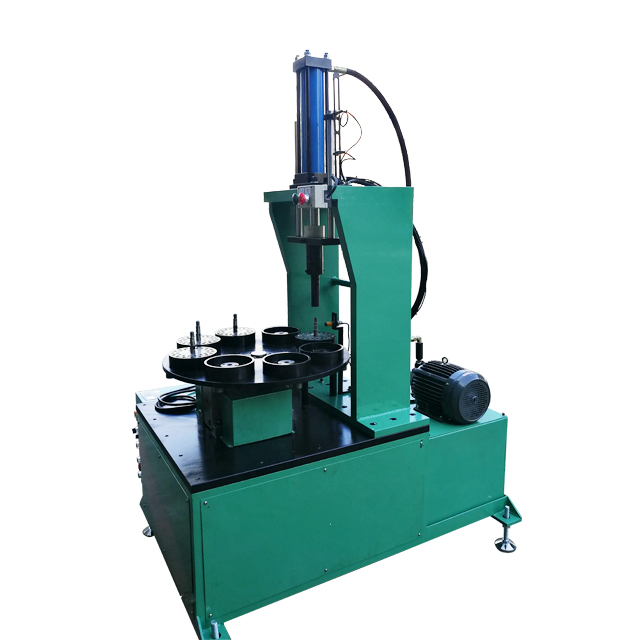
By automating the dual-side binding process simultaneously, the stator coil head is stabilized without subjecting individual magnetic slot teeth to asymmetrical transverse stresses. This directly prevents iron core lamination fan-out—a frequent failure mode observed when stators are handled by non-standardized manual presses in sub-optimal repair and production environments.
Engineered to integrate seamlessly into Minas Gerais' robust mineral extraction, heavy industrial machinery, and burgeoning automotive assembly corridors.
In the Iron Quadrangle (Quadrilátero Ferrífero) surrounding Belo Horizonte (Nova Lima, Itabirito, Brumadinho), slurry and sump pump motors operate under unforgiving hydrostatic and vibrational stresses. Our double-sided lacing machines guarantee rigid winding stabilization, preventing insulation degradation caused by high-viscosity mineral slurry resonance.
Anchored near Brazil’s largest automotive fabrication complexes in Betim, component suppliers require high repeatability for starter motors, brushless DC (BLDC) radiator cooling fan motors, and electric steering actuators. Automated tying achieves cycle times under 14 seconds per stator, supporting just-in-time (JIT) production standards.
Commercial HVAC, tunnel ventilation, and industrial exhaust fan producers in Contagem utilize our multi-station winding, wedge insertion, and lacing suites to produce IE3 and IE4 premium efficiency electric motors. Consistent geometric coil head forming reduces internal windage losses and guarantees rotor clearance tolerances.
Strategic analysis of regulatory, energy efficiency, and industrial modernizations currently reshaping electric motor manufacturing across Southeastern Brazil.
The Brazilian Ministry of Labor’s Norma Regulamentadora 12 (NR-12) mandates fail-safe machine architecture. Our export-ready machinery incorporates dual-channel safety relays, monitored interlocked safety light curtains, optical emergency stops, and isolated pneumatic dump valves to pass regional fiscal audit inspections effortlessly.
Following national energy efficiency legislation (Portaria Interministerial), Brazilian OEMs cannot afford high copper resistance or slot factor inefficiencies. Automated coil insertion and tightly laced heads maximize stator slot fullness up to 82%, reducing stray load losses and thermal hotspots.
The traditional trade of manual electric motor rewinding is facing acute generational turnover across Minas Gerais. Automated equipment empowers operators with minimal specialized training to run multi-station winding and automatic tying cycles with predictable, zero-defect output.
With currency fluctuations (BRL/USD) and maritime supply chain volatility, Belo Horizonte industrial groups are aggressively repatriating component production. Factory-direct procurement of high-durability production lines delivers rapid ROI typically recouped within 8 to 14 months of commission.
Over 17 continuous years of dedicated R&D in Dongguan, providing direct engineering-to-engineering manufacturing without middlemen.
We do not distribute generic off-the-shelf equipment. Our engineering team designs precision inserting blades, pusher shoes, coil formers, and lacing needle assemblies directly to your stator lamination drawings and copper fill specifications.
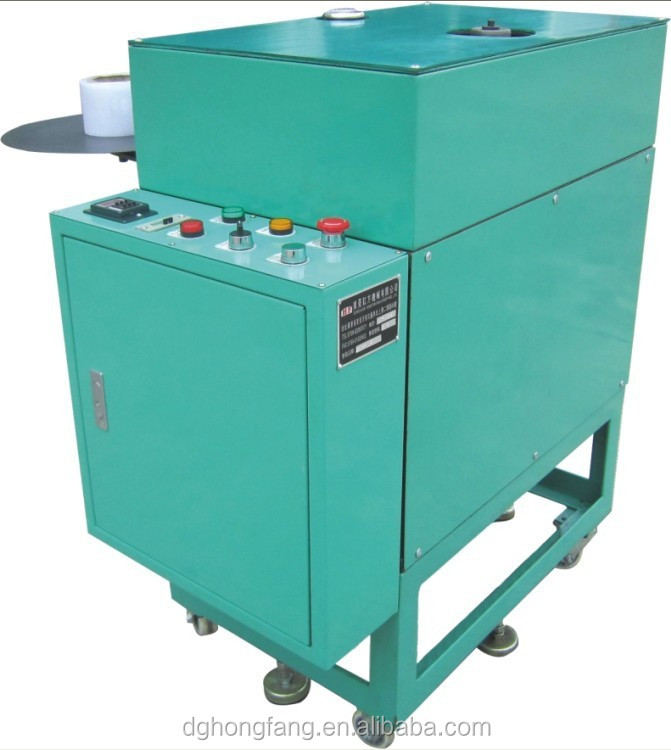
Avoid the operational nightmares of mismatched machinery. From slot insulation insertion (HF-D50) to multi-station winding, coil inserting, intermediate forming, double-sided tying (HF-BS20), and final rotor turning (HF-C60)—our machines share common tooling philosophies and cycle-time synchronization.
We eliminate dependency on proprietary, inaccessible black-box electronics. Machines can be built using Siemens, Mitsubishi, Schneider, Omron, Delta, or Inovance automation components, ensuring your in-house electrical technicians can source immediate replacements locally in Minas Gerais.
Clear, technically rigorous answers addressing local electrical conditions, import logistics to Minas Gerais, NR-12 compliance, and post-sales support.
