Core Product
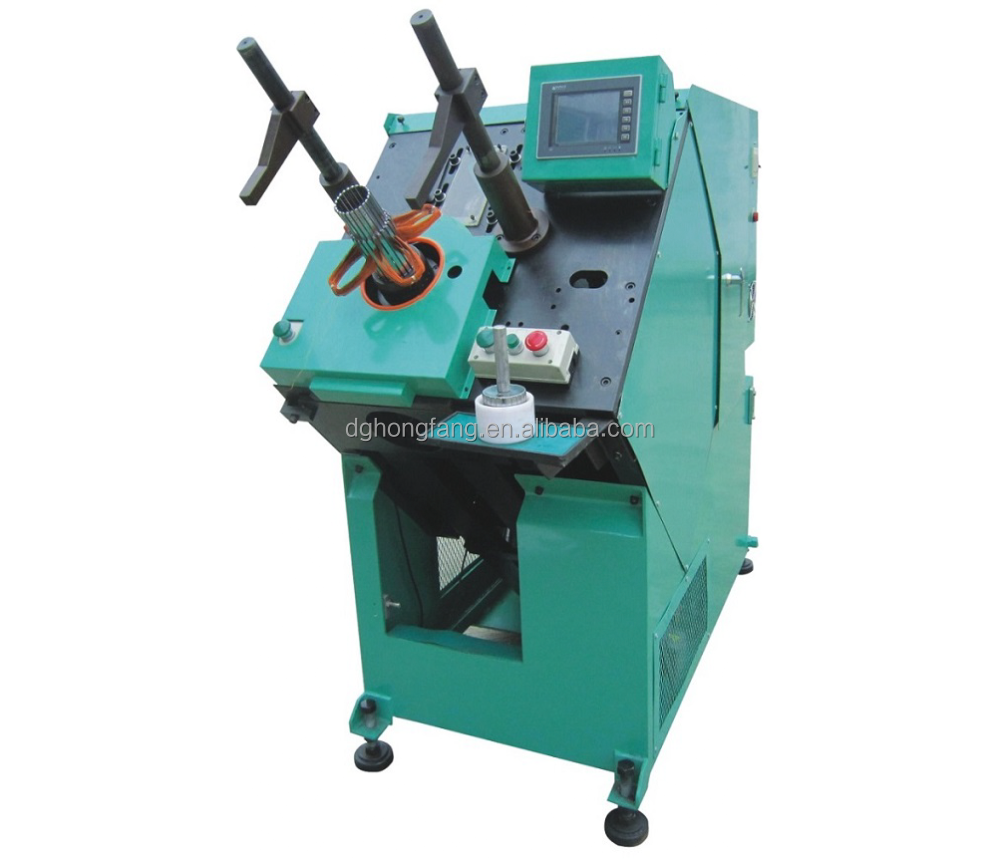
Precision-engineered coil winders, wedging mechanisms, and lacing systems tuned to EU industrial electrical specifications, serving motor manufacturers in Esch-sur-Alzette and beyond.
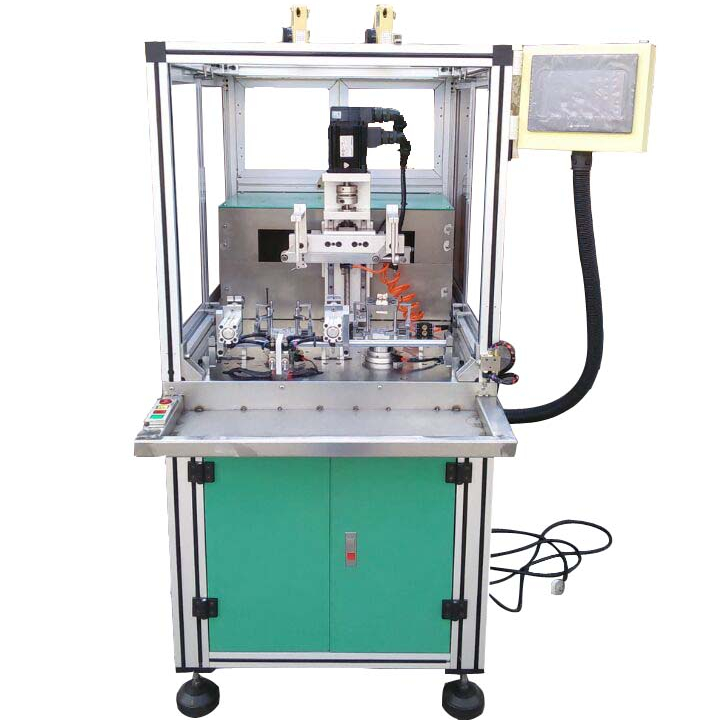
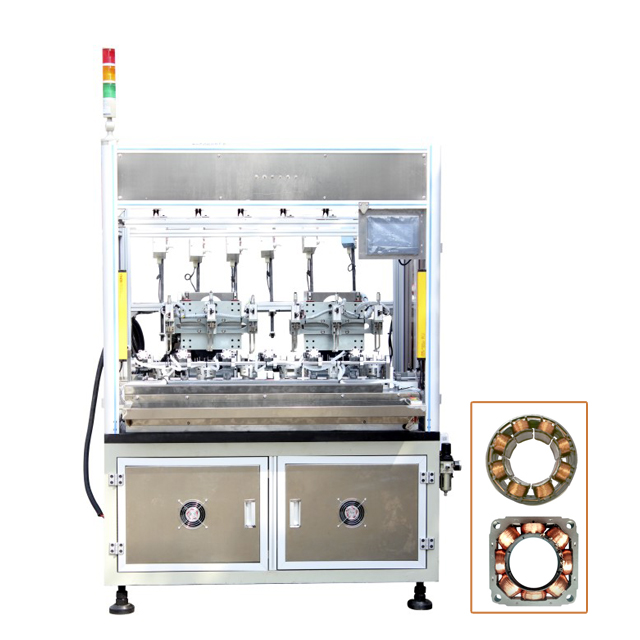
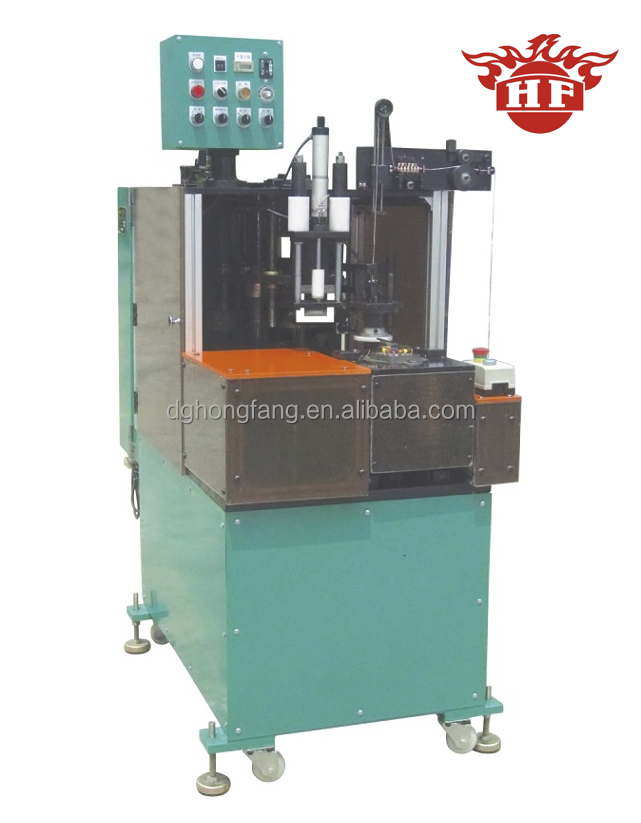
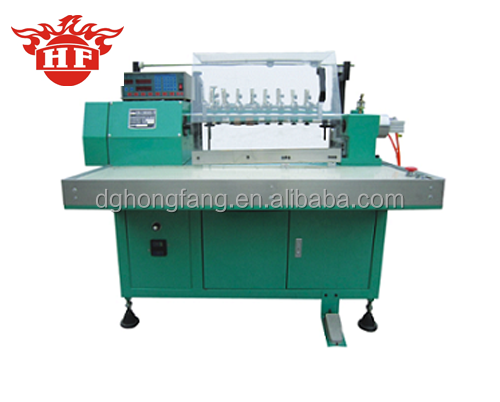
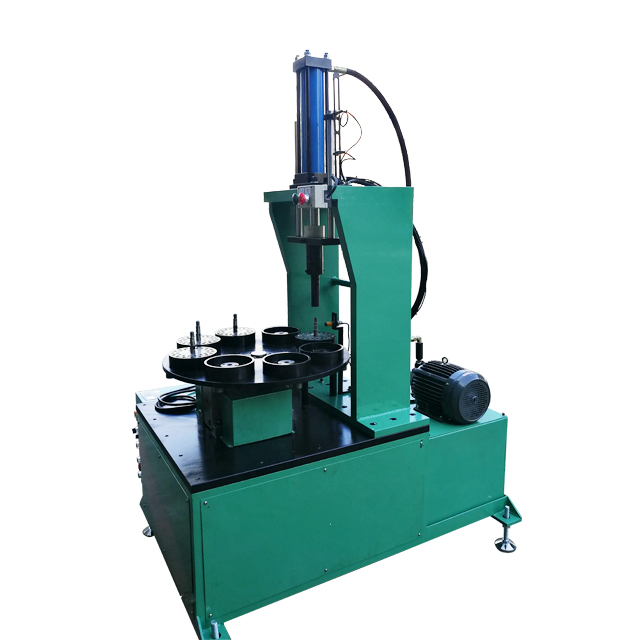
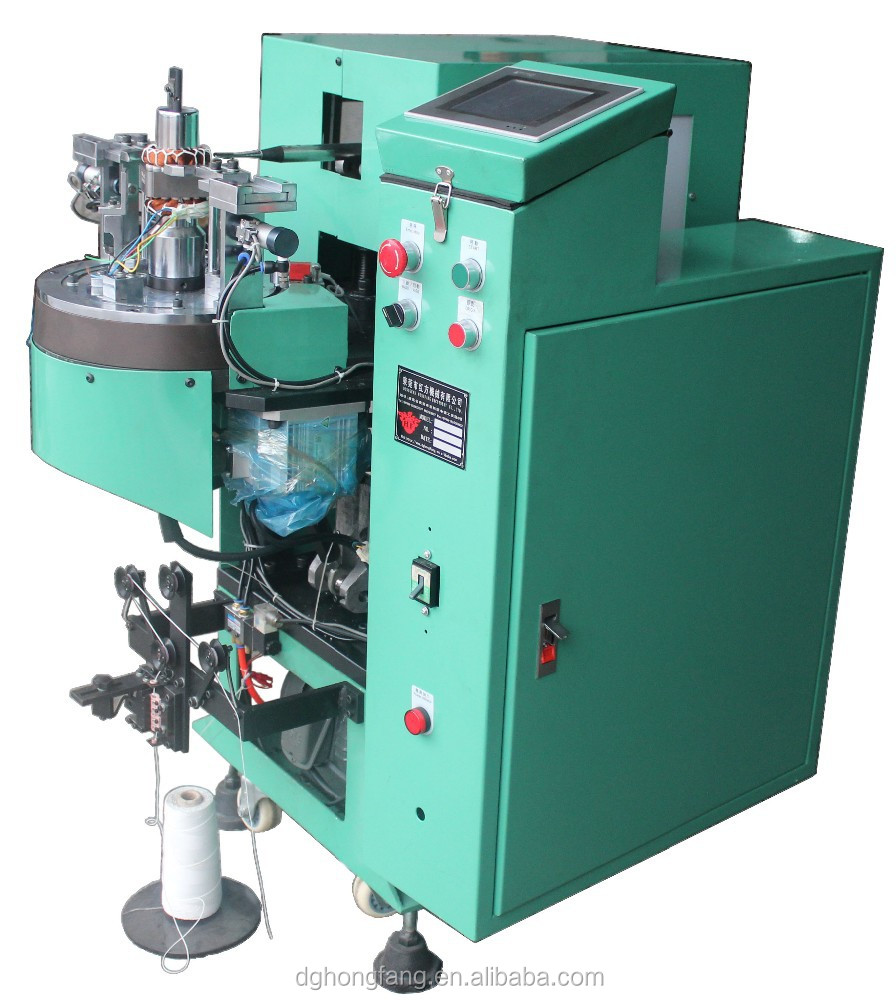
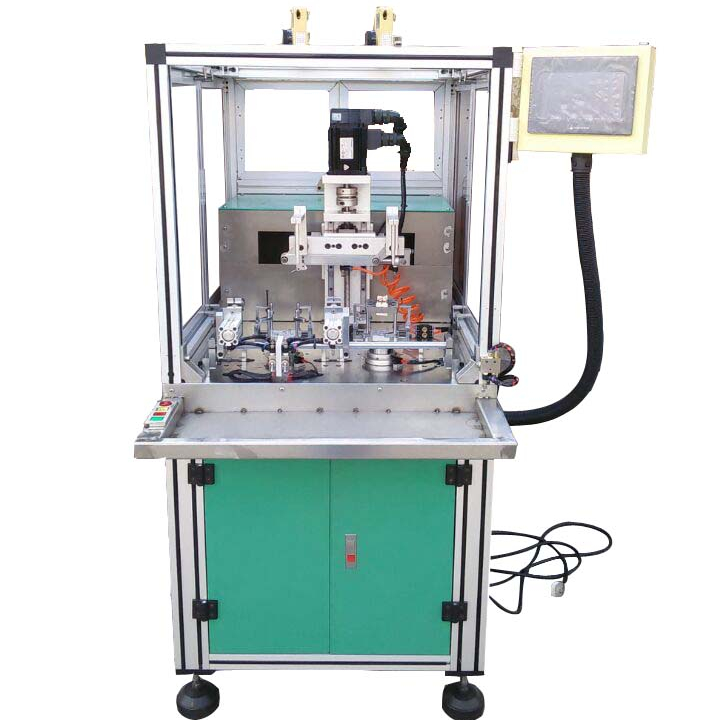
Addressing the Southern Luxembourg transition from traditional metallurgy to clean-tech mechatronics, robotic automation, and Tier-1 automotive electromagnetic assembly.
Esch-sur-Alzette, historically the epicentre of Luxembourg’s heavy steel industry and the Arbed industrial revolution, is currently spearheading the Grand Duchy's transition into high-precision engineering, cleantech hardware, and advanced mechatronics. Driven by academic and industrial nodes such as the University of Luxembourg’s Belval Campus, the Luxembourg Institute of Science and Technology (LIST), and modern industrial zones throughout ZARE and Foetz, local manufacturing requires a fundamental pivot from raw processing to micro-tolerance electrical rotating machines.
In the contemporary electric motor production lifecycle, the insertion of stator windings and slot insulation wedges represents the most critical mechanical juncture. As plant managers throughout the Canton of Esch modernize their production cells, the traditional bottlenecks of manual winding insertion—such as wire insulation scraping, asymmetric slot distribution, and irregular slot liner creasing—are intolerable under modern European quality regimes (ISO 9001, IATF 16949, and CE Machinery Directive 2006/42/EC). Automatic stator wedge and coil inserting machines resolve this vulnerability by integrating dual-axis high-torque servo drives that drive copper magnet wire coils and pre-cut insulation wedges into stator slots simultaneously in a singular, strictly calibrated stroke.
The core technological premise of Zunqi Intelligent Equipment’s inserting systems relies on kinematic precision between the inserting blade array, the wedge pusher finger, and the stator indexing arbor. During operation, pre-formed coil groups sitting within hardened tool fingers are compressed under continuous micro-tension. The slot wedges—manufactured from DMD, Nomex, or polyester film—are continuously drawn from roll stock, creased into B-shape or U-shape cross-sections, sheared to exact stack length plus edge margin, and advanced into the wedge magazines.
When the cycle triggers, our precision-machined push blades advance through the stator bore. The stator tooth tips are closely shielded by guide blades with clearances under 0.03 mm, ensuring zero friction between the enamelled copper wire and the sharp silicon steel laminations. By executing the insertion of both wire groups and slot closing wedges in one seamless movement, the system achieves three imperative engineering advantages:
Motor manufacturing and prototyping facilities throughout southern Luxembourg require empirical metrics to justify capital equipment upgrades. The following comparative data illustrates why forward-looking workshops in Esch-sur-Alzette are discarding legacy manual benches for full servo-automated wedge and coil inserters:
| Process Parameter | Traditional Manual Bench | Pneumatic / Cam Semi-Auto | Zunqi Dual Servo Inserter (HF Series) |
|---|---|---|---|
| Cycle Time (36-Slot Stator) | 8 to 14 Minutes / Piece | 45 to 75 Seconds / Piece | 14 to 28 Seconds / Piece |
| Wedge Cut & Insertion Accuracy | ±1.5 mm (Subject to operator fatigue) | ±0.5 mm (Mechanical stop drift) | ±0.1 mm (Digital servo positioning) |
| Maximum Slot Fill Factor | ≤ 62% | ≤ 70% | Up to 82% Theoretical Maximum |
| Wire Scraping / Rework Rate | 4.5% – 7.0% | 1.8% – 3.0% | ≤ 0.15% (Virtually eliminated) |
| Tooling Changeover Window | Not Applicable | 60 – 90 Minutes | 15 – 25 Minutes (Modular quick-clamp) |
| Traceability & Industry 4.0 | None | Basic Cycle Counter | Ethernet/IP, Modbus TCP, Torque Profiling |
How our automatic coil insertion and stator manufacturing solutions integrate into key industrial clusters across Esch-sur-Alzette, Differdange, Dudelange, and Sanem.
Southern Luxembourg is an established hub for Tier-1 automotive component engineering. Our machines build brushless DC (BLDC) motors, automotive steering servos, electric water pumps, and thermal expansion actuators that comply with strict vibration and thermal cycling tests.
Modernized steel finishing mills and continuous rolling operations around Esch-Belval and Differdange mandate heavy-duty induction motors capable of withstanding aggressive duty cycles. High copper slot fills guarantee thermal headroom in dusty, high-vibration plants.
Meeting European Eco-design Directive standards requires transitioning HVAC fans and building circulator pumps to IE4 and IE5 super-premium efficiency ratings. Zunqi's repeatable wedge inserting machines ensure electrical losses remain low across high production runs.
Manufacturing investments in the Esch-sur-Alzette metropolitan territory are guided by three overarching economic forces:
17+ years of international manufacturing excellence backed by certified production facilities in Dongguan and transparent global customer engineering support.
Exporting advanced winding and motor line equipment globally since 2008, with vetted transactions, trade capacity verification, and proven European delivery pedigrees.
Every inserting shoe, blade set, and wedge guide is CNC-machined to your exact stator lamination CAD drawings, tested on real physical core samples before crating.
Configurable with industrial automation brands your plant already stocks: Siemens, Mitsubishi, Schneider, Omron, Delta PLC architectures, and SMC pneumatic lines.
Comprehensive 12-month mechanical warranty, remote AR commissioning, guaranteed replacement wear-parts stock, and quick response under 9 hours.
Detailed answers covering voltage configuration, logistics, tooling lead times, and factory compliance for European engineering buyers.
Yes, absolutely. While many standard domestic Chinese units run on 220V 50Hz single-phase, all machinery built for deployment in Esch-sur-Alzette, Foetz, or Sanem can be wired for standard European three-phase 400V (+/- 10%) 50Hz or dedicated 230V control circuits. Control transformers, servo amplifiers, and high-frequency inverter drives are selected with full CE compliance markers and low electromagnetic emissions (EMC conformity) suitable for industrial zones in the European Union.
Our engineering protocol requires your technical team to share 2D/3D stator lamination drawings detailing inner diameter (ID), outer diameter (OD), stack height, slot shape, and slot opening width. Furthermore, we strongly advise sending 5 to 10 physical stator core samples and a spool of your production magnet wire. Our Dongguan technicians will design, CNC-machine the tooling, conduct trial insertions, and provide you with high-definition video acceptance trials and dimensional CMM inspection reports prior to crating.
Standard sea freight from Shenzhen/Guangzhou ports to northern European hubs (Antwerp, Rotterdam, or Zeebrugge) generally takes 28 to 35 days, followed by inland multimodal rail or truck transport to Esch-sur-Alzette (approx. 48–72 hours after customs clearance). For urgent prototype or factory lines, air freight to Luxembourg Findel Airport (LUX) is available, arriving within 5 to 7 business days from factory release. All machinery is sealed in anti-rust VCI film and bolted into heavy fumigation-free wooden cases.
Our automatic wedge cutting and feeding systems handle virtually all primary class B, F, and H insulation materials. Common materials include DMD (polyester film polyester fiber non-woven flexible material), Nomex, NMN, polyester film (Mylar), and polyimide composite laminates. The feeder features precise mechanical heating and tension creasing shoes that prevent thermal micro-cracking during edge folding.
Yes. In addition to automatic stator wedge and coil inserting machines, Zunqi manufactures slot insulation inserting machines, multi-station coil winders, intermediate and final coil forming machines, single/double side coil lacing machines, rotor precision turning cutters, and hydraulic shaft pressing presses. Sourcing the entire stator line from a single vendor guarantees uniform cycle times, consistent mechanical clearances, and synchronized tooling geometry.
Each unit ships pre-configured, tested, and accompanied by detailed English electrical schematics, PLC ladder documentation, and step-by-step video setup guides. We offer scheduled live interactive video sessions with lead development engineers to assist your maintenance team with initial unboxing, leveling, parameter adjustments, and tooling changeover. On-site technical engineer dispatch is also available upon commercial agreement.
Connect with our motor automation engineering team today. Send us your stator lamination drawings, stack heights, and target output rates for a tailored proposal and quotation.
