Multi-Station
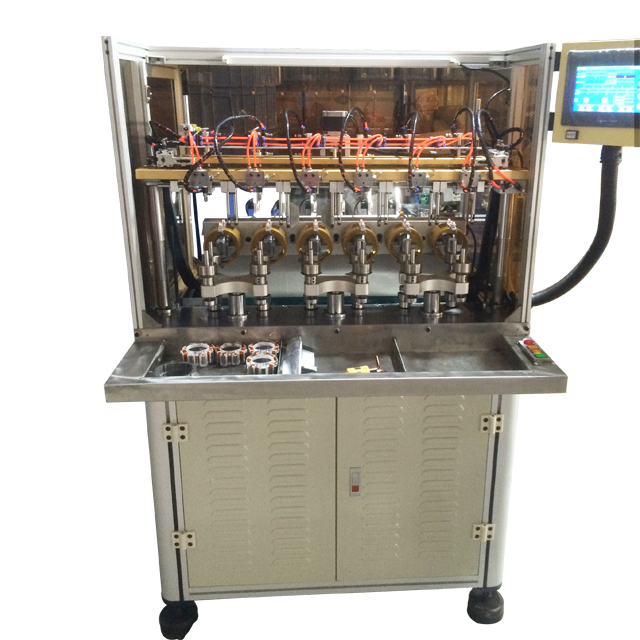
Six Stations Outer Stator Motor Coil Winding Machine
- ✓ High-speed outer rotor winding
- ✓ Integrated PLC & gear transmission
- ✓ 1-Year manufacturing plant warranty
Engineered for high-volume automated lines across Central and Southeastern Europe. Match your stator geometries with factory-calibrated PLC control, zero-defect insulation insertion, and precision tooling.
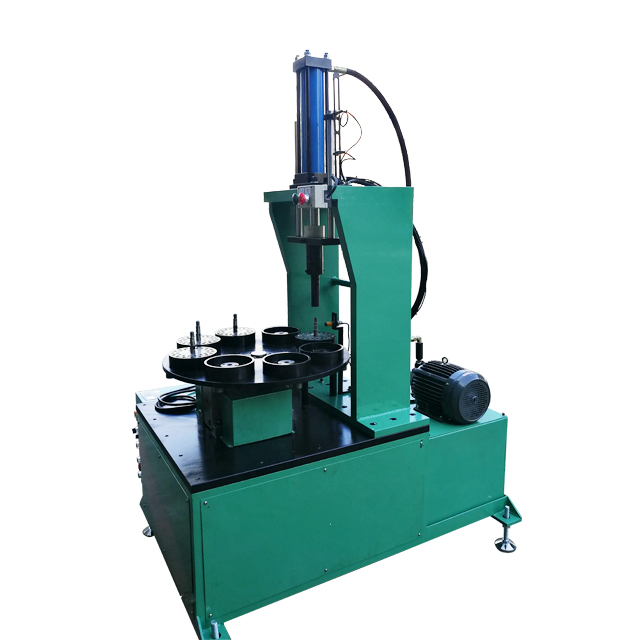
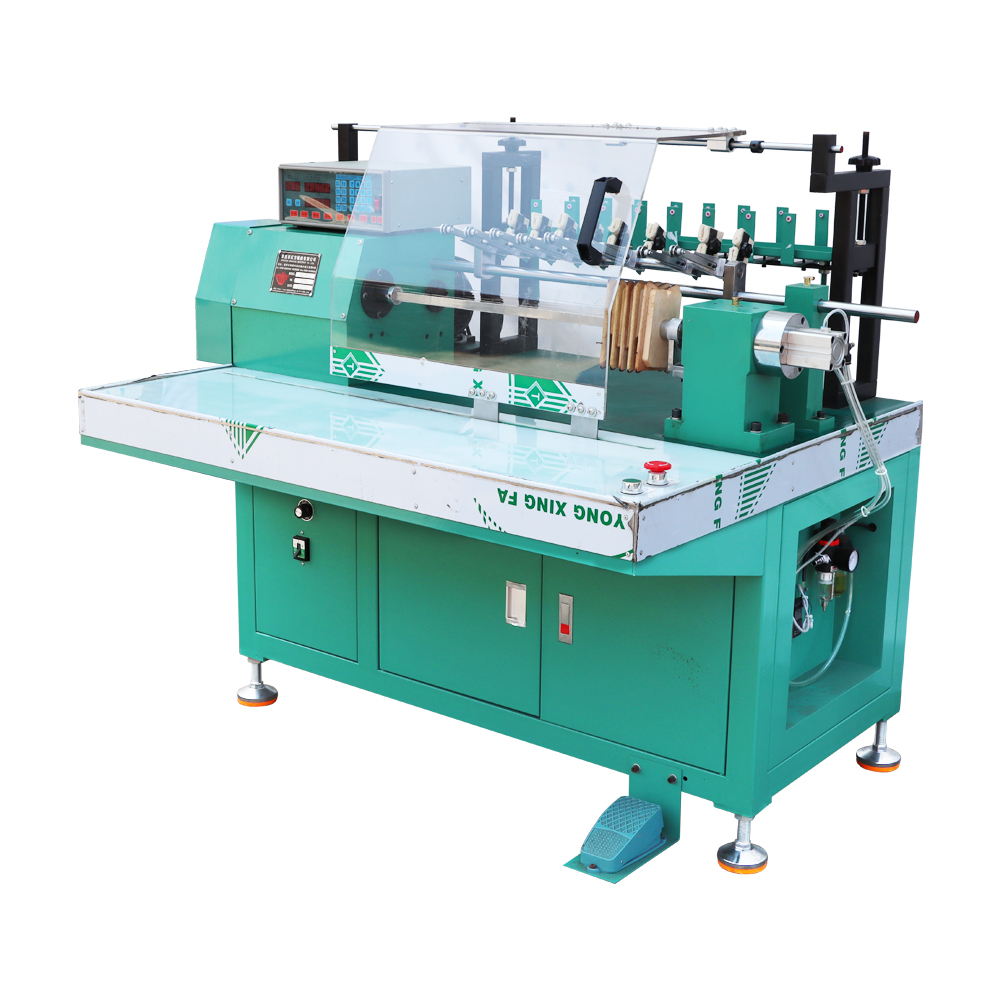
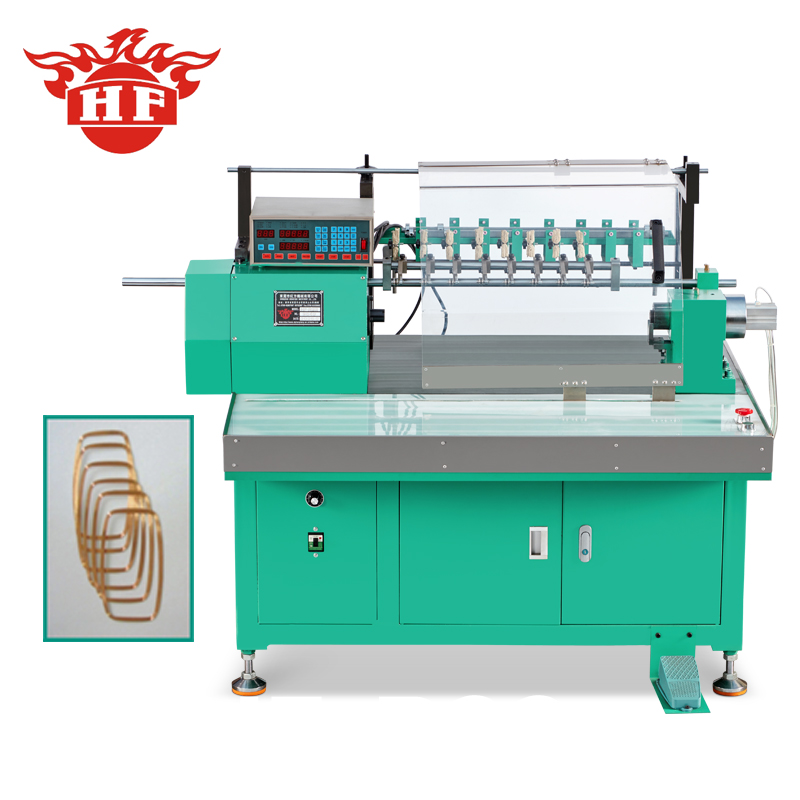
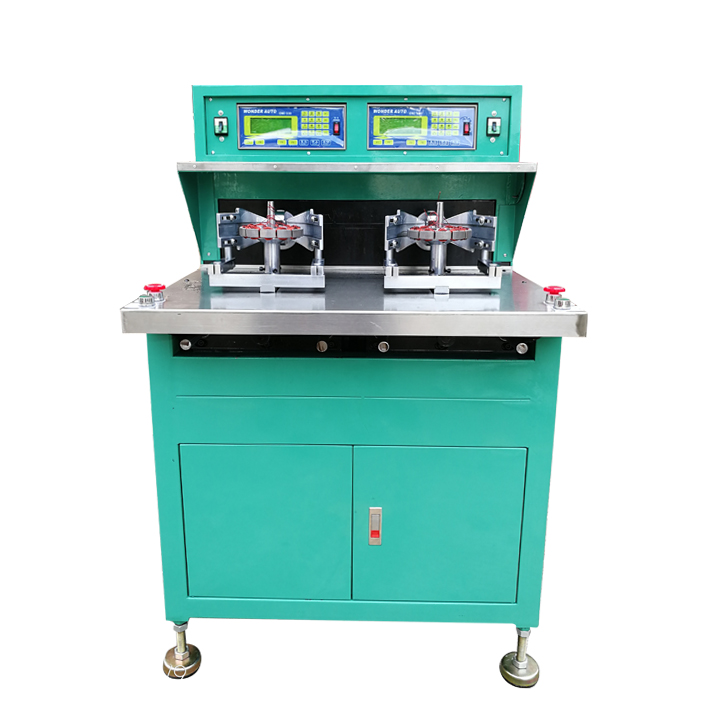
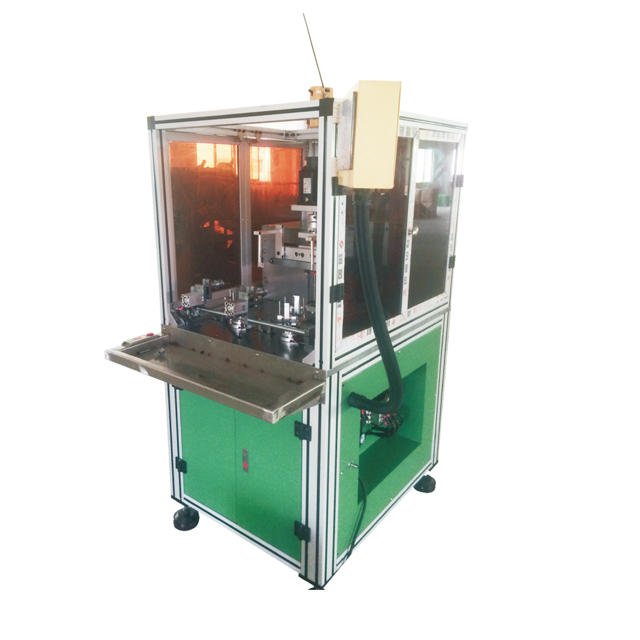
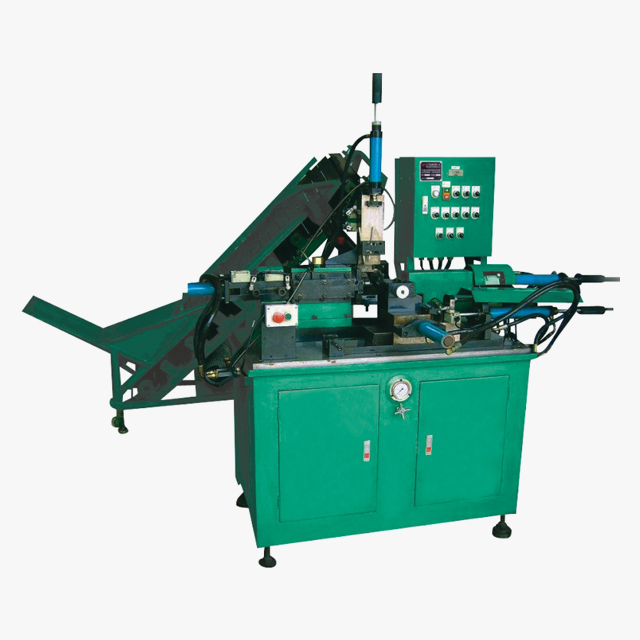
In high-efficiency electric motors compliant with EU Ecodesign Directive standards (IE3, IE4, and IE5), the stator slot insulation paper serves as the fundamental primary dielectric barrier. Understand how mechanical precision prevents microscopic copper short-circuits.
Automatic stator paper inserting machines utilize twin eccentric rollers to impart double-side edge folds (cuffs) onto continuous Nomex, DMD, or PET film. Cuffing protects insulation strips from tearing when electromagnetic coils are inserted under tensile pulling load, distributing mechanical edge friction safely across a reinforced double-ply border.
Equipped with high-resolution optical encoders and multi-axis CNC interpolation, modern inserters accommodate symmetrical, variable-pitch, or skip-slot geometries. The indexing chuck locates the laminated core within 0.01 angular degrees, ensuring the insertion blade aligns co-axially with skewed or straight slot cavities.
Micro-grain tungsten carbide guillotine shears ensure burr-free edge cuts at line frequencies up to 2.5 cycles per second. Once cut to stack height + cuff allowance, the forming mandrel compresses the paper into a specific 'U', 'B', or custom cross-section before a push rod seats the insulation flush against the bottom iron lamination.
Operating in automated winding environments requires tight control over the slot fill factor. Inferior insulation machines introduce uneven paper bowing that consumes valuable cavity space, causing coil insertion heads to snag and scrape magnet wire enamel. Zunqi machines maintain consistent cross-sectional contouring, allowing Slovenian motor manufacturers to achieve up to 78% net copper fill factors without dielectric degradation.
DMD, NMN, Nomex, Polyester Mylar, Fish Paper, and Polyimide composite laminates from 0.12mm to 0.45mm thickness.
Standard modular tooling accommodates lamination stack lengths from 15mm up to 280mm without replacing primary drives.
Internal bores from Ø20mm up to Ø260mm supported with quick-change guide fingers and center mandrels.
Zero-tear cuff folding eliminates air gaps, reducing Corona discharge risk under modern high-frequency SiC/GaN VFD PWM switching.
The Savinja statistical region and Celje industrial axis represent one of Central Europe's critical nodes for electro-mechanical engineering, premium household appliance subsystems, industrial pump hydraulics, and Tier-1 automotive electrification.
Producers within Celje, Velenje, and Žalec supply hermetic compressors, dishwashers, and ventilating blowers across the European Union. These lines require automatic paper inserting machines capable of sub-second cycles to match synchronized conveyor transfer speeds while guaranteeing zero dielectric puncture under VDE testing protocols.
With the transition toward 48V mild hybrid motors, electric power steering (EPS), and coolant recirculation pumps, local manufacturers require tooling that handles hairpin stators and dense, compact slot spaces. Zunqi offers programmable multi-pitch inserting machines compatible with cleanroom-type industrial cells.
Celje's mechanical fabricators produce submersible wastewater pumps, heating circulators, and axial fans operating under harsh thermal classes (Class F and Class H). Our heavy-duty slot inserters cleanly form thick Nomex-Kapton composite insulation, eliminating micro-creasing where moisture ingress can cause insulation failure.
As the Savinja region grapples with tightening mechanical labor markets and escalating hourly wage rates, hand-insulating stators or relying on obsolete semi-manual inserters is no longer viable. Replacing manual slot lining with automated servo paper inserters yields an immediate productivity boost: a single machine operator can oversee two paired lines, elevating finished stator cell output from 45 pieces per hour to over 160 units per hour while cutting assembly defects to under 0.05%.
Strategic shifts in EU environmental regulations, materials science, and digital shop-floor integration are altering procurement specifications across Slovenia's manufacturing sector.
Driven by strict European Ecodesign efficiency thresholds, motor designs in Celje are rapidly transitioning away from standard squirrel-cage induction profiles toward permanent magnet BLDC and synchronous reluctance motors. These newer designs feature tighter slot necks and non-uniform teeth, demanding insertion machines with servo-controlled multi-point slot registration.
Automotive and white-goods OEMs increasingly specify thinner insulation barriers with higher dielectric strength to maximize copper volume. Modern automatic inserting machinery must process these delicate films without micro-fracturing or surface abrasion, necessitating ultra-polished tungsten tooling and closed-loop web tension sensors.
Celje factories exporting to Germany, Austria, and northern Italy face strict traceability audits. Modern paper inserting machines must output real-time sensor logs—including insertion force limits, cycle duration per slot, and feeder jam warnings—directly into plant MES networks via standard Ethernet/IP and OPC-UA industrial protocols.
Headquartered in the premier manufacturing corridor of Dongguan with 17 years of direct international trade, Zunqi combines turnkey custom tooling with industrial-grade mechanical components.
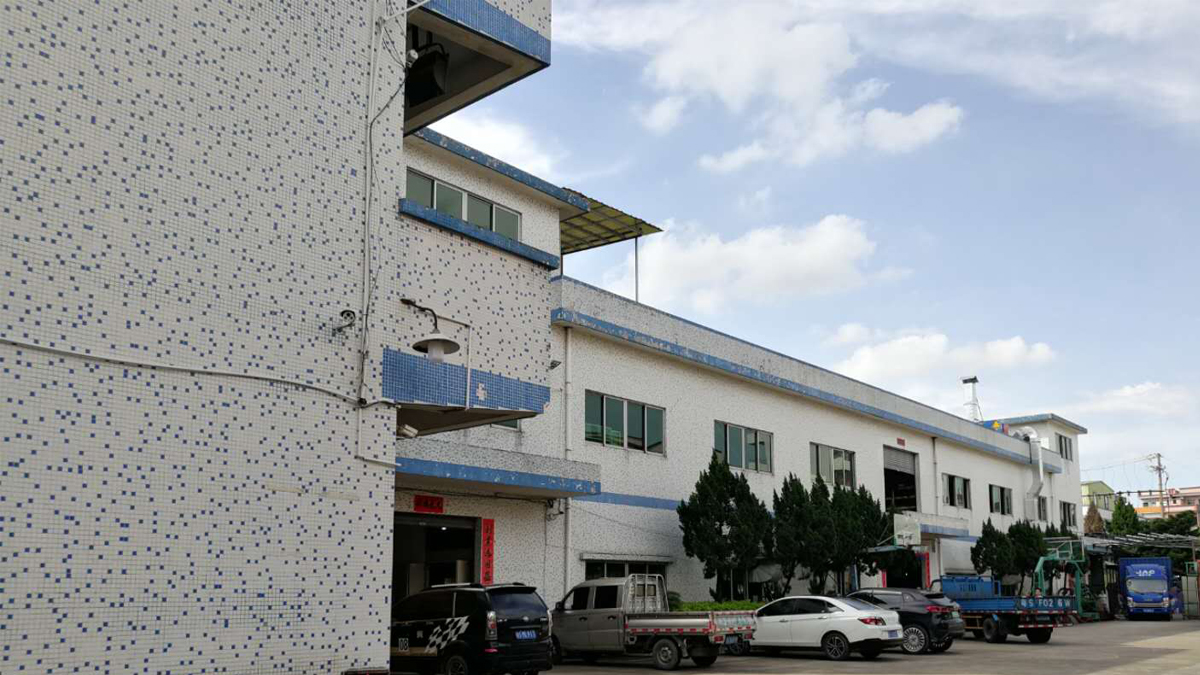
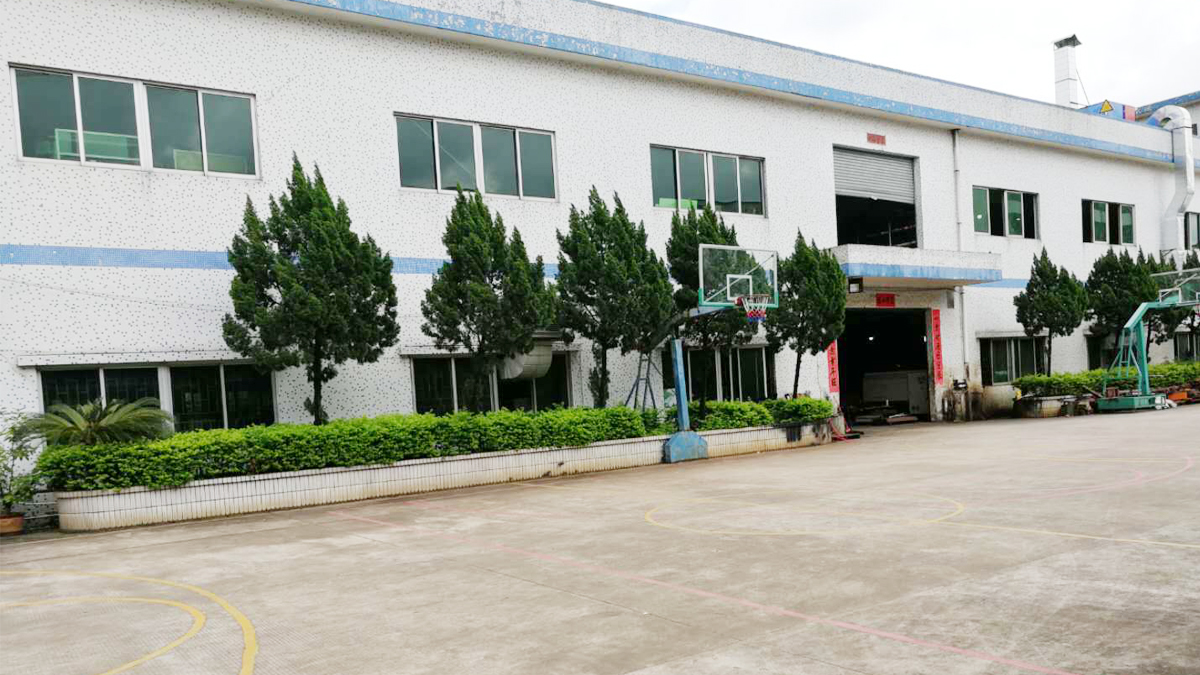
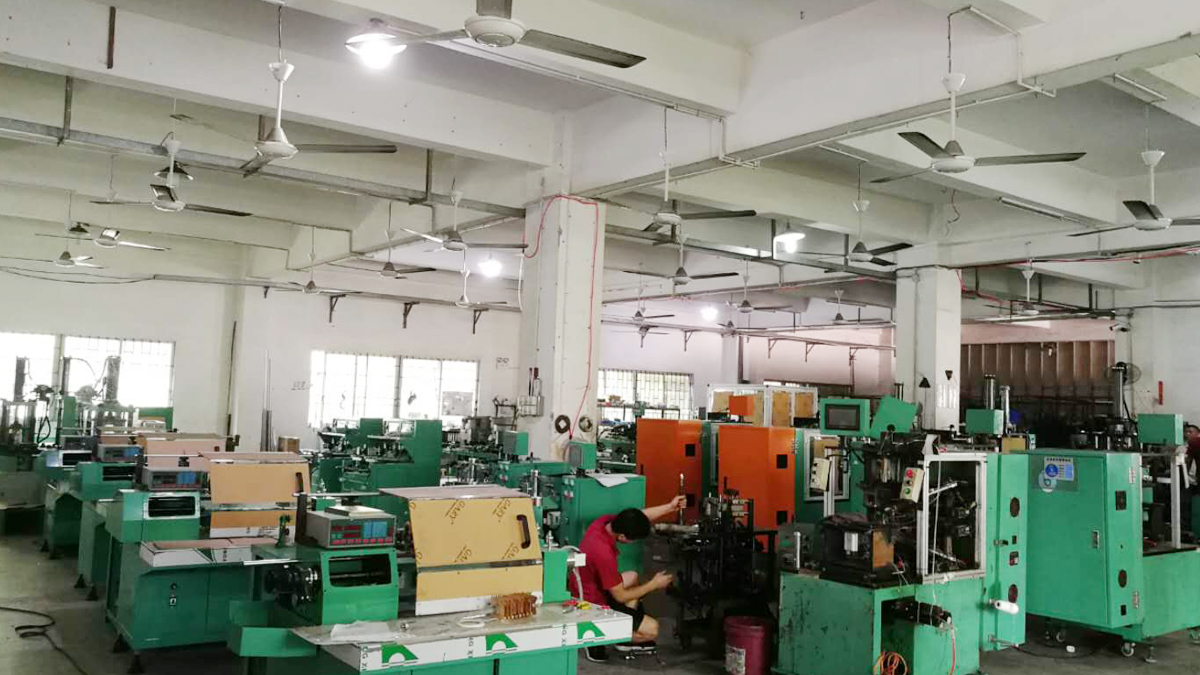
Procuring motor manufacturing automation requires dependable precision, long-term component availability, and rapid technical onboarding. Zunqi offers distinct manufacturing advantages designed specifically for export partners:
Detailed technical, logistical, and commercial inquiries answered by our senior equipment engineering team.
Send your stator CAD drawings, core stack parameters, and slot insulation specifications. Our applications engineering department will provide an equipment layout proposal, cycle-time projection, and competitive quote within 9 hours.
Get a Quote