Turning & Casting
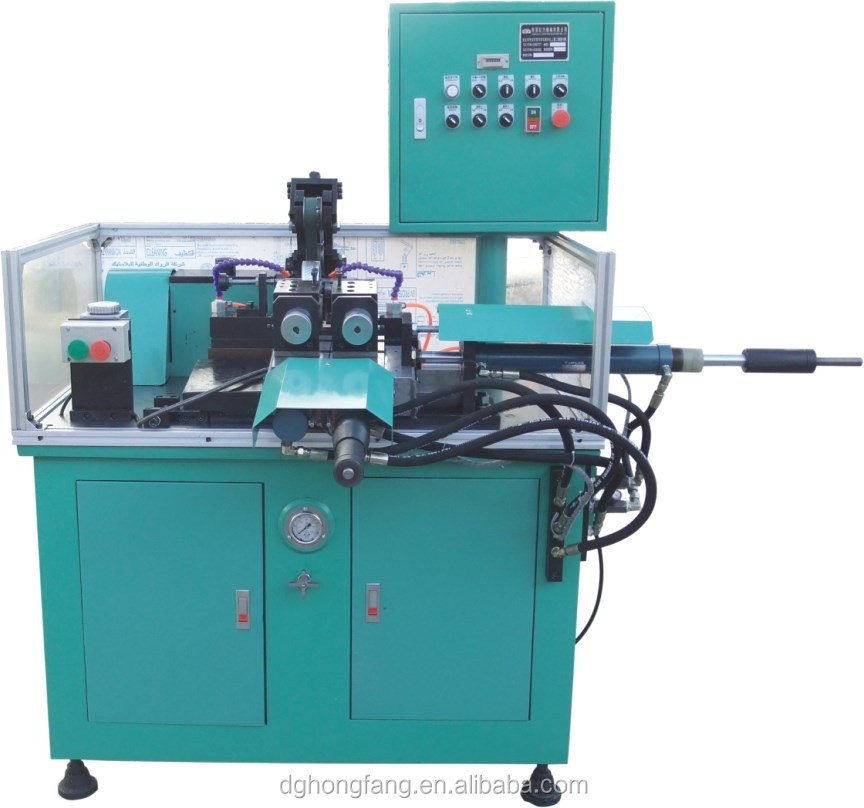
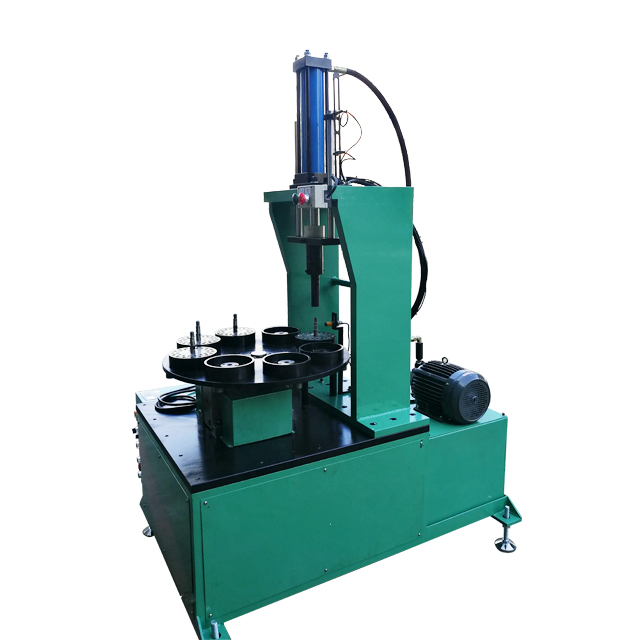
New HF Fan Motor Rotor Turning & Casting Machine with PLC and Pump Core Components
- Aluminum surface cutting accuracy
- High-speed hydraulic feed
- Integrated coolant pump module
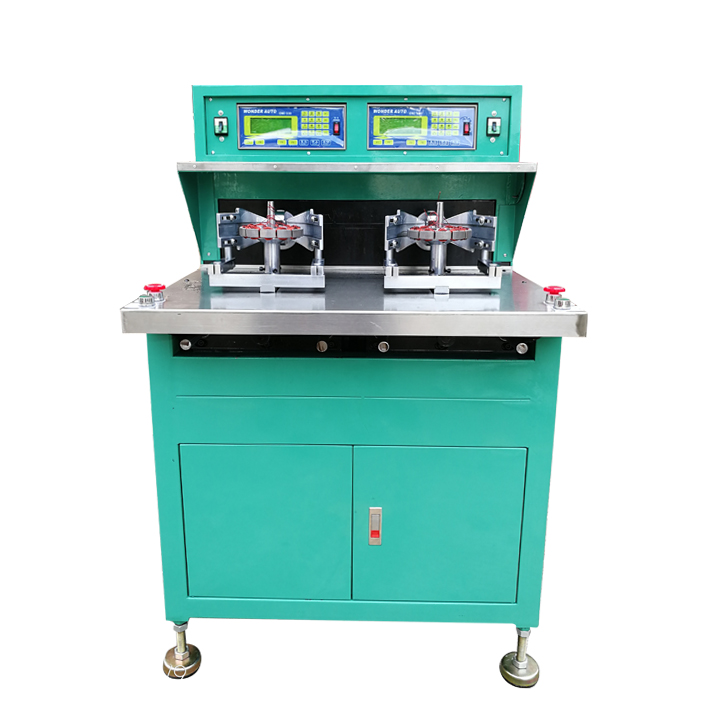
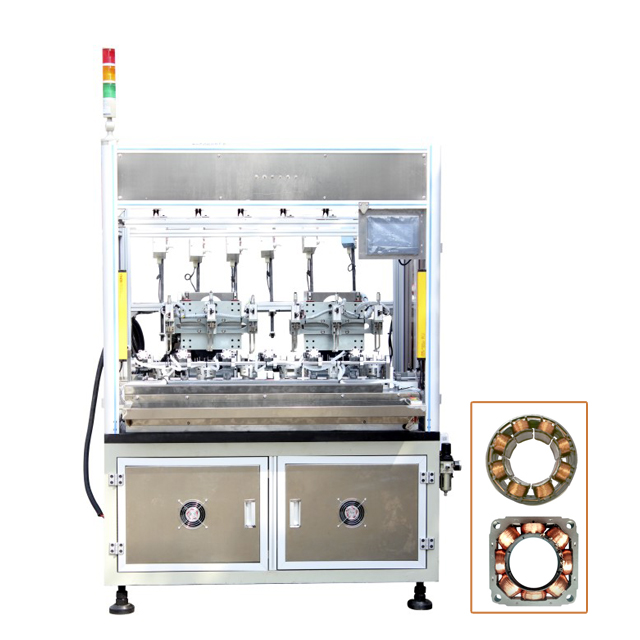
Direct factory supply of CNC-controlled winding, slot inserting, servo binding, and rotor profiling systems with bespoke stator tooling and full technical documentation.
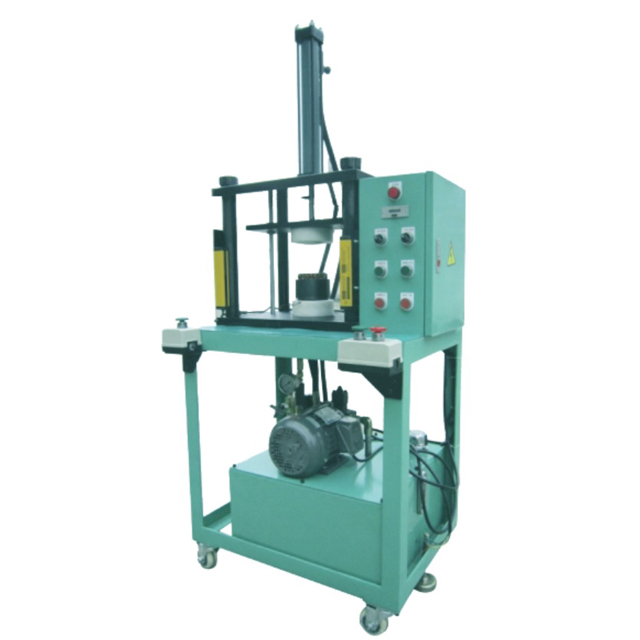
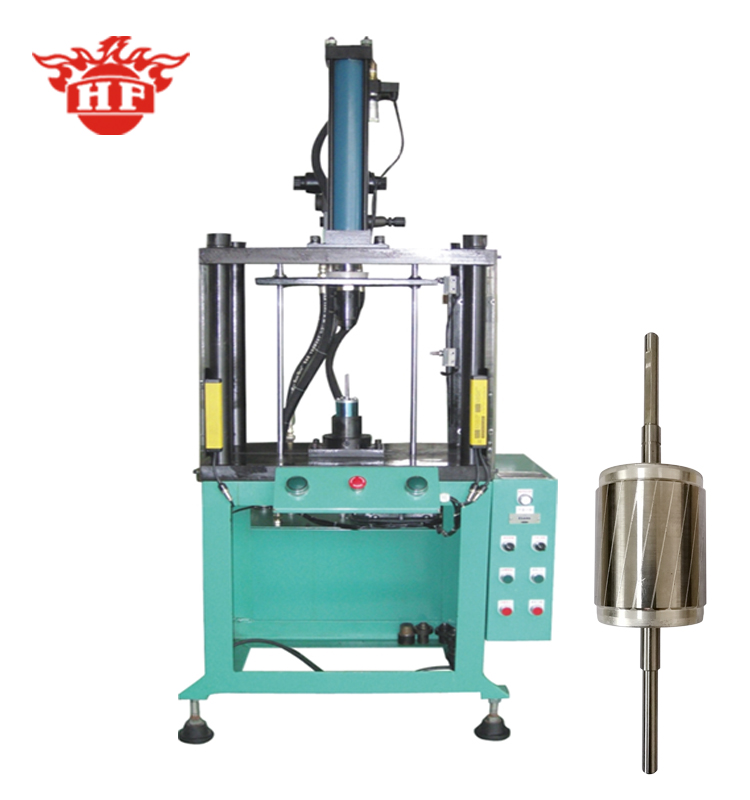
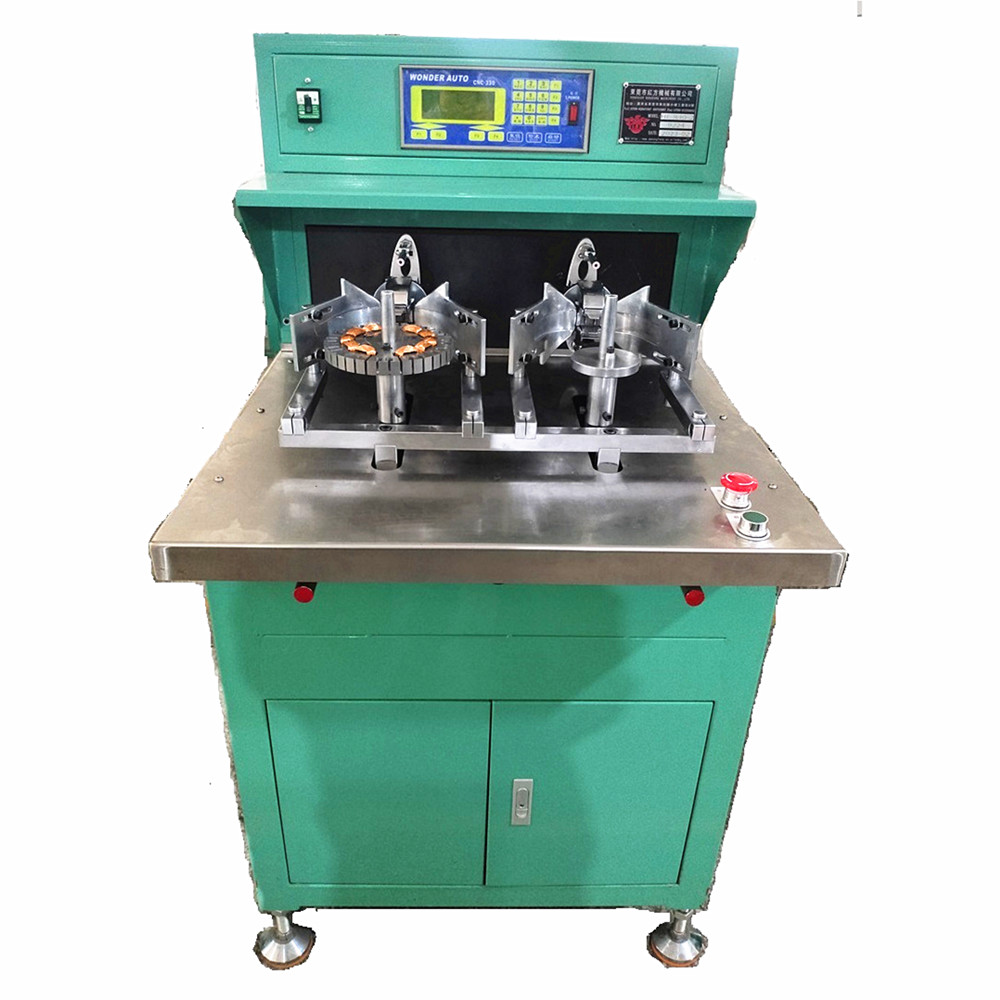
A comprehensive examination of operational kinematic dynamics, electro-mechanical assembly protocols, and targeted solutions for industrial manufacturers in Salto and Latin American industrial corridors.
In high-volume electric motor manufacturing, the stator end-winding phase is a critical bottleneck where electrical insulation integrity, mechanical coil stabilization, and thermal dissipation converge. The implementation of an Automatic Stator Lacing Machine eliminates the systemic inconsistencies inherent to manual twine tying. During the operation of three-phase industrial induction motors, hermetic compressor pumps, and BLDC permanent-magnet stators, electromagnetic forces impose continuous vibrational stress upon unsupported coil heads. Unsecured windings experience micro-fretting along the enameled magnet wire surface, precipitating premature slot insulation breakdown, inter-turn shorts, and motor flashover.
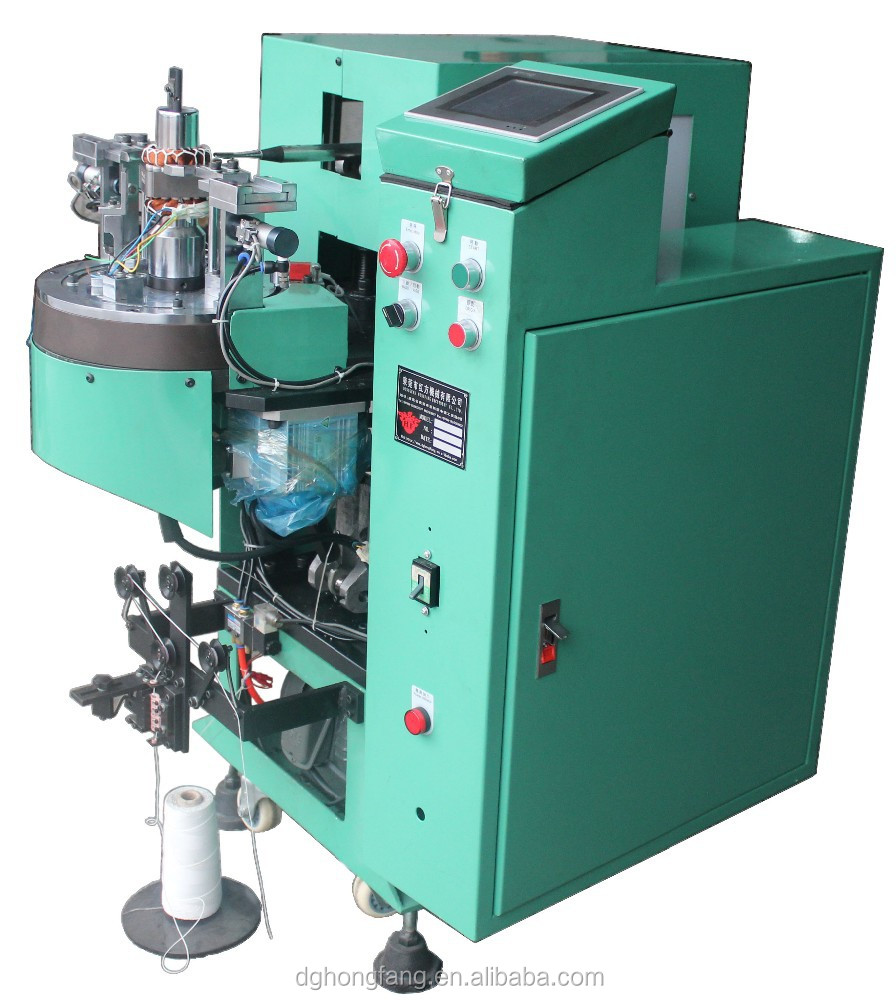
Our automatic stator lacing machine designs leverage multi-axis servo synchronization. A hooked needle traversing reciprocal arcs coordinates with an oscillating shuttle hook beneath the stator bore. As the stator core is indexed via an absolute-encoder rotary platform, tensioned lacing cord (typically polyester, Nomex, or braided fiberglass) is looped through the stator coil head. The needle pierces precisely between adjacent stator slots without scuffing the magnet wire enamel. Variable stitch tension profiles ensure an uncompromising, uniform clamping force that resists radial centrifugal forces and thermal expansion cycles during operation.
Salto represents a distinguished industrial and agro-manufacturing node with substantial reliance on heavy electric motor systems, cold-chain refrigeration units, and fluid dynamics pump assemblies. Agricultural irrigation arrays, citrus packing plants, and dairy processing operations across Salto mandate severe-duty electric motors operating under continuous ambient humidity and high cyclic thermal swings. Stators laced with uneven manual cord tension inevitably suffer coil displacement when confronted with inductive voltage surges and harsh field start-stops.
Furthermore, the local assembly lines dedicated to domestic ventilation, ceiling fans, and fractional-horsepower appliances in the Southern Cone trade area face strict price-to-performance pressures. Deploying our specialized lacing apparatus—such as the HF Single Side Lacing Machine or the HF-BS20 Servo Double-Side Machine—enables regional manufacturers in Salto to achieve tight coil dimensions. By compressing the coil overhang, plants noticeably reduce raw copper usage per stator while fitting smaller motor end-bells, directly lowering unit costs and maintaining compliance with regional Mercosur electrical efficiency regulations.
The manufacturing ecosystem across Salto is rapidly navigating an industrial re-tooling wave. Historically, motor re-winding workshops and specialized low-volume production facilities relied on manual lacing techniques with hand-held lacing needles—a labor-intensive protocol requiring 8 to 15 minutes per stator, highly susceptible to repetitive strain injuries and non-repeatable tension. With rising regional labor costs and an influx of international motor imports, Salto factories are adopting Industry 4.0 automation fundamentals.
Contemporary production managers in Salto are standardizing on programmable logic controllers (PLCs) capable of storing dozens of stator recipes. Modern demands prioritize rapid changeover: switching from a 24-slot sub-fractional water pump stator to a 36-slot commercial ventilation stator in under 15 minutes. Our equipment incorporates modular clamping rings, rapid-swap needle carriages, and intuitive digital touch screens with English and Spanish language interfaces, enabling immediate productivity gains without requiring years of specialized operator apprenticeship.
Benchmarking automated servo lacing against legacy manual binding workflows across critical operational parameters.
| Performance Parameter | Legacy Manual Lacing | HF Semi-Automatic Single Side | HF-BS20 Servo Double-Side |
|---|---|---|---|
| Cycle Time (36 Slots) | 8.0 – 14.0 Minutes | 35 – 50 Seconds | 18 – 26 Seconds |
| Binding Tension Consistency | Variable (±35% dev.) | Cam-Controlled (±8%) | Digital Servo (±2%) |
| Lacing Needle Movement | Manual hand-pass | Pneumatic & Cam drive | Dual Servo Coordinated |
| Supported Stitch Patterns | Simple loop | Slot-by-slot, Skip-slot | Continuous, Fancy, Segmental |
| Enamel Wire Scuff Rate | Medium to High | < 0.05% with guide pin | < 0.001% Zero-Damage Hook |
| Operator Fatigue Index | Severe (Carpal tunnel risk) | Minimal (Loading only) | Zero (Dual palm-safe start) |
Precision equipment engineered to seamlessly integrate with local motor factory lines, harsh rural electrical grids, and multi-SKU manufacturing demands.
Submersible pump stators utilized in deep river irrigation around Salto demand deep-slot coil insertion and dense, void-free winding heads. Our high-tension servo lacing locks coils firmly against resin impregnation washout, minimizing hydraulic shear vibrations.
Refrigeration fan motors operating continuously across local meat and fruit warehouses require whisper-quiet operation. Precise lacing eliminates loose copper strands that vibrate at harmonic line frequencies, guaranteeing low-decibel, high-efficiency ratings.
Motor contract winders handling diverse repair or OEM batches benefit from fast tool swaps. Changing stack height adaptors, inner diameter pilots, and program numbers takes less than a quarter-hour, maximizing daily throughput across multiple stator geometries.
17 years of direct international machinery manufacturing, audited physical workshops in Dongguan, and an end-to-end motor automation engineering ecosystem.
We do not deliver off-the-shelf compromises. Every lacing needle profile, core clamping collet, and push rod is precision-machined according to your exact laminated core drawing or physical stator sample sent to our Dongguan engineering facility.
From slot insulation insertion and high-speed coil winding to automated coil/wedge insertion, dual-plane intermediate forming, dual-end lacing, and rotor shaft hydropressing—our machinery ensures unified cycle times across the complete factory floor.
Every unit includes a comprehensive 1-year mechanical and electrical warranty, high-wear spare parts sets (needles, hooks, cut-off blades), localized voltage conversion (380V/220V, 50Hz/60Hz), and remote video-guided commissioning support.
We integrate control hardware according to your maintenance inventory in Salto:
Technical answers to the most common operational, shipping, and customization questions asked by plant managers and procurement teams in the region.
Send your stator core drawings, stack heights, and target output rates. Our engineering application desk will evaluate your tooling needs and reply with a complete quotation and cycle time simulation within 9 hours.
