High-Efficiency Stator & Rotor Processing Machinery
Engineered for high dielectric integrity, rapid slot cycle times, and robust reliability in tropical operating climates. Delivered with direct rail logistics along the Boten–Luang Prabang transport corridor.
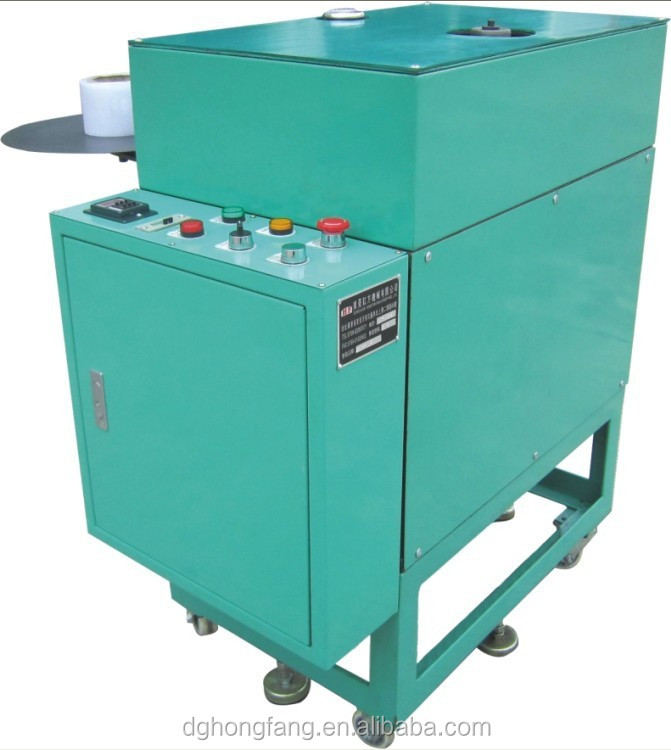
HONGFANG HF-D50 220V 1000W Insulation Paper Insertion Machine
- Cycle Speed: 0.5 - 0.8 sec/slot
- Automatic Edge Hemming & Creasing
- 220V 1.0 kW Single-Phase Design
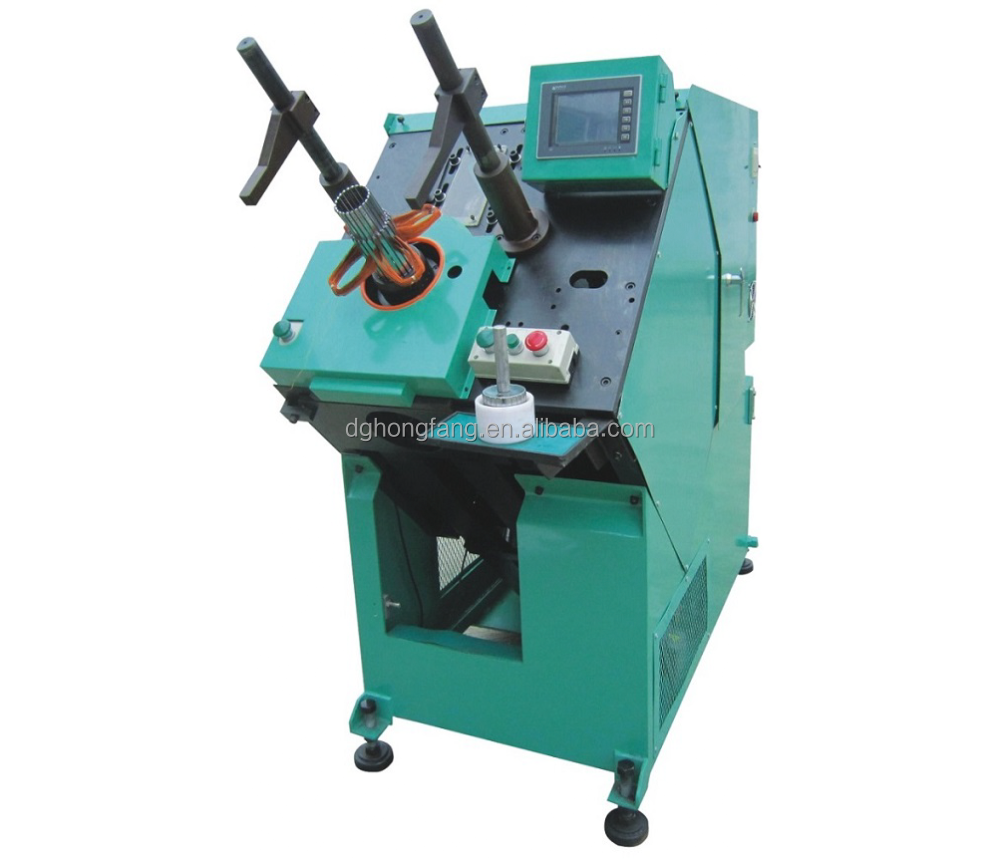
Automatic Stator Wedge Paper and Coil Inserting Machine
- Simultaneous Coil & Wedge Push
- High Slot Fill Capability (Up to 80%)
- Tailored Tooling for Any Stator ID
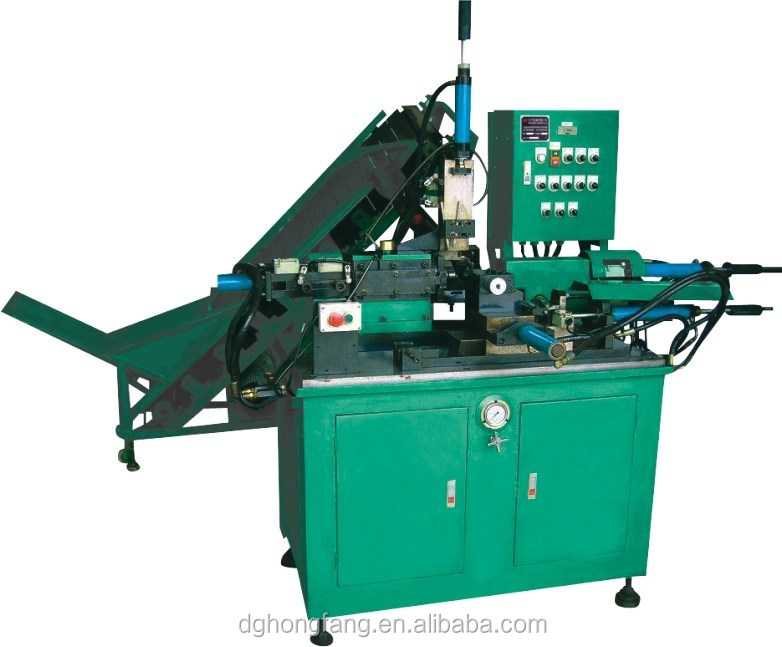
Automatic Rotor Fine Turning & Surface Cutting Machine HF-C60
- Air-gap Precision to ±0.01 mm
- Integrated Industrial Coolant Pump
- Diamond Tooling Compatibility
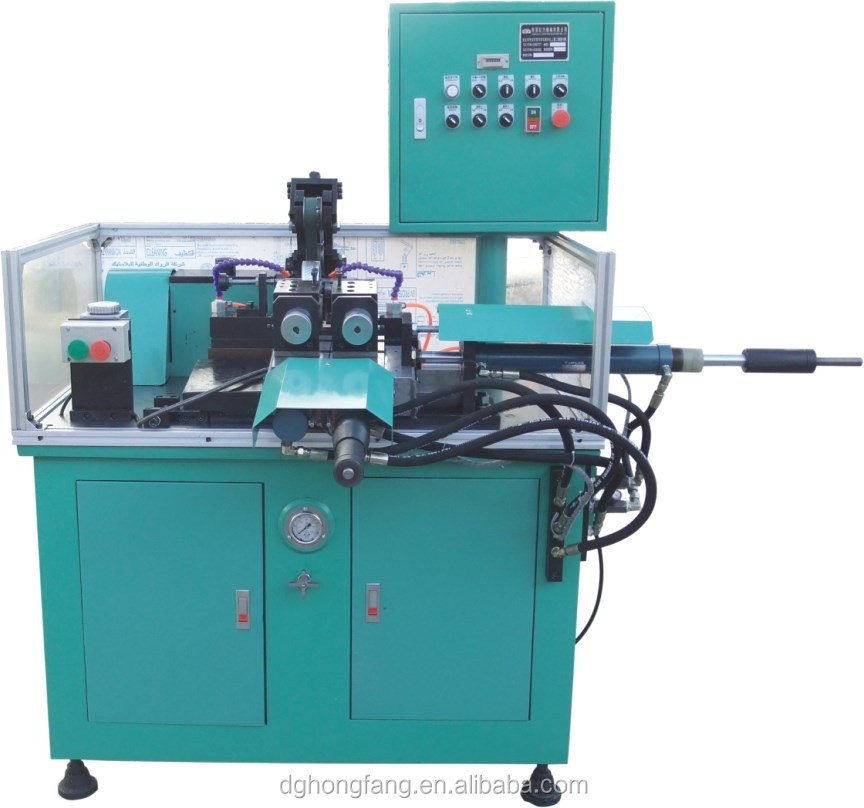
New HF Fan Motor Rotor Turning & Casting Machine
- Dual Process: Cast & Outer Turn
- Heavy Cast Base Absorbs Vibration
- Mitsubishi or Delta PLC Core
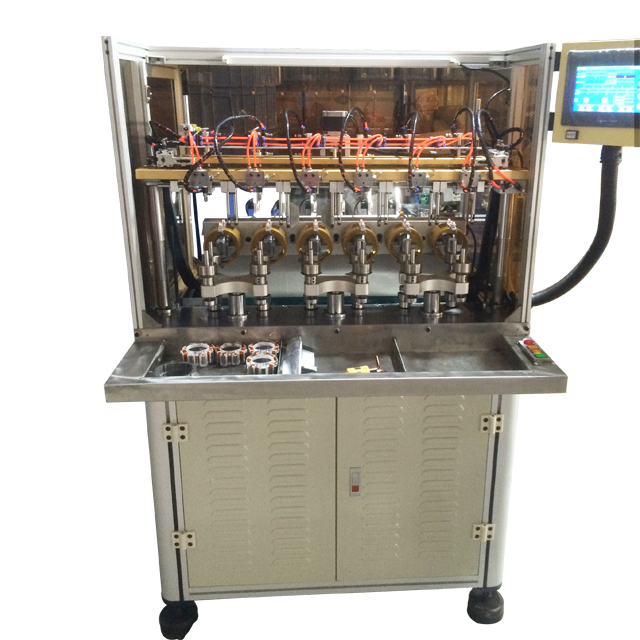
Six Stations Outer Stator Motor Coil Winding Machine
- 6 Winding Heads for High Batch Output
- Auto Fly-Fork Rotation & Indexing
- Wire Range: 0.12 - 1.20 mm Enamel
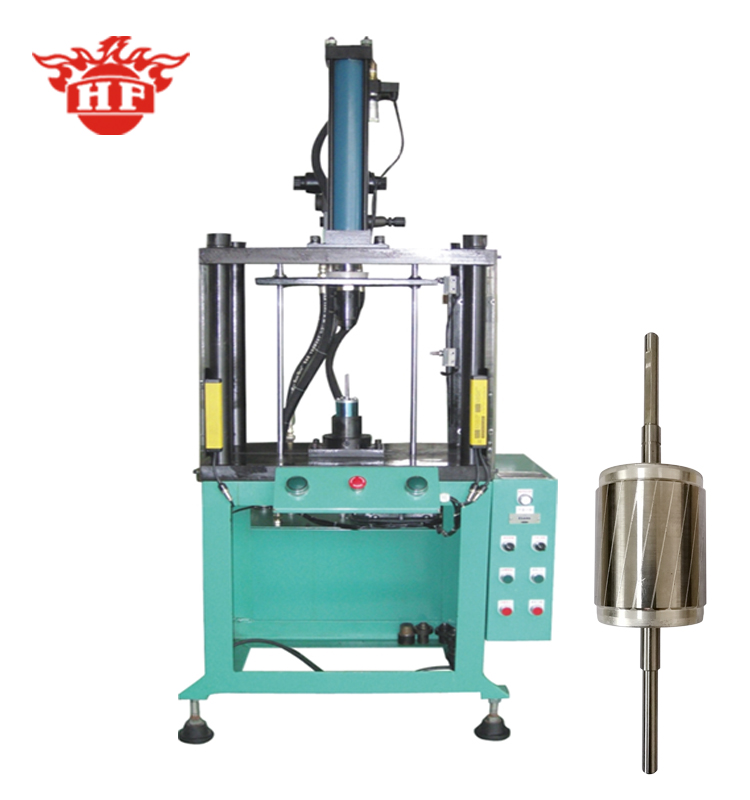
Rotor and Shaft Inserting Hydraulic Press HF-W50
- Calibrated Pressure Sensor Feedback
- Zero Shaft Runout Alignment System
- Suitable for Water Pump & Fan Rotors
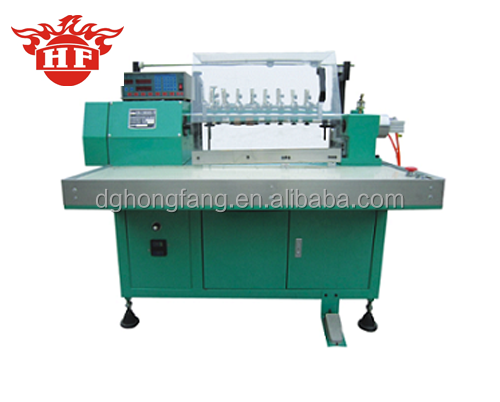
HF CNC Auto Stator Coil Winding Machine (8 Heads, 3000 RPM)
- 3000 RPM Dynamic Spindle Drive
- Multi-Pole Stator Automation
- Copper & Aluminium Wire Winding
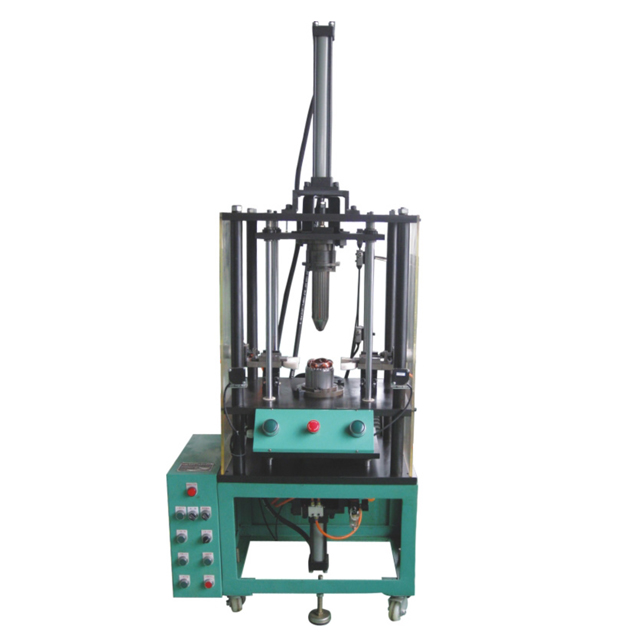
HONGFANG Motor Stator Coil Forming & Shaping Machine
- Intermediate & Final Head Shaping
- Hydraulic or Pneumatic Expanders
- Ensures Bore & Shell Clearance
Electrical Machine Manufacturing Dynamics in Northern Lao PDR
Analyzing the intersection of clean hydropower generation, modern cross-border logistics via the China-Laos Railway, and regional motor rewind/manufacturing capacity in Luang Prabang Province.
The manufacturing and motor re-engineering landscape of Luang Prabang Province and the greater northern region of the Lao People's Democratic Republic is experiencing a foundational modernization. Historically celebrated as a cultural and tourism epicentre along the upper Mekong River, Luang Prabang has rapidly emerged as a strategic node within the northern economic corridor. This pivot is anchored by the full-scale operationalization of the China-Laos Railway (Boten-Vientiane line), whose dedicated freight handling terminals at Luang Prabang Station link local processing operations directly with Yunnan Province, China, and southward to the Vientiane Special Economic Zone and Thailand.
Simultaneously, the Government of Lao PDR’s strategic commitment to serve as the "Battery of Southeast Asia" has catalyzed hundreds of run-of-the-river hydroelectric installations across tributaries including the Nam Khan, Nam Ou, and the mainstream Mekong. Operating in tandem with regional agricultural expansion—notably commercial cassava processing, rubber cultivation, coffee processing in mountain microclimates, and localized sawmills—the demand for heavy-duty electric induction motors has surged. These motors operate under extreme environmental rigors: torrential monsoonal moisture, prolonged relative humidity regularly exceeding 85% to 90%, ambient operating heat, and frequent electrical grid voltage instability typical of newly energized rural substations.
In this challenging climate, stator failure due to dielectric insulation breakdown is the preeminent cause of motor shutdown. Hand-cut and manually inserted stator slot paper liners invariably exhibit micro-fractures, uneven edge margins, creases, and inconsistent cuffing. Such physical flaws compromise creepage and clearance distances, leading to catastrophic inter-turn short circuits, earth faults against the lamination core teeth, and premature motor burnout. Transitioning to automatic insulation paper inserting machinery represents a vital technological advancement for electric apparatus manufacturers, OEM fan assemblers, and regional transformer/motor remanufacturing centers operating throughout Luang Prabang, Oudomxay, and Sayaboury.
Severe Tropical Humidity Protection
Luang Prabang's Aw tropical wet-and-dry climate accelerates insulation hydrolysis. Automated mechanical folding ensures zero surface delamination of composite materials like DMD (polyester film/Dacron non-woven) or Nomex paper, eliminating microscopic pinhole leaks where moisture pools within the stator slots.
Standardized Edge Cuffing & Fold Integrity
Manual insertion frequently snags copper conductors against sharp lamination edge punch burrs. Automatic inserters execute precise mechanical hemming at both slot ends with adjustable cuff widths (2.5mm to 5.0mm), mechanically locking the paper cell against axial displacement during high-speed coil insertion.
Railway Corridor Supply Integration
With daily cargo services running on the standard-gauge railway from Dongguan / Kunming directly into Luang Prabang Station, tooling changes, consumable wear plates, and customized spare collets arrive in days rather than weeks, preventing downtime across regional manufacturing hubs.
Process Comparison: Insulation Inserting Methodologies
Quantitative audit comparing manual workshop insertion methods against automated solutions configured for regional manufacturing in Northern Laos.
| Performance Characteristic | Manual Workshop Lamination Lining | Semi-Automatic Slot Inserter (HF-D50) | Continuous Production Line Insertion |
|---|---|---|---|
| Insertion Cycle Time | 12.0 - 25.0 sec / slot (operator dependent) | 0.5 - 0.8 sec / slot (PLC servo indexed) | 0.35 - 0.5 sec / slot (continuous inline) |
| Cuff & Hem Uniformity | Variable (±1.5 mm) | Precision Machined (±0.1 mm) | Precision Machined (±0.05 mm) |
| Dielectric Fault Rate (Flashover) | 3.5% - 6.0% during monsoonal humidity | < 0.05% under high pot testing (2500V) | < 0.02% six-sigma quality standard |
| Substrate Compatibility | Cut papers only; risk of surface scratching | DMD, NMN, Nomex, PET Film (0.14 - 0.35mm) | Wide spectrum including aramids & foils |
| Operator Fatigue & Ergonomics | Severe repetitive strain injury risk | Ergonomic push-button fixture cycling | Automated conveyor transfer / zero handling |
| Suitability for Luang Prabang | Legacy repair baseline only | Recommended for Local Scale-up | Mega-factory mass runs (>2,000 units/day) |
Where Our Machinery Powers Northern Laos Industry
Targeted manufacturing and overhaul use cases tailored to regional environmental and industrial conditions across Luang Prabang Province.
Hydro Auxiliary & Sump Pumps
Overhauling and producing submersible drainage pumps and spillway gate actuator motors deployed along the Nam Khan and Mekong dams. Our insulation machines deliver zero-leakage slot wall insulation that prevents ground faults even when submerged in silt-heavy waters.
Agro-Processing & Grain Mills
Cassava tuber graters, rice hullers, and biomass pellet presses operate in continuous dusty, high-vibration conditions. Automated paper cuffs shield phase coils from vibration fretting, extending stator lifespan in rural processing plants.
Hospitality & Heritage HVAC
Luang Prabang’s eco-resorts and hotels require whisper-quiet evaporative cooler motors and ceiling fans. Using the HF-D50 along with our 8-head CNC winders eliminates mechanical motor hum and electromagnetic vibration by maintaining strict stator symmetry.
Railway Depot Auxiliaries
Supporting auxiliary ventilation blowers, pump skids, and electrical service machinery along the China-Laos rail artery. High precision tooling ensures quick repair turnaround and replacement of electric motor stators without sourcing finished units overseas.
Why Motor Manufacturers Choose Zunqi & Hongfang
Over seventeen years of dedicated stator equipment engineering, precision tooling, and global industrial support from the heart of the Greater Bay Area manufacturing hub.
-
Customized Tooling to Stator Samples
Every paper forming shoe, insertion blade, and stator positioning mandrel is custom CNC-machined to your exact iron core drawings or physical stator samples before shipment.
-
Turnkey Balanced Line Harmonization
We configure matched production lines where paper insertion (HF-D50), coil winding (8-head CNC), coil & wedge inserting, end-forming, and double-side lacing synchronize perfectly in cycle time.
-
Comprehensive Pre-Shipment Video Sign-Off
Prior to crating, your physical stator undergoes real-part trial runs. We generate high-definition parameter setting and run-off videos for engineering sign-off.
Configurable Industrial Motion Components • Global Maintenance Reliability
Procurement & Engineering Questions from Northern Laos
Practical answers addressing logistics, electrical grid compatibility, tropical humidity resilience, and on-site operation for buyers in Luang Prabang.
Shipments are crated in solid, fumigation-free export plywood cases with internal VCI anti-rust barrier bags. Cargo routes travel via standard rail freight from Guangdong through the Mohan-Boten border checkpoint directly into Luang Prabang Railway Freight Station, clearing customs rapidly and avoiding long sea-freight delays.
Yes. Our standard systems run on single-phase 220V (±10%) 50Hz or three-phase 380V 50Hz. Given occasional voltage sags in regional industrial substations around Northern Laos, control cabinets feature integrated surge suppression and wide-tolerance power supplies to shield PLC and servo drives.
Yes. The mechanical feeding, shearing, and creasing mechanism is fully adjustable for insulation thicknesses ranging from 0.14 mm to 0.35 mm. The hardened alloy cutter maintains clean edges without fraying composite synthetic fibres, ensuring optimal dielectric values during humid wet seasons.
Yes. Stator stack height adjustments (e.g., from 10 mm to 60 mm, or up to 120 mm on larger models) are executed via graduated handwheels with digital position displays in less than five minutes. Different slot profiles simply require dedicated indexing dividing plates and paper folding shoes.
Every machine includes comprehensive English/Chinese touchscreen HMI interfaces, illustrated maintenance manuals, and step-by-step video training libraries. Our engineering desk in Dongguan conducts live multi-angle video commissioning sessions. On-site engineer dispatch across Northern Laos is also readily arranged for turnkey line projects.
The MOQ for all stator insertion, coil winding, forming, and lacing machinery is exactly 1 set. Each machine includes a comprehensive 12-month factory warranty covering core mechanical, electrical, and pneumatic components, backed by emergency courier dispatch of consumable spare parts.
Have a custom stator drawing, unusual slot profile, or multi-station line requirement?
Send an InquiryModernize Your Electric Motor Stator Production in Northern Laos
Eliminate dielectric earth faults, optimize slot fill factor, and accelerate assembly output with factory-direct automatic insulation paper inserting and stator coil winding systems. Contact our engineering team today for technical validation and prompt quotation.
