Featured Insulation Inserting & Stator Assembly Machinery
Factory-direct electric motor manufacturing solutions built to your stator lamination drawings. Proven high-repeatability slot insertion, CNC multi-station winding, and coil forming machinery ready for 60Hz industrial grids.
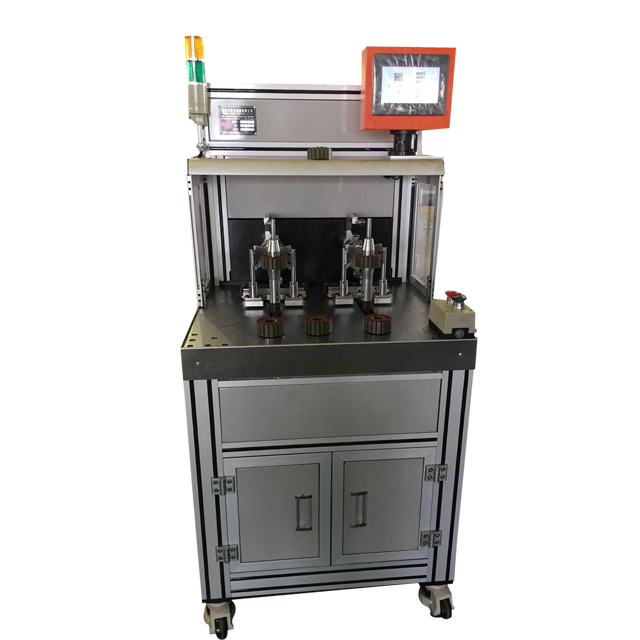
Stator Winding Machine 2 Station Outernal Winding Machine outer winding for Transformer Motor
- Dual-spindle flyer synchronizer
- CNC programmable wire pitch
- 1-Year warranty coverage
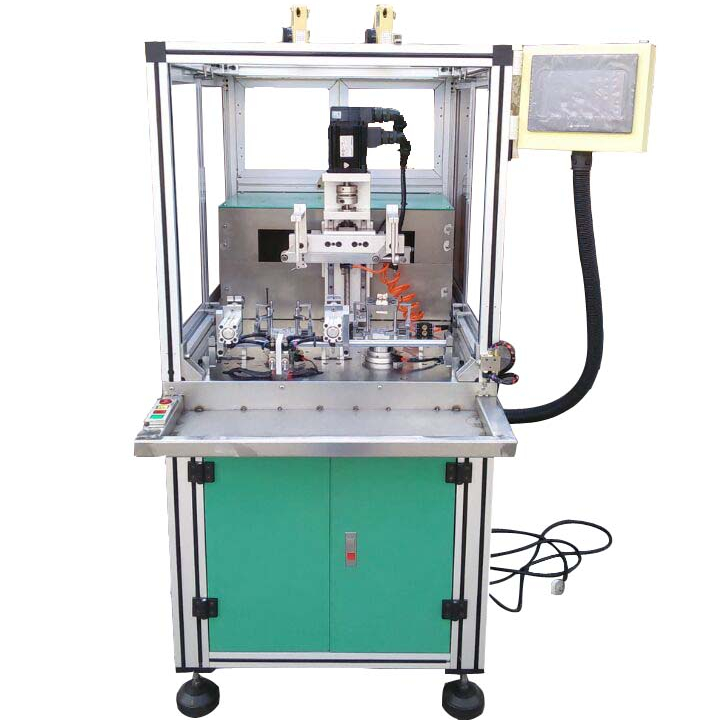
Two Stations Transformer Coil Winding Machine Motor Coil Winding Machine 2 Station Outer Stator Winding Machine
- High-torque heavy gauge handling
- Independent electronic tensioning
- CE compliant safety interlocks
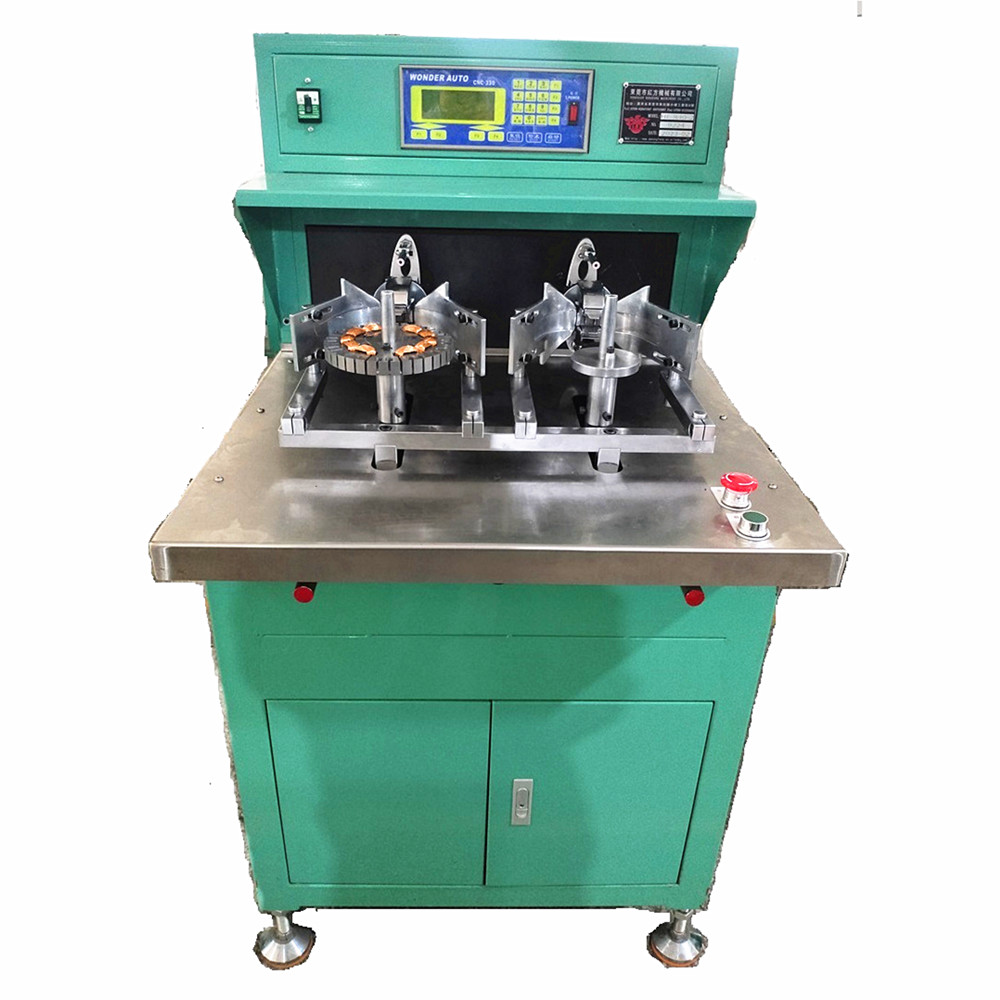
HF-R40-2C New Automatic Ceiling Fan Motor Coil Winding Machine with 1 Year Warranty Two Station for Stator
- Automated dual-station indexing
- High-speed copper/aluminum winding
- Programmable slot division
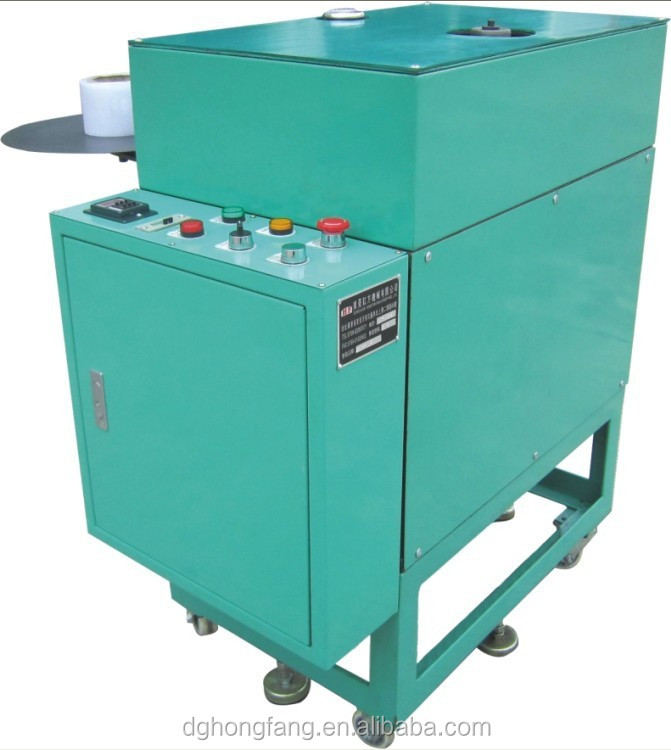
HONGFANG HF-D50 220V 1000W Green Insulation Paper Insertion Machine for Cooler Motor with 1 Year Warranty Paper Cutting Stator
- Automated feeding, creasing & cutting
- 0.5 to 1.2 sec/slot insertion cycle
- Accommodates DMD, NMN & Nomex
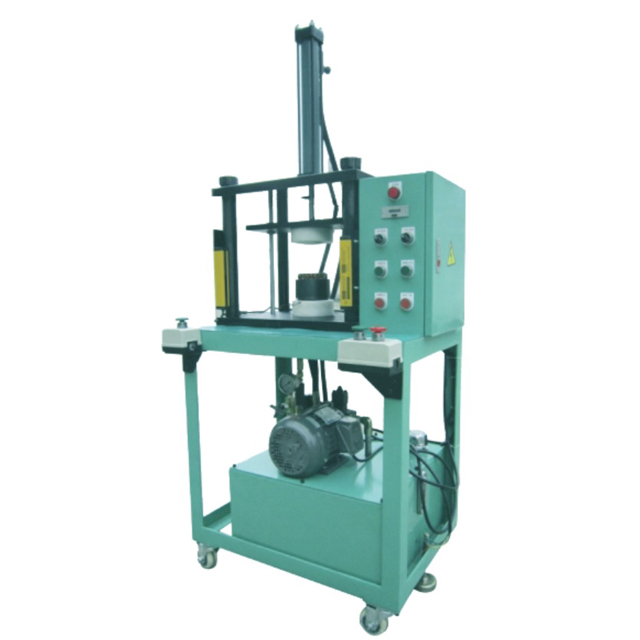
HF-W120H HONGFANG Electric Motor Stator Coil Final Forming Second Shaping Machine for Manufacturing Plant New 1 Year Gear
- Hydraulic/mechanical dual actuation
- Flawless end-turn overhang clearance
- Rapid interchangeable tooling dies
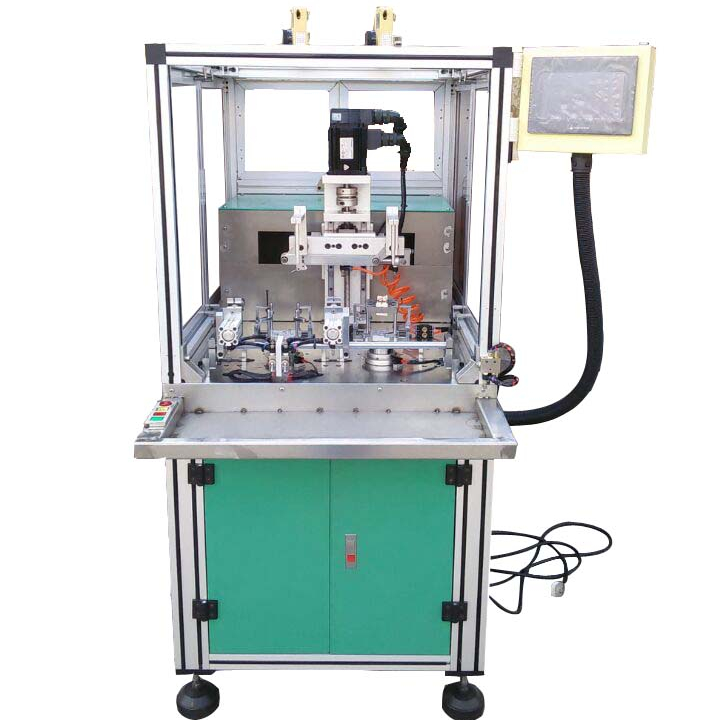
Hot Sale Armature Winding Machine for Fan Motor Universal Commutator Assembly
- Double flyer dynamic balancing
- Automatic commutator hooking
- Intuitive PLC touch console
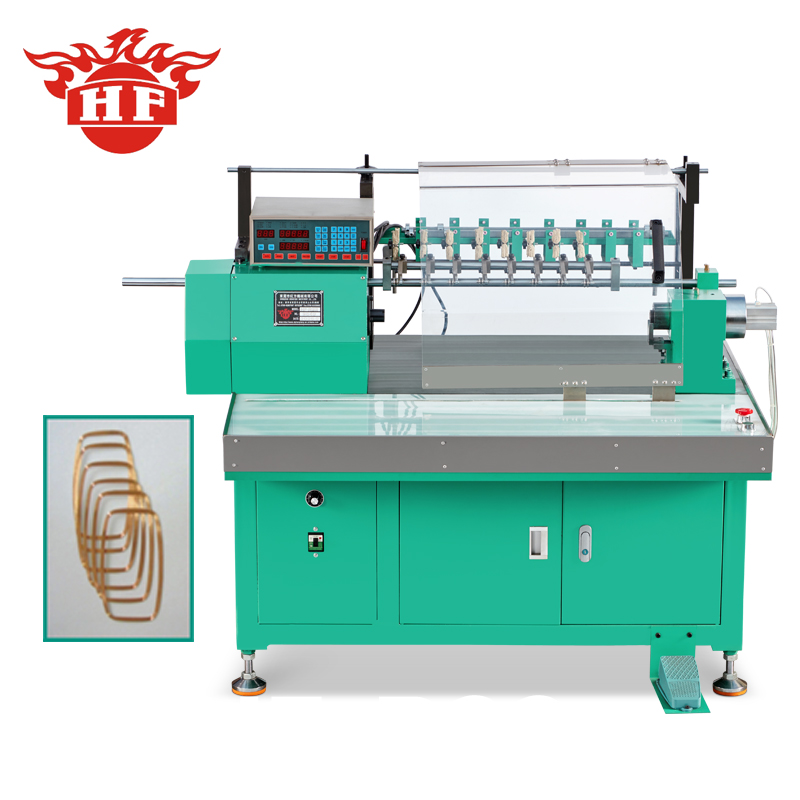
HF-R22 Coil Winding Machine Semi Automatic Coil Making Machine 8 Heads for Fan Motor Cooler Motor Pump Motor Power Tool Motor
- Simultaneous 8-head coil production
- Optimized for centrifugal pump stators
- Integrated wire traverse regulator
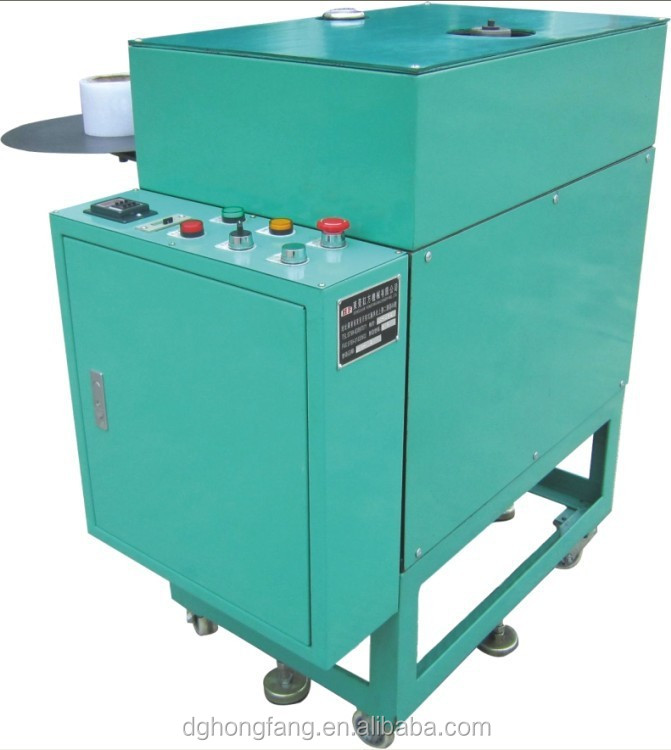
New Slot Paper Inserting Cutting Machine Table Fan Pump Cooler Motor Insulation Paper Gear Components 1 Year 1 kW 380V/220V
- Adjustable cuff fold widths (2.5 - 5mm)
- Dual 220V/380V 60Hz compatible
- Automatic slot indexing stepping drive
Supplying heavy stator winding lines worldwide through rigorous factory audit standards.
Rapid technical design consultation, CAD verification, and spare tooling quotation window.
Sub-millimeter edge cuff precision minimizing coil insulation breakdown and flashovers.
Covering critical drives, PLC controllers, and high-speed mechanical cam indexers.
Engineering Principles of Automated Slot Cell Insertion in Rotating Electrical Machinery
In the manufacture and industrial remanufacturing of low-to-medium voltage AC induction motors, synchronous permanent magnet servomotors, and fractional horsepower (FHP) appliance drivers, the slot cell dielectric barrier represents the single most vulnerable mechanical and thermal interface. Stator slot insulation paper insertion is historically the most labor-intensive bottleneck within electrical repair workshops and motor manufacturing assembly lines. Manual slitting, cuffed-edge folding, and slot seating routinely introduce edge micro-tears, asymmetric cuff depths, and severe lamination scuffing, culminating in premature ground wall puncture under high dV/dt inverter switching conditions.
Modern automatic insulation paper inserting machines transform this critical phase into an ultra-repeatable, mechanically synchronized CNC operation. The cycle incorporates roll-fed paper de-coiling, precise edge-cuff hemming (folding over 2.5 mm to 5.0 mm borders to prevent longitudinal wire scraping during coil insertion), mechanical or servo-driven linear feed, guillotine cutoff with high-alloy tungsten-carbide blades, mandrel-assisted pre-forming into an exact "U" or "O" geometric cross-section, and a positive mechanical ram injection directly into the skewed stator slot stack. By maintaining uniform tension and zero mechanical shear damage to composite dielectric films (such as Class F DMD, Class H NMN, or pure aramid Nomex®), automatic paper inserting systems ensure strict adherence to international dielectric withstand specifications (IEC 60034-18 and NEMA MG 1).
Dielectric Integrity Verification: High-speed automated slot insertion equipment ensures uniform slot liner extension (±0.25 mm) beyond the lamination tooth edges, preventing destructive copper-to-iron ground shorts during the subsequent high-force coil and wedge pushing process. This mechanical precision is critical for motors operating alongside variable frequency drives (VFDs) under Colombian industrial environmental extremes.
Mechanical Kinematics: Comparing Rotary Cam & Servo-Indexed Paper Feed
The industrial market presents two predominant kinematic architectures for insulation paper insertion: mechanical Geneva/cam-driven inserters and full multi-axis CNC servo systems. Understanding the mechanical trade-offs is essential for factory planners configuring production lines:
| Operating Parameter | High-Speed Cam-Driven Inserters (HF-D50 Class) | CNC Servo Multi-Stack Inserters | Manual / Hand-Lever Bench Fixtures |
|---|---|---|---|
| Cycle Velocity | 0.5 to 0.85 seconds per slot (up to 70 slots/min) | 0.7 to 1.1 seconds per slot with dynamic indexing | 12 to 25 seconds per slot (dependent on operator) |
| Slot-to-Slot Pitch Flexibility | Fixed gear pitch plate; ideal for dedicated frame sizes | Fully programmable via HMI; infinite slot pitching | Manual visual alignment; prone to operator error |
| Paper Cuff Configuration | Adjustable single/double cuff tooling (2.5mm - 5mm) | Programmable multi-depth servo creasing dies | Inconsistent, non-standard manual fold margins |
| Material Compatibility | DMD, Nomex, Polyester Film, Mylar (0.15 - 0.38 mm) | Aramid composites, NMN, Polyimide (up to 0.50 mm) | Restricted to flexible, low-stiffness paper grades |
| Maintenance Profile | Mechanical gear lubrication, biannual blade sharpen | Servo drive tuning, low mechanical gear wear | Minimal machine wear; high assembly reject rate |
Localized Application Scenarios Across Cali and the Valle del Cauca Industrial Corridor
Strategically located as southwestern Colombia's manufacturing capital and directly linked via multimodal transport to Puerto de Buenaventura, Santiago de Cali and the surrounding municipalities of Yumbo, Palmira, Jamundí, and Buga host dynamic agro-industrial, HVAC, and electro-mechanical manufacturing sectors.
Sugar Cane Agro-Mills (Ingenios Azucareros)
Valle del Cauca's major sugar agro-industrial complexes (including Manuelita, Providencia, Mayagüez, and Incauca) operate hundreds of critical heavy-duty electric motors driving cane shredders, slurry pumps, centrifugal juice extractors, and biomass cogeneration draft fans. Local electro-mechanical repair facilities in Yumbo and Cali utilize automatic insulation paper insertion to rewound stators up to frame sizes 315/355, eliminating air voids and ensuring Class H thermal insulation withstand against corrosive, high-humidity ambient mill environments.
Commercial HVAC, Ceiling Fan & Blower Assembly
With high year-round temperatures across the Cauca Valley and Pacific lowlands, residential, agricultural, and industrial ventilation manufacturing is concentrated in Cali's light industrial parks. High-speed automatic slot paper inserters (such as the HONGFANG HF-D50) combined with two-station coil winders (HF-R40-2C) allow local OEM ventilator builders to hit daily outputs exceeding 800 units per shift while transitioning from imported CBU fans to locally stamped, assembled, and wound motors.
Irrigation, Deep-Well & Chemical Process Pumps
Intensive sugarcane, fruit, and poultry cultivation throughout the Cauca River basin relies on extensive submersible deep-well and centrifugal surface water pumps. Submersible pump stators feature extended lamination stack lengths and narrow slot openings. Automatic slot insertion equipment provides uniform cuff retention and prevents insulation paper deformation under extreme hydraulic fluid encapsulation, ensuring compliance with NTC electrical isolation norms.
Logistical Advantage via Puerto de Buenaventura: Cali-based procurement engineers benefit from unprecedented logistics efficiency. Ocean container freight departing major Asian production hubs directly calls Buenaventura Port (Sociedad Portuaria Regional de Buenaventura - SPRBUN / TCBUEN), reaching Yumbo and Acopi industrial parks within 120 km via the Loboguerrero corridor, reducing overland transit risks and inland freight expenses compared to Bogotá or Medellín deliveries.
Key Industrial & Regulatory Trends Driving Automation in Colombia
The transition toward higher motor efficiency standards, domestic re-industrialization policies, and energy conservation programs is fundamentally altering how Colombian motor assemblers equip their shop floors.
RETIQ Efficiency Mandates
Colombia's Technical Regulation for Energy Labeling (RETIQ) enforces minimum energy performance standards (MEPS) aligned with IEC IE2 and IE3 efficiency classes. High-efficiency motors demand higher slot fill factors (copper density), leaving virtually zero clearance for ragged or oversized manual slot liners. Automated insertion ensures paper sits flush against slot laminations, maximizing usable cross-sectional winding area.
VFD-Induced Partial Discharge Resistance
Valle del Cauca industries are rapidly retrofitting pump and fan systems with Variable Frequency Drives (Inversores de frecuencia) to optimize energy use. The resulting high-frequency voltage spikes (surge reflection voltages) induce severe partial discharge stress. Precision automated insertion of Class H NMN and Nomex composite laminates prevents edge corona erosion that destroys hand-insulated motors.
Nearshoring & Import Substitution
High international finished-goods freight rates and currency volatility have incentivized Colombian electrical equipment manufacturers to shift from importing completely built-up (CBU) motor units toward localized stamping, winding, and testing. Investing in robust semi-automatic winding and slot insertion machines enables Cali companies to offer customized frame extensions with dramatically shorter lead times.
Skilled Winding Labor Constraints
The veteran artisan motor rewinder demographic in southwestern Colombia is contracting. Automated machinery mitigates the regional technical skilled-labor deficit by digitizing critical stator forming and paper cutting operations, allowing entry-level machine operators to achieve micrometric precision after brief standard operating procedure (SOP) training.
Engineering Excellence & Factory-Direct Advantages
For over 17 years, Zunqi Intelligent Equipment Co., Ltd. has delivered precision motor manufacturing machinery worldwide from our advanced production campus in Qishi Town, Dongguan, China.
Custom Stator Tooling Engineered Directly to Your Engineering Drawings
Unlike off-the-shelf catalog machinery distributors, we design and machine every insulation paper forming shoe, insertion pusher blade, and stator index clamp strictly according to your physical motor core samples and DXF/DWG lamination files. Whether your stators feature straight slots, helical skew angles, closed slot profiles, or dual-voltage concentric windings, our engineering team ensures verified alignment prior to container loading.
Every piece of equipment undergoes a rigorous multi-stage qualification protocol before export: electrical insulation resistance checks, high-speed dry cycling for 48 continuous hours, and a full operational trial run utilizing the customer's actual magnet wire and insulation paper grade, accompanied by high-definition video acceptance reporting.
Industrial Automation Component Integration
We configure all electrical control panels with internationally standardized automation components easily serviced in Colombia:
- PLC & HMI: Siemens, Mitsubishi, Delta, Inovance
- Servo Drive Motion: Panasonic, Yaskawa, Delta
- Pneumatics & Valves: SMC, Airtac
- Low Voltage Switchgear: Schneider Electric, Omron
Frequently Asked Questions for Colombian Buyers
Key commercial, technical, and regulatory considerations for importing and deploying motor manufacturing equipment into Cali and the Valle del Cauca department.
Can the machines be configured for Colombia's 60Hz industrial electrical grid?
Yes, absolutely. While China operates on a 50Hz grid, all our export machinery destined for Colombia is custom-engineered and tested specifically for 60Hz systems. We routinely build for 220V single-phase (common for bench-top slot inserters and coil winding machines) or 220V/440V three-phase 60Hz (for heavy hydraulic coil shaping and multi-station production lines). Please confirm your workshop's specific line voltage when requesting a quotation.
What are the import procedures, customs tariff codes (Partida Arancelaria), and DIAN requirements?
Automatic insulation paper inserting machines and motor winding systems typically classify under Harmonized Tariff Schedule (HTS / Subpartida Arancelaria) 8479.81.00.00 or 8479.89.90.00 (Machines and mechanical appliances for treating metal, electric wire winding, or specific manufacturing functions). In Colombia, capital machinery not manufactured domestically may qualify for duty preferences or specific VAT exemptions under productive investment decrees. We provide commercial invoices, packing lists with net/gross weights, and Certificate of Origin documents conforming strictly to DIAN (Dirección de Impuestos y Aduanas Nacionales) import clearance protocols.
What shipping route is used to deliver equipment directly to Cali or Yumbo?
The standard and most economical ocean freight route is from Shenzhen or Guangzhou ports directly to the Port of Buenaventura (SPRBUN or TCBUEN terminals), with an ocean transit time ranging from 28 to 35 days. Upon customs nacionalización at the maritime port, equipment is transported via flatbed truck or bonded container truck along the modern Buga-Loboguerrero-Buenaventura corridor directly to your factory or Zona Franca in Cali, Yumbo, Palmira, or Jamundí within 3 to 4 hours.
How do you manage after-sales technical support, commissioning, and operator training remotely?
Every machine ships with comprehensive English/Spanish digital user manuals, complete wiring schematics, and factory setup parameter sheets. Our bilingual application engineering team coordinates live, step-by-step video commissioning sessions via Zoom/WhatsApp to guide your maintenance technicians through initial electrical hookup, paper roll tension calibration, and tooling changeover. Furthermore, critical high-wear spare parts (cutter blades, pushing pins, feed springs, and limit switches) are packed inside the machine crate for immediate availability.
Can the machines accommodate multiple stator frame sizes and different paper materials?
Yes. By utilizing modular tooling sets (forming guide shoes, push rods, and indexing plates), a single automatic insulation machine can process multiple stator core diameters and stack heights (e.g., stator lamination OD from 40 mm to 220 mm, stack height from 15 mm up to 160 mm). Tooling changeovers can be executed in under 20 minutes by a trained operator. The machines handle standard Class B, F, and H insulation materials including DMD, NMN, Nomex®, electrical-grade Nomex-Kapton composites, and polyester film (Mylar) with thicknesses ranging from 0.15 mm to 0.38 mm.
What is the minimum order quantity (MOQ) and production lead time?
Our minimum order quantity is exactly 1 set. Standard standalone slot paper inserting machines have a manufacturing lead time of 20 to 30 calendar days, which includes custom tooling fabrication and full trial run testing. Customized turnkey lines (combining slot paper insertion, coil winding, wedge insertion, coil forming, and double-side lacing) are completed and tested within 45 to 60 days from final stator drawing approval.
Modernize Your Electric Motor Stator Line in Cali
Accelerate your assembly throughput, eliminate costly ground fault defects, and ensure full compliance with RETIQ energy efficiency standards. Send your stator lamination drawings and daily volume requirements to our senior engineering desk for an immediate technical evaluation and transparent CIF Buenaventura quotation.
Contact Us