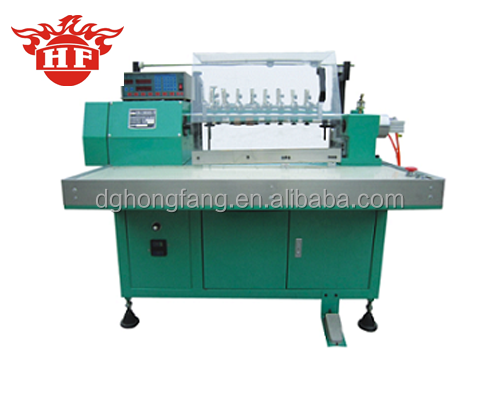
New Fully Automatic Motor Coil Winding Machine High Quality Coil Maker for Manufacturing Plant Use 220V
Export-grade motor manufacturing technology equipped with multi-axis PLC synchronisation, heavy-duty forming presses, and specialized fixtures designed for tropical operational endurance.
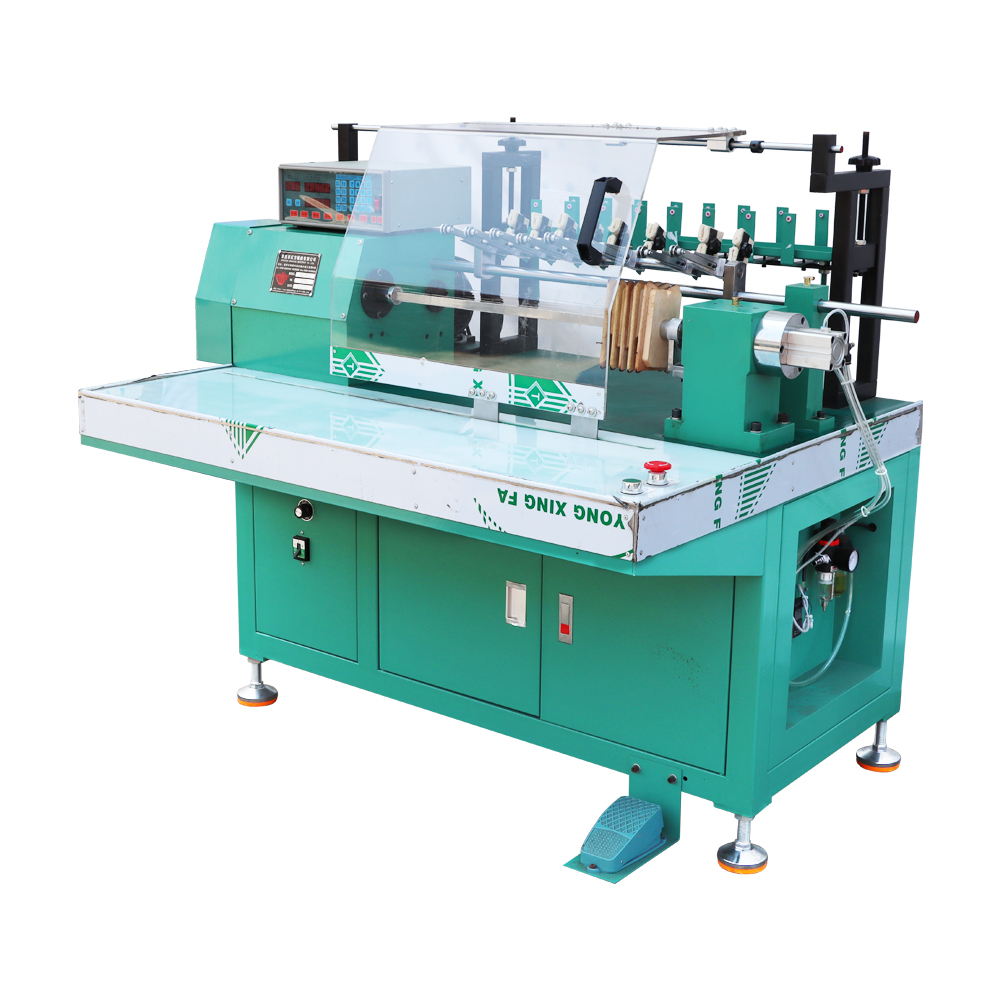
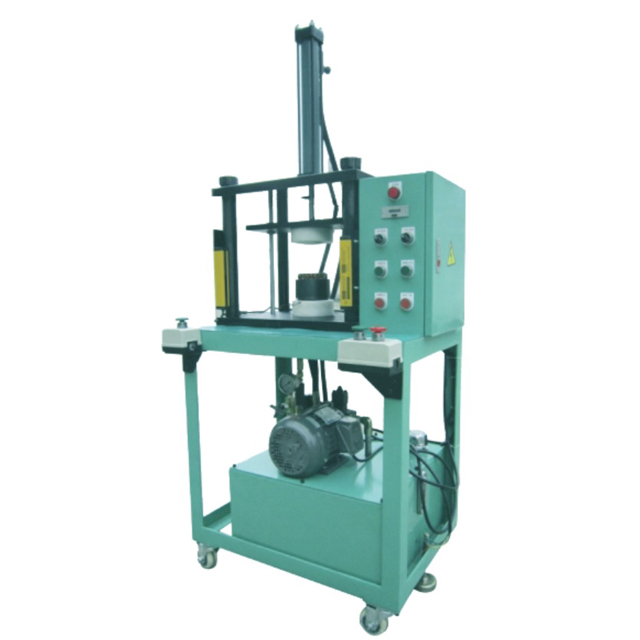
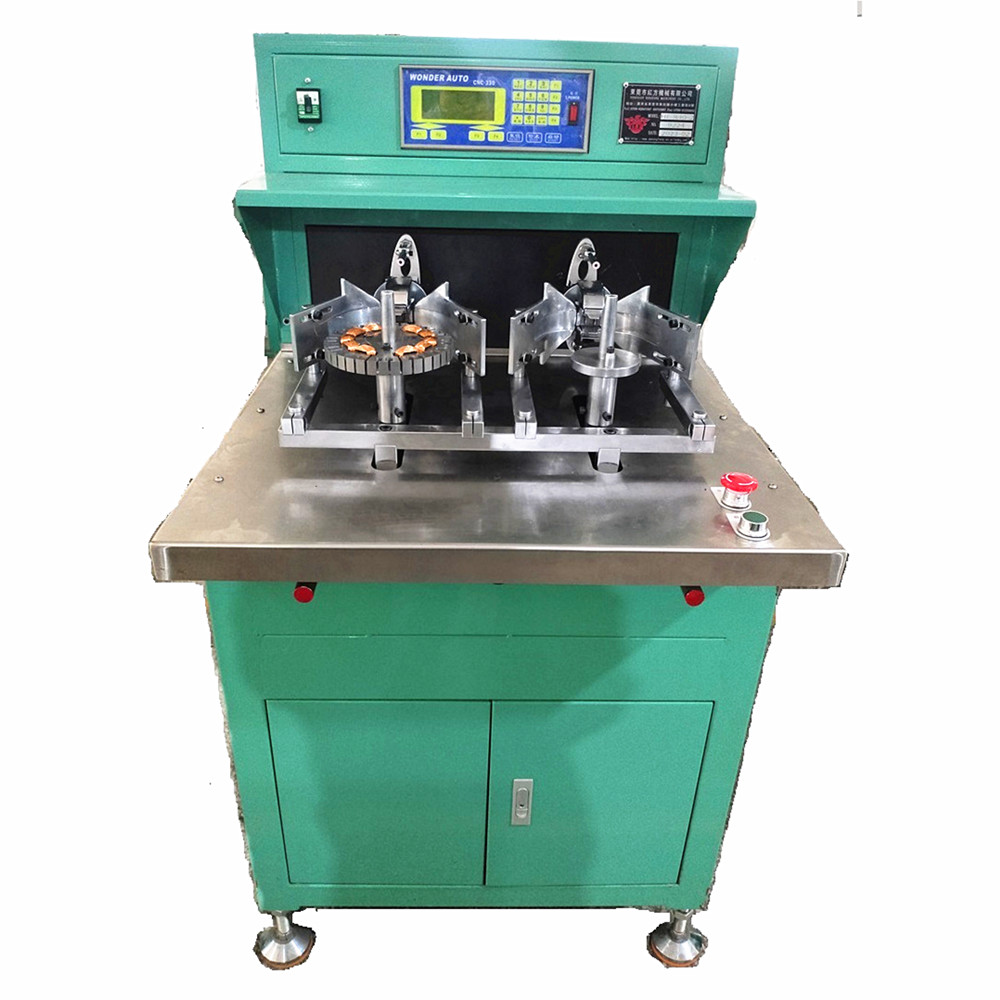
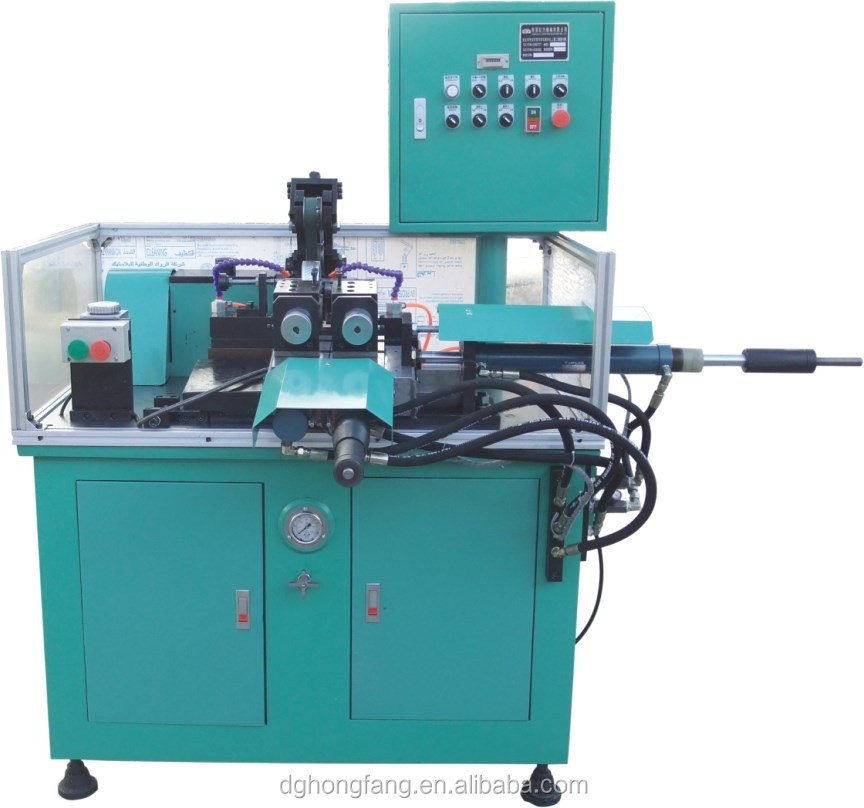
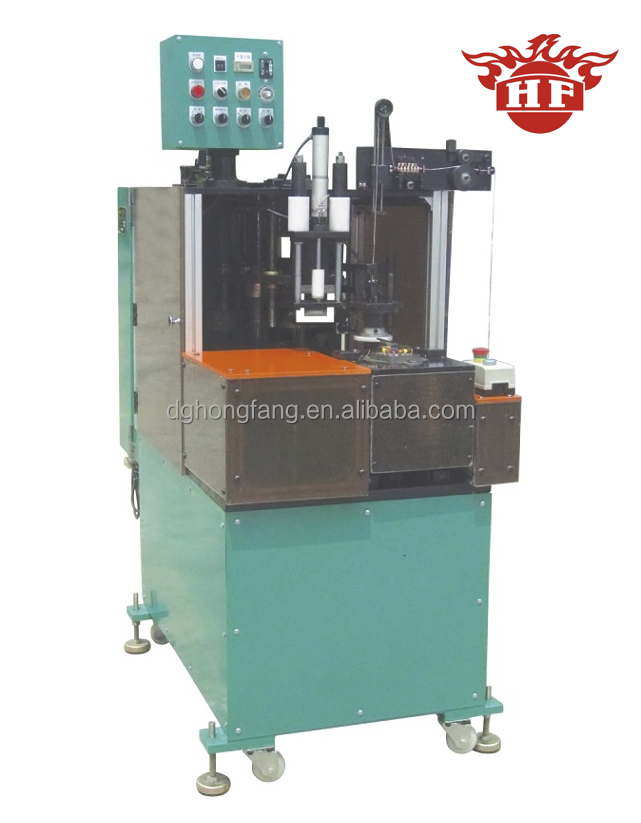
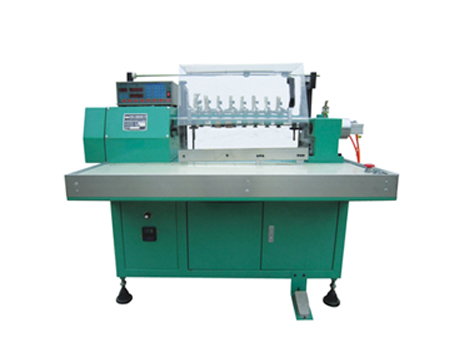
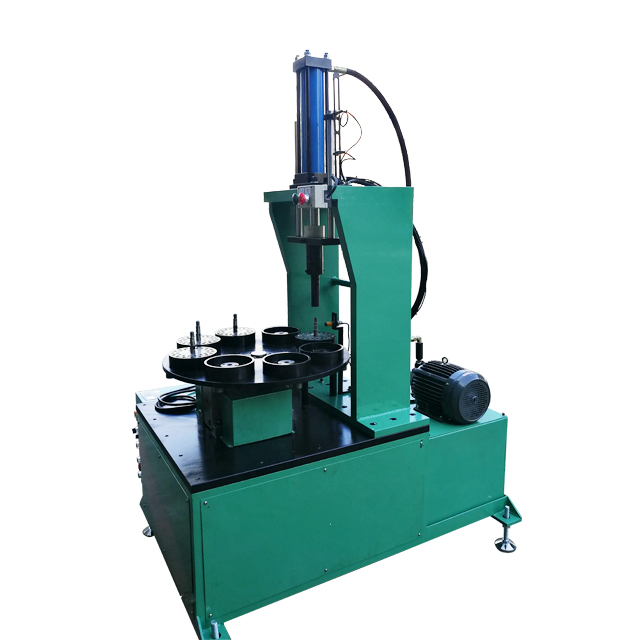
A technical examination of electromechanical stator bindings, thermal vibration dynamics, and production line optimization for HVAC, Automotive, and Electrical Machinery plants across Thailand.
As the Greater Bangkok Metropolitan Area continues to anchor Southeast Asia’s advanced electric motor, compressor, and HVAC production networks—stretching across dense industrial clusters in Samut Prakan, Pathum Thani, Chachoengsao, and the Eastern Economic Corridor (EEC)—the demand for automated winding stability has transitioned from simple mechanical tie-downs to fully digitalized, servo-driven stator coil lacing technologies.
The manufacturing integrity of alternating current (AC) motors, brushless direct current (BLDC) systems, and hermetic refrigeration compressors depends predominantly on the structural rigidity of the stator coil overhangs. During across-the-line starting or aggressive inverter duty cycles, copper end-turns experience monumental electromagnetic forces (Lorentz forces proportional to the square of surge currents) combined with cyclical thermal expansion. Without uniform, high-tension binding performed by an Automatic Double Side Stator Coil Lacing Machine, individual wire strands undergo micro-fretting against core laminations. Over continuous operation in tropical climates marked by high ambient humidity and elevated operating temperatures, this friction accelerates insulation degradation, leading to premature inter-turn shorts and catastrophic motor burnouts.
Dual-needle mechanical synchronization binds both top and bottom overhangs simultaneously in under 14 seconds per stator. Eliminates the unbalanced mechanical stresses caused by single-sided sequential lacing.
Closed-loop tension dampeners prevent enamel-coat micro-fracturing on copper or aluminum magnet wires (0.1–1.2 mm), ensuring tight cord compression without wire elongation or dielectric loss.
PLC touch-screen configuration allows quick toggling between continuous lacing, slot-skipping, boundary indexing, and custom stitch patterns to clear lead wires and internal thermal cutoffs effortlessly.
Industrial motor applications across Thailand's eastern seaboard and metropolitan industrial estates exhibit unique electro-thermal requirements. The table below delineates the strategic allocation of automatic coil lacing and post-forming machinery configurations according to regional manufacturing requirements:
| Industry Cluster | Primary Application Focus | Critical Process Challenges | Optimized Equipment Architecture |
|---|---|---|---|
| Samut Prakan & Bang Phli | Residential & Commercial Air Conditioning Fans, Blowers | High-speed production rates; thin magnet wire (0.12–0.35 mm); compact overhang height to fit low-profile stamped housings. | HF-BS20 Servo Lacing Machine equipped with dual rotary needles, micro-tension spool feed, and automatic pneumatic indexing. |
| Chonburi (Amata City) | EV Auxiliary Drives, Water Pumps & Automotive Actuators | Harsh vibration compliance; high copper fill-factor slots; strict requirement for non-crossing stitch loops on terminal lead-outs. | Double-Side Servo Lacing Line integrated with HF-W120H Final Forming Machine to lock slot wedges and freeze end-turn dimensions. |
| Rayong (EEC Zone) | Industrial Compressors, Heavy Ventilation & Chiller Drives | Deep core stack heights (>120 mm); thick gauge multi-strand wire; requirement for high tension, high temperature-resistant braided polyester cord. | Heavy-Duty Hydraulic Stator Coil Forming System paired with Reinforced Long-Stroke Double End-Turn Automatic Lacing Rig. |
| Pathum Thani & Nonthaburi | Ceiling Fans, Table Fans & Fractional Horsepower Motors | Extreme price competition; volatile raw copper prices forcing transition to enameled aluminum wire; rapid tool changeovers. | HF-R40-2C Double-Station Winders followed by single-side semi-automatic lacing modules to maximize throughput per capital outlay. |
How the Eastern Economic Corridor initiatives, industrial decarbonization, and regional labor dynamics are reshaping electrical manufacturing facilities.
The Thai Ministry of Energy and TISI regulations have driven manufacturers toward Premium (IE3) and Super Premium (IE4) induction efficiency. Higher efficiency requires significantly larger slot fill factors (often exceeding 78%). Inserting and manually tying these dense, tightly packed coils is physically unfeasible without damaging wire insulation. Automated lacing provides the structural rigidity necessary to keep heavy wire bundles from pressing against internal cooling air gaps.
With Thailand reinforcing its status as the "Detroit of Asia" through extensive Board of Investment (BOI) incentives for Electric Vehicle (EV) assembly, Bangkok-adjacent Tier-1 and Tier-2 suppliers are aggressively domesticating traction motor, cooling pump, and power-steering sub-assemblies. This calls for highly repeatable CNC lacing sequences that integrate directly with MES tracking and barcoded quality logs.
Manual coil lacing is notoriously labor-intensive, ergonomically strenuous, and susceptible to erratic operator tensioning. As factory wages rise across Pathum Thani and Bangkok industrial suburbs, automation provides a predictable, 24/7 assembly cadence, reducing end-turn assembly human overhead by over 75% while driving dielectric rejection rates down to near zero.
Direct from our precision manufacturing facility in Qishi Town, Dongguan, delivering tailored turnkey motor manufacturing lines to global production floors for over 17 years.
We do not deliver generic off-the-shelf tooling. Every expanding mandrel, needle arm, pressing plate, and inserting blade is precision-machined from hardened SKD-11 or DC53 tool steels strictly based on your physical stator lamination samples and technical CAD drawings. Zero trial-and-error upon delivery.
From initial Slot Insulation Paper Inserting, multi-station CNC Coil Winding, and Coil & Wedge Inserting to Intermediate Shaping, Double-Side Lacing, Final Hydraulic Forming, Rotor Turning, and Shaft Pressing: our machinery is designed with synchronized cycle-times and uniform control logic.
To ensure maintenance simplicity for Thai factory maintenance departments, our machinery features configurable industrial controls. We integrate industry-leading PLCs, HMIs, and servo drives from brands your technicians already master: Mitsubishi, Siemens, Delta, Omron, Schneider, SMC, and Airtac.
Backed by extensive international installations, transparent credit profiles, audited workshop premises, and continuous compliance checks. Our factories operate under strict ISO manufacturing regimes, ensuring heavy-duty cast bases, anti-vibration footings, and long-life mechanical cam drives.
We maintain an average technical support response time of ≤9 hours. Every machine is supplied with full English documentation, schematic wiring blueprints, high-definition video commissioning tutorials, a complete emergency spare parts kit, and an all-inclusive 1-year equipment warranty.
Technical, logistical, and operational clarifications addressing local power supply, tooling customization, and import formalities into Thailand.
Send your stator CAD drawings, core stack parameters, and output cycle targets to our engineering desk. Receive an in-depth machine configuration proposal and competitive factory-direct quote within 9 hours.
