Final Forming

HF-W120H Stator Coil Final Forming Machine
Second-stage hydraulic shaping unit ensuring uniform coil overhang dimensions to prevent housing interference in compact AC induction motors.
Explore our industrial-grade winding, paper insertion, and rotor processing systems designed to meet European precision standards at direct factory cost for the Semarang manufacturing cluster.
Second-stage hydraulic shaping unit ensuring uniform coil overhang dimensions to prevent housing interference in compact AC induction motors.
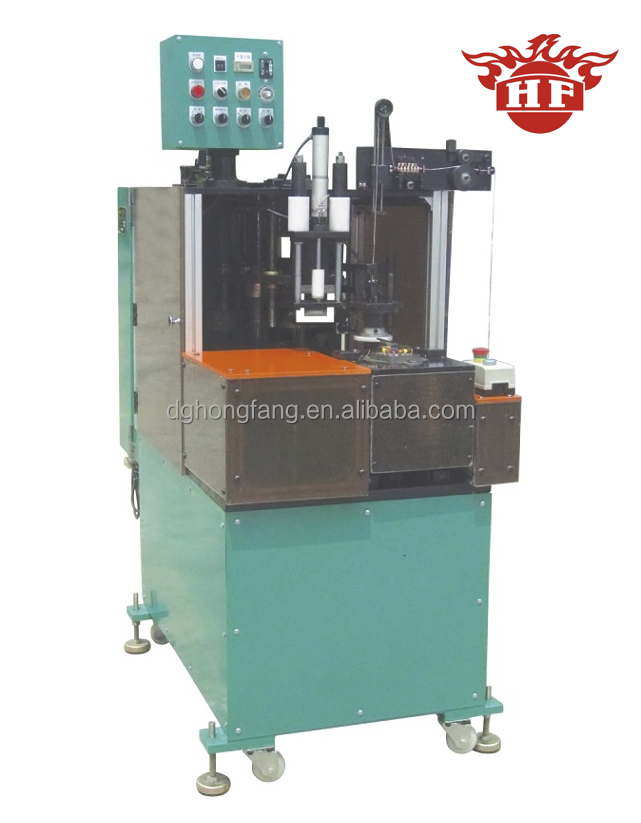
High-speed dual-end lacing mechanism powered by a 1000W 220V servo system, achieving dependable tie-downs for table and industrial fan motors.

PLC-guided outer diameter surface skiving lathe engineered for strict air gap clearance and dynamic balance stability in induction fans.

Simultaneous one-stroke copper wire and insulation wedge insertion system, eliminating manual handling marks and reducing cycle times under 15 seconds.

Rigid gear-driven hydraulic insertion press delivering zero run-out alignment when seating motor drive shafts into laminated cores.

Rotary indexing multi-station winding equipment designed for rapid coil placement on internal stator poles with programmable tensioning control.

High-tensile carbon steel shafts induction hardened to HRC 50-55, matched for domestic cooling fans, submersible pump impellers, and swamp coolers.

Programmable edge-folding, profile cutting, and slot insulation feeding unit suited for 1kW 380V/220V production of cooler and fan stators.
The Greater Semarang industrial corridor—encompassing the Wijayakusuma Industrial Estate, Terboyo, and the fast-growing Kendal Industrial Park (KIK) to the west—has surfaced as Indonesia’s epicenter for electrical appliance manufacturing, industrial air-moving machinery, and light agricultural pumps. Driven by regional infrastructure upgrades around Tanjung Emas Port and favorable industrial labor stability compared to Greater Jakarta (Jabodetabek), domestic and foreign-direct-investment (FDI) motor assemblers in Central Java are shifting away from manual winding towards closed-loop automated assembly.
For electromechanical engineers and plant managers in Semarang, the competitive dynamic is heavily governed by two realities: rising production targets for energy-efficient electric motors under Indonesia's national standard (SNI) and the imperative to decrease slot-fill defects when transitioning between enamelled copper wire and enamelled aluminum magnet wire. Achieving the slot insulation and winding density demanded by IE2 and IE3 induction motor tiers is technically impossible on legacy bench winders due to inconsistent manual tensioning, which yields unpredictable coil head dimensions, elevated phase-to-phase short risks, and unacceptably wide flux variance across poles.
Technical Insight: "In the humid equatorial climate of Central Java, micro-cracks in enamelled wire insulation caused by uneven manual tensioning can accelerate breakdown when stators are tested under high ambient humidity. Automating with programmable servo-feed tensioning and synchronized wedge placement reduces slot rejection rates from ~4.5% down to less than 0.15%."
The manufacturing applications for our AC motor production equipment throughout the Central Java territory map directly to key regional consumer and industrial demands:
Concentrated in suburban Semarang and Kendal, local OEMs manufacture residential fans under heavy seasonal volume. Dual-station ceiling fan winders (like our HF-R40-2C) and the HF-BS20 double-side lacing system maintain uniform outer stack winding profiles with rapid tooling changes for varying slot counts (14, 16, and 18 poles).
Supplying East and Central Java’s agricultural irrigation networks, regional workshops assemble small single-phase capacitor-start motors. Our automatic slot insulation machines and coil inserters handle deep-slot profiles with heavy gauge wires without damaging slot liner paper.
With large food processing and cold-chain hubs active around Semarang Port, manufacturers require dependable three-phase squirrel-cage motors. Precision rotor turning machines ensure accurate rotor concentricity, which minimizes radial unbalanced forces and bearing wear.
Implementing an automated stator assembly line requires methodical planning around each mechanical transformation step. The table below delineates the baseline production steps, machine selections, and critical input parameters expected by our engineering department when provisioning machinery for factories in Central Java:
| Step | Process Description | Recommended Model | Target Parameter / Cycle Spec | Engineering Input Needed |
|---|---|---|---|---|
| 01 | Slot Paper Insulation | HF-D50 / Auto Slot Paper Machine | 0.5–1.2 sec/slot; folded cuffs | Stator lamination drawing & slot profile |
| 02 | Stator Coil Winding | HF-LO2-6G / HF-R22 Series | 2000–3500 RPM flyer speed | Wire gauge (AWG/SWG), turn count, coil span |
| 03 | Coil & Wedge Insertion | Auto Servo Wedge & Coil Inserter | ≤ 18 sec/stator complete | Stack height, slot fill factor, ID/OD |
| 04 | Intermediate Forming | First-Stage Hydraulic Former | Radial expansion of end turns | Bore clearance & end-turn clearance limits |
| 05 | Stator End Lacing | HF-BS20 Double-Side Lacing | 0.6–0.9 sec/stitch (diamond/continuous) | Single or double side binding; stitch pitch |
| 06 | Final Coil Head Shaping | HF-W120H Final Forming Unit | Uniform height & diameter sizing | Motor casing envelope drawing |
| 07 | Rotor Fine Turning | HF-C60 CNC Skiving Machine | Ra ≤ 0.8 μm surface roughness | Rotor core OD, stack length, concentricity |
| 08 | Rotor Shaft Pressing | Hydraulic Shaft Inserting Press | 30–100 kN monitored press force | Shaft interference fit tolerance & length |
Factory owners and procurement departments in Semarang are adjusting their capital equipment strategies in response to regional supply-chain realignments and regulatory standards.
Rising raw copper commodity prices have driven Semarang manufacturers to adopt enamelled aluminum wire for consumer fan stators. Aluminum demands finer tension calibration to avoid necking and elongation. Our winding heads integrate real-time pneumatic dancer arms that ensure tension stays within a 2-gram tolerance window.
Local maintenance teams cannot afford downtime waiting for proprietary black-box software fixes. Machinery exported to Central Java is systematically built on internationally recognized PLC architectures—such as Mitsubishi, Siemens, Delta, or Omron—making logic ladder debugging simple for local electrical technicians.
Equipment buyers in Central Java increasingly avoid transshipment through Jakarta's congested Tanjung Priok port. We coordinate direct CIF/FOB shipments into Semarang's Tanjung Emas Terminal, which significantly truncates inland transport lead times, lowers port storage charges, and minimizes risk of handling damages.
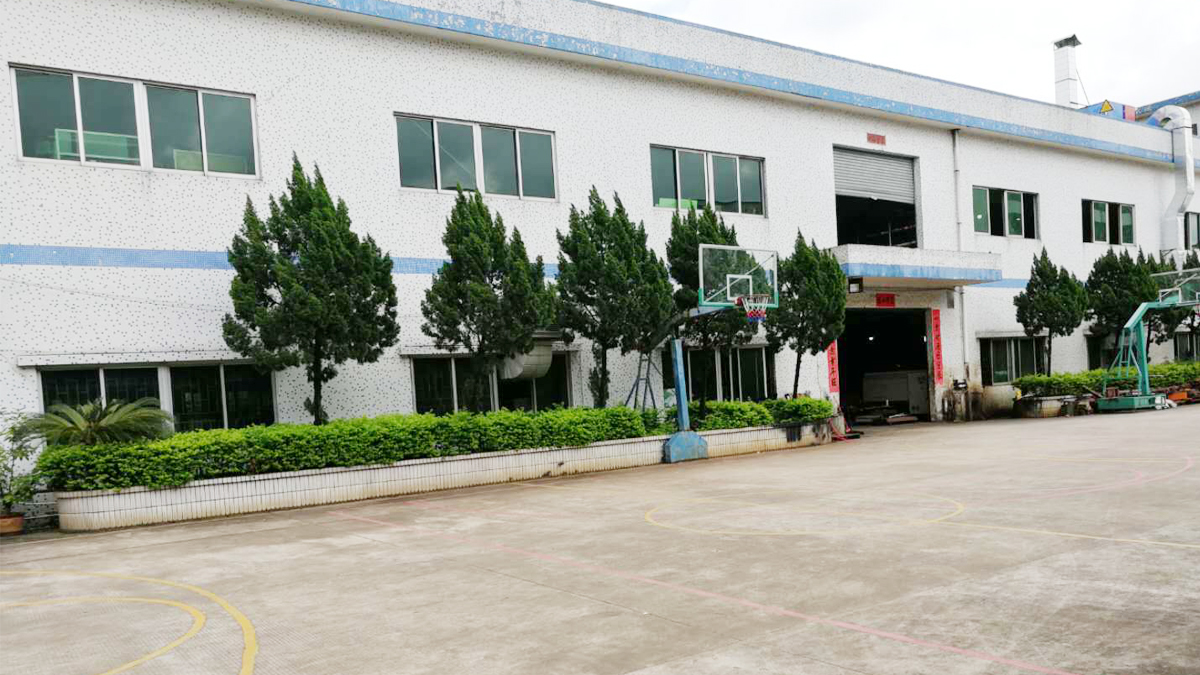
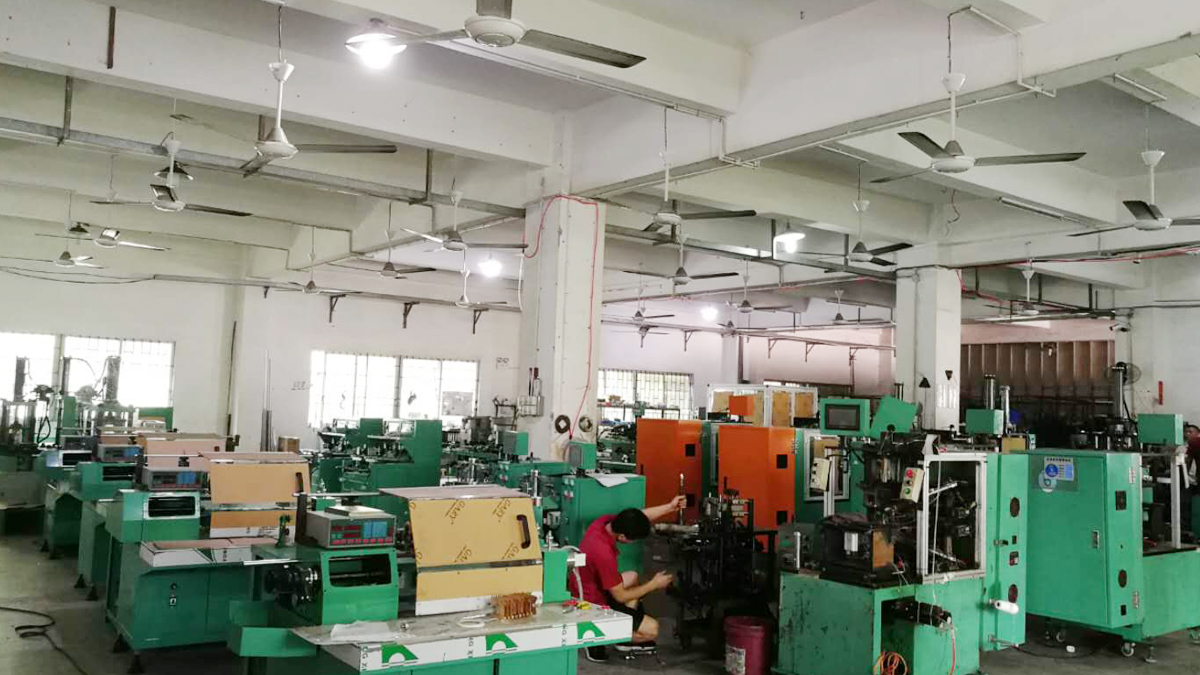
Located in Qishi Town, Dongguan—at the core of South China's premier electromechanical supply corridor—Zunqi Intelligent Equipment Co., Ltd. has delivered precision stator winding, inserting, forming, and rotor assembly machines to international markets for more than 17 years.
We do not deliver generic, off-the-shelf catalog machinery. Every system is built around your physical stator lamination stampings and specific coil diagrams. Our engineers complete full-scale pilot winding trials before dispatch, delivering documented proof of performance before the crate is boarded.

Key technical, financial, and customs questions commonly asked by production managers and import specialists across Central Java.
All our exported equipment is customized to Indonesia's regional power grid standards: 380V ± 10% 3-phase, 50 Hz for heavy lines (hydraulic formers, inserters, CNC turning units) or single-phase 220V/50 Hz for tabletop winding and lacing units. Variable Frequency Drives (VFDs) and servo power supplies are configured with line filters to withstand industrial voltage spikes common in suburban industrial zones.
Standard machine fabrication and tooling setup require approximately 20 to 35 working days, depending on stator tooling complexity. Ocean container freight from Shenzhen/Guangzhou ports directly to Tanjung Emas (Semarang) takes roughly 10 to 14 days. We provide comprehensive export documentation—including Bill of Lading, Commercial Invoice, Packing List, and Certificate of Origin (Form E for ASEAN tariff reductions)—for smooth Indonesian customs clearance.
Yes. When manufacturing fan motors or cost-sensitive pump motors in Central Java, many clients switch to enamelled aluminum wire. Our winding flyers and guiding nozzles feature mirror-polished tungsten carbide and ceramic guide rings with fine-threaded mechanical dampers that prevent scraping, stretching, or fracturing brittle aluminum wire during rapid acceleration.
We supply bilingual (English/Chinese) operating manuals, circuit schematics, and high-definition video walkthroughs covering tooling changes and parameter inputs. Furthermore, our senior automation engineers provide live video commissioning sessions. For complete production line deliveries, on-site commissioning technicians can be dispatched to your plant in Semarang or Kendal.
Our MOQ is 1 unit. To ensure tooling precision, buyers courier 5 to 10 stator lamination stampings along with coil diagrams to our Dongguan workshop. We build the dedicated tooling, wind test coils, verify fill factor and overhang geometries, and provide video records for your technical sign-off prior to dispatch.
Send your stator core drawings, wire specifications, and daily capacity targets. Our application engineering team will deliver a tailored equipment proposal and tooling plan within 9 hours.
Send an Inquiry