Electric fan motor shaft machining components manufacturing and automation line
17 Years Manufacturing Authority

Electric Fan Motor Shaft Machining Components: Engineering Procurement & Assembly

Factory-direct high-precision SC45# steel rotor shafts, CNC turned journals, centerless grinding, and automated press-fitting systems for global fan motor manufacturers.

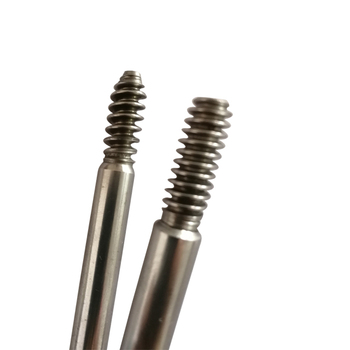
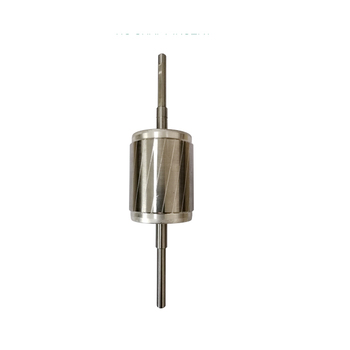
SC45 precision electric fan motor shafts
SC45# Rotor Shafts
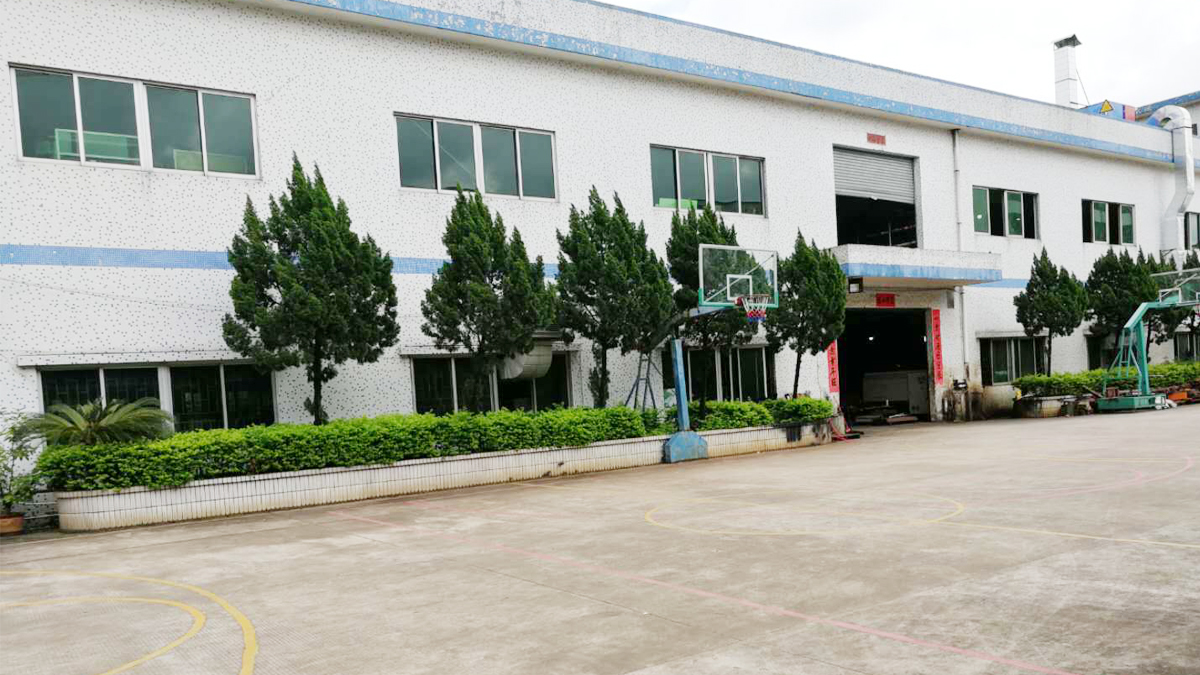
Zunqi Intelligent Equipment manufacturing facility in Dongguan
Micron-Level Tolerance Control

High-Stiffness Rotor Spindles & Turning

Centerless ground shafts featuring Ra 0.2 surface finish, controlled knurling pitch, and anti-vibration dynamic balance.

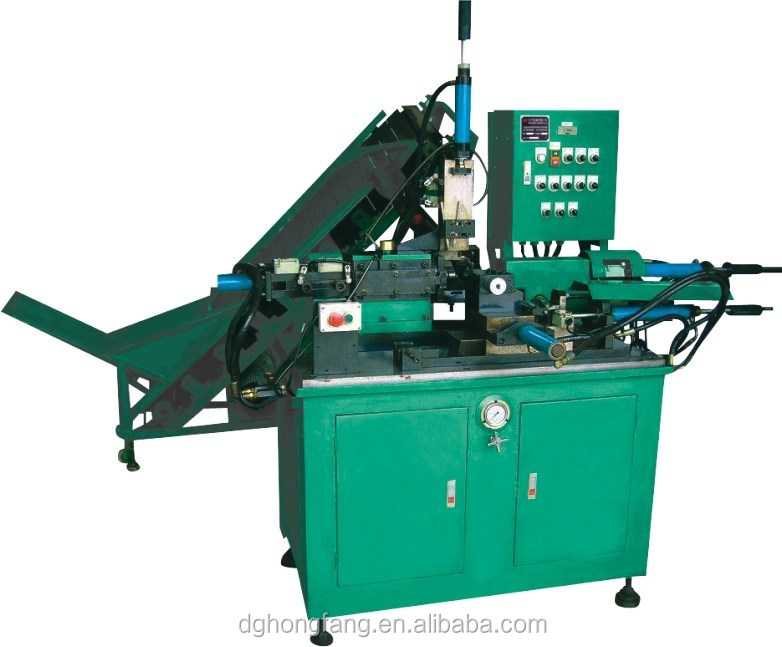
Automatic rotor fine turning and surface cutting machine
Rotor Fine Turning
Automated rotor shaft pressing equipment
Servo Press & Core Assembly

Automated Shaft Pressing Solutions

Zero-deflection rotor assembly with closed-loop pressure feedback and precise axial positioning.

Electric fan motor shaft machining components detail
Armature Spindles
17+
Years Industrial Manufacturing
51–100
Specialist Workforce
$5M
Annual Production Capacity
≤9h
Rapid Engineering Response
78.6%
On-Platform Trade Response
Technical Whitepaper & Overview

Engineering Electric Fan Motor Shaft Machining Components for High Efficiency

How dimensional precision, mechanical concentricity, and advanced metallurgy in motor shaft machining determine operational acoustics, bearing lifespan, and electrical power efficiency in next-generation fan motors.

In electric motor engineering, the electric fan motor shaft machining components serve as the foundational mechanical spine of the electromechanical system. Whether powering heavy-duty commercial ventilation, high-speed ceiling fans, quiet domestic standing pedestal fans, or smart brushless DC (BLDC) systems, the motor shaft directly transmits electromagnetic torque into aerodynamic air movement. The shaft also maintains the micron-critical dynamic air gap between the stator lamination stack and the spinning rotor core.

A dimensional runout of merely 0.012 mm across the shaft bearing journal can induce eccentric magnetic pull (EMP), generating harmonic acoustic whine, excessive bearing heat, premature sleeve bushing cavitation, and catastrophic parasitic power draw. As global energy efficiency standards (such as IEC 60034-30-1 IE4/IE5 and EPA Energy Star) tighten, procurement engineers and R&D teams must source electric fan motor shaft machining components that deliver micron-grade cylindrical runout, precise knurling pitch, reliable induction surface hardening, and flawless automated assembly integration.

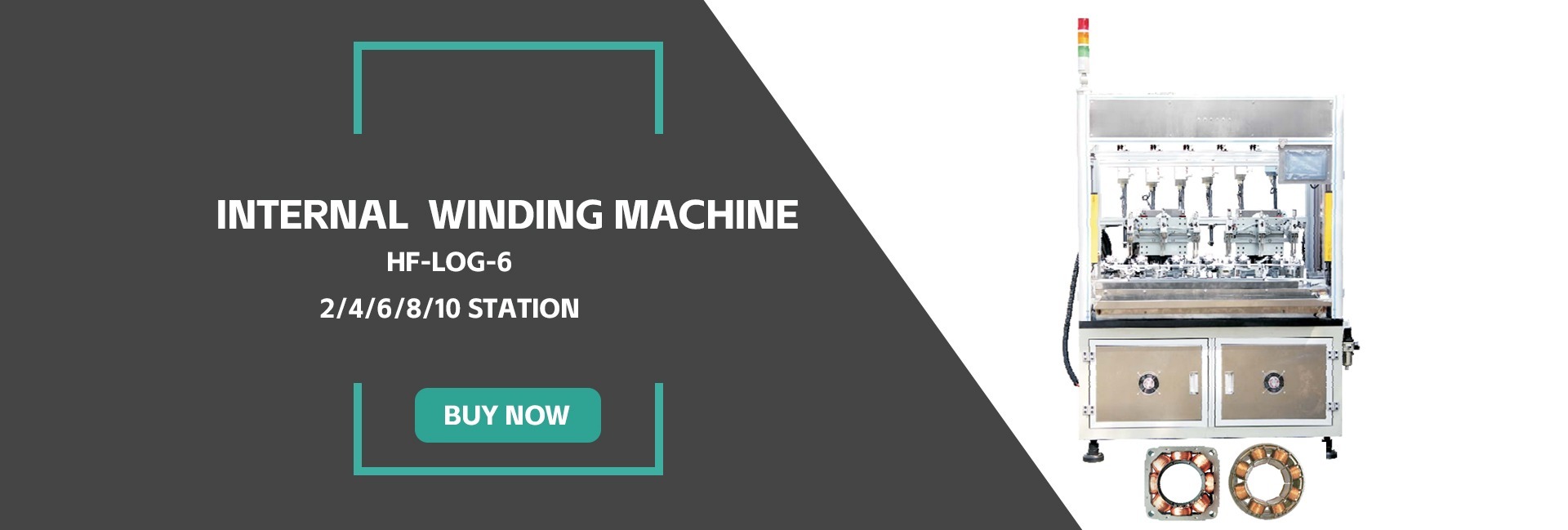
With 17 years of specialized manufacturing experience in Dongguan, Guangdong, China, Zunqi Intelligent Equipment Co., Ltd. produces precision CNC turned and centerless-ground fan motor shafts while developing complete matching production machinery. Our turn-key systems integrate rotor turning, shaft press-fitting, and stator coil winding lines, giving motor manufacturers complete control over mechanical quality from raw bar stock to finished rotor spindle.
Product Recommendations

Standard & Custom Fan Motor Shaft Machining Components

Factory-tested electric fan motor shaft machining components engineered for induction fan motors, shaded-pole assemblies, industrial blowers, and smart brushless DC rotor architectures.

SC45# GradeElectric Motor Spares SC45 low carbon and medium carbon steel shaft

SC45# Ceiling Fan Stepped Rotor Shafts

Turned from premium medium-carbon SC45# steel. Engineered with dual-diameter bearing journals, single-stroke snap ring grooves, and fine ground finishes.

  • Shaft OD: Ø8.0 mm – Ø15.0 mm (h6)
  • Runout / TIR: < 0.005 mm
  • Anti-rust passivated surface
Get a Quote
Centerless GroundGood quality electric iron motor shaft for fan motor

Table & Stand Fan Iron Core Knurled Shafts

Features straight or diamond knurling patterns engineered to optimize rotor core press-fit retention without micro-fissuring or shaft warping.

  • Knurling Pitch: 0.6 mm – 1.2 mm
  • Surface Roughness: Ra 0.2 – 0.4 µm
  • Sleeve / Ball bearing compatible
Get a Quote
BLDC SpindlesHigh speed BLDC fan motor spindle components

High-Speed BLDC Outer-Rotor Fan Spindles

Constructed from hardened alloy or SUS420J2 stainless steel for premium EC/BLDC fans requiring whisper-quiet operation and zero corrosion.

  • Induction Hardening: HRC 50–55
  • Cylindricity: < 0.003 mm
  • Dynamic balance ready
Get a Quote
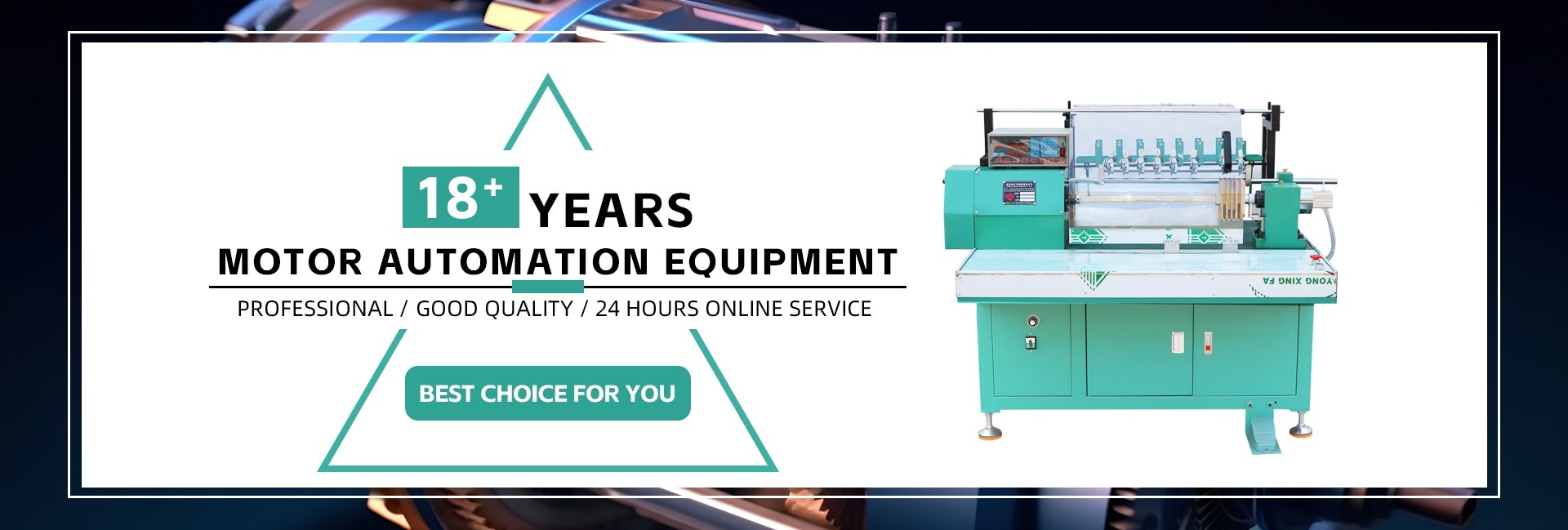
Assembly IntegrationAutomatic rotor fine turning and surface cutting machine

Turnkey Shaft & Rotor Finishing Machinery

Pairing precision components with our HF-C60 rotor turning and automatic shaft pressing equipment to eliminate stack deviation on your line.

  • PLC servo torque control
  • Single-pass core OD finishing
  • Complete line synchronization
Get a Quote
Engineering Specifications

Comparative Analysis: Fan Motor Shaft Machining Components

Engineering parameters, material properties, and manufacturing tolerance matrices across standard electric fan motor production tiers.

Component Parameter Standard AC Ceiling Fan Pedestal / Table Oscillation Fan High-Efficiency BLDC Fan Motor Verification Method
Base Metallurgy SC45# (AISI 1045) Carbon Steel SC45# / Mild Iron Alloy Q235B SUS420J2 / Hardened SAE 1045 Spectrometry / Mill Test Report (MTR)
Journal Diameter Tolerance ISO h6 (±0.004 mm to ±0.006 mm) ISO h7 (±0.008 mm to ±0.012 mm) ISO h5 (±0.003 mm to ±0.005 mm) Laser Micrometer / Mitutoyo Air Gage
Total Radial Runout (TIR) ≤ 0.008 mm ≤ 0.010 mm ≤ 0.003 mm to 0.005 mm Dual-dial indicator on V-blocks
Surface Roughness (Ra) Ra 0.4 µm (Ground) Ra 0.6 µm (Fine Turned) Ra 0.2 µm (Superfinished Polish) Contact Stylus Profilometer
Knurling Specification Straight Knurl (m=0.3–0.5 mm) Straight / Diamond Pattern Controlled Spline / Micro-Step Optical Comparator Toolmakers Scope
Surface Hardness HB 180–220 (As-machined) HB 160–200 HRC 50–55 (Local Induction) Rockwell Hardness Tester (HRc/HB)
Corrosion Resistance Anti-rust oil / 24h Salt Spray Passivated film / 24h Salt Spray Trivalent Zinc-Ni / 72–96h Salt Spray ASTM B117 Salt Fog Chamber
Assembly Method Hydraulic / Pneumatic Press Pneumatic Press Fitting Servo Closed-Loop Press with Load Cell Force-Displacement Signature Curve
17Years
Excellence
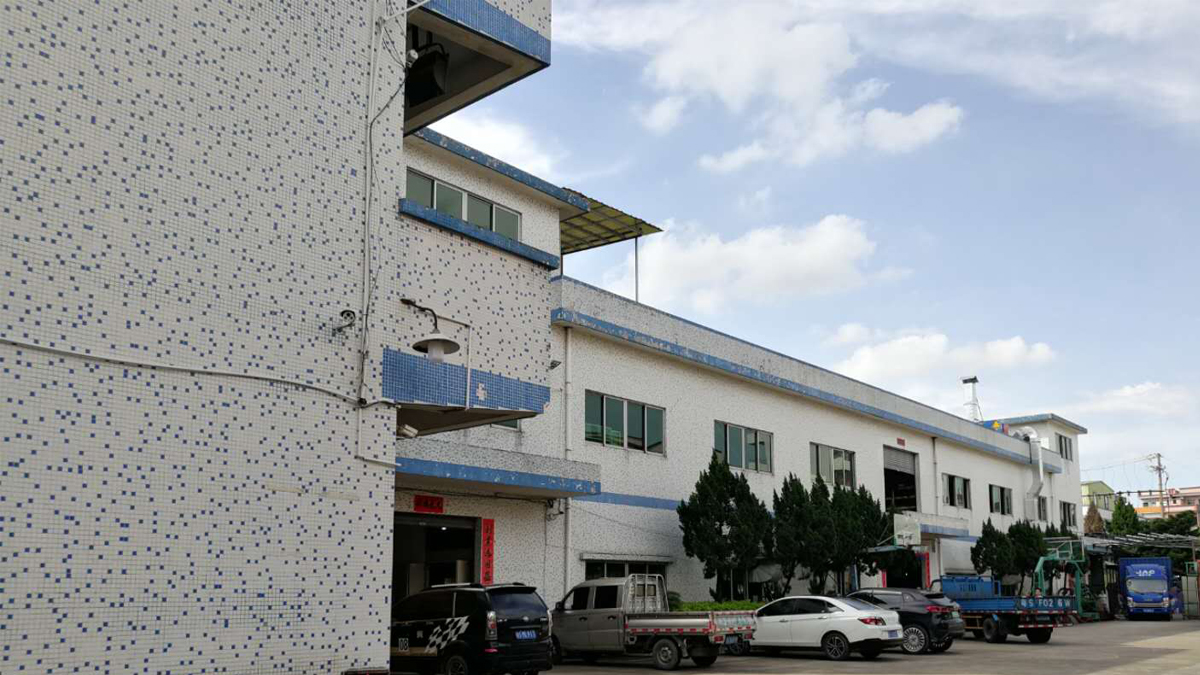
Zunqi Intelligent Equipment factory exterior and production base in Dongguan
Zunqi Intelligent Equipment - Dongguan Headquarters
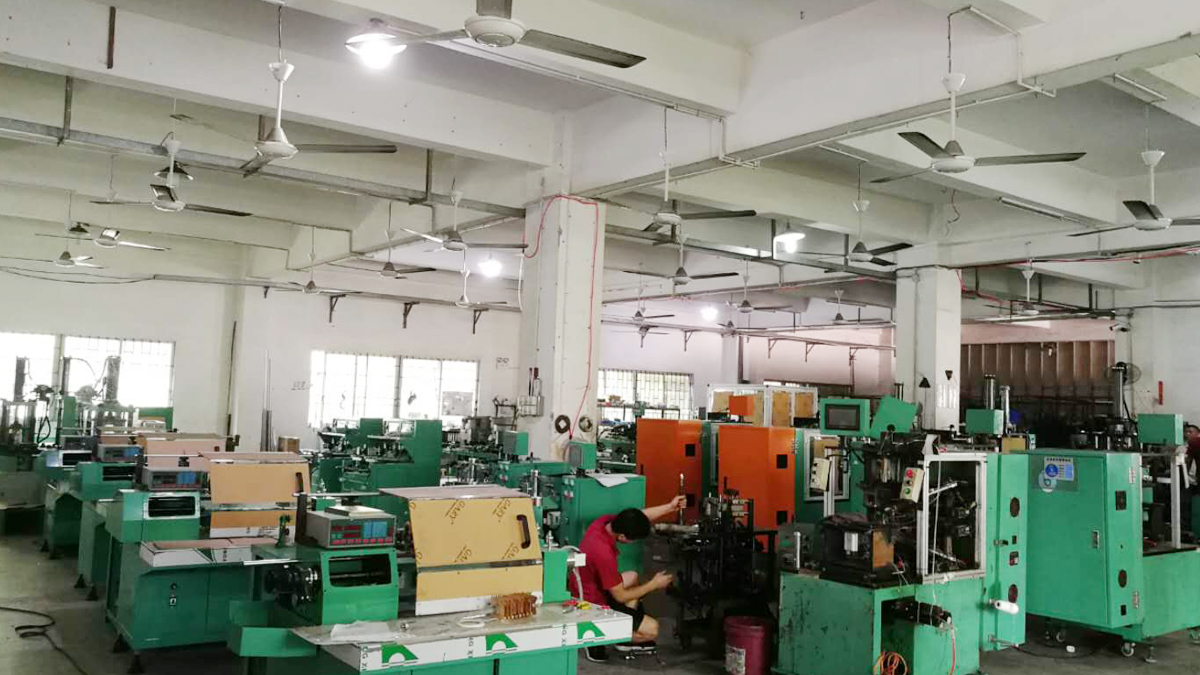
Motor rotor turning and shaft pressing assembly workshop
Shaft Turning & Pressing Automation Workshop
Motor testing and dispatch department at Zunqi facility
Rotor Testing, Metrology & Final Packing Area

Company Profile

Zunqi Intelligent Equipment Co., Ltd. is a specialized manufacturer and trading company headquartered in Qishi Town, Dongguan City, Guangdong Province, China — the manufacturing center of the Pearl River Delta's home appliance motor supply chain. For over 17 years, we have supplied electric fan motor shaft machining components, precision motor assemblies, and automated stator and rotor production equipment to motor manufacturers worldwide.

Company Name
Zunqi Intelligent Equipment Co., Ltd.
Operating Experience
17 Years Continuous Export
Location
Dongguan, Guangdong, China
Skilled Personnel
51 – 100 Employees
Annual Export Revenue
US$2.5M – US$5.0M
Customer Service Inquiries
[email protected]

Enterprise Advantages & Technical Capabilities

  • High-Precision Machining Fleet: Equipped with CNC swiss-type lathes, high-throughput centerless grinders, and automated cold-roll knurling machines capable of handling daily output volumes above 50,000 units.
  • Full Line Automation Synergy: Unlike component brokers, Zunqi designs and manufactures matching rotor fine-turning machines (HF-C60) and automatic shaft-pressing systems. We ensure parts and assembly machinery operate in complete mechanical harmony.
  • Documented Quality Assurance: In-house metrology verification utilizing optical comparators, contact profilometers, hardness testers, and pneumatic air gages ensures zero out-of-spec shipments.
  • Prompt Technical Support: Engineering-led consultation with an average inquiry response time under 9 hours, backed by complete CAD tooling proposals and live trial runs.
Procurement FAQ

Frequently Asked Questions: Motor Shaft Sourcing

Detailed technical answers addressing the most common queries raised by OEM procurement managers and motor manufacturing engineers.

What raw material grades are standard for electric fan motor shaft machining components?

The industry benchmark material for AC ceiling, pedestal, and exhaust fan motor shafts is SC45# steel (equivalent to AISI/SAE 1045, EN C45E, or JIS S45C). This medium-carbon steel provides an optimal balance of machinability, structural modulus, and fatigue endurance. It also responds cleanly to local high-frequency induction hardening on bearing seating areas. For lower-torque shaded pole appliances, cost-efficient low-carbon iron bar stock (such as Q235B) is often selected. Conversely, for humid exhaust units, outdoor ventilation, and high-end BLDC applications, martensitic stainless steels like SUS420J2 or SUS416 are chosen to deliver both high hardness (HRC 48–52) and long-term corrosion resistance without external surface platings.

What are the critical geometric dimensioning and tolerancing (GD&T) targets for precision fan motor shafts?

Precision fan motor performance depends on three core geometric metrics: 1) Journal Diametral Tolerance: Bearing journals must be ground to ISO h6 or h5 (typically +0 / -0.005 mm to +0 / -0.008 mm) to ensure predictable interference fits with ball bearings or correct clearance across oil-impregnated sintered bronze sleeve bushings. 2) Total Indicated Runout (TIR): The concentricity between the rotor core seating seat and bearing journals must stay within 0.003 mm to 0.006 mm to prevent dynamic air-gap distortion and operational vibration. 3) Surface Finish: Bearing journal areas require Ra 0.2 μm to 0.4 μm, while oil seal interfaces must remain free of directional machining spirals that could pull lubricant away from bearing cavities.

How does Zunqi prevent shaft deflection and micro-bending during rotor core press-fitting?

Shaft deflection during core insertion is a primary cause of motor humming and rotor scrap. Zunqi mitigates this risk by controlling both component metallurgy and automated assembly machinery. On the component side, our shafts undergo precise stress-relieving heat cycles, and knurling root radii are controlled to prevent stress risers. On the machinery side, our automatic electric motor rotor shaft pressing machines utilize precision-ground guide bushings that support the shaft directly at its shoulder. We also offer servo-driven systems with real-time force-vs-displacement monitoring. If the pressing tonnage deviates from preset parameters (indicating an oversized interference fit or bore misalignment), the stroke aborts instantly before the shaft's elastic limit is exceeded.

What surface treatments are applied to motor shafts to prevent corrosion and galling?

Depending on target duty cycle, climatic region, and budget, several surface treatment protocols are applied: 1) Water-Displacing Anti-Rust Coatings: Standard for climate-controlled indoor fan motors, providing short- to mid-term oxidation resistance during sea transport and assembly inventory. 2) Environmental Passivation & Trivalent Phosphating: Generates a micro-crystalline protective layer that boosts corrosion resistance without altering precision h6 tolerances. 3) Hard Chrome Plating: Deposited at 5 to 10 μm thickness for industrial ventilation shafts exposed to moisture, delivering surface hardness above HV 800 and resistance to galling wear. 4) Black Oxide: Primarily applied to non-bearing core retention zones for enhanced appearance and mild corrosion protection.

Can Zunqi produce custom rotor shafts according to OEM CAD drawings and physical samples?

Yes. Custom OEM manufacturing is a core part of our business. Our engineering facility operates CAD/CAM design systems capable of working directly from 2D drawings (DWG, DXF, PDF) and 3D solid models (STEP, IGES, Parasolid). For clients upgrading legacy fan motors without original drawings, our inspection laboratory utilizes Coordinate Measuring Machines (CMM), optical profilometers, and gear pitch checkers to reverse-engineer physical shaft samples. Rapid sampling runs are typically produced, heat-treated, ground, passivated, and dispatched alongside comprehensive CMM inspection reports within 7 to 12 working days.

Optimize Your Motor Line with Precision Shafts & Automation

Send your shaft component drawings or complete rotor assembly specifications to [email protected]. Our senior engineering team in Dongguan will review your parameters and return a full production proposal within 9 hours.