17+
Years Proven Export Experience
98.8%
Coil Insertion First-Pass Yield
≤ 9h
Rapid Technical Inquiry Response
100%
Bespoke Stator Lamination Matching
Precision Engineered Catalog
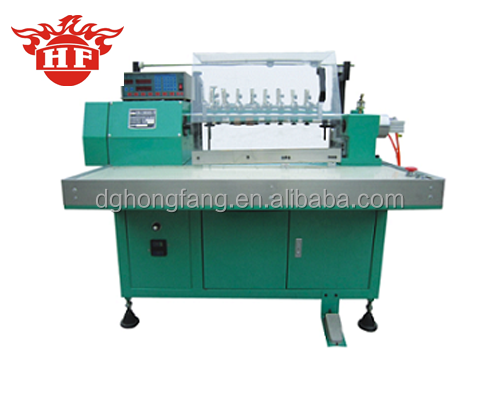
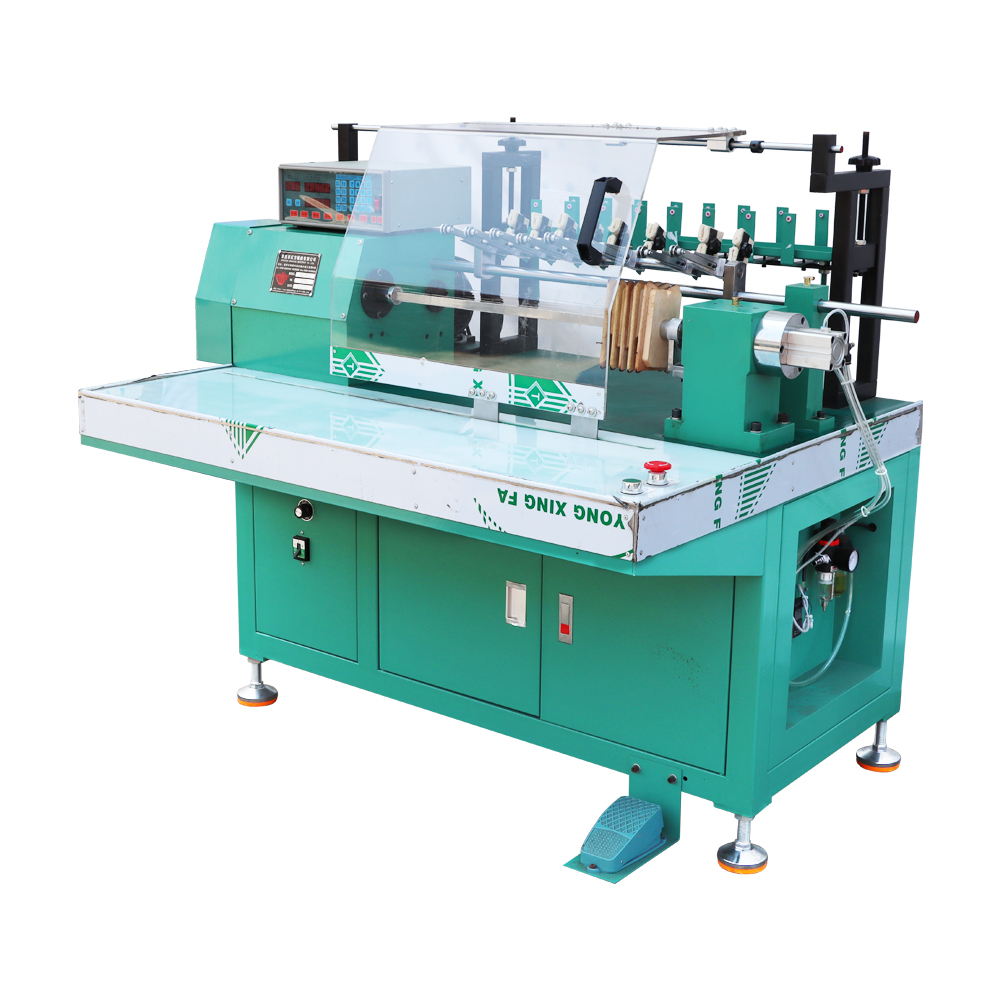
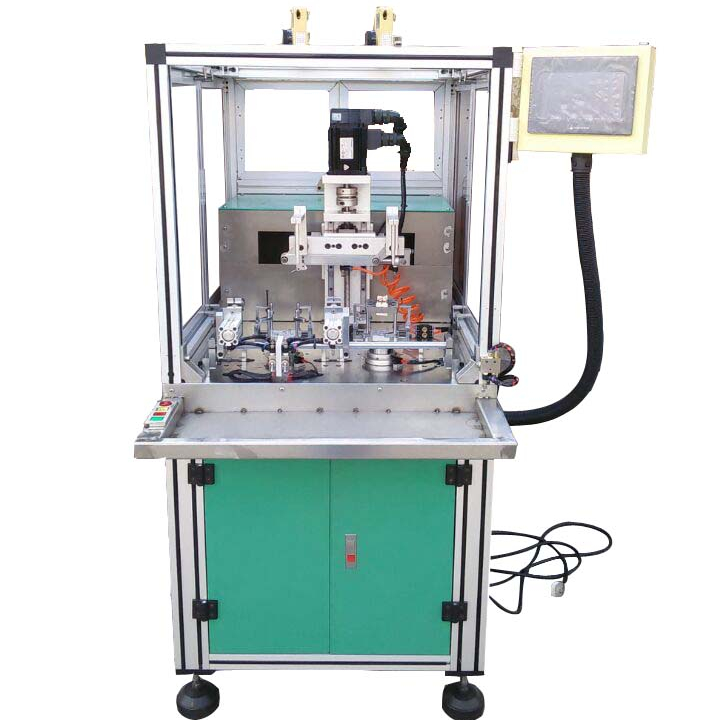
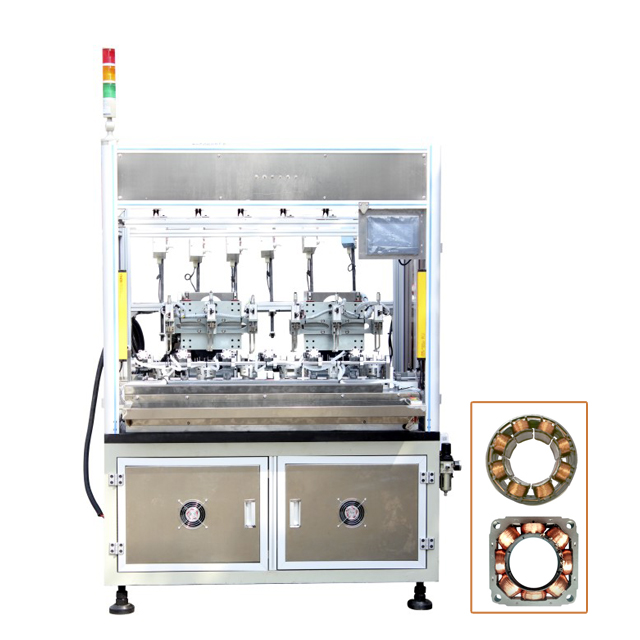
High-Efficiency Stator Winding & Coil Inserting Equipment
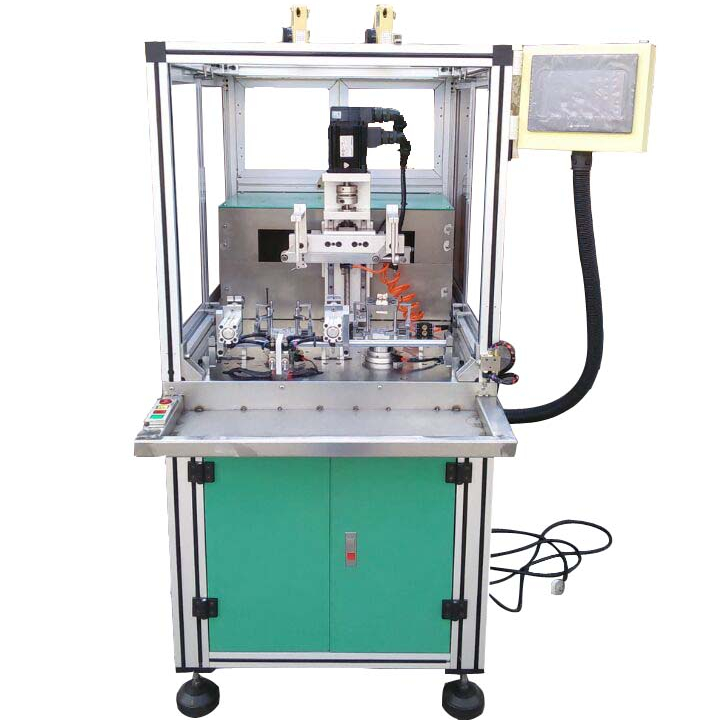
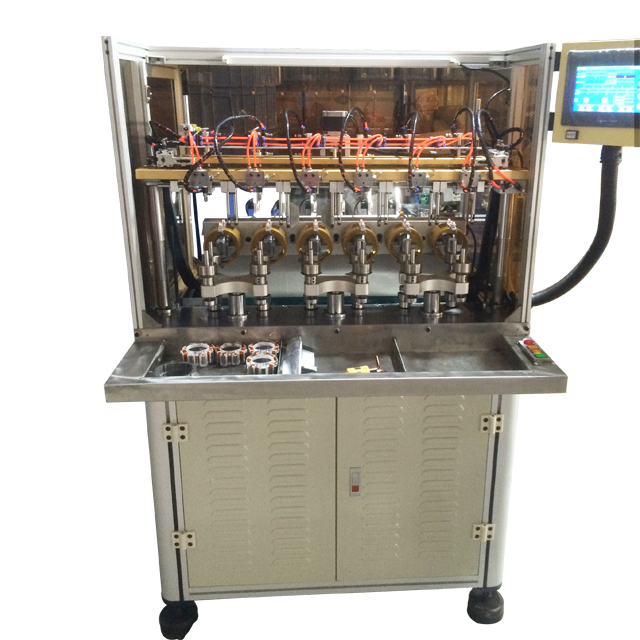
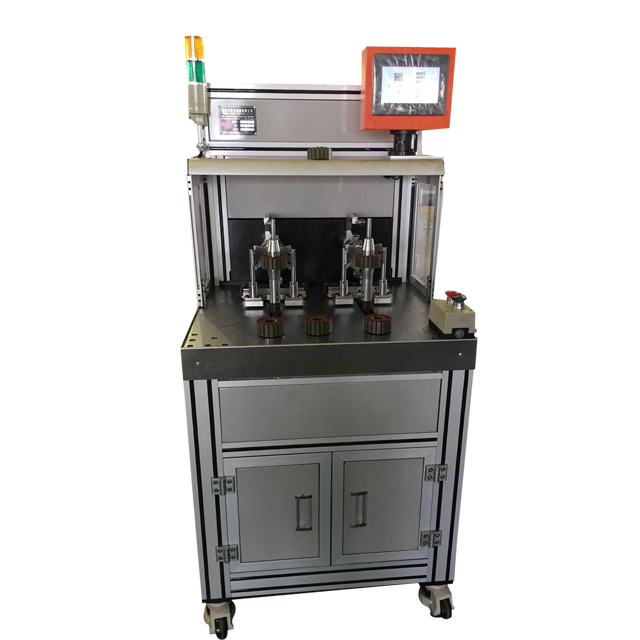
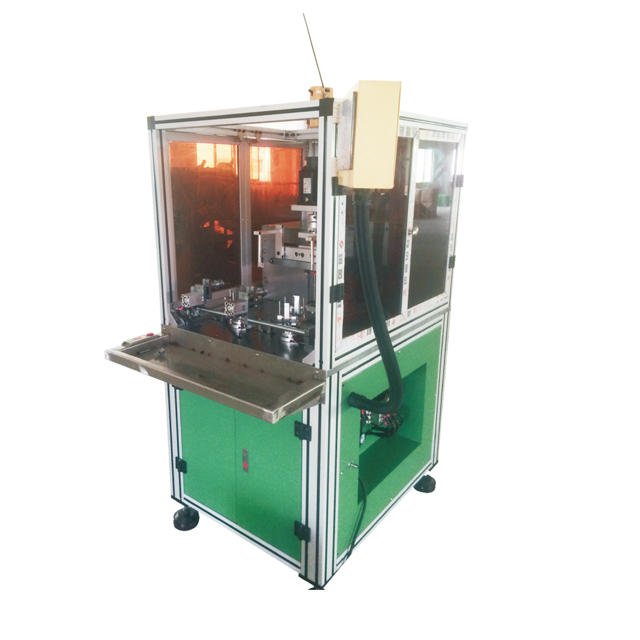
Direct from our Dongguan automation workshop. Each unit is customized to exact lamination specifications, slot dimensions, and target production cycles.
Technical Whitepaper
Engineering Principles of Stator Coil Winding & Wedge Inserting
Analyzing key manufacturing factors that govern magnetic flux density, slot fill factor, and copper insulation integrity in modern electric motor assembly.
In contemporary electric machine fabrication—ranging from standard fractional-horsepower fan motors to advanced high-power industrial pumps—the stator coil winding and wedge inserting process serves as the definitive juncture governing operational efficiency (IE3/IE4/IE5 standards) and operational lifecycle. Mechanical stress imposed on copper magnet wire during simultaneous winding insertion represents the leading cause of micro-fractures in enamel coating, manifesting as partial discharge, phase-to-phase shorts, and ground faults during high-temperature thermal cycles.
Key Insight: Simultaneous Wedge and Coil Inserting Dynamics
Conventional two-stage insertion procedures involve transferring pre-wound wire coils into open stator slots before mechanically driving the insulating wedge into position. This intermittent motion exposes copper coils to shearing forces against the sharp tooth tips of silicon steel laminations. Our engineered inserting system utilizes a synchronized push rod and wedge-guided track that introduces both slot insulation wedges and coil groups in a continuous stroke, entirely shielding magnetic wire from destructive friction and preserving critical dielectric strength.
Optimizing the slot fill factor (copper space factor) remains a central engineering objective. By implementing high-torque servo-driven indexing coupled with precision tension control units, our winding and inserting platforms achieve slot fill rates exceeding 78% without inducing conductor stretching. Maintaining a constant tension coefficient prevents wire necking, ensuring uniform phase resistance across all winding groups and suppressing unnecessary Joule heating losses in operating electric machines.
| Technical Parameter | Traditional Semi-Automatic Machines | Zunqi High-Precision Automated Lines | Engineering Significance |
|---|---|---|---|
| Wedge & Coil Cycle Time | 25 - 45 sec / stator | 9 - 18 sec / stator | Cuts bottleneck operational cycles by over 55% |
| Wire Tension Control | Mechanical Friction Disc | Closed-Loop Servo Tensioner | Eliminates wire diameter thinning and micro-shorts |
| Maximum Slot Fill Factor | 60% - 68% | Up to 82% | Directly increases magnetic torque and electrical motor efficiency |
| Dielectric Failure Rate | ≥ 1.8% in mass output | ≤ 0.12% post-forming | Safeguards end-winding insulation from lamination tooth abrasion |
| Tooling Changeover Window | 120 - 180 minutes | 30 - 45 minutes | Enables flexible production across multi-model stator batches |
Strategic Procurement Analysis
Future Procurement Trends for Motor Winding Equipment
Strategic directions reshaping international procurement, capital expenditure decisions, and manufacturing scalability over the next five years.
Transition Toward IE4/IE5 Motor Standards
Global regulatory mandates demand electric motors to deliver higher efficiency. This trend forces factories to replace legacy coil winders with multi-axis automated inserting machines capable of dense winding configurations and precise stack packing.
Turnkey Line Integration vs. Standalone Tools
Procurement teams are shifting away from fragmented machine buying. Sourcing complete, matched sequences—from slot insulation inserting, continuous coil winding, wedge insertion, to dual-side lacing—prevents costly tooling mismatch errors.
Standardized Component Interoperability
International buyers prioritize manufacturers that integrate world-standard components (such as Siemens, Mitsubishi, Schneider, SMC, and Omron), guaranteeing readily accessible replacement electronics and minimizing unexpected plant downtime.
Technology Trajectory
Next-Generation Technological Trajectory of Stator Automation
How intelligent sensorics, real-time closed-loop tuning, and direct needle winding technologies are defining future manufacturing competitiveness.
IoT-Enabled Predictive Quality Verification
Next-generation inserting systems incorporate piezoelectric load cells on push rods. Real-time insertion force tracking detects lamination tooth misalignment or slot liner deformation before copper wire experiences fatal mechanical pinch damage.
High-Density Needle Winding for BLDC & EV
With brushless direct-current (BLDC) motors expanding in automotive and smart HVAC systems, multi-pole internal stator winding is migrating toward high-speed CNC needle winding heads capable of tight segment layer packing without human handling.
Universal Quick-Change Tooling Platforms
To accommodate shorter product lifecycles and varied motor frame diameters (IEC 56 through 160), machine architectures employ modular magnetic tool locks and digital servo stack height adjustment, reducing mechanical recalibration by two-thirds.
Factory Verifiable Capabilities
Why Tier-1 Motor Makers Trust Zunqi Intelligent Equipment
Operating from Dongguan, Guangdong—the core hub of South China's advanced motor supply chain—we offer authentic manufacturing capabilities backed by strict engineering verification.
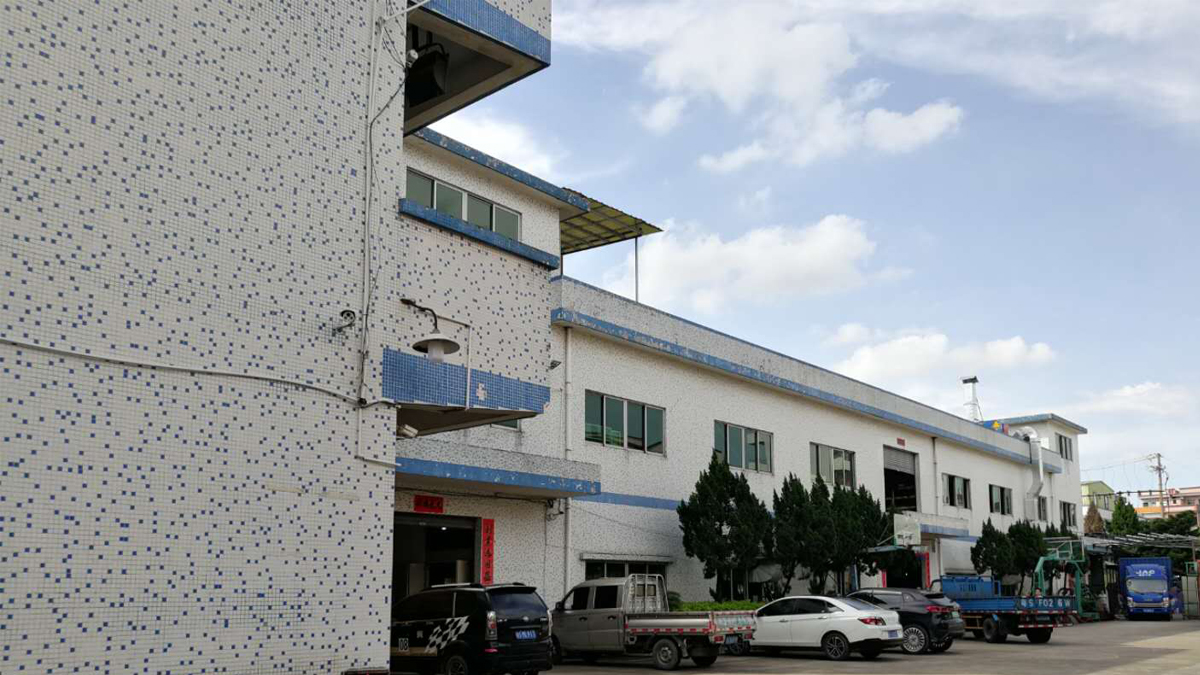
Physical Workshop Operations
17 continuous years of specialized production and export transactions verified on Alibaba.com, featuring 51–100 skilled engineers and assembly technicians.
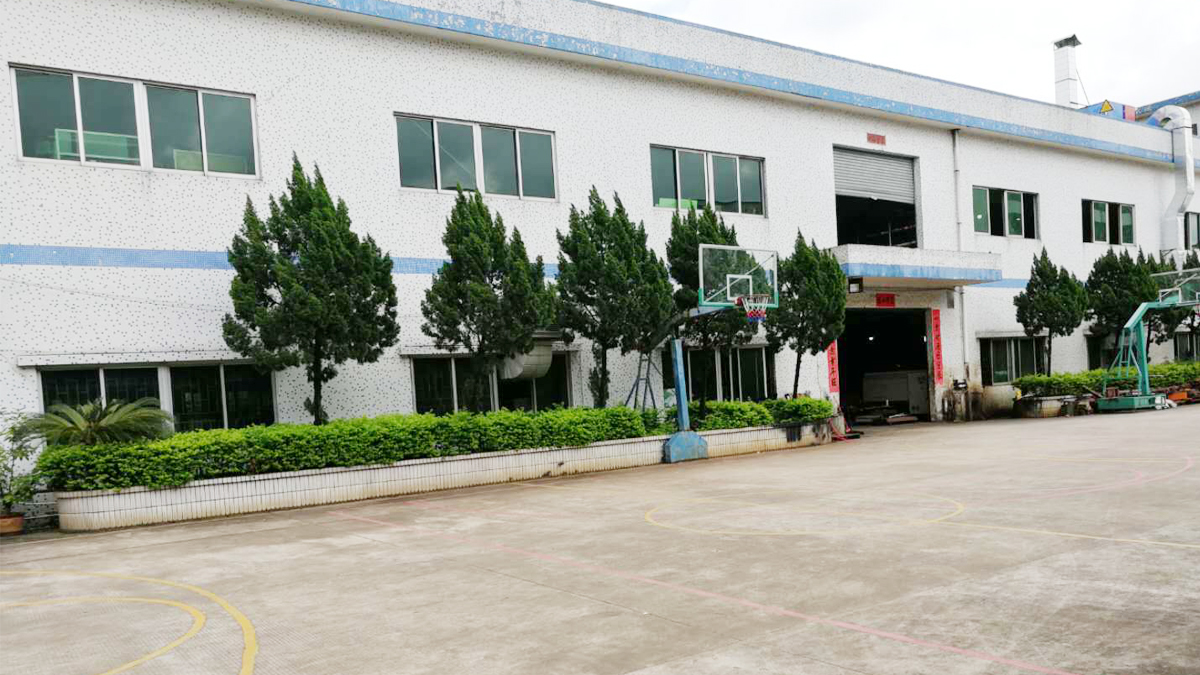
Custom Tooling to Stator Samples
Every winding head, inserting blade, and wedge shoe is CNC machined against client lamination prints and physically validated using client-supplied copper wire.
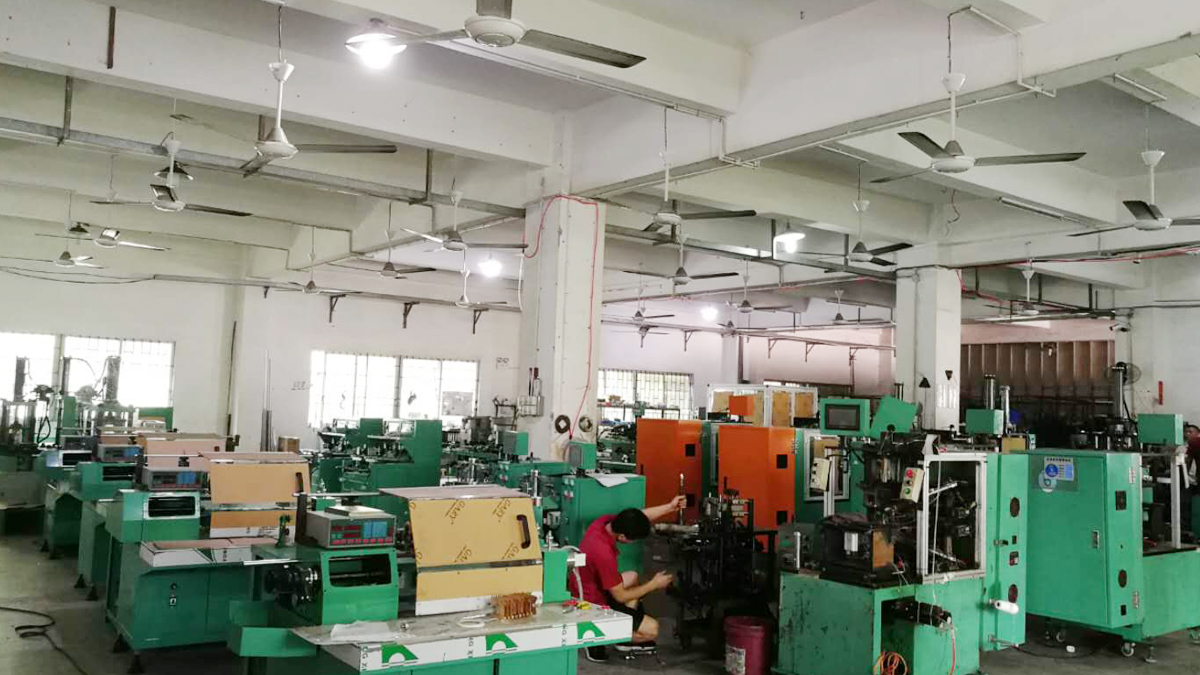
Pre-Shipment Trial Run & Video QC
We test-run your exact stator part on the assembly floor, delivering continuous video proof of cycle speed, slot entry, and insulation integrity prior to container loading.
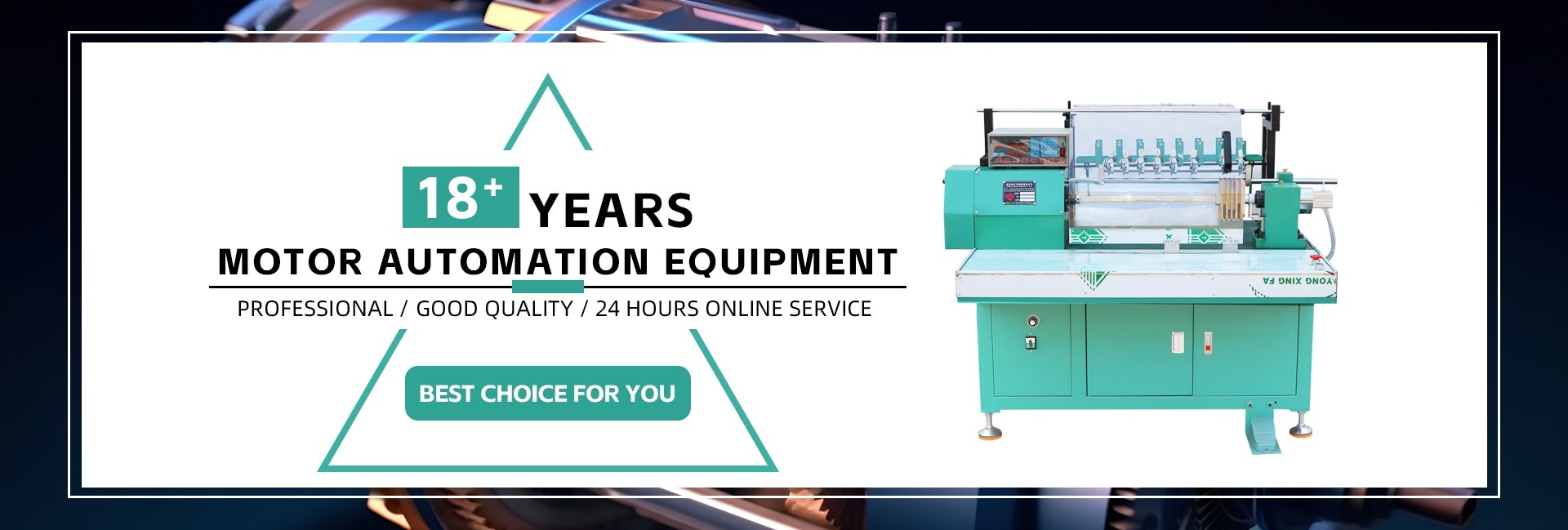
Matched Turnkey Integration
Single-source supply spanning slot paper insertion, coil winding, inserting, intermediate forming, servo double-side lacing, and rotor shaft pressing.
Procurement Inquiries
Frequently Asked Questions on Stator Machine Sourcing
Clear, direct technical answers addressing power requirements, tooling customization, delivery lead times, and post-sales installation.
What is the Minimum Order Quantity (MOQ) and production lead time?
Our MOQ for individual winding, inserting, forming, and lacing machines is exactly 1 set. For standard models, production and tooling customization generally require 20 to 35 business days. Complete turnkey automation lines require 45 to 60 days depending on the complexity of mechanical tooling.
Can tooling be built for non-standard stator laminations and stack heights?
Yes. All mechanical formers, transfer tooling, pushing rods, and inserting fingers are custom-built to your engineering drawings or physical core samples. We require: stator outer diameter (OD), inner bore diameter (ID), core stack height, number of slots, slot opening width, wire gauge (diameter), and coil turn layout.
Can your winding and inserting equipment process both copper and aluminum magnet wire?
Yes. Our tensioning control assemblies and smooth-polished insertion guides accommodate enamelled copper and aluminium wire from 0.1mm to 1.2mm without galling or stripping the enamel jacket. Specialized ceramic coating protects wire during continuous feeding.
How do you configure machine electrical systems for regional voltage supplies?
We engineer electrical cabinets to match your regional grid specifications, including single-phase 220V (50/60Hz), three-phase 380V (50Hz), 415V, or 480V (60Hz). Premium electrical control components can be standardized to Siemens, Omron, Mitsubishi, or Delta based on your plant’s preferred spares catalog.
What warranty coverage and overseas technical assistance do you supply?
Every equipment unit includes a comprehensive 1-year warranty covering core components (PLC, servo motors, gearing, pneumatic actuators). We provide HD video guides for commissioning and remote parameter calibration. For complete automated line projects, our field engineers are dispatched globally for on-site plant installation and operator training.
How is precision tooling protected against rust and mechanical shock during sea freight?
All unpainted precision-ground tooling and machined sliding ways are heavily coated with industrial vapor-corrosion inhibiting (VCI) oil, vacuum-wrapped in moisture-barrier film, securely bolted to steel-reinforced timber skids, and enclosed in heavy-duty fumigation-free plywood export crates designed to withstand ocean container transport.
Accelerate Your Stator Line Efficiency with Custom Tooling
Connect directly with our senior application engineers. Submit your stator core drawing or production volume targets to receive an itemized technical evaluation, tooling analysis, and formal quote within 9 hours.
Send an Inquiry