Flagship Stator & Rotor Production Solutions
Direct from our Dongguan automation facility: heavy-duty servo wedge inserting, precision winding, CNC insulation insertion, and fine turning equipment tailored to your exact lamination stack blueprints.

Automatic Rotor Fine Turning & Surface Cutting Machine HF-C60
- Integrated motor coolant pump & PLC
- Holds precision air gap tolerances
- Factory direct with 1-Year warranty
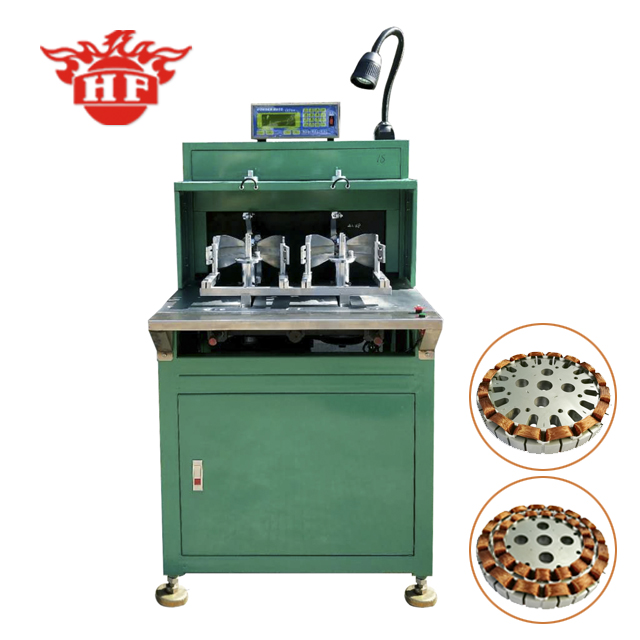
Automatic Ceiling Fan Winding Machine Two Station High Speed
- Dual workstation continuous cycling
- Precise tensioner eliminates wire snapping
- Copper & aluminium wire compatible

Stator Winding Machine 2 Station External Winding Machine
- Outer winding for transformer & BLDC motors
- Independent parameter programming
- High-speed mechanical indexer unit

Automatic Servo System Stator Coil and Wedge Inserting Machine
- Single-stroke coil & wedge insertion
- Precision push-blade dynamic profiling
- Zero enamel damage at high fill factors
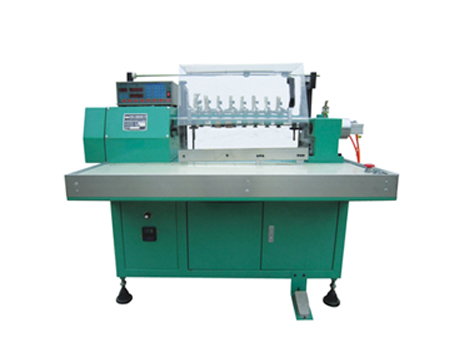
Electrical Motor Stator Coil Winding Machine for Cooler Motor
- High-torque fly-fork coil winding tooling
- Multi-diameter wire range (0.1 – 1.2mm)
- Optimized for multi-slot air cooler stators

HF-R40-2G Automatic Ceiling Fan Stator Winding Machine
- Two independent microcomputer controllers
- Double station concurrent operation
- 1-Year warranty with full spares kit

Two Stations Transformer & Motor Outer Stator Winding Machine
- Precision layered layer-to-layer wire lay
- Dual programmable winding heads
- Heavy gauge wire support with soft start

New Slot Paper Inserting Cutting Machine Table Fan Pump Cooler
- Automatic edge hemming, cutting & inserting
- 1 kW 380V/220V configurable industrial unit
- High slot yield with zero dielectric punch-through
Engineering Whitepaper Abstract: The modern electric motor manufacturing line operates under uncompromising constraints: tightening energy efficiency regulations (IEC 60034-30-1 IE4/IE5 and NEMA Super-Premium standards), accelerating penetration of inverter-driven variable frequency drive (VFD) motors, and aggressive cost reduction targets. Within this paradigm, the stator slot wedge and coil inserting machine represents the single most mechanically sensitive node in the entire manufacturing chain. A defect at this station ruins copper wire, lamination stacks, and insulation paper simultaneously. This technical whitepaper establishes the operational parameters, mechanical kinematic models, and procurement criteria necessary for global plant directors to optimize cycle times, avoid wire enameled degradation, and achieve zero-defect insertion yields exceeding 99.85%.
1. Kinematic Mechanics & Physics of Wedge and Coil Insertion
In low-to-medium voltage squirrel cage induction motors, permanent magnet synchronous motors (PMSM), and brushless DC (BLDC) stators, the insertion phase requires the synchronous axial translation of two distinct materials: the wound pre-formed magnet wire coil clusters and the solid slot closure insulation wedges (typically fabricated from DMD, NMN, Nomex®, vulcanized fiber, or magnetic composite laminate). Traditional pneumatic or legacy cam-driven inserters rely on abrupt mechanical strokes that generate severe peak friction forces.
When magnet wire passes through the narrow stator slot opening, boundary friction against the lamination edges threatens the integrity of the polyamide-imide (PAI) or polyester-imide (PEI) enamel overcoat. Any micro-fissure or thinning of this dielectric layer leads directly to high-voltage inter-turn surge failure during inverter switching (dV/dt spikes). Our specialized Automatic Servo System Stator Coil and Wedge Inserting Machines employ continuous closed-loop multi-axis servo profiling:
Servo-Driven Wedge Feeding & Creasing
Precise stepping servomotors draw insulating material from the continuous coil reel, execute edge hemming (cuffing) to withstand mechanical axial vibrations, shape the wedge contour via heated or cold precision dies, and guillotine-cut the wedge with length repeatabilities within ±0.15mm.
Kinematically Controlled Push Blades
The insertion tooling blade array features tungsten carbide-tipped or Cr12MoV vacuum-quenched guide fingers (hardness HRC 60-62) with diamond-polished guide channels (Ra ≤ 0.05μm). Variable-speed servo push kinematics ramp down velocity as coil fullness peaks, preventing mechanical scuffing.
Adaptive Lamination Indexing Clamping
Hydraulic and servo-pneumatic concentric collets clamp the stator core exterior, preventing radial skewing or axial delamination of the outer silicon steel sheets (0.35mm / 0.5mm electrical steel grades) while ensuring absolute concentricity with the insertion guide magazine.
By synchronizing the advancement of the wedge push-rod and the coil push-rod with sub-millisecond precision, the wedge enters the lamination dovetail guide slot slightly ahead of the final coil conductors. This forms an impervious mechanical shield that guides copper groups securely below the tooth tips, entirely eliminating wire popping and pinch-shearing failures.
Maximizes electromagnetic density for IE4/IE5 motor compliance.
Micro-ground insertion fingers polished to mirror-finish smoothness.
Modular quick-release collets for multi-SKU agile manufacturing.
Fast engineering response time on all technical inquiries worldwide.
2. Future Procurement Trends in Stator Automation
Procurement directors and capital expenditure (CapEx) committees across North America, Europe, East Asia, and the Middle East are re-evaluating their equipment sourcing strategies. As motor manufacturers move away from manual and semi-mechanized production toward lights-out, highly automated motor cell manufacturing, three strategic trends dominate the stator machinery procurement landscape:
A. Transition Toward Super-Premium Efficiency (IE4, IE5) and Compact Frames
Meeting IEC 60034-30-2 variable speed and line-start permanent magnet motor efficiency thresholds demands packing significantly more copper into identical stator core volumes. Historical slot fill factors of 65% to 72% are no longer sufficient; current designs demand slot fill factors ranging from 78% to over 85%. Sourcing legacy wedge inserters for these designs results in catastrophic scrap rates due to blade jamming, insulation shearing, and copper denting. Procurement teams now mandate multi-stage adaptive torque-limiting servo inserters that measure real-time push resistance, automatically adjusting insertion speeds to smoothly pack dense conductor bundles into complex semi-closed stator slots.
B. Modular Quick-Change Tooling Architecture (SMED Protocols)
The era of single-motor dedicated production lines running uninterrupted for six months is ending. Industrial motor makers must accommodate high-mix, variable-batch production runs encompassing different stack heights (from 20mm up to 250mm), varying bore diameters (ID 30mm to 160mm+), and diverse slot counts (12, 18, 24, 36, 48, 72 slots). Modern machine specifications prioritize Single-Minute Exchange of Die (SMED) capabilities. Sourcing equipment engineered with modular blade magazines, tool-less clamping mechanisms, and saved PLC job recipes enables factory operators to execute complete changeovers in under 15 minutes, preserving production uptime.
C. Integration of End-to-End Matched Manufacturing Cells
Purchasing individual machines from fragmented vendors creates disastrous interface bottlenecks. An insulation paper inserter that slightly skews a slot liner causes the downstream wedge inserter to jam; a winder with inconsistent end-turn lengths complicates intermediate forming and lacing. Tier-1 motor builders increasingly demand turn-key matching cells sourced from a single proven manufacturer: encompassing Slot Insulation Paper Inserting → Coil Winding → Coil & Wedge Inserting → Intermediate Coil Forming → Double-Side Servo Lacing → Final Hydraulic Sizing, supplemented by downstream Rotor Fine Turning and Shaft Pressing equipment.
3. Technological Development Trends in Wedge Inserting Machinery
Looking toward the 2026–2030 manufacturing horizon, stator production equipment is integrating cutting-edge cyber-physical monitoring, intelligent material handling, and advanced metallurgical advancements:
1. In-Line Optical & Dielectric Validation: Next-generation wedge inserting systems incorporate high-resolution machine vision modules positioned over the stator bore before and after the insertion stroke. Before insertion, cameras verify slot liner alignment and core orientation. Post-stroke optical inspection confirms that every single slot wedge is seated past the lamination face without splitting, curling, or protrusion, preventing subsequent rotor insertion collision during final motor assembly.
2. Magnetic Slot Wedge Automation: To eliminate high-frequency harmonic eddy current losses and acoustic noise in high-power induction motors and traction drives, manufacturers are adopting magnetic slot wedges (epoxy resins filled with powdered iron). These materials possess lower ductility and are susceptible to brittle fracturing under conventional impact insertion. State-of-the-art inserters now feature gentle push kinematics, custom pre-heating chambers, and low-friction guiding channels engineered specifically for fragile magnetic slot materials.
3. IIoT Telemetry, OPC-UA Protocols, and Predictive Maintenance: Smart factory integration requires real-time telemetry output. Our control platforms utilize industrial PLCs (configurable with Siemens S7-1200/1500, Mitsubishi iQ-R, Delta, or Omron) broadcasting via OPC-UA. Production data—including cycle times, peak insertion force curves per slot, blade wear counters, and pneumatic pressure differentials—are continuously streamed to plant SCADA and MES systems, allowing proactive preventative maintenance before a blade fatigues or breaks.
4. Comprehensive Machine Engineering Comparison Matrix
To assist manufacturing system engineers and procurement officers in sizing their stator assembly lines, the following engineering reference table details technical specifications across our automated motor manufacturing machinery series:
| Machine Category | Core Automation Model | Stator ID / OD Range | Max Stack Height | Drive Architecture | Key Production Metric |
|---|---|---|---|---|---|
| Coil & Wedge Inserting | Servo System HF-CW Series | ∅20 – ∅160 mm | 20 – 220 mm | Dual-Axis Servo + Hydraulic | Cycle time: ≤15–25 sec/stator; up to 85% slot fill |
| Slot Paper Inserter | HF-D50 / High-Speed Series | ∅15 – ∅200 mm | 10 – 250 mm | Stepping Motor / CAM Indexer | Feeding speed: 0.35–0.5 sec/slot; edge hemming |
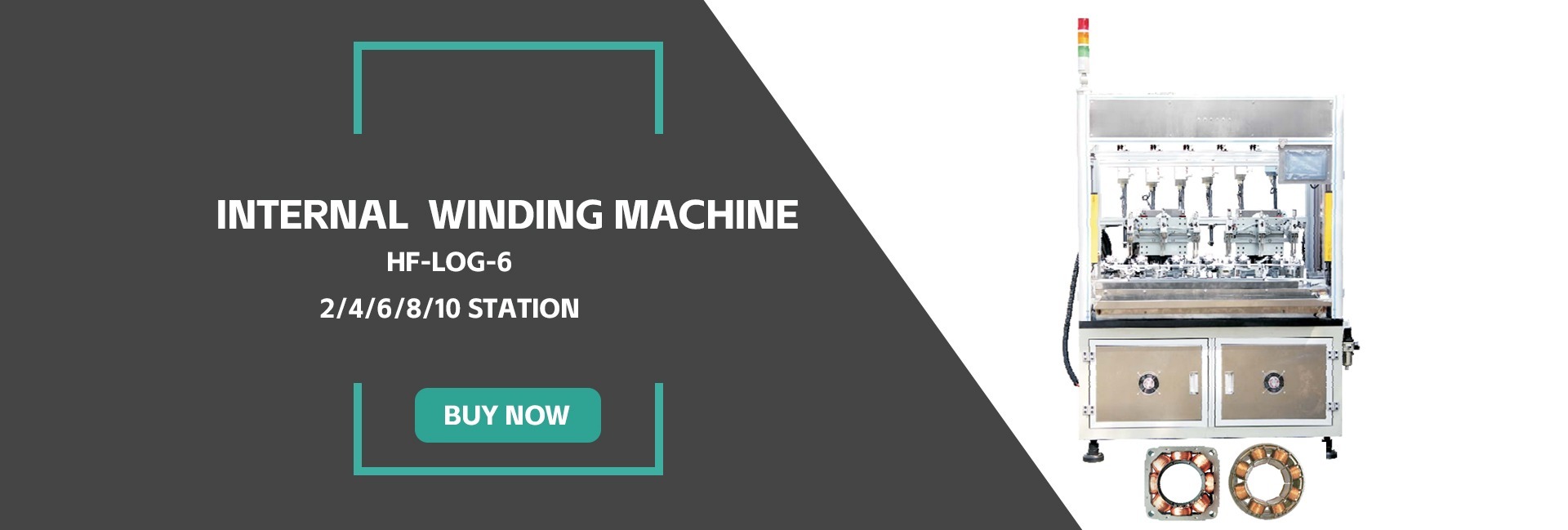
| Internal Stator Winder | HF-LO2-6G (6 Stations) | ∅25 – ∅120 mm | 15 – 100 mm | Multi-Axis Synchronous Servo | Multi-station indexing; simultaneous 6-station winding |
| Fan Motor Winder | HF-R40-2C / 2G Series | ∅30 – ∅140 mm | 8 – 45 mm | Dual Independent Micro-CNC | Twin station concurrent fly-fork wire placement |
| Double-Side Lacing | HF-BS20 Servo Series | ∅30 – ∅180 mm | 20 – 200 mm | Full Servo Needle & Rotary Index | Simultaneous top/bottom coil head binding; pitch-skip modes |
| Rotor Fine Turning | HF-C60 Surface Cutter | ∅15 – ∅120 mm (Rotor) | Up to 300 mm shaft | VFD Main Spindle + Auto Feed | Concentricity ≤ 0.008 mm; automated coolant recycling |
5. In-Depth Procurement Engineering FAQs
Below are exhaustive technical answers to the most rigorous questions posed by automation procurement leads, quality assurance directors, and plant managers during factory audits and specification drafting:
How do you prevent wire scraping during high-density wedge insertion?
Our tooling utilizes high-precision hard alloy guides ground to Ra ≤ 0.05μm with diamond polishing. The insertion push blade profiles are customized to your specific stator lamination drawing. Furthermore, our programmable servo drive softens the push force as the wire bundle enters the slot throat, while synchronous wedge placement forms an active barrier that prevents wire flaring against sharp core edges.
Can one machine handle different stator stack heights and slot numbers?
Yes. Stack height adjustments within a given stator family are handled entirely through digital parameter entries on the HMI touchscreen (controlling the stroke of the servo drive). Different bore diameters and slot counts require our modular quick-change tooling set (insertion magazine blades, pushers, and wedge guides), which can be swapped out within 15 to 20 minutes.
Which insulation materials are compatible with your wedge inserters?
Our feed mechanisms handle all standard commercial electrical insulation roll stocks, including Nomex®, DMD, NMN, polyester films (Mylar), and vulcanized fiber with material thicknesses from 0.15mm to 0.50mm. Machines can also be configured with specialized guiding channels to handle rigid pre-cut magnetic composite slot wedges.
How do you configure the machine for international power grids?
While our standard internal systems operate on 220V single-phase or 380V 3-phase 50Hz, our electrical engineering department custom-builds transformer and control power supply cabinets for 208V, 230V, 415V, or 480V at 60Hz. Component hardware is strictly CE marked, with UL-certified electrical components available upon request.
What is your Factory Acceptance Testing (FAT) protocol before shipment?
We require the client to supply physical stator lamination samples and insulated magnet wire. We assemble the custom tooling and execute continuous trial runs in our Dongguan workshop, recording cycle rates, insertion force curves, and dielectric withstand tests. Full video documentation, precision dimension inspection reports, and sample finished stators are signed off by the customer before export crating.
What warranty terms and remote technical services do you deliver?
Every machine is backed by an unconditional 1-year mechanical and electrical warranty. We provide pre-configured industrial VPN gateways on the PLC cabinets for remote diagnostics and telemetry tuning. Replacement wearing parts (pushers, cutting knives, blades) are stocked for express international air shipment within 24 to 48 hours.
Why Motor Manufacturers Partner with Zunqi
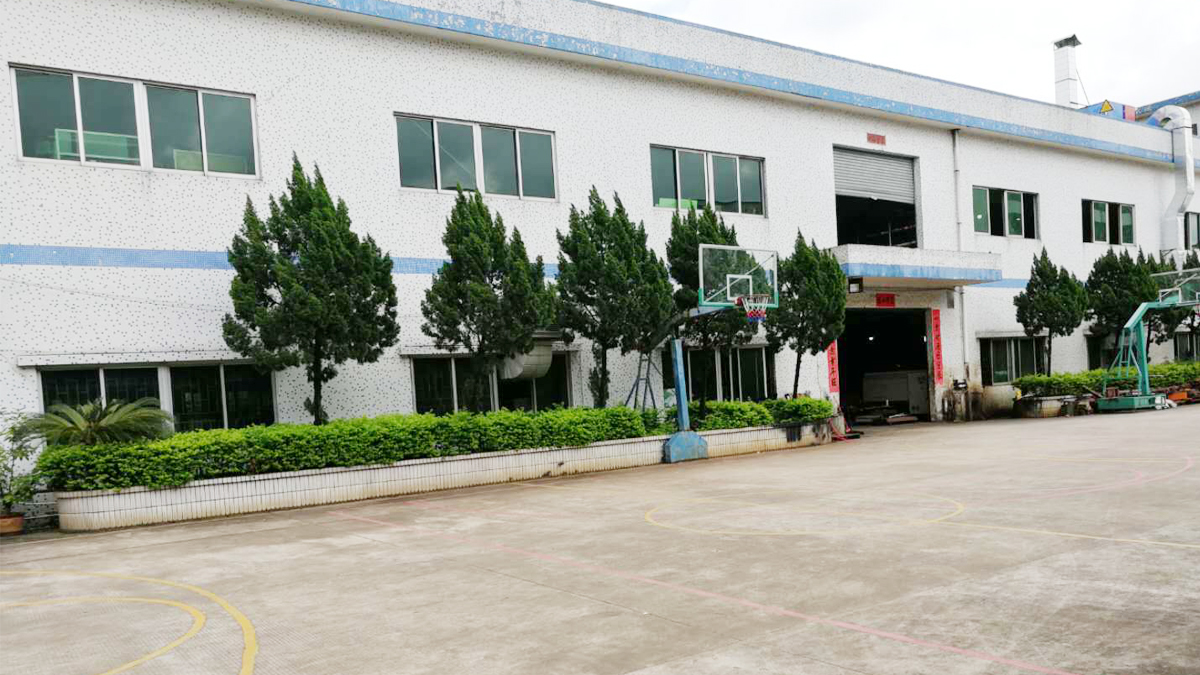
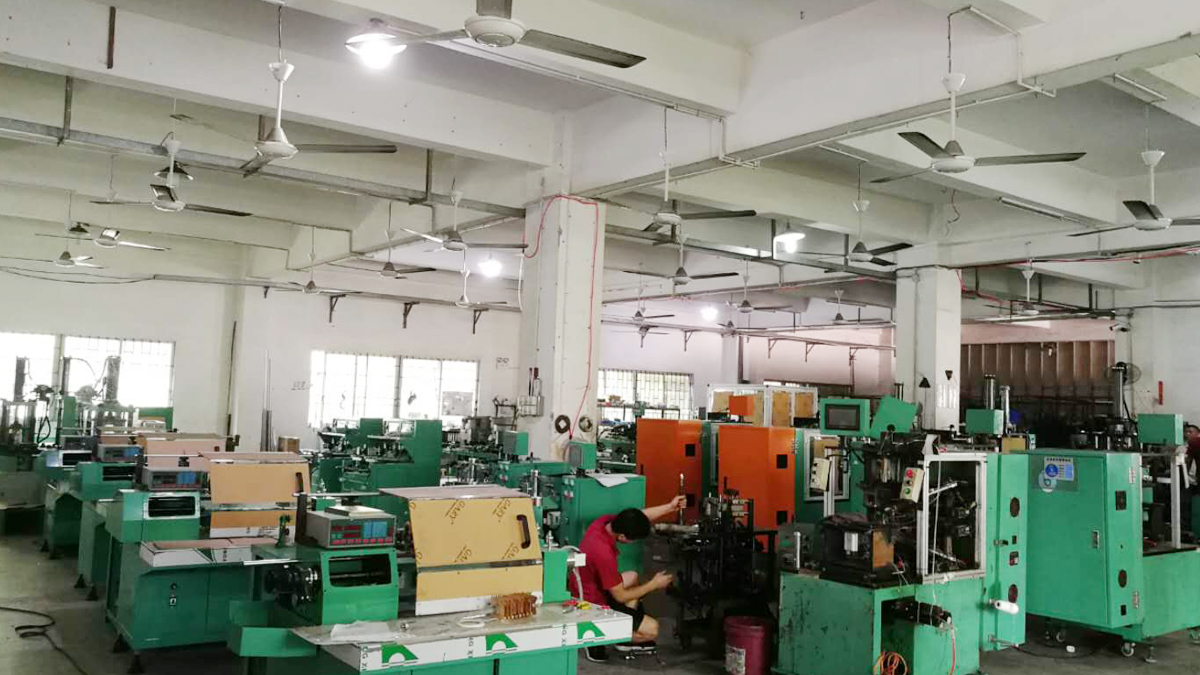
Headquartered in Qishi Town, Dongguan, Guangdong Province—the world's foremost cluster for precision manufacturing and electrical machine engineering—Zunqi Intelligent Equipment Co., Ltd. has served as a premier OEM/ODM manufacturer and exporter of stator and rotor automated lines for over 17 years.
- 17+ Years Export Track Record: Verified onsite supplier credentials on Alibaba.com with flawless customs export and credit ratings worldwide.
- In-House Tooling CNC Center: Specialized wire-EDM cutting, internal CNC grinding, and heat treatment to machine custom insertion blades directly from your CAD files.
- Global Component Interchangeability: Electrical cabinets configured with world-class component brands your maintenance staff already trusts: Siemens, Mitsubishi, Omron, Delta, Schneider, and SMC pneumatics.
- Turn-Key End-to-End Stator Lines: Harmonized machine cycle times from paper insertion to winding, inserting, intermediate forming, lacing, and rotor turning.

Ready to Upgrade Your Stator Line Efficiency?
Send your stator lamination drawings (OD, ID, stack height, slot dimensions), wire specifications, and target daily output. Our senior mechanical application engineers will deliver an optimized tooling proposal, complete machine quotation, and video demonstration within 9 hours.
Send an Inquiry