Factory-Direct Stator Winding & Coil Inserting Equipment
Engineered to optimize slot-fill factor, eliminate mechanical wire scratching, and integrate smoothly into high-volume induction, BLDC, and pump motor production lines.
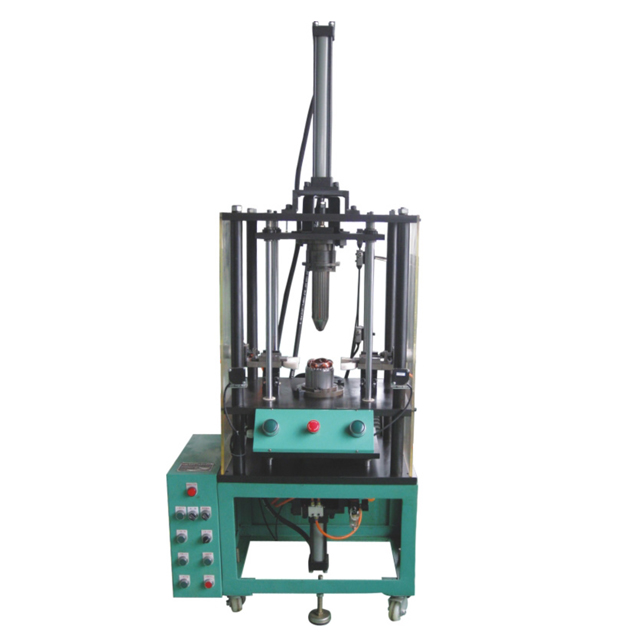
HONGFANG Motor Stator Coil Forming & Shaping Machine 1 kW
- Hydraulic/pneumatic dual expansion
- Pre/post-lacing coil head sizing
- 1-Year international warranty
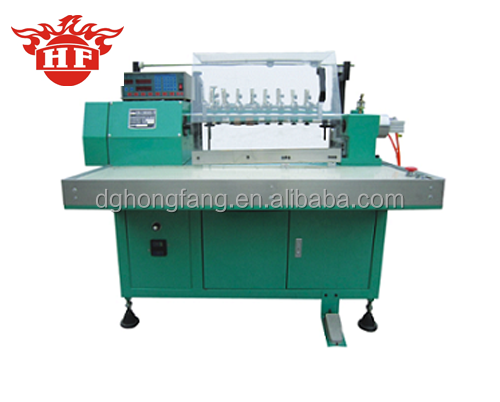
HF CNC Auto Stator Coil Winding Machine (8 Heads, 3000 RPM)
- Multi-spindle continuous flyer winding
- Copper & aluminum wire handling
- Synchronous wire indexing
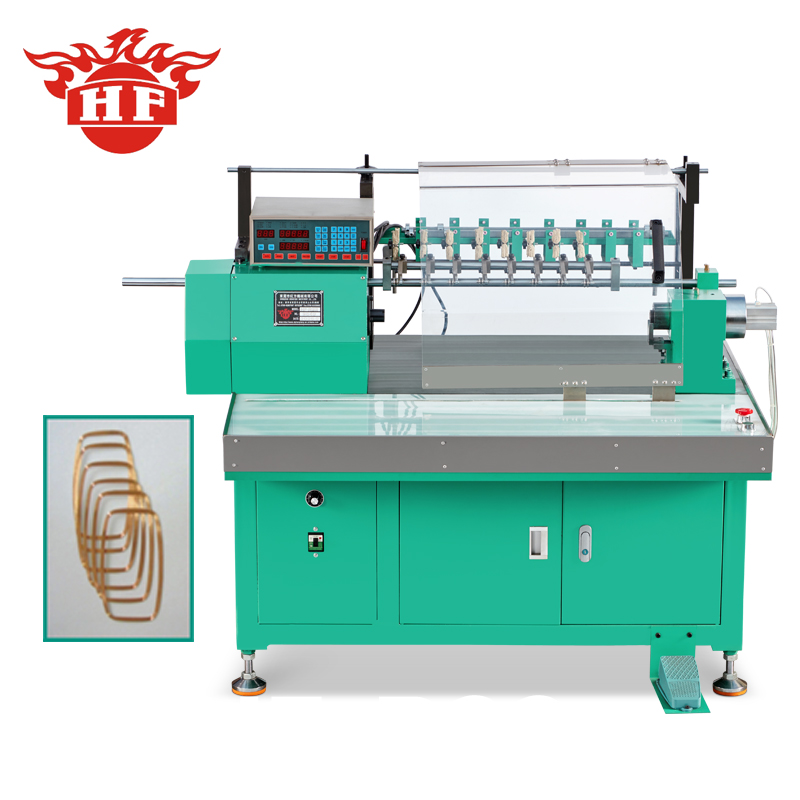
HF-R22 Semi-Automatic Coil Winding Machine 8 Heads
- 8-station high efficiency array
- Microprocessor parameter setup
- Compatible with table/cooler fans
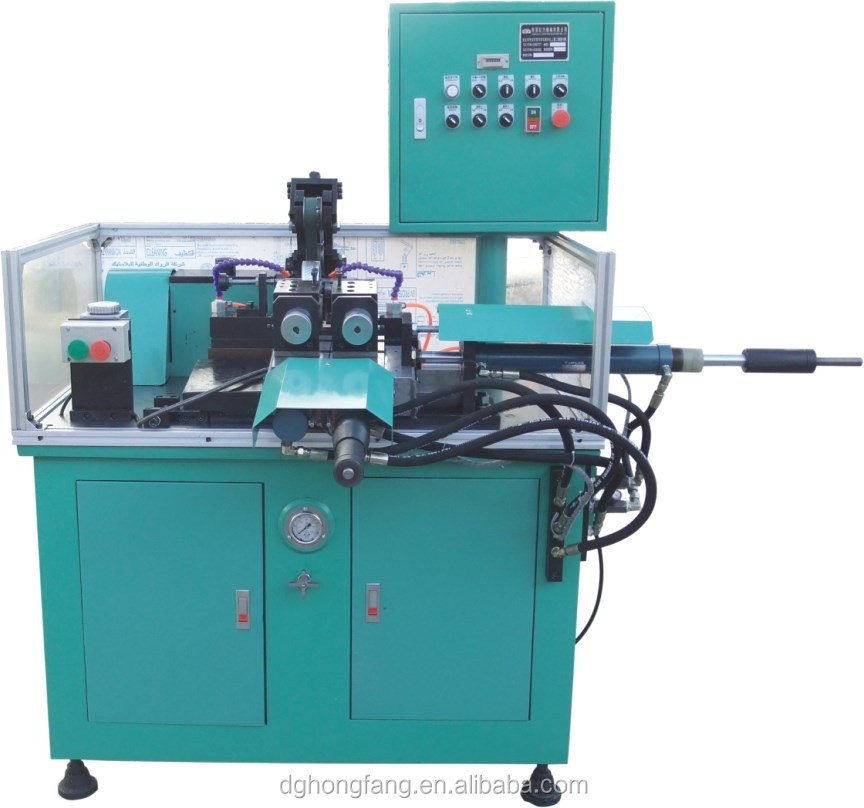
HF Fan Motor Rotor Turning & Casting Machine
- Integrated coolant pump module
- Outer diameter finishing for tight air gaps
- Automated surface fine-cutting
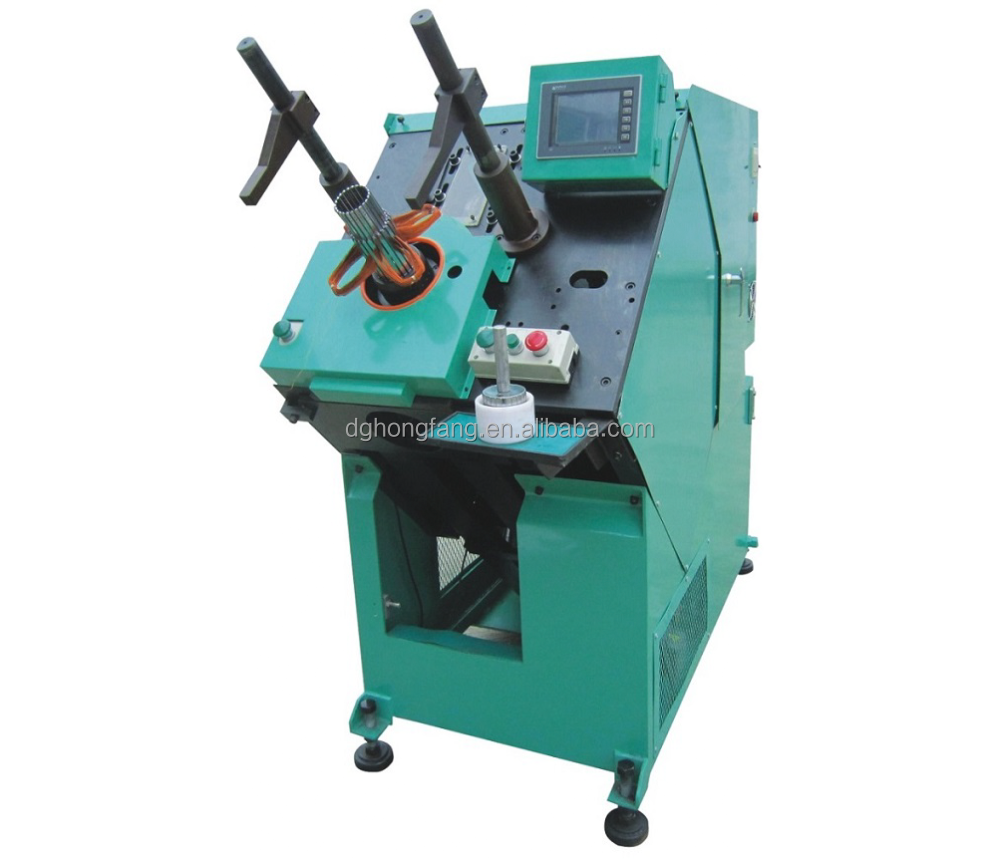
Automatic Servo System Stator Coil & Wedge Inserter
- Simultaneous coil & wedge pushing
- Adjustable stroke length & speeds
- Zero wire damage insertion blades
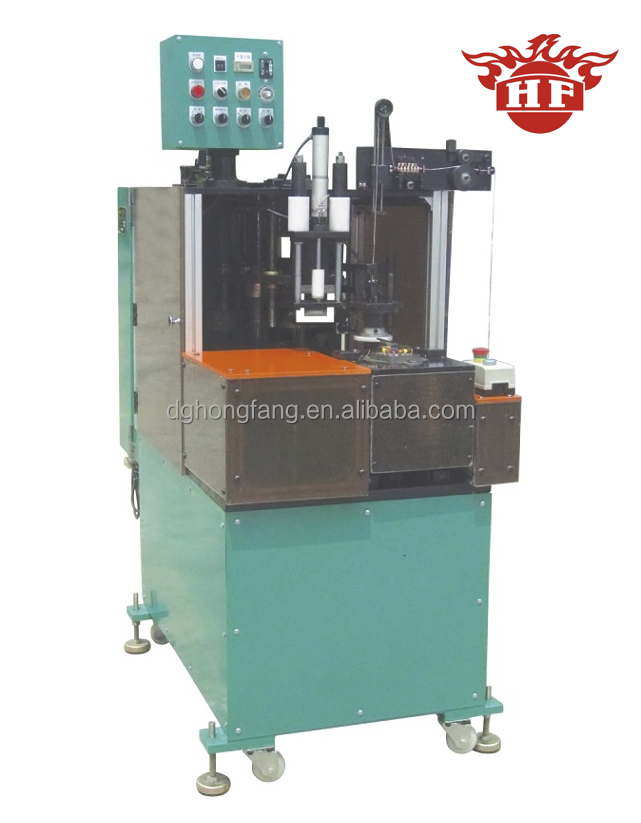
HF-BS20 Servo Automatic Double Side Coil Lacing Machine
- Dual-needle concurrent binding
- Slot-by-slot / skip-slot capability
- 220V single-phase industrial drive
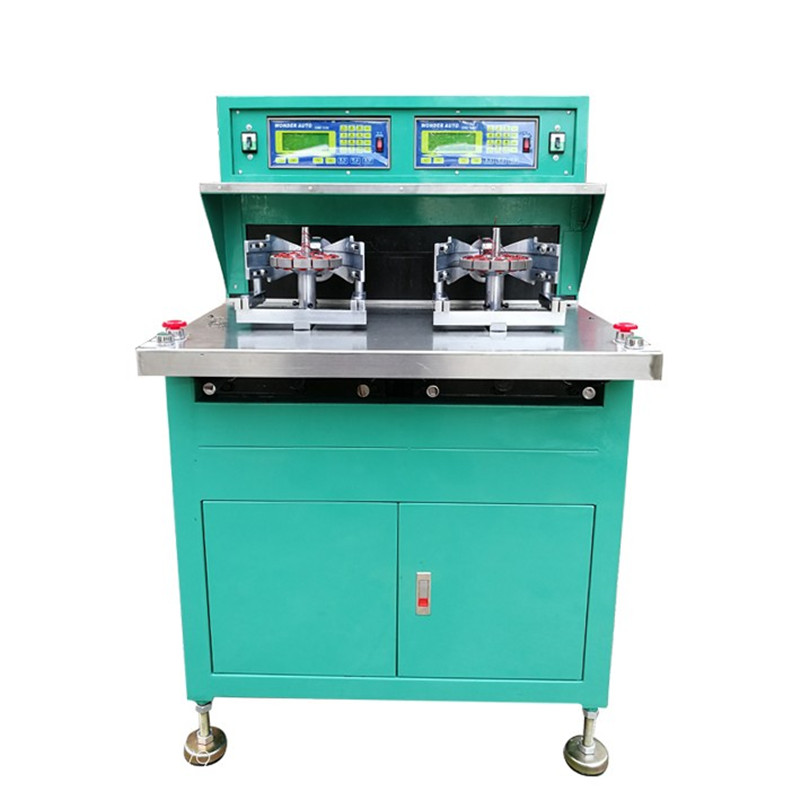
HF-R40-2G Automatic Ceiling Fan Stator Winding Machine
- Independent dual controllers
- Specialized internal hook winding
- High yield on external/internal stators
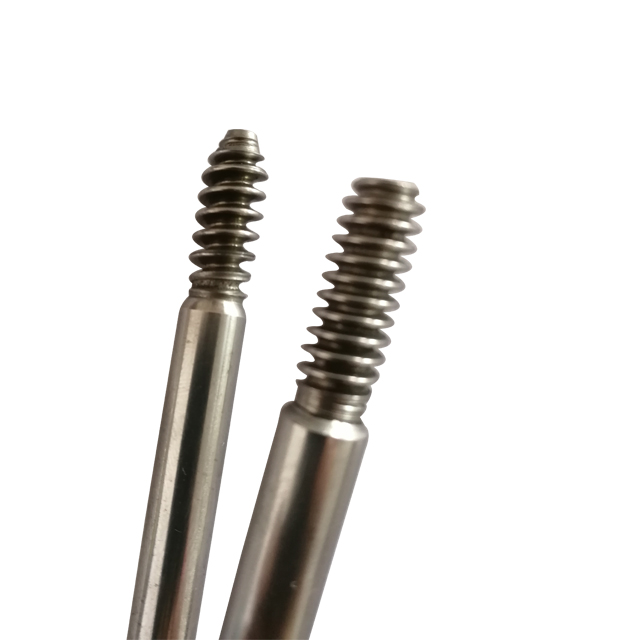
Precision Electric Motor Shafts for Fan & Pumps
- Induction-hardened bearing seats
- High concentricity (≤0.005mm runout)
- Customized knurling and keyways
Engineering Architecture: The Mechanics of Modern Coil Insertion
Why high-efficiency motor standards (IE3, IE4, and PMSM) demand precision servo synchronization over conventional hydraulic or mechanical cam-driven inserters.
High Slot Fill Factor (>78%)
Achieving IE4 and ultra-efficient IE5 industrial motor ratings requires pushing copper slot fill factors beyond 75%. Traditional insertion methods create excessive lateral friction, resulting in enamel scrape or coil jamming.
Our insertion tools utilize multi-segment tungsten-carbide guide blades with mirror-polished surfaces (Ra < 0.1μm). This reduces insertion force requirements by 38% and completely eliminates inter-turn short circuits caused by dielectric enamel scraping.
Dual-Servo Synchronized Stroke
Inserting the coil group while feeding, cutting, and driving the slot insulation wedge in a unified stroke is critical for cycle efficiency. Non-synchronized systems risk wedge mismatch or premature closure.
By integrating dedicated Delta/Mitsubishi servo drives on both the coil pusher rod and the wedge push blades, our machines maintain micrometer-level mechanical synchronization through electronic camming, lowering stroke cycle times to under 12 seconds per stator.
Modular Stator Tooling Geometry
Modern electrical motor OEMs manage diverse product variations, switching between differing stack heights (15mm to 180mm) and slot configurations (8 to 48 slots) within single work shifts.
Tooling assemblies feature zero-backlash quick-release locking mechanisms. Swap out times for wedge guides, pusher fingers, and stator positioning cups are reduced from 3.5 hours to under 25 minutes, vastly improving overall equipment effectiveness (OEE).
Insertion Technology Comparison: Legacy vs. Modern Servo Systems
An empirical comparison of kinematic architectures in stator assembly lines for technical buyers and plant engineering directors.
| Key Metric / Operating Parameter | Conventional Mechanical/Pneumatic | Hydraulic-Assisted Inserting | Zunqi Dual-Servo Automatic Inserters |
|---|---|---|---|
| Max Copper Slot Fill Capacity | 62% – 68% | 68% – 72% | Up to 82% Fill Factor |
| Enamel Wire Scratch Rate | ≥ 1.2% per 1,000 units | ≈ 0.5% per 1,000 units | ≤ 0.02% (Virtually Zero) |
| Cycle Time (36-Slot Stator) | 22 – 28 seconds | 18 – 24 seconds | 10 – 14 seconds |
| Tooling Changeover Window | 120 – 180 minutes | 90 – 150 minutes | 20 – 30 minutes |
| Wedge Material Compatibility | Nomex, DMD, Prespan only | DMD, Epoxy Sheet | Nomex, DMD, NMN, Polyimide, Rigid Composite |
| Telemetry & MES Integration | Non-networked relays | Basic analog pressure loop | Modbus TCP / Profinet SCADA Ready |
Future Procurement Trends in Motor Manufacturing (2025–2030)
Strategic procurement directions observed by factory equipment buyers shifting toward high-efficiency industrial motors and next-generation mobility drives.
TCO-Driven Supplier Selection
Global motor factories now prioritize Total Cost of Ownership over initial machine capital expenditure. Tooling wear life (minimum 2.5 million strokes before blade redressing) and parts interchangeability dominate bidding rubrics.
BLDC & PMSM Conversion
With tightening global energy standards, traditional single-phase shaded-pole and induction lines are rapidly transitioning to brushless DC (BLDC) architectures, necessitating dual internal winding and precise concentrated tooth insertion.
Traceability & In-Line Vision
Automotive and premium HVAC supply chains demand 100% optical confirmation of wedge insertion completeness and wire displacement. Modern factories integrate in-line high-speed vision sensors to flag incomplete slot fills instantly.
Standard Component Ecosystems
Engineers insist on Western-maintainable automation components. Specifying Siemens, Schneider, Mitsubishi, Omron, and SMC pneumatics ensures motor factories can procure spares locally without waiting for overseas air freight.
Zunqi Intelligent Equipment: 17 Years of Engineering Reliability
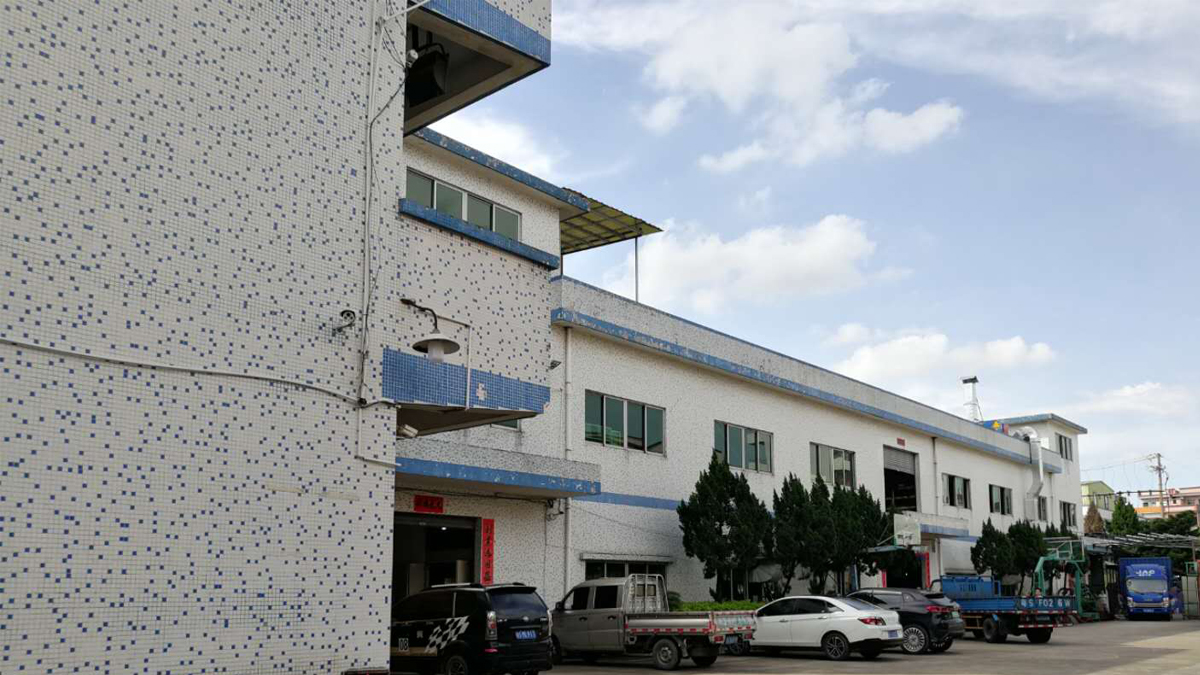
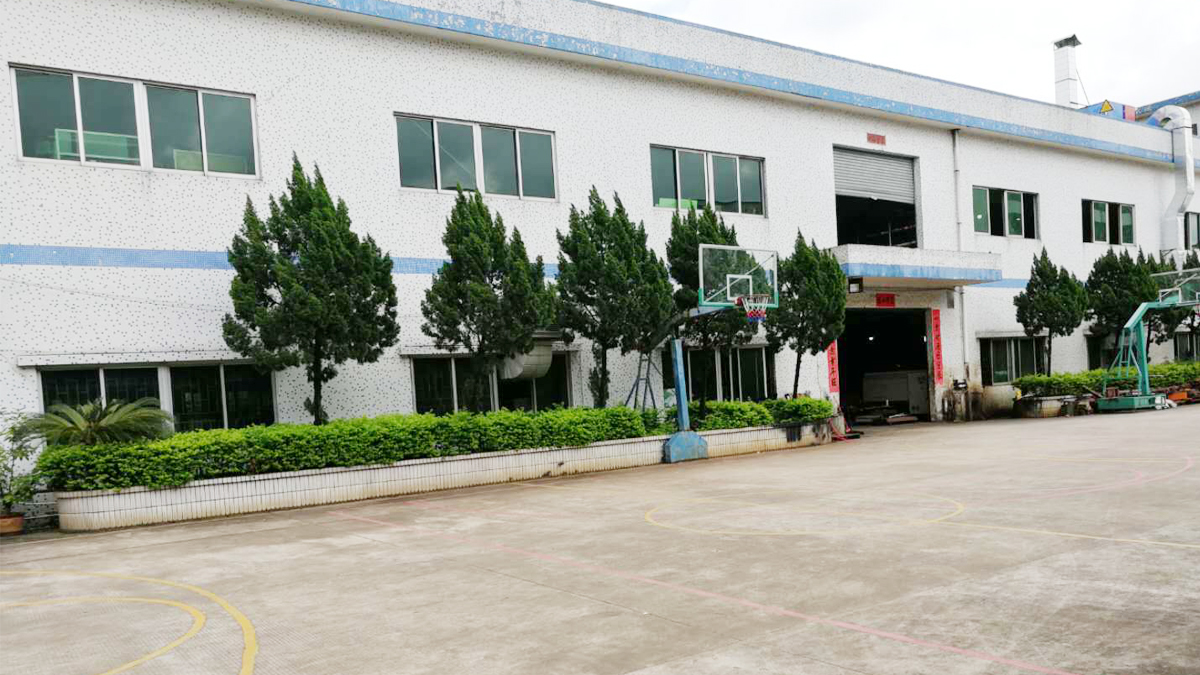
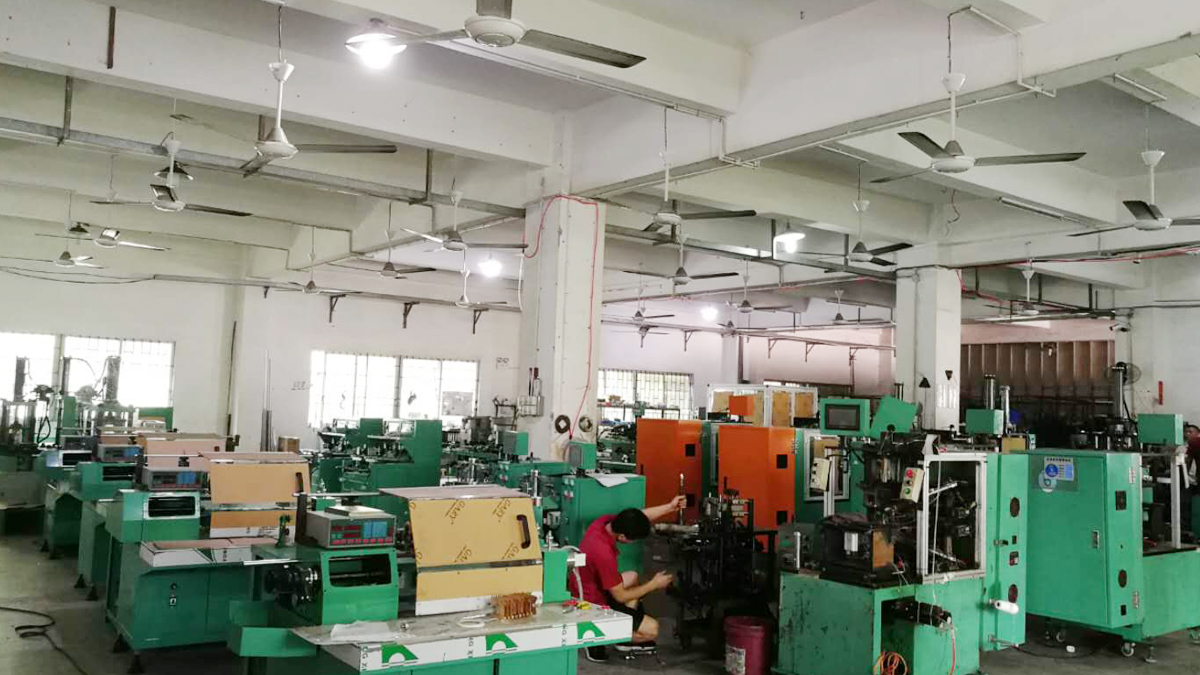
Located in Qishi Town, Dongguan City, Zunqi Intelligent Equipment Co., Ltd. operates at the center of South China's electrical machinery and appliance manufacturing cluster. Our facility combines direct precision machining, assembly, and strict electrical QC testing under one roof.
-
Verified Onsite Factory Audits: Premises independently checked and certified onsite on Alibaba.com, ensuring legitimate manufacturing infrastructure with full capital accountability.
-
Custom Tooling to Sample: We do not sell one-size-fits-all hardware. Every wedge and coil inserting tool assembly is machined and trial-tested using your physical stator lamination core and wire samples.
-
Complete Line Synchronization: From slot insulation paper inserters, CNC multi-station winders, coil and wedge inserting machines, intermediate/final shapers, to double-side lacers, every machine cycle time is mechanically balanced.
-
Pre-Shipment Video FAT (Factory Acceptance Test): Receive continuous HD video documentation of your customized machine completing 100+ flawless insertion cycles using your motor stator before crating.
Frequently Asked Questions: Technical Sourcing Guide
Direct answers to real production challenges, maintenance considerations, and custom tooling parameters encountered by electrical machine procurement specialists.
