Engineered Motor Stator & Rotor Machinery
High-efficiency automated equipment tailored to your exact stator stack specifications, slot profiles, and mass production requirements.
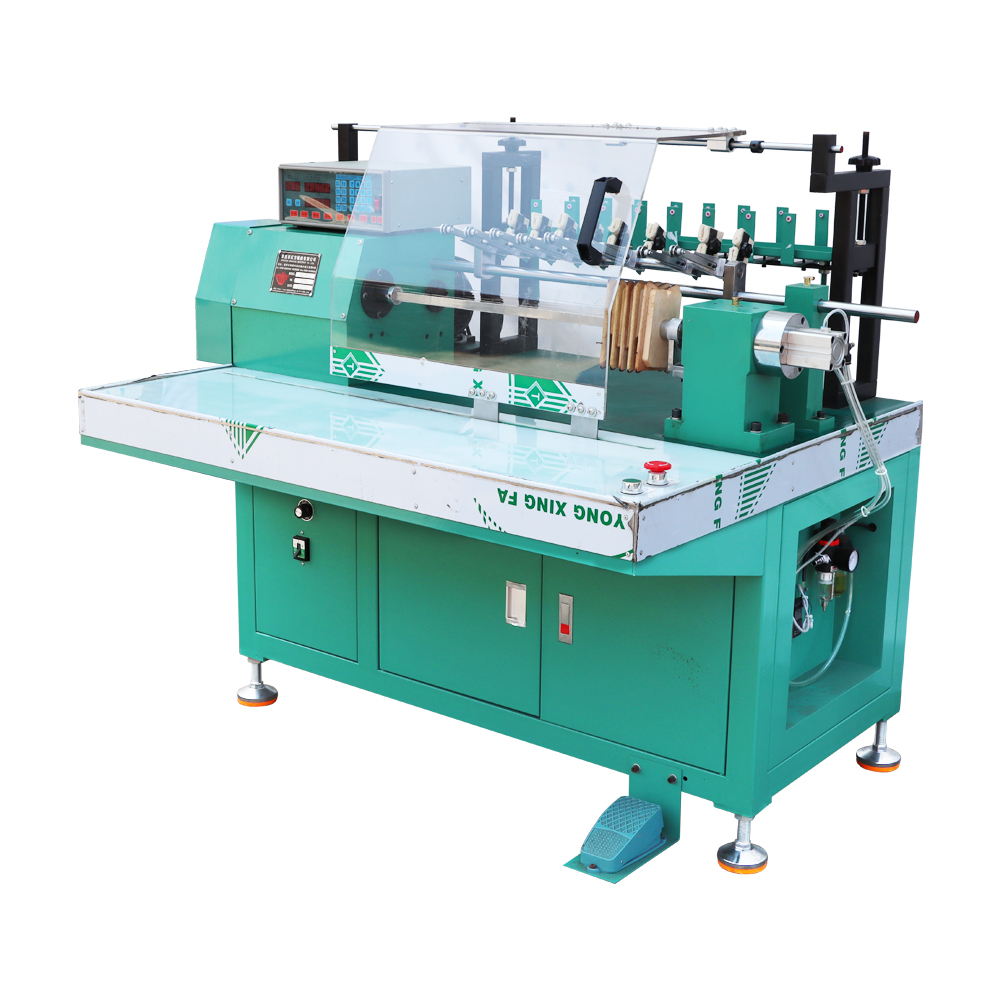
- Wire Diameter: 0.1 – 1.2 mm
- Power: Single Phase 220V
- Copper & Aluminum Wire Capable
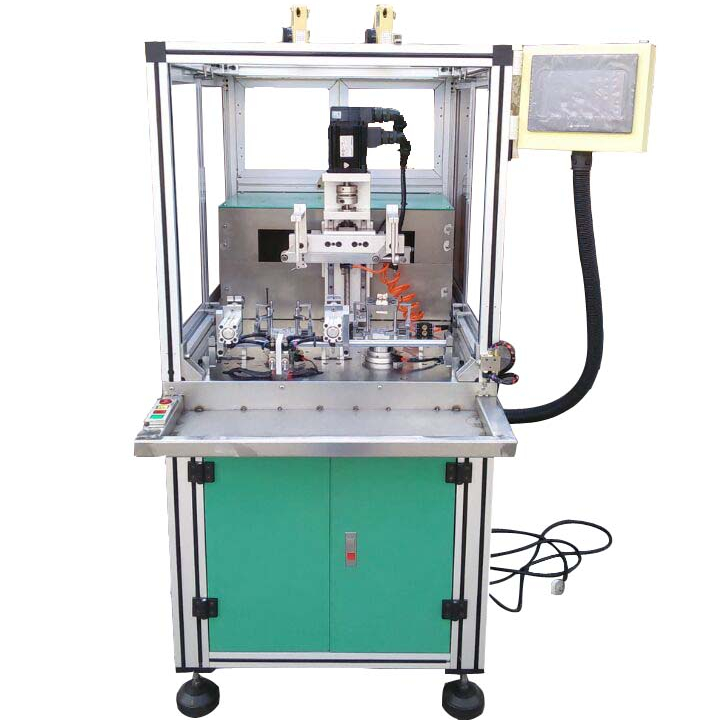
- Configuration: Dual Synchronous Stations
- Indexing: Precision Stepper / Servo
- High-Yield Output for Fan & Pump
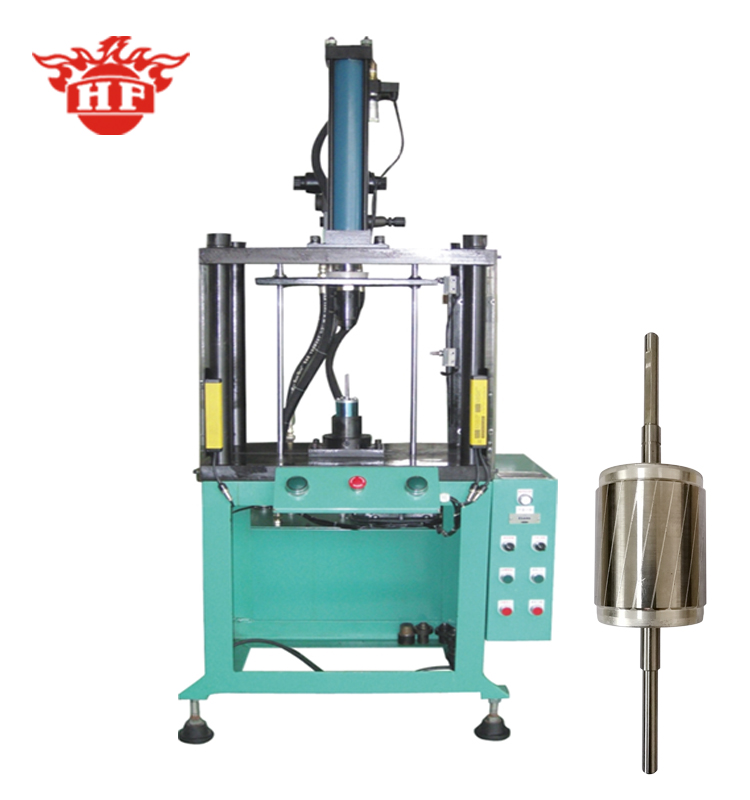
- High Rigidity Cold Insertion Frame
- Linear Concentricity Protection
- Warranty: 1-Year Full Coverage
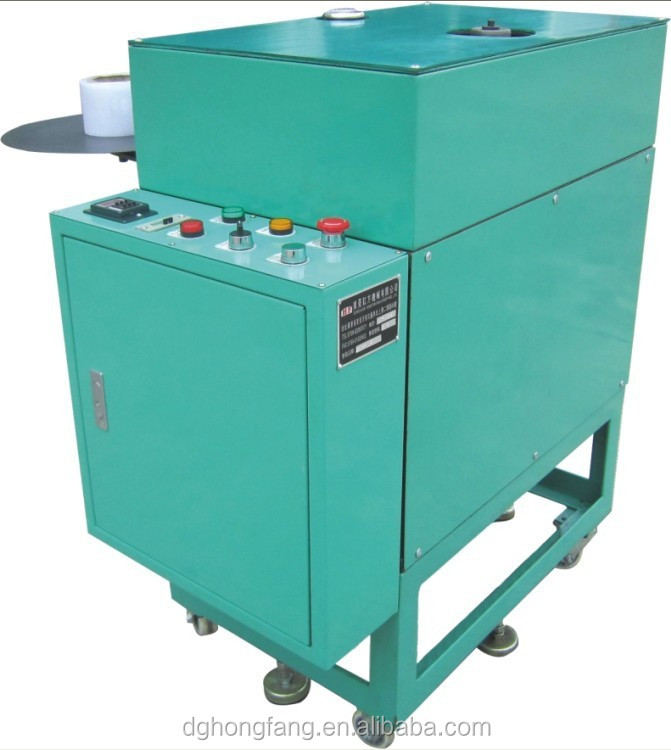
- Power & Voltage: 1000W / 220V
- High Speed Stator Paper Cutting & Creasing
- Tailored for Cooler & Fan Motors
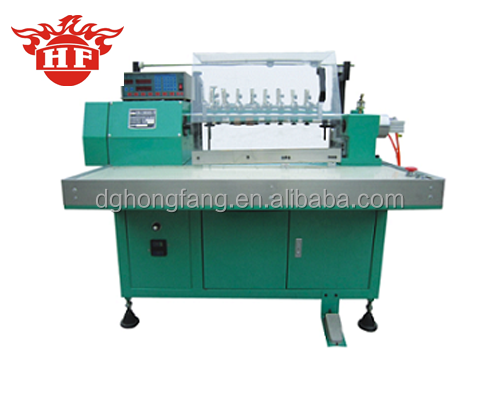
- Industrial Plant Duty Cycle
- Integrated Digital Tension Array
- High Packing Factor Uniform Laying
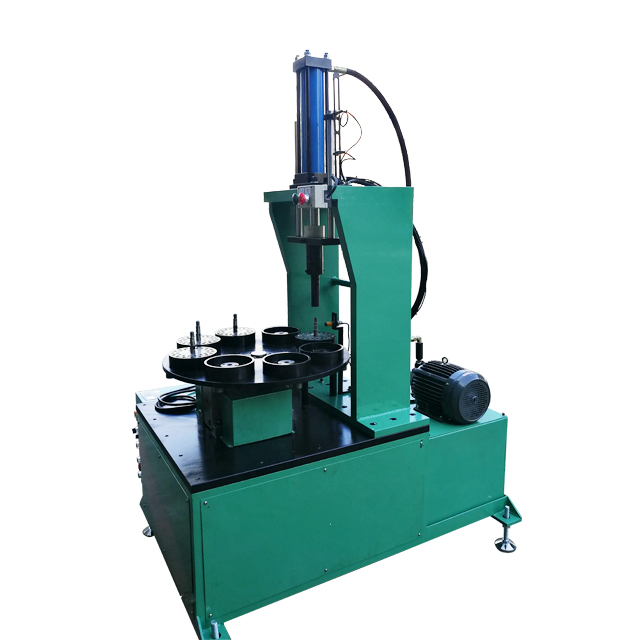
- Gear-Driven Alignment Mandrel
- Distortion-Free Stator Pack Housing
- Repeatable Micrometer Depth Limit
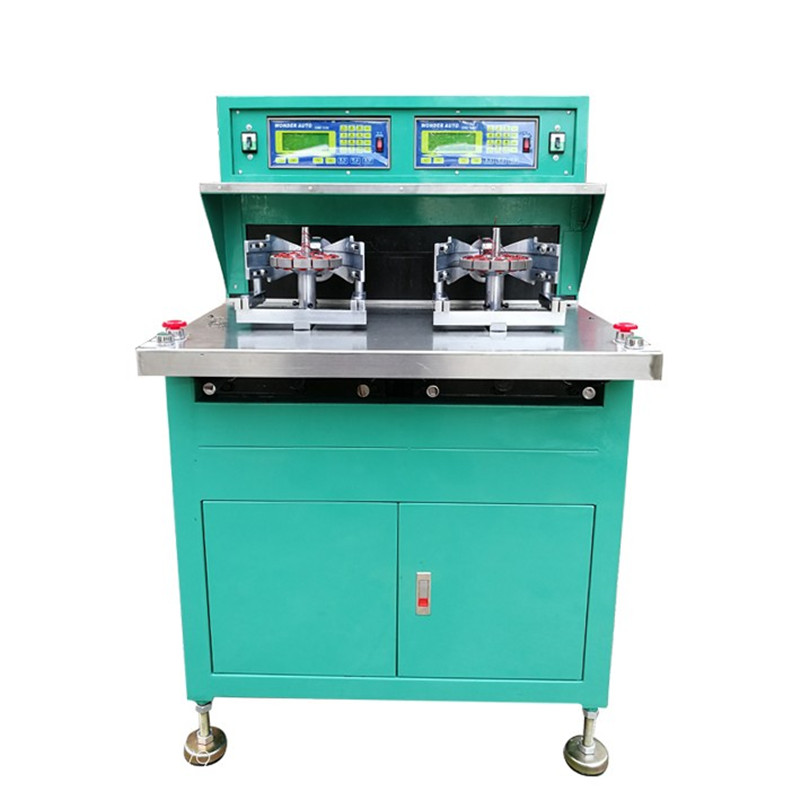
- Dual Independent Controllers
- Two Stations Continuous Worktable
- High Speed Flyer Arm Spindle
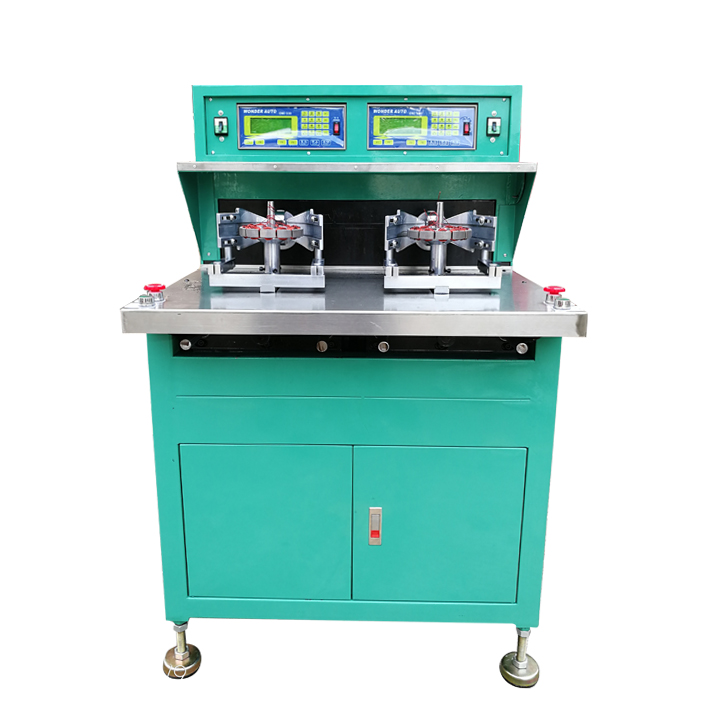
- Rated Power: 1 kW / 220V PLC Core
- Synchronous Rotor & Stator Setup
- 1-Year Manufacturing Guarantee
Engineering Overview: Critical Role of Automated Slot Paper Insertion in Modern Electric Motor Manufacturing
In electromagnetic machinery design, the dielectric integrity of the stator core is paramount. As global energy standards migrate toward IE3, IE4, and super-premium IE5 industrial efficiency classes, electric motor manufacturing tolerances have shrunk drastically. Within this micro-dimensioned production paradigm, the stator slot paper inserting machine (also recognized as the stator slot insulation machine or slot liner inserter) operates as the primary safeguard against phase-to-ground dielectric failure, inter-turn partial discharge, and catastrophic core punch-through.
During high-speed winding and subsequent coil insertion, magnet wire (whether Grade 2 polyimide-enameled copper or high-tensile aluminum) is subjected to substantial axial and radial tension forces. Without an automated, dimensionally pristine slot liner, the microscopic burrs along the laser-cut or punched electrical steel laminations (commonly cold-rolled non-oriented silicon steel such as 50WW800 or 35WW300) will compromise wire enamel. Automated slot paper inserting machines eliminate manual human variability by integrating six high-precision mechanical events: controlled continuous web decoiling, edge hem creasing (cuffing), precise guillotine shearing, cold-drawn U/B-shape pre-forming, cam/servo-actuated axial pushing, and multi-pole radial indexing.
| Insulation Substrate | Thermal Rating | Nominal Thickness Range | Dielectric Breakdown Voltage | Typical Motor Application |
|---|---|---|---|---|
| DMD (Dacron-Mylar-Dacron) | Class F (155°C) | 0.15 mm – 0.35 mm | > 10.0 kV / mm | Standard Induction, Cooler, Fan Motors |
| Nomex® Aramid Paper (Type 410) | Class H / C (180°C – 220°C) | 0.13 mm – 0.38 mm | > 18.0 kV / mm | Traction Inverters, Servo, Submersible Pumps |
| NMN Composite Laminate | Class H (180°C) | 0.18 mm – 0.40 mm | > 12.5 kV / mm | Heavy-Duty Hermetic Compressors, VFD Duty |
| Electrical Grade PET Film (Mylar) | Class B (130°C) | 0.12 mm – 0.25 mm | > 15.0 kV / mm | Ceiling Fans, Fractional Horsepower (FHP) |
| Fishpaper / Vulcanized Fiber | Class A (105°C) | 0.20 mm – 0.50 mm | > 8.0 kV / mm | Low-Voltage Power Tools, Small Domestic Dry |
As experienced manufacturers based in Dongguan, China, we configure our machines with hardened mechanical tool steels—including DC53 and vacuum-heat-treated Cr12MoV cryogenically quenched to HRC 60–62—ensuring cutting dies endure upwards of 15,000,000 cycles without edge roll or microscopic burr generation. This engineering standard guarantees that insulation strips seat flush at the bottom of the slot profile with cuff widths precisely dialed to prevent coil interference during wedge insertion.
Technological & Architectural Evolution Trends
Bridging traditional cam-driven kinematics and next-generation smart cyber-physical motor lines.
Multi-Axis Servo Synchronization
Transitioning from mechanical barrel cams to dual-servo electronic gearboxes allows on-the-fly adjustment of slot feed lengths, paper draw velocities, and acceleration profiles via touchscreen HMI without manual shimming.
Continuous Variable Cuffing Geometry
Advanced crease-and-fold stations feature adjustable clearance dies, producing single-cuff, double-cuff, or non-cuffed profiles for diverse lamination stack heights from 10 mm up to 300 mm within a single universal chassis.
Laser & Machine Vision Pre-Validation
Integration of high-speed optical transmissive sensors and triangulation laser displacement sensors checks slot vacancy and verifies paper insertion depth in real time, automatically halting the cycle if an incomplete seat occurs.
Future Procurement Trends in Electric Motor Automation (2025–2030)
Strategic purchasing insights for procurement managers, plant directors, and line integration engineers.
1. Direct Tooling Modularity for High-Mix Small-Batch (HMSB) Manufacturing
Global industrial facilities no longer dedicate a machine to a single stator model for years. Contemporary plants balance SKU diversification: a morning run of 24-slot submersible pump stators followed by an afternoon batch of 36-slot high-torque servo motors. Progressive buyers now demand slot paper insertion equipment featuring sub-15-minute quick-change tooling cartridges. By standardizing mounting plates and employing digital memory recipes in the PLC, operators can switch index rings, pushing blades, and guide channels with minimal downtime.
2. Convergence with Segmented & Hairpin Stator Architectures
The rapid expansion of electric vehicle (EV) drivetrains, commercial HVAC hermetic scroll motors, and robotic actuators has accelerated the adoption of segmented outer cores and axial flux designs. Forward-looking procurement specifications now mandate specialized slot paper insertion systems capable of inserting insulation into concentrated pole tooth shoes before interlocking, as well as handling ultra-thick composite multi-layer papers engineered for 800V silicon-carbide (SiC) inverter switching frequencies.
3. Industry 4.0 Telemetry, OEE Tracking & Predictive Maintenance
Tier-1 global exporters are moving away from closed, isolated machine architectures. Next-generation purchasing contracts consistently demand fieldbus protocols—primarily Ethernet/IP, Profinet, and OPC-UA. Motor producers leverage real-time telemetry from our machinery to track punch counter thresholds, cutter blade wear kinetics, servo motor torque anomalies, and air consumption spikes, mitigating unscheduled stoppages before lamination damage occurs.
4. Energy Conservation & Low-Carbon Manufacturing Footprint
Modern slot paper insertion machinery has phased out energy-intensive hydraulic actuators in favor of ultra-efficient high-cycle pneumatic and servo-electric drivetrains. By utilizing dual-pressure pneumatic regulators and regenerative servo drives, modern slot paper inserting units lower idle electrical power by up to 38% compared to legacy hydraulic systems, aiding global motor manufacturers in meeting stringent ESG criteria and corporate carbon audits.
Why Global Tier-1 Motor Manufacturers Source from Zunqi
A proven manufacturing and supply chain powerhouse nestled in Dongguan’s industrial automation cluster.
Verified Factory Verification & 17+ Years Pedigree
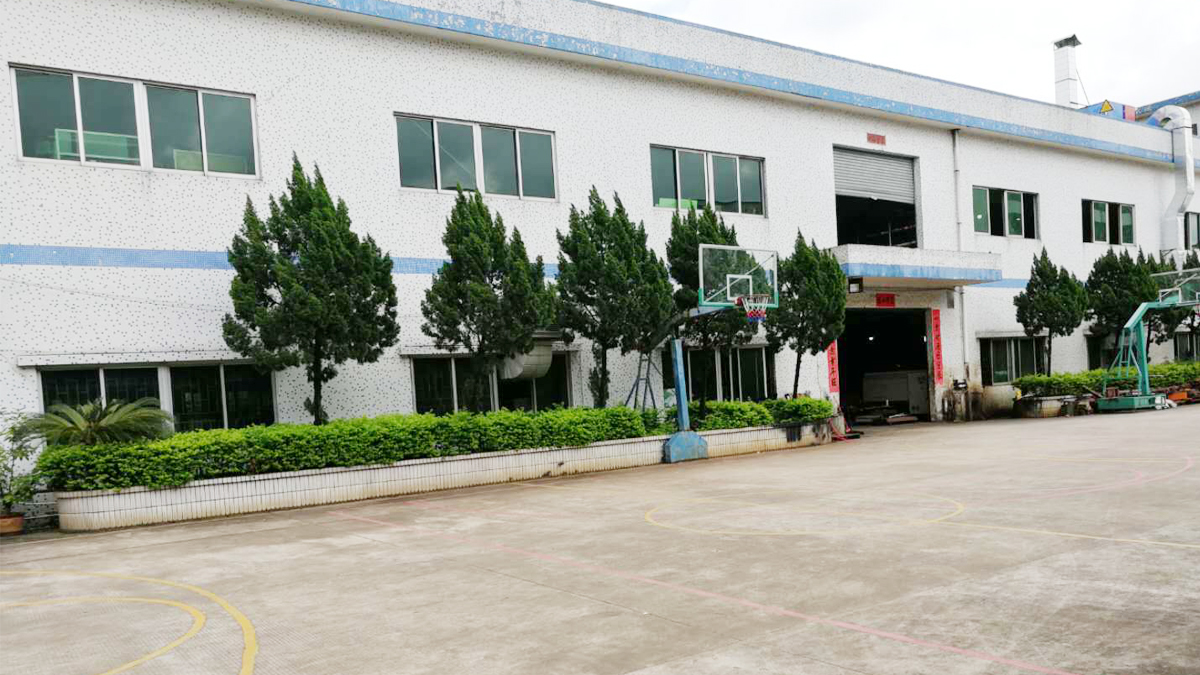
Operating directly from Qishi Town, Dongguan, Guangdong, our industrial facilities have undergone strict third-party onsite verifications. Over 17 continuous years of global export transactions guarantee reliable compliance with international trade standards.
Globally Standardized Component Architecture
We do not compromise on core components. Our electrical cabinets and drive carriages integrate globally recognizable brands: Siemens, Mitsubishi, and Delta PLCs, paired with SMC, Airtac, and Schneider components, ensuring local parts availability in your home market.
Full Stator & Rotor Turnkey Line Balancing
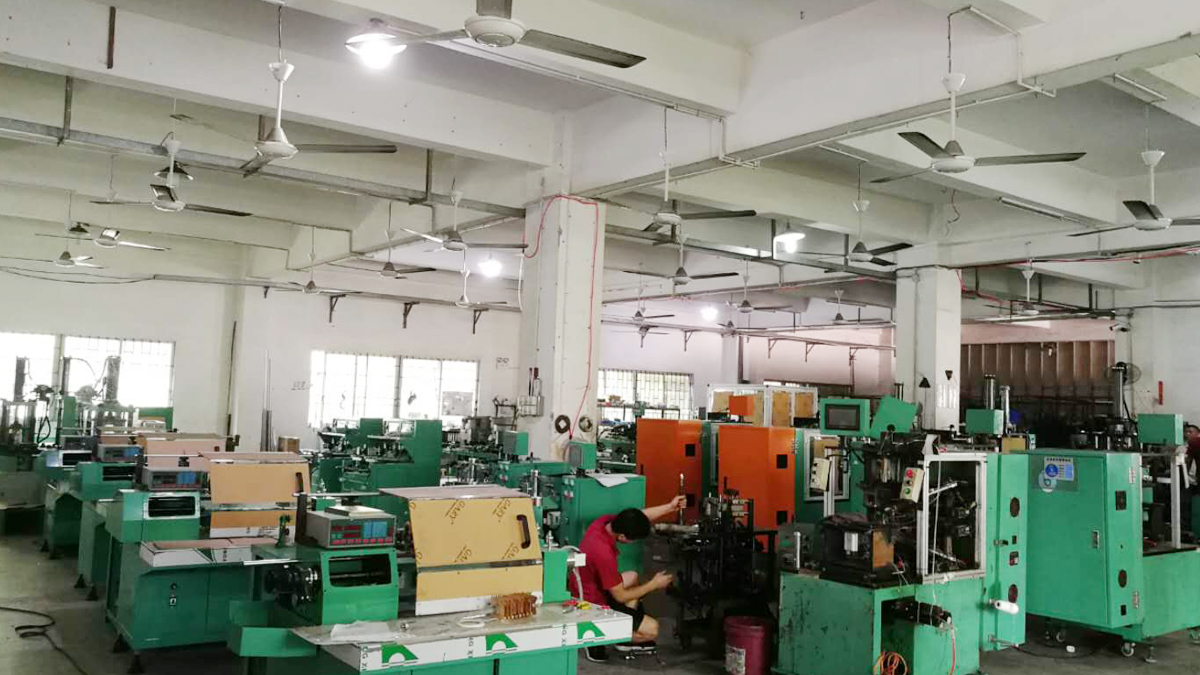
Beyond standalone slot paper inserters, we design and balance complete motor production workflows: winding machines, coil and wedge insertion presses, intermediate/final forming systems, CNC rotor fine-turning lathes, and precision shaft inserting presses.

Comprehensive Procurement FAQ
Direct technical answers addressing mechanical compatibility, tooling tolerances, and operational safety.
Upgrade Your Motor Manufacturing Line Today
Eliminate insulation short-circuits, ramp up hourly output, and lower manufacturing unit costs with industrial-grade slot paper inserting equipment from China’s leading specialist.
Get Catalog