
Coil & Wedge Paper Inserting Machine
Simultaneous dual-action integration designed to feed, form, cut, and insert slot wedges and pre-formed winding bundles into stator slots in a single stroke.
Precision slot cell lining, dielectric barrier integrity, and mechanical insulation deployment determine the operating life cycle, thermal ratings, and partial discharge thresholds in contemporary BLDC, PMSM, and industrial induction motors.
Simultaneous dual-action integration designed to feed, form, cut, and insert slot wedges and pre-formed winding bundles into stator slots in a single stroke.

Industrial lathe platform equipped with engine gear PLC transmission to machine external rotor concentricity, reducing mechanical noise and harmonic flux drag.

Hydraulic multi-axis forming equipment providing dimensional sizing of winding overhangs, guaranteeing zero stator bore interference and housing clearance compliance.
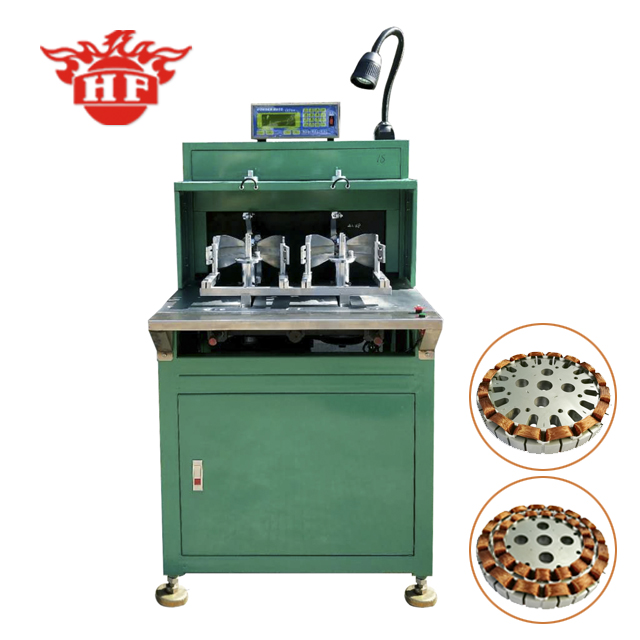
High-speed dual-spindle flyer winding station built with dynamic digital wire tensioners suited for both enamelled copper and aluminium wire configurations.
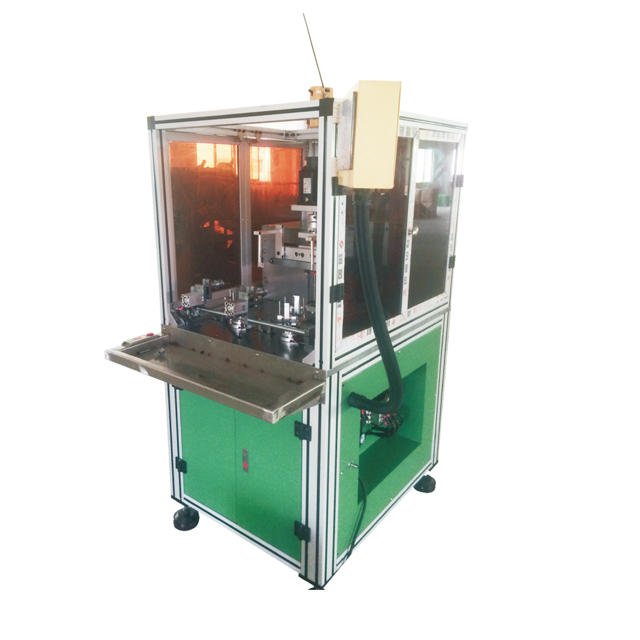
Synchronized multi-station needle winding solution tailored for concentrated winding topologies, BLDC drone motors, pump impellers, and automotive steering actuators.

Flexible mass-production coil winder engineered to mitigate wire stretch, enamel cracking, and resistance variance across high-volume domestic appliance assembly lines.

High-precision bench-style and standalone slot insulation machine designed to crease, cut, and insert DMD, Nomex, or polyester film into cooler motor stators with 100% repeatability.
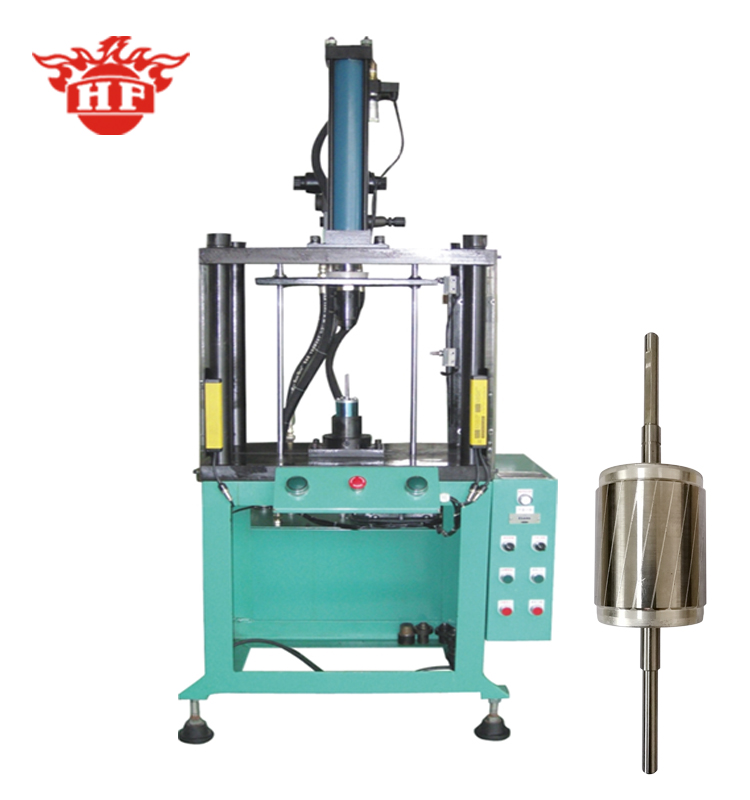
Force-monitored hydraulic press engineered for precise axial alignment and controlled interference press-fitting of low-carbon steel shafts into stacked rotor laminations.
Years Global Export Trade
Per Slot Insertion Cycle
Dielectric Yield Consistency
Engineering Support Latency
In the global electromagnetic manufacturing landscape, electric motor reliability hinges on a singular, critical manufacturing milestone: the flaw-free deployment of ground insulation within stator core slots. A single microscopic tear, uneven cuff fold, or pinched slot liner during mechanical inserting can precipitate instantaneous inter-turn dielectric breakdown, insulation aging, or catastrophic earth leakage failure under inverter-fed PWM (Pulse Width Modulation) voltage stresses.
When procurement officers, manufacturing operations directors, and plant automation engineers evaluate the Top 10 Stator Paper Inserting Machine Manufacturers and Suppliers, supplier capability cannot be reduced merely to upfront capital expenditure (CapEx). True total cost of ownership (TCO) is determined by edge fold consistency, index servo precision, tool changeover agility, and mechanical rigidity during multi-shift continuous duty.
Specializing in multi-million-dollar turn-key electric vehicle (EV) hairpin and high-voltage industrial drive lines. While offering unmatched line synchronization, their lead times often exceed 10 to 14 months, with proprietary tooling packages that impose prohibitive replacement costs for agile tier-2 motor subcontractors.
Known for micro-motor slot paper insertion with superior tolerance control down to the micron tier. However, their systems often present rigid software architectures that resist easy modification when custom slot configurations or non-standard slot geometries are introduced.
Represented by high-precision equipment hubs in Dongguan, such as Zunqi Intelligent Equipment (Hongfang Line). Combining custom mechanical engineering, globally standardized open-architecture PLCs (Siemens, Mitsubishi, Delta), and rapid tooling turnaround at 30% to 50% of the CapEx footprint.
For industrial motor builders servicing household appliances, ceiling fans, submersible water pumps, HVAC refrigeration units, and light industrial automation, the sweet spot of global sourcing resides in robust, modular Chinese automation machinery that pairs hardened tooling steel (Cr12MoV/SKD11) with global standard components.
A high-performance stator slot paper inserting machine executes four high-speed mechanical operations within fractions of a second: roll uncoiling, thermal or mechanical creasing, precision cutoff, and push-rod insertion into the stator laminations. Any deficiency across these stages impairs the subsequent coil winding or coil-and-wedge insertion phases.
| Kinematic Subsystem | Traditional Mechanical Machine | Advanced CNC Servo Automation | Impact on Motor Yield Rate |
|---|---|---|---|
| Paper Feeding & Pitch | Ratchet pawl or eccentric link drive | Closed-loop digital servo drive indexing | Eliminates paper slippage; cut length tolerance ±0.1 mm |
| Cuff & Edge Creasing | Fixed-pressure cold mechanical bending | Calibrated, heated, or precision-radiused pre-forming | Prevents dielectric micro-cracking in composite laminates (DMD/NMN) |
| Slot Indexing | Geneva wheel or fixed gear indexer | Optical/magnetic encoder with zero-backlash direct drive | Supports variable pitch, skip-slot, and asymmetrical pole configurations |
| Insertion Push Rod | Rigid cast pushers with manual alignment | Modular tungsten/SKD-11 precision-guided pusher finger | Eliminates core lamination scraping, burr generation, and shorting |
As the international motor manufacturing industry transitions toward IE4 and IE5 super-premium efficiency standards, procurement decisions are being shaped by three tectonic shifts in equipment design:
With electrification demanding Class H and Class N thermal ratings, manufacturers are migrating from standard PET films to Nomex-Kapton-Nomex (NKN) and thin polyimide films. Machines must incorporate low-friction feeds to prevent electrostatic cling and fragile film tearing.
High-mix low-volume (HMLV) contract production renders single-purpose machines obsolete. Modern procurement demands modular fixture kits where stator stack heights ranging from 10 mm to 150 mm can be reprogrammed on the HMI and physically swapped within 15 minutes.
Modern assembly cells demand instant quality verification. Machine-integrated vision sensors detect misplaced, tilted, or missing slot liners prior to coil transfer, preventing downstream copper scrap and assembly station downtime.

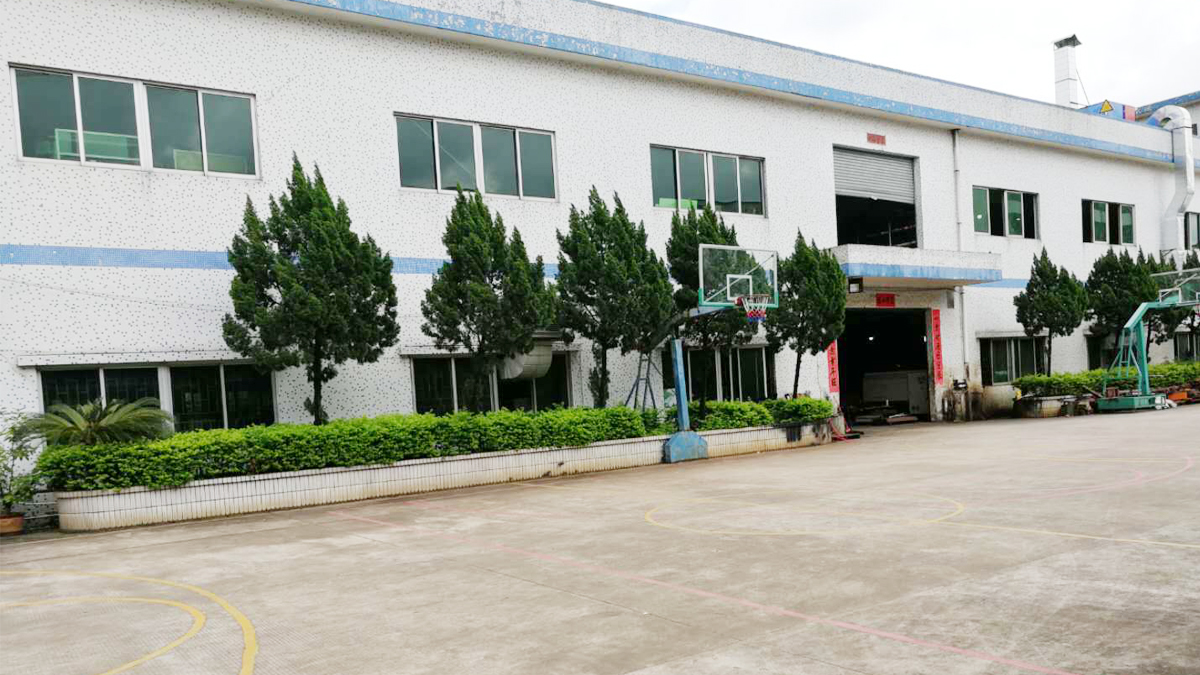
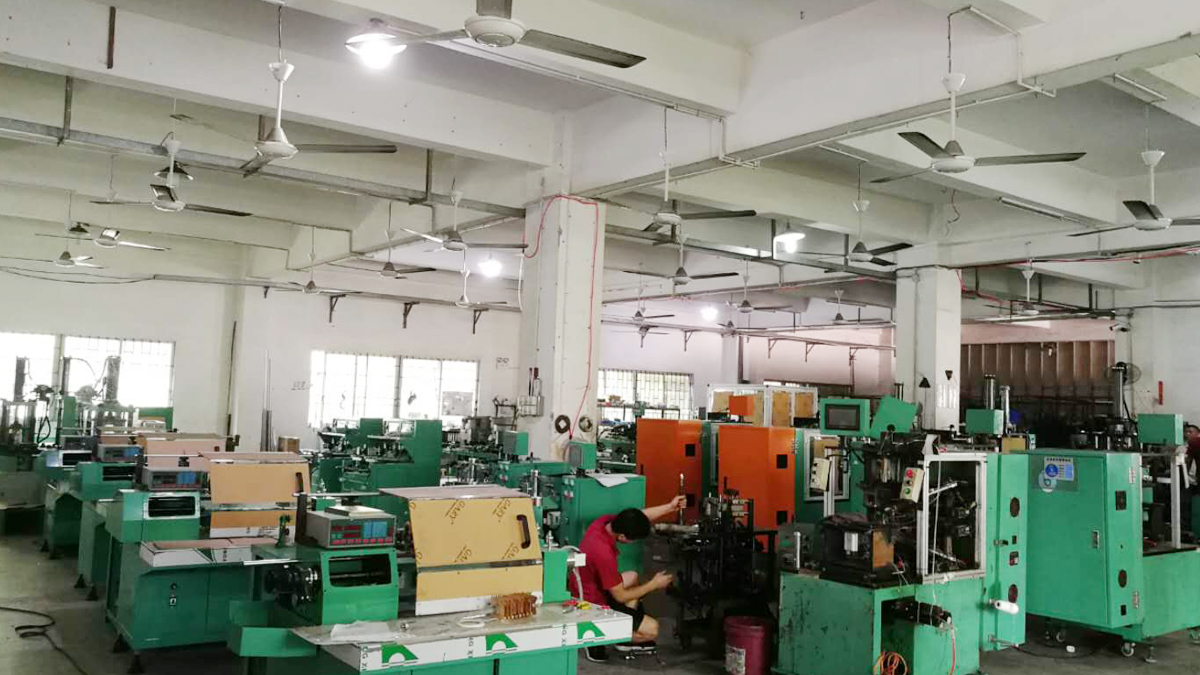
Located in Qishi Town, Dongguan City, Guangdong Province, Zunqi Intelligent Equipment Co., Ltd. has spent over 17 years refining the kinematics of electric motor stator and rotor manufacturing. Rather than supplying disconnected standalone machines, we engineer complete, balanced automation lines where cycle times, tooling fits, and electrical logic work in absolute harmony.
To ensure 100% fit without trial-and-error upon delivery, our engineering team requires: (1) Stator 2D/3D CAD drawing showing slot internal dimensions, tooth neck radius, inner diameter (ID), and outer diameter (OD); (2) Stack height range (minimum to maximum lamination thickness); (3) Insulation paper material specification (e.g., DMD, NMN, polyester, Nomex) and nominal film thickness; and (4) Desired cuff length (edge turn-up overhang). Providing 2 to 3 unvarnished stator core samples for factory trial stamping guarantees optimal precision.
In modern CNC equipment like the HONGFANG series, stack height adjustment is handled through a combination of digital HMI input and mechanical micro-adjustment. The paper feed length and push-rod stroke are controlled via servo parameters, allowing height changes within a standard tooling range (e.g., 20 mm to 80 mm) to be executed via software settings without completely stripping the mechanical tooling head.
The three most common failure modes are: (1) Improper clearance between the guide blade and stator tooth shoe; (2) Incorrect paper cuff heating temperature on composite films, causing brittleness; and (3) Poor lamination stacking quality with excessive lamination burrs inside the slot core. Zunqi machines address this by utilizing hardened chromium-alloy guide tooling that protects the paper during high-velocity insertion cycles.
Yes. Our automatic coil winding and coil-and-wedge inserting machines can handle both copper and aluminium conductors. When using aluminium wire, we implement specialized low-friction wire-path rollers, ceramic eyelets, and dynamic closed-loop tension controllers to prevent elongation, wire stretching, and enamel micro-fissuring.
Most standalone bench and semi-automatic units (like the HF-D50 slot paper inserter) run on single-phase 220V, 50/60 Hz power. Multi-station internal winders and heavy hydraulic presses typically operate on three-phase 380V (configurable to 200V, 415V, or 480V for North American or European grids). A stable compressed air supply of 0.5 to 0.7 MPa with an inline water-separator filter is standard across all pneumatic clamping modules.
All Zunqi equipment comes backed by a 1-year comprehensive mechanical and electrical warranty. Each export shipment includes a consumable maintenance kit containing replacement cutter blades, push-rod fingers, index springs, and pneumatic seals. Technical support is coordinated within ≤ 9 hours via remote video debugging, PLC program file transfer, or direct engineering dispatch for complete production cells.
Send your stator core technical drawing and planned monthly cycle capacity to our senior engineering desk. We deliver tooling feasibility simulations, matched machine proposals, and cycle time calculations within 24 hours.
Send an Inquiry