Top 10 Stand Fan Winding Machine Manufacturers & Factory Hubs
An engineering procurement audit covering motor winding kinematics, slot fill optimization, copper-to-aluminum transitioning, and factory tier classification.
17+
Years Global Export Heritage
0.1–1.2mm
Wire Gauge Adaptability Range
≤9h
Technical Response Guarantee
100%
Trial Run Pre-Shipment Video QC
Factory Direct Machinery
Engineered Stand Fan Stator Production Units
Select from precision flyer winders, multi-station indexers, wedge inserters, and servo lacing systems built strictly to your stator lamination drawings.
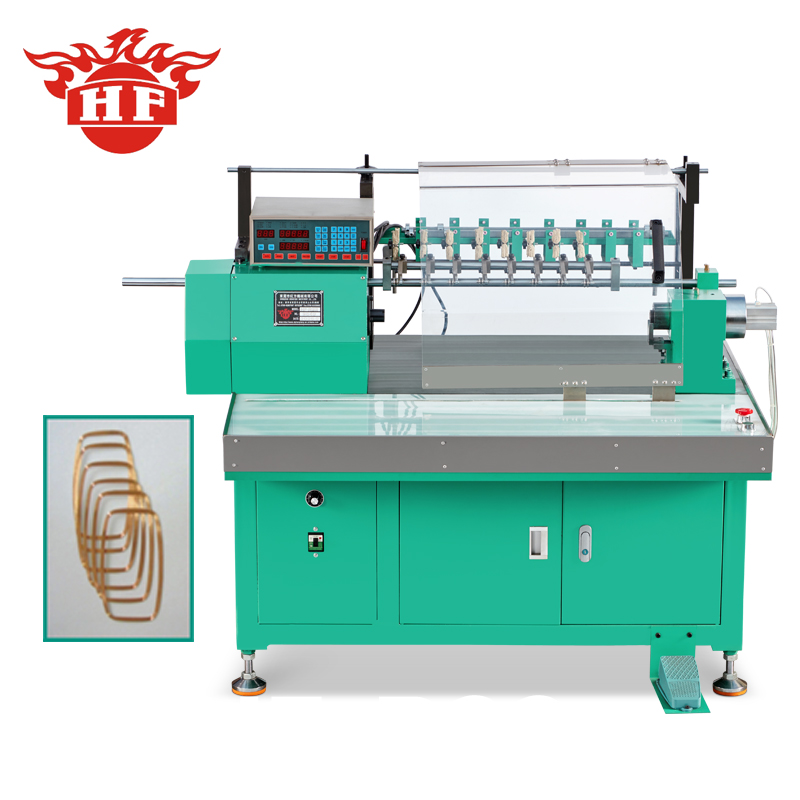
8 Spindles
HF-R22 Semi-Automatic Coil Making Machine 8 Heads
High-volume multi-head coil winding
For fan, cooler & pump motors
Rigid mechanical cam array
Armature Rotor
Hot Sale Armature Winding Machine for Fan Motor
High-speed dynamic balancing flyer
Automatic commutator hooking
Tension stabilization module
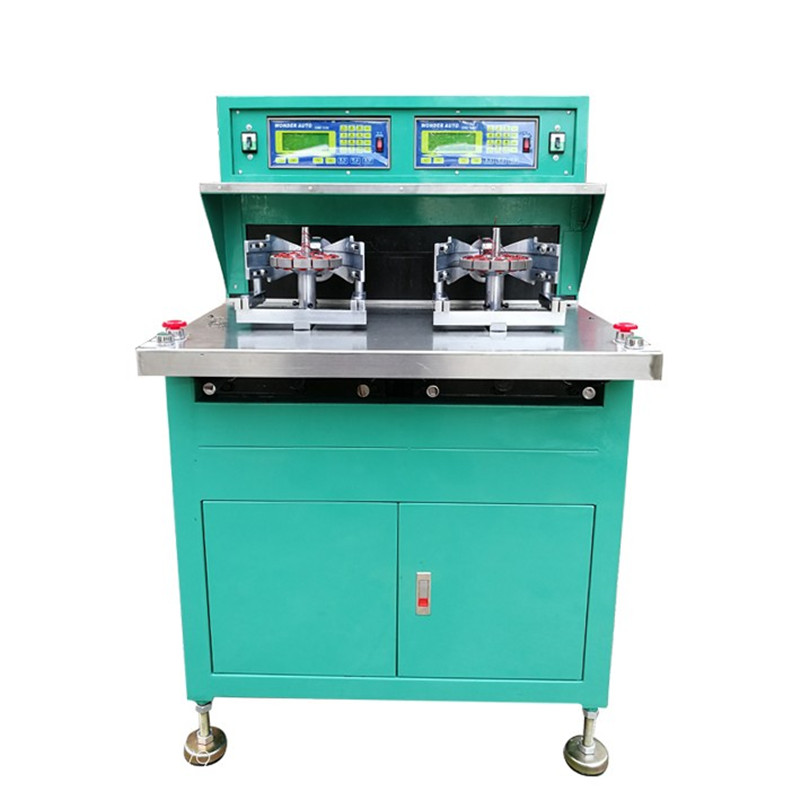
Dual Controller
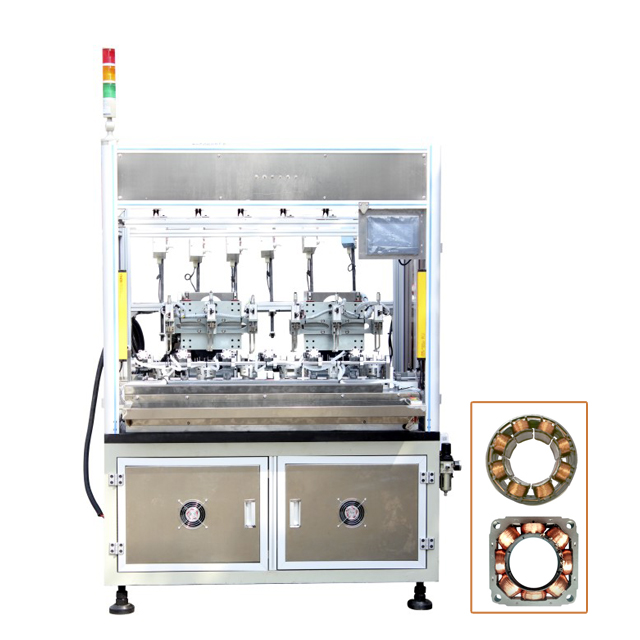
HF-R40-2G Dual-Station Stator Winding Machine
Dual workstations, independent drives
Accommodates inner & outer stators
1-Year complete factory warranty
Servo System
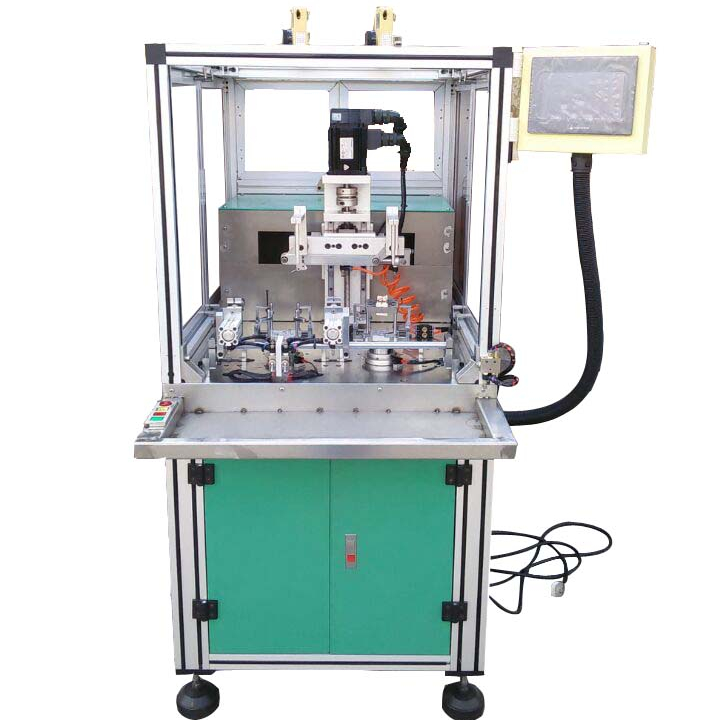
Automatic Stator Coil and Wedge Inserting Machine
Single-stroke simultaneous insertion
Prevents enamel insulation scratching
High-rigidity servo tooling axis
Precision CNC
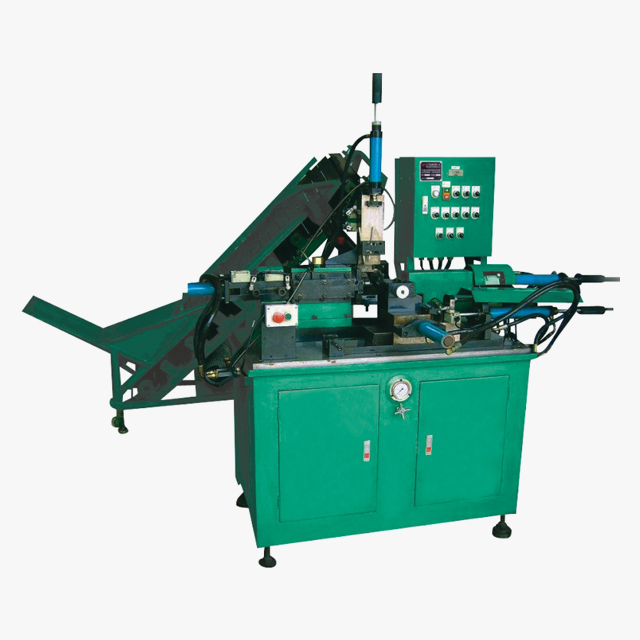
Fan Motor Rotor Rough Turning & Surface Cutting Machine
Tight tolerance outer diameter cutting
Integrated coolant & chip collector
Heavy-duty casting frame design
6 Stations
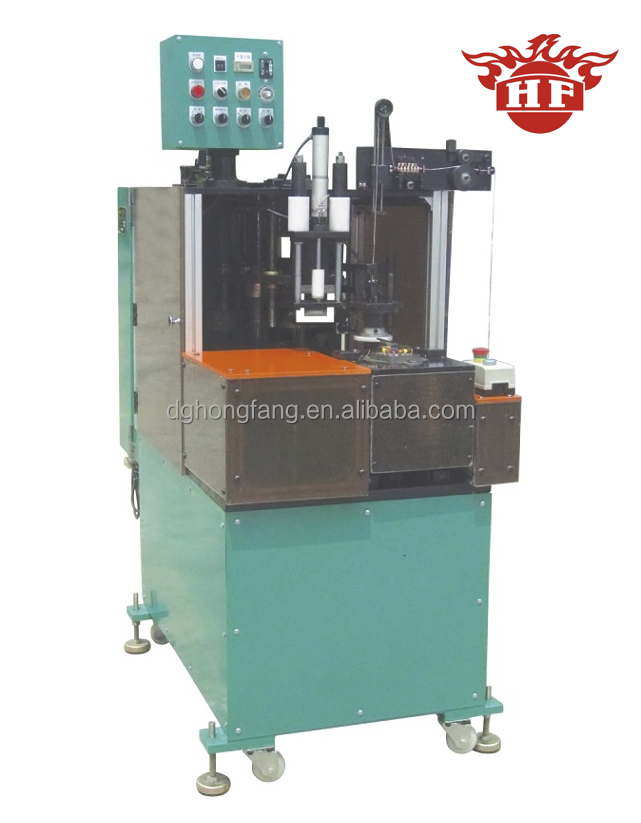
HF-LO2-6G Six Stations Internal Stator Winding Machine
Automated rotary rotary indexing
Dedicated internal needle winding
Touchscreen PLC configuration
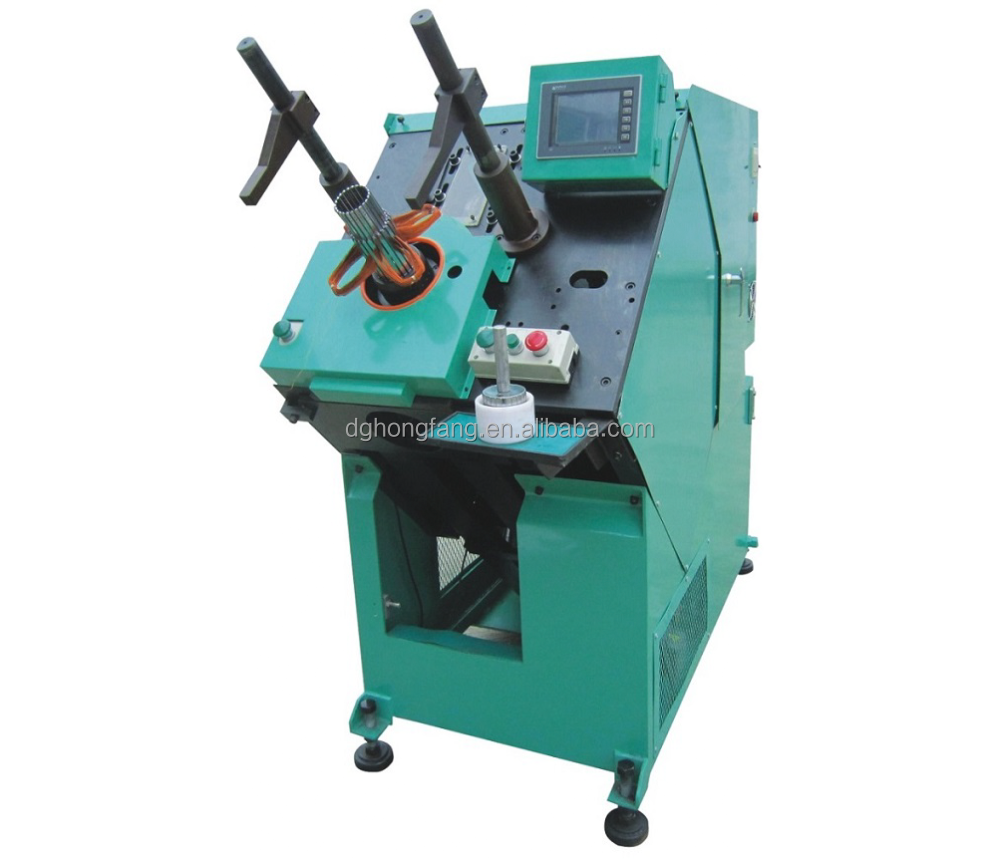
Single Side
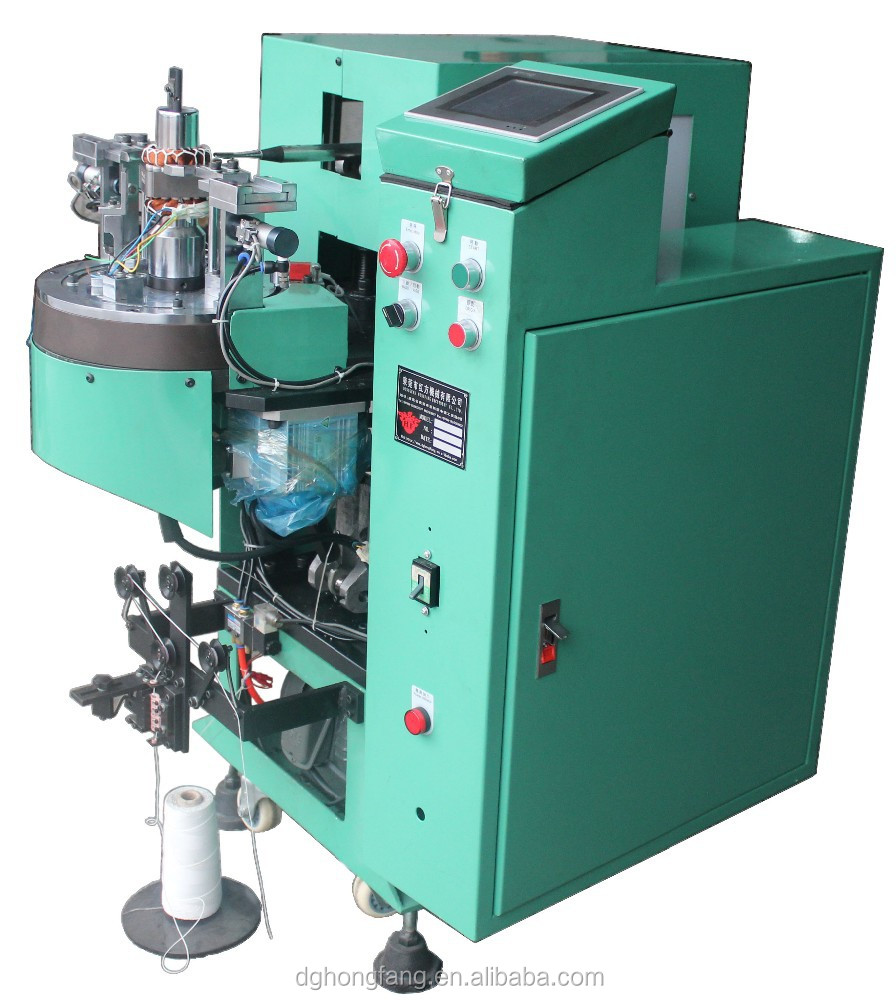
HF Single Side Lacing Machine for Stand Fan Motors
1000W high-torque industrial motor
Adjustable knot & pitch patterns
Dual voltage: 380V / 220V ready
Dual Side Servo
HF-BS20 Servo Automatic Double Side Lacing Machine
Simultaneous top & bottom lacing
Servo-driven needle synchronizer
Eliminates end-turn vibration buzz
Industry Whitepaper & Market Intelligence
Auditing the Global Stand Fan Winding Machine Landscape
Electric stand fans (pedestal fans) represent one of the highest-volume consumer ventilation apparatuses manufactured globally. Whether configured as classic shaded-pole motors, permanent split capacitor (PSC) induction units, or the rapidly proliferating brushless DC (BLDC/PMSM) platforms, the electric motor's efficiency, thermal envelope, acoustic profile, and MTBF (Mean Time Between Failures) correlate directly to winding precision. Automating the stator fabrication loop via industrial stand fan winding machinery is no longer simply an exercise in labor arbitrage; it is an uncompromising requirement to maintain copper slot-fill densities above 75%, prevent enamel dielectric puncture under surge voltages, and eliminate harmonic hum caused by concentric winding imbalances.
Comparative Matrix: Top 10 Stand Fan Winding Machine Manufacturers & Hubs
Manufacturer / Cluster
Origin / Hub
Primary Architecture
Automation Tier
Key Engineering Advantage
Zunqi Intelligent Equipment
Dongguan, China
Flyer, Needle & Multi-Station
Tier 1 Integrated Line
Direct factory customization, bespoke slot tooling, sub-9h response.
Aumann AG
Espelkamp, Germany
Continuous Linear Winding
Tier 1 Automotive/Appliance
Extreme precision tensioning systems; high capital cost threshold.
Marsilli S.p.A.
Castelleone, Italy
Spindle & Flyer Hybrid
Tier 1 High-Speed Precision
Proprietary winding kinematics suited for premium BLDC stators.
Statomat Specialmaschinen
Niederdorfelden, Germany
In-Slot Needle & Inserting
Heavy Industrial Tier 1
Pioneers in high slot-fill insertion; geared toward heavy induction lines.
Deep vertical integration with standardized motor footprint series.
Tanac Automation
Shenzhen, China
Multi-Axis CNC Winders
Tier 2 Precision Machinery
Compact footprint winders for micro and small appliance armatures.
Alliance Winding Equipment
Fort Wayne, USA
Insertion & Wedge Tooling
Industrial Production Tier
Heavy-duty stator coil winding and lacing for North American frame sizes.
Shandong Motor Machinery Hub
Zibo, China
Semi-Automatic Winders
Tier 3 Regional Cluster
Cost-effective entry-level machines; relies heavily on standard castings.
Taizhou Electrical Tooling Cluster
Zhejiang, China
Benchtop & Rotary Winders
Tier 3 Decentralized
Budget-tier manual and semi-automatic units for replacement workshops.
Stand Fan Motor Winding: Engineering Trends & Next-Gen Technology
The global ventilation equipment ecosystem is undergoing an aggressive technological transition. Driven by international efficiency mandates such as the European Union's ErP Directive and global MEPS (Minimum Energy Performance Standards), procurement directors are abandoning legacy tooling in favor of machines that support next-generation motor kinematics:
BLDC & PMSM Concentrated Winding
Stand fan stators are rapidly pivoting from distributed-winding AC induction motors to concentrated-pole BLDC designs. Modern winders integrate 4-to-6-axis CNC needle heads capable of winding directly into tight internal slot geometries, maximizing magnetic flux while cutting motor stack depth by 40%.
Copper-to-Aluminum Wire Transitioning
With copper raw material volatility impacting gross margins, fan manufacturers are transitioning to enamelled aluminum magnet wire. High-end machines feature closed-loop dynamic tension controllers that modulate drag dynamically during deceleration, eliminating aluminum wire necking and elongation stretch.
Integrated Line Architecture (OEE Driven)
Procurement is shifting from standalone winders to continuous cellular manufacturing. Stator paper inserting, flyer winding, simultaneous coil and wedge insertion, intermediate forming, and double-side CNC lacing operate under synchronized cycle times to eradicate intermediate WIP inventory.
Future Procurement Trends: What Plant Engineers Look For
Industrial buyers no longer evaluate winding machinery merely on cycle speed (RPM). Engineering procurement audits prioritize three core operational indicators:
True Dielectric Assurance (Zero-Scratch Guarantee): During high-speed flyer rotation (up to 2500 RPM), abrasive friction against wire guides can cause microscopic micro-fractures in the enamel film (grade 1 or grade 2 polyurethane/polyesterimide). Modern winders utilize mirror-polished tungsten carbide or ceramic eyelets with dynamic air-cushioned pulleys, ensuring insulation resistance exceeds 100MΩ under 1500V hipot testing.
Modular Tooling Changeover Velocity: With fan brands churning seasonal SKU variations (16-inch, 18-inch stand fans, industrial misting fans, air circulators), changeover downtime must not exceed 25 minutes. Quick-release coil formers, digital stack height adjustments via servo presets, and stored HMI recipes allow operators to retool without machining adjustments.
Traceability & Component Standardization: Global plant operations insist on non-proprietary control gear. Specifying international hardware—such as PLC architectures and servo drives from Mitsubishi, Siemens, Panasonic, or Omron, combined with SMC or Airtac pneumatics—guarantees that factory maintenance technicians can access replacement parts locally without waiting for overseas freight.
Enterprise Credentials
Why Engineering Teams Partner with Zunqi Intelligent
Rooted in Qishi Town, Dongguan, Zunqi bridges high-precision Chinese engineering with global industrial compliance.
17-Year Export Track Record
Continuous international supply operations spanning over 17 years. Our machinery runs daily inside tier-1 household appliance motor manufacturing facilities across Southeast Asia, South Asia, the Middle East, Europe, and the Americas.
Custom Tooling from Drawings
We do not deliver off-the-shelf compromises. Every inserting blade, transfer magazine, coil former, and expander shoe is machined via 5-axis CNC according to your exact lamination stamping drawings and physical stator stacks.
Physical Sample Trial Runs
Prior to crating, your machine undergoes continuous winding cycles using your supplied copper/aluminum wire and stator cores. We provide verifiable video inspection reports documenting slot-fill height, cycle times, and electrical tests.
Rapid Engineering Response (≤9h)
Time zones should not stall line commissioning. Our dedicated mechanical and electrical engineering support desk guarantees an actionable technical response within 9 hours, backed by full English documentation and remote video diagnostics.
Procurement FAQ
Frequently Asked Questions by Stator Plant Engineers
What critical stator parameters are required to generate an accurate quotation and tooling design?
+
To configure the appropriate stand fan winding machine series, our engineering department requires: (1) Stator lamination outer diameter (OD) and inner bore diameter (ID); (2) Lamination stack height; (3) Stator slot count and slot opening dimensions; (4) Magnet wire diameter (enamelled copper or aluminum, metric gauge); (5) Turns per coil, coil group configuration, and slot pitch (e.g., 1-4, 1-6); (6) Target output per 8-hour shift. Supplying a 2D/3D CAD drawing (.DWG, .DXF, or .STEP) expedites tooling assessment.
Can Zunqi stand fan winding machines reliably handle enamelled aluminum wire without breakage?
+
Yes. Aluminum magnet wire has lower tensile strength, higher elongation ductility, and greater susceptibility to necking than copper. Our machines configured for aluminum winding incorporate ultra-low friction ceramic/polishing guides, electronic feedback magnetic tensioners, and smooth S-curve acceleration/deceleration algorithms within the PLC to prevent sudden jerk tensions during flyer direction reversals.
What is the Minimum Order Quantity (MOQ) and delivery lead time for customized units?
+
Our Minimum Order Quantity (MOQ) across all stand fan winding, coil inserting, and lacing machines is 1 complete set. Standard lead times for standalone machines with bespoke tooling range between 20 to 35 calendar days following drawing confirmation. Fully integrated, turnkey automatic stator assembly lines typically require 45 to 60 days including extensive trial-run validation and video acceptance protocols.
How do you configure electrical power and industrial control systems for different international territories?
+
We adapt our machines to match your plant's domestic power supply, whether single-phase 220V/110V (50/60Hz) or three-phase 380V/415V/440V. Electrical cabinets are constructed using globally recognized components (Schneider electrics, Mitsubishi/Panasonic/Omron PLC & servo drives, SMC/Airtac pneumatics) complying with CE safety guidelines, complete with standardized English HMI interfaces and schematic documentation.
What post-sales commissioning and maintenance provisions are included under warranty?
+
Every machine is protected by a 1-year comprehensive factory warranty. We supply full commissioning toolkits, spare wearing parts (wire nozzles, tension springs, pneumatic seals, cutting blades), step-by-step video installation guides, and electrical diagrams. Our engineering team provides live video commissioning support. For turnkey plant installations, our technicians can be dispatched on-site for line layout, operator training, and final acceptance runs.