Featured Industrial Motor Manufacturing Machinery
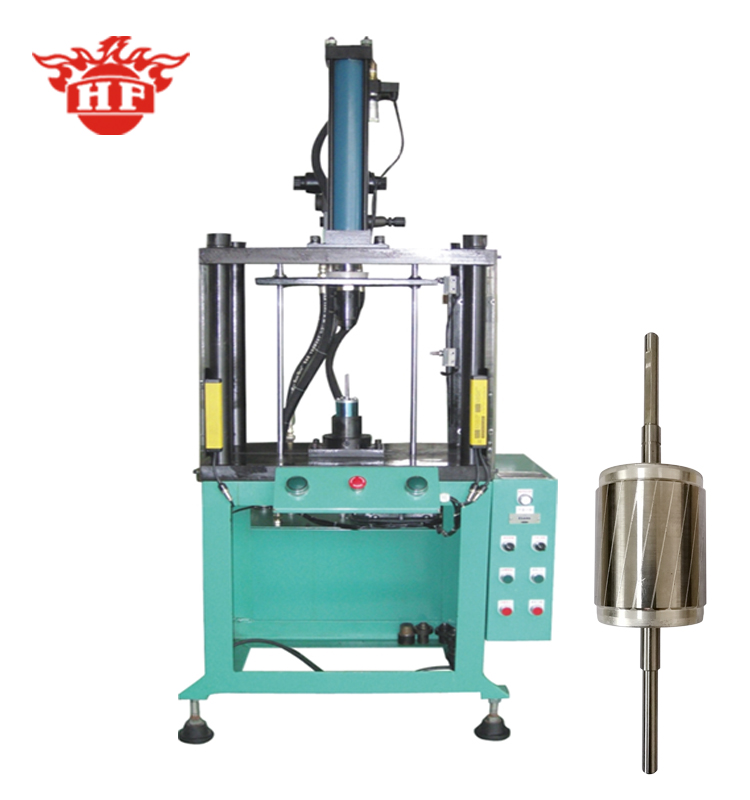
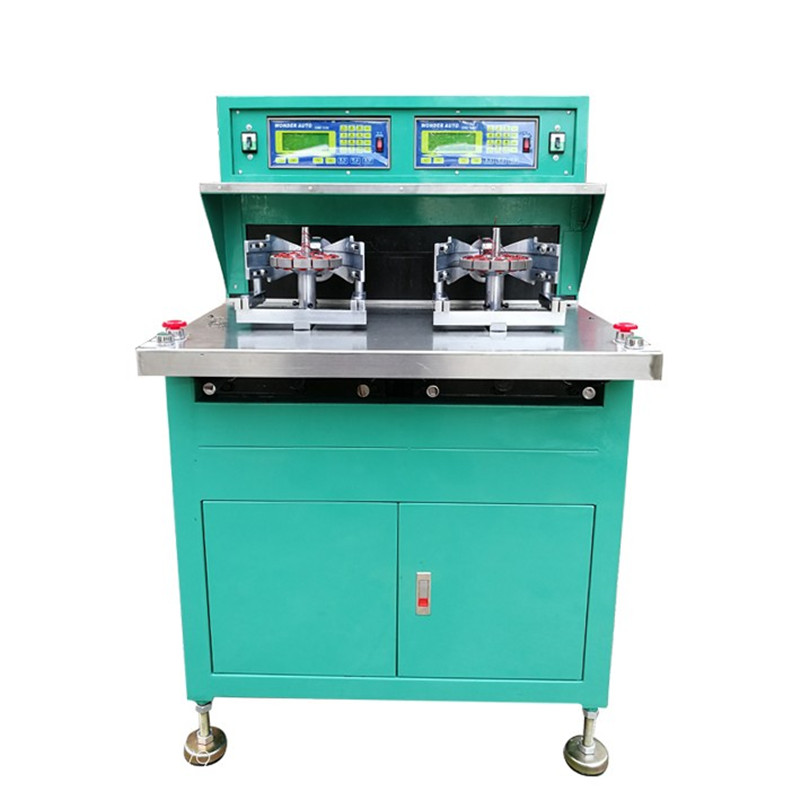
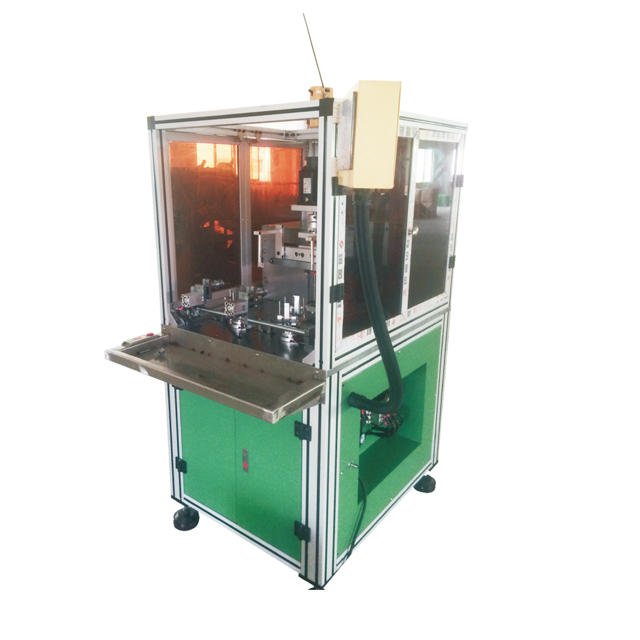
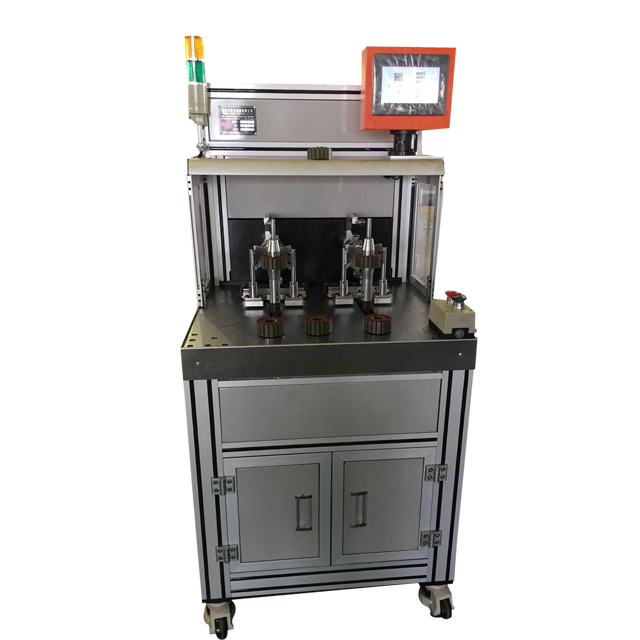
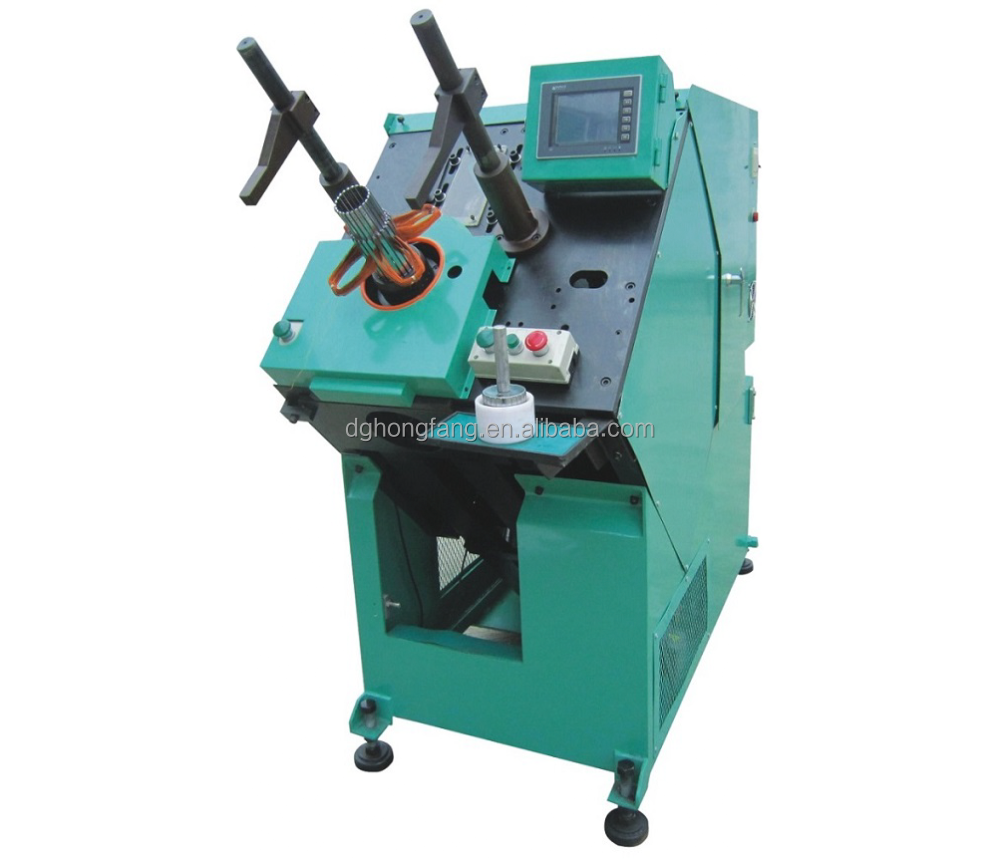
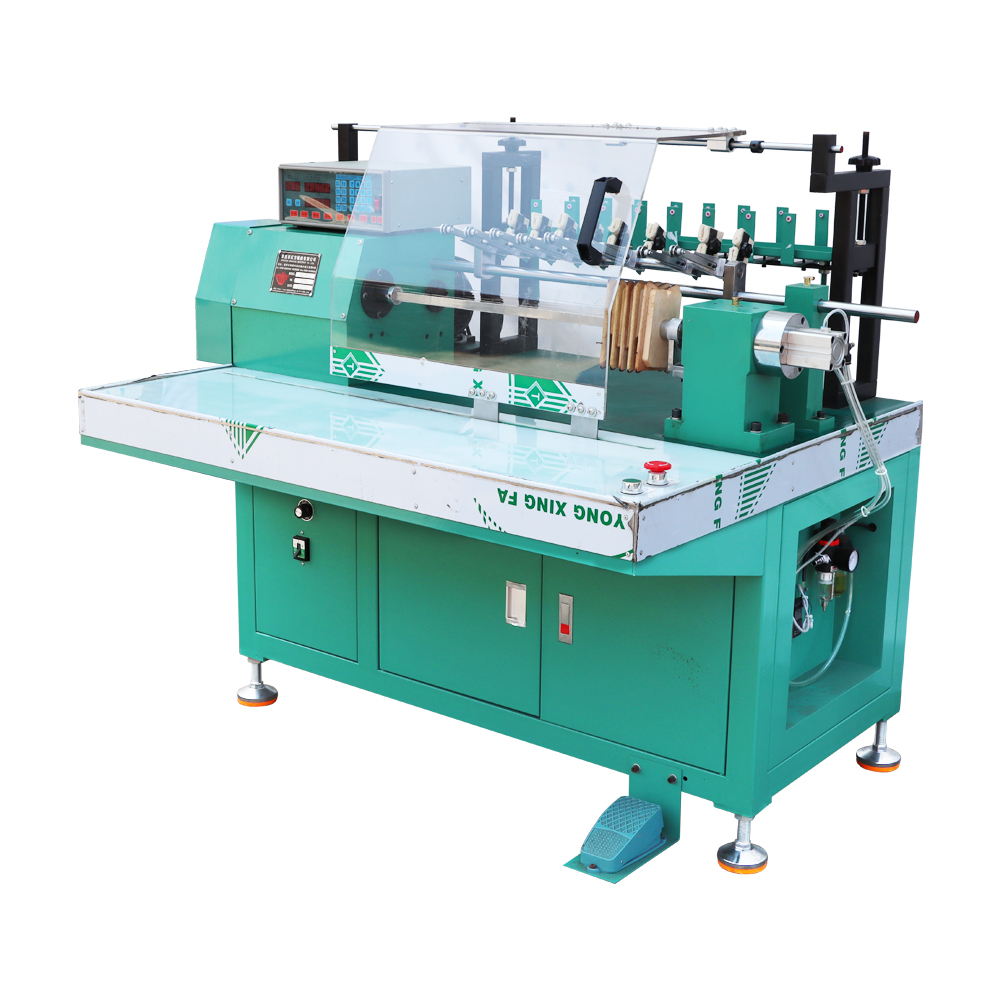
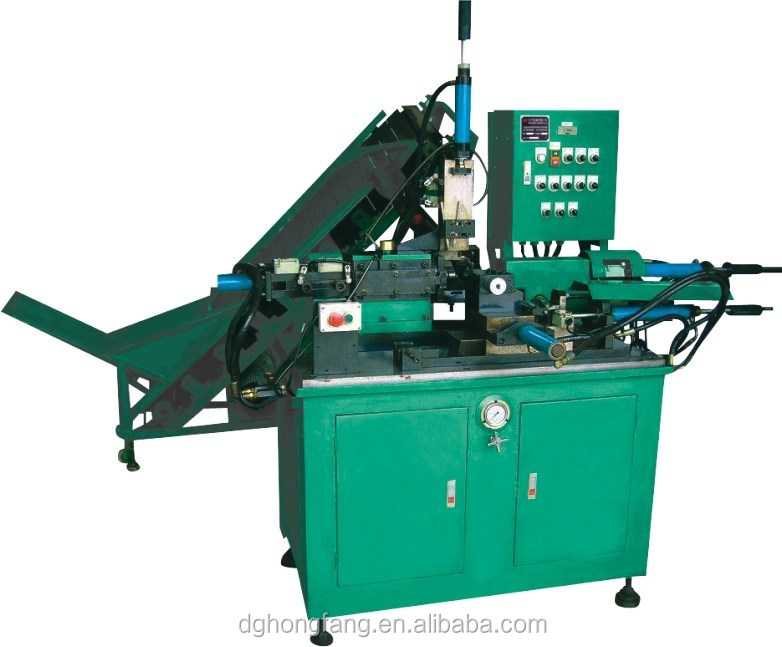
Configured for standard frame induction, ceiling fan, industrial pump, compressor, and high-efficiency BLDC stator platforms.
Evaluating the Global Top 10 Motor Winding Equipment Manufacturers
Navigating capital investments across European precision engineering, Japanese multi-axis kinematics, and high-efficiency Chinese turnkey integration.
The global motor manufacturing landscape is experiencing unprecedented structural demand driven by the worldwide transition to IE4 and IE5 energy efficiency standards, electric vehicle (EV) traction platforms, and brushless DC (BLDC) motor adoption in HVAC, appliances, and industrial drives. In this hyper-competitive sector, selecting an equipment partner defines plant operational uptime, slot-fill copper ratios, scrap rates, and return on capital investment. The industry is broadly anchored by three manufacturing tiers:
1. Premium European High-Volume Integrators: Historically dominating European and North American automotive tier-1 manufacturing, manufacturers like Statomat, Aumann, and Marsilli excel in specialized high-speed automotive lines and niche winding disciplines. However, their ultra-high capital requirements, prolonged lead times exceeding 10 to 14 months, and rigid customized tooling architectures often present prohibitive barriers to commercial appliance, water pump, and fan manufacturers.
2. Precision Japanese & South Korean Robotics Specialists: Focused extensively on multi-spindle ultra-fine precision winding for micromotors, optical electronics, and hybrid drive systems (such as Nittoku and Odawara). While technologically brilliant for miniature scales, their cost structures rarely match commercial batch industrial motor realities.
3. Advanced Chinese Turnkey Equipment Specialists: Led by industrial automation hubs in Dongguan and Guangdong, modern Chinese manufacturers like Zunqi Intelligent Equipment provide the optimal balance of industrial-grade precision, servo-driven kinematic flexibility, and rapid engineering deployment. With standardized architectures built around universal control components (Siemens, Mitsubishi, Delta, Inovance, SMC) and factory-direct sample validation, these builders provide Tier-1 performance at 40-60% reduced CapEx, enabling agile production scaling.
| Manufacturer / System Tier | Core Process Specialization | Control Architecture | Lead Time & Flexibility | CapEx & Tooling Lifecycle Cost |
|---|---|---|---|---|
| Tier-1 European Builders e.g., Statomat, Aumann |
High-speed continuous automotive EV traction & hair-pin stator assembly | Proprietary CNC / Custom European PLC packages | 40–60 Weeks; Highly complex retooling switchover | Premium capital cost ($500k–$3M+ per cell); Proprietary spares |
| Japanese Multi-Spindle Specialists e.g., Nittoku, Odawara |
Ultra-fine winding, miniature brushless motors, dynamic balancing | Proprietary multi-axis coordinated motion control | 32–48 Weeks; High precision custom fixturing | High initial expenditure; Dedicated maintenance contracts |
| Zunqi Intelligent Equipment Factory Direct Automation (Dongguan) |
Turnkey Stator Lines: Slot insulation, coil winding, wedge insertion, 3D forming, dual lacing, rotor turning & shaft press | Open-architecture industrial PLC (Mitsubishi, Siemens, Delta, Inovance) & Servo Systems | 6–12 Weeks; Fast mechanical swap tooling based on CAD/part prints | Highly competitive direct manufacturer pricing; Standardized commercial off-the-shelf wear components |
Future Procurement Trends in Stator & Rotor Production Lines
Key structural shifts procurement directors and production managers must account for over the next 5-10 years.
Total Cost of Ownership (TCO) Dominance
Procurement heads are moving away from evaluating initial purchase prices in isolation. Lifecycle TCO—factoring in wear tooling replenishment intervals, wire enamel abrasion rates during insertion, and ease of sourcing pneumatic cylinders (SMC/Airtac) locally—now drives over 65% of sourcing scorecards.
Single-Stroke Coil & Wedge Insertion
Manual coil pushing and two-step wedge stamping are being obsolete. Forward-thinking plants procure combined synchronous inserting machines that fold insulation wedges and inject pre-wound coils in a single mechanical stroke, reducing copper scratching and cycle times down to under 20 seconds.
Pre-Shipment Digital Twin & Physical Validation
The risk of commissioning delayed lines overseas has elevated the requirement for Physical Sample Pre-Acceptance. Global buyers insist on dispatching core lamination stacks and copper wire to the equipment builder to conduct full batch trial runs with video telemetry prior to export crate packing.
Technological Development Trends in Winding Machinery
Engineering innovations shaping next-generation stator winding, tension control, and dynamic balance.
Closed-Loop Electronic Tensioning
Traditional mechanical friction pads cause tension spikes during multi-turn speed ramping, resulting in wire stretching, enamel micro-cracks, and phase-to-phase insulation failure. Next-gen winders integrate real-time electronic tensioners with load-cell feedback, holding tension within ±1.5% across 0.1mm to 1.2mm wire diameters.
High Slot-Fill Maximization
To achieve IE4 and super-premium IE5 motor ratings, electrical engineers demand stator slot fill rates exceeding 78%. Modern coil insertion systems utilize hardened titanium-coated push blades and expanding push-rods that navigate tight slot openings without compromising slot liner integrity.
Full CNC & Servo Multi-Station Indexing
The transition away from mechanical Geneva indexers to direct-drive absolute servo turntables enables micro-second station transitions. Four and six-station internal and external winders dynamically adjust pitch, stroke, and flyer speeds via touchscreen recipes, reducing product changeover to under 15 minutes.
Engineering Strengths & Factory Advantages
Rooted in Dongguan's precision manufacturing heartland, delivering complete turnkey motor production reliability.
17+ Years Export Track Record
With nearly two decades exporting to motor assembly plants across Southeast Asia, the Middle East, Europe, and the Americas, our equipment lines are refined against practical global shop-floor tolerances, duty cycles, and environmental variations.
Custom Tooling to CAD / Part Prints
We never force a catalog product onto unique motor geometries. Every winding flyer, inserting blade assembly, forming head, and shaft pressing fixture is custom-machined directly to your specific stator stack height, outer/inner diameter, and slot profile.
Complete Matched Turnkey Systems
Avoid integration mismatches between different machine builders. Zunqi supplies matched production sequences: Slot Paper Inserting → Coil Winding → Coil & Wedge Inserting → Intermediate Forming → Dual Lacing → Final Forming → Rotor Turning → Shaft Pressing.
Global Component Architecture
Our electrical cabinets and pneumatic systems utilize universally recognized, locally serviceable brands: Siemens, Mitsubishi, Delta, Inovance, SMC, and Airtac. Your maintenance technicians never struggle with unidentifiable black-box controllers.
Sample Trial Run & Video Signoff
Prior to crating, your dedicated production machine runs complete test cycles using your actual stator laminations and wire gauges. We generate precision QA inspection reports and high-resolution video proof of continuous operation before final release.
Comprehensive Lifecycle Support
Backed by our standard 1-year comprehensive mechanical and electrical warranty, responsive video commissioning assistance, and continuous, guaranteed long-term spare tooling supply as your product catalog evolves.
Frequently Asked Questions by Equipment Buyers
Clear, unambiguous technical and commercial answers to streamline your capital acquisition process.
