Cooler Series
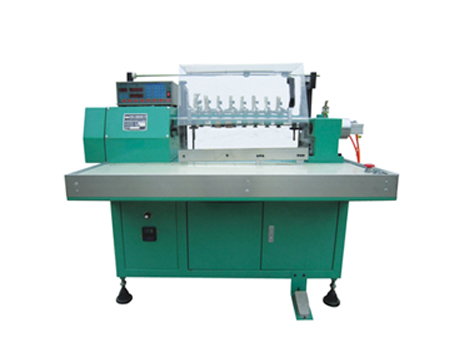
Electrical Motor Stator Coil Winding Machine for Cooler Motor
- Automated continuous flier winding
- Compatible with copper & aluminium wire
- High slot fill factor capability
Precision-engineered automated coil winding, slot inserting, coil shaping, and rotor turning machinery designed to meet international NEMA and IEC efficiency specifications.
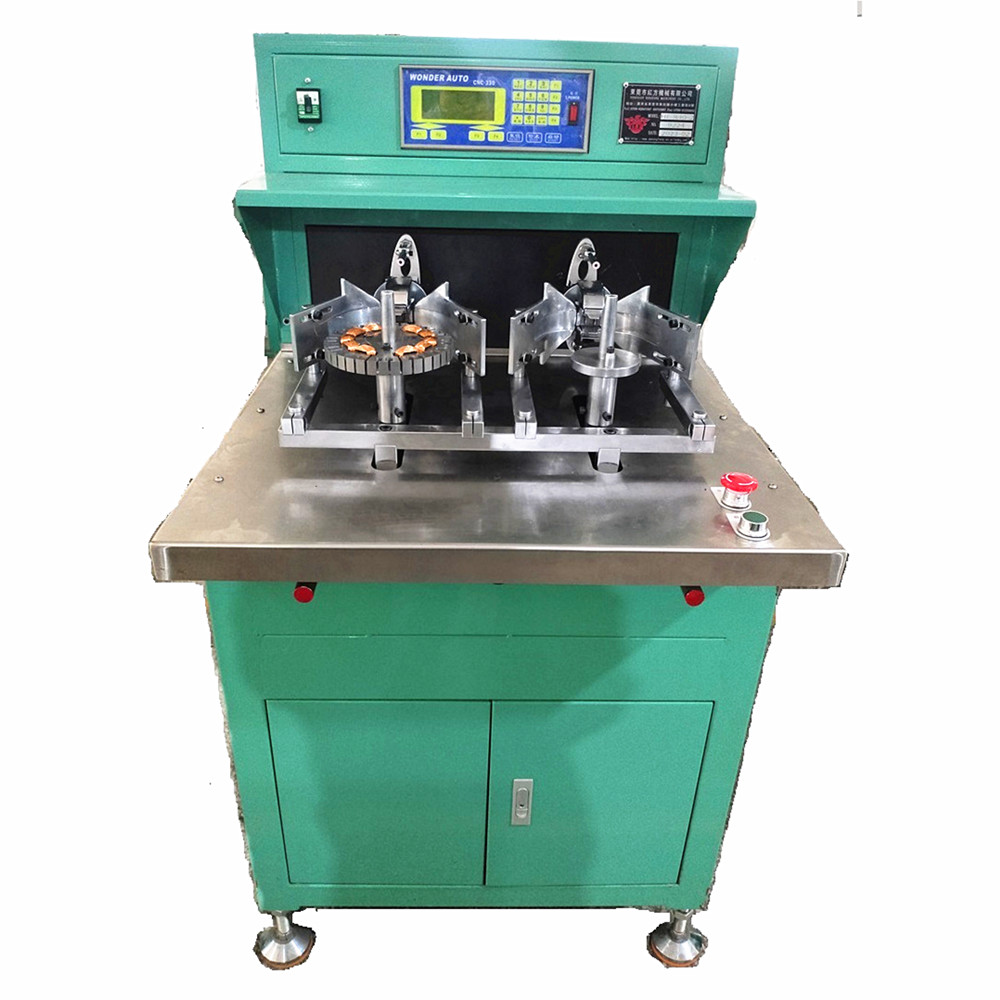
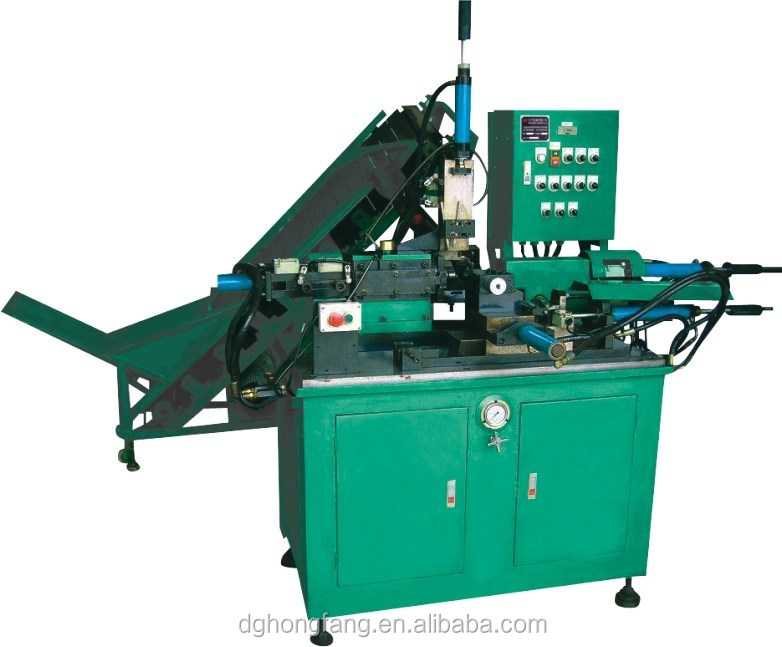
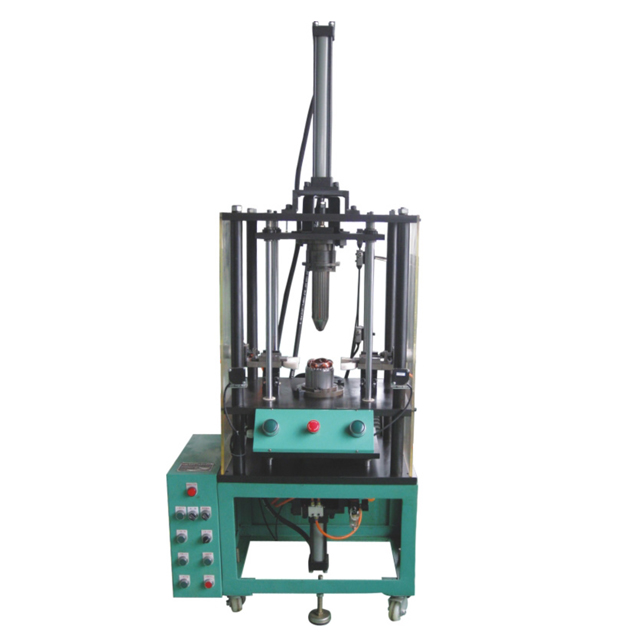
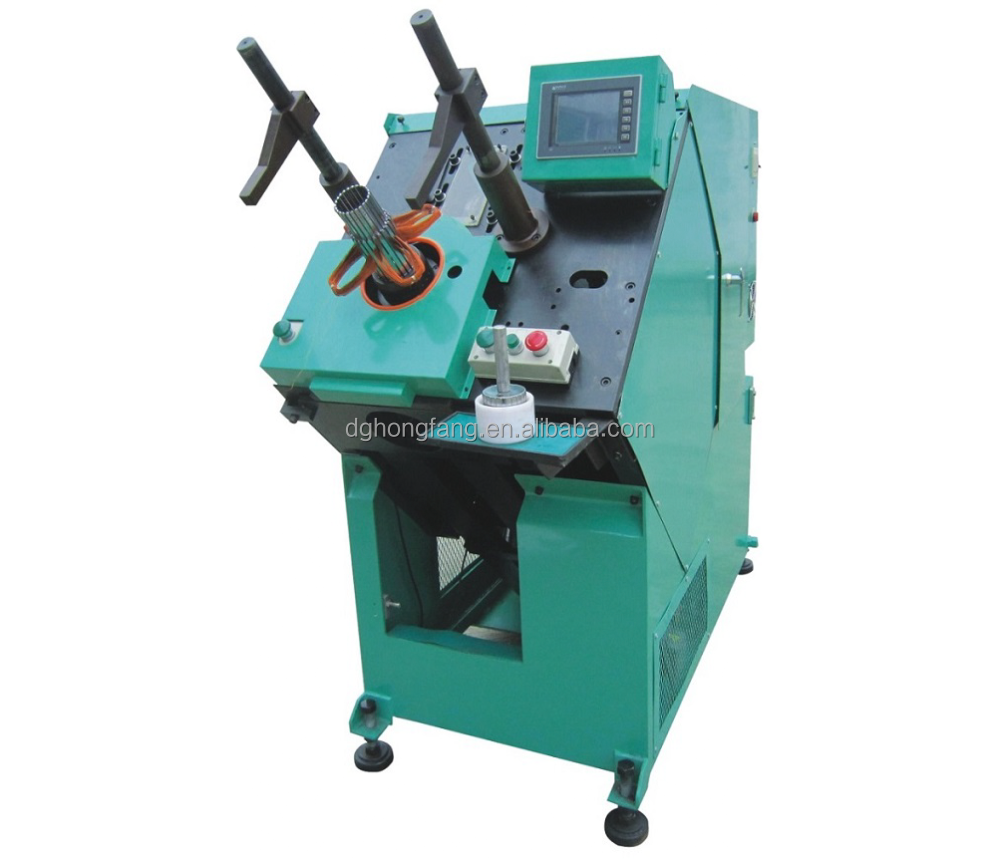
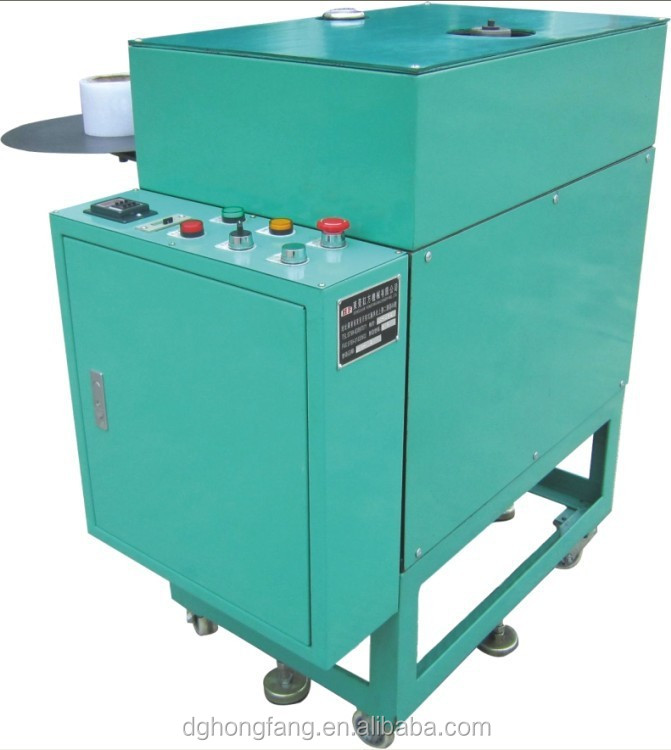
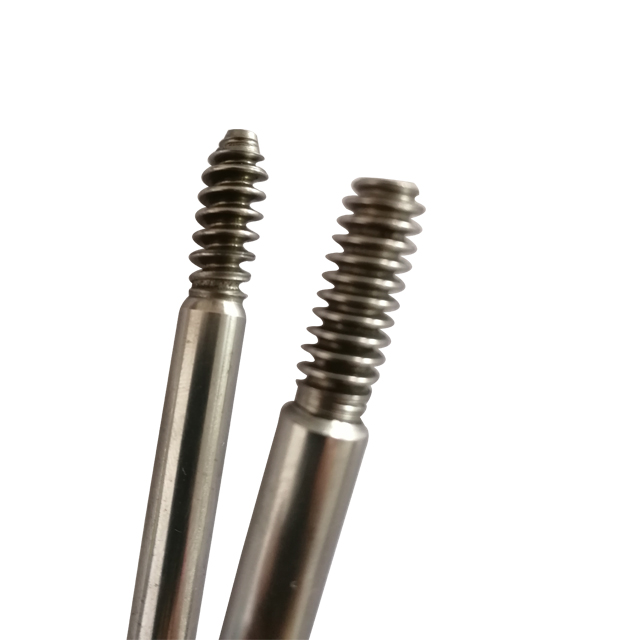
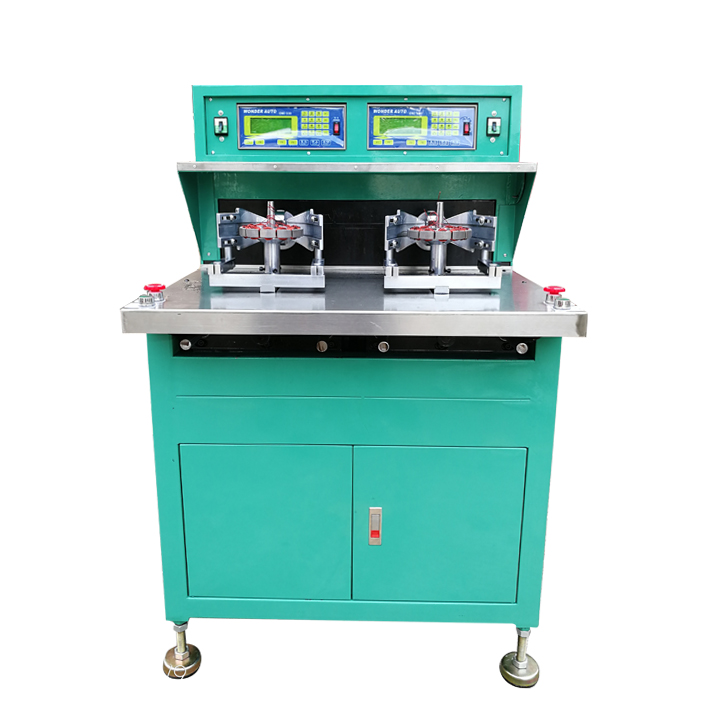
A comprehensive examination of electromechanical parameters, copper slot-fill dynamics, and factory integration protocols.
In modern electromechanical manufacturing, the winding process represents the primary determinant of an electric motor's thermodynamic limits, energy efficiency rating (IE3 to IE5 under IEC 60034-30-1), and operational longevity. As a verified OEM/ODM coil winding machine manufacturer based in Dongguan, China, Zunqi Intelligent Equipment Co., Ltd. architects and fabricates complete automated stator lines that address the complex physics of wire deformation, magnetic slot fill factors, dielectric preservation, and high-speed mechanical indexing.
When global motor producers transition from manual or semi-automated manufacturing to industrial-grade CNC automated coil winding machines, the engineering focus extends far beyond cycle speed. The critical challenge lies in eliminating micro-fissures in magnet wire enamel insulation, maintaining real-time dynamic tension tolerances within ±1.5 cN, achieving slot fill factors exceeding 78% to 82%, and mitigating common manufacturing defects such as uneven end-turn heights, crossed turns, and insulation breakdown under partial discharge.
Utilizes multi-stage electronic tension controllers and closed-loop magnetic powder damping to guarantee that magnet wire (0.05 mm to 1.5 mm) experiences zero plastic strain or elongation during rapid flier acceleration and deceleration cycles.
Each coil former, guide needle, transfer fork, and inserter blade is CNC-machined from SKD11 or Cr12MoV vacuum-heat-treated tool steel (HRC 58-62) calibrated precisely to the physical stator lamination stack and core slot dimensions.
Designed around modular industrial automation standards. Buyers can designate Siemens S7-1200/1500, Mitsubishi Electric FX5U, Delta, or Omron control ecosystems paired with multi-axis absolute servo systems for seamless local maintenance.
Key technical shifts transforming stator production from standalone mechanization to intelligent Industry 4.0 fabrication cells.
For high-density Brushless DC (BLDC) and Permanent Magnet Synchronous Motors (PMSM), direct needle winding has supplanted conventional flyer transfer. Precision CNC needles wind directly into segmented or concentrated stator teeth, optimizing the copper fill factor up to 85% and significantly slashing raw material scrap.
High-mix low-volume production requires Single-Minute Exchange of Die (SMED) philosophies. Contemporary OEM winding equipment incorporates quick-lock pneumatic fixtures, digital stack height position indicators, and pre-saved HMI parameter recipes that compress changeover cycles from 3 hours to under 15 minutes.
Legacy hydraulic pushers are being systematically replaced by multi-axis electronic servo drives. The synchronized insertion of coils and slot wedges (DMD, Nomex, or polyester film) in a single stroke minimizes friction and entirely eliminates micro-abrasions along slot edges, mitigating high-voltage breakdown.
Next-generation stator lines now embed automatic vision inspection systems and inline high-frequency surge testing directly after the winding and lacing stations. Real-time optical sensors detect crossed leads, insulation scratches, and incorrect wedge positioning before the stator advances to varnish impregnation, drastically lowering batch scrap rates.
Through native OPC-UA and MQTT telemetric architectures, automated winding units continuously transmit operational telemetry—including motor current draw, cycle count, spindle thermal drift, pneumatic line pressure, and wire tension variance—into centralized MES platforms for predictive maintenance and root-cause OEE tracking.
Strategic purchasing criteria evaluated by Tier-1 motor manufacturers, plant directors, and supply chain managers.
Global procurement executives are aggressively moving away from simplistic initial CapEx evaluations toward comprehensive 10-year TCO modeling. While European winding systems often demand high initial capital expenditure with high-cost replacement tooling, verified Dongguan manufacturers deliver identical cycle tolerances, lower tooling replacement overhead, and immediate parts interchangeability.
Key factors driving TCO reductions include standard commercial servo components, energy-efficient inverter motors (saving 15–22% in continuous facility power), and rapid tooling turnaround times that minimize factory downtime during model transitions.
Procuring standalone machines from disparate vendors introduces severe integration friction: mismatched cycle speeds, incompatible PLC handshake signals, and disputable accountability when stator reject rates rise. The procurement landscape heavily favors single-source OEM/ODM suppliers capable of providing a cohesive production line.
A cohesive supplier configures the complete workflow: Slot Paper Insertion → Coil Winding → Coil & Wedge Inserting → Intermediate Forming → Dual-Side Lacing → Final Forming → Rotor Turning & Shaft Pressing, ensuring mechanical tolerances and cycle times synchronize seamlessly.
| Winding Topology | Applicable Motor Categories | Copper Slot Fill | Tension Precision | Tooling Complexity | Yield Output (PPH) |
|---|---|---|---|---|---|
| Flyer Winding (External) | Ceiling Fans, Submersible Pumps, AC Induction | 65% – 74% | ±2.0 cN | Low / Standard Formers | 120 – 180 pcs/hr |
| Direct In-Tooth Needle Winding | EV Traction, Drone ESC, BLDC Servos | 75% – 85% | ±1.0 cN | High / Multi-Axis CNC | 80 – 140 pcs/hr |
| Multi-Station Internal Winding | Cooler Motors, Exhaust Blowers, Washing Machines | 70% – 78% | ±1.5 cN | Medium / Indexing Fixture | 160 – 240 pcs/hr |
| Coil & Wedge Concurrent Insertion | IEC Industrial Pumps, Compressor Stators | 72% – 80% | N/A (Transfer Stage) | High / Blade Guide Arrays | 90 – 150 pcs/hr |
Direct from our manufacturing hub in Qishi Town, Dongguan: proven industrial capability, precision toolmaking, and dependable after-sales engineering.
We do not deliver off-the-shelf compromises. Every coil former, inserting blade array, shaping die, and lacing needle is engineered using your CAD drawings or physical stator iron core samples. Before dispatch, we complete comprehensive trial winding runs using your specified magnet wire.
Located in the heart of South China's premier electrical equipment industrial cluster in Dongguan, our team of 51–100 manufacturing professionals has exported reliable stator assembly solutions worldwide. Our factory premises have undergone complete onsite verification on Alibaba.com.
Our 8-step quality lifecycle—from requirement analysis, tooling CNC machining, electrical assembly, to physical trial runs and video acceptance—ensures you approve full-speed, high-resolution test run videos of your actual stator processing before the equipment is packed into export crates.
All machinery is backed by a 1-year comprehensive factory warranty, detailed bilingual operating documentation, remote engineer video commissioning assistance, and lifelong availability of rapid-wear consumables, replacement blades, and secondary tooling sets.
Technical answers to essential engineering, customization, voltage compatibility, and commissioning questions.
Send your stator drawings, stack heights, and target output to our Dongguan engineering team. Receive a turnkey line configuration and tooling proposal within 9 business hours.
Get a Quote