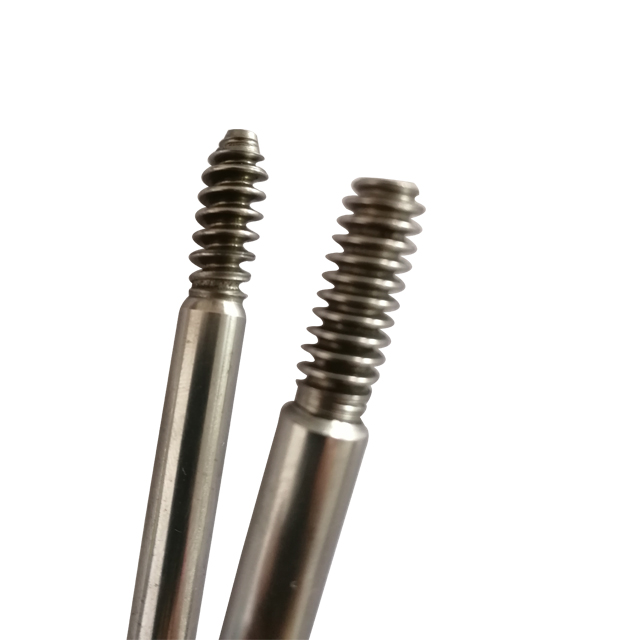
Electric Motor Spares SC45# Low Carbon Steel Iron Fan Motor Shaft Machining Components
- Material: Hardened SC45# Steel
- Usage: Household Fan & Cooler Motors
- Precision ground bearing seats
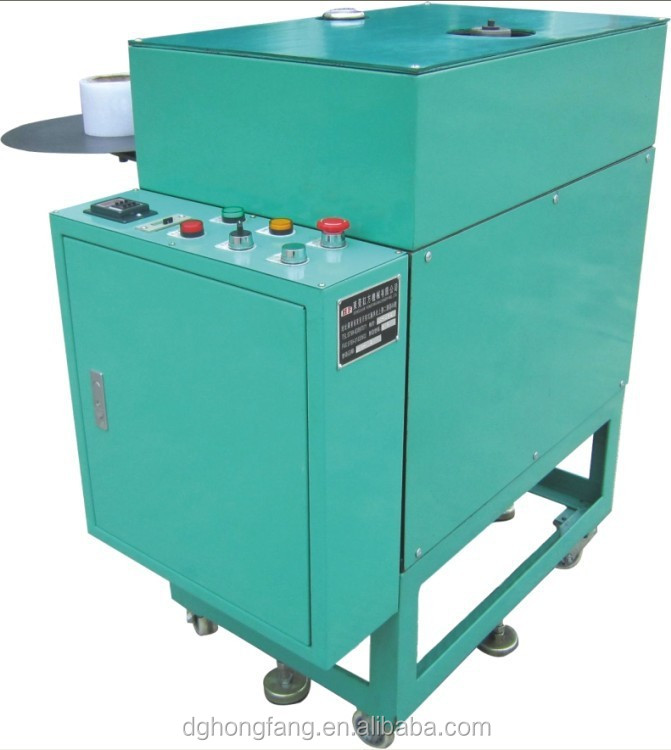
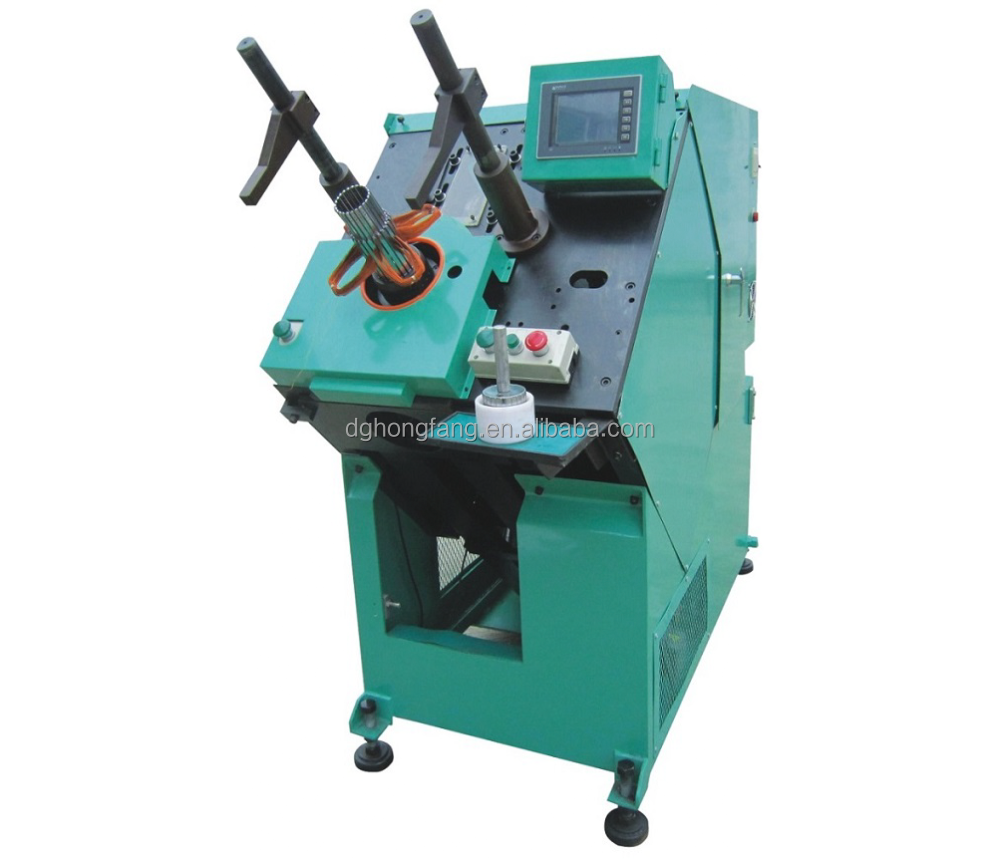
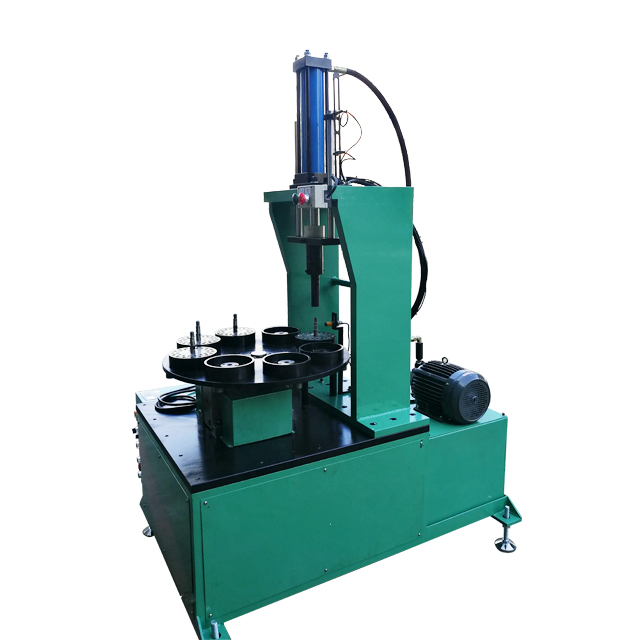
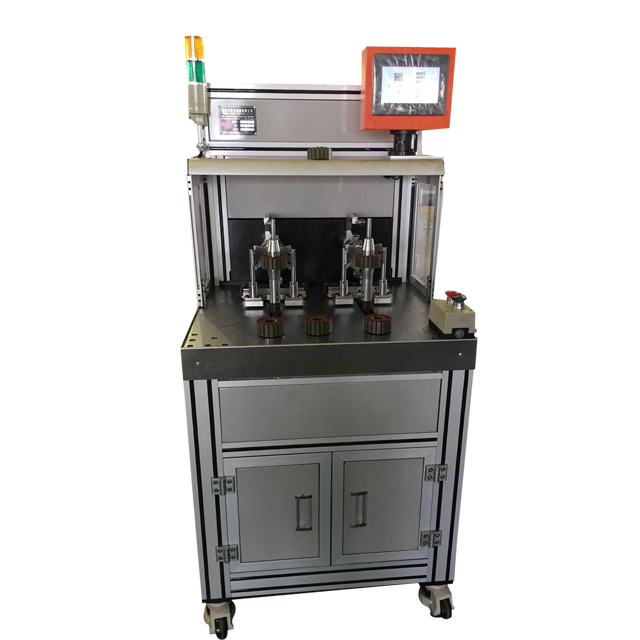
Integrated manufacturing equipment engineered for household appliances, ceiling fans, table fans, cooling pumps, and industrial electric motors.
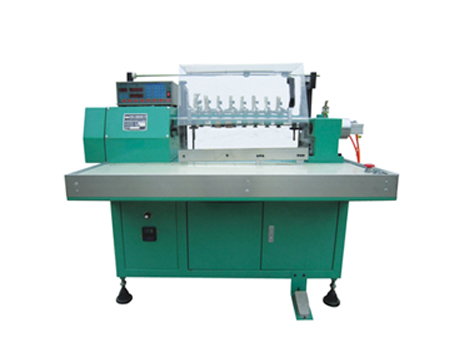
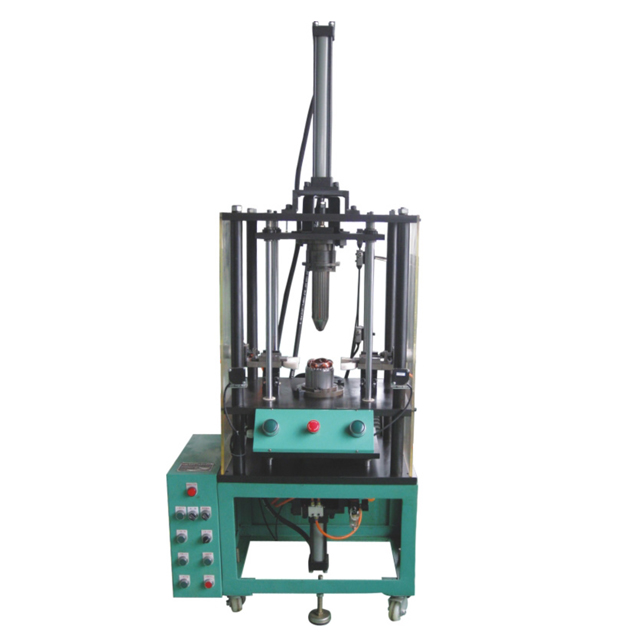
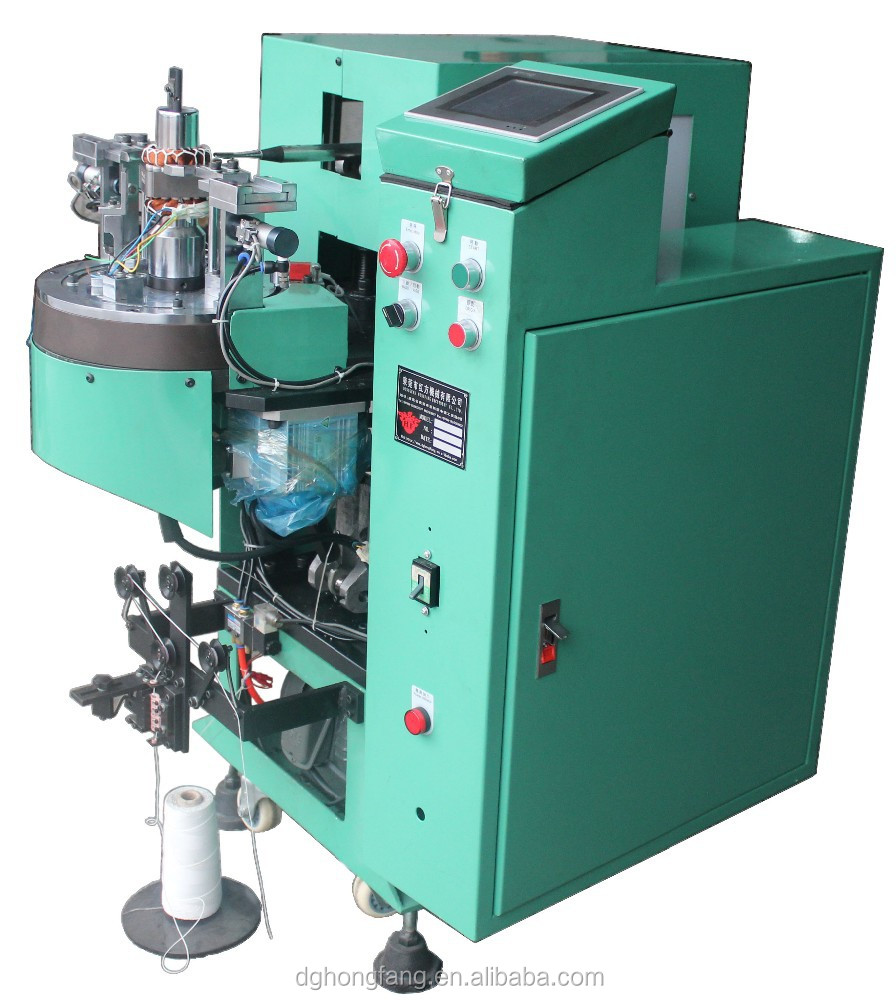
A comprehensive technical evaluation of slot fill factor optimization, tension regulation, and end-turn forming dynamics for next-generation electric motor lines.
In modern induction and permanent magnet synchronous motors (PMSM), achieving an optimal copper fill factor (>45% in mass production) is paramount to thermal dissipation, torque density, and compliance with IE4/IE5 international efficiency benchmarks. Automatic stator winding machinery directly controls electromagnetic flux density through exact spatial layering of the magnet wire within each stator lamination slot.
Traditional winding systems often suffer from micro-fractures in enamel coatings when winding tension spikes during the acceleration and deceleration segments of the flyer or needle arm. Our advanced multi-axis CNC stator winders utilize dynamic electromagnetic brake tension controllers coupled with dancer-arm feedback. This closed-loop servo synchronization ensures wire tension is maintained within ±1.5 grams of tolerance across the entire speed envelope (up to 3000 RPM), completely eliminating copper elongation, thinning, or insulation pinhole breakdowns.
| Winding Topology | Typical Slot Fill Factor | Wire Tension Variance | Primary Application Profile |
|---|---|---|---|
| Flyer External Winding (Dual Station) | 38% – 46% | ±1.5g (Closed-Loop) | Ceiling fans, outer-rotor BLDC, shaded-pole motors |
| Needle Internal Winding (Multi-Axis) | 42% – 52% | ±2.0g (Servo Driven) | Compressor stators, automotive EPS, high-torque servos |
| Transfer-to-Inserter Winding | 35% – 44% | ±3.0g (Pneumatic Friction) | Standard AC induction pumps, industrial cooler motors |
| Hairpin Segmented Winding (Emerging) | > 65% | Solid Bar Mechanical Forming | Electric Vehicle (EV) traction drive units |
The insertion stage is historically the most critical bottleneck for insulation integrity. Inserting coils into narrow slot openings requires precise coordination between the push blade tooling and the stator core bore. Our automatic coil and wedge inserting machines execute a unified stroke where DMD, Nomex, or polyester film wedges are cut, formed into cuff profiles, and propelled concurrently with the phase coils. By maintaining micro-gap tooling tolerances (machined to 0.005mm accuracy), the blade guides protect the enamel jacket from shear forces against stator tooth edges, eliminating coil-to-core ground faults.
How Tier-1 and OEM motor producers are restructuring capital equipment purchasing strategies to meet geopolitical, regulatory, and sustainability mandates.
Due to raw material market price fluctuations, 45% of fan, cooler, and household motor manufacturers are adopting enamelled aluminium wire. Procurement teams require winding tooling with specialized non-abrasive ceramic guides and lower elongation thresholds to prevent wire necking.
Global buyers are abandoning piecemeal equipment sourcing. Purchasing the complete sequence—Paper Inserting → Winding → Inserting → Forming → Lacing → Rotor Finishing—from a single vendor ensures unified PLC protocols, shared spare parts, and synchronized line tact times.
With product lifecycles contracting, stator manufacturers can no longer afford dedicated single-model lines. Machines engineered with under 15-minute quick-clamp tooling fixtures allow plants to toggle between multiple stator stack heights (10mm to 80mm) without re-programming core kinematics.
The evolutionary trajectory of winding robotics, industrial IoT monitoring, and electro-mechanical precision engineering.
Eliminating legacy pneumatic indexing cylinders, modern winders employ high-torque direct-drive servo rotaries. This enables variable acceleration profiles per slot, continuous multi-speed winding, and reduces acoustic workshop noise below 68 dB.
Real-time machine vision inspection systems monitor slot alignment, slot insulation cuff protrusion, and lacing knot integrity. Any abnormal turn count or cross-winding fault triggers instant machine interlocks before sub-assemblies reach the forming stage.
Built-in Ethernet/IP and MQTT gateways feed drive temperature, mechanical vibration, and cam cycle metrics directly to central MES dashboards, calculating cutter wear life and preventing unplanned production shutdowns.
Combining 17 years of South China manufacturing heritage with bespoke engineering and rigorous quality verification protocols.
Situated in Qishi Town, Dongguan—China’s premier electromechanical industrial hub. Our 51–100 person team integrates in-house CNC milling, electrical control panel building, and rigorous endurance testing benches, fully audited on Alibaba.com.
We do not deliver off-the-shelf compromises. Every winding head, insertion blade, and forming mould is custom CNC-machined to your specific lamination drawings (OD, ID, slot geometry, stack height), backed by factory trial runs on your physical samples.
No machine leaves our facility without a full operational validation on your supplied core. Clients receive comprehensive running videos prior to sign-off. Equipment is treated with VCI anti-corrosion grease and crated in heavy-duty export plywood cases.
Direct technical and commercial answers addressing common engineering inquiries, tooling setup, power constraints, and factory audits.
Send your stator core drawings, wire specifications, and production targets. Our South China engineering specialists will evaluate your requirements and provide complete equipment proposals within 9 hours.
