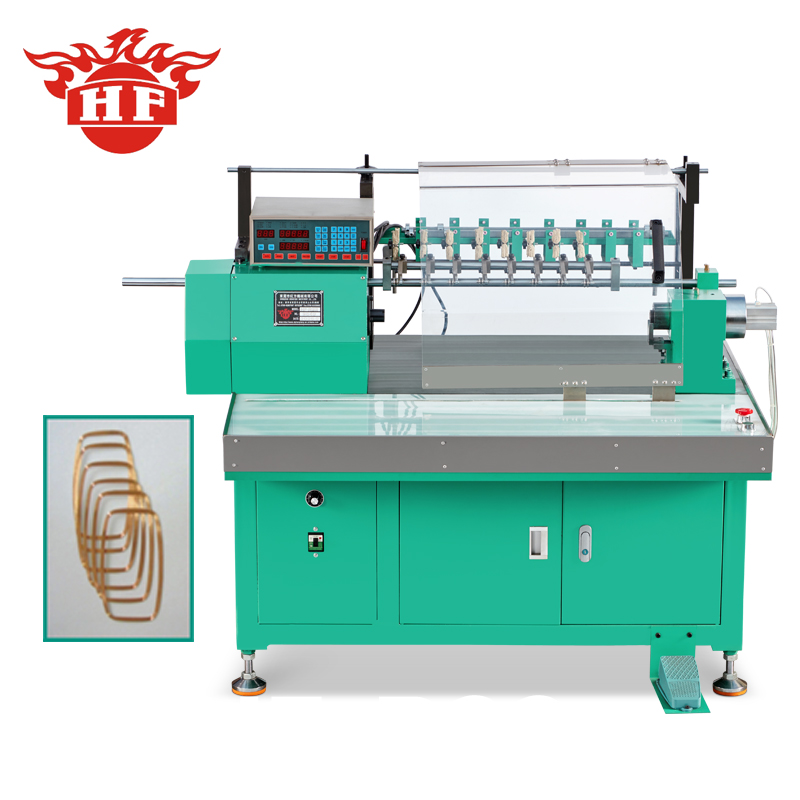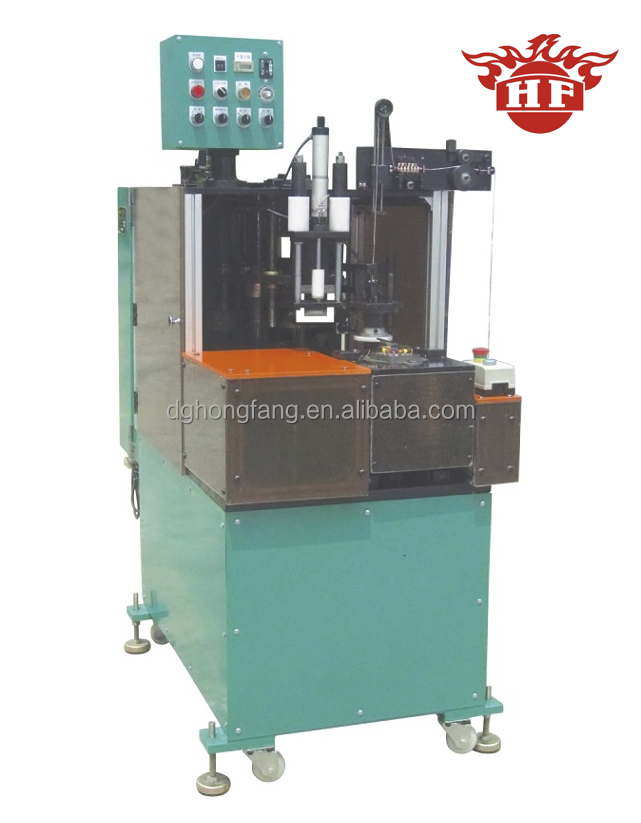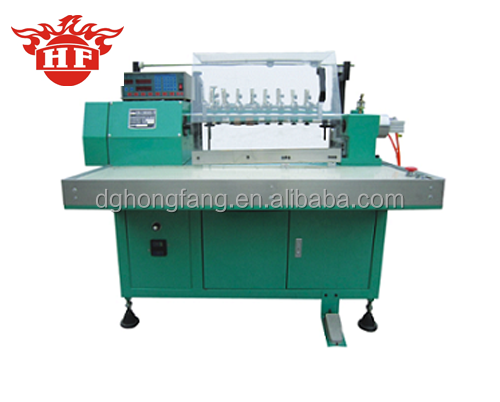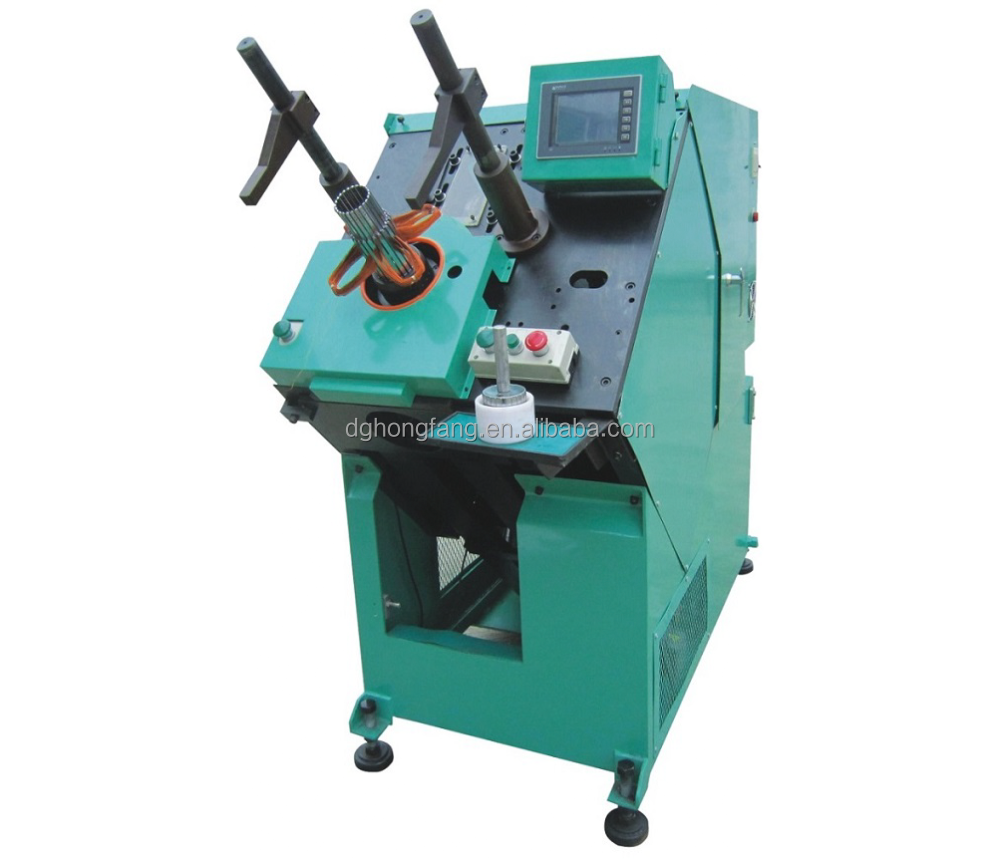
OEM/ODM Automatic Armature Winding Machine Factories & Supplier

Precision Rotor & Stator Manufacturing Lines Engineered for Industrial Reliability, High Slot Fill Factors, and Global OEM/ODM Scalability.

17+
Years Export History
98.8%
First-Pass Yield Rate
≤ 9h
Engineering Response
100%
Tooling Customization
1 Yr
Comprehensive Warranty
Factory Direct Catalog

Featured Automatic Armature & Stator Production Machinery

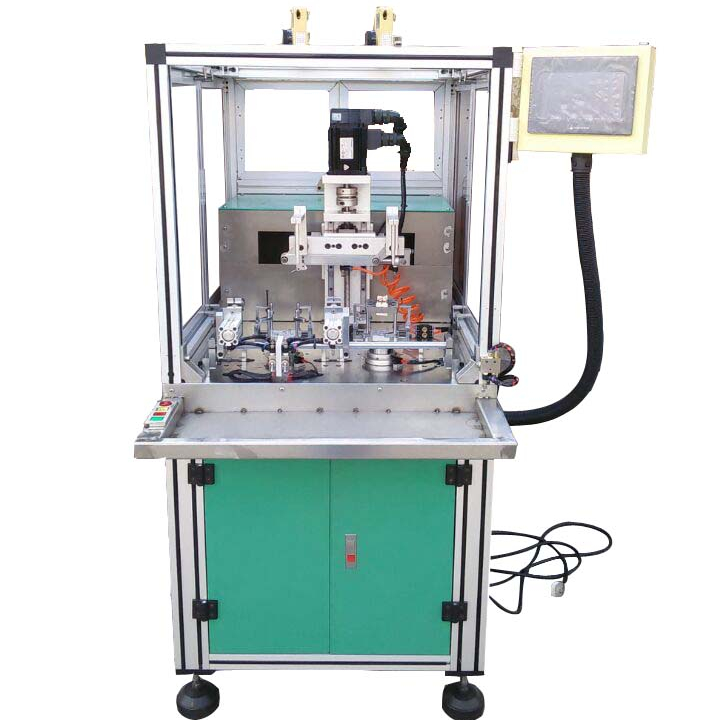
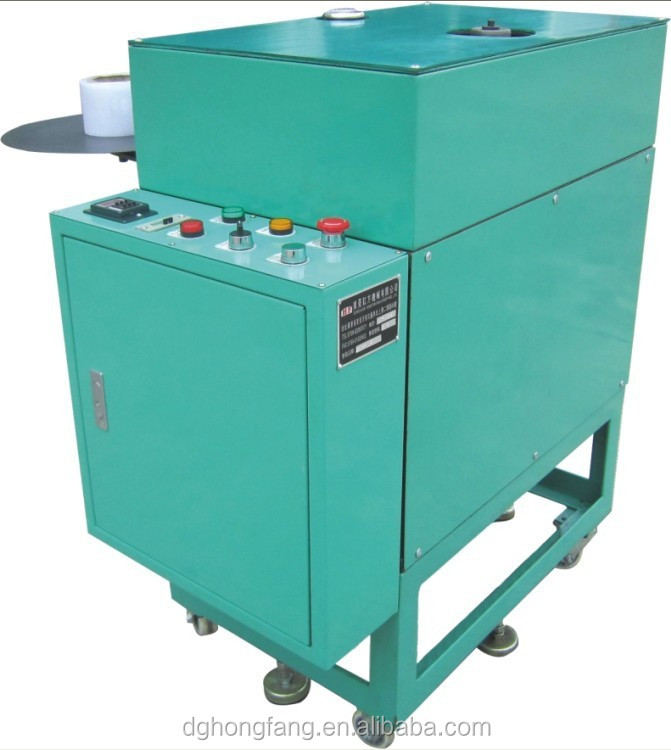
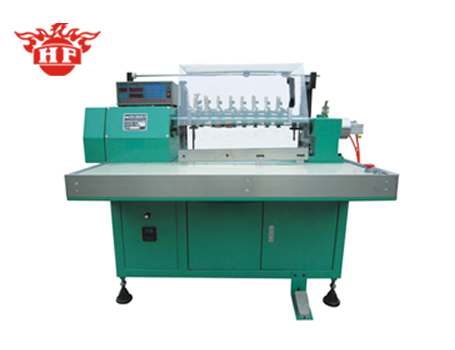
Precision-engineered coil winders, hydraulic rotor assembly presses, CNC multi-head winding platforms, and slot insulation systems tailored for modern electric motor factories.

Industry White Paper

The Evolution of Automatic Armature & Stator Winding Systems

An engineering analysis of slot-fill optimization, tension physics, and next-generation brushless armature automation architecture.

Dynamic Tension Decoupling

Traditional winders rely on frictional tension discs, creating micro-cracks in wire enamel under rapid flyer deceleration. Modern systems integrate real-time closed-loop servo tensioners that dynamically adjust feed force within milliseconds.

This decoupling ensures that whether accelerating to 3000 RPM or turning sharp commutator hooks, tension drift remains under ±1.5cN, directly eliminating phase-to-ground dielectric breakdowns.

High Slot Fill Geometric Tooling

Achieving superior electromagnetic efficiency requires pushing slot-fill density beyond 75%. CNC needle and flyer winding paths must be optimized via algorithmic trajectory calculation rather than rigid cams.

By synchronizing 3-axis servo tool paths with pneumatic slot expanders, the machine nests wire strands progressively without wire crossing, preventing air pocket formations and thermal bottlenecks inside the core.

Hybrid Cu/Al Wire Processing

With volatile copper raw-material markets, industrial tier-1 suppliers increasingly turn toward magnet-grade aluminum wire. Aluminum exhibits significantly lower tensile modulus and higher elongation sensitivity.

Next-generation automatic winding lines utilize dual-parameter algorithm presets that modify winding angles, flyer acceleration curves, and hook welding energies on demand to prevent wire necking.

Strategic Sourcing

Future Procurement Trends for Motor Winding Lines (2025–2030)

Key strategic factors shifting CAPEX investment across EV auxiliaries, BLDC appliance motors, and high-efficiency industrial pumps.

Procurement Vector Legacy Automation Model Next-Gen Paradigm (2025+) Strategic Factory Impact
Line Architecture Isolated, single-function standalone machines Modular cell lines (Insulate → Wind → Insert → Form → Lace) Reduces WIP inventory by 45% and eliminates intermediate transfer handling.
Tooling Reconfigurability Single-motor dedicated rigid hard-tooling Quick-change modular tooling with RFID preset loading Cuts frame-size changeover downtime from 4 hours to under 25 minutes.
Data Traceability Local mechanical dials & discrete counters OPC-UA / MQTT enabled IoT edge gateways Complete per-unit serialization of tension profiles, turns, and cycle times.
Material Versatility Fixed copper magnet wire calibrations Dynamic multi-wire and enamel-gauge self-adjusting tensioners Allows rapid swapping between copper and lightweight aluminum designs.
Quality Control Integration Manual batch sampling at end of line Inline optical vision checks & surge testing per slot Enables real-time defective unit ejection, stopping scrap escalation early.
Factory Authority & Reliability

17 Years of Dedicated Motor Automation Engineering

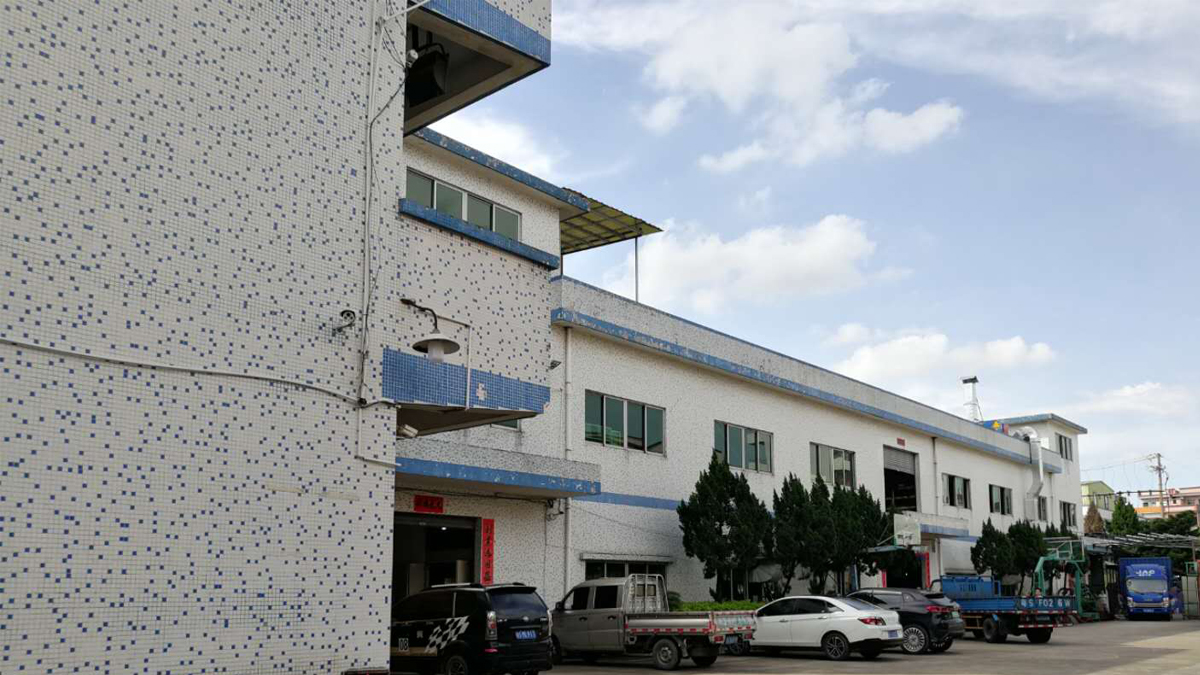
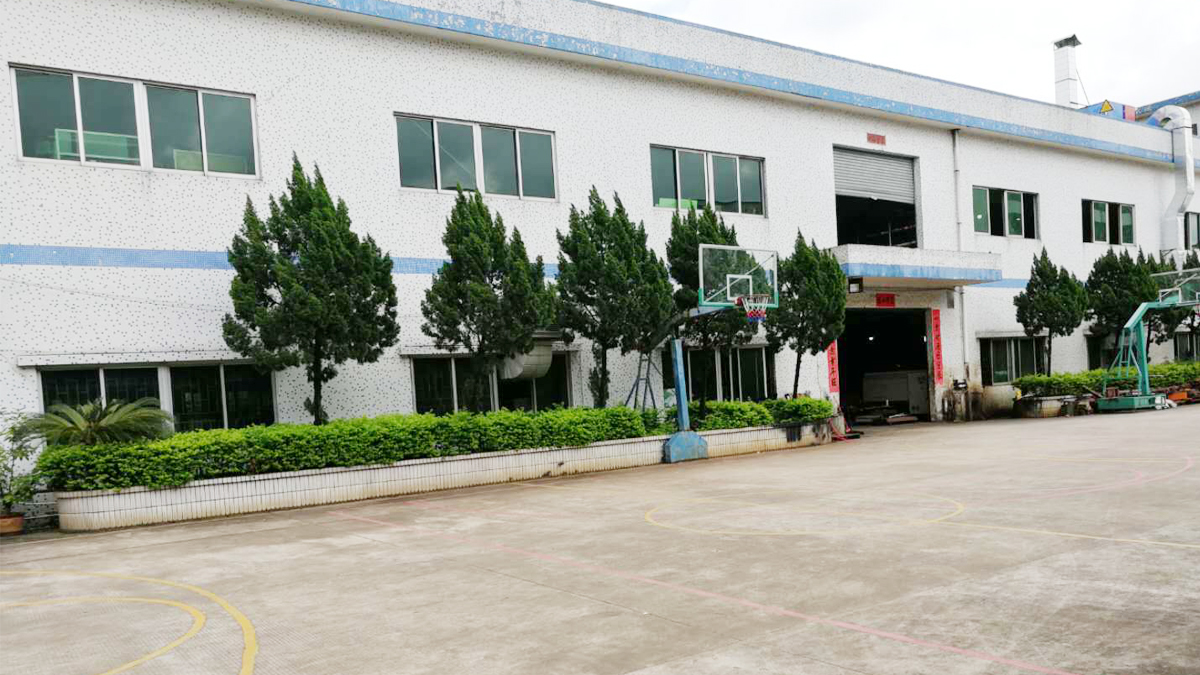
Located in Qishi Town, Dongguan—at the epicenter of global precision electromechanical manufacturing—Zunqi Intelligent Equipment Co., Ltd. delivers high-precision stator, rotor, and armature production systems worldwide.

  • Custom Tooling to Specific Stator/Rotor Drawings

    Every needle winder, flyer arm, inserting wedge blade, and lacing jig is CNC-machined to your exact lamination stack geometry and validated via prototype sample testing prior to shipping.

  • Comprehensive One-Stop Production Line Harmony

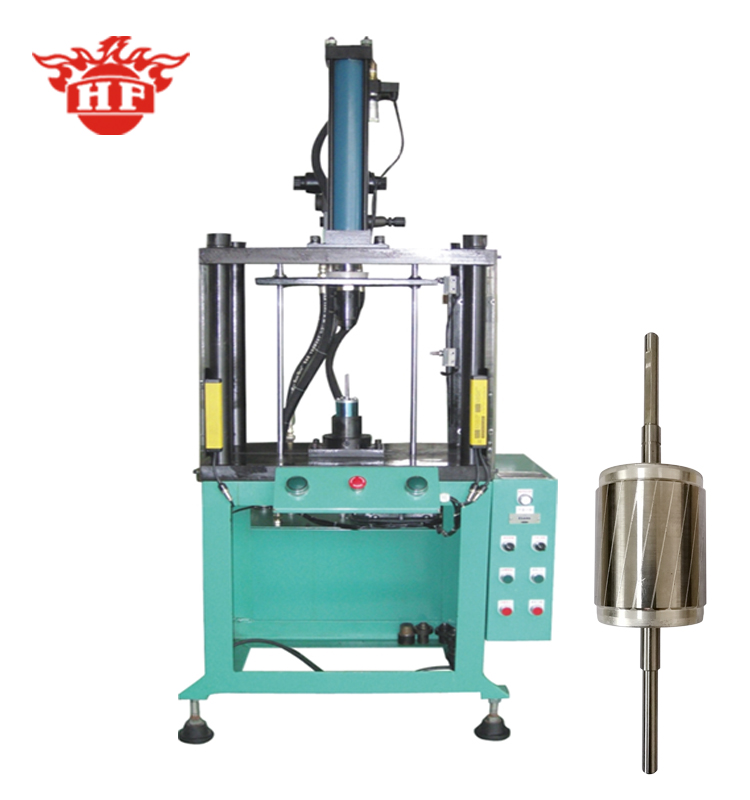
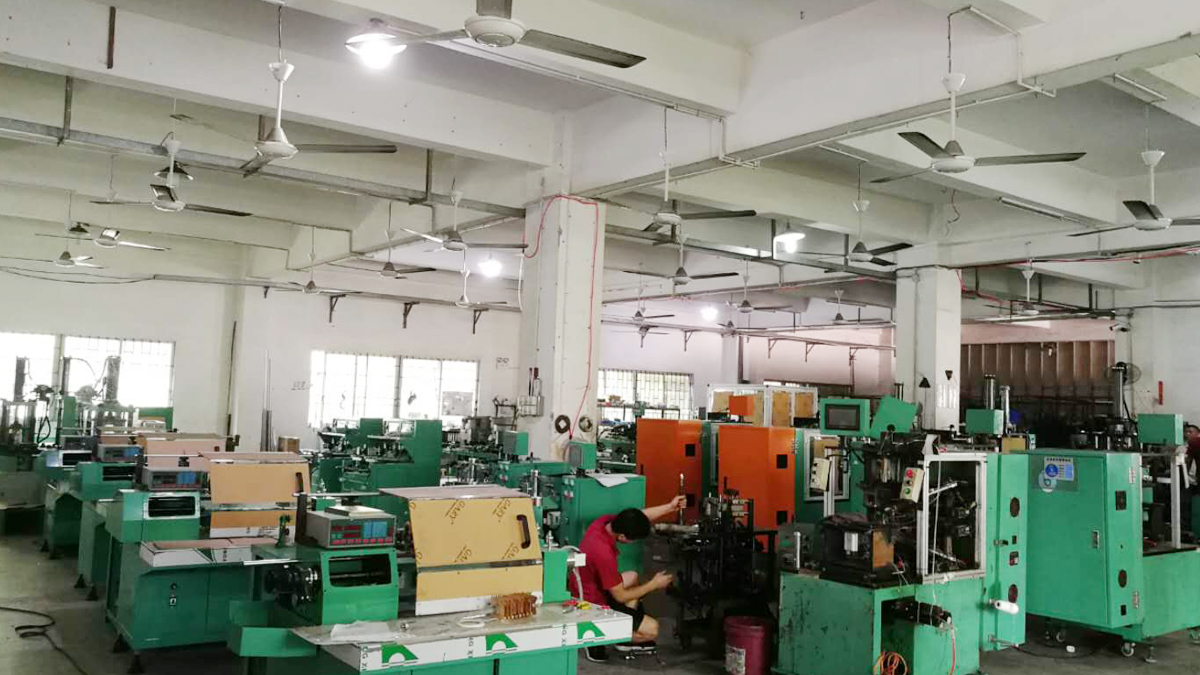
    From slot insulation insertion and 8-head coil winding to simultaneous coil-and-wedge inserting, 2-end lacing, rotor turning, and shaft hydraulic pressing, all cycle times are balanced to eliminate bottlenecking.

  • Global Engineering Service with ≤ 9-Hour Response

    All machinery ships in heavy-duty export plywood crates treated with anti-rust VCI film. Backed by remote commissioning, PLC diagnostics, and factory-direct spare parts availability.

Configurable Tier-1 Industrial Control Architectures
Siemens PLC Mitsubishi Motion Panasonic Servo Schneider Electric Omron Sensing Delta Electronics SMC Pneumatics Airtac
Procurement Due Diligence

Frequently Asked Questions by Industrial Buyers

Clear technical, operational, and commercial answers to help procurement managers evaluate customized motor manufacturing machinery.

What technical parameters are required to generate an OEM/ODM tooling proposal?
To customize winding forms, inserting arrays, and lacing plates, our engineering department requires: (1) 2D/3D technical drawings of the rotor/stator lamination stack; (2) Outer diameter (OD), inner bore diameter (ID), stack height range, and slot count; (3) Wire gauge (enamelled copper or aluminum diameter) and turns per coil slot; (4) Target cycle time (parts per hour) and regional voltage (e.g., 220V 1-phase or 380V/415V 3-phase). Providing a physical lamination sample enables rapid factory trial runs.
Can a single automatic winding machine handle multiple stator or rotor frame sizes?
Yes. Our winding and inserting machines feature modular tooling architectures. Stators sharing the same internal bore diameter but differing stack heights can often be accommodated simply by adjusting CNC servo stroke parameters on the HMI touchscreen. Stators with different slot configurations or bore dimensions utilize quick-change tooling modules, allowing operators to complete mechanical switchovers in 20 to 30 minutes.
How do your machines ensure zero damage to enamelled magnet wire during 3000 RPM winding?
We employ ultra-fine mirror-polished ceramic eyelets and titanium-nitride coated flyer guides paired with magnetic or closed-loop electronic tensioning mechanisms. This setup keeps the coefficient of friction minimal and eliminates high-frequency tension spikes during flyer reversal. The wire is laid accurately into slot cells without dragging across sharp lamination edges.
What is the minimum order quantity (MOQ) and standard delivery lead time?
The MOQ for all our automatic winding, inserting, forming, and lacing machines is 1 set. Standard catalog configurations typically ship within 20 to 30 business days. Custom-tooled OEM/ODM machinery or synchronized turnkey manufacturing cells require approximately 35 to 50 days, which includes prototype tooling fabrication, full electrical integration, and running test trial runs using client samples.
What factory acceptance testing (FAT) and warranty protections are provided?
Before leaving our Dongguan plant, each machine undergoes continuous dry cycling followed by a real-part winding trial using your motor specifications. Detailed FAT videos and dimension inspection reports are sent for your sign-off before dispatch. We provide a full 1-Year Comprehensive Warranty covering non-wear mechanical and electrical parts, supported by remote video engineering assistance and express courier replacement for critical spares.
Upgrade Your Electric Motor Assembly Line

Send our senior engineering team your lamination drawing, slot fill targets, and volume metrics. We deliver verified tooling layout configurations and cost analyses within 9 hours.

Get a Quote