High-Precision Stator & Rotor Production Machinery
Explore our industrial-grade winding stations, wedge inserters, and rotor processing machines configured to your electromagnetic specifications and stack dimensions.

New Fully Automatic Motor Coil Winding Machine 220V
- Dual-flyer high-speed continuous winding
- Industrial PLC with touch HMI parameter setup
- Enamelled copper & aluminium wire compatible

Electric Motor Shaft SC45# for Fan & Pump Motors
- Precision heat-treated SC45# carbon steel
- Strict concentricity & journal grind tolerances
- Custom spline, keyway & knurling finishes

Hydraulic Ceiling Fan Motor Stator Shaft Press Machine
- Dual cylinder high-rigidity hydraulic press
- Gear-driven micro-alignment fixture base
- Damage-free lamination interference fitting

Motor Slot Insulation Paper Inserting & Cutting Machine
- Automatic edge hemming, feeding & insertion
- High index accuracy across 8 to 48 slots
- Dual voltage support: 220V/380V 1 kW drive

Automatic Multi-Spindle Fan Motor Coil Winding Machine
- High-speed flyer system with auto-wire hook
- Accommodates 0.1mm - 1.2mm wire range
- Dedicated tooling for ceiling & table fans
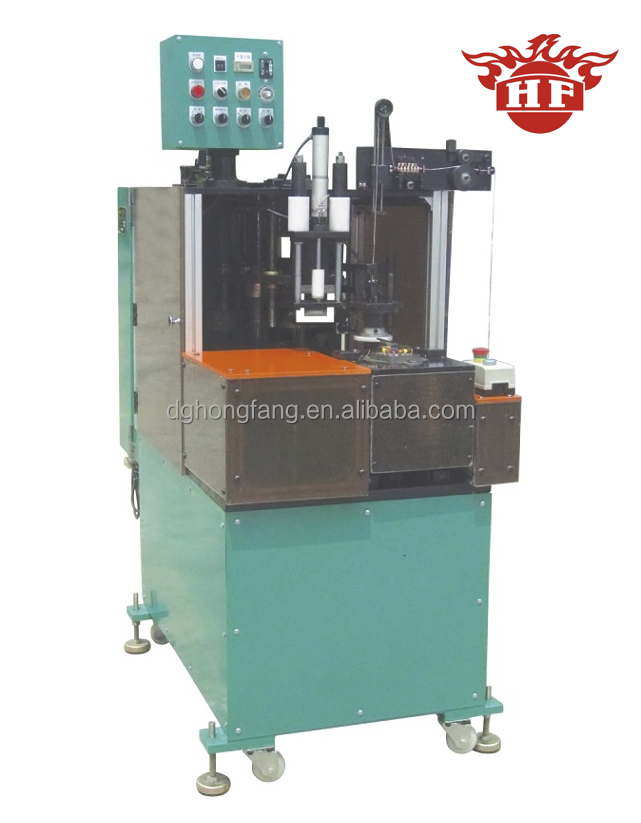
HF-BS20 Servo Automatic Coil Double Side Lacing Machine
- Dual-side simultaneous high-density stitching
- Servo-driven needle mechanism with slot bypass
- 1000W 220V stable industrial performance

Automatic Rotor Fine Turning Machine HF-C60
- High-precision rotor outer diameter turning
- Integrated PLC, pneumatic clamping & coolant
- Eliminates air-gap harmonics & motor hum

Industrial Electric Motor Armature Rotor Winding Machine
- Automatic commutator indexing & hook fusing
- Dynamic servo tensioner protects wire enamel
- 1-Year comprehensive warranty & quick tooling
Engineering Whitepaper: Advanced Kinematics & Precision Parameters in Stator Coil Winding
In modern industrial electric motor fabrication, the stator manufacturing line forms the thermodynamic and electromagnetic foundation of energy efficiency (IE3, IE4, and Super Premium IE5 compliances). Whether producing fractional horsepower (FHP) motors for table and ventilation fans or industrial-grade submersible pump drives, stator assembly operations demand strict geometrical tolerances and mechanical repeatabilities. Modern automated motor winding systems have evolved from basic mechanical cam linkages into multi-axis CNC synchronous workstations operating under high-speed servo closed loops.
The primary technological challenge in stator coil formation centers on achieving high copper slot fill factors (typically 42% to 58% in round wire insertions) without exceeding the critical mechanical tensile yield point of the enamelled conductor. When wire is drawn across flyer guide nozzles at angular speeds reaching 2,500 to 3,200 RPM, friction generates thermal surges that can compromise polyamide-imide or polyurethane insulation films. OEM manufacturing lines built by Zunqi Intelligent Equipment deploy ceramic eyelets, titanium carbide-coated guide needles, and closed-loop electronic tension controllers to maintain constant mechanical tension within ±1.5 grams, eliminating micro-cracking and inter-turn short circuits.
The magnetic power density of an electric machine directly correlates with its slot fill coefficient: ηslot = (N × π × dcu2) / (4 × Anet_slot), where N represents the total turns per stator tooth, dcu represents conductor diameter, and Anet_slot denotes effective slot area after accounting for insulation liner thickness. Achieving maximum compaction without wedge damage requires synchronizing coil inserting pushers with mechanical guide blades down to 0.02 mm runout tolerances.
Comparison of Industrial Stator Coil Insertion Kinematics
Plant managers often face trade-offs between flyer winding, internal needle winding, and multi-station coil inserting techniques. Below is an engineering comparison matrix assessing production capability across different stator architectures:
| Winding Kinematics | Target Stator Architecture | Max Wire Range (ø mm) | Average Takt Time | Slot Fill Factor (η) | Tooling Changeover Time |
|---|---|---|---|---|---|
| Dual-Flyer Winding | External stator teeth, ceiling fans, shaded pole | 0.08 – 0.95 mm | 12 – 25 sec / unit | 38% – 46% | ≤ 20 minutes (modular collets) |
| Multi-Spindle Needle Winding | Internal BLDC stators, servo motor cores | 0.12 – 1.30 mm | 35 – 65 sec / unit | 48% – 58% | ≤ 35 minutes (CNC profile load) |
| Coil & Wedge Inserting Press | Single/Three-phase induction, water pumps | 0.15 – 1.20 mm | 14 – 28 sec / stator | 44% – 52% | ≤ 45 minutes (blade cartridge) |
| Servo Double-Side Lacing | End-turn coil head consolidation & binding | Polyester lacing tape | 9 – 16 sec / cycle | N/A (Compaction) | ≤ 10 minutes (mandrel adjust) |
Technological & Strategic Global Procurement Trends (2025–2030)
Procuring automated motor assembly lines has transitioned from simple capital expenditure evaluations to deep strategic assessments of agility, material flexibility, and lifecycle sustainability. Across tier-one industrial and consumer appliance motor producers, several transformative trends dictate machine procurement criteria:
Copper-to-Aluminium Wire Transition
Due to volatile copper commodity indices, ceiling fan, air cooler, and pump manufacturers are adopting enamelled aluminium magnet wire. Aluminium has a lower tensile strength and higher springback ratio than copper. Modern winding equipment must utilize low-inertia ceramic pulleys and soft-braking servo profiles to eliminate elongation necking during flyer acceleration.
Modular Quick-Changeover Architecture
High-mix low-volume (HMLV) electric motor factories require fast tooling changeovers to support diverse stack heights and laminations. Procurement specifications increasingly mandate quick-release insertion blade cartridges and pre-calibrated forming shoes, reducing stator re-tooling windows from over 3 hours down to under 25 minutes.
Sensory IoT & Inline Visual Inspection
Smart factories require machines equipped with industrial Ethernet (EtherCAT/Profinet) and optical vision sensors. Real-time visual monitoring detects crossed loops, misplaced slot liners, or misdirected wedges before stators move to the coil forming or lacing station, preventing cascading production scrap.
Total Cost of Ownership (TCO) Model in Stator Machine Procurement
Leading global buyers evaluate stator equipment through a quantitative lifecycle cost framework: TCO = CAcquisition + CTooling + CDowntime + CScrap + CEnergy - SResale. In high-throughput facilities producing upwards of 1.2 million stators annually, an equipment line that maintains a 0.05% lower scrap rate saves tens of thousands of dollars in scrapped electromagnetic steel laminations, copper scrap, and downstream disassembly labor. Investing in precision servo lacing and controlled coil insertion directly boosts first-pass yield (FPY) above 99.4%.
Why Enterprise Motor Manufacturers Partner with Zunqi Intelligent Equipment
Headquartered in Qishi Town, Dongguan City, Guangdong Province, Zunqi Intelligent Equipment Co., Ltd. operates at the engineering heart of South China's electrical equipment manufacturing corridor. For more than 17 years, we have provided factory-direct automation lines to fan, pump, home appliance, and industrial motor makers across Southeast Asia, the Middle East, Europe, and the Americas.
Alibaba Onsite-Checked Supplier
Our Dongguan manufacturing plant, machining center, and assembly floor undergo strict onsite third-party verifications. Buyers can review genuine factory registration, production capacity, transaction records, and buyer feedback directly through published credit portals.
In-House Precision Tooling Fabrication
We do not rely on third-party job shops for critical tooling. Stator winding formers, inserting transfer blades, wedge pushers, and expanding forming shoes are precision machined in-house via wire-cut EDM and vacuum heat-treatment to HRC 58-62, ensuring tooling longevity and low wear.
Configurable Global Component Stacks
To eliminate factory downtime and simplify local spare parts maintenance, our electrical cabinets can be custom-configured with standard industrial automation components from Siemens, Mitsubishi, Omron, Delta, Inovance, SMC, or Airtac according to your corporate standards.
Comprehensive Technical Procurement FAQ
Common engineering, operational, and commercial questions motor manufacturers ask when specifying and commissioning automated stator assembly lines:
