High-Efficiency Fan Motor Stator Production Solutions
Explore our industrial-grade, fully certified fan motor manufacturing line-up. Every system is custom engineered to client slot drawings, accommodating ceiling fan, cooler, table fan, and HVAC ventilation stator configurations with copper and aluminium wire options.
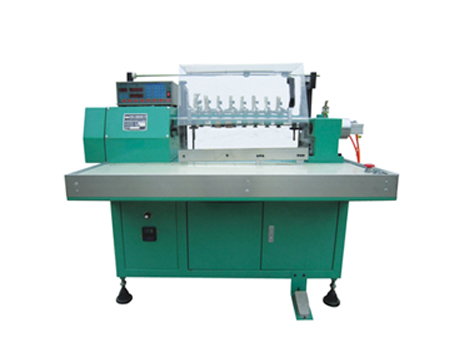
Electrical Motor Stator Coil Winding Machine for Cooler Motor
- Automated continuous multi-speed indexing
- Suitable for high-slot cooler fan motors
- Industrial PLC touch-panel UI
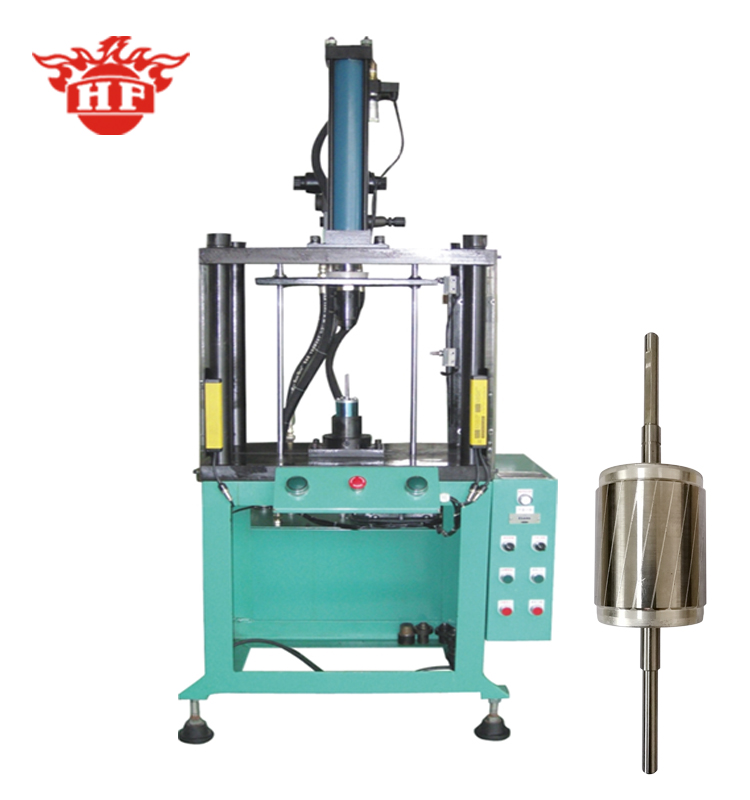
New Rotor and Shaft Inserting Hydraulic Press Machine for Manufacturing Plant 1 Year Warranty HF-W50
- Model: HF-W50 hydraulic driven operation
- Concentricity assurance under ±0.015mm
- 1-Year international warranty included
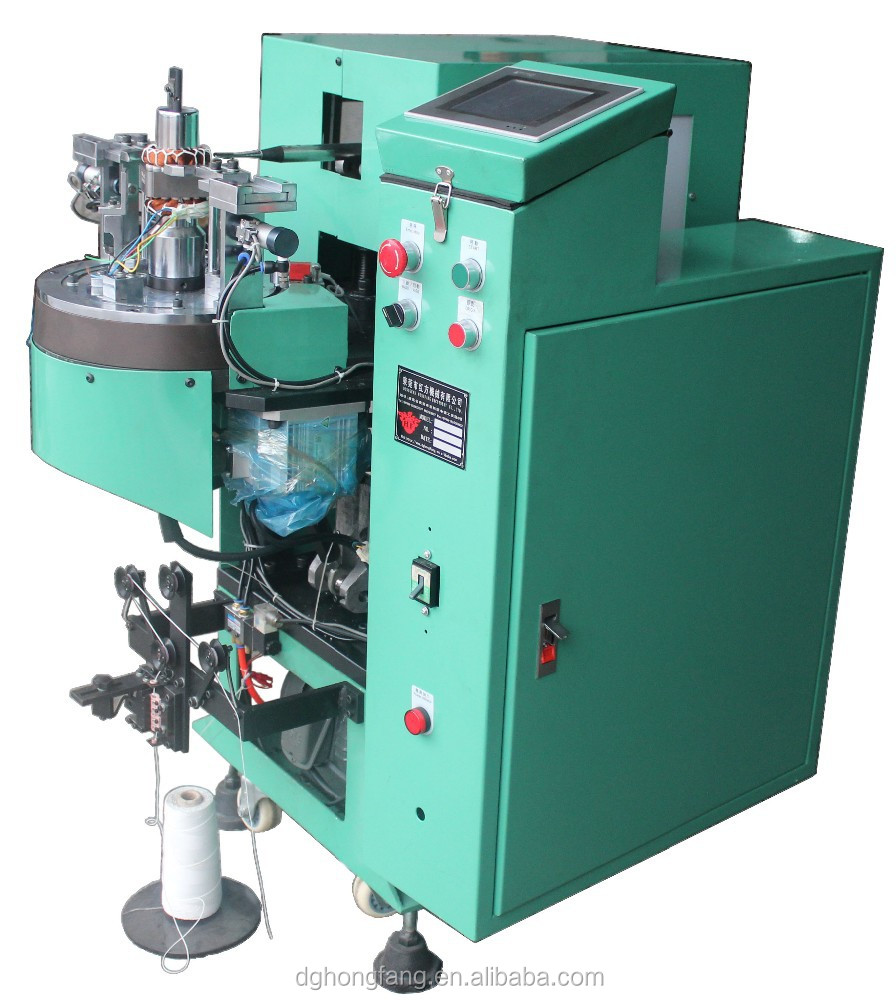
HF Single Side Lacing Machine for Table Fan Motor Stator Coil 1000W 380V/220V
- High-tension automatic cord knotting
- Configurable power: 1000W 380V/220V
- Optimized for compact table fan stators
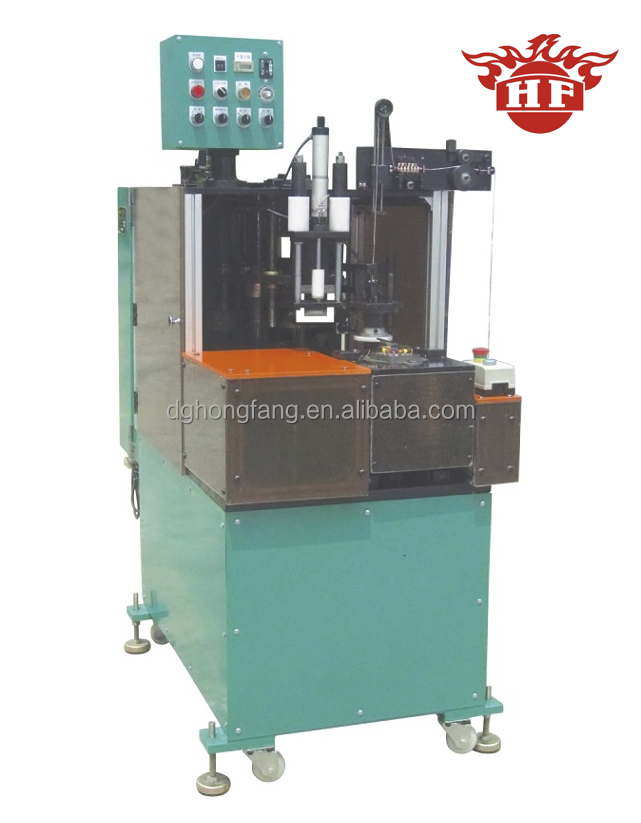
HF-BS20 Servo Type Automatic Coil Double Side Lacing Machine for Fan Motor 1000W 220V
- Simultaneous top & bottom edge binding
- Servo-synchronized pitch and slot hopping
- Dramatically reduced cycle time per unit
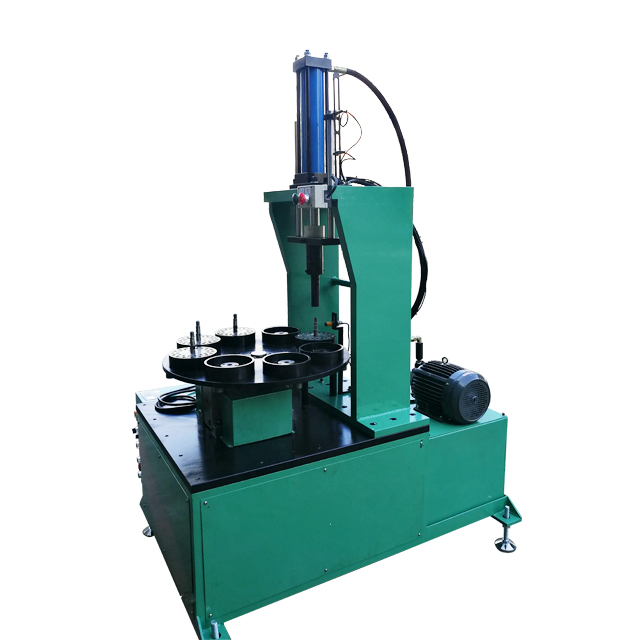
New Hydraulic Pressure Ceiling Fan Motor Stator Shaft Inserting Press Machine Gear-Driven Operation
- Heavy gear-driven hydraulic pressure
- Designed specifically for ceiling fan shafts
- Safe dual-hand start button control
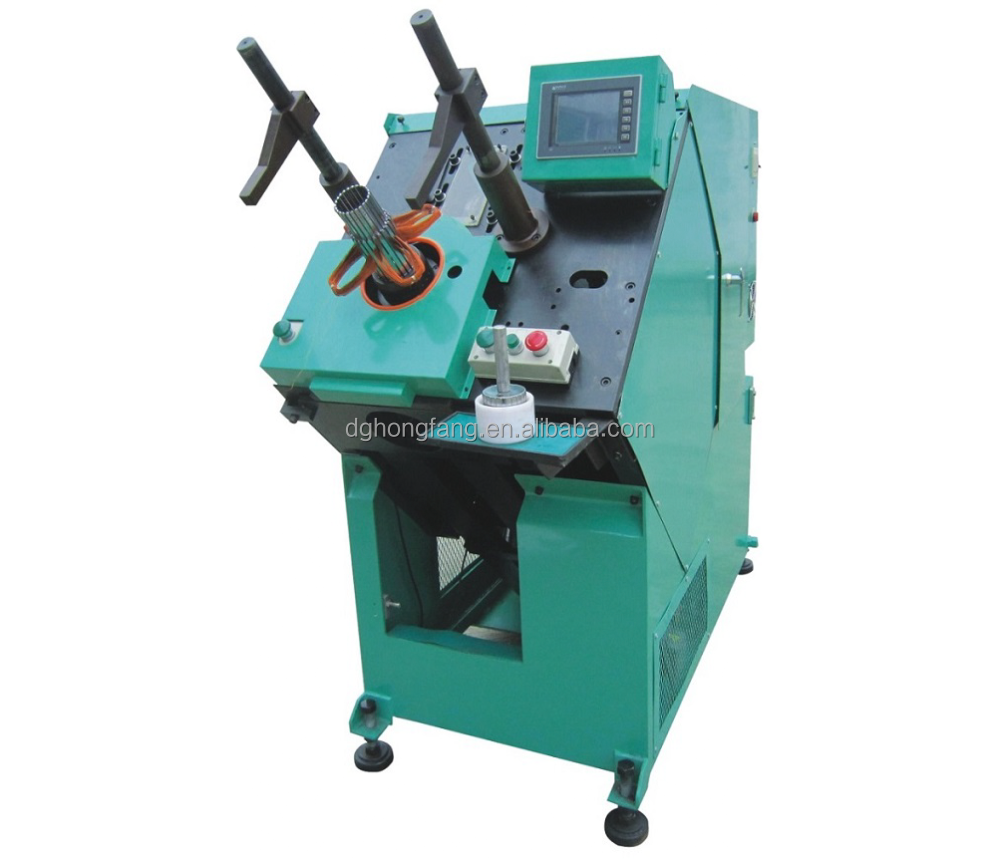
Automatic Servo System Stator Coil and Wedge Inserting Machine
- Single-stroke simultaneous coil & wedge transfer
- Dual servo feed for paper and push-rod
- Scratch-free insulation guarantee
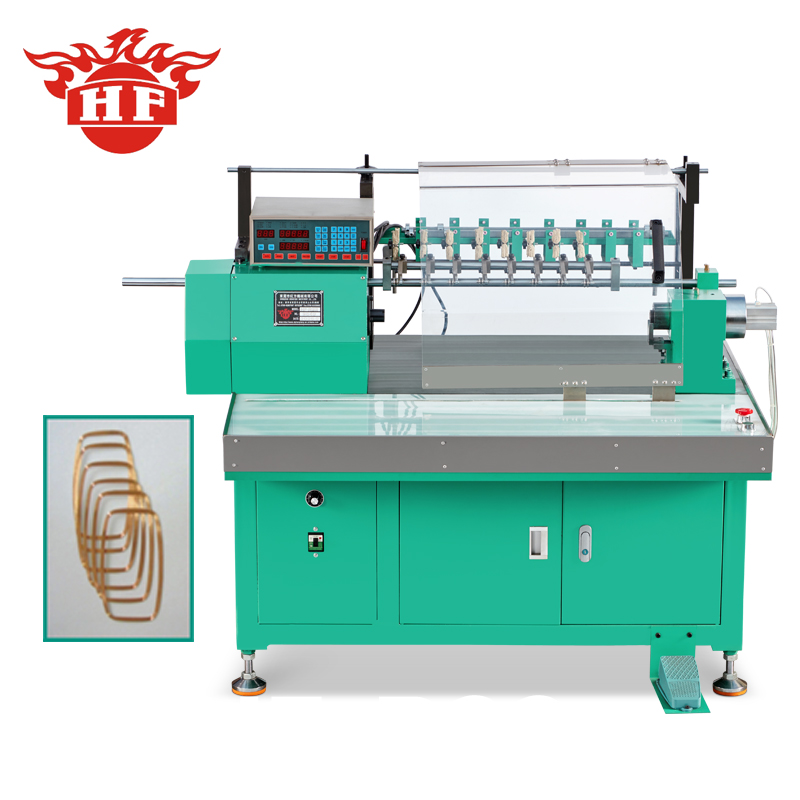
HF-R22 Coil Winding Machine Semi Automatic Coil Making Machine 8 Heads
- 8-spindle high throughput coil preparation
- Multipurpose: Fan, cooler, pump & power tools
- High precision micro-step traverse motor
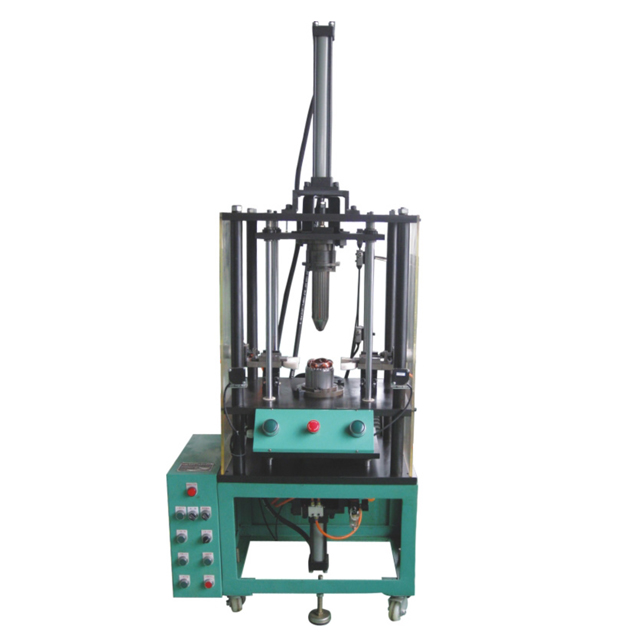
HONGFANG Motor Stator Coil Forming & Shaping Machine 1 kW 1 Year Warranty
- Hydraulic pre-forming and final head sizing
- Prevents stator coil rub on fan housing
- Precision tool sets custom to stator stack height
Optimizing Fan Motor Coil Winding: Technical Selection Matrix
Fan motor manufacturing presents distinct electromagnetic and mechanical hurdles—ranging from narrow slot openings in multi-pole ceiling fans to slot-fill factors exceeding 75% in energy-efficient brushless DC (BLDC) and permanent magnet synchronous motors (PMSM). Selecting the right automation topology is decisive for plant efficiency and copper utilization.
Ceiling Fan External Stator Winders
Ceiling fans typically utilize outer-rotor or multi-pole internal designs with 14, 16, or 18 poles. Dedicated dual-station machines, such as the HF-R40-2C, utilize counter-oscillating flyer needles that wind directly into internal laminations with programmable wire tensioning, preserving enamelled wire insulation integrity during multi-layer stacking.
High-Speed Table & Cooler Stator Cells
For standard 16-slot, 24-slot, or 32-slot shaded pole and PSC (Permanent Split Capacitor) motors used in desert coolers and ventilation table fans, a disconnected coil-making cell using the HF-R22 8-Head Winder paired with a Servo Coil & Wedge Inserting machine provides the highest cycle-time velocity, exceeding 180 units/hour.
Hydraulic Forming & Twin Lacing Post-Processing
Winding insertion is only half the battle. Stator end-turns must be strictly shaped by intermediate and final expanding dies (such as the HONGFANG Forming Machine) to prevent magnetic interference with end brackets, followed by servo double-side binding (via the HF-BS20) that dampens mechanical harmonics and operational hum.
Emerging Procurement Trends in Global Fan Motor Production (2025–2030)
B2B procurement directors and production managers face changing regulatory mandates, copper raw material volatility, and shifting labour demographics. Global manufacturers are restructuring their capital expenditure strategies along three distinct technological procurement pillars.
1. Transition to Aluminium Wire Winding Capability
With copper commodities trading at premium peaks, major ceiling fan and domestic appliance brands in South Asia, Latin America, and the Middle East are shifting significant production capacity to enamelled aluminium wire. Aluminium exhibits different elongation limits and tensile strength.
Procurement teams are actively replacing legacy mechanical winding equipment with precision servo-driven winders that feature active closed-loop electronic tensioning, preventing wire thinning, necking, and insulation cracking during rapid spindle acceleration.
2. High Slot-Fill BLDC & EC Motor Transformation
Global energy efficiency benchmarks—such as the EU Ecodesign directives, US DOE standards, and India's BEE Star Ratings—are making traditional AC induction fan motors uncompetitive. Production lines are pivoting toward Electronically Commutated (EC) and Brushless DC (BLDC) architectures.
Procurement criteria have shifted toward needle winding technology capable of concentrated pole winding on interior segmented stators, demanding programmable servo multi-axis coordination to achieve slot fill factors above 70% with zero copper overlapping.
3. Complete Turnkey Modular Assembly Lines Over Standalone Units
Purchasing individual machines from disparate vendors frequently causes tooling mismatches, communication protocol conflicts, and finger-pointing during commissioning delays. OEM buyers now overwhelmingly favor single-source suppliers capable of delivering harmonized lines.
This includes slot paper inserting, continuous multi-head winding, dual-stage coil and wedge insertion, 3D hydraulic forming, automated double-side lacing, and rotor shaft press-fitting linked by unified PLC control architectures.
Technological Development Trends in Winding Automation
Industrial automation in motor manufacturing is experiencing an engineering paradigm shift driven by digital diagnostics, direct-drive mechatronics, and rapid tooling design.
IoT-Enabled Dynamic Tension Profiling
Modern winding machines integrate real-time piezoelectric load cells that monitor wire tension millisecond by millisecond. If friction spikes along ceramic eyelets or tension reels, the machine dynamically offsets spindle velocity, eliminating micro-scratches that trigger premature electrical inter-turn breakdown in field installations.
Quick-Change Modular Stator Tooling
High product mix and lower batch volumes have historically resulted in prohibitive machine idle times during retooling. Next-generation winding and coil-inserting machines employ quick-lock modular push-plates, segmented guide fingers, and pre-calibrated height stops, cutting stator model changeovers from 4 hours down to under 25 minutes.
Unified CNC Multi-Axis Servo Synchronicity
Replacing mechanical geneva drives, open linkages, and hydraulic throttles with multi-axis synchronized CNC servo systems (Mitsubishi, Siemens, Delta, or Inovance) ensures repeatability down to ±0.005mm. This eliminates cord slack in double-sided lacing and ensures identical wedge lengths when shearing Nomex, DMD, or Mylar insulation paper.
Why Tier-1 Motor Manufacturers Source From Us
Operating from Qishi Town, Dongguan—at the epicenter of Southern China's electrical machinery industrial cluster—we combine 17 years of direct international export history with bespoke mechanical design and rigorous quality control testing.
Custom Tooling Engineered to Stator Blueprints
We do not supply off-the-shelf, generic equipment. Every coil former, inserting blade set, wedge guide, and forming head is CNC-machined from hardened SKD11 tool steel specifically to your lamination drawings (OD, ID, stack height, slot dimensions, and wire diameter).
Globally Sourced Industrial Components
Our control panels are tailored to the component standards of your factory maintenance teams. Choose native configurations including Siemens, Mitsubishi, Omron, Panasonic, Schneider, Delta, or Inovance PLCs, matched with SMC or Airtac pneumatics for seamless maintenance.
Physical Sample Validation & Remote Video SAT
Before dispatch, clients send us physical stator and rotor samples. We execute a full production trial run, document exact cycle times, run electrical surge and hipot testing on finished coils, and provide full multi-angle FAT video approval before crating.
Export-Grade Heavy Packaging & Anti-Corrosion
Ocean freight humidity can degrade precision mirror surfaces. Every machine receives VCI anti-corrosion grease, heavy vacuum plastic barrier bagging, internal chassis bolting to structural skids, and solid fumigation-free plywood crating built for international freight.
Dedicated Engineering & Lifetime Parts Support
Every purchase includes a 1-year comprehensive machine warranty, direct engineer-to-engineer video commissioning guidance, detailed English circuit schematics, and guaranteed lifetime supply of wearable consumables, including winding needles and inserting blades.
Full Stator & Rotor Assembly Integration
Beyond coil winders, our workshop delivers paper inserters, coil shapers, double-side lacers, rotor fine-turning lathes, and hydraulic shaft presses. Eliminate multi-vendor integration risks by sourcing your complete line from one responsible partner.
Frequently Asked Questions by Industrial Motor Manufacturers
Clear, direct answers regarding custom tooling lead times, stator compatibility, power configurations, and international field support.
What parameters and engineering drawings are required to provide an OEM proposal?
- Stator lamination drawing showing outer diameter (OD), inner bore diameter (ID), and slot opening geometry.
- Stack height range (minimum to maximum lamination thickness).
- Enamelled wire specification: wire diameter (mm / AWG) and conductor material (pure copper or EC grade aluminium).
- Winding schematic: turns per coil, number of coils per pole/group, and target slot-fill percentage.
Can a single winding machine handle multiple fan motor models with different stack heights?
How does your equipment prevent insulation damage when winding high-speed aluminium wire?
- Ultra-smooth mirror-polished ceramic wire guides and chromium-plated deflection rollers with large bend radii.
- Closed-loop electromagnetic or servo wire tension control with soft-start acceleration profiles to prevent sudden tension spikes.
- Specialized insertion wedge guide angles that eliminate wire scuffing during the mechanical push stroke into the lamination slots.
