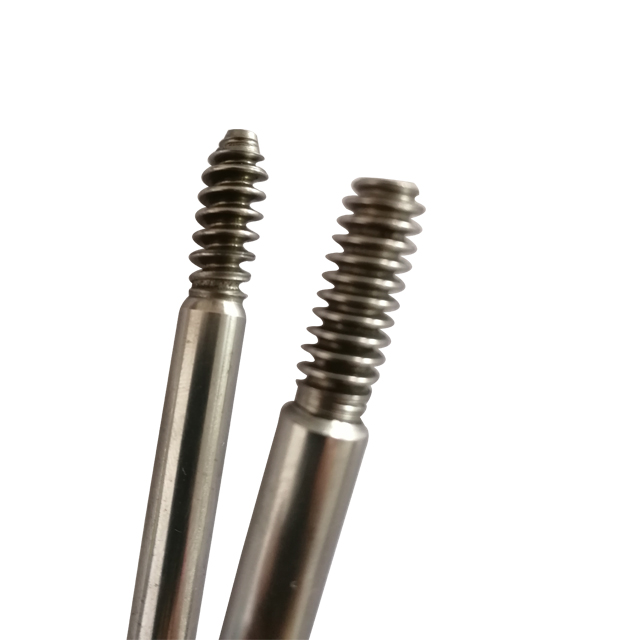
Electric Motor Spares SC45# Low Carbon Steel Shaft Components
- Material: Precision machined SC45# low carbon steel
- Application: Fan, air cooler, and pump rotor assemblies
- Processing: Surface grinding, chamfering, dynamic balance tested
Explore our specialized production modules engineered for precision slot filling, consistent wire tension, fast changeover, and automated stator and rotor lamination handling.
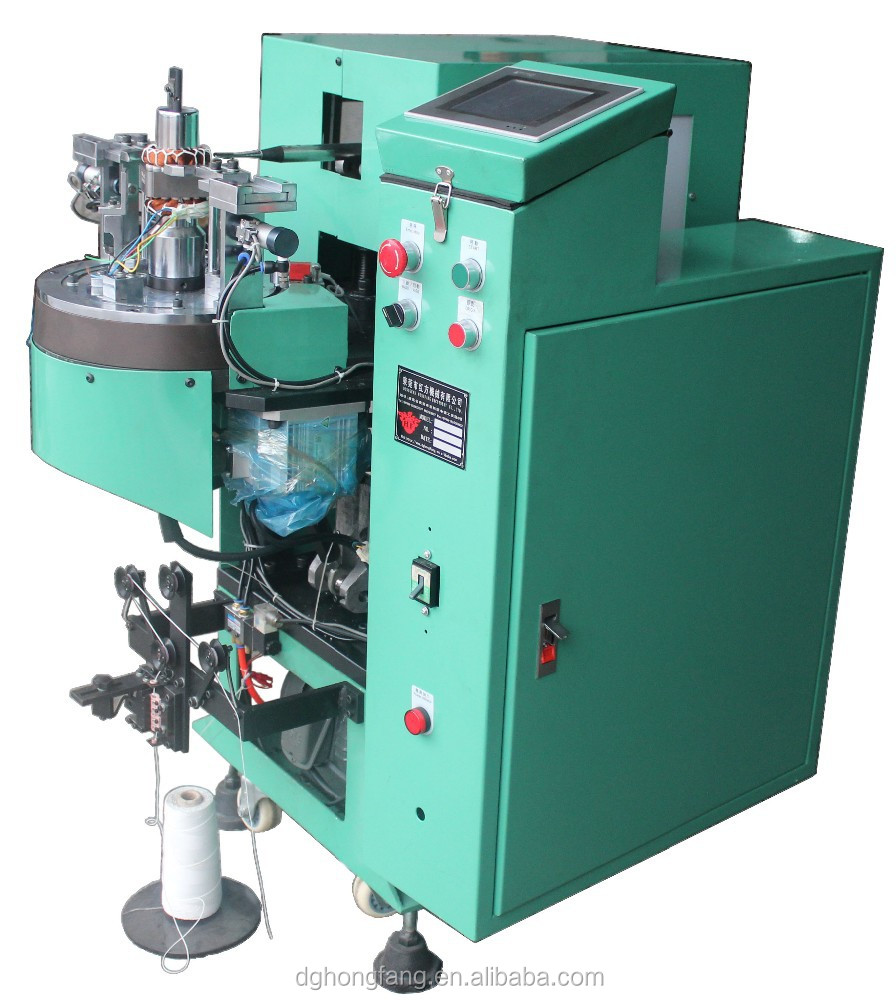
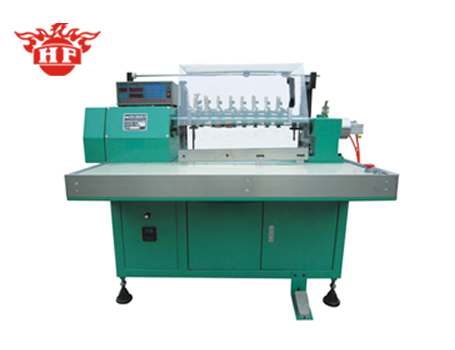
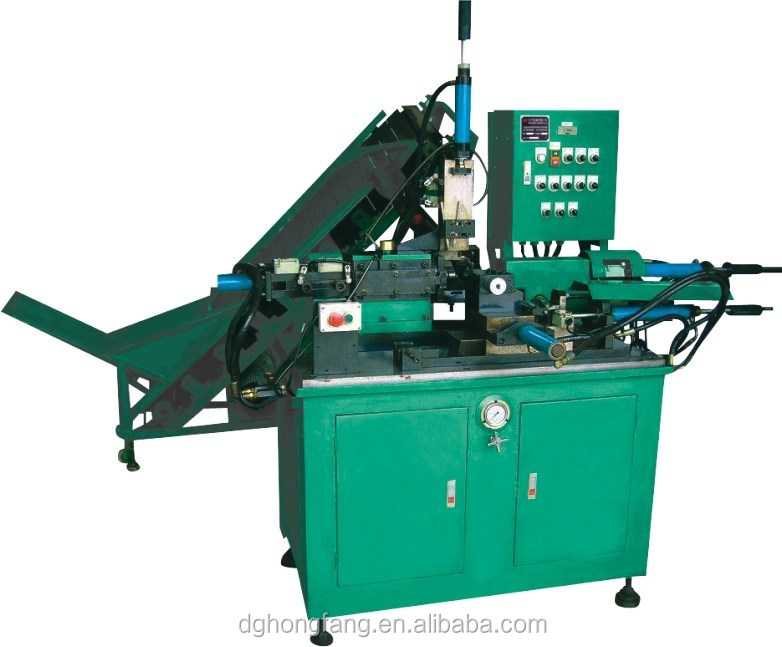
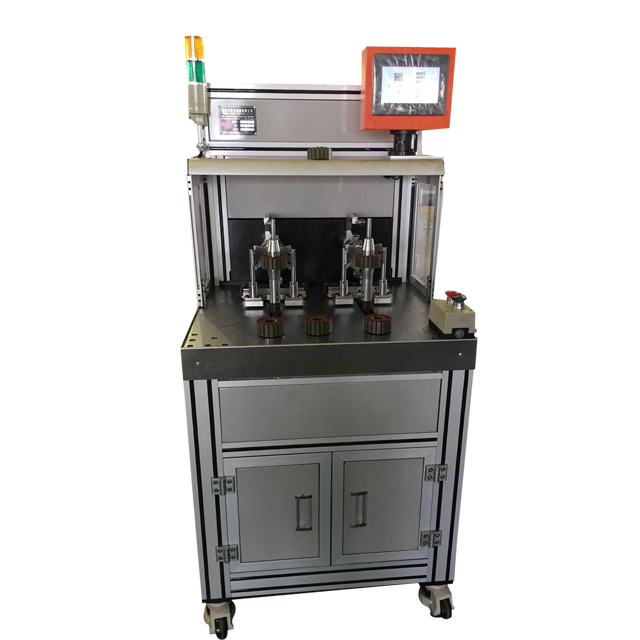
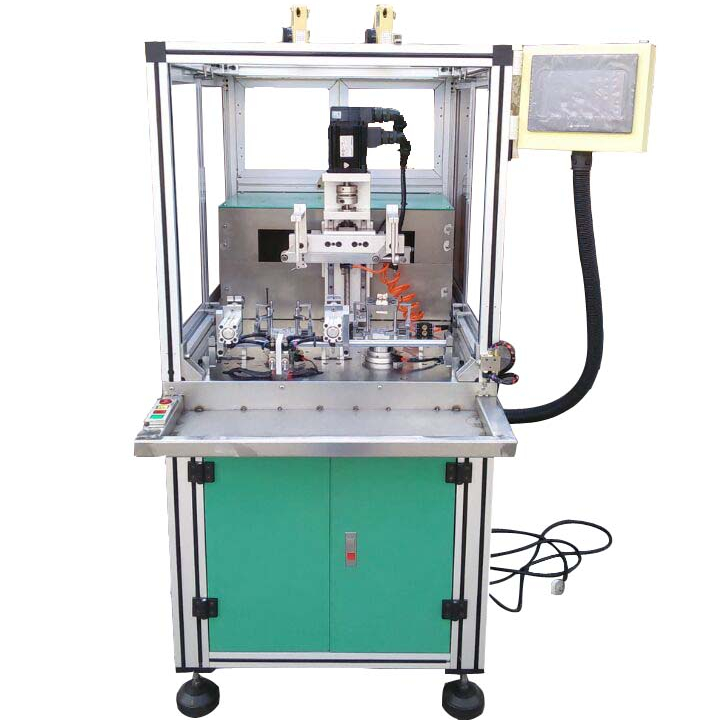
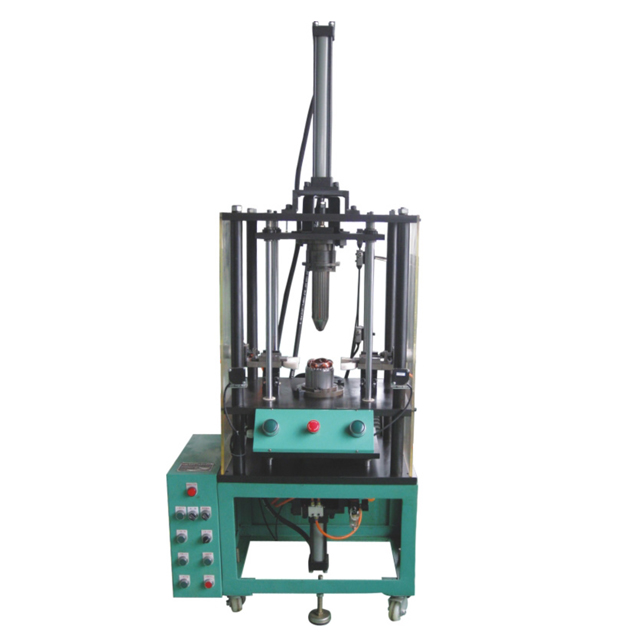
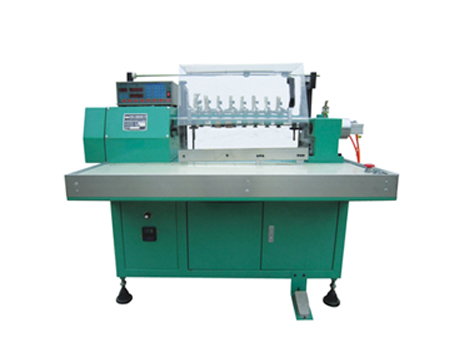
In modern industrial electric motor manufacturing, the precision of electromagnetic coil winding dictates thermal efficiency, total harmonic distortion, acoustic performance, and power density. Direct Current (DC) motors—encompassing traditional Brushed DC, Brushless DC (BLDC), and Permanent Magnet Synchronous Motors (PMSM)—have evolved from basic household appliance actuators to ultra-compact power units driving automotive steering systems, industrial drones, surgical tools, and smart robotics.
A high-performance custom OEM winding machine relies on deterministic CNC or multi-axis servo motion control. When wrapping enameled wire around segmented stator teeth or continuous inner-slotted iron cores, needle dispensers must execute high-speed interpolated motion paths across three distinct degrees of freedom: the Z-axis (vertical stroke), the X/Y Cartesian axes (horizontal translation for precise layer pitching), and the θ-axis (core rotation or nozzle trajectory).
Our OEM machines leverage closed-loop servo feedback loops capable of sub-millisecond reaction times. Even minor fluctuations in spindle inertia or mechanical friction are immediately counterbalanced to keep wire tension constant within a tight tolerance band of ±1.5 grams. This strict regulation ensures that thin insulating enameled coatings (e.g., polyurethane, polyamide-imide) are protected from stretching, micro-fracturing, or dielectric pinholing when subjected to aggressive mechanical accelerations.
The winding phase represents merely one link in a reliable stator manufacturing line. Before copper is deposited, electrical grade insulation paper (Nomex, DMD, or Mylar) must be shaped, creased, cut, and inserted into raw magnetic steel laminations to prevent dead-short phase-to-ground faults. Furthermore, upon completing the winding cycle, coil heads must undergo intermediate shaping and mechanical lacing to contain loose lead wires within strict dimensional envelopes. If coil overhangs balloon outwards, the motor frame or end-bell cannot mate cleanly, risking mechanical seizure during high-RPM dynamic rotation.
Engineering parameters across conventional winding systems versus specialized automated solutions.
| Winding Topology | Kinematic Mechanism | Slot Fill Factor | Typical Applications | OEM Tooling Complexity |
|---|---|---|---|---|
| Internal Needle Winding | Translating nozzle with radial tooth tracking | 55% – 68% | BLDC Stators, Robotics, HVAC Blowers | Moderate – High (Bore size limited) |
| Flyer Outer Winding | Dual high-speed orbital flyer arms | 40% – 52% | Brushed DC Armatures, Drone Motors | Low – Rapid interchangeable tooling |
| Toroidal Core Winding | Segmented magazine shuttle mechanism | 45% – 55% | Rotary Transformers, Choke Coils | High – Ring diameter constrained |
| Segmented Tooth Winding | Direct bobbin rotation via indexer | 60% – 72% | Automotive EV Drive, High-Torque Servo | Low – Requires downstream core assembly |
Global procurement teams in the EU, Americas, and Southeast Asia are shifting priorities from standalone machines toward integrated, data-driven manufacturing platforms.
Procurement directors are actively moving away from multi-vendor setups. Coordinating separate vendors for paper inserting, winding, insertion, forming, lacing, and rotor balancing introduces integration friction. Sourcing complete end-to-end lines from a single factory guarantees unified mechanical tooling tolerances and zero communication protocol mismatches between sequential PLC modules.
Global operations require fast local maintenance without overseas spare-part supply bottlenecks. Forward-thinking procurement mandates open-architecture control components (Siemens, Mitsubishi, Schneider, Delta, or Omron PLCs paired with SMC pneumatic valves). This modular architecture enables in-house technicians to maintain machines using locally stocked components.
Cross-border procurement risks are mitigated through rigorous factory acceptance test (FAT) documentation. Instead of relying solely on factory-floor physical audits, buyers demand dynamic test-run videos featuring their actual stator laminations, using their specified wire gauge and measuring real cycle-times and slot resistance before container loading.
Next-generation motor manufacturing demands that winding systems evolve beyond purely mechanical repeatability.
Legacy mechanical friction discs are rapidly being replaced by closed-loop electronic active tensioners. By incorporating high-frequency strain gauges and servomotor unwinders, the system monitors tensile force in millinewtons, instantly compensating for wire spool inertia during sudden deceleration or acceleration cycles.
Driven by the electrification of heavy transport and high-efficiency automotive compressors, rectangular wire hairpin winding is gaining significant market share. Hairpin machines demand tight structural tolerances, using robotic wire stripping, 2D/3D bending, axial lamination insertion, and automated laser welding of hairpins.
Modern winding machines increasingly integrate edge computing to log every winding cycle. High-speed optical cameras continuously inspect slot entrance profiles for crossed conductors, and automated surge, hipot, and resistance testing probes immediately verify electrical integrity before the part exits the winding nest.
Operating directly out of Qishi Town, Dongguan—at the core of South China's electrical machinery manufacturing hub—Zunqi Intelligent Equipment Co., Ltd. delivers custom engineering backed by verifiable field reliability.
Our operational premises and workshop capacity have undergone rigorous physical onsite inspection via Alibaba.com. As a legitimate manufacturer and exporter, we maintain total control over mechanical assembly, CNC parts machining, and programming quality.
We do not supply generic off-the-shelf machinery that requires you to compromise on motor design. Every former blade, inserting shoe, and mechanical finger is precision-milled to your physical CAD drawings, stack heights, and copper wire diameter specifications.
With an export history spanning over 17 years and an annual export trade volume between US$2.5M and US$5M, our logistics team manages seaworthy fumigation-free wooden crating, anti-rust oil treatment, and complete international documentation without surprises.
Essential considerations addressed by our technical staff to support your project engineering reviews.
Consult directly with our Dongguan engineering team. Send your stator blueprints or sample specifications for an in-depth machine review, cycle-time simulation, and complete line quote.
