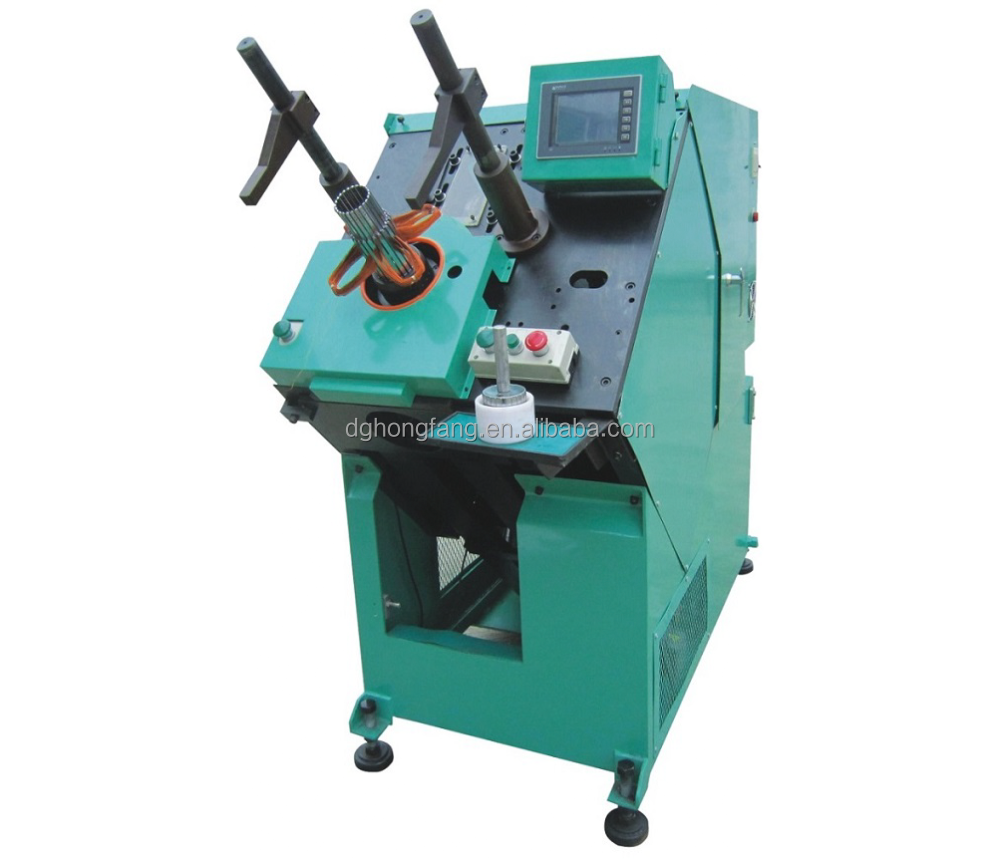
Automatic Servo System Stator Coil and Wedge Inserting Machine
Synchronous Insertion
Servo Feed
Zero Enamel Scratch
Explore our industrial-grade, standardized, and custom-tooled systems built to handle multi-pole BLDC, heavy ceiling fan stators, deep-well pump motors, and high-speed fractional horsepower armatures.
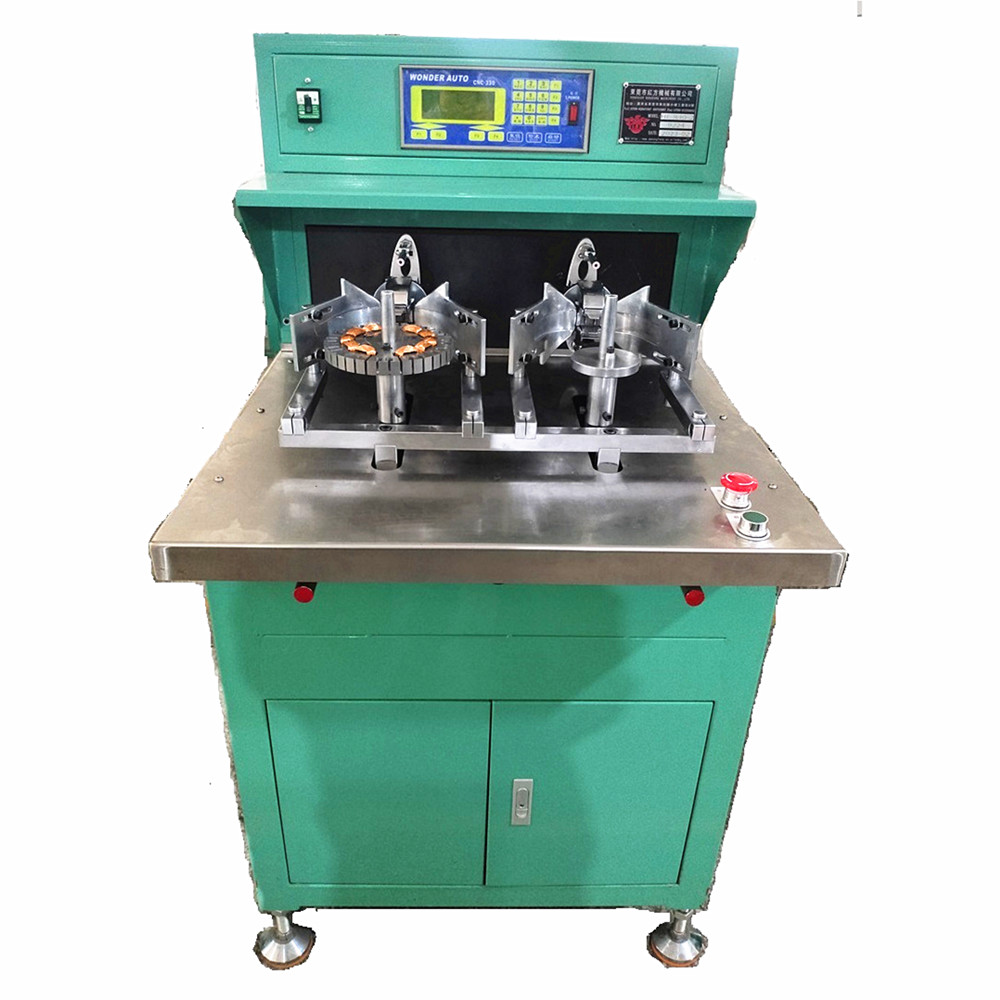
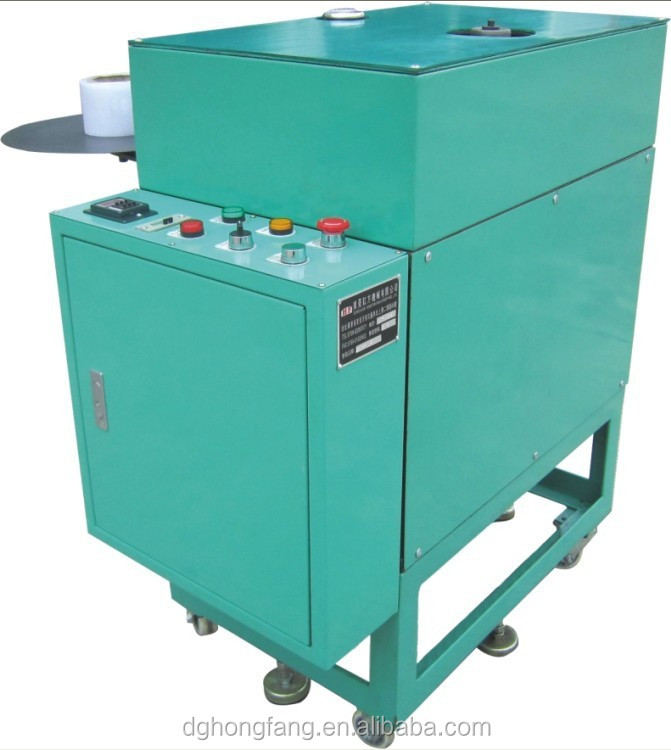
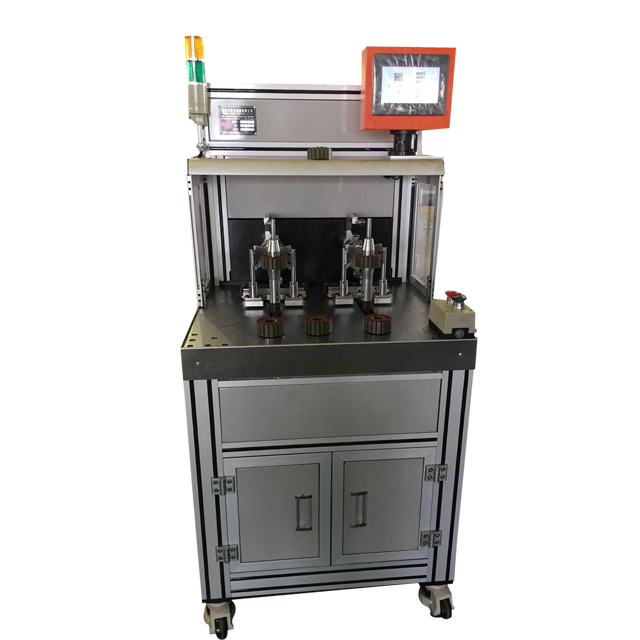
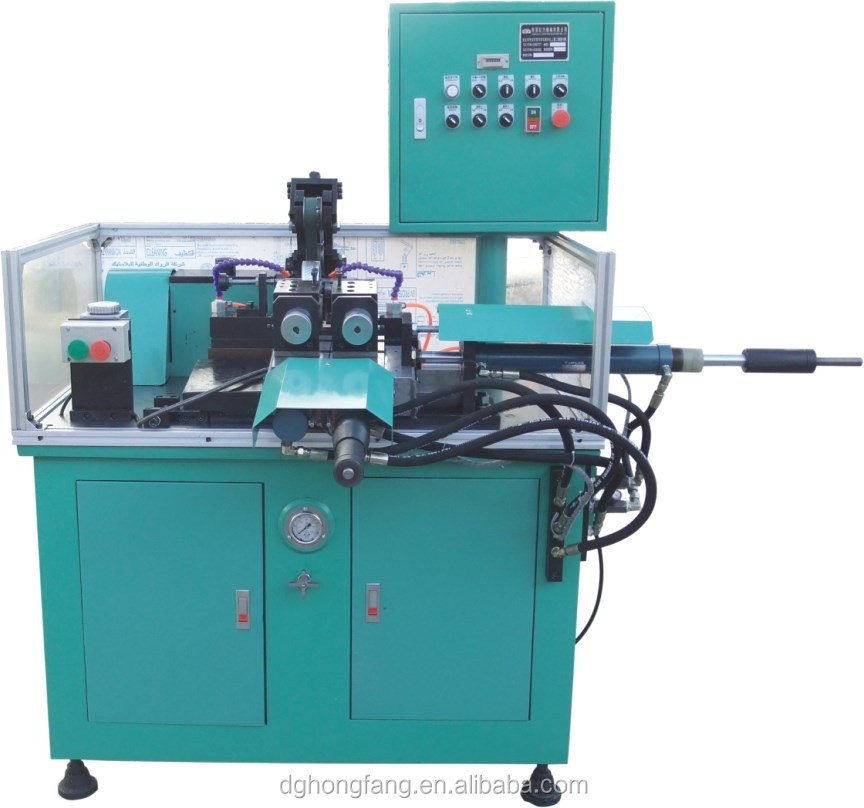
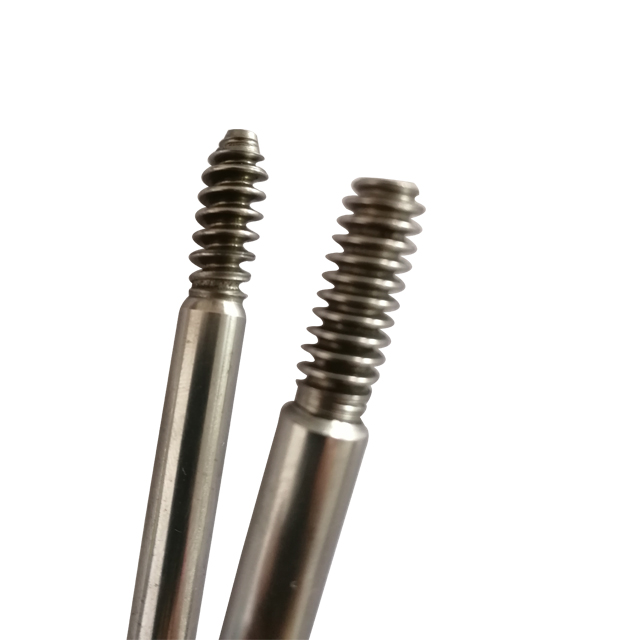
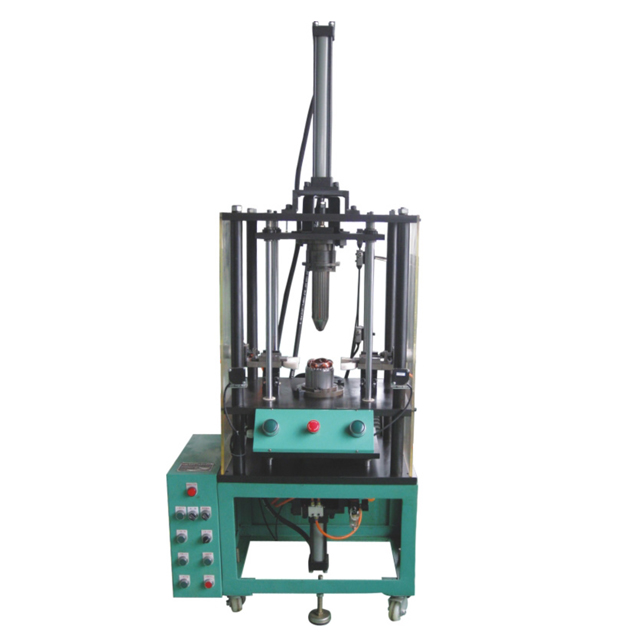
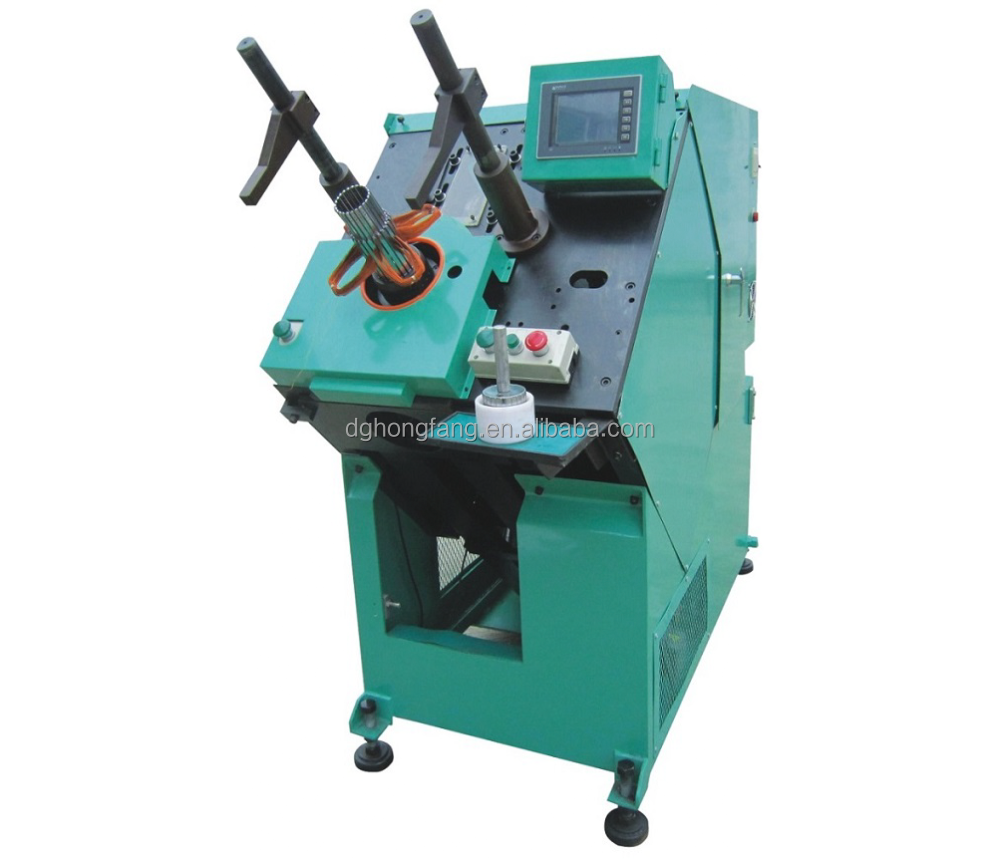
Global original equipment manufacturers (OEMs) face rising copper prices, higher minimum energy performance standards (MEPS such as IE4 and IE5), and tightening labor pools. Strategic plant investments now prioritize four decisive technical parameters.
Procurement teams are shifting away from manual winding tables toward servo-driven multi-axis winding heads that deliver accurate layer wound geometry. This transition yields critical advantages:
The rise of diverse fractional horsepower motor SKUs makes long batch setups obsolete. Leading plant managers now demand Single-Minute Exchange of Die (SMED) capability:
Buying isolated machines from different vendors causes handoff errors, mismatched cycle times, and software conflicts. The prevailing trend favors unified line sourcing:
| Evaluation Parameter | Legacy Semi-Manual System | Next-Gen Zunqi Automated Solution | Direct Operational Benefit |
|---|---|---|---|
| Tension Control Loop | Mechanical friction brake, unmonitored tension | Closed-loop magnetic/servo tensioner with real-time feedback | Eliminates wire stretching, micro-fractures, and surge failures |
| Coil & Wedge Insertion | Two-stage process with manual wedge pounding | Single-stroke simultaneous servo inserting via guided tooling blades | Saves 45 seconds per stator; avoids short circuits between coils |
| Traceability & Diagnostics | Relay logic, standalone counters, no data logging | Touchscreen HMI with fault history, cycle timing, and recipe memory | Real-time tracking of line bottlenecks and daily machine OEE |
| Changeover Flexibility | Rigid dedicated tooling, 2–4 hours tooling rebuild | Quick-disconnect cassette tooling and modular stator pilot rings | Supports agile, small-batch multi-pole production without line bottlenecks |
The manufacturing sector is undergoing a massive shift driven by electric mobility, commercial ventilation efficiency mandates, and smart variable-frequency HVAC pumps. Machinery design has evolved rapidly across three distinct engineering frontiers.
Traditional winders rely on rotary spindle tables that limit winding speeds and coil geometry options. Modern installations incorporate multi-axis CNC flyer and needle winding technologies for complex outer and segmented stators.
Precision brushless linear servos drive needle guides across X, Y, and Z axes, placing heavy copper wire directly into narrow stator slot openings. This design reduces mechanical shock on enamelled wire, holds precise turn counts, and enables intricate winding schemes required for BLDC ceiling fan stators, mobility motors, and drone drive systems.
Conventional insulation machines rely on cold mechanical knife folding, which frequently results in burrs, uneven cuffs, and insulation breakdown during insertion. Advanced systems integrate temperature-assisted wedge shaping and laser-guided slot alignment.
By heating and pre-forming DMD, Nomex, or polyester film before entering the stator core, material elasticity increases. This ensures a clean cuff contour that protects wire groups as they pass the core edge, drastically reducing earth leakages and hi-pot test failures during final quality control.
Electrical efficiency is determined not only by stator winding density but also by the uniformity of the magnetic air gap between stator ID and rotor OD. Rotor fine-turning systems now operate as high-precision lathes tied directly to dynamic balance units.
Using diamond tooling and micro-feed cooling systems, machines skim die-cast aluminum surfaces without smearing laminations. This eliminates rotor surface parasitic eddy currents, lowers iron losses, and guarantees balanced rotor assemblies that prolong bearing service life.
Located in Dongguan, the heart of South China's electrical machinery industrial belt, Zunqi Intelligent Equipment combines deep mechanical engineering, precision in-house machining, and verified export accountability.
Our company has maintained unbroken export operations for over seventeen years. Verified on-site by international inspection bodies and major B2B trade platforms, our facility meets stringent standards for financial standing, clean export customs clearance, and global business compliance.
We do not outsource critical tooling. All insertion guide blades, winding mandrels, pusher heads, and clamping jigs are CNC machined, heat-treated, and surface polished in-house to fit your exact lamination stamping drawing, ensuring long-term dimensional repeatability.
We build our electrical cabinets around industrial-grade components from Siemens, Mitsubishi, Schneider, Delta, Omron, SMC, and Airtac. This ensures your line maintenance team can quickly source replacement relays, sensors, and valves locally without facing costly factory downtime.
We do not ship machines based on dry cycle tests alone. Buyers provide physical stator laminations and magnet wire samples for comprehensive trial runs. We generate a full video report covering dimensional accuracy, slot fill, and cycle times for customer sign-off prior to crating.
From entry-level insulation paper inserters to high-speed coil winders, progressive coil shapers, and servo lacing units, our machines share coordinated transfer heights, common electrical designs, and matched takt times to create smooth, balanced production flows.
Our sales and support desks are staffed directly by automation mechanical and electrical engineers. Inquiries received from any global time zone typically receive technical feedback, tooling evaluations, and machine recommendations within 9 operating hours.
Key technical, commercial, and operational questions addressed by our engineering staff to help motor manufacturers streamline machinery investments.
To provide an exact machine model and custom tooling proposal, our engineering team requires: (1) Stator 2D/3D technical drawings specifying inner diameter (ID), outer diameter (OD), total stack height, and slot opening dimensions; (2) Bare and enamelled copper/aluminum wire diameter; (3) Number of turns per coil group and slot scheme diagram; (4) Required production cycle time or daily output quota; and (5) Local factory electrical supply parameters (e.g., 220V/380V/415V/440V at 50Hz or 60Hz).
Yes. If the different motor models share the same stator core inner diameter (ID) and slot count, changeover only requires simple HMI recipe adjustments (stack height, turn count, and stroke length). If the stator ID, slot count, or lamination profile differs, the machine requires dedicated interchangeable tooling sets (insertion blades, wedge magazines, and coil transfer forks). Our quick-release tooling designs allow complete changeovers within 20 to 35 minutes.
Enamel protection is managed through three primary engineering controls: First, all tooling insertion blades and guide teeth are CNC milled from heat-treated alloy steel (Cr12MoV or imported equivalent), vacuum quenched to HRC 58-62, and mirror-polished to Ra ≤ 0.05 μm. Second, servo-driven pushers feed coils and insulating slot wedges synchronously along a guided stroke. Third, closed-loop tension systems maintain stable, calibrated wire payout to eliminate micro-abrasions and kinking.
Standard standalone machines (such as semi-automatic ceiling fan winders and slot insulation inserters) have lead times of 20 to 30 days. Custom multi-station servo systems or complete turnkey stator lines typically ship within 45 to 60 days. Prior to dispatch, every machine undergoes a rigorous 72-hour mechanical dry run, followed by actual stator sample processing. We deliver detailed inspection sheets and high-definition video runs for customer sign-off before crate packing.
All equipment ships with comprehensive English operation manuals, schematics, and high-definition step-by-step video tutorials. Our engineering team provides direct remote commissioning guidance via live video chat, guiding your plant technicians through wiring, tooling alignment, and parameter configuration. For full automated stator line installations, our field service engineers can be dispatched globally to provide on-site setup, calibration, and local operator training.
Every Zunqi machine carries a comprehensive 1-year factory warranty covering core mechanical, pneumatic, and electrical components. Each shipment includes a complimentary maintenance kit containing high-wear replacement parts (such as insertion blades, push rods, wire guides, tension springs, and pneumatic seals). We maintain permanent inventory for standard spare tooling parts, available for immediate international express courier delivery within 48 to 72 hours.
