China Wholesale Automatic Slot Paper Inserting Machine Factories & Suppliers

Precision Stator Insulation Engineering, Multi-Station Automation & Complete Motor Assembly Solutions

17+
Years Global Exporting
≤ 9 hrs
Avg. Technical Response
0.1 - 1.2 mm
Wire Compatibility Gauge
100%
Pre-Shipment Trial Tested
Factory Catalog

High-Efficiency Motor Stator & Rotor Assembly Machinery

Engineered in Dongguan, China. Each unit features custom-machined tooling engineered specifically for your stator lamination drawings and dielectric insulation specifications.

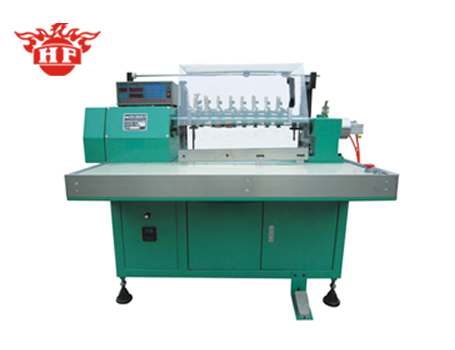
HONGFANG HF-D50 Insulation Paper Insertion Machine

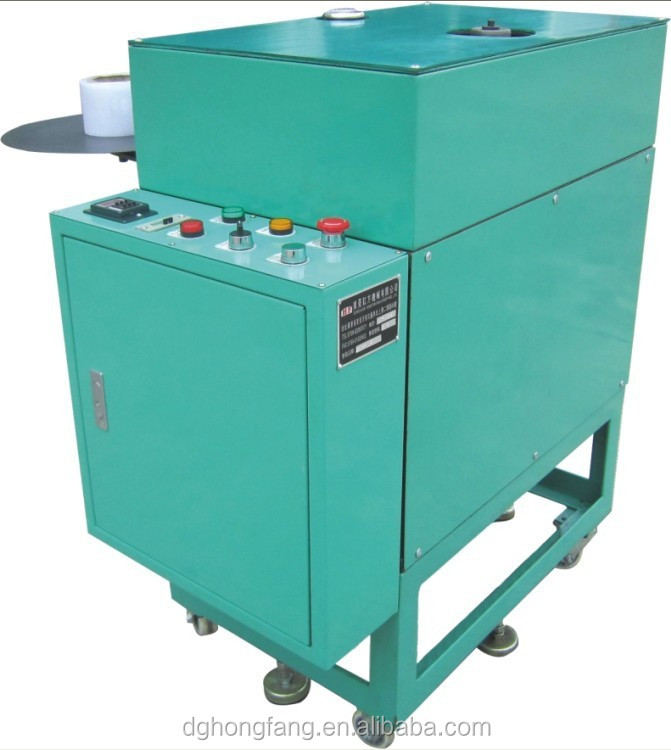
HF-D50 Automatic Green Insulation Paper Inserting Machine

Fully automatic stator slot cell insulating unit designed for cooler and fan motors, integrating high-speed edge creasing, stepping-cut, and accurate slot positioning.

  • ✓ 220V / 1000W Servo System
  • ✓ Programmable Slot Indexing
  • ✓ Zero Enamel Abrasion
HF-LO2-6G Six Stations Internal Winding Machine

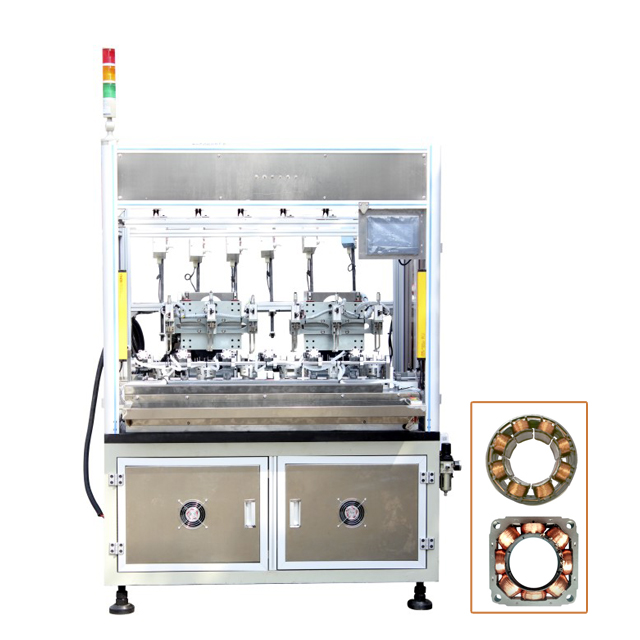
HF-LO2-6G Six Stations Internal Stator Winding Machine

High-output multi-station winding equipment featuring independent PLC controllers and precision synchronized spindle motors for inner stator coils.

  • ✓ 6 Synchronous Workstations
  • ✓ Multi-Strand Wire Capability
  • ✓ 1-Year Core Warranty
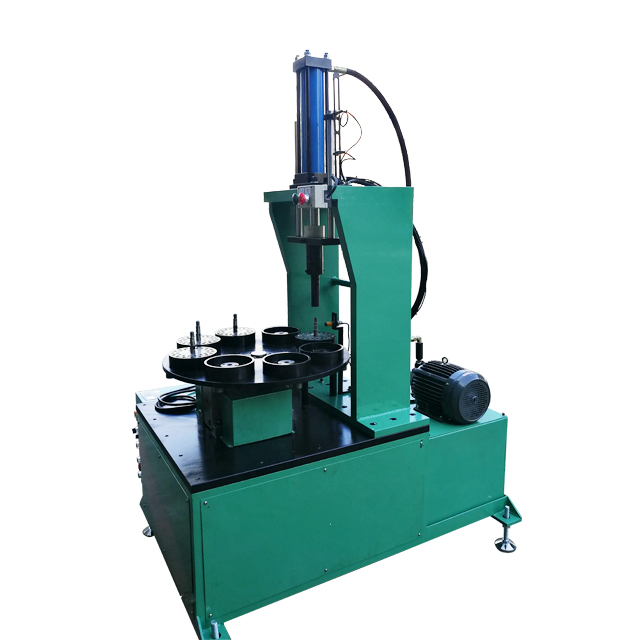
Hydraulic Ceiling Fan Stator Shaft Pressing Machine

Hydraulic Pressure Ceiling Fan Stator Shaft Inserting Press

High-precision gear-driven hydraulic insertion station engineered for vibrationless press-fitting of central rotor shafts into fan stator cores without axial deflection.

  • ✓ Calibrated Hydraulic Ram
  • ✓ Rigid Dual-Column Frame
  • ✓ Concentric Core Guide Tooling
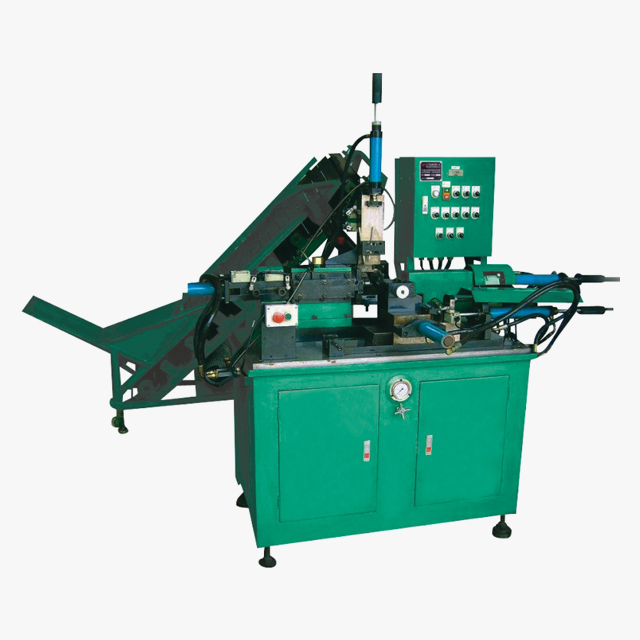
Fan Motor Rotor Rough Turning and Cutting Machine

Fan Motor Rotor Rough Turning & Surface Cutting Machine

Heavy-duty rotor exterior finish-turning station with automated coolant systems and integrated PLC spindle control to maintain strict rotor OD concentricity limits.

  • ✓ High-Speed Air Gap Trimming
  • ✓ Cast Iron Shock-Absorbing Bed
  • ✓ Auto Micro-Feed Mechanism
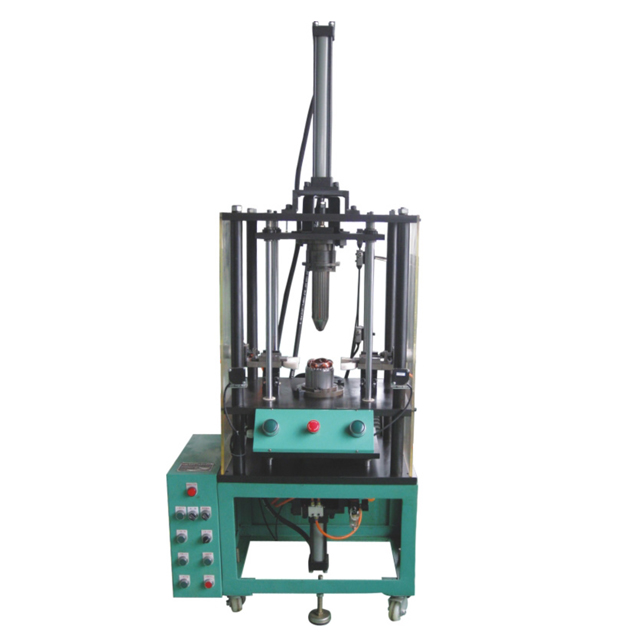
HONGFANG Motor Stator Coil Forming Shaping Machine

HONGFANG Motor Stator Coil Forming & Shaping Machine

Pneumatic and hydraulic expansion tooling designed to precisely mold and compact internal and external end-turn overhangs to ensure strict air gap clearances.

  • ✓ 1 kW High-Torque Hydraulic Unit
  • ✓ Dual-Stage Coil Sizing Molds
  • ✓ Quick Die Change Fixture
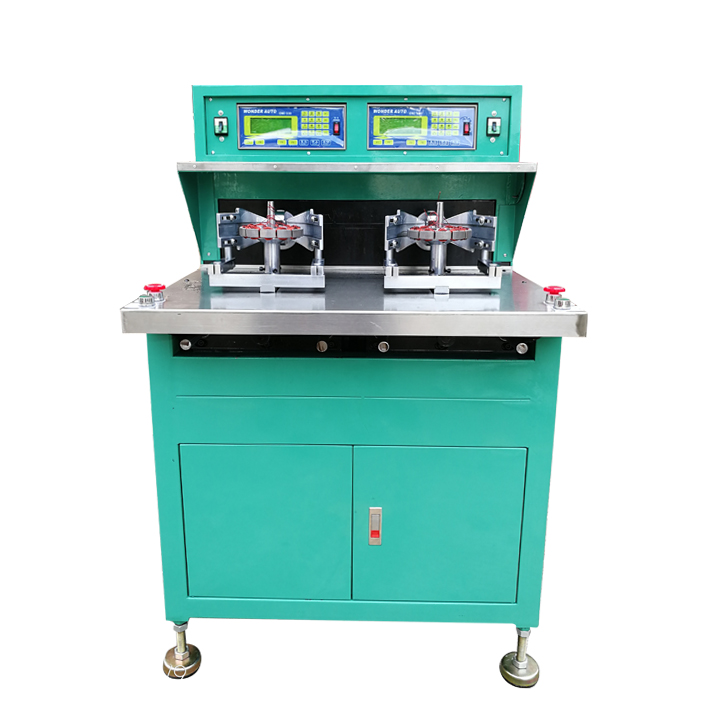
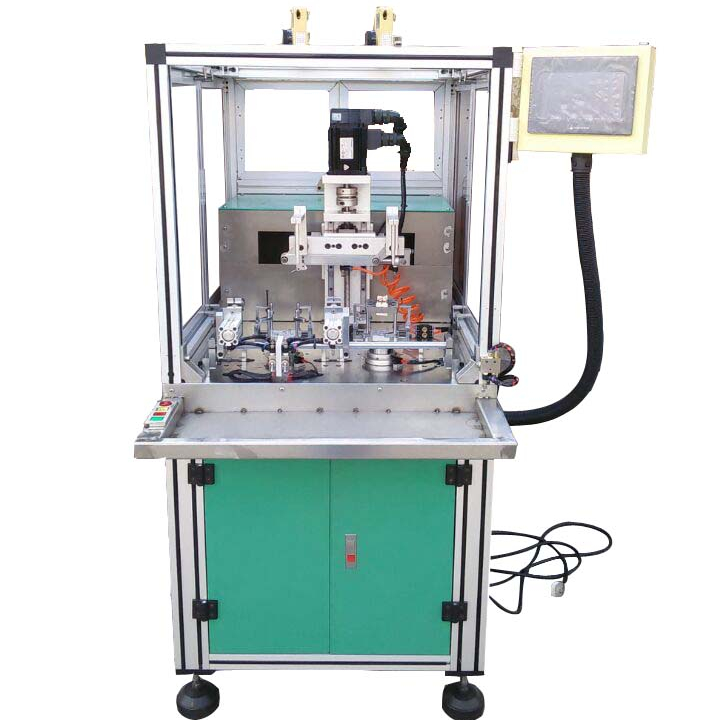
Automatic 2-Station Ceiling Fan Winding Machine

Heavy-Duty Certified 2-Controller 2-Station Ceiling Fan Winder

Dual independent numerical controllers enabling concurrent winding operations across differing stator stack heights, maximizing shop-floor utilization.

  • ✓ Dual 220V Independent Heads
  • ✓ Smooth Dynamic Wire Tensioner
  • ✓ Preset Acceleration / Deceleration
Fully Automatic Fan Motor Coil Winding Machine

Fully Automatic Copper & Aluminum Fan Motor Winding Line

Versatile winder configured for alternative conductor types, featuring smart friction buffers designed to handle flexible aluminium magnet wires without stretching.

  • ✓ Cu & Al Conductor Adaptive
  • ✓ Multi-Layer Traverse Axis
  • ✓ Industrial Touch HMI Panel
Armature Rotor Winding Machine for Fan Motors

High-Speed Precision Armature Rotor Coil Winding Machine

High-rpm dual flyer winding equipment explicitly designed for universal and mini fan armatures, featuring integrated slot hook connection and indexing.

  • ✓ High-Speed Balanced Flyer Head
  • ✓ Automatic Commutator Tang Hooking
  • ✓ Microprocessor Wire Clamping

Engineering Authority: Automated Slot Insulation Dynamics in High-Efficiency Stator Production

Modern induction and permanent magnet brushless DC (BLDC) motors demand exceptional slot-fill factors and rigorous dielectric isolation. The automatic slot paper inserting machine serves as the foundational barrier stage of electrical machine assembly. Without uniform, damage-free mechanical slot lining, downstream coil winding and automated wedge insertion are prone to high rates of ground short-circuits, micro-crack dielectric breakdown, and phase-to-ground faults.

Technical Benchmark: A 0.05 mm positioning discrepancy during slot liner forming can introduce insulation skew, triggering edge tearing when copper magnet wire is pressed into place at velocities surpassing 2,500 rpm. Modern automation utilizes closed-loop servo feeding mechanisms to lock cut length tolerances to within ±0.1 mm.

Kinematic Process Sequence: Feeder to Stator Bore

A state-of-the-art Chinese automatic slot insulation paper inserter orchestrates multiple coordinated mechanical motions across a single cycle time running between 0.5 to 1.2 seconds per slot:

  • Continuous Roll Tension Decoupling: Reel feeders unwind green composite DMD, NMN, Nomex, or polyester film under continuous magnetic powder brake tension to avoid material pinching or stretch deformation.
  • Dual-Sided Edge Hemming & Creasing: Heated or cold pressure wheels fold both lengthwise edges of the insulation paper. This forms reinforced cuffs that prevent coil end friction from slicing into the paper during phase insertion.
  • Guillotine Cut & Pre-Shaping: Tungsten-carbide-tipped blades perform rapid shear cutting, immediately followed by internal pusher dies that form the flat paper strip into custom U-shape, B-shape, or star-folded cross-sections matching the internal lamination tooth geometries.
  • Synchronized Stator Indexing: While the mechanical inserter thrusts the folded paper axially through the stator bore, an absolute encoder servo table precisely rotates the stator core through its slot pitch (typically 8, 12, 18, 24, 36, or 48 slots), matching complex skew angles where applicable.
Market Outlook

Future Procurement Trends in Automatic Slot Paper Inserting Machinery

Global original equipment manufacturers (OEMs) and contract winders are upgrading capital equipment to align with energy efficiency standards (IE3, IE4, and IE5). Here are the procurement criteria shaping worldwide purchases.

Rapid Multi-Model Tooling Flexibility

Procurement teams are shifting away from dedicated single-stack lines. Modern tender specifications mandate interchangeable die modules capable of stack-height and tooth-depth transitions in under 15 minutes to support short-run contract manufacturing.

Transition to All-Electric Servo Actuation

Traditional pneumatic-assisted inserters are being phased out in favour of full multi-axis CNC servo systems. Removing factory compressed air dependencies eliminates pressure drop inconsistencies, cuts electrical consumption by 32%, and ensures identical insertion force.

Integration with Traceable Industrial IoT

Tier-1 automotive and HVAC suppliers now require Ethernet-ready PLCs (Siemens, Mitsubishi, Delta) configured with OPC-UA protocols. Machine performance telemetry tracks real-time paper cycle speeds, feed faults, and cutting edge maintenance alarms directly on MES platforms.

Industrial Evolution

Key Development Trends in Stator Insulation Machinery

How Chinese factories are innovating insulation cell handling to process advanced composite films and hairpin motor profiles.

Compatibility with Advanced Dielectrics

With electric vehicle (EV) drivetrains running at 800V architectures, slot liners must resist corona degradation. Machine feed tracks are newly designed with diamond-polished guide channels to manipulate rigid composite Nomex-Kapton films without cracking the polyimide cores.

High-Aspect Ratio Variable Slot Tooling

Modern high-efficiency industrial motors utilize deep, narrow slot geometry to curb harmonic losses. Specialized slim inserting pushers utilize aerospace alloy tool steels to prevent buckle deflection across 300 mm long core stacks.

Automated Visual Quality Verification

Next-generation lines integrate industrial vision cameras adjacent to the insertion bore. Machine vision instantly checks cuff height symmetry, validates slot paper count, and rejects damaged liners before stators progress to coil insertion.

Why Choose Zunqi Equipment

17+ Years of Specialized Manufacturing & Global Export Experience

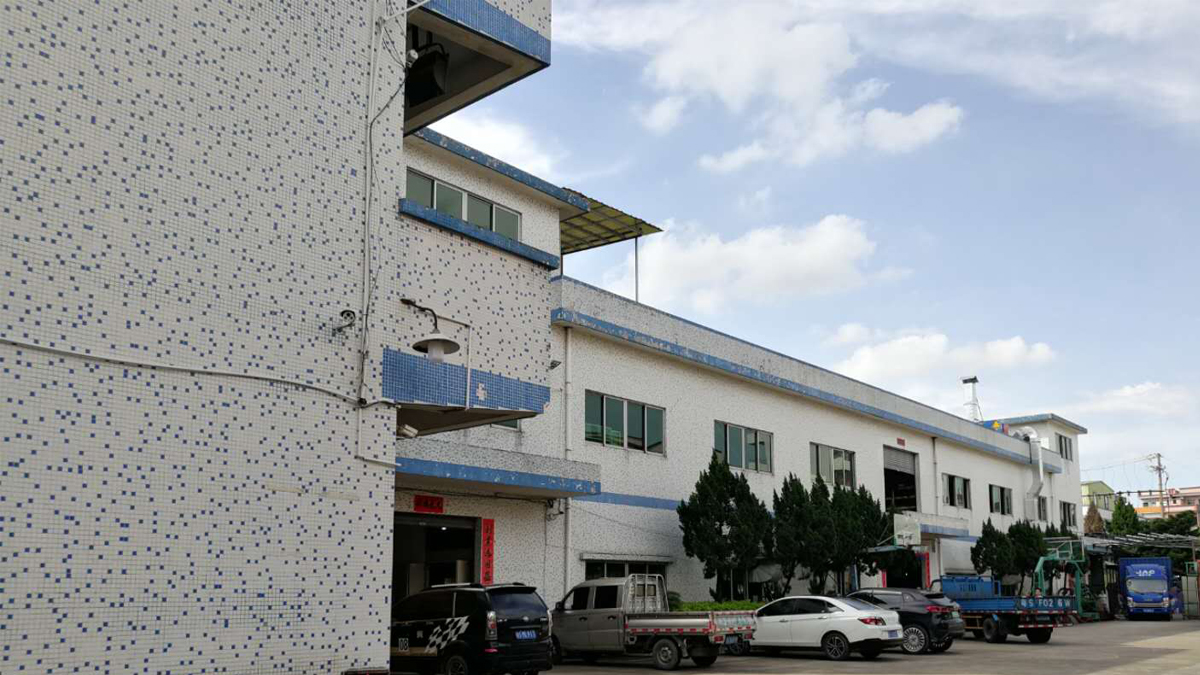
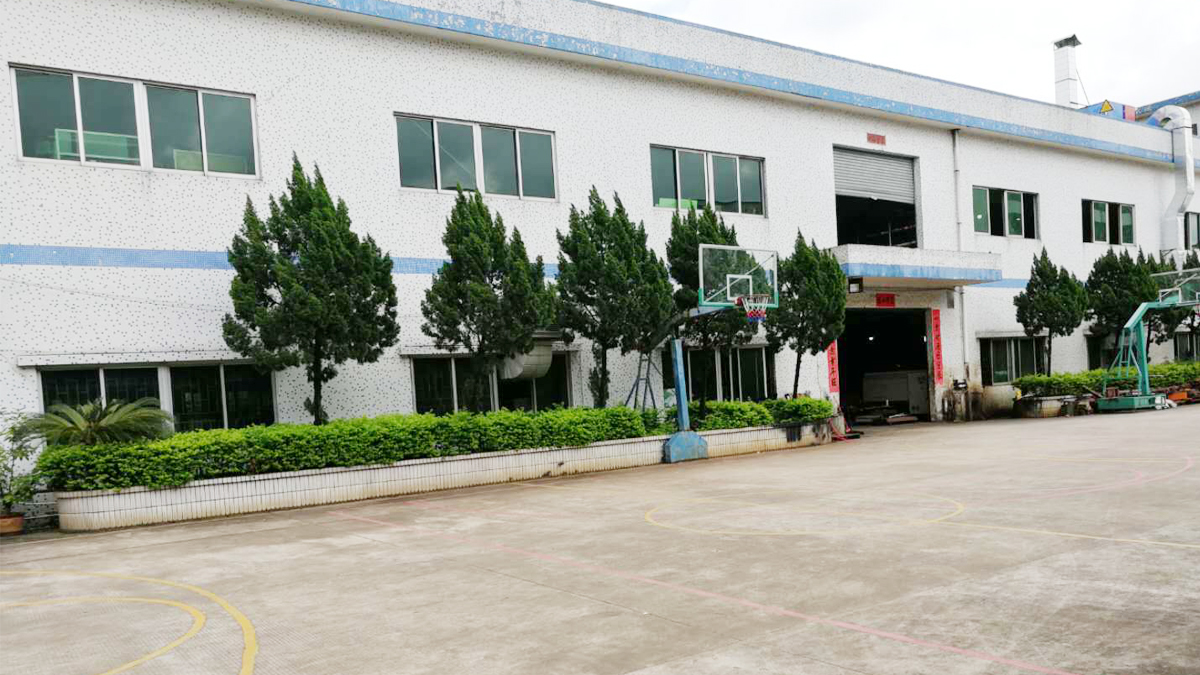
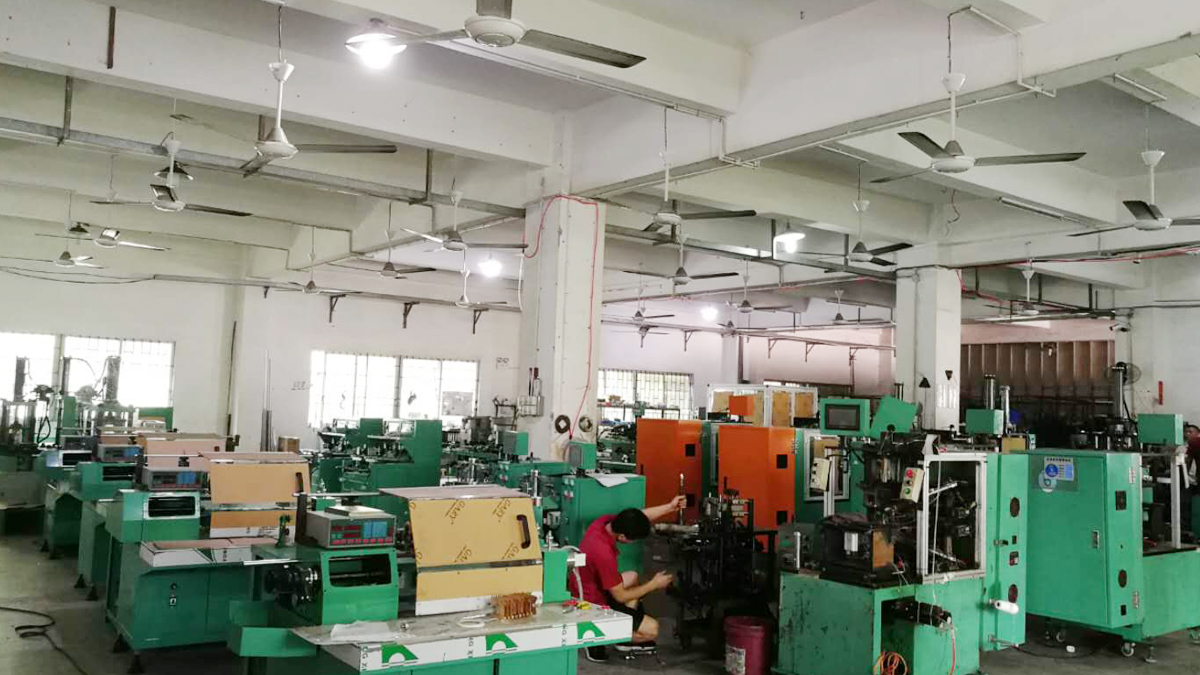
Situated in Qishi Town, Dongguan, Guangdong, China, Zunqi Intelligent Equipment Co., Ltd. stands as a premier direct manufacturing partner for stator and rotor automation equipment. Unlike trading entities, our dedicated in-house engineering team designs, machines, wires, and programs every machine tailored to your exact stator drawings.

Business Structure Verified Manufacturer & Exporter (Alibaba Onsite Checked)
Workforce Capacity 51 – 100 Skilled Automation Specialists & Mechanical Tooling Fitters
Core Component Brands Siemens, Mitsubishi, Delta, Omron, SMC, Airtac (User-Configurable)
Warranty Protection Comprehensive 1-Year Core Warranty with Rapid Remote Video Guidance

We eliminate assembly bottlenecks by offering turn-key, matched line solutions: from initial slot cell paper insertion, coil winding, and simultaneous coil/wedge inserting, through to final dual-sided lacing, coil forming, rotor turning, and shaft hydraulic press fitting.

Buyer FAQ

Frequently Asked Questions Regarding Equipment Procurement

Straightforward answers regarding tooling feasibility, power supplies, export crates, and warranty services.

What is the minimum order quantity (MOQ) and production lead time?
Our minimum order quantity for automated slot paper inserting machines, coil winders, and shaping equipment is just 1 set. Standard configured machines are ready for testing in 15 to 25 business days, while fully customized stator production lines requiring dedicated CNC punch-dies typically ship within 30 to 45 business days.
Can tooling and dies be custom-built for non-standard stator laminations?
Yes. Every machine's insertion mechanism, paper guide channel, and pusher tooling is machined precisely to your stator geometry. To begin tooling fabrication, simply send us your stator lamination DXF/DWG drawings, stack height range, internal/external bore diameters, and preferred insulation paper thickness.
What types of insulation paper can your slot inserting machines process?
Our machinery handles standard Class B, F, and H insulation materials including polyester film (Mylar), DMD (Dacron-Mylar-Dacron composite), NMN, Nomex aramid paper, and vulcanized red/green composite papers, with standard material thicknesses ranging between 0.14 mm and 0.35 mm.
What electrical power supply configurations are supported for export?
Our standalone paper inserters operate efficiently on 220V single-phase power (50Hz or 60Hz), while our heavy-duty hydraulic stator presses and double-sided lacing systems typically use 380V three-phase power. We configure motors, invertors, and transformers to match your workshop's local electrical requirements (e.g., 110V, 208V, 220V, 415V, 480V).
How do you verify machine operation prior to export dispatch?
We invite customers to ship physical stator core samples to our Dongguan facility. Prior to crating, our technicians run dry-cycle stress tests followed by a complete trial batch run on your physical samples. We provide comprehensive high-definition video documentation and digital dial indicator runout reports for sign-off prior to releasing the crate.
What packaging standards are used to prevent marine shipping corrosion?
All equipment is pre-treated with industrial anti-corrosion VCI oil and sealed in multi-layer vacuum moisture barriers with desiccant packets. Machines are bolted to heavy solid timber skids and encased inside ISPM-15 compliant, export-grade fumigation-free plywood crates built for long-distance maritime and intermodal freight.

Streamline Your Motor Assembly Line Today

Send your stator specifications, target daily cycle times, and paper material requirements to receive a turnkey tooling proposal and comprehensive factory quote within 9 hours.
Send an Inquiry