Engineered Motor Production & Coil Winding Solutions
Explore our top-performing motor assembly and winding units. Built with industrial-grade PLC architectures, digital closed-loop wire tensioning, and robust mechanical structures designed for ceiling fans, pump motors, blowers, and specialized electric stators.
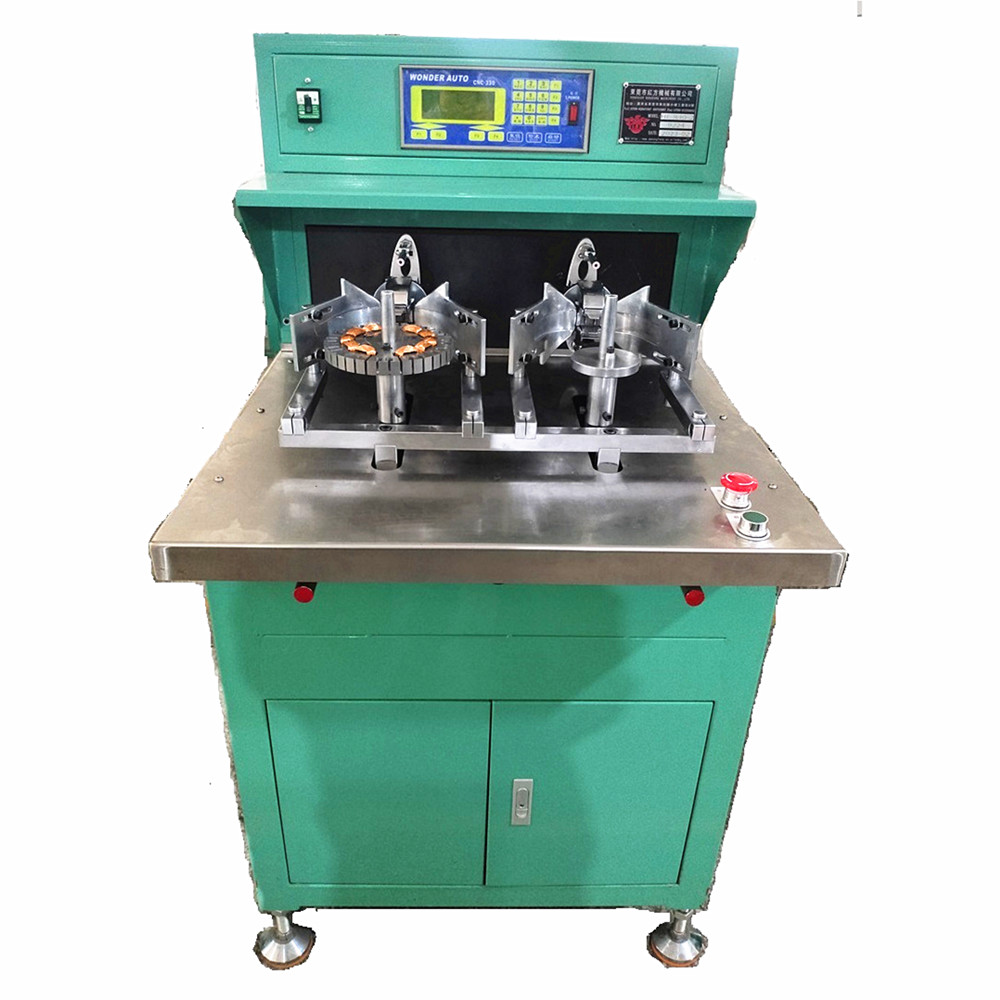
HF-R40-2C Automatic Ceiling Fan Motor Coil Winding Machine
- Dual-station synchronized stator winding
- Dedicated ceiling fan stator indexer
- Standard 1-year factory parts warranty
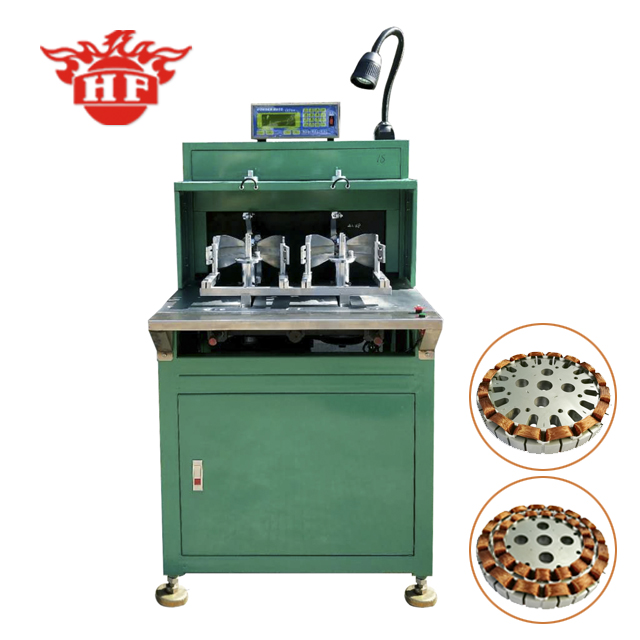
Automatic Two-Station Ceiling Fan Coil Winding Unit
- High continuous output & minimal downtime
- Programmable slot division logic
- Engineered for copper & aluminium wires
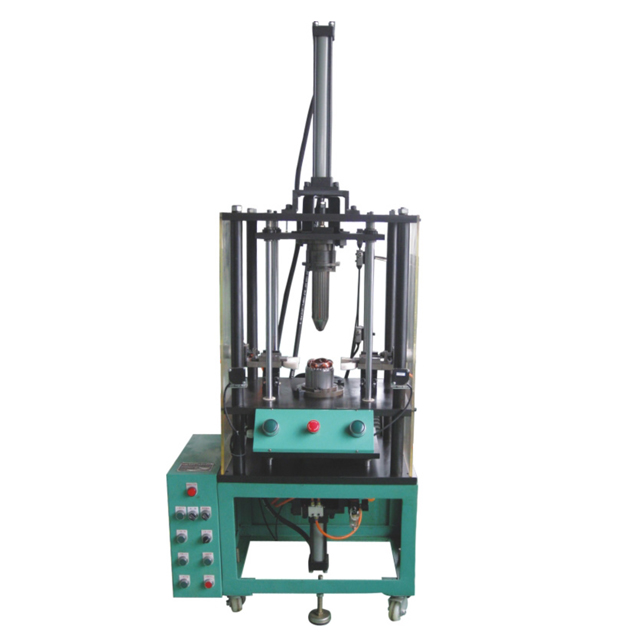
HONGFANG Motor Stator Coil Forming & Shaping Machine
- Precision hydraulic/pneumatic shaping die
- Compact end-turn geometry preservation
- Guarantees precise rotor bore clearance
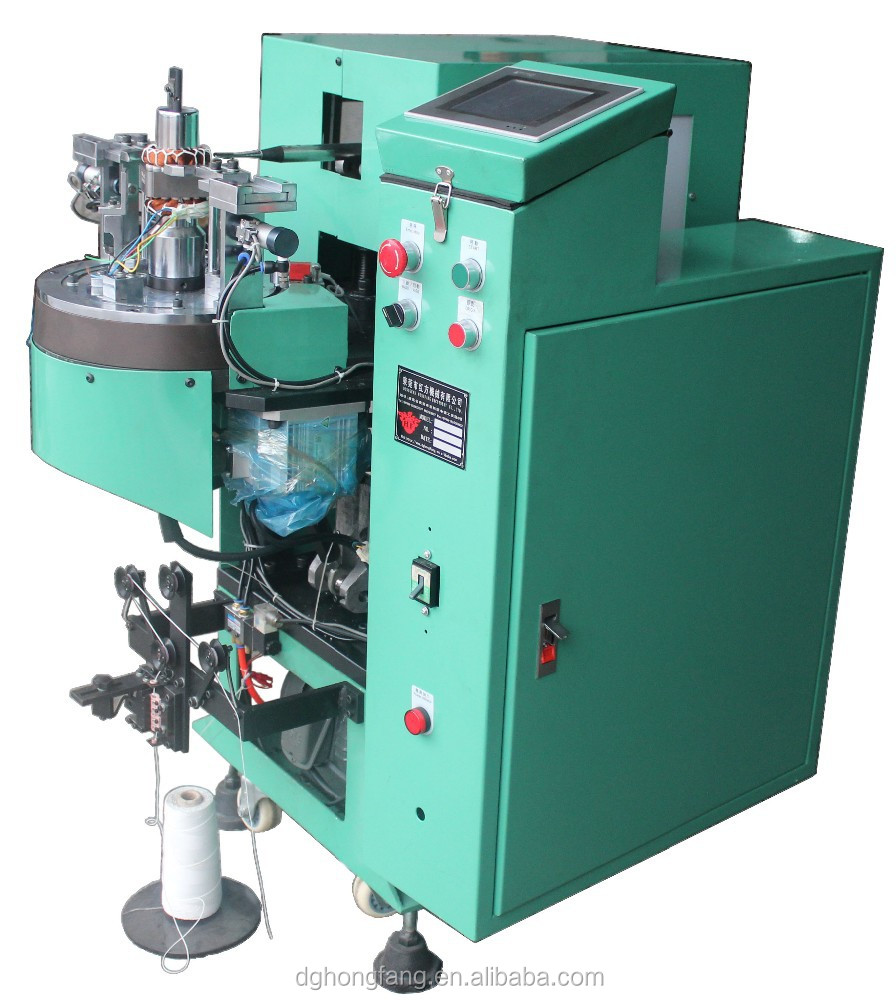
HF Single Side Lacing Machine for Table Fan Stator Coils
- Single-side binding with uniform tension
- Vibration-proof tight cord stitching
- Multi-voltage industrial drive support
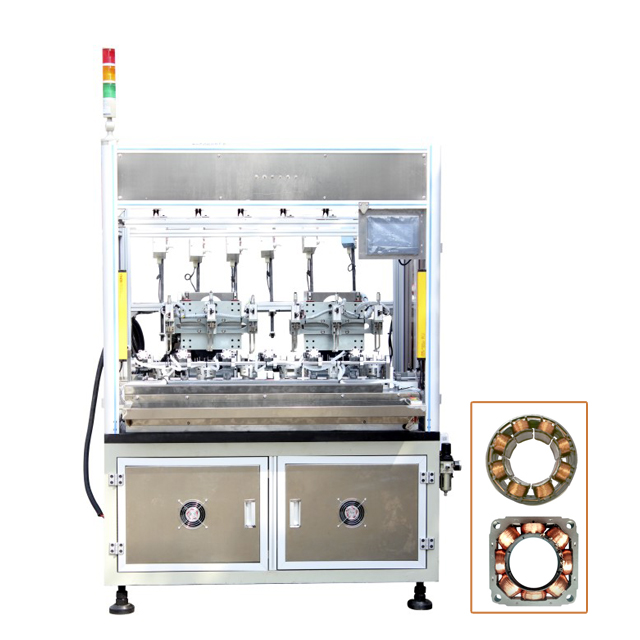
HF-LO2-6G Six-Station Motor Inner Stator Winding Machine
- High-torque multi-station simultaneous winding
- Integrated PLC logic with touch interface
- Designed for BLDC, pump, and cooler motors
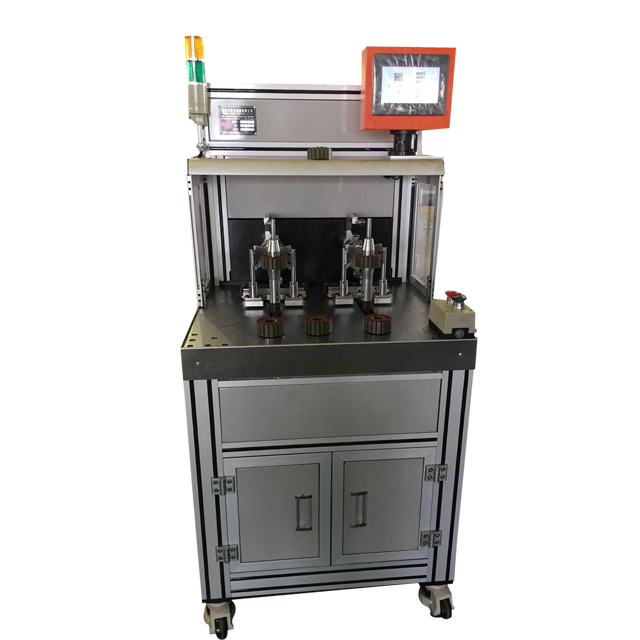
Dual-Station Stator Outer Winding Machine (Motor & Transformer)
- Robust outer stator coil indexing fly-arm
- Smooth precision wire layering mechanism
- Accommodates varied stack heights & OD
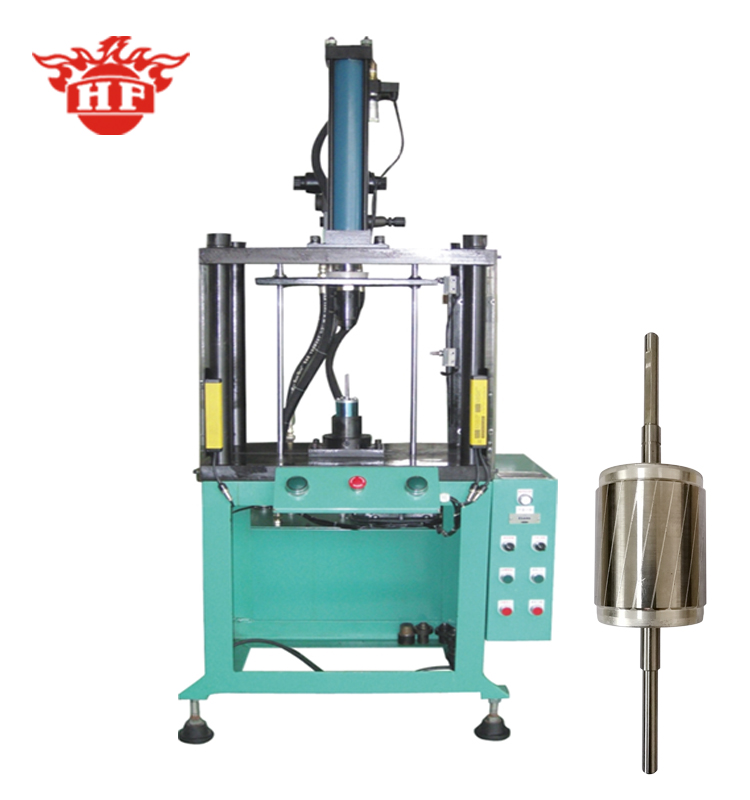
HF-W50 Rotor and Shaft Inserting Hydraulic Press Machine
- Calibrated press tonnage prevents core warping
- True concentricity alignment guarantee
- Heavy-duty hydraulic power assembly
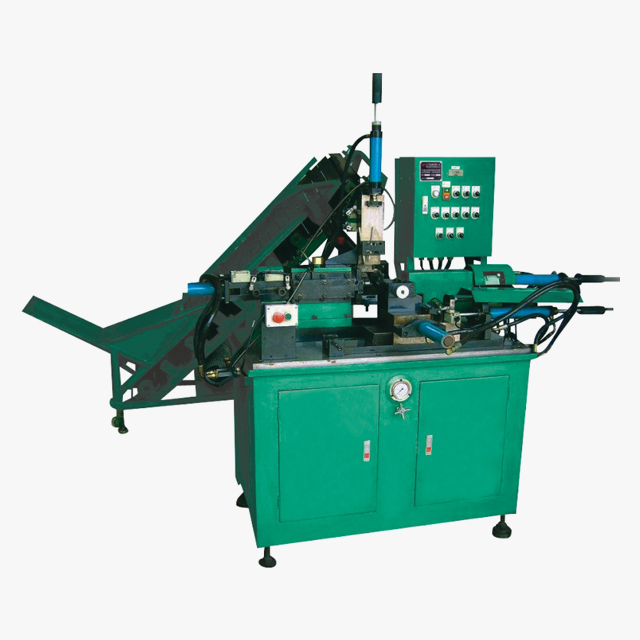
Fan Motor Rotor Rough Turning & Surface Cutting Machine
- Maintains ultra-tight magnetic air gap limits
- Engineered cutter head with long tool life
- Eliminates surface burrs and motor humming
Physics of Precision Winding & Automated Stator Assembly
An authoritative technical breakdown for motor manufacturing engineers, production managers, and procurement directors evaluating coil winding mechanics, slot-fill optimization, and electromagnetic integrity.
Closed-Loop Dynamic Tension Control
The primary driver of electrical breakdown in wound stators is inconsistent enameled wire stretching. When wire tension fluctuates during high-speed flyer indexing, the insulating enamel coating develops micro-fractures, elevating partial discharge rates. Our systems utilize electromagnetic tension controllers integrated with magnetic hysteresis dampening. Real-time feedback loops maintain constant tension across variable-velocity cycles, preventing cross-sectional necking and preserving the dielectric rating of class H, F, or C wire.
Slot-Fill Factor Optimization (≥78%)
Achieving superior energy efficiency standards (IE3, IE4, and emerging IE5) demands maximized copper volume inside the stator slots without damaging insulation paper. Traditional manual insertion peaks around 65% slot-fill. Our coordinated coil-and-wedge inserting machinery integrates segmented tungsten-carbide push blades and precision guide fingers that align conductors into high-density strata, pushing usable slot-fill beyond 78% while eliminating slot liner pinching and puncture defects.
Thermal & Geometric End-Turn Uniformity
Excessive coil overhang increases copper resistance losses without generating magnetic flux, while undersized overhangs cause phase-to-phase insulation rupture under thermal expansion. Through multi-axis CNC intermediate and final forming presses, coil end-turns receive uniform three-dimensional compression. The resulting coil geometry optimizes internal cooling airflow inside the motor casing, eliminates hotspots, and ensures zero mechanical contact between end-turns and die-cast motor end-shields.
Production Metric Comparison: Manual / Semi-Auto vs. Fully Automated Zunqi Workcells
Based on empirical field audits conducted across motor production plants manufacturing ceiling fans, submerged pump stators, and brushless DC equipment.
| Process Parameter | Traditional Manual / Semi-Auto Line | Zunqi Integrated Automated Cell | Engineering Gain & Quality Impact |
|---|---|---|---|
| Coil Insertion Cycle Time | 45 – 90 seconds / stator | 8 – 16 seconds / stator | >350% throughput gain per operator shift |
| Wedge Insertion Accuracy | Dependent on hand dexterity (±1.5mm) | Servo-indexed cutting & insertion (±0.1mm) | Zero ground faults from exposed slot teeth |
| Wire Enamel Degradation | Frequent scratches via manual packing tools | Polished ceramic guide eyes & Delrin tooling | Partial discharge inception voltage (PDIV) >1.8kV |
| End-Turn Lacing Consistency | Variable pitch, loose knotting over time | Servo double-side continuous tension tie | Enhanced structural resistance to harmonic vibration |
| Rotor Air Gap Precision | Manual lathe turning (Runout >0.05mm) | Fine turning & dynamic balancing (<0.015mm) | Reduced acoustic hum & magnetic rotor eccentricity |
Strategic Procurement Trends in Motor Coil Winding (2025–2030)
Global motor production is encountering tectonic transitions driven by stricter efficiency mandates, electrification of household appliances, and rising raw copper expenditures. Here is how leading OEMs are shaping equipment tenders.
1. Accelerating BLDC and PMSM Transition
Induction motors are rapidly conceding market share to high-efficiency Brushless DC (BLDC) and Permanent Magnet Synchronous Motors (PMSM) across ceiling fans, kitchen extractors, and HVAC air handlers. As a result, capital equipment procurement is shifting away from external flyer winders toward high-speed multi-station needle internal winding machines that can maneuver tight tooth slots in concentrated winding topologies without deforming laminated tooth tips.
2. Copper-to-Aluminium Cost Hedging
With copper price volatility challenging bottom-line margins in price-sensitive consumer motor manufacturing, procurement directors require coil winders capable of dual-wire processing. Enamelled aluminium wire possesses lower tensile yield strength and higher elongation sensitivity than copper. Modern winding machines must integrate dynamic deceleration curves and zero-friction ceramic feed paths to eliminate wire snapping and necking when switching metallurgy.
3. Integrated IoT & Quality Traceability
Automotive tier-suppliers and premium appliance manufacturers increasingly mandate batch-level traceability for every wound stator. Smart winding equipment must incorporate Ethernet/IP or Profinet connectivity, recording real-time parameters including tension peaks, cycle duration, turn-count verification, and insertion force histograms. These datasets feed directly into factory MES environments to uphold zero-defect quality systems.
Why Global Motor Manufacturers Source From Zunqi
Based in Qishi Town, Dongguan—at the epicenter of China's advanced motor and electromechanical supply chain—Zunqi Intelligent Equipment Co., Ltd. delivers direct factory capabilities, bespoke engineering, and dependable after-sales guarantees.
17+ Years Export Track Record
Continuous international operation verified on-site by international inspection bodies. Supplying stable machinery to over 40 countries across South Asia, the Middle East, Europe, and the Americas.
Custom Tooling to Stator Drawings
We do not sell generic off-the-shelf machines. Every winding nozzle, insertion blade, and forming shoe is precision-milled from imported SKD11 or tungsten carbide matched exactly to your stator lamination CAD drawings.
Globally Sourced Core Components
Standardized electrical architectures feature Siemens, Mitsubishi, Omron, Delta, or Schneider PLCs and servo drives, paired with SMC or Airtac pneumatic valves, guaranteeing trouble-free parts availability in your domestic market.
Turnkey Stator Production Lines
Single-source accountability: from insulation paper cutting & inserting, coil winding, and simultaneous wedge insertion to intermediate shaping, dual-side lacing, final forming, and precision rotor shaft hydraulic insertion.
Frequently Asked Questions by Industrial Buyers
Comprehensive engineering, commissioning, and logistics clarifications addressing common challenges encountered when importing motor machinery from China.
What precise technical parameters are required to generate an exact machine quote and tooling design?
To deliver an accurate technical proposal and prevent costly retrofitting, our engineering team requires: (1) 2D/3D CAD drawings of your stator lamination showing outer diameter (OD), inner bore diameter (ID), and slot opening geometry; (2) Maximum and minimum stack heights; (3) Winding scheme detailing turns per slot, wire diameter (gauge), and single vs multi-wire winding; (4) Coil overhang height restrictions; and (5) Operating line voltage/frequency (e.g., 380V 50Hz 3-phase or 220V 60Hz).
How does your factory validate machine capability before crating and export?
We do not dispatch equipment based solely on theoretical cycling. Clients ship a minimum of 20 to 50 blank stator stacks and a spool of production wire to our Dongguan facility. We run full live-wire validation trials to verify cycle speed, winding tension, slot filling integrity, and insulation resistance. A comprehensive multi-angle HD video and dimension inspection report are submitted for formal engineering sign-off prior to crating.
Can a single winding machine handle multiple stator stack heights and varying wire diameters?
Yes. Stack height variation within the same lamination profile is adjusted through servo stroke offsets configured directly on the HMI touchscreen, typically requiring under 5 minutes. However, switching to a stator with a different slot count, altered tooth shape, or drastically divergent wire diameter requires swapping the modular tooling set (nozzle guides, forming jaws, and index clamping fingers), which takes approximately 30 to 45 minutes.
What is your warranty coverage, and how is international technical support handled?
All machines include a 1-year comprehensive factory warranty on core mechanical and electronic components. For maintenance, every machine is supplied with an English operating manual, schematics, and an initial consumable spares package (cutter blades, needles, O-rings, and fuses). In the event of a fault, our engineering response team diagnoses the unit via remote video link within 9 hours. Replacement parts are dispatched via express air freight (DHL/FedEx).
What packaging standards are implemented to ensure zero corrosion during ocean transit?
Machine sliding surfaces, precision shafts, and tooling dies are degreased and treated with industrial anti-corrosion VCI oil. The entire machine body is sealed within vacuum-heat-sealed polyethylene moisture barrier film with industrial desiccants, then securely bolted to a solid steel/heavy timber base inside a fully enclosed, export-compliant fumigation-free plywood crate designed to endure long-distance maritime moisture.
Accelerate Your Motor Production Output Today
Send your stator drawings, stack heights, and target shift output. Our chief electromechanical engineers will evaluate your tooling envelope and return a tailored layout and quotation within 9 hours.
Send an Inquiry