Featured Stator & Rotor Production Solutions
High-precision motor assembly systems built for high slot fill rates, cycle repeatability, and long-term durability across domestic appliance, automotive, and industrial motor manufacturing lines.

- Engine gear driven mechanical feed
- PLC integrated core components
- Full 1-Year industrial warranty

- 1 kW energy-efficient servo drive
- Accurate end-turn pre-forming
- Custom-built for assembly plants

- Integrated coolant pump & PLC unit
- Aluminum rotor surface cutting
- Strict air-gap tolerance holding
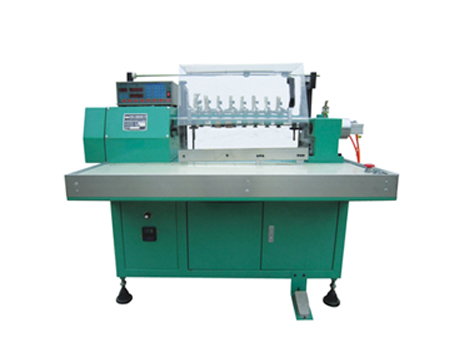
- Automatic continuous winding array
- Precision tensioning controller
- Copper & aluminium wire compatible

- Heavy-duty hydraulic compression head
- Complete overhaul clearance setting
- High repeatability dimensional safety

- Two controllers & two active stations
- Specialized high-speed indexing head
- 1-year factory warranty coverage

- High-yield 2-station synchronous drive
- Outer stator winding configuration
- Programmable turns & layer indexing
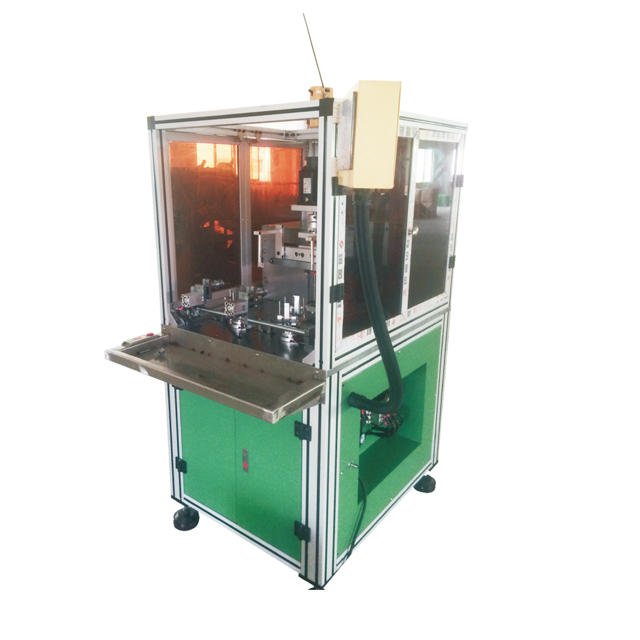
- Simultaneous 4-slot internal flyer winding
- Fast tooling changeover system
- High slot-fill capability guarantee
Engineering Overview: Modern Automatic Stator Wedge & Coil Inserting Machinery
The manufacturing of high-efficiency electric motors—ranging from low-power domestic ventilation motors and fractional horsepower hermetic compressors to premium-efficiency industrial three-phase induction and EV traction units—demands an uncompromised level of electromagnetic precision. At the center of stator coil assembly is the automatic stator wedge and coil inserting machine. This machine synchronizes the transfer of pre-wound copper or aluminum coil bundles and dielectric slot closure wedges directly into the laminated stator core in a singular, coordinated mechanical stroke.
Manual insertion of magnet wire carries inherent operational risks, such as scrape-induced inter-turn short circuits, inconsistent slot liner tension, and excessive wire crossing that damages end-turn aerodynamics. An industrial wedge and coil inserting machine eliminates manual handling by executing four simultaneous motions: wedge paper feeding from bulk coil stock, precision creasing and cutting of slot wedges to the programmed stack height, guided wire pushing via hardened insertion blades, and automatic stator core indexing. By synchronizing the wedge guide strip with the pushing fingers, the machine prevents wire peeling and ensures that high slot fill ratios (up to 78% in specialized architectures) can be achieved reliably without compromising enamelled wire insulation.
Zero Wire Enamel Abrasion
Tooling paths are treated with mirror-polished hard chrome and titanium carbonitride coatings to eliminate wire abrasion during rapid coil displacement through narrow slot openings.
Programmable Servo Synchronization
Multi-axis coordinated motion control guarantees absolute alignment between the wedge pusher and coil insertion blade, eliminating mechanical jams caused by micro-stoppages.
Diverse Dielectric Handling
Seamless processing of DMD, NMN, Nomex, and composite polyester insulation films with accurate mechanical cuffing, creasing, and length adjustment from 15mm up to 250mm.
Technical Benchmark Comparison
Selecting appropriate inserting machinery requires balancing motor stator geometry against production line throughput targets. Below is a comparative operational matrix representative of our factory configurations:
| Core Parameter | Standard Fan/Appliance Model | Industrial Multi-Pole Model | High-Torque / EV Tier Model |
|---|---|---|---|
| Stator Outer Diameter (OD) | Φ40 mm – Φ120 mm | Φ80 mm – Φ220 mm | Φ100 mm – Φ350 mm+ |
| Lamination Stack Height | 10 mm – 80 mm | 20 mm – 160 mm | 30 mm – 260 mm |
| Applicable Wire Material | Enamelled Copper / Aluminum Wire | Enamelled Copper Wire | Copper Wire / Rectangular Wire Option |
| Wedge Material Handling | Polyester Film / DMD / Nomex | Nomex / NMN / Polyimide | High-temp Aramid Paper & Composites |
| Cycle Time Per Stator | 12 – 18 Seconds | 18 – 30 Seconds | 25 – 45 Seconds |
| Driving System | PLC + Dual AC Servo Motors | Multi-Axis Coordinated Servo | Full Digital Servo + Hydraulic Assist |
Future Sourcing Trends for Motor Assembly Equipment (2025–2030)
As motor engineering teams adapt to higher efficiency standards (such as IE4 and IE5), the criteria for stator equipment procurement are shifting. Manufacturing facilities must account for the following technological transitions:
1. High Slot-Fill Ratios and Stator Miniaturization
Decarbonization standards require electric motors to deliver higher power density in smaller core envelopes. This design trend increases slot-fill ratios from conventional 60–65% levels toward 75–80%. Sourcing managers now prioritize inserting machines designed with high-modulus tungsten carbide insertion tooling, ultra-thin guide teeth, and micro-stepped servo drives that prevent copper binding during the insertion stroke.
2. Aluminum-to-Copper Transition Flexibility
Fluctuating copper prices continue to prompt domestic fan, pump, and refrigeration motor manufacturers to introduce enamelled aluminum wire configurations. Because aluminum wire has lower tensile strength and higher elongation sensitivity than copper, wedge and coil inserting machines require closed-loop dynamic tensioning systems. Progressive motor manufacturing lines require multi-profile insertion software that toggles between aluminum and copper insertion parameters with minimal tooling changes.
3. Real-Time Telemetry and Closed-Loop Quality Assurance
Global procurement teams increasingly require inserting machinery equipped with IIoT telemetry interfaces (EtherCAT, Profinet, Modbus TCP). Modern inserters capture pushing force profiles millisecond-by-millisecond during each stroke. Any obstruction caused by an improperly fed slot wedge or crossed winding triggers an immediate micro-stop before the magnet wire insulation can be compromised, generating an traceable audit log for quality management systems.
4. Modular Multi-Process Tooling Carts
Factory floors are moving away from dedicated, single-product machinery in favor of high-mix, medium-volume manufacturing cells. Modern stator inserting equipment utilizes quick-change tooling carts. An operator can switch out the blade magazine, wedge guide plates, and central locating mandrel in under 15 minutes, allowing one inserting machine to serve multiple motor frame sizes (e.g., 56, 63, 71, and 80 frames).

Why Motor Manufacturers Partner with Zunqi Machinery
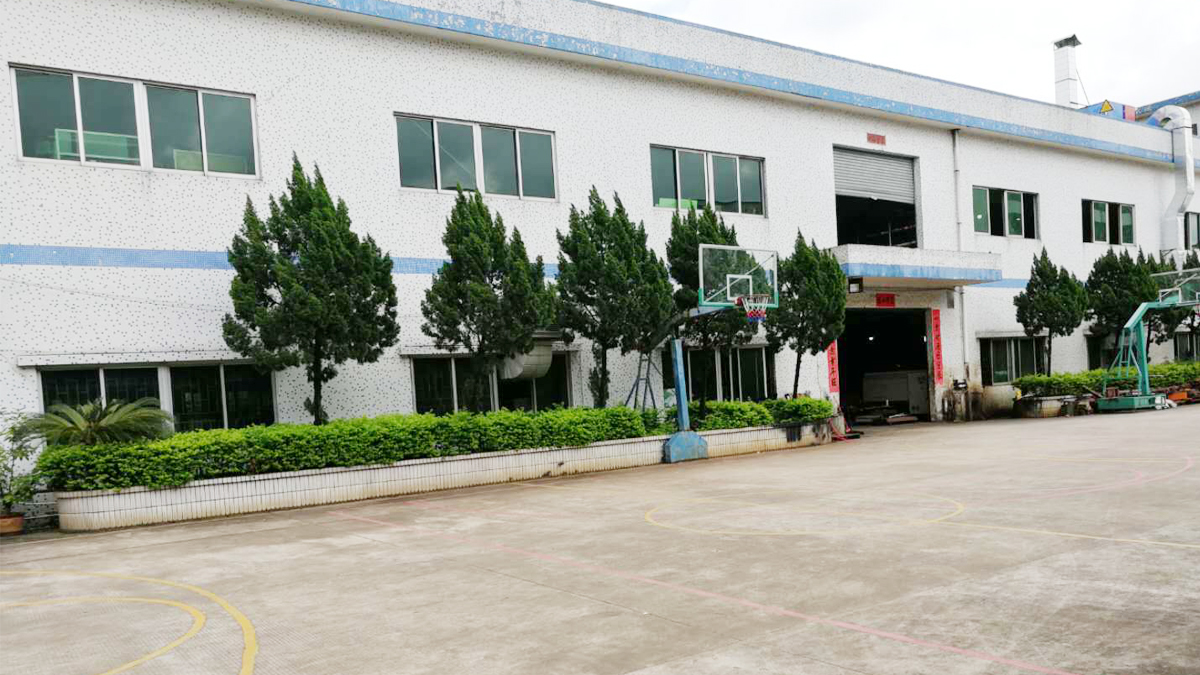
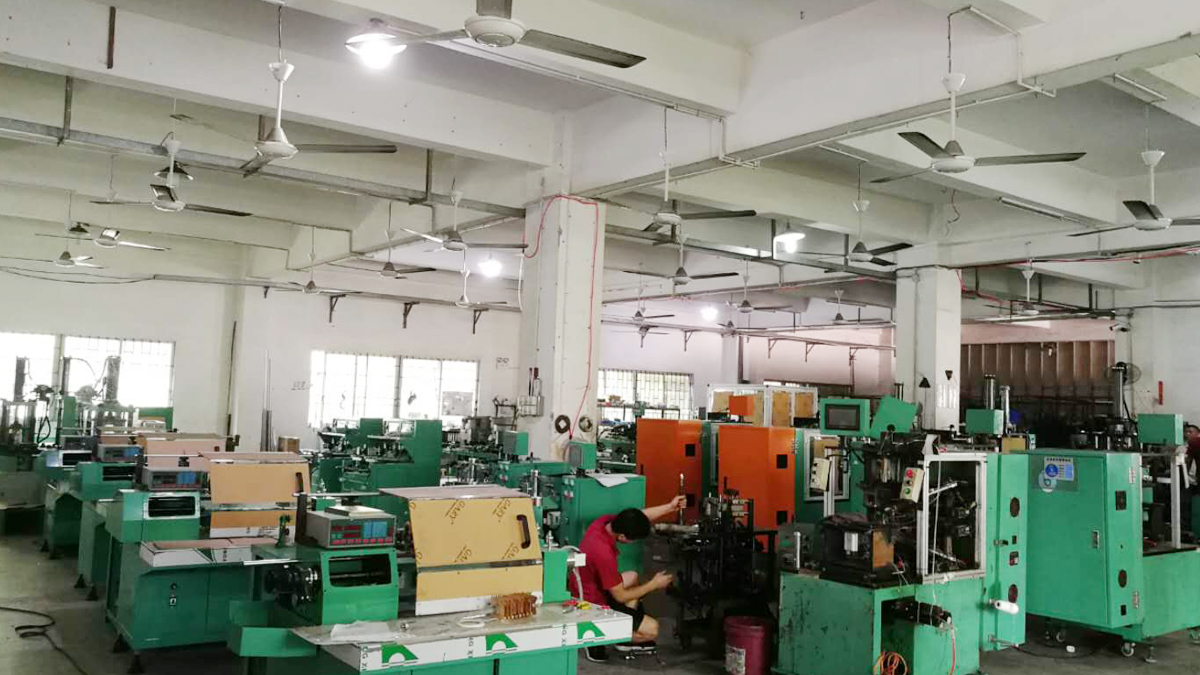
Based in Qishi Town, Dongguan, China, Zunqi Intelligent Equipment Co., Ltd. has delivered precision motor production machinery for over 17 years. Our team of 51–100 engineers and technicians supports motor assembly facilities across Europe, the Americas, the Middle East, and Southeast Asia.
-
Precision Stator Tooling: We design inserting fingers, guide pushers, and wedge guides to your actual stator core drawings and samples, verified through trial run validation.
-
Complete Matched Stator Lines: From slot insulation inserting to multi-station winding, coil inserting, intermediate forming, double-sided lacing, and rotor shaft pressing, all machines are synchronized in speed and cycle time.
-
Tier-1 Component Standard: We assemble systems with industrial controls from Siemens, Mitsubishi, Panasonic, Schneider, Omron, Delta, Yaskawa, and SMC pneumatics based on client plant standards.
-
Direct Factory Accountability: On-site verified production facilities, export packaging in fumigation-free crates, comprehensive operational video training, and continuous supply of wear tooling.
Stator Wedge Inserting Machine Procurement FAQ
Clear, engineering-backed answers addressing the technical, commercial, and operational considerations of our equipment.
What engineering specifications are required for custom inserting tooling?
To fabricate the inserting blade magazine and wedge pushing assemblies, our engineering team requires: lamination core stack height range, stator bore inner diameter (ID), stator outer diameter (OD), slot drawing showing tooth shoe profiles, wire gauge diameter (including enamel thickness), target turns per coil, and insulation wedge material/thickness.
Can the machine handle both copper and aluminum wire insertion?
Yes. By utilizing variable-speed servo control on the insertion ram and polishing the guide channels to a mirror finish, our inserting equipment prevents stretching or stripping the enamel coating of aluminum magnet wire, as well as high-tensile copper wire bundles.
What is the standard cycle time for automatic wedge and coil inserting?
On typical 2-pole to 6-pole stators (such as ceiling fans, table fans, washing machines, or water pumps), a complete insertion cycle—feeding wedges, cuffing, cutting, inserting, and return stroke—takes approximately 12 to 22 seconds per stator core, depending on stack height and slot count.
What wear parts require scheduled replacement, and what is their service life?
The primary wear components are the inserting blades (pushing fingers), wedge feeding guides, and wedge cutting blades. Fabricated from Cr12MoV, SKD11, or tungsten carbide, our inserting blades typically deliver 600,000 to 1,200,000 continuous cycles before requiring sharpening or replacement.
How do you verify machinery accuracy prior to international dispatch?
We request clients send physical sample stator packs and magnet wire prior to final shipment. We perform continuous production test runs in our Dongguan workshop, record high-definition operational video footage showing all mechanical cycles, and measure insulation resistance and dielectric strength before dispatch.
What electrical power supplies and control protocols can be configured?
Machines can be wired for 220V single-phase or 380V/415V/480V 3-phase systems at both 50Hz and 60Hz. Control interfaces feature multilingual HMI touchscreens (English, Spanish, Russian, Portuguese) with PLC platforms configurable to Mitsubishi, Siemens, Omron, or Delta based on your factory requirements.
