Armature Series
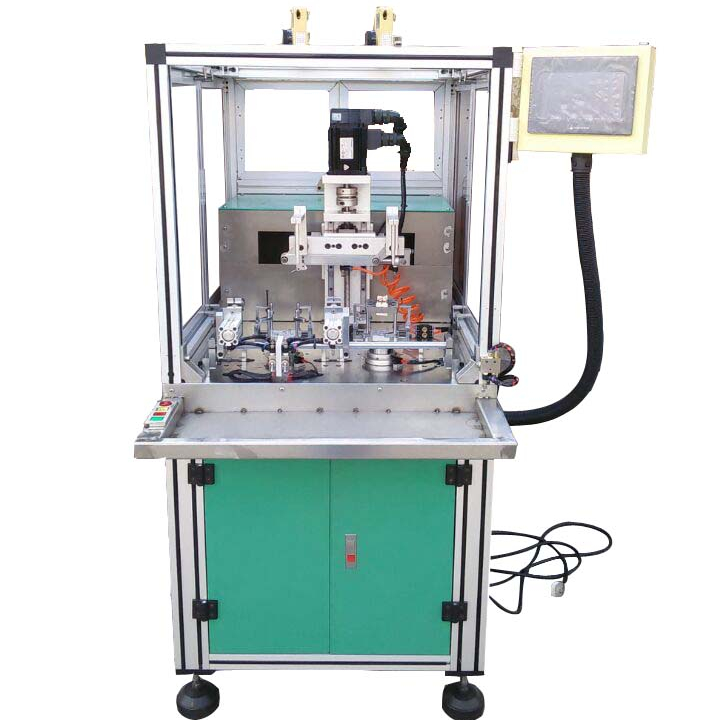
Direct from our Dongguan automation workshop: calibrated machinery engineered to eliminate slot flashovers, dielectric breakdowns, and winding tension inconsistencies.
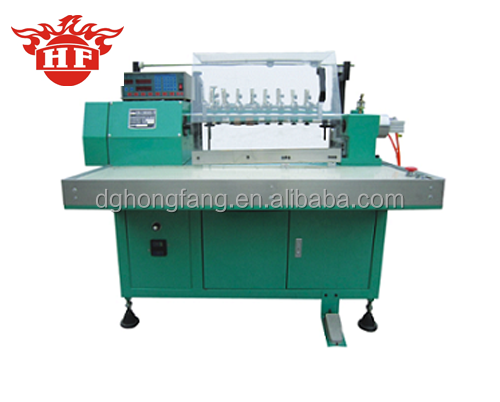
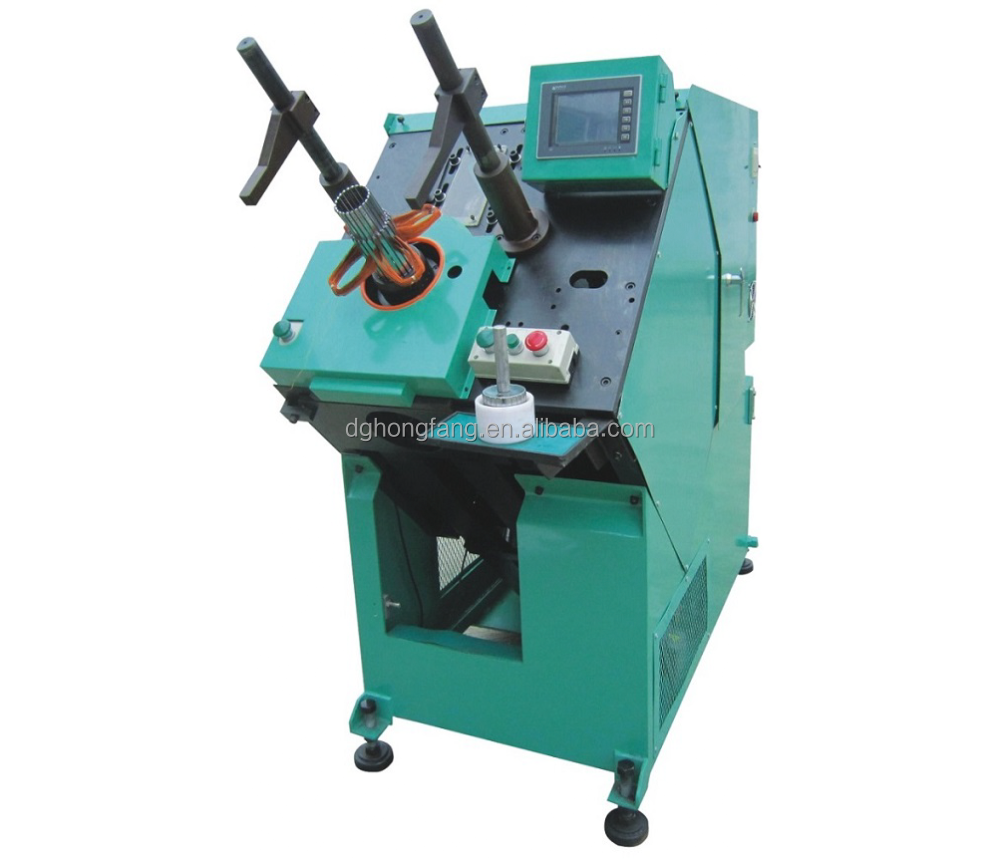
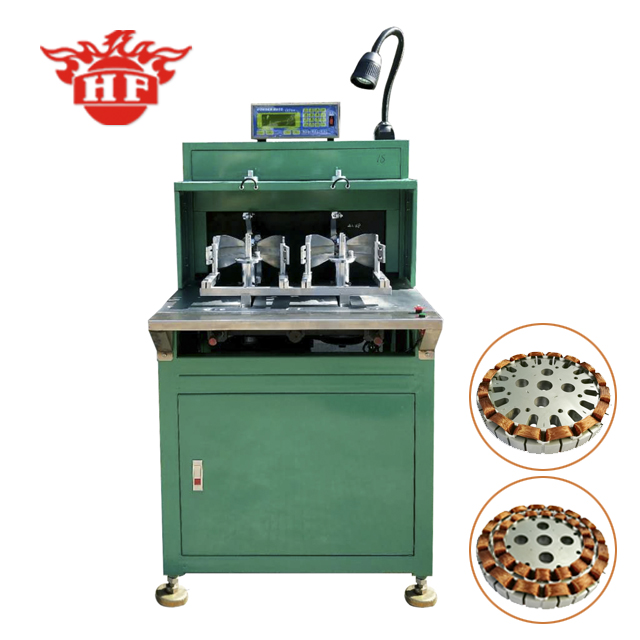
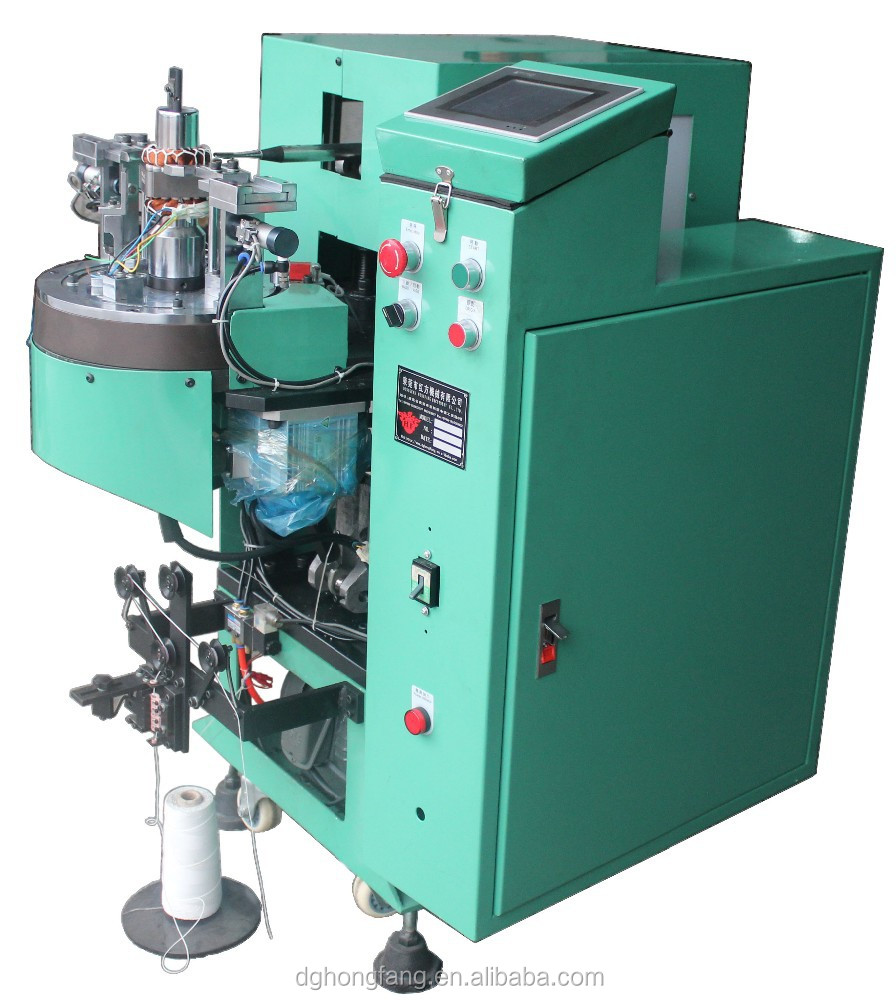
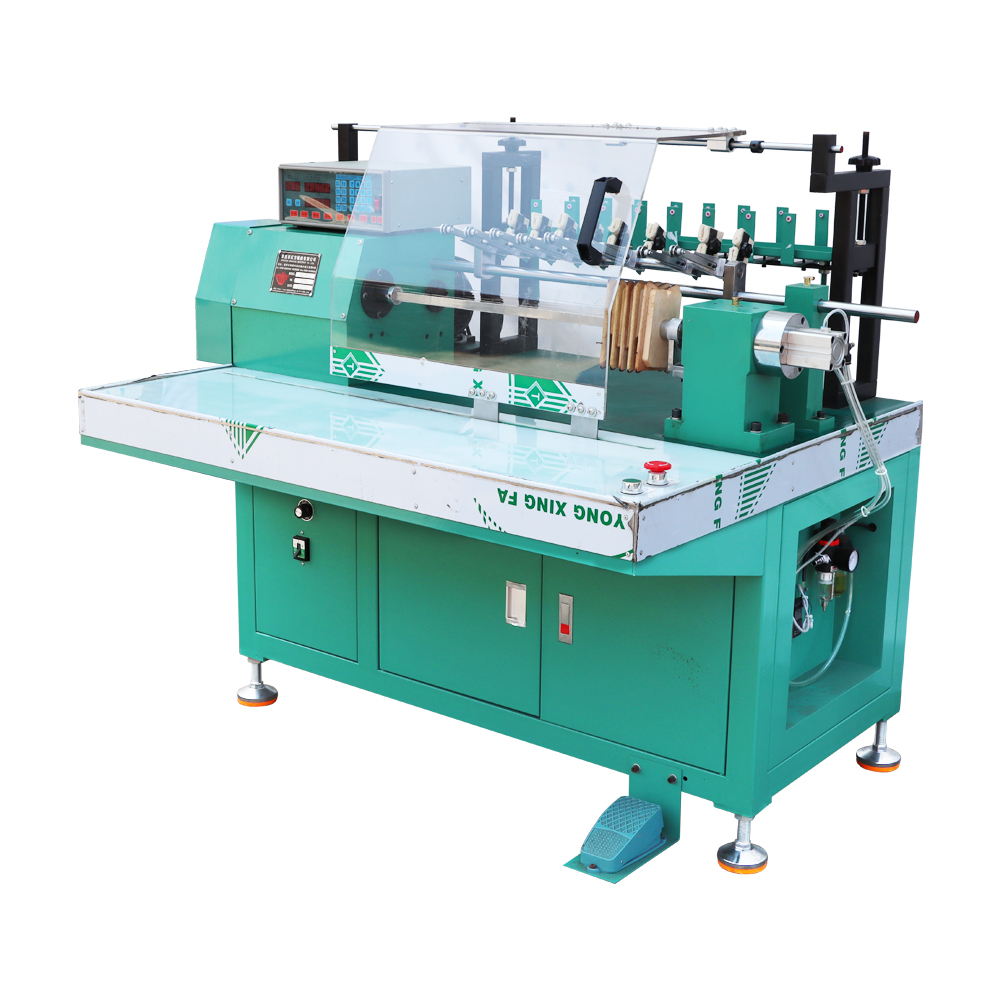
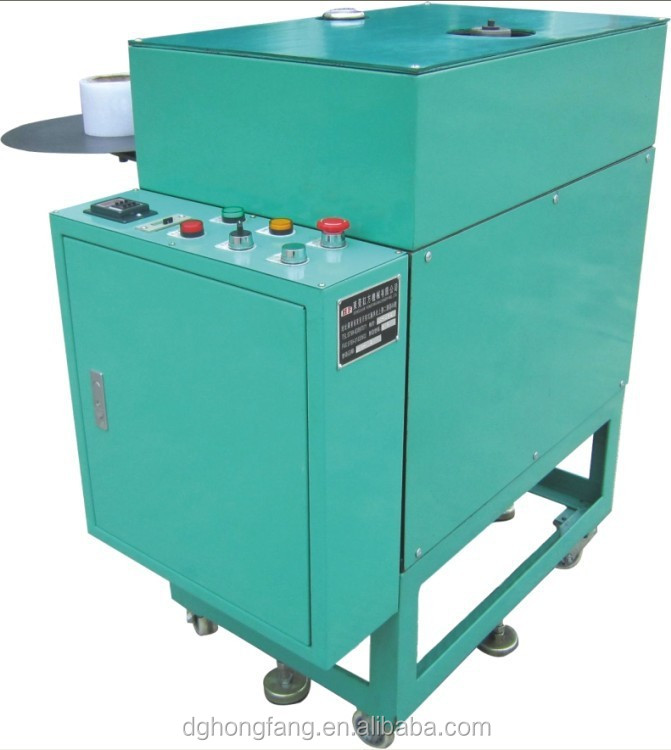
In electric motor manufacturing, the stator insulation process represents the primary line of defense against premature dielectric breakdown, earth grounding faults, and inter-turn short circuits. An optimal stator insulation machine does not merely slide dielectric barrier paper into magnetic steel laminations; it must reconcile severe tribological frictions, micro-mechanical tolerances, and material elasticity variations inherent to synthetic composites such as DMD, NMN, and Nomex polymers.
Modern Chinese automated stator insulation equipment manufactured by leading facilities integrates servo-driven feeding rollers with micro-adjustable mechanical shear tooling. The cycle consists of four continuous, synchronized micro-operations:
1. Automated Unwinding & Tension Control: Prevents roll telescoping and eliminates static buildup that induces misfeeds during high-speed cycle runs.
2. Edge Cuffing & Creasing: Creates calibrated bilateral flanges that anchor the paper mechanically within the core slot length, accommodating core stack tolerances up to ±0.5mm without displacement.
3. Precision Slot Profiling: Pre-forms the paper cross-section to mimic the exact tooth silhouette (semi-closed, open, or parallel-sided) prior to axial insertion.
4. High-Torque Axial Insertion: Driven by CAM or servo mechanics, pushing the custom-cut cell into the stator lamination pack at speeds exceeding 0.3 seconds per slot with absolute indexing precision.
Critical engineering shifts that electrical equipment procurement executives and plant managers must anticipate over the next five to ten years.
Global cost pressures on pure copper magnet wire are driving electric fan, pump, and small compressor manufacturers toward enameled aluminum conductors. Automation suppliers must deliver dual-tension control systems with ceramic-coated eyelets to eliminate wire necking, stretching, or enameled surface micro-scratches during high-speed insertion.
The era of single-purpose motor manufacturing lines is concluding. Tier-1 buyers demand modular inserting tooling that facilitates rapid tooling changeover between different stator core IDs, ODs, and stack heights in under 45 minutes, dramatically minimizing production line idle time and capital expenditure amortizations.
Procurement teams are shifting away from piecemeal equipment sourcing. Competitive motor makers require synchronized cells connecting slot paper insertion, coil winding, wedge insertion, intermediate coil forming, automated dual-side lacing, and fine rotor turning under a centralized SCADA industrial monitoring framework.
The rapid acceleration of high-efficiency brushless DC (BLDC) motors, industrial permanent magnet synchronous motors (PMSM), and automotive-grade EV propulsion systems has redefined stator insulation benchmarks across the Asian machinery landscape.
1. Inline Optical Vision & Insulation Verification: Conventional machinery relies solely on destructive batch-level hipot testing. Next-generation stator manufacturing cells now integrate machine vision and laser sensors directly into the paper insertion tooling. Any micro-wrinkles, cut tears, or misaligned slot liners are detected before the stator indexing table advances to the coil insertion stage, preventing copper wire wastage.
2. Continuous Thermal Degradation Resistance: As motor efficiency standards escalate towards IE4 and IE5 super-premium efficiency criteria, motor coils run at elevated magnetic flux densities and operating temperatures. Slot insulation machinery is being optimized to process higher-viscosity, brittle Class H and Class N thermal barrier laminates without material fragmentation or delamination during the aggressive cuff-folding sequence.
3. Advanced Servo-Synchronization Over Legacy Mechanical Cams: High-end Chinese manufacturers are replacing mechanical bevel cams with multi-axis EtherCAT servo synchronizers. This transition provides programmatic control over insertion speed profiles, enabling gentle deceleration at the initial entry point of the lamination slot and high-speed acceleration throughout the travel stroke, minimizing mechanical stress on both paper and wire.
Strategically headquartered in Qishi Town, Dongguan, Guangdong, Zunqi Intelligent Equipment Co., Ltd. combines heavy precision tooling with export-grade electrical engineering.

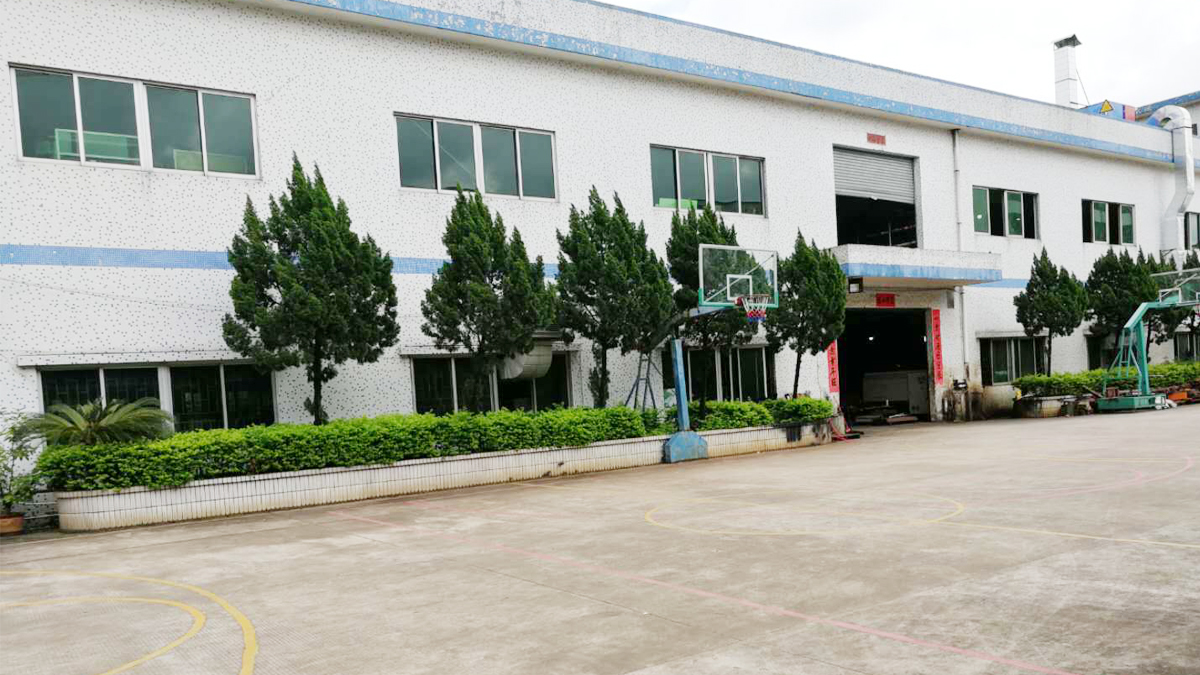
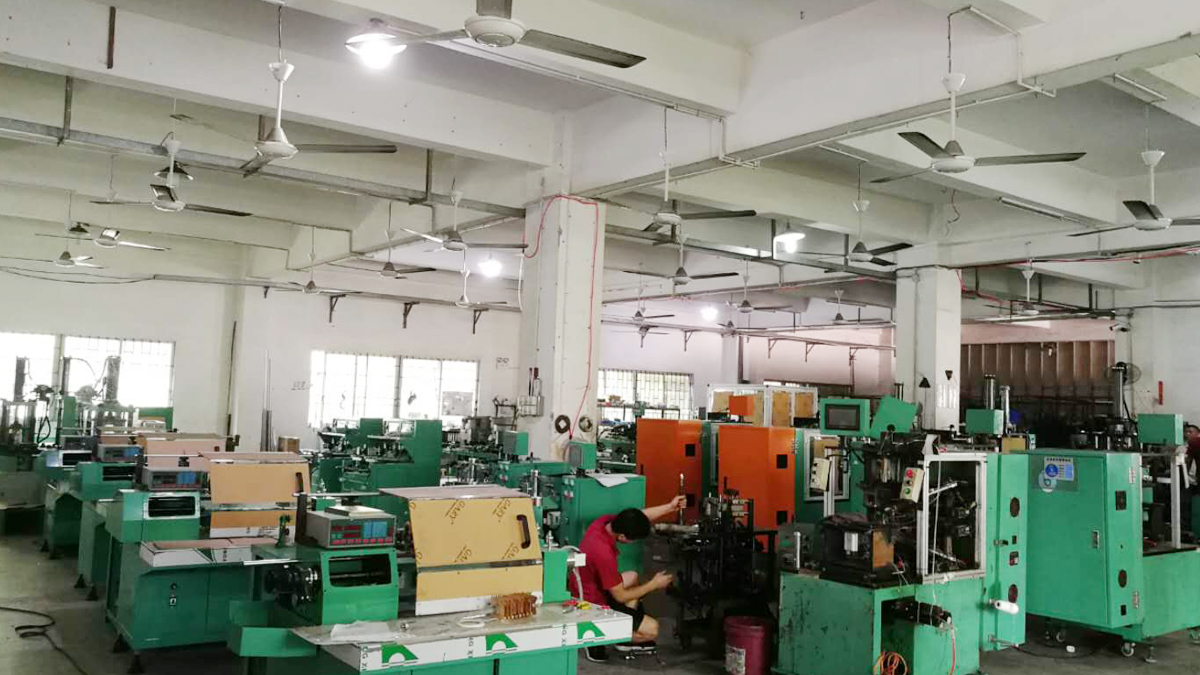
We do not sell rigid off-the-shelf machinery. Every inserting blade, former block, and winding jig is CNC-machined directly to your physical stator sample and engineering blueprints, guaranteeing zero interference on startup.
We supply the entire matched sequence: slot paper inserting, CNC winding, coil inserting, lacing, forming, and rotor finishing. One engineering manufacturer assumes full responsibility for cycle balance and tooling compatibility.
Onsite verified by international inspection authorities in Dongguan with hundreds of operational machines active throughout Southeast Asia, India, the Middle East, South America, and Eastern Europe.
We utilize globally recognizable control platforms—including Siemens, Mitsubishi, Delta, and Omron—coupled with Airtac or SMC pneumatics, ensuring your factory technicians can secure spare parts locally without downtime.
Essential clarifications regarding tooling parameters, wire tolerances, electrical compatibility, and post-delivery acceptance.
